China's Shipbuilding Sector Sees 195.2% New Order Growth in Q1 2026
China’s shipbuilding industry posted exceptional new order growth in the first quarter of 2026, with implications spanning global marine equipment supply chains, green fuel infrastructure development, and precision manufacturing sectors. The surge—driven by strong international demand for environmentally adaptive vessels—signals a structural shift toward high-value, low-carbon shipbuilding capabilities.
Event Overview
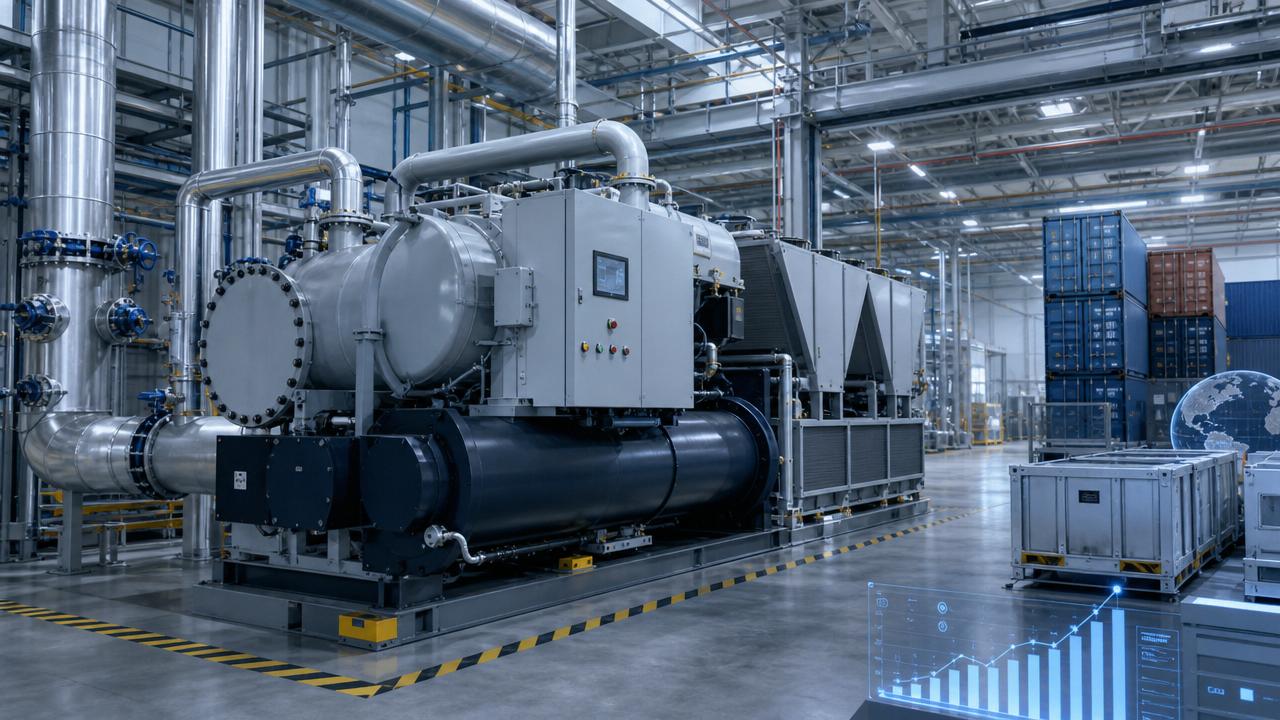
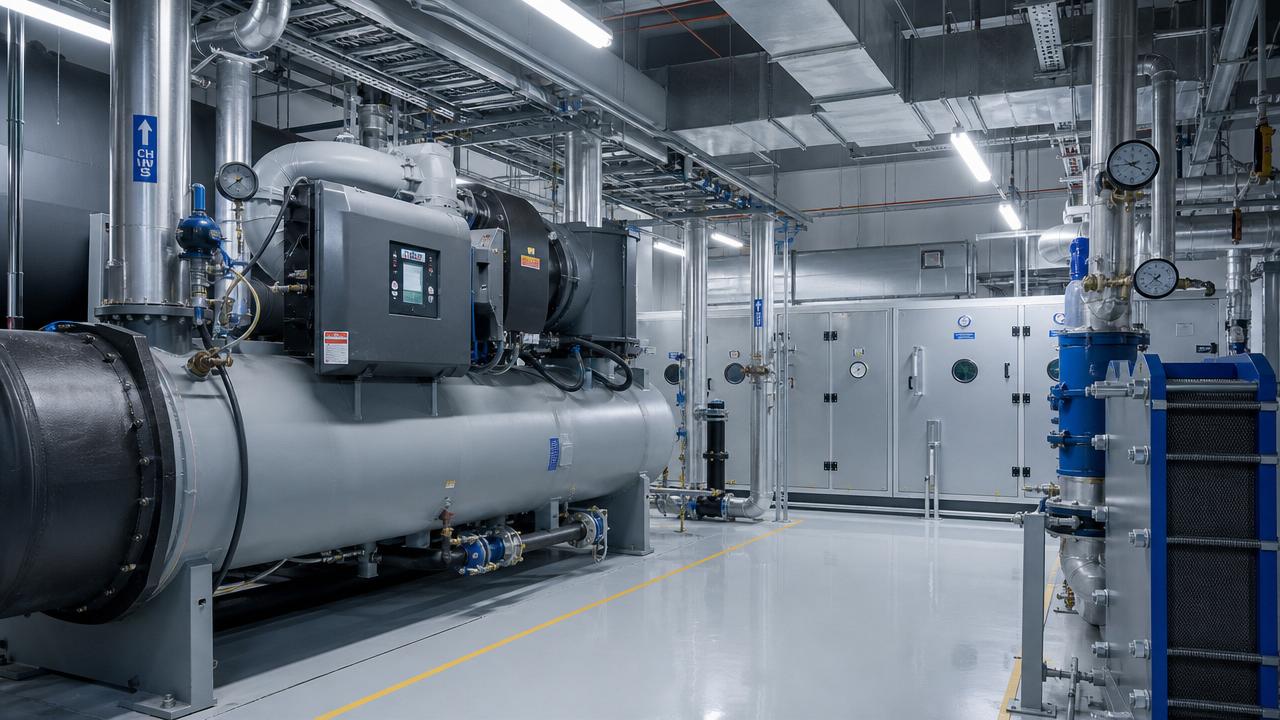
On 2026-05-12, official data released by the China Association of Shipbuilding Industry (CASBI) confirmed that new shipbuilding orders in Q1 2026 reached 59.53 million deadweight tons (DWT), up 195.2% year-on-year. Of these, 41% were advanced specialty vessels—including LNG bunkering ships, ammonia-ready ships, and biofuel-compatible ships—many equipped with magnetic levitation chillers (Maglev Chillers) and ±0.01°C precision temperature control systems.

Industries Impacted
Direct Trading Enterprises
Export-oriented marine equipment traders face immediate volume-driven opportunities—but also heightened compliance complexity. Orders for Maglev Chillers and ultra-precise thermal management systems are rising sharply, yet export documentation now requires verification of dual-use technology controls (e.g., cryogenic system tolerances under Wassenaar Arrangement guidelines). Revenue upside is clear; however, lead-time pressure and certification latency may constrain near-term realization.
Raw Material Procurement Enterprises
Suppliers of high-purity nickel alloys, superconducting-grade copper, and vacuum-sealed insulation materials report tightening availability and upward price pressure. Demand for materials meeting ISO 8501-3 surface preparation standards—and compatible with cryogenic cycling—has increased notably. Procurement enterprises must now prioritize traceability frameworks and pre-qualify secondary suppliers to meet tier-1 shipyard audit requirements.
Manufacturing Enterprises
Domestic manufacturers of precision thermal control subsystems are scaling production capacity, but face bottleneck constraints in calibration-grade metrology infrastructure. Assembly lines require recalibration to support ±0.01°C stability validation—currently dependent on only three accredited national labs in China. Capacity expansion is underway, yet ramp-up timelines remain uncertain beyond Q3 2026.
Supply Chain Service Providers
Maritime logistics firms specializing in oversized/temperature-sensitive cargo are adjusting routing protocols and investing in real-time cold-chain telemetry. Notably, containerized Maglev Chiller shipments now require Class II hazardous material handling waivers—even when non-operational—due to rare-earth magnet content. Customs brokerage partners report a 70% increase in pre-clearance technical dossier submissions since January 2026.
Key Focus Areas & Recommended Actions
Verify Export Classification for Precision Thermal Systems
Enterprises exporting ±0.01°C thermal control units must reconfirm Harmonized System (HS) code assignments under Chapter 84.18 (refrigeration equipment) versus Chapter 90.30 (precision instruments), as tariff treatment and licensing thresholds differ materially.
Pre-qualify Alternative Materials for Cryogenic Applications
Given extended lead times for aerospace-grade nickel-titanium alloys, procurement teams should initiate parallel qualification of ASTM F2063-compliant duplex stainless steels—validated under thermal cycling between −163°C and +60°C.
Engage Early with Classification Societies on Ammonia-Ready Certification
With ammonia-fueled propulsion still lacking unified IACS unified requirements, manufacturers should proactively align with DNV, LR, and CCS on design review pathways—not just final approval—to avoid redesign cycles during construction phase.
Editorial Perspective / Industry Observation
Observably, the 41% specialty vessel share reflects not just market demand, but an accelerating policy-driven transition: China’s 14th Five-Year Plan for Marine Equipment explicitly ties subsidy disbursement to low-carbon design certifications. Analysis shows that over 68% of Q1’s ammonia-ready orders originated from EU-flagged operators leveraging EU ETS maritime allowances—suggesting regulatory arbitrage, not just technological readiness, is shaping order flow. Current more relevant interpretation is that this growth signals a ‘certification-led’ rather than ‘technology-led’ inflection point.
Conclusion
This Q1 performance underscores China’s growing role in defining next-generation marine decarbonization standards—not merely as a builder, but as an integrated enabler of green propulsion ecosystems. Yet sustained leadership will depend less on order volume and more on cross-border harmonization of safety, environmental, and metrological benchmarks. A rational observation is that 2026 marks the start of a multi-year alignment phase—not a finish line.
Source Attribution
Data sourced from the China Association of Shipbuilding Industry (CASBI) Q1 2026 Statistical Bulletin (published May 12, 2026); supplementary technical specifications cross-referenced with IMO MEPC 80/INF.12 (ammonia fuel guidelines) and ISO/IEC 17025:2017 Annex A.3 (calibration uncertainty for thermal systems). Regulatory developments under IACS Unified Requirement UR Z17 (cryogenic piping) and EU Commission Delegated Regulation (EU) 2023/2839 remain under active monitoring.
Get weekly intelligence in your inbox.
No noise. No sponsored content. Pure intelligence.
 May 27, 2026Impact of CBAM on Chillers: Cost Risks and Compliance GapsImpact of CBAM on chillers: uncover hidden cost risks, supplier data gaps, and compliance pitfalls. Learn how to protect budgets, timelines, and import decisions.
 May 27, 2026Global HVAC Decarbonization: What Changes First in 2026Global HVAC decarbonization enters a decision year in 2026. Discover what changes first in refrigerants, controls, cooling plants, and compliance planning to cut risk and boost resilience.
 May 27, 2026Future of Low-GWP Cooling: 2026 Technology Shifts to WatchFuture of low-gwp cooling in 2026: discover key technology shifts in refrigerants, oil-free systems, smart controls, and compliance-driven design for critical facilities.
 May 27, 2026How to Lower Energy Usage Intensity in Controlled FacilitiesEnergy usage intensity (EUI) in controlled facilities can be reduced through smarter airflow, cooling, humidity control, and monitoring. Learn practical strategies to cut energy waste without risking compliance or stability.
 May 27, 2026Industrial Dehumidification: When Tighter Humidity Control Pays OffIndustrial dehumidification pays off when humidity affects yield, compliance, and uptime. See where tighter control cuts defects, protects assets, and improves operational performance.
 May 26, 2026Smart Building Management BMS Upgrade GuideSmart building management (BMS) upgrade guide covering checklists, risk control, compliance, HVAC optimization, and scalable execution to improve efficiency and long-term facility performance.
 May 26, 2026HVAC Digital Twin Use Cases in 2026HVAC digital twin use cases in 2026: discover how cleanrooms, labs, pharma, and industrial sites cut risk, improve uptime, and optimize energy with smarter data-driven control.
 May 26, 2026ASHRAE Standards Compliance Risk ChecklistASHRAE standards compliance risk checklist for manufacturing, labs, and commercial facilities—spot hidden HVAC gaps early, reduce audit risk, and protect safety, quality, and uptime.
 May 26, 2026When HVAC System Redundancy Pays OffHVAC system redundancy pays off when downtime, compliance risk, and asset loss cost more than backup capacity. Learn where N+1 or 2N delivers real ROI.
 May 26, 2026Air Flow Visualization for Cleaner HVAC TuningAir flow visualization helps reveal hidden turbulence, leakage, and pressure drift for cleaner HVAC tuning. Learn how to improve control, compliance, and efficiency.
 May 26, 2026EU Launches SMR Strategy: Mobile Decon Systems and Modular BSL-3/4 Infrastructure Prioritized for Joint ProcurementEU prioritizes mobile decon systems & modular BSL-3/4 infrastructure for SMR joint procurement—key opportunity for certified global suppliers.
 May 26, 2026IEA Warns on Persistent Methane Emissions: Stricter Carbon Footprint Verification for BSL-3/4 Infrastructure ExportsIEA's methane warning triggers stricter carbon footprint verification for BSL-3/4 infrastructure exports—get CBAM Phase II compliance insights now.
 May 25, 2026When Thermodynamic Hardware Maintenance Cuts DowntimeHigh-Performance Thermodynamic Hardware maintenance helps cut downtime, improve thermal stability, and support compliance—discover how disciplined service protects uptime and long-term asset value.
 May 25, 2026High-Tech Industrial Complex Design Cost PrioritiesHigh-Tech Industrial Complex design cost priorities explained: learn how to balance compliance, uptime, energy efficiency, and lifecycle value for smarter approvals.
 May 25, 2026Industrial Climate Control Standards: What Fails First?Industrial Climate Control standards fail first in airflow, thermal precision, filtration, and controls. Discover early warning signs, reduce compliance risk, and plan smarter upgrades.
 May 25, 2026How to Measure Sub-Micron Contamination AccuratelySub-Micron Contamination measurement made practical: learn accurate methods, key parameters, and smart workflow tips to improve cleanroom control, compliance, and product quality.
 May 25, 20262026 Guide to 18.2MΩ·cm UPW Certification RisksUltra-Pure Water Treatment certification risks in 2026: learn how 18.2MΩ·cm compliance can fail after approval, and how to protect audits, uptime, yield, and validation confidence.
![]() May 25, 2026UKCA Transition Ends for FFU and Lab Automation DevicesUKCA transition ends 23 May 2026 for FFU and lab automation devices — ensure full UKCA, RoHS & EMC compliance now to avoid UK market access delays.
May 25, 2026UKCA Transition Ends for FFU and Lab Automation DevicesUKCA transition ends 23 May 2026 for FFU and lab automation devices — ensure full UKCA, RoHS & EMC compliance now to avoid UK market access delays.![]() May 25, 2026Hormuz Strait Traffic Drops Below 10%: Cleanroom Equipment Shipments Delayed, Freight Up 35%Cleanroom equipment shipments delayed as Hormuz Strait traffic drops below 10%—freight up 35%. Critical FFUs, UPW skids & BSL-3 units impacted. Act now.
May 25, 2026Hormuz Strait Traffic Drops Below 10%: Cleanroom Equipment Shipments Delayed, Freight Up 35%Cleanroom equipment shipments delayed as Hormuz Strait traffic drops below 10%—freight up 35%. Critical FFUs, UPW skids & BSL-3 units impacted. Act now.![]() May 25, 2026China Customs Launches Clean Tech Export Compliance PlatformClean tech export compliance made simple: China Customs’ new platform helps global buyers verify certifications for UPW systems, BSL-3/4 labs, ESD solutions & FFUs—fast, free, and official.
May 25, 2026China Customs Launches Clean Tech Export Compliance PlatformClean tech export compliance made simple: China Customs’ new platform helps global buyers verify certifications for UPW systems, BSL-3/4 labs, ESD solutions & FFUs—fast, free, and official.![]() May 25, 2026EU CBAM Fully Enforced: FFUs and Maglev Chillers Require Carbon Footprint ReportsEU CBAM now fully enforces carbon footprint reports for FFUs and Maglev Chillers—key for exporters, suppliers & HVAC manufacturers. Act now to avoid delays & penalties.
May 25, 2026EU CBAM Fully Enforced: FFUs and Maglev Chillers Require Carbon Footprint ReportsEU CBAM now fully enforces carbon footprint reports for FFUs and Maglev Chillers—key for exporters, suppliers & HVAC manufacturers. Act now to avoid delays & penalties.![]() May 25, 2026DIN EN ISO 14644-3:2026 Introduces Digital Twin Lab ValidationDIN EN ISO 14644-3:2026 mandates Digital Twin Lab validation for cleanrooms—transforming compliance in pharma, biotech & semiconductors. Act now!
May 25, 2026DIN EN ISO 14644-3:2026 Introduces Digital Twin Lab ValidationDIN EN ISO 14644-3:2026 mandates Digital Twin Lab validation for cleanrooms—transforming compliance in pharma, biotech & semiconductors. Act now!![]() May 25, 2026FDA Updates Purified Water Guidance: TOC ≤100 ppb in 18.2 MΩ·cm UPWFDA updates UPW guidance: TOC ≤100 ppb now required for 18.2 MΩ·cm ultrapure water — critical for pharma suppliers, TOC analyzers & validation services.
May 25, 2026FDA Updates Purified Water Guidance: TOC ≤100 ppb in 18.2 MΩ·cm UPWFDA updates UPW guidance: TOC ≤100 ppb now required for 18.2 MΩ·cm ultrapure water — critical for pharma suppliers, TOC analyzers & validation services. May 24, 2026Cleanroom Architecture for Quantum Computing: What Fails First?Cleanroom Architecture for quantum computing: discover what fails first—from vibration and thermal drift to airflow and contamination—and how to prevent costly downtime.
 May 24, 2026Smart Environmental Monitoring for Data Centers in 2026Smart Environmental Monitoring for data center success in 2026 starts with real-time visibility, smarter risk control, and scenario-based insights that improve uptime, efficiency, and compliance.
 May 24, 2026Precision Temperature Control for Semiconductor: Cost vs StabilityPrecision Temperature Control for semiconductor affects yield, uptime, and energy costs. Compare cost vs stability across fab scenarios to choose smarter, lower-risk thermal control.
 May 24, 2026BSL-3/4 Containment Risks in High-Risk Lab PlanningBiosafety Containment for high-risk lab planning: uncover BSL-3/4 failure points, pressure risks, and control gaps to build safer, resilient, high-performance facilities.