HVAC Maintenance AI Reports: How to Spot Useful Insights Instead of Noise
HVAC maintenance AI reports can surface real faults, hidden energy waste, and early warning signals—but they can also bury technicians in alarms, trends, and low-value data. For after-sales maintenance teams working in precision environments, the key is knowing which insights improve uptime, compliance, and system stability, and which ones are just noise. This article shows how to tell the difference and act faster with confidence.
What HVAC Maintenance AI Reports Actually Mean
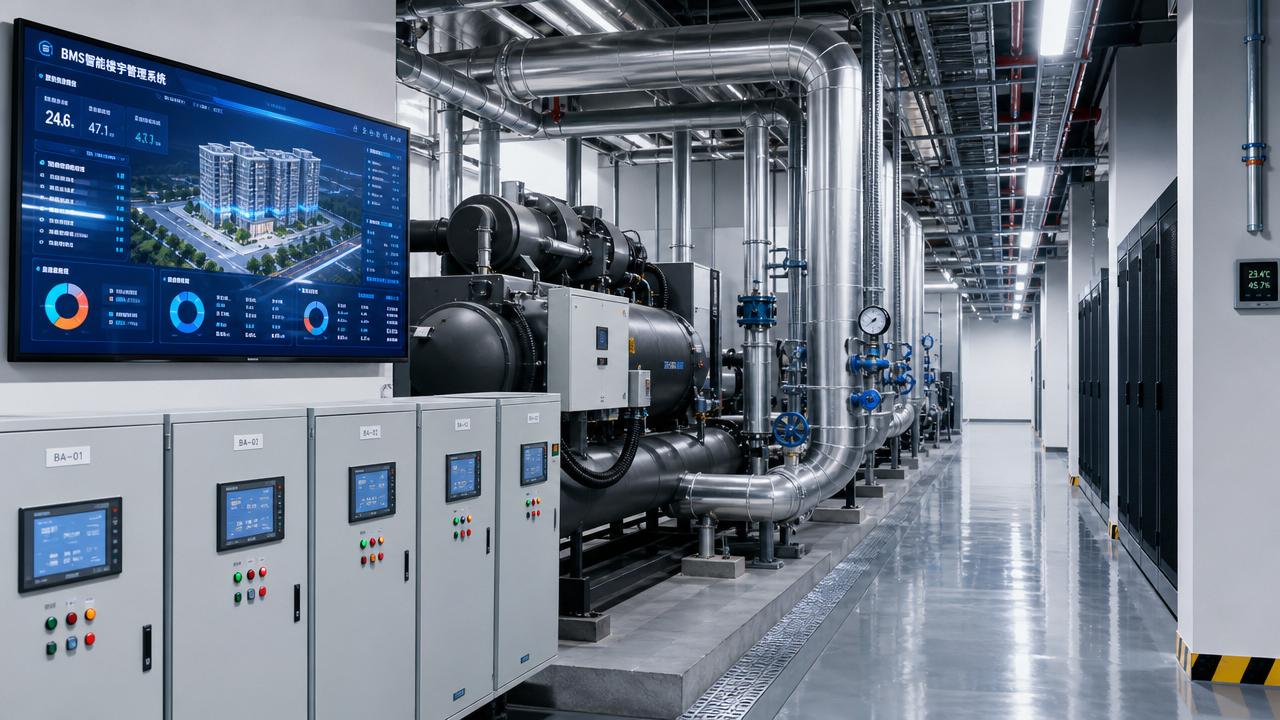
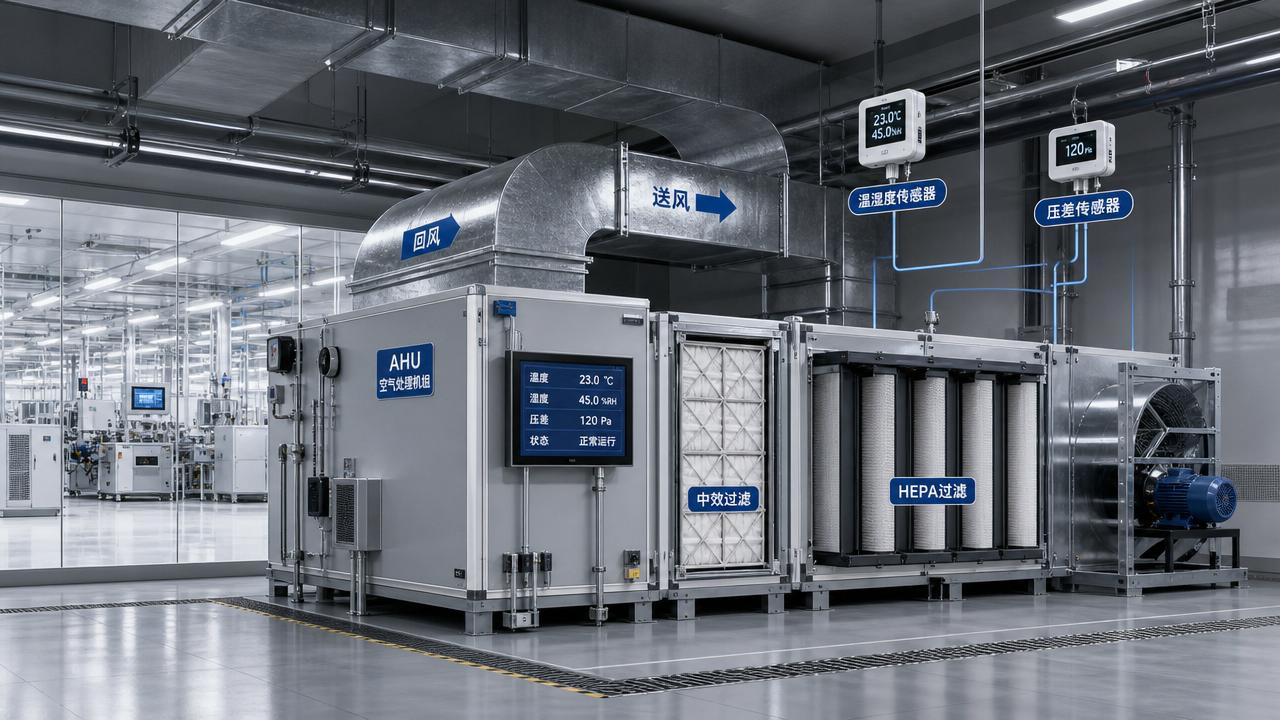
In practical terms, hvac maintenance ai reports are machine-generated summaries built from BAS data, sensor streams, service records, alarms, and operating trends. They do not replace field judgment. Instead, they rank patterns that may indicate coil fouling, unstable chilled-water control, fan degradation, filter loading, airflow imbalance, poor valve response, or energy drift. For after-sales maintenance personnel, the real value is not the report itself. The value lies in whether the report helps identify a condition that can be verified, prioritized, and corrected before it affects performance.
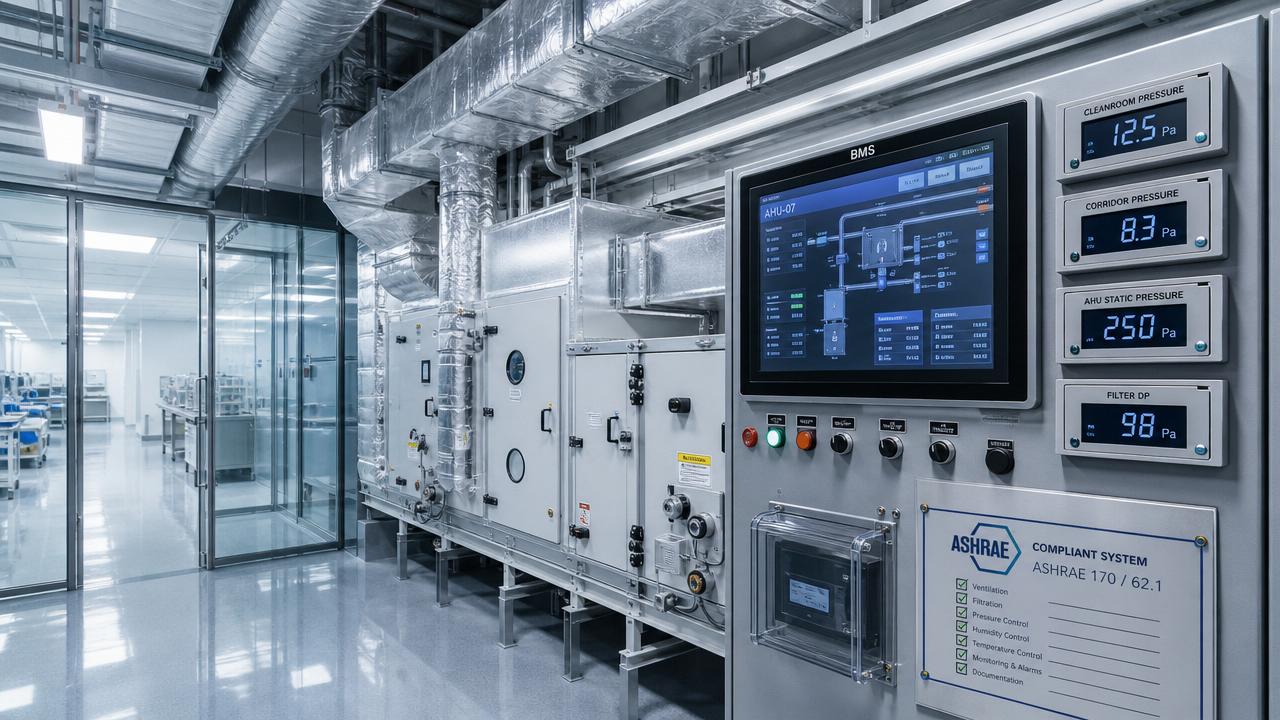
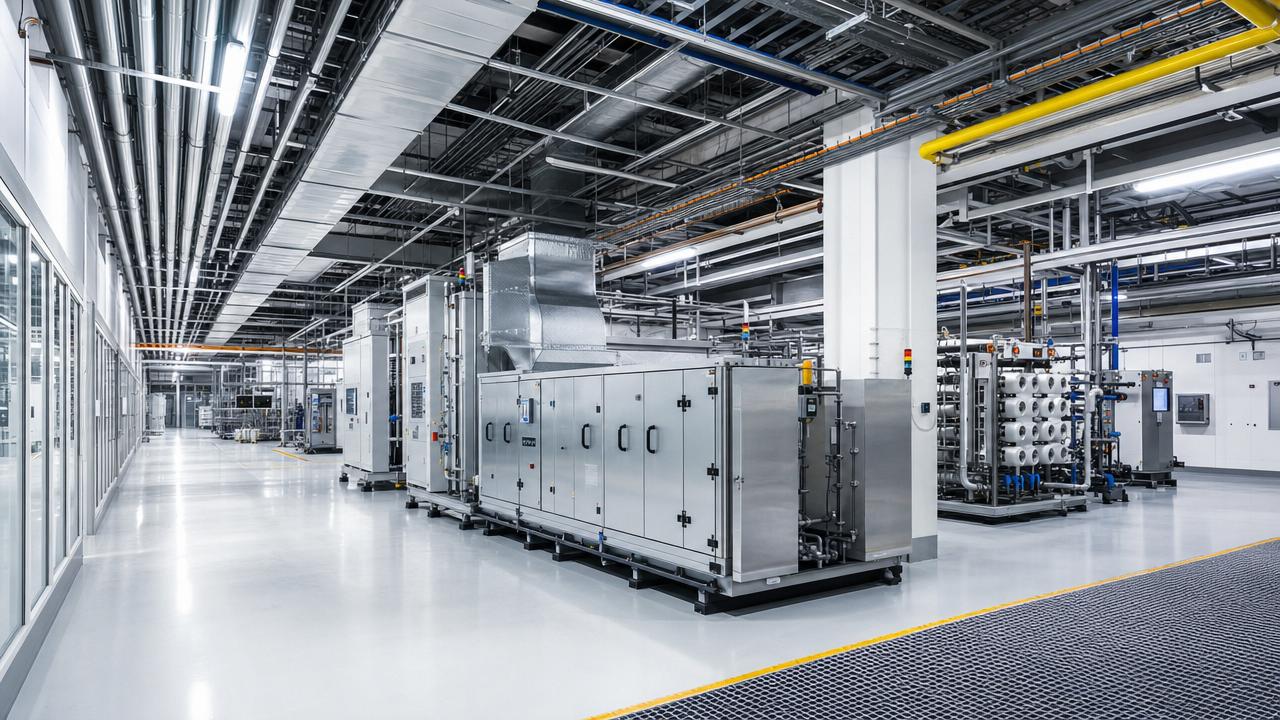
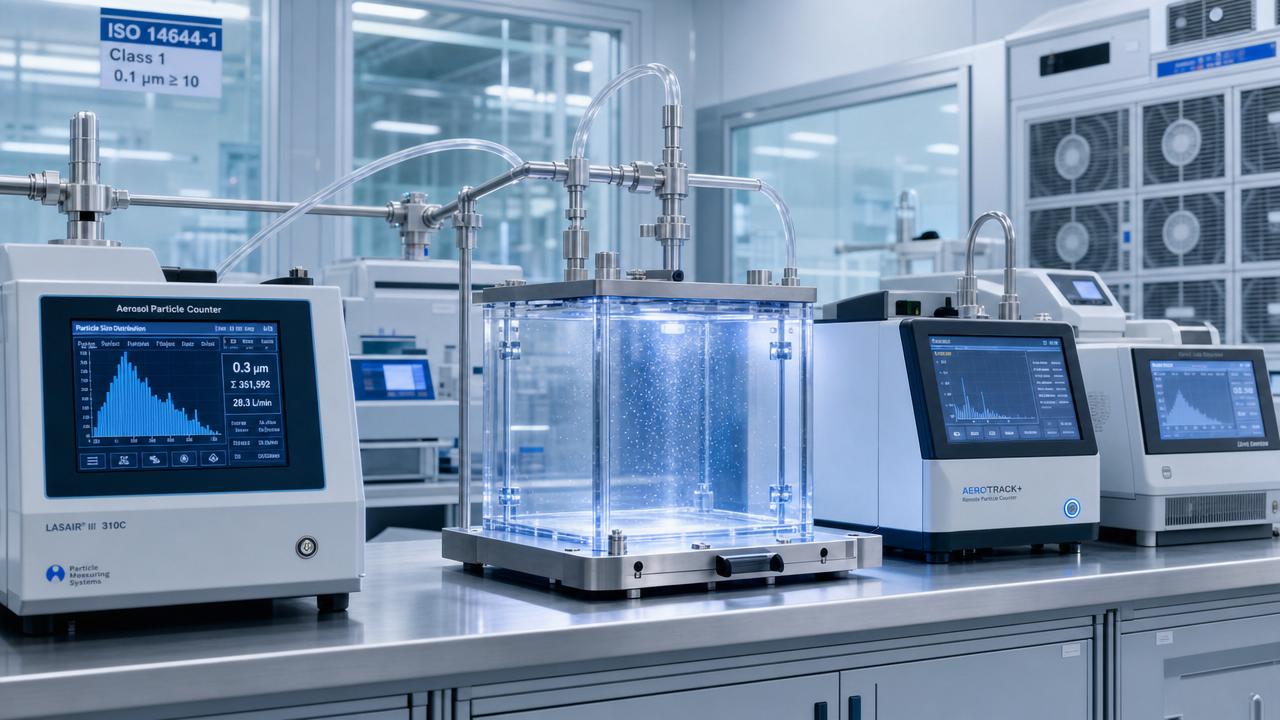
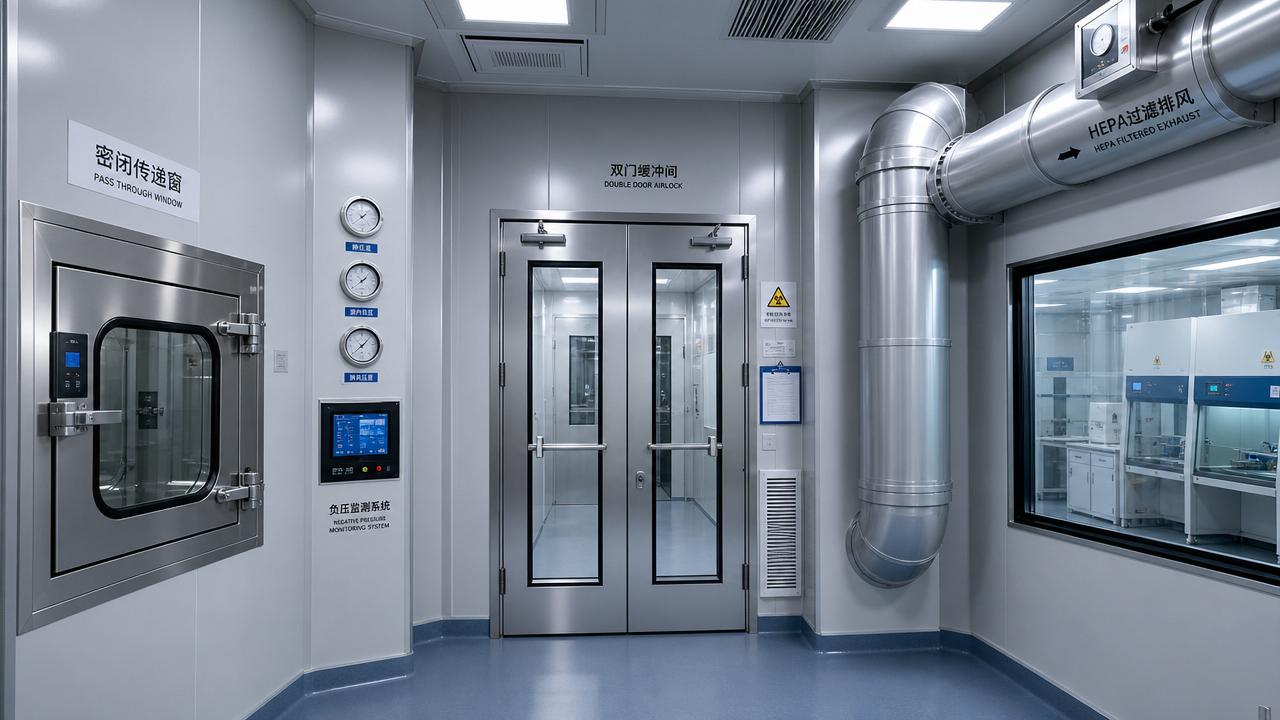
This matters even more in advanced industrial environments. In cleanrooms, biosafety spaces, pharmaceutical suites, ultra-stable labs, and precision thermal processes, acceptable variation is extremely small. A report that flags a two-degree comfort issue in an office may be low priority, but a report that detects repeated micro-swings in supply air temperature, static pressure, or differential room pressure in a controlled facility may point to a serious risk. G-ICE-aligned operations often benchmark against ISO 14644, ASHRAE guidance, SEMI expectations, and internal validation rules, so maintenance decisions must connect directly to compliance and process continuity.
Why the Industry Pays Attention to These Reports
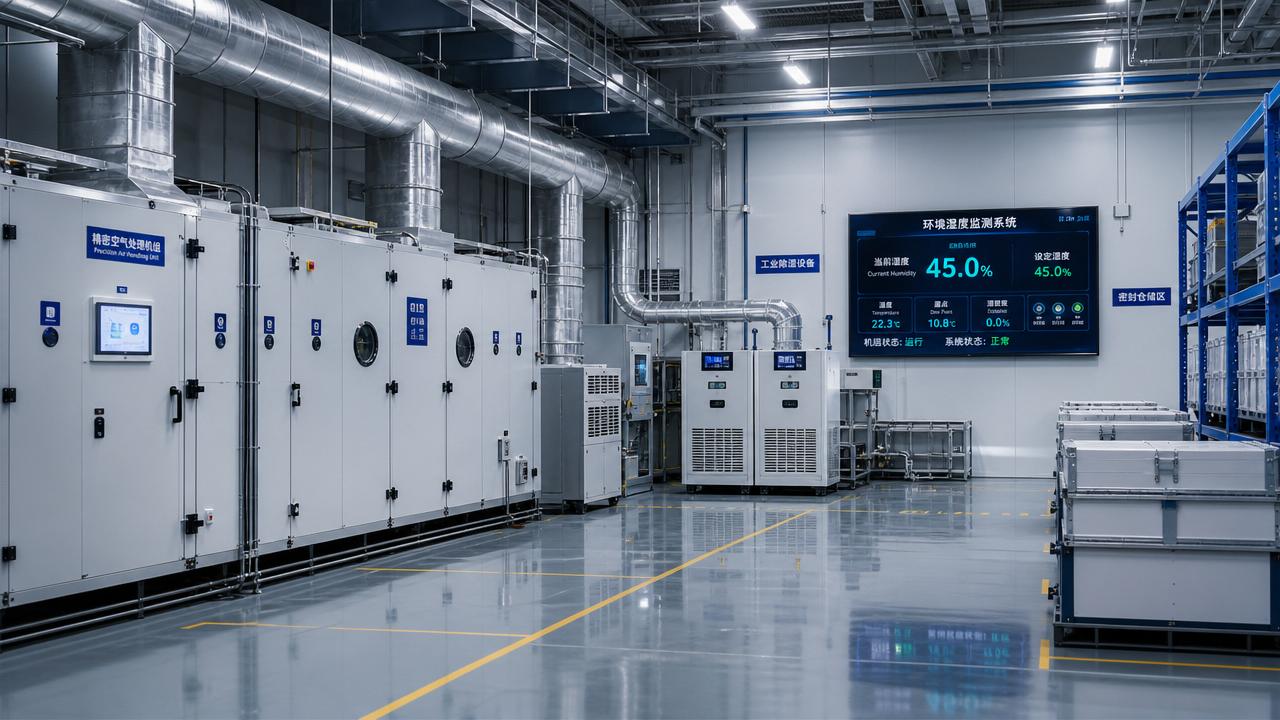
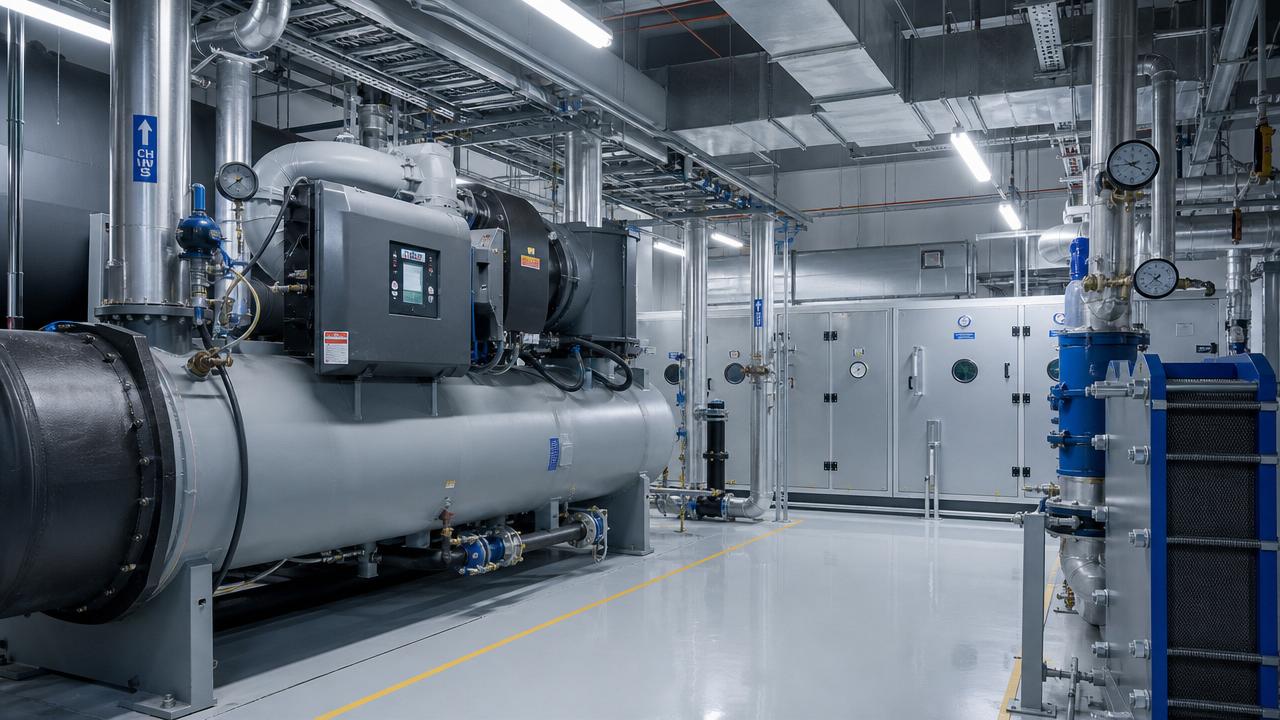
The attention around hvac maintenance ai reports comes from one simple reality: modern HVAC systems produce more data than most teams can review manually. Chillers, AHUs, FFUs, HEPA systems, pumps, VFDs, sensors, and environmental monitoring networks all generate trends. In theory, that should improve visibility. In practice, it often creates alarm fatigue. A maintenance technician may receive hundreds of data points yet still miss the one pattern that predicts a valve hunting issue, a drifting humidity sensor, or a loss of filter effectiveness.
AI is attractive because it can sift through large volumes of data and highlight anomalies faster than manual review. But not every anomaly matters. Precision facilities care about three outcomes above all: uptime, environmental control, and audit readiness. Useful reports support those outcomes by reducing unplanned downtime, revealing efficiency losses with operational impact, and documenting why a maintenance action was taken. Reports become noise when they generate alerts without context, exaggerate one-time deviations, or ignore known process conditions such as scheduled load changes, seasonal reset logic, or validated production transitions.
The Difference Between Useful Insight and Noise
A useful insight has four characteristics. First, it is tied to a physical mechanism. For example, rising fan energy combined with falling airflow can reasonably suggest filter loading, belt issues, or fan efficiency decline. Second, it is persistent enough to matter. A single spike during startup is less meaningful than the same deviation appearing across shifts or operating modes. Third, it connects to a business consequence such as contamination risk, temperature instability, utility cost, or maintenance backlog. Fourth, it leads to a specific next check in the field.
Noise usually lacks one or more of those traits. It may be statistically unusual but operationally harmless. It may flag a symptom without identifying likely causes. It may ignore maintenance history, resulting in repeated alerts for issues already resolved. It may also confuse sensor error with equipment failure. For after-sales teams, the best approach is to ask a disciplined question: “If this report is correct, what should I inspect first, and what would happen if I did nothing?” If the report cannot support that question, it is probably low-value.
A Simple Evaluation Framework for After-Sales Teams
To evaluate hvac maintenance ai reports consistently, technicians and service managers can use a five-part screen: severity, repeatability, operational context, verifiability, and consequence. Severity asks how far the signal is from the acceptable range. Repeatability asks whether the condition appears once or repeatedly. Operational context checks whether the event occurred during startup, changeover, maintenance override, or actual production demand. Verifiability asks whether the finding can be tested with field readings, calibrated instruments, or component inspection. Consequence measures impact on process control, energy, compliance, or equipment life.
Using this framework, even a busy service organization can quickly separate high-value findings from low-priority chatter. It also creates a common language between remote analysts, field technicians, facility managers, and quality teams.
Where HVAC Maintenance AI Reports Deliver the Most Value
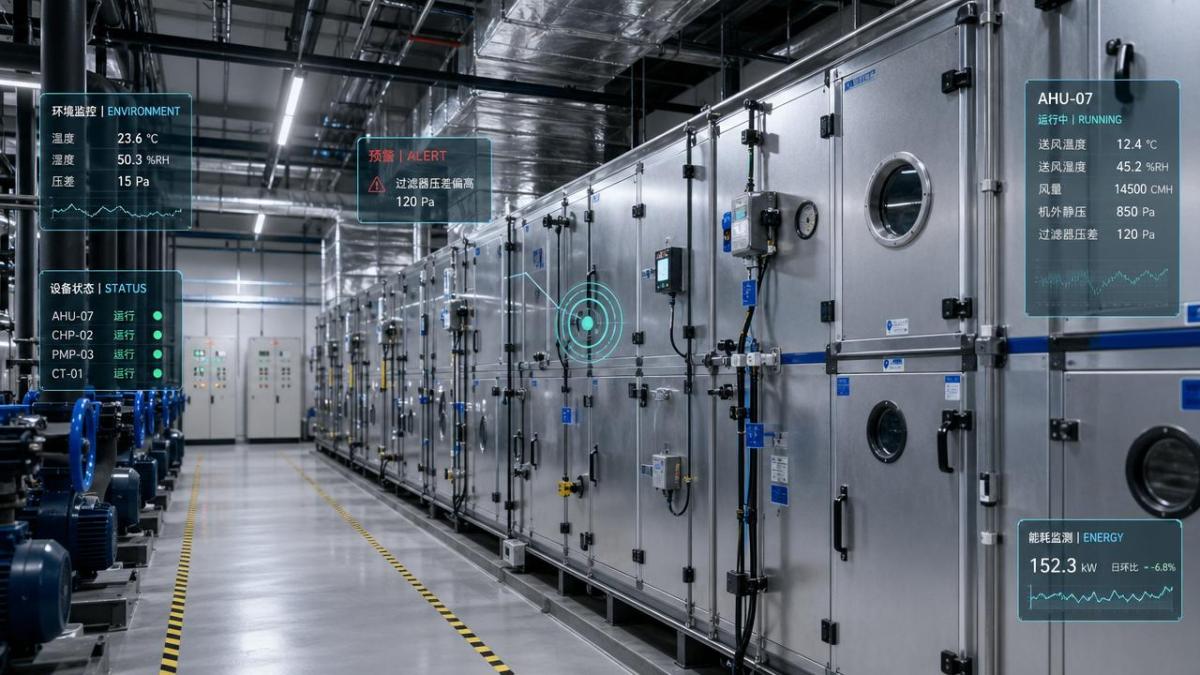
The strongest use cases appear where environmental stability is linked to product yield, safety, or validated operating conditions. In these settings, small faults can create large downstream costs. Useful hvac maintenance ai reports do not simply say that something is “abnormal.” They identify likely areas where service time should be spent first.
This range of applications shows why a generic dashboard is not enough. Reports must reflect the operating purpose of the facility. What counts as a serious issue in a quantum-support thermal zone or ISO Class 1 process area is not the same as what matters in a standard comfort-cooling environment.
Common Patterns That Usually Deserve Attention
After-sales maintenance teams should pay special attention when AI reports show coordinated patterns rather than isolated signals. Examples include rising differential pressure across filters together with increasing fan speed, repeated valve oscillation combined with unstable discharge air temperature, or persistent deviation between redundant sensors in critical spaces. These combinations are more credible than a single alert because they suggest a physical chain of cause and effect.
Another high-value pattern is slow performance drift. A system may remain technically “within range” while gradually consuming more energy or losing control margin. This often happens with coil fouling, sensor calibration shift, control loop tuning problems, or degrading actuator response. AI can be useful here because people tend to notice sudden failures, while algorithms often detect slow deterioration earlier. In facilities where environmental control is tightly linked to compliance or product quality, catching drift early is often more valuable than reacting to a full alarm later.
What Often Creates Noise in AI-Driven Maintenance Reporting
Not all poor results come from bad algorithms. Noise is frequently created by weak data foundations. Common causes include uncalibrated sensors, inconsistent point naming, missing trend history, poor timestamp alignment, and failure to mark maintenance events or manual overrides. If the AI engine does not know that a damper was locked out for testing or that a cleanroom was in reduced occupancy mode, it may report a fault where none exists.
Noise also increases when threshold logic is copied across different assets without regard to design intent. A report built for a comfort AHU may produce meaningless alerts on a precision recirculation unit. Likewise, a highly sensitive model may create too many warnings unless it is tuned for the normal operating envelope of the site. For this reason, good hvac maintenance ai reports depend as much on asset context and commissioning discipline as on software capability.
Practical Ways to Make Reports More Actionable
For after-sales teams, the goal is not to read more reports. The goal is to close issues faster. A few practices make a major difference. Start by grouping findings into clear categories: control stability, airflow and pressure, thermal efficiency, sensor integrity, and equipment health. Then assign each category a recommended first inspection step. When a report arrives, technicians should know immediately whether to check filters, calibrate sensors, inspect actuators, review trend overlays, or verify sequence logic.
It also helps to connect reports to maintenance history. If the same alert appears after repeated corrective action, the problem may be misdiagnosed, or the root cause may sit upstream in control strategy rather than hardware. Service organizations should also capture feedback from the field and feed it back into the reporting system. When technicians confirm that a pattern correctly predicted a failed actuator or a fouled coil, that case should improve future prioritization. When a report is consistently irrelevant, it should be downgraded or redesigned.
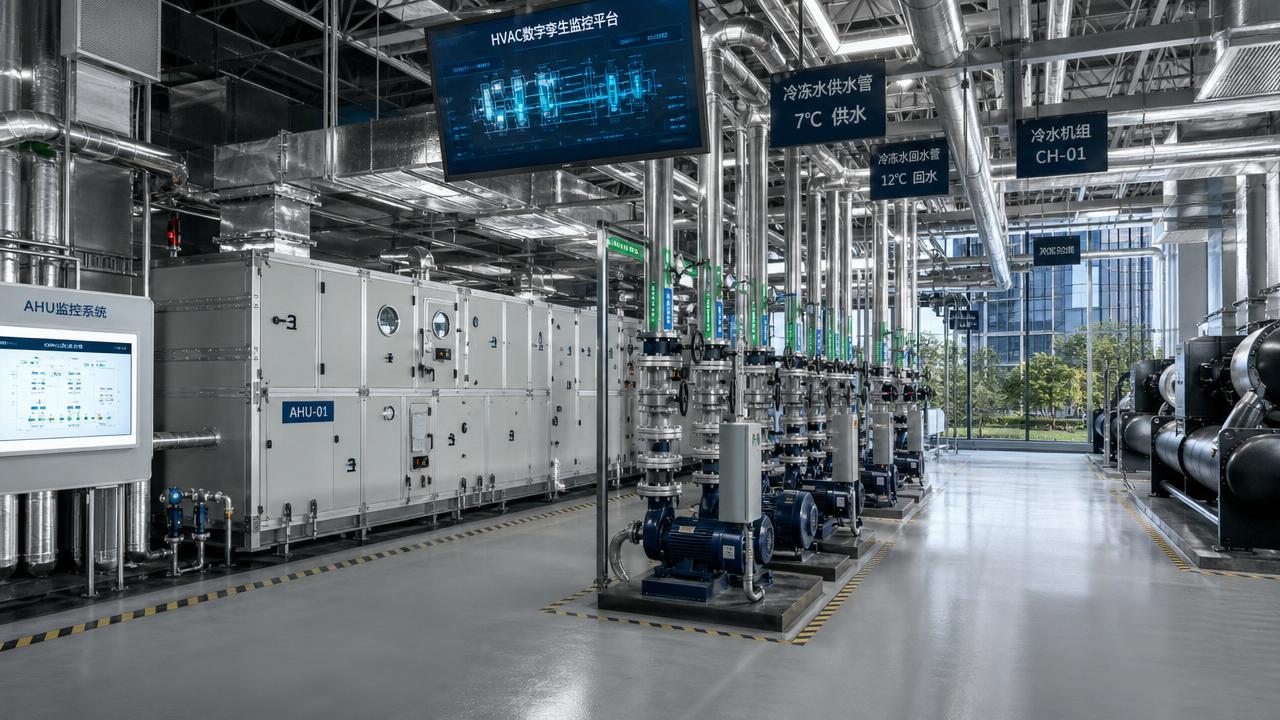
In high-control environments, pairing AI outputs with digital twin logic or validated operating ranges can improve trust. Instead of reporting raw anomalies, the system can compare actual behavior to expected thermodynamic response, room-pressure relationships, and recovery performance. That shift moves the conversation from “the graph looks strange” to “the unit is no longer performing as designed.”
How Technicians Should Respond in the Field
When reviewing hvac maintenance ai reports, field teams should avoid two extremes: trusting every alert and dismissing the system entirely. A balanced response starts with validation. Confirm the operating mode, compare with recent trends, check whether the affected sensor is reliable, and inspect related components rather than only the flagged point. Document both the symptom and the verified cause. This strengthens future diagnostics and helps build defensible maintenance records for regulated or quality-sensitive facilities.
Technicians should also communicate findings in operational language. Instead of saying “AI found an anomaly,” say “supply air temperature oscillation matches unstable valve response and is affecting room stability.” That framing is easier for facilities, quality teams, and management to act on. It translates analytics into risk, action, and outcome.
Closing Perspective and Next Step
The best hvac maintenance ai reports are not the ones with the most alerts or the most complex graphs. They are the ones that help maintenance teams protect uptime, maintain environmental precision, reduce waste, and support compliance with confidence. In advanced facilities shaped by cleanroom standards, biosafety demands, and precision thermal control, the difference between insight and noise is whether the report reflects real operating context and leads to a practical field decision.
For after-sales maintenance personnel, the path forward is clear: evaluate reports by consequence, verify them against equipment behavior, and refine them using field feedback. When reporting logic is aligned with asset design, site standards, and real maintenance workflows, AI stops being a source of distraction and becomes a reliable partner in high-performance environmental control.
Get weekly intelligence in your inbox.
No noise. No sponsored content. Pure intelligence.
 May 27, 2026Impact of CBAM on Chillers: Cost Risks and Compliance GapsImpact of CBAM on chillers: uncover hidden cost risks, supplier data gaps, and compliance pitfalls. Learn how to protect budgets, timelines, and import decisions.
 May 27, 2026Global HVAC Decarbonization: What Changes First in 2026Global HVAC decarbonization enters a decision year in 2026. Discover what changes first in refrigerants, controls, cooling plants, and compliance planning to cut risk and boost resilience.
 May 27, 2026Future of Low-GWP Cooling: 2026 Technology Shifts to WatchFuture of low-gwp cooling in 2026: discover key technology shifts in refrigerants, oil-free systems, smart controls, and compliance-driven design for critical facilities.
 May 27, 2026How to Lower Energy Usage Intensity in Controlled FacilitiesEnergy usage intensity (EUI) in controlled facilities can be reduced through smarter airflow, cooling, humidity control, and monitoring. Learn practical strategies to cut energy waste without risking compliance or stability.
 May 27, 2026Industrial Dehumidification: When Tighter Humidity Control Pays OffIndustrial dehumidification pays off when humidity affects yield, compliance, and uptime. See where tighter control cuts defects, protects assets, and improves operational performance.
 May 26, 2026Smart Building Management BMS Upgrade GuideSmart building management (BMS) upgrade guide covering checklists, risk control, compliance, HVAC optimization, and scalable execution to improve efficiency and long-term facility performance.
 May 26, 2026HVAC Digital Twin Use Cases in 2026HVAC digital twin use cases in 2026: discover how cleanrooms, labs, pharma, and industrial sites cut risk, improve uptime, and optimize energy with smarter data-driven control.
 May 26, 2026ASHRAE Standards Compliance Risk ChecklistASHRAE standards compliance risk checklist for manufacturing, labs, and commercial facilities—spot hidden HVAC gaps early, reduce audit risk, and protect safety, quality, and uptime.
 May 26, 2026When HVAC System Redundancy Pays OffHVAC system redundancy pays off when downtime, compliance risk, and asset loss cost more than backup capacity. Learn where N+1 or 2N delivers real ROI.
 May 26, 2026Air Flow Visualization for Cleaner HVAC TuningAir flow visualization helps reveal hidden turbulence, leakage, and pressure drift for cleaner HVAC tuning. Learn how to improve control, compliance, and efficiency.
 May 26, 2026EU Launches SMR Strategy: Mobile Decon Systems and Modular BSL-3/4 Infrastructure Prioritized for Joint ProcurementEU prioritizes mobile decon systems & modular BSL-3/4 infrastructure for SMR joint procurement—key opportunity for certified global suppliers.
 May 26, 2026IEA Warns on Persistent Methane Emissions: Stricter Carbon Footprint Verification for BSL-3/4 Infrastructure ExportsIEA's methane warning triggers stricter carbon footprint verification for BSL-3/4 infrastructure exports—get CBAM Phase II compliance insights now.
 May 25, 2026When Thermodynamic Hardware Maintenance Cuts DowntimeHigh-Performance Thermodynamic Hardware maintenance helps cut downtime, improve thermal stability, and support compliance—discover how disciplined service protects uptime and long-term asset value.
 May 25, 2026High-Tech Industrial Complex Design Cost PrioritiesHigh-Tech Industrial Complex design cost priorities explained: learn how to balance compliance, uptime, energy efficiency, and lifecycle value for smarter approvals.
 May 25, 2026Industrial Climate Control Standards: What Fails First?Industrial Climate Control standards fail first in airflow, thermal precision, filtration, and controls. Discover early warning signs, reduce compliance risk, and plan smarter upgrades.
 May 25, 2026How to Measure Sub-Micron Contamination AccuratelySub-Micron Contamination measurement made practical: learn accurate methods, key parameters, and smart workflow tips to improve cleanroom control, compliance, and product quality.
 May 25, 20262026 Guide to 18.2MΩ·cm UPW Certification RisksUltra-Pure Water Treatment certification risks in 2026: learn how 18.2MΩ·cm compliance can fail after approval, and how to protect audits, uptime, yield, and validation confidence.
![]() May 25, 2026UKCA Transition Ends for FFU and Lab Automation DevicesUKCA transition ends 23 May 2026 for FFU and lab automation devices — ensure full UKCA, RoHS & EMC compliance now to avoid UK market access delays.
May 25, 2026UKCA Transition Ends for FFU and Lab Automation DevicesUKCA transition ends 23 May 2026 for FFU and lab automation devices — ensure full UKCA, RoHS & EMC compliance now to avoid UK market access delays.![]() May 25, 2026Hormuz Strait Traffic Drops Below 10%: Cleanroom Equipment Shipments Delayed, Freight Up 35%Cleanroom equipment shipments delayed as Hormuz Strait traffic drops below 10%—freight up 35%. Critical FFUs, UPW skids & BSL-3 units impacted. Act now.
May 25, 2026Hormuz Strait Traffic Drops Below 10%: Cleanroom Equipment Shipments Delayed, Freight Up 35%Cleanroom equipment shipments delayed as Hormuz Strait traffic drops below 10%—freight up 35%. Critical FFUs, UPW skids & BSL-3 units impacted. Act now.![]() May 25, 2026China Customs Launches Clean Tech Export Compliance PlatformClean tech export compliance made simple: China Customs’ new platform helps global buyers verify certifications for UPW systems, BSL-3/4 labs, ESD solutions & FFUs—fast, free, and official.
May 25, 2026China Customs Launches Clean Tech Export Compliance PlatformClean tech export compliance made simple: China Customs’ new platform helps global buyers verify certifications for UPW systems, BSL-3/4 labs, ESD solutions & FFUs—fast, free, and official.![]() May 25, 2026EU CBAM Fully Enforced: FFUs and Maglev Chillers Require Carbon Footprint ReportsEU CBAM now fully enforces carbon footprint reports for FFUs and Maglev Chillers—key for exporters, suppliers & HVAC manufacturers. Act now to avoid delays & penalties.
May 25, 2026EU CBAM Fully Enforced: FFUs and Maglev Chillers Require Carbon Footprint ReportsEU CBAM now fully enforces carbon footprint reports for FFUs and Maglev Chillers—key for exporters, suppliers & HVAC manufacturers. Act now to avoid delays & penalties.![]() May 25, 2026DIN EN ISO 14644-3:2026 Introduces Digital Twin Lab ValidationDIN EN ISO 14644-3:2026 mandates Digital Twin Lab validation for cleanrooms—transforming compliance in pharma, biotech & semiconductors. Act now!
May 25, 2026DIN EN ISO 14644-3:2026 Introduces Digital Twin Lab ValidationDIN EN ISO 14644-3:2026 mandates Digital Twin Lab validation for cleanrooms—transforming compliance in pharma, biotech & semiconductors. Act now!![]() May 25, 2026FDA Updates Purified Water Guidance: TOC ≤100 ppb in 18.2 MΩ·cm UPWFDA updates UPW guidance: TOC ≤100 ppb now required for 18.2 MΩ·cm ultrapure water — critical for pharma suppliers, TOC analyzers & validation services.
May 25, 2026FDA Updates Purified Water Guidance: TOC ≤100 ppb in 18.2 MΩ·cm UPWFDA updates UPW guidance: TOC ≤100 ppb now required for 18.2 MΩ·cm ultrapure water — critical for pharma suppliers, TOC analyzers & validation services. May 24, 2026Cleanroom Architecture for Quantum Computing: What Fails First?Cleanroom Architecture for quantum computing: discover what fails first—from vibration and thermal drift to airflow and contamination—and how to prevent costly downtime.
 May 24, 2026Smart Environmental Monitoring for Data Centers in 2026Smart Environmental Monitoring for data center success in 2026 starts with real-time visibility, smarter risk control, and scenario-based insights that improve uptime, efficiency, and compliance.
 May 24, 2026Precision Temperature Control for Semiconductor: Cost vs StabilityPrecision Temperature Control for semiconductor affects yield, uptime, and energy costs. Compare cost vs stability across fab scenarios to choose smarter, lower-risk thermal control.
 May 24, 2026BSL-3/4 Containment Risks in High-Risk Lab PlanningBiosafety Containment for high-risk lab planning: uncover BSL-3/4 failure points, pressure risks, and control gaps to build safer, resilient, high-performance facilities.