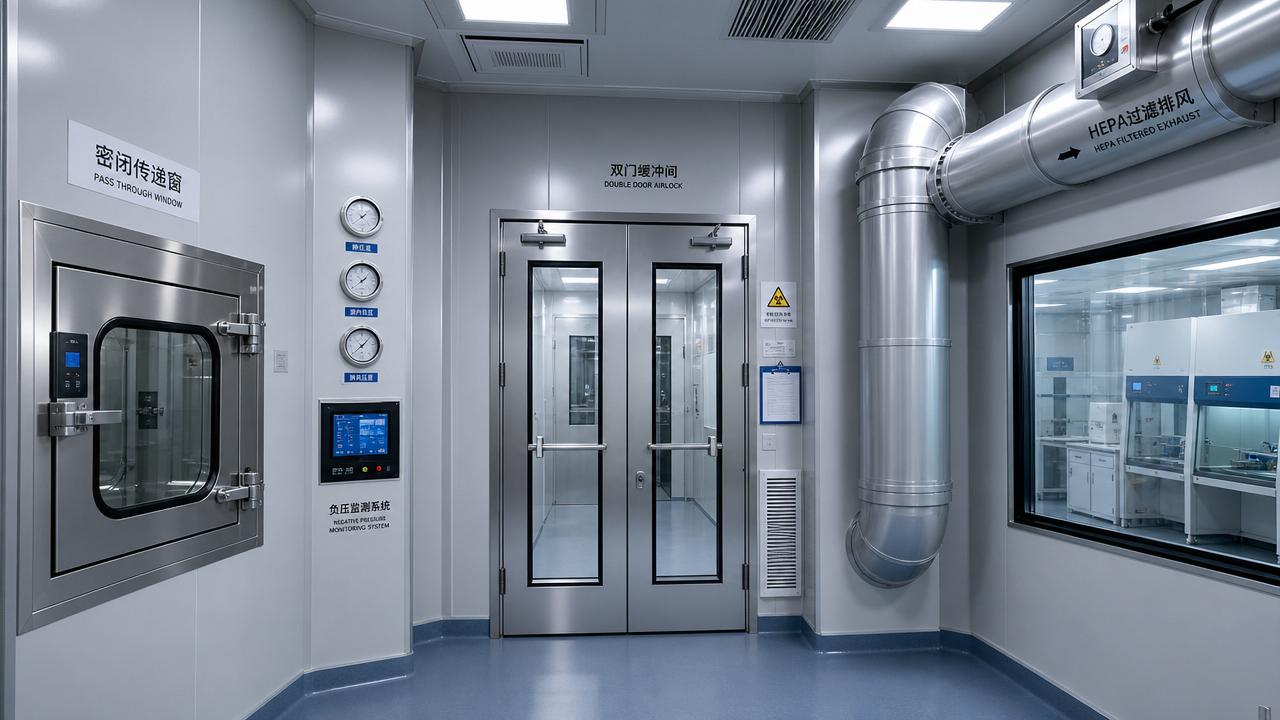
Can Digital Twin Lab Models Improve Contamination Control?
Can digital twin lab models truly elevate Contamination Control in a Semiconductor Cleanroom? As Regulatory Frameworks and SEMI Standards tighten, operators and decision-makers need more than static design assumptions. By simulating airflow, refrigerant leak detection, server room cooling, vibration isolation mounts, heat pipe exchangers, and adiabatic cooling systems, digital twins help reduce risk, improve performance, and support smarter investment strategies such as energy performance contracting.
Why digital twin lab models are becoming a practical contamination control tool
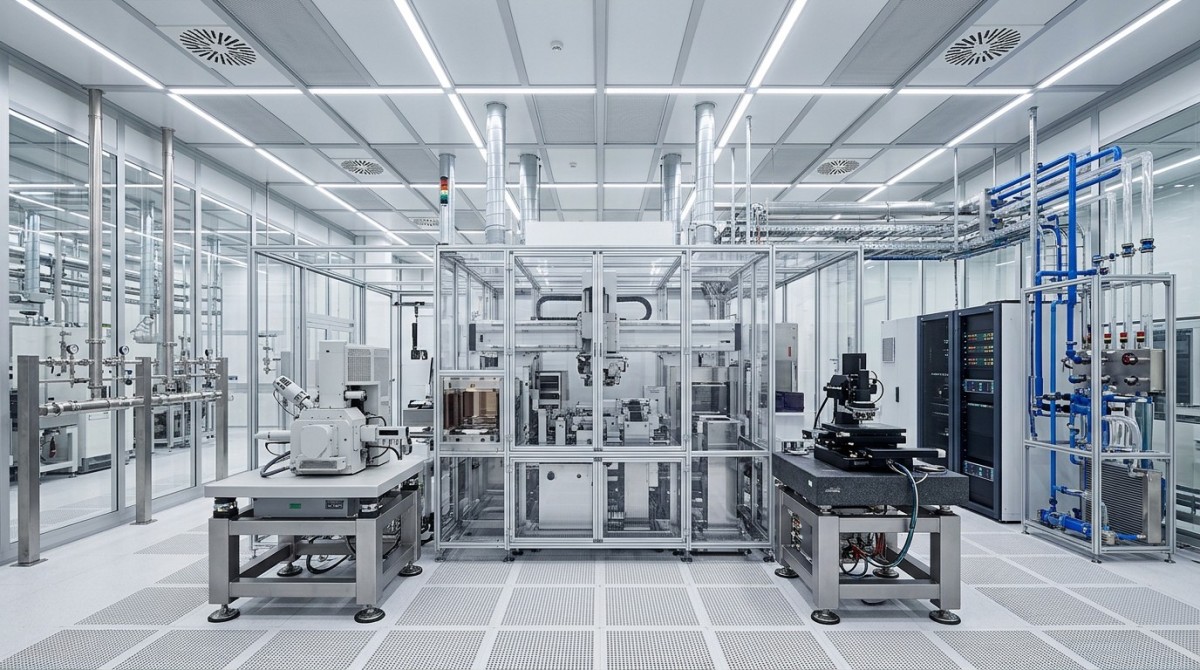
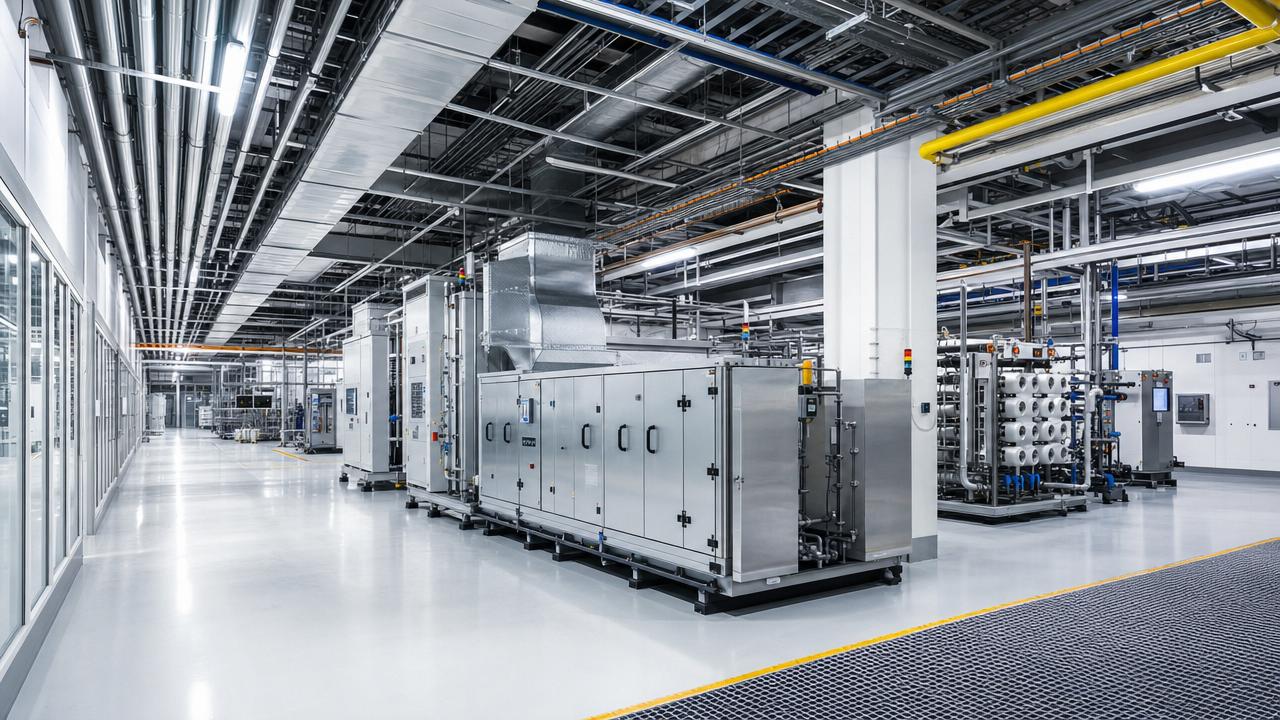
A digital twin lab model is not just a 3D drawing or a building management dashboard. In contamination control, it is a dynamic, data-linked model that mirrors the behavior of a cleanroom, lab, or support utility area across airflow, pressure cascade, thermal load, equipment placement, occupancy, and alarm logic. For semiconductor cleanrooms and other high-precision facilities, this matters because contamination events rarely come from one isolated cause. They often arise from interacting variables over hours, shifts, or maintenance cycles.
Traditional design methods still rely heavily on design-day assumptions, fixed balancing reports, and periodic validation. Those steps remain necessary, but they leave gaps between commissioning and real operation. A digital twin helps teams compare expected performance against actual conditions every 5 minutes, every shift, or across 24/7 operation, depending on the monitoring architecture. That visibility is especially useful where airborne particles, temperature drift, pressure instability, or vibration can affect process yield and compliance outcomes.
For information researchers and technical evaluators, the key value is clearer cause-and-effect analysis. For operators, the value is faster troubleshooting. For procurement and business reviewers, the value is a more defendable investment case. For enterprise decision-makers, the value is reduced operational uncertainty across a facility lifecycle that may span 10–20 years. In other words, digital twin lab models improve contamination control when they are treated as an operational decision system, not a visualization accessory.
G-ICE approaches this topic from a multidisciplinary standpoint. Because contamination control is connected to precision HVAC, process fluid integrity, biosafety containment logic, and environmental monitoring, a useful digital twin must benchmark against standards such as ISO 14644, ASHRAE guidance, and SEMI-relevant clean manufacturing expectations. This is where many projects fail: they model geometry, but not the compliance and operating context that drives acceptable risk.
What a contamination-focused digital twin should model
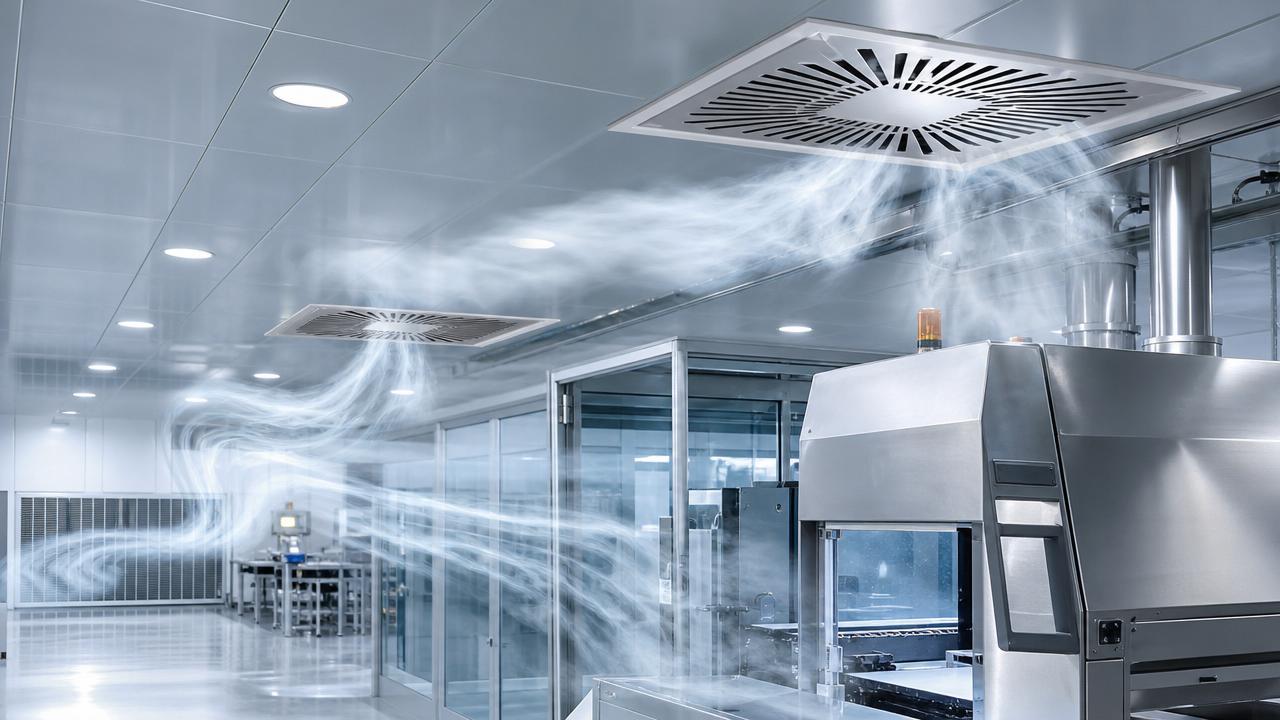
- Airflow behavior, including supply velocity, return path, dead zones, recirculation pockets, and recovery time after door openings or personnel movement.
- Pressure relationships between clean zones, gowning areas, service chases, corridors, and adjacent support rooms, often reviewed in 3–5 pressure tiers.
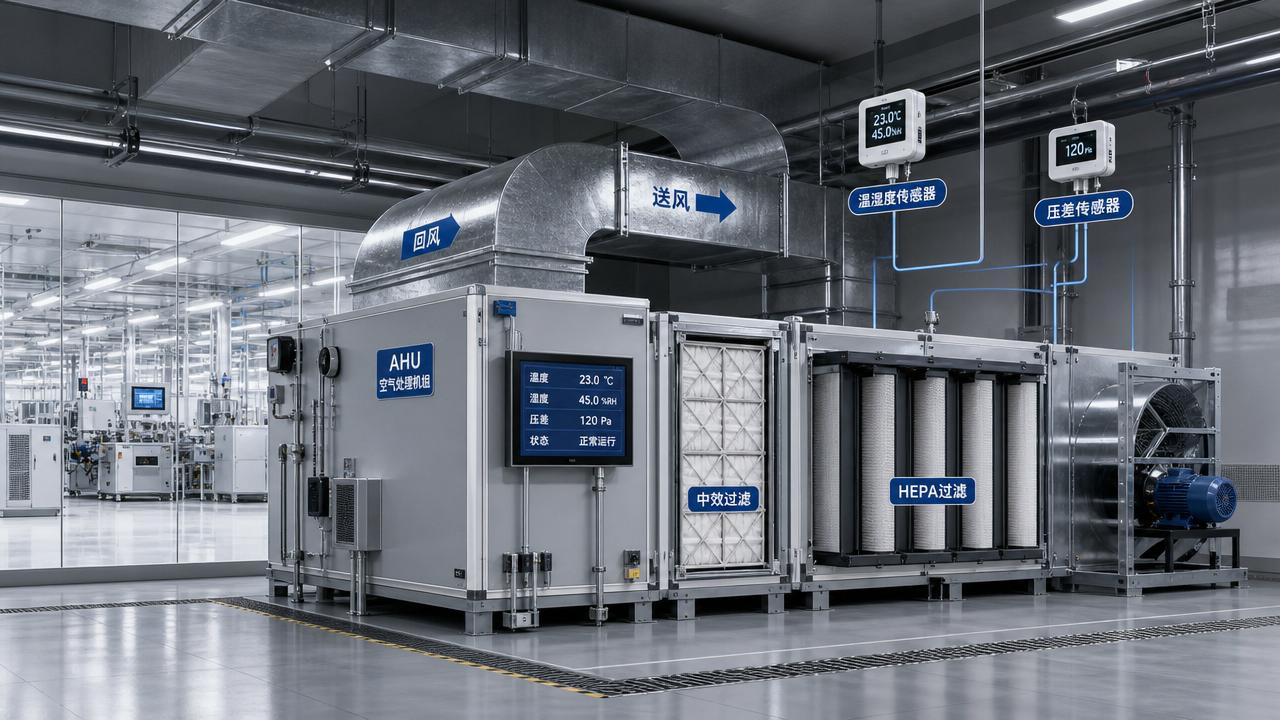
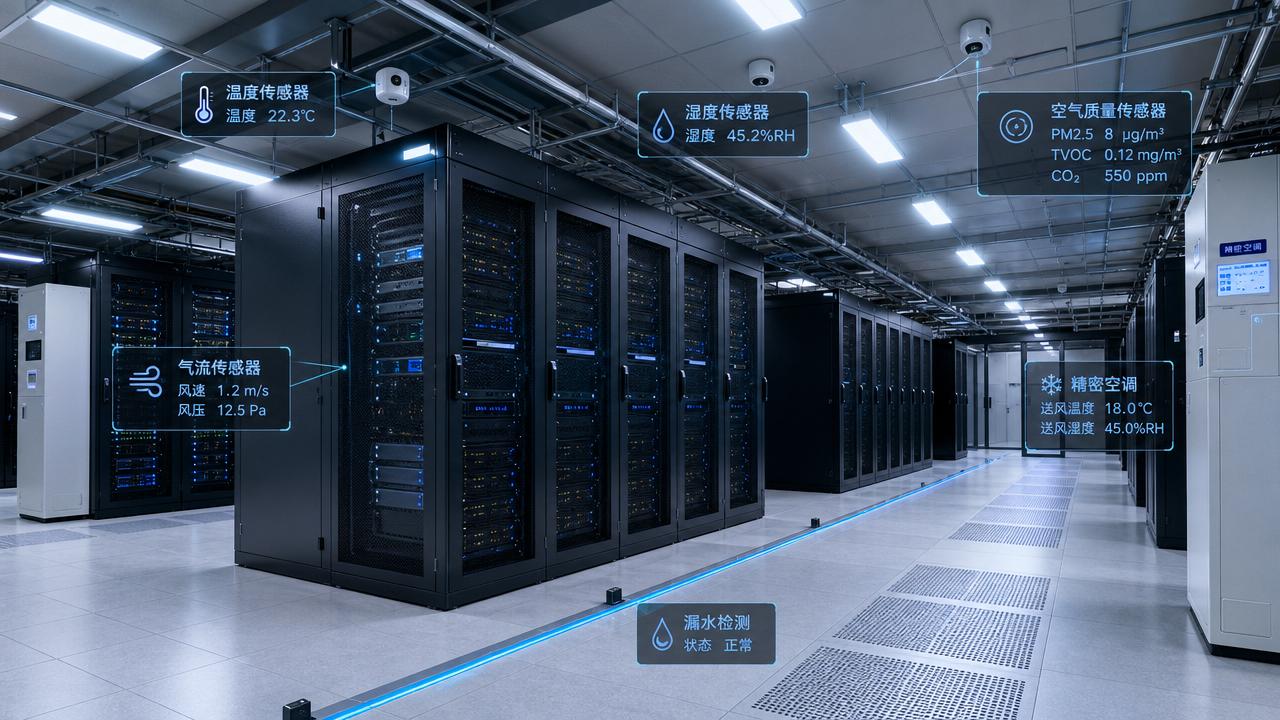
- Thermal performance such as temperature stability, humidity response, equipment sensible load, and cooling interaction in process-adjacent spaces like server rooms.
- Event layers including refrigerant leak detection, FFU anomalies, filter loading trends, vibration transmission, and alarm prioritization for maintenance planning.
If a model cannot connect these domains, it may still look impressive but will offer limited support for contamination control decisions. The practical question is never whether the model exists, but whether it improves actions before, during, and after a deviation.
Which contamination risks can a digital twin detect earlier than static design review?
The strongest case for digital twin lab models is not abstract optimization. It is earlier detection of contamination pathways that static review, one-time CFD, or annual certification may miss. In semiconductor cleanrooms, a small shift in process tool arrangement, maintenance access pattern, or FFU loading can alter local airflow enough to change particle transport behavior. Even if room-level metrics stay nominal, process-critical points may become vulnerable.
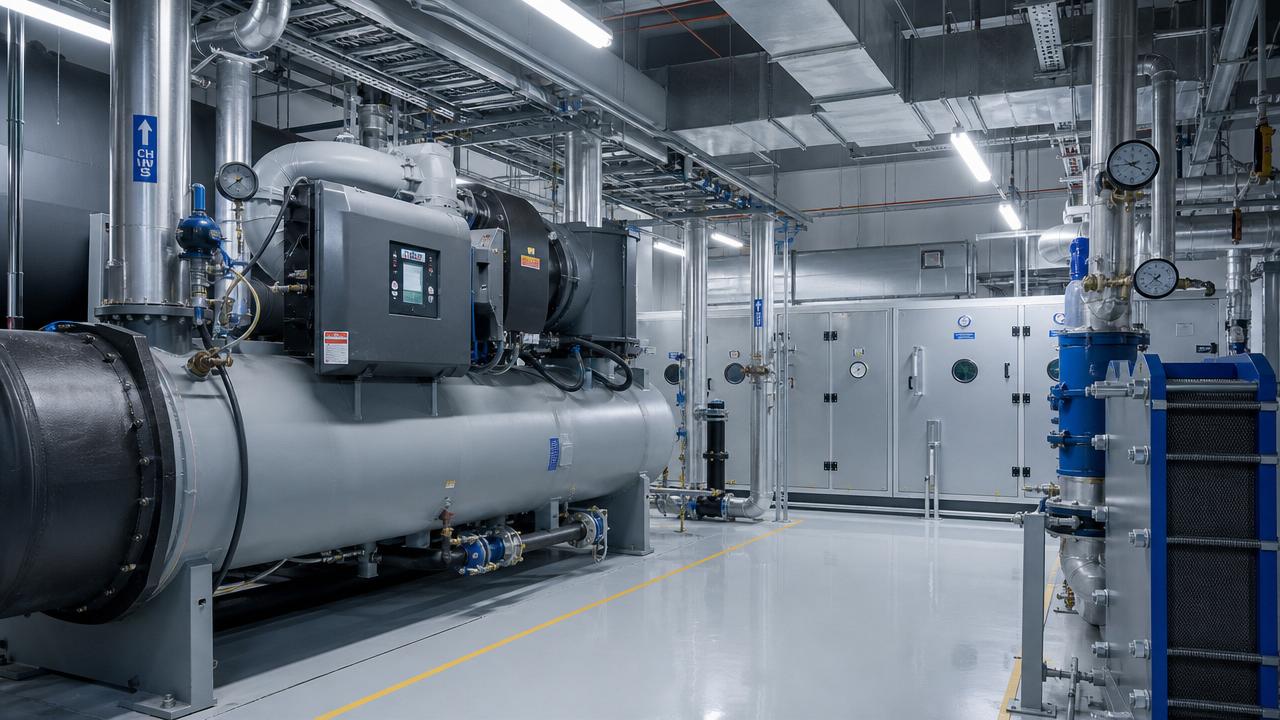
Another common blind spot is the link between thermal management and contamination control. When cooling strategies change, whether through adiabatic cooling systems, heat pipe exchangers, or revised server room cooling loads, pressure stability and airflow balance can drift indirectly. A digital twin helps engineering teams test these interactions before implementing changes on the live floor. That can reduce trial-and-error interventions during production windows.
Facilities also face hidden risk from non-process events. Refrigerant leak detection, door-cycle frequency, utility alarms, or vibration transfer from adjacent mechanical rooms may not appear in basic contamination reports, yet they can contribute to excursions or false positives. With a digital twin, facilities can correlate 4–6 data streams instead of investigating each signal separately. This shortens diagnosis time and improves the quality of root-cause analysis.
The table below summarizes where digital twin contamination control usually adds the most operational value compared with static design assumptions.
This comparison matters for project managers and quality leaders because not every contamination issue requires major capital expansion. In many cases, a better digital twin reveals that the true problem lies in zoning logic, control setpoints, maintenance timing, or local airflow obstruction rather than in the entire cleanroom concept.
Typical operating situations where earlier detection matters
Layout and retrofit changes
When new tools, mini-environments, or process skids are added, contamination performance can change within 2–6 weeks of installation. A digital twin helps validate whether airflow recovery times, pressure offsets, and maintenance access paths remain acceptable before deviations appear in yield or QA records.
Utility interaction events
During chiller staging, adiabatic cooling operation, or heat recovery adjustments, subtle thermal shifts can influence humidity control and pressure stability. In a high-spec facility, even narrow thermal drift can become operationally relevant when contamination risk is tightly controlled.
Maintenance and alarm response
If operators receive frequent alarms but lack correlation logic, response becomes reactive. A digital twin can rank events, show propagation paths, and reduce unnecessary interventions that themselves introduce contamination exposure.
How should buyers evaluate digital twin solutions for cleanroom and lab contamination control?
For procurement teams, the biggest mistake is buying a digital twin platform as if it were generic software. In contamination control, value depends on model fidelity, sensor architecture, HVAC integration, standards mapping, and workflow usability. A low-cost interface with weak facility logic may satisfy a demonstration, but it will not reliably support contamination decisions for operators, QA teams, or executive stakeholders.
A sound evaluation should include at least 5 dimensions: model scope, real-time data integration, alarm and analytics logic, compliance reporting support, and lifecycle serviceability. It should also clarify whether the supplier can support cleanroom, precision thermal control, biosafety, and utility-side engineering together. Cross-discipline capability matters because contamination control does not stop at the wall of the clean space.
Implementation timeline is another practical filter. A light retrofit overlay may move from data mapping to usable dashboards in 4–8 weeks. A deeper deployment that includes simulation validation, controls integration, and scenario testing can take 3–6 months depending on facility complexity, sensor readiness, and validation requirements. Buyers should align these ranges with shutdown windows, qualification cycles, and budget approval timing.
The following table can be used as a procurement checklist for technical evaluators, purchasing teams, project leaders, and distributors screening solution providers.
This checklist helps separate a decision-support system from a presentation layer. It also gives business reviewers a clearer framework for comparing quotations, implementation scope, and post-deployment support rather than focusing only on license cost.
Three buying questions that prevent expensive misalignment
- Can the solution model both cleanroom behavior and upstream utility influences such as chilled water response, refrigerant monitoring, or heat rejection strategies?
- Will the platform support scenario testing before a retrofit, filter change strategy, or production ramp, rather than only reporting past events?
- Who maintains model accuracy after the facility changes: internal staff, the integrator, or a specialist engineering partner?
These questions are especially relevant for distributors and agents as well, because end users increasingly expect bundled value: controls understanding, contamination expertise, and implementation support in one coordinated offer.
Where do digital twins fit with ISO 14644, ASHRAE, SEMI, and operational compliance?
A digital twin does not replace certification, commissioning, or formal compliance activities. Instead, it strengthens them by connecting design intent with real operating evidence. In contamination control, that means using the digital twin to monitor whether room classification assumptions, airflow patterns, environmental setpoints, and support utilities continue to align with the facility’s validated state over time.
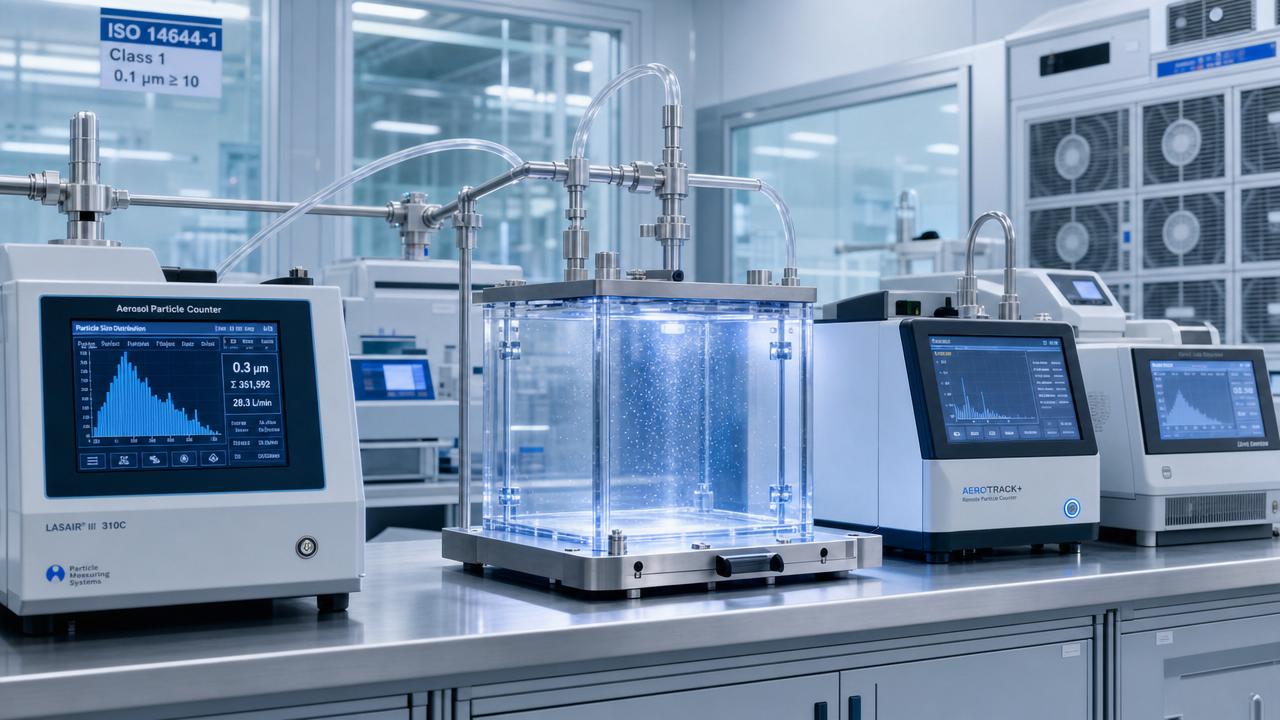
ISO 14644 provides the foundation for cleanroom classification and contamination control practice, but day-to-day operations involve more than particle counts. Pressure differentials, recovery behavior, airflow organization, maintenance intervention, and environmental stability all affect the ability to sustain intended performance. ASHRAE guidance supports HVAC design and environmental control thinking, while SEMI-related expectations become important in semiconductor manufacturing environments where process sensitivity is high and infrastructure consistency matters.
This is why G-ICE positions digital twin control within a wider engineering framework. Benchmarking high-performance systems against international standards is useful only when the model can translate standards into operational logic. For example, a facilities team may define 6 acceptance checks for a cleanroom zone: pressure integrity, airflow pattern stability, temperature band, humidity band, filter status trend, and alarm response time. A digital twin can help track those conditions continuously between formal audits.
For quality, safety, and ESG-aligned management teams, digital twins also improve documentation quality. They create a traceable bridge between engineering changes, observed deviations, corrective action timing, and infrastructure performance. That does not remove the need for SOPs or validation records, but it can reduce the gap between technical evidence and management reporting.
Practical compliance uses of a digital twin
- Pre-change assessment before layout modification, process tool relocation, or utility optimization, often completed in 1–3 review cycles.
- Continuous trend review that highlights drift before it becomes an out-of-spec event during monthly or quarterly compliance review.
- Post-event investigation that aligns alarm logs, sensor trends, and room behavior to support corrective and preventive actions.
- Capital planning for upgrades where contamination control and energy performance must be evaluated together rather than separately.
This compliance linkage is one reason digital twin adoption is expanding beyond new construction. Existing facilities with aging infrastructure often gain value faster because they need better visibility across competing constraints: contamination risk, utility efficiency, retrofit timing, and audit readiness.
Common misconceptions, implementation risks, and next-step questions
The first misconception is that digital twin contamination control is only useful for very large greenfield projects. In reality, retrofit environments may benefit even more because they have more hidden interactions, legacy controls, and undocumented changes. A smaller deployment focused on one lab suite, one critical cleanroom bay, or one utility-linked risk area can still provide meaningful operational value within a controlled budget.
The second misconception is that more sensors automatically mean better insight. Sensor density helps, but model quality, calibration discipline, naming consistency, and interpretation logic matter just as much. Without those foundations, teams may collect more signals yet still struggle to decide what action to take during a contamination event or pre-alarm condition.
The third misconception is that digital twins are only for engineering departments. In practice, the best results come when operations, QA, EHS, procurement, and project management each have role-specific questions answered by the same model. Operators may need alarm prioritization. QA may need traceability. Procurement may need scope clarity. Executives may need capex-versus-opex justification over 3–5 years.
Implementation risk usually comes from three areas: weak objective definition, incomplete data mapping, and lack of post-deployment governance. If success criteria are vague, such as “improve efficiency,” the system may never prove value. If utility and room data are disconnected, root-cause analysis remains weak. If nobody owns updates after process changes, the twin loses relevance within months.
FAQ: what buyers and users usually ask
How do we know if a digital twin is justified for our facility?
It is usually justified when contamination risk is high, troubleshooting is slow, environmental control is tightly specified, or facility modifications are frequent. If your team regularly reviews 4 or more disconnected data sources to understand one event, the operational case is already strong.
Is it suitable only for semiconductor cleanrooms?
No. The same logic applies to pharmaceutical labs, biosafety spaces, precision manufacturing areas, and other controlled environments. The model scope changes, but the core purpose remains the same: predict risk, verify control, and improve decisions before deviations escalate.
What should we prepare before supplier consultation?
Prepare room zoning, HVAC schematic information, available sensor points, recent deviation history, planned retrofits, and your top 3 contamination concerns. This shortens technical clarification time and helps suppliers propose a more realistic implementation path.
How long before results become visible?
Basic visibility can emerge within weeks if the data layer already exists. Stronger value, such as pre-change simulation, control optimization, and documented contamination risk reduction, usually develops over 2–6 months as the model is calibrated and used in real operating decisions.
Why work with G-ICE for digital twin contamination control planning?
Digital twin lab models improve contamination control when they are engineered around real facility behavior, compliance demands, and investment decisions. That requires more than software selection. It requires a benchmark-driven view across advanced cleanroom systems, precision HVAC, process utilities, biosafety logic, and smart environmental monitoring. This is the gap G-ICE is built to close.
For technical teams, G-ICE can help frame the right model boundary, from FFU performance and pressure cascade to server room cooling, refrigerant leak detection, vibration isolation mounts, heat pipe exchangers, and adiabatic cooling systems. For procurement and business stakeholders, G-ICE helps translate those technical details into clearer selection criteria, implementation sequencing, and lifecycle value discussion.
If you are evaluating whether a digital twin can improve contamination control in a new facility, retrofit, or compliance-sensitive operation, the most useful next step is a scoped technical discussion. That conversation can cover parameter confirmation, solution architecture, integration boundaries, likely delivery phases, applicable standards, and budget-level comparison between phased deployment and full-scale rollout.
Contact us to discuss your cleanroom classification targets, contamination pain points, monitoring architecture, retrofit schedule, or quotation requirements. We can also support scenario review for product selection, implementation roadmap planning, compliance-oriented design checks, distributor coordination, and proposal alignment for project teams that need both technical depth and procurement clarity.
- Contamination Control
- Thermal Management
- Biosafety Containment
- Smart Environmental Monitoring
- Digital Twin Control
- Semiconductor Cleanroom
- SEMI Standards
- Regulatory Frameworks
- heat pipe exchangers
- adiabatic cooling systems
- server room cooling
- vibration isolation mounts
- refrigerant leak detection
- energy performance contracting
Get weekly intelligence in your inbox.
No noise. No sponsored content. Pure intelligence.
 May 27, 2026Impact of CBAM on Chillers: Cost Risks and Compliance GapsImpact of CBAM on chillers: uncover hidden cost risks, supplier data gaps, and compliance pitfalls. Learn how to protect budgets, timelines, and import decisions.
 May 27, 2026Global HVAC Decarbonization: What Changes First in 2026Global HVAC decarbonization enters a decision year in 2026. Discover what changes first in refrigerants, controls, cooling plants, and compliance planning to cut risk and boost resilience.
 May 27, 2026Future of Low-GWP Cooling: 2026 Technology Shifts to WatchFuture of low-gwp cooling in 2026: discover key technology shifts in refrigerants, oil-free systems, smart controls, and compliance-driven design for critical facilities.
 May 27, 2026How to Lower Energy Usage Intensity in Controlled FacilitiesEnergy usage intensity (EUI) in controlled facilities can be reduced through smarter airflow, cooling, humidity control, and monitoring. Learn practical strategies to cut energy waste without risking compliance or stability.
 May 27, 2026Industrial Dehumidification: When Tighter Humidity Control Pays OffIndustrial dehumidification pays off when humidity affects yield, compliance, and uptime. See where tighter control cuts defects, protects assets, and improves operational performance.
 May 26, 2026Smart Building Management BMS Upgrade GuideSmart building management (BMS) upgrade guide covering checklists, risk control, compliance, HVAC optimization, and scalable execution to improve efficiency and long-term facility performance.
 May 26, 2026HVAC Digital Twin Use Cases in 2026HVAC digital twin use cases in 2026: discover how cleanrooms, labs, pharma, and industrial sites cut risk, improve uptime, and optimize energy with smarter data-driven control.
 May 26, 2026ASHRAE Standards Compliance Risk ChecklistASHRAE standards compliance risk checklist for manufacturing, labs, and commercial facilities—spot hidden HVAC gaps early, reduce audit risk, and protect safety, quality, and uptime.
 May 26, 2026When HVAC System Redundancy Pays OffHVAC system redundancy pays off when downtime, compliance risk, and asset loss cost more than backup capacity. Learn where N+1 or 2N delivers real ROI.
 May 26, 2026Air Flow Visualization for Cleaner HVAC TuningAir flow visualization helps reveal hidden turbulence, leakage, and pressure drift for cleaner HVAC tuning. Learn how to improve control, compliance, and efficiency.
 May 26, 2026EU Launches SMR Strategy: Mobile Decon Systems and Modular BSL-3/4 Infrastructure Prioritized for Joint ProcurementEU prioritizes mobile decon systems & modular BSL-3/4 infrastructure for SMR joint procurement—key opportunity for certified global suppliers.
 May 26, 2026IEA Warns on Persistent Methane Emissions: Stricter Carbon Footprint Verification for BSL-3/4 Infrastructure ExportsIEA's methane warning triggers stricter carbon footprint verification for BSL-3/4 infrastructure exports—get CBAM Phase II compliance insights now.
 May 25, 2026When Thermodynamic Hardware Maintenance Cuts DowntimeHigh-Performance Thermodynamic Hardware maintenance helps cut downtime, improve thermal stability, and support compliance—discover how disciplined service protects uptime and long-term asset value.
 May 25, 2026High-Tech Industrial Complex Design Cost PrioritiesHigh-Tech Industrial Complex design cost priorities explained: learn how to balance compliance, uptime, energy efficiency, and lifecycle value for smarter approvals.
 May 25, 2026Industrial Climate Control Standards: What Fails First?Industrial Climate Control standards fail first in airflow, thermal precision, filtration, and controls. Discover early warning signs, reduce compliance risk, and plan smarter upgrades.
 May 25, 2026How to Measure Sub-Micron Contamination AccuratelySub-Micron Contamination measurement made practical: learn accurate methods, key parameters, and smart workflow tips to improve cleanroom control, compliance, and product quality.
 May 25, 20262026 Guide to 18.2MΩ·cm UPW Certification RisksUltra-Pure Water Treatment certification risks in 2026: learn how 18.2MΩ·cm compliance can fail after approval, and how to protect audits, uptime, yield, and validation confidence.
![]() May 25, 2026UKCA Transition Ends for FFU and Lab Automation DevicesUKCA transition ends 23 May 2026 for FFU and lab automation devices — ensure full UKCA, RoHS & EMC compliance now to avoid UK market access delays.
May 25, 2026UKCA Transition Ends for FFU and Lab Automation DevicesUKCA transition ends 23 May 2026 for FFU and lab automation devices — ensure full UKCA, RoHS & EMC compliance now to avoid UK market access delays.![]() May 25, 2026Hormuz Strait Traffic Drops Below 10%: Cleanroom Equipment Shipments Delayed, Freight Up 35%Cleanroom equipment shipments delayed as Hormuz Strait traffic drops below 10%—freight up 35%. Critical FFUs, UPW skids & BSL-3 units impacted. Act now.
May 25, 2026Hormuz Strait Traffic Drops Below 10%: Cleanroom Equipment Shipments Delayed, Freight Up 35%Cleanroom equipment shipments delayed as Hormuz Strait traffic drops below 10%—freight up 35%. Critical FFUs, UPW skids & BSL-3 units impacted. Act now.![]() May 25, 2026China Customs Launches Clean Tech Export Compliance PlatformClean tech export compliance made simple: China Customs’ new platform helps global buyers verify certifications for UPW systems, BSL-3/4 labs, ESD solutions & FFUs—fast, free, and official.
May 25, 2026China Customs Launches Clean Tech Export Compliance PlatformClean tech export compliance made simple: China Customs’ new platform helps global buyers verify certifications for UPW systems, BSL-3/4 labs, ESD solutions & FFUs—fast, free, and official.![]() May 25, 2026EU CBAM Fully Enforced: FFUs and Maglev Chillers Require Carbon Footprint ReportsEU CBAM now fully enforces carbon footprint reports for FFUs and Maglev Chillers—key for exporters, suppliers & HVAC manufacturers. Act now to avoid delays & penalties.
May 25, 2026EU CBAM Fully Enforced: FFUs and Maglev Chillers Require Carbon Footprint ReportsEU CBAM now fully enforces carbon footprint reports for FFUs and Maglev Chillers—key for exporters, suppliers & HVAC manufacturers. Act now to avoid delays & penalties.![]() May 25, 2026DIN EN ISO 14644-3:2026 Introduces Digital Twin Lab ValidationDIN EN ISO 14644-3:2026 mandates Digital Twin Lab validation for cleanrooms—transforming compliance in pharma, biotech & semiconductors. Act now!
May 25, 2026DIN EN ISO 14644-3:2026 Introduces Digital Twin Lab ValidationDIN EN ISO 14644-3:2026 mandates Digital Twin Lab validation for cleanrooms—transforming compliance in pharma, biotech & semiconductors. Act now!![]() May 25, 2026FDA Updates Purified Water Guidance: TOC ≤100 ppb in 18.2 MΩ·cm UPWFDA updates UPW guidance: TOC ≤100 ppb now required for 18.2 MΩ·cm ultrapure water — critical for pharma suppliers, TOC analyzers & validation services.
May 25, 2026FDA Updates Purified Water Guidance: TOC ≤100 ppb in 18.2 MΩ·cm UPWFDA updates UPW guidance: TOC ≤100 ppb now required for 18.2 MΩ·cm ultrapure water — critical for pharma suppliers, TOC analyzers & validation services. May 24, 2026Cleanroom Architecture for Quantum Computing: What Fails First?Cleanroom Architecture for quantum computing: discover what fails first—from vibration and thermal drift to airflow and contamination—and how to prevent costly downtime.
 May 24, 2026Smart Environmental Monitoring for Data Centers in 2026Smart Environmental Monitoring for data center success in 2026 starts with real-time visibility, smarter risk control, and scenario-based insights that improve uptime, efficiency, and compliance.
 May 24, 2026Precision Temperature Control for Semiconductor: Cost vs StabilityPrecision Temperature Control for semiconductor affects yield, uptime, and energy costs. Compare cost vs stability across fab scenarios to choose smarter, lower-risk thermal control.
 May 24, 2026BSL-3/4 Containment Risks in High-Risk Lab PlanningBiosafety Containment for high-risk lab planning: uncover BSL-3/4 failure points, pressure risks, and control gaps to build safer, resilient, high-performance facilities.