How Contamination Control Plans Fail in High-Spec Spaces
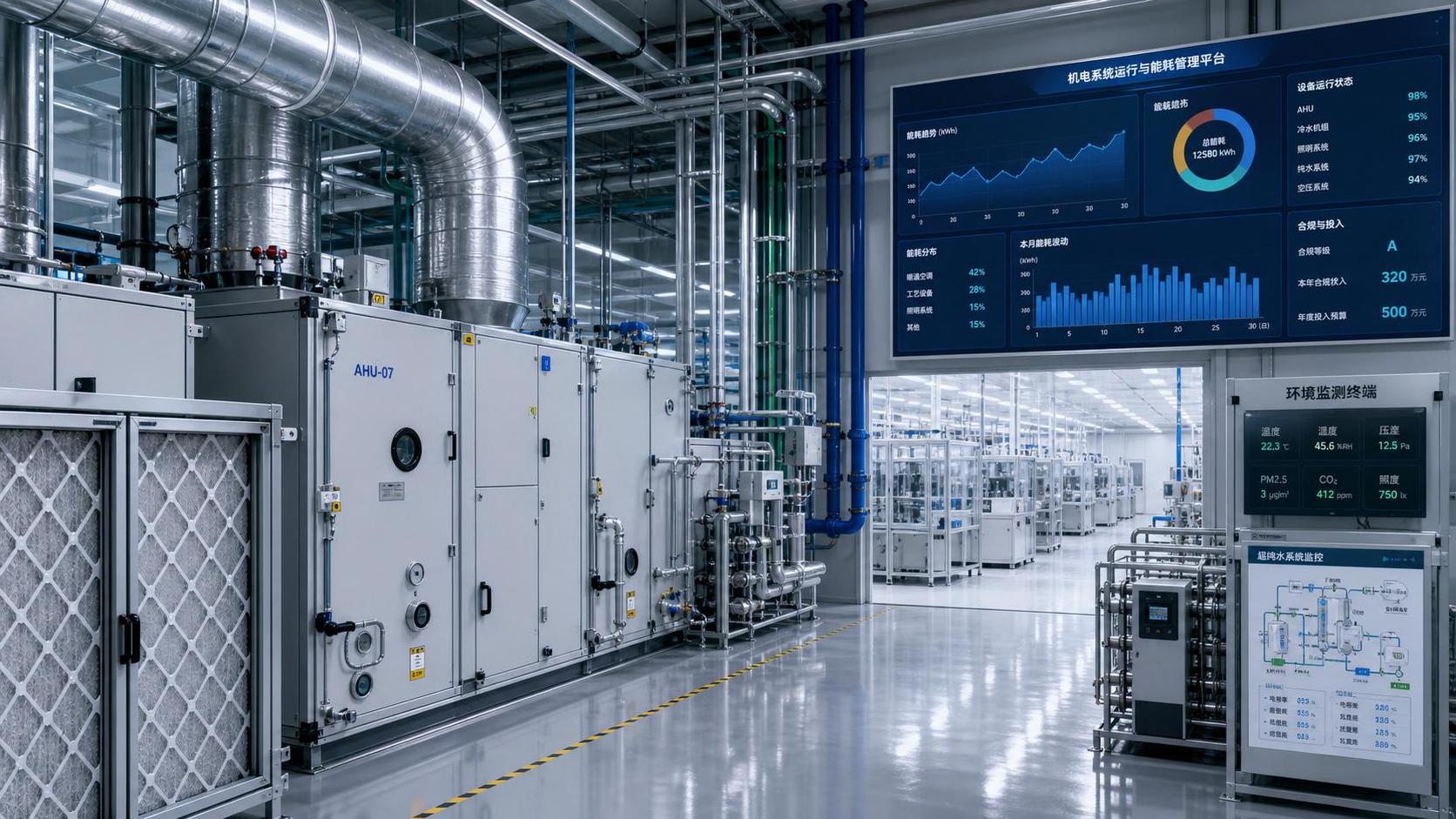
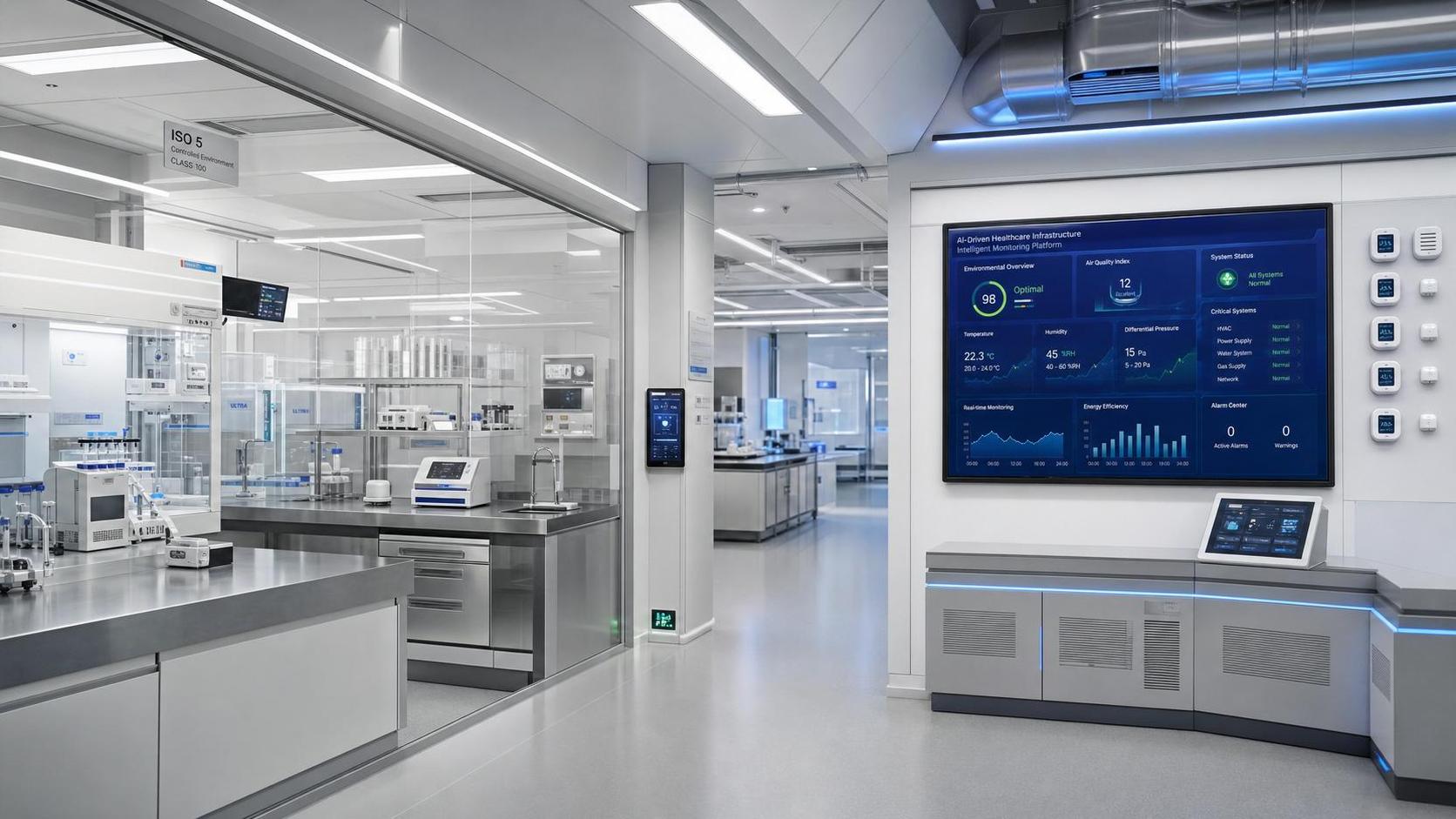
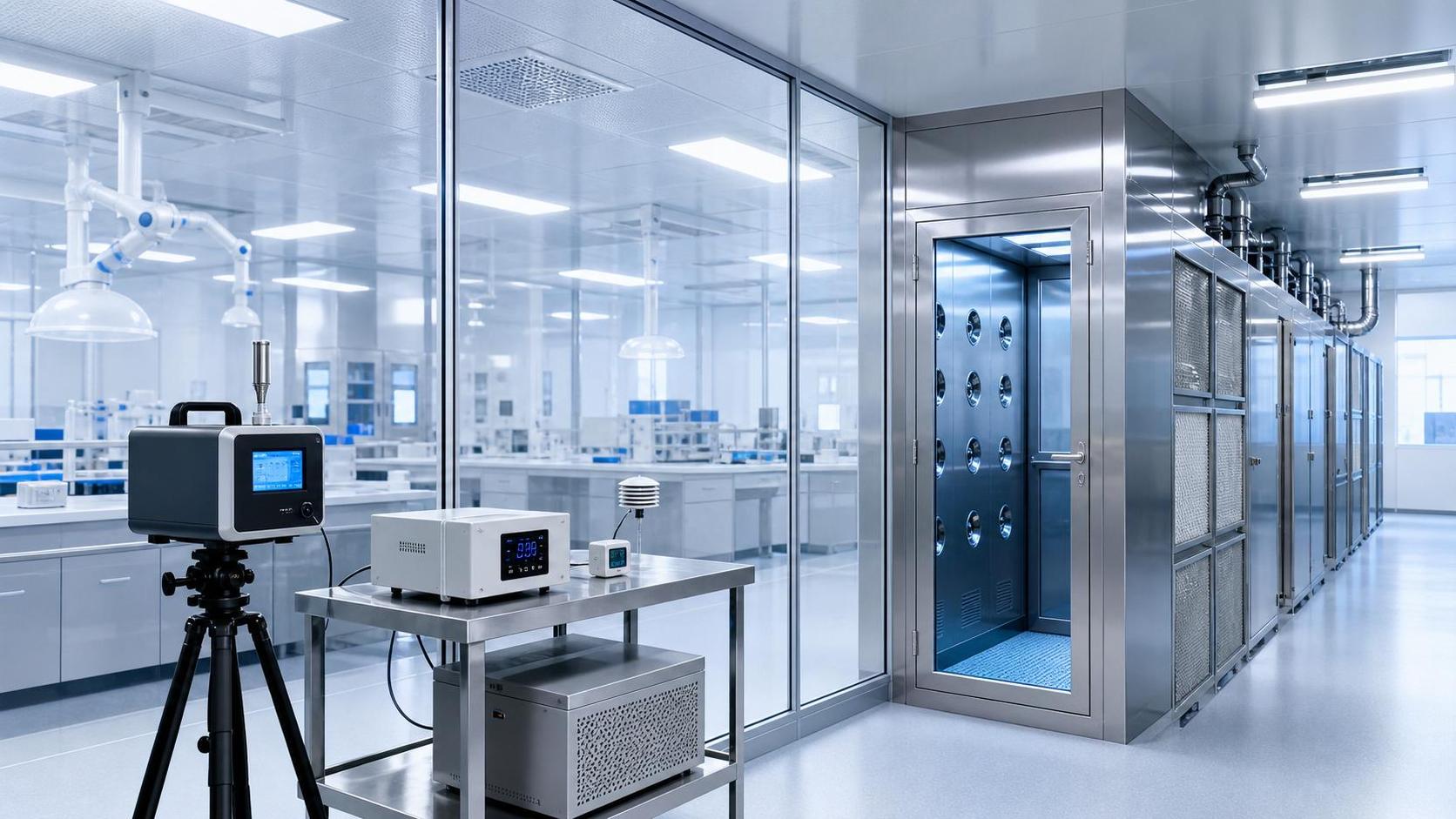
In high-spec environments, Contamination Control Plans often fail not because of a single error, but because Semiconductor Cleanroom design, vibration isolation mounts, refrigerant leak detection, and server room cooling are treated as separate tasks instead of one governed system. When Regulatory Frameworks and SEMI Standards are misunderstood or applied inconsistently, even advanced heat pipe exchangers, adiabatic cooling systems, and energy performance contracting strategies can introduce hidden risks that compromise performance, compliance, and uptime.
Why contamination control plans break down in high-spec spaces
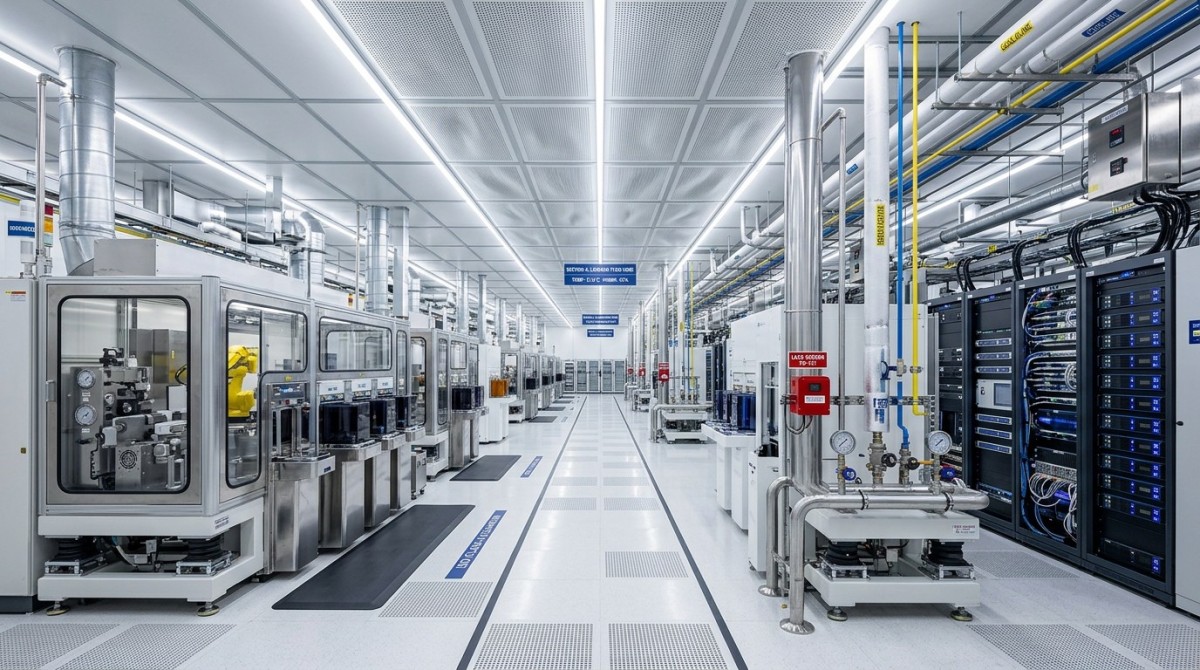
A Contamination Control Plan in a high-spec facility is not a housekeeping checklist. It is an operating framework that links airflow, pressure cascade, material flow, maintenance practice, process heat, vibration behavior, utilities, and alarm logic. Failures usually appear after 3–12 months of operation, when the original design assumptions no longer match real production loads, occupancy patterns, or maintenance routines.
This is especially common in semiconductor cleanroom projects, pharmaceutical filling suites, precision labs, and critical server room cooling environments. Teams often optimize one variable at a time: lower energy use, tighter thermal stability, fewer filter changes, or faster project handover. In practice, these decisions interact. A single adjustment in air change rate, chilled water temperature, or vibration isolation can shift particle behavior, humidity drift, and equipment stability.
For procurement teams and project managers, the real risk is hidden fragmentation. Mechanical contractors may focus on HVAC capacity, quality teams on ISO 14644 monitoring, and compliance teams on documentation. If nobody owns the system-level logic, the plan exists on paper but fails in operation. G-ICE addresses this gap by benchmarking contamination control against thermal management, biosafety requirements, process fluid discipline, and digital monitoring architecture as one integrated system.
In most high-spec spaces, four recurring failure paths stand out:
- Design intent is not translated into measurable operational limits such as differential pressure bands, recovery time targets, or acceptable maintenance windows.
- Utilities like refrigerant systems, UPW interfaces, or exhaust control are handled as separate disciplines rather than contamination contributors.
- Standards such as ISO 14644, ASHRAE guidance, and SEMI expectations are referenced, but not mapped to actual acceptance criteria and alarm responses.
- Operational change control is weak, so equipment relocation, night setback, or retrofit cooling decisions alter clean conditions without formal revalidation.
The most overlooked system interactions
A high-spec space may hold temperature within a narrow band, yet still fail contamination objectives. For example, a room controlled at 21°C–23°C can drift into unstable particle performance if airflow balancing, door opening frequency, and return path turbulence are not aligned. In advanced environments, thermal stability targets may reach tighter ranges, including ±0.01°C in selected process zones, but that precision does not replace contamination discipline.
Vibration isolation mounts create another blind spot. They protect lithography tools, metrology systems, and sensitive lab platforms, but if they alter equipment elevation, service clearance, or airflow patterns under tools, they may generate unplanned turbulence or inaccessible cleaning zones. This is why contamination control cannot be detached from mechanical support design.
Refrigerant leak detection is also frequently treated only as a safety feature. In reality, sensor location, response thresholds, and air movement patterns influence both personnel protection and process continuity. In spaces with recirculation, a delayed detection response of even a few minutes can trigger shutdown logic, product hold, or pressure imbalance across adjacent rooms.
Where operations, compliance, and engineering fall out of sync
Most contamination control failures are governance failures before they become technical failures. Operators may follow local SOPs, but the SOPs often cover cleaning frequency and gowning behavior without fully addressing airflow recovery, maintenance isolation, or post-intervention verification. A facility can pass routine checks and still remain vulnerable during filter replacement, tool move-in, utility switchover, or weekend setback operation.
This disconnect is visible in project delivery. Engineering teams focus on commissioning milestones over 2–6 weeks, while quality teams prepare environmental monitoring programs and procurement teams finalize service contracts. If acceptance criteria are not harmonized early, the site inherits conflicting definitions of “ready.” One team means installed and powered. Another means validated under normal occupancy. A third expects full alarm traceability and maintenance access.
For decision-makers, the practical question is not whether a plan exists, but whether every critical layer has a measurable control owner. G-ICE’s multidisciplinary model is valuable because cleanroom systems, precision HVAC, UPW, biosafety containment, and digital twin control are evaluated as linked contributors to contamination risk rather than isolated packages.
The table below shows how common disconnects appear across stakeholders in high-spec projects.
The key takeaway is that contamination control plans fail when ownership is fragmented. A usable plan should define response thresholds, escalation routes, documentation updates, and requalification triggers after every major intervention, including filter change, chilled water reset, pressure deviation, and equipment relocation.
Why standards are often misapplied
Regulatory frameworks and SEMI Standards are essential, but many teams use them as reference labels instead of operational tools. ISO 14644 may guide classification and monitoring, ASHRAE may support thermal and ventilation design, and SEMI may shape semiconductor facility expectations. Yet none of these documents can compensate for missing site-specific logic on cleaning windows, airflow recovery, maintenance segregation, or digital alarm prioritization.
A compliant design on day one can become non-robust by day 180 if process load increases, room occupancy changes, or server room cooling is repurposed without contamination review. That is why validation should be treated as a living discipline, with review intervals such as quarterly trend checks and annual reassessment after significant process or equipment changes.
Which technical choices most often introduce hidden contamination risk
Several advanced technologies bring real efficiency or control benefits, but they can also add hidden contamination risk when selected without system integration. Heat pipe exchangers can reduce energy demand and help stabilize thermal loads. Adiabatic cooling systems can improve cooling efficiency under suitable climate conditions. Energy performance contracting can accelerate upgrades. However, each option must be checked against moisture control, maintenance access, material compatibility, and process sensitivity.
In high-spec spaces, the best technical solution is not always the one with the highest isolated efficiency. It is the option that preserves contamination control under actual operating conditions, including peak occupancy, off-shift operation, and maintenance states. For many projects, that means evaluating 5 core dimensions together: cleanliness impact, thermal stability, leak and moisture risk, control integration, and serviceability.
The comparison below helps technical evaluators, purchasers, and project leaders assess where performance gains may conflict with contamination objectives.
This comparison shows why isolated equipment efficiency should never override controlled-environment logic. G-ICE’s value is in cross-disciplinary benchmarking: a thermal upgrade is reviewed not only for kW reduction, but for airflow integrity, contamination migration, service frequency, and compliance impact across the whole facility.
Three technical checks before approving any upgrade
1. Check operational states, not only design state
Review normal production, reduced shift, startup, maintenance bypass, and alarm mode. Many plans only test one stable condition, even though contamination excursions often occur during transitions lasting 10–60 minutes.
2. Verify spatial interaction
Assess adjacent rooms, return paths, exhaust influence, and service corridors. A cleanroom rarely fails in isolation; it fails through pressure cascade disruption or poorly controlled interfaces.
3. Tie monitoring to action
A sensor without response logic is not a control measure. Alarm thresholds, delay timers, operator instructions, and escalation responsibility should be defined before handover, not after the first deviation.
How to evaluate suppliers, solutions, and project readiness
Buyers and technical evaluators often ask the wrong first question: “Which system is best?” In high-spec contamination control, the right first question is “Which system remains controllable after installation, under maintenance, and during process change?” Selection should cover equipment performance, validation burden, service model, documentation quality, and long-term adaptability over a 3–5 year horizon.
This matters across the full B2B chain. Procurement teams need clear bid comparison logic. Quality managers need traceable compliance records. Project leaders need realistic implementation sequencing. Distributors and agents need confidence that the solution can be positioned correctly across different end-user requirements. A weak evaluation process increases change orders, delays handover, and pushes risk downstream to operations.
Use the following checklist before final selection or retrofit approval:
- Confirm the target environment: ISO class, process sensitivity, biosafety level if relevant, occupancy pattern, and allowable temperature and humidity band.
- Define 4–6 acceptance metrics such as particle counts, pressure differential range, recovery time, vibration threshold, leak detection response, and alarm traceability.
- Review maintenance impact: access route, shutdown window, filter replacement method, cleaning compatibility, and spare parts lead time, often 2–8 weeks depending on component type.
- Verify documentation depth: as-built updates, sequence of operation, sensor map, commissioning records, and requalification triggers after intervention.
- Ask for operating scenario review, not just data sheets, especially where semiconductor cleanroom design and server room cooling interact with shared utilities.
A strong supplier or technical partner should be able to explain not only nominal capacity, but also contamination consequences under upset conditions. If that explanation is missing, the solution may be technically impressive but operationally fragile.
Procurement red flags that deserve early attention
Be cautious when two proposals appear equivalent on capital cost but differ in controls integration, service access, or sensor architecture. Lower upfront cost may shift future burden into more frequent shutdowns, longer qualification cycles, or unstable clean performance. The cheapest package is often the one that externalizes contamination risk to the operator.
Also watch for substitution language. Terms like “equivalent filter unit,” “similar cooling platform,” or “alternative monitoring device” should trigger a structured review. In high-spec environments, equivalence must be judged across at least 3 layers: physical performance, contamination behavior, and validation impact.
Standards, implementation steps, and common misconceptions
A robust Contamination Control Plan should translate standards into daily operating behavior. ISO 14644 supports cleanroom classification and monitoring structure. ASHRAE guidance helps frame airflow, thermal management, and ventilation decisions. SEMI Standards are relevant in semiconductor facility planning, utilities, and process environment expectations. Yet implementation still depends on site-specific rules, training, and change management.
In practical terms, implementation usually works best in 4 stages over several weeks to several months, depending on retrofit complexity and validation scope. Early definition prevents later rework, especially in projects with multiple contractors and tightly sequenced shutdown windows.
A practical 4-step implementation flow
- Step 1: Baseline mapping. Document room classes, pressure cascade, occupancy, tool heat loads, utility interfaces, and current alarm logic. This stage typically takes 5–10 working days for a moderate facility scope.
- Step 2: Risk ranking. Identify 3–7 highest-impact failure modes such as door-driven pressure upset, humidity instability, refrigerant alarm blind spots, or maintenance-generated particle release.
- Step 3: Control alignment. Match engineering controls, SOPs, monitoring points, and escalation procedures. This is where many plans fail because equipment logic and operator action remain disconnected.
- Step 4: Revalidation and review. Test normal and upset conditions, train users, and define review intervals such as monthly trend review and annual plan update after significant change.
A common misconception is that more sensors automatically create better control. They do not. Poorly located or poorly interpreted sensors can increase false confidence. Another misconception is that energy upgrades are always contamination-neutral. They are not. Any change in air volume, water quality, moisture behavior, or control sequence can alter clean performance.
FAQ for teams planning upgrades or audits
How do I know if a contamination control plan is too narrow?
If the document mainly covers cleaning schedules and gowning rules but says little about HVAC response, utility risk, maintenance intervention, or requalification triggers, it is too narrow. A strong plan should connect personnel behavior with facility engineering and define measurable limits for at least several critical conditions.
Which spaces need the most integrated review?
Semiconductor cleanrooms, aseptic or sterile support zones, precision test labs, and mixed facilities where server room cooling shares utility or control logic with controlled production areas typically need the deepest review. The more tightly controlled the process, the less tolerance there is for separated decision-making.
What should procurement ask before approving a retrofit?
Ask how the retrofit affects particle behavior, moisture risk, access for cleaning, requalification effort, and response to alarm conditions. Also ask for typical lead times, spare strategy, and whether the upgrade changes any compliance documentation or acceptance testing sequence.
How often should the plan be reviewed?
Review frequency depends on process criticality, but many facilities benefit from monthly trend review, quarterly technical review, and immediate reassessment after any significant modification, deviation trend, or utility event.
Why work with G-ICE when contamination risk crosses multiple systems
High-spec environments demand more than component expertise. They require system governance across cleanroom design, precision thermal control, UPW interfaces, biosafety engineering, and digital monitoring. G-ICE is built for that exact challenge. Its five industrial pillars create a reference structure for organizations that cannot afford to manage contamination, temperature, utilities, and compliance as separate silos.
For researchers, operators, evaluators, procurement teams, project leaders, distributors, and enterprise decision-makers, the benefit is practical: clearer benchmarking, faster issue definition, more disciplined option screening, and better alignment between engineering performance and regulatory expectations. This matters whether you are planning a new semiconductor cleanroom, upgrading vibration isolation mounts, checking refrigerant leak detection strategy, or reviewing server room cooling in a critical infrastructure setting.
You can contact G-ICE to discuss specific parameters and decision points, including target cleanliness level, thermal stability range, airflow and pressure logic, upgrade feasibility, implementation sequence, documentation gaps, standards interpretation, and budget-sensitive alternatives. Support can start from early technical comparison, retrofit risk review, or supplier evaluation and extend to solution alignment, delivery planning, and compliance-focused consultation.
If your current Contamination Control Plan feels fragmented, slow to validate, or difficult to defend in front of quality, engineering, and executive teams at the same time, this is the right point to review it as one governed system. Bring your room conditions, performance targets, project schedule, and procurement questions into one discussion, and the next decision will be based on operational reality rather than isolated specifications.
- Contamination Control
- Thermal Management
- Biosafety Containment
- Digital Twin Control
- Semiconductor Cleanroom
- SEMI Standards
- Regulatory Frameworks
- Semiconductor Cleanroom design
- heat pipe exchangers
- adiabatic cooling systems
- server room cooling
- vibration isolation mounts
- refrigerant leak detection
- energy performance contracting
Get weekly intelligence in your inbox.
No noise. No sponsored content. Pure intelligence.
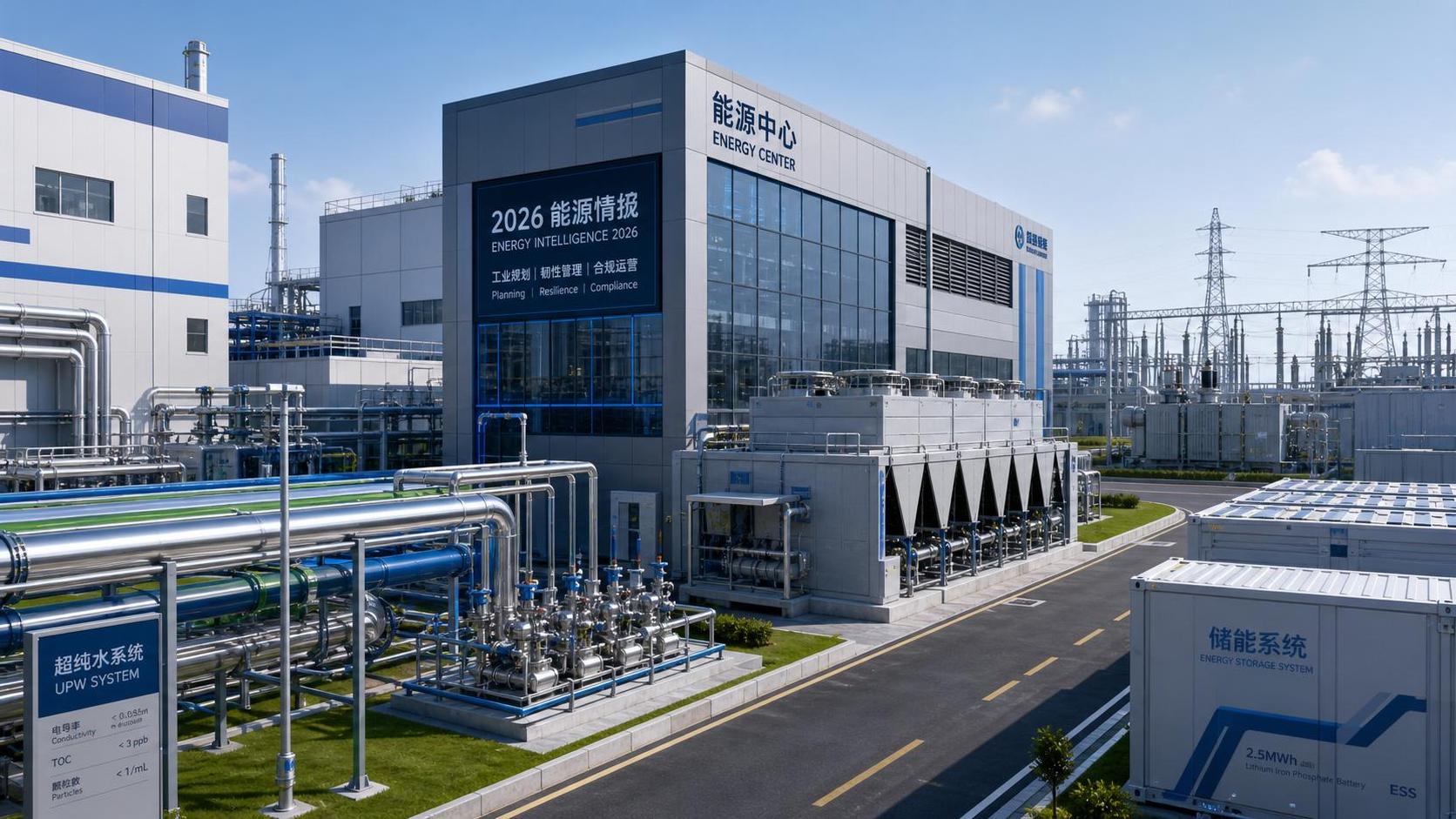
 Jun 22, 2026Energy Intelligence Reports in 2026: Which Signals Matter for Planning?Energy Intelligence Reports in 2026 reveal the signals that shape cost, resilience, compliance, and operational stability—helping planners turn volatility into smarter decisions.
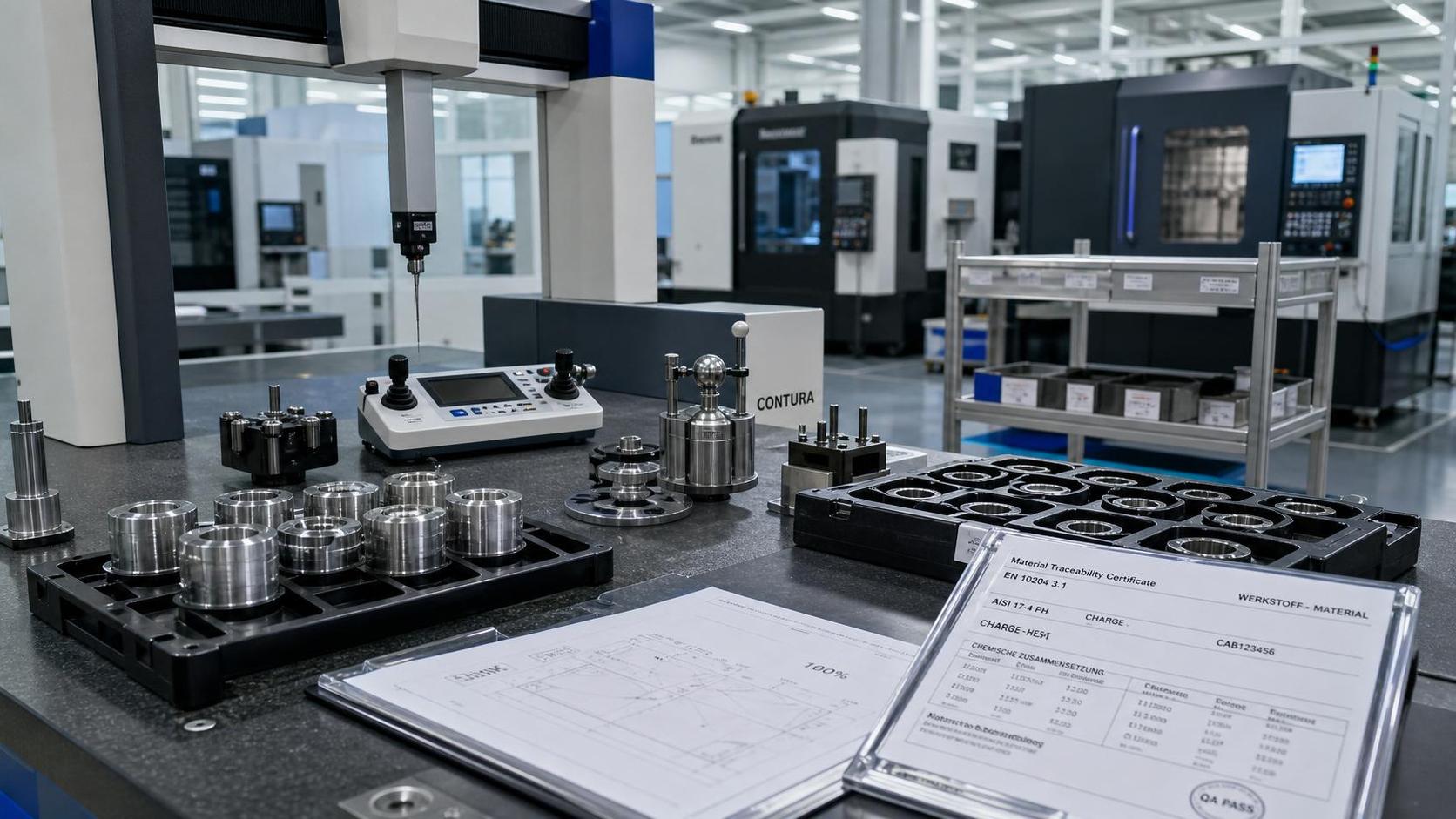
 Jun 22, 2026Precision Engineering Services Europe: Key Checks Before Supplier ApprovalPrecision engineering services Europe: discover the 7 essential checks before approving a supplier, from tolerance control and traceability to quality systems and delivery reliability.
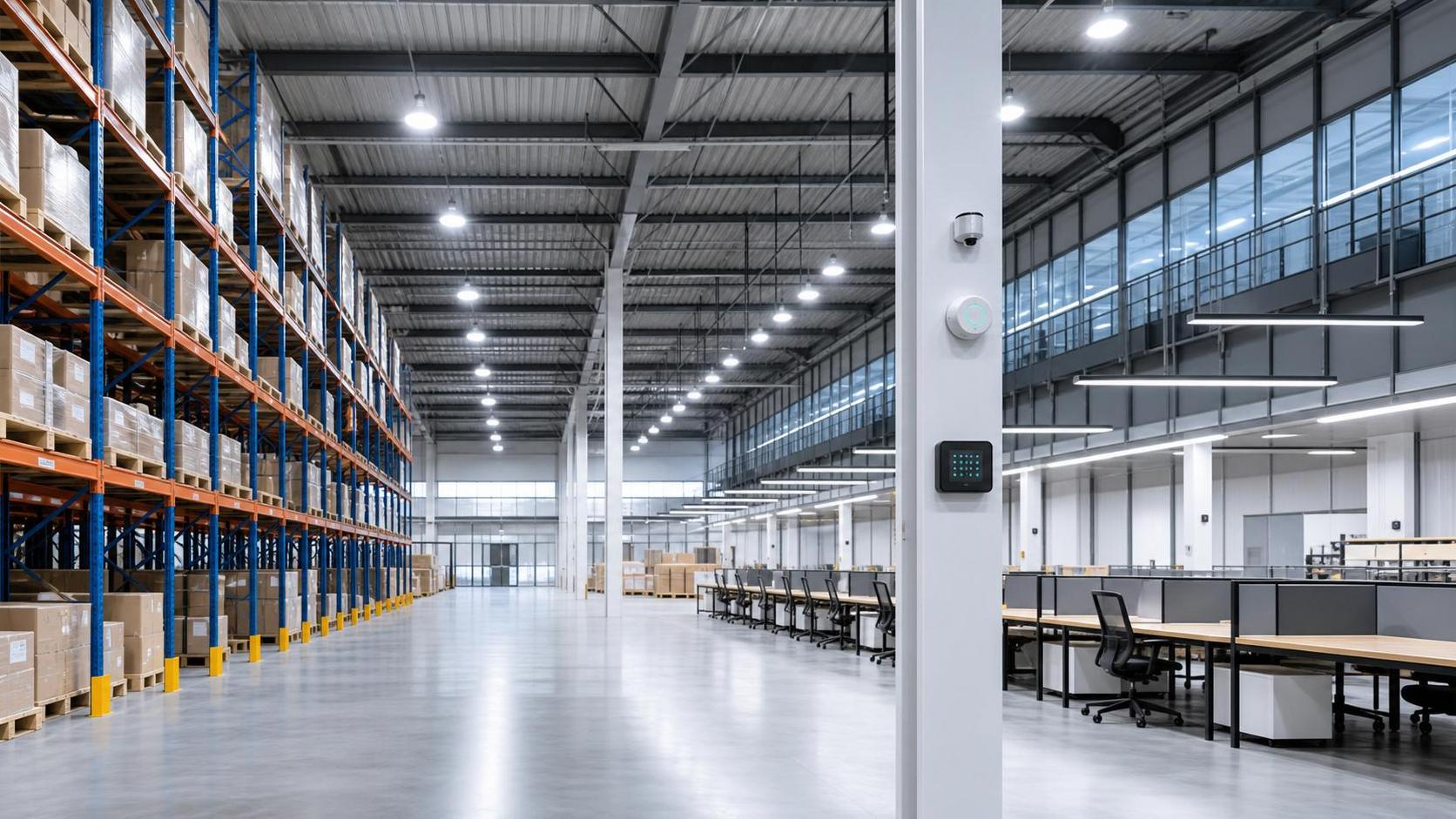
 Jun 22, 2026Commercial LED Lighting Upgrades: What Cuts Energy Bills Fastest?Commercial LED lighting upgrades can cut energy bills fast. Discover which retrofits, controls, and priority zones deliver the quickest ROI for warehouses, offices, and industrial facilities.
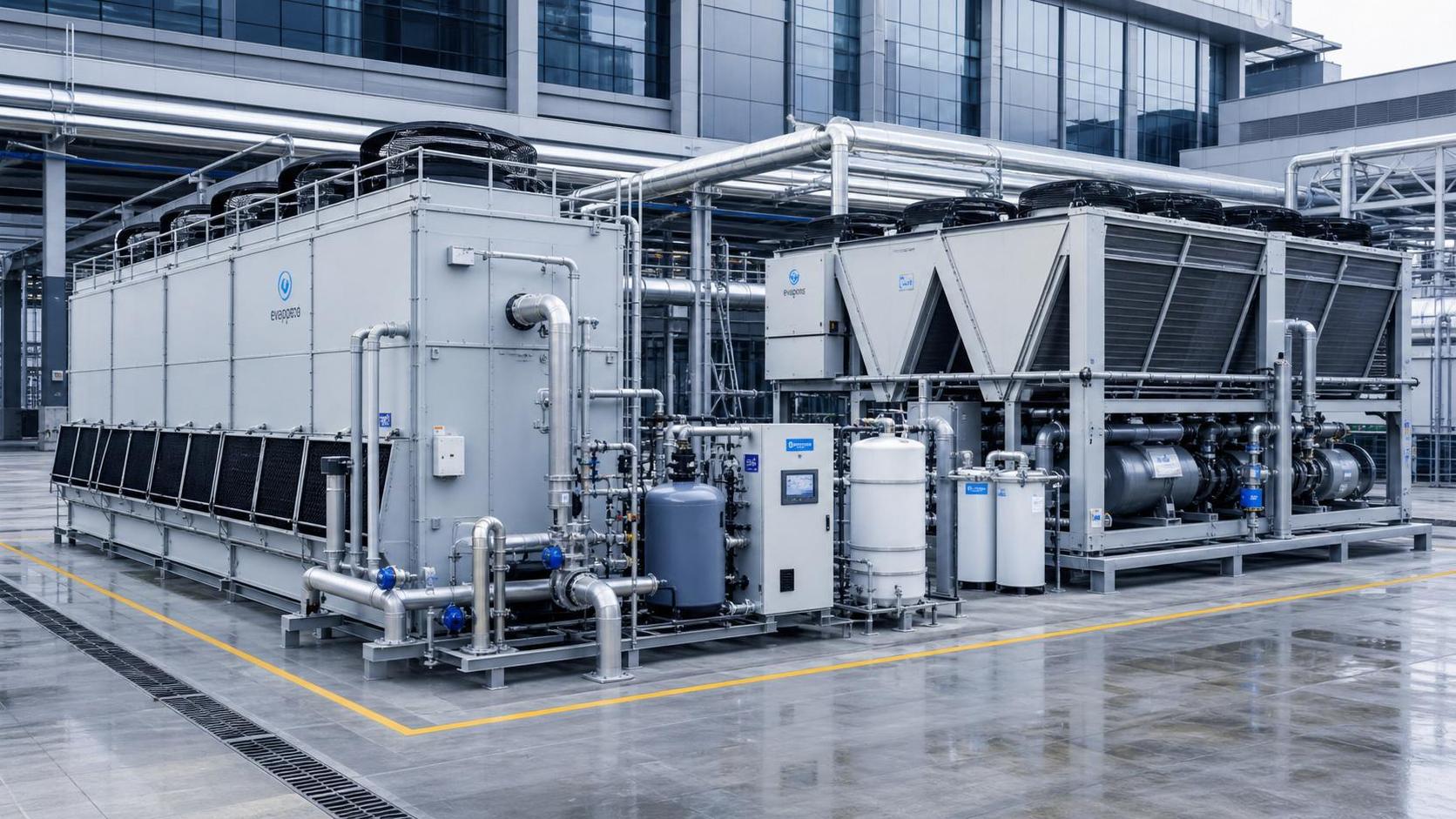
 Jun 22, 2026Adiabatic Cooling Systems vs Conventional Cooling: Cost and Water Trade-OffsAdiabatic cooling systems vs conventional cooling: compare energy savings, water trade-offs, ESG impact, and lifecycle cost to choose the best-fit solution.
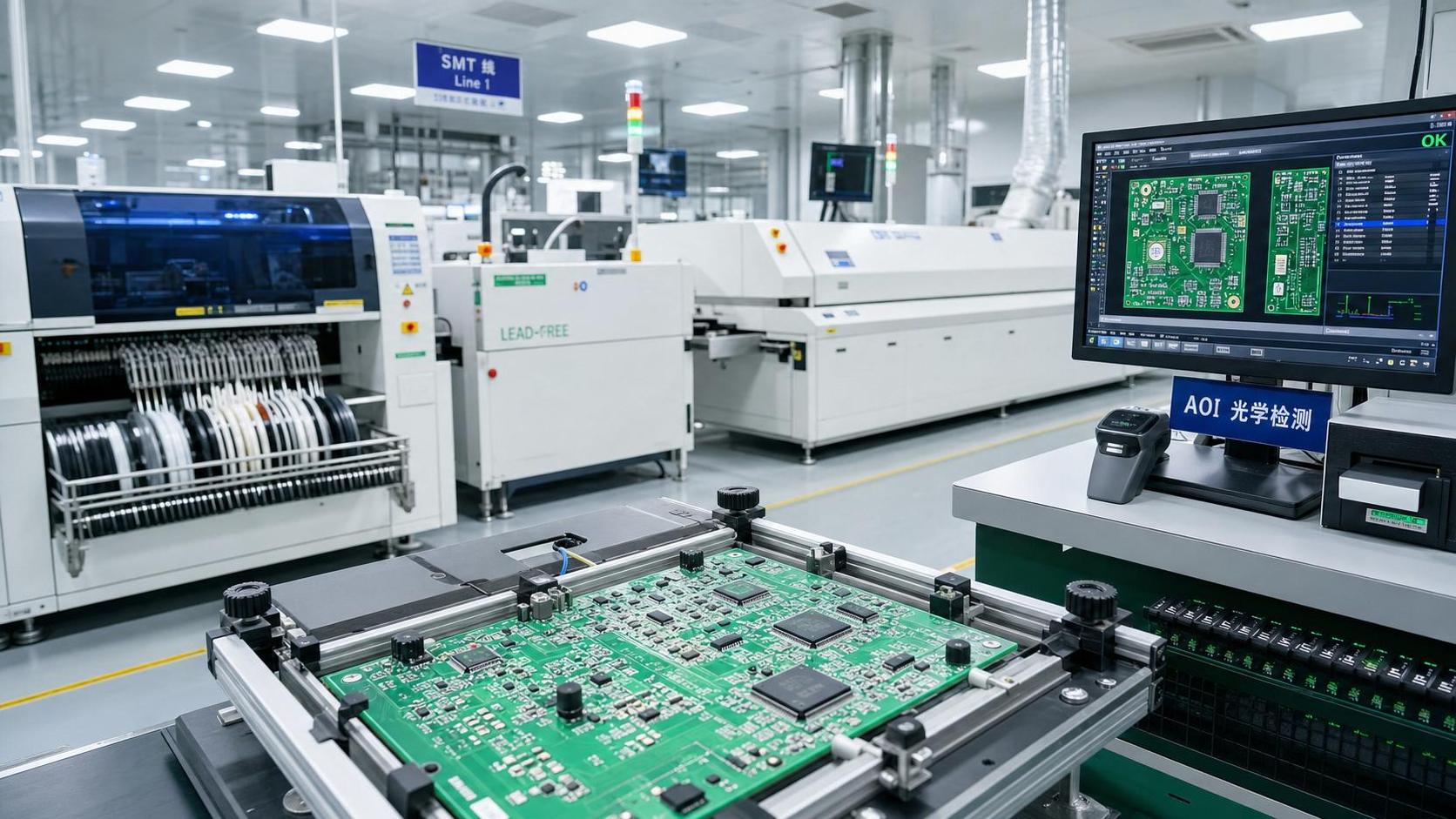
 Jun 22, 2026How to Compare PCB Assembly Services for Low-Defect Productionpcb assembly services comparison guide for low-defect production. Learn how to assess process control, inspection, traceability, and quality systems to choose a reliable supplier.
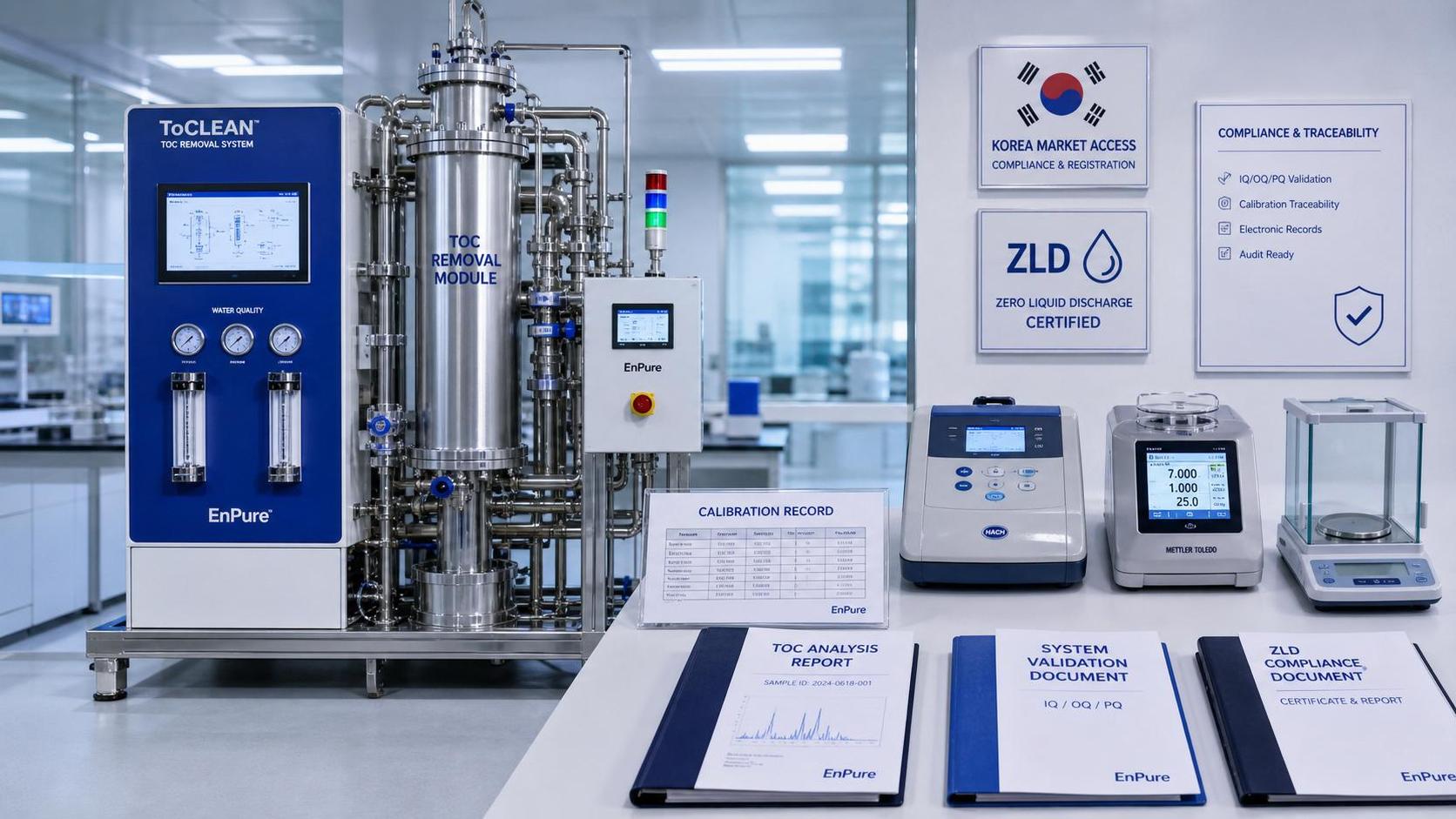
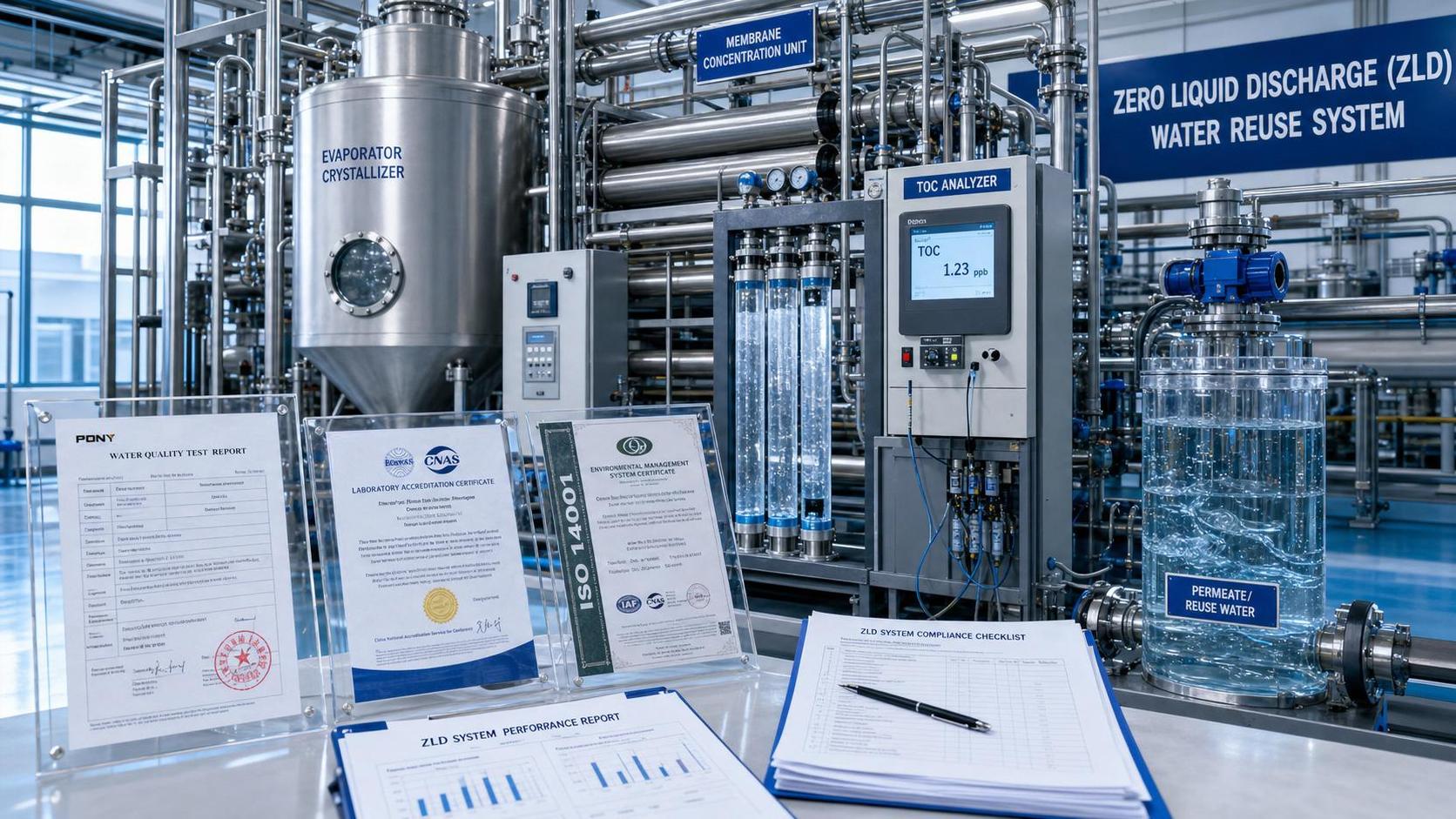
 Jun 22, 2026MFDS Tightens ZLD TOC Validation for ImportsMFDS tightens ZLD TOC validation for imports from Sept. 1, 2026. Learn how KOLAS lab reports, spectra, and calibration records will affect certification, lead times, and Korea market access.
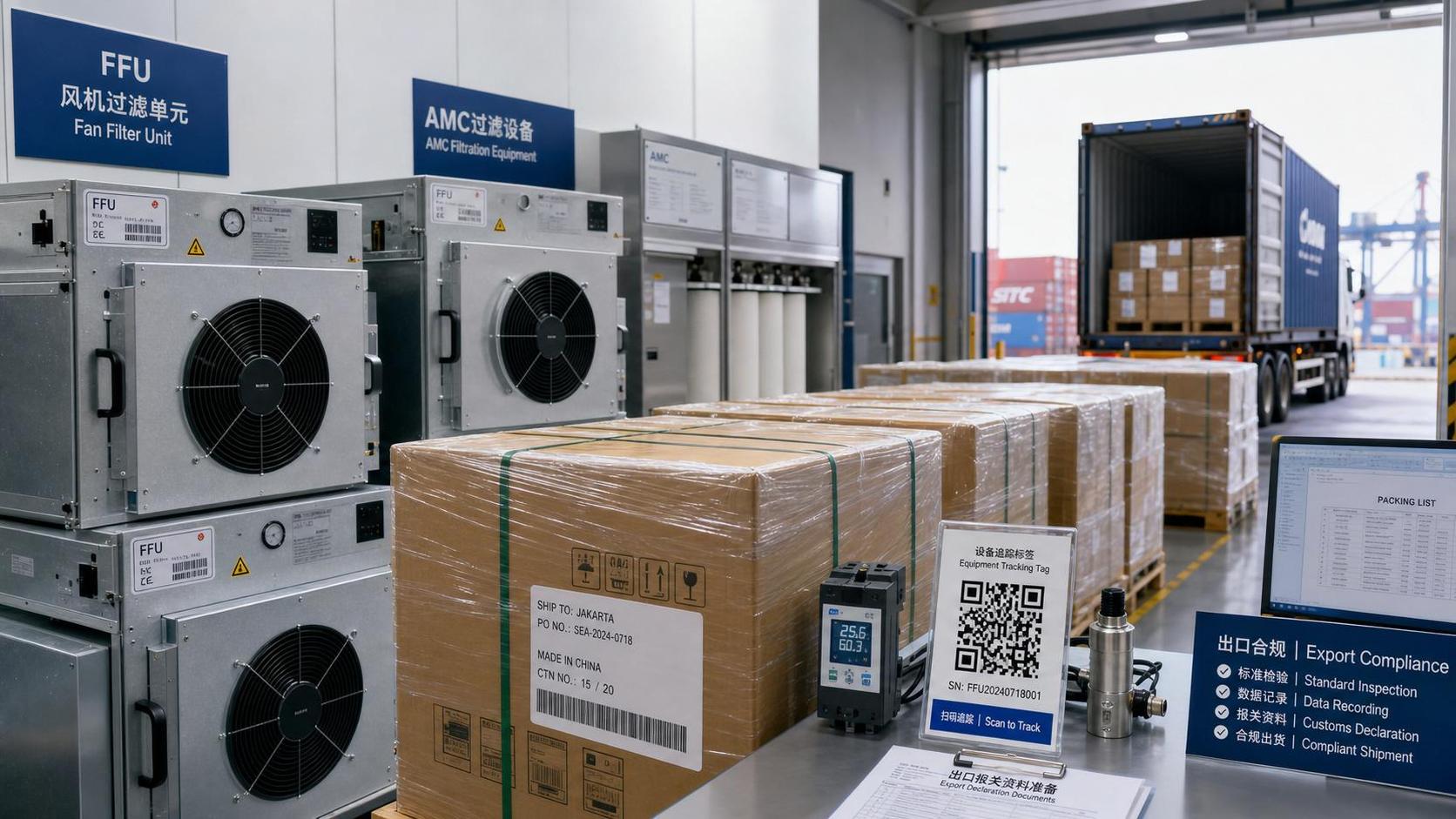
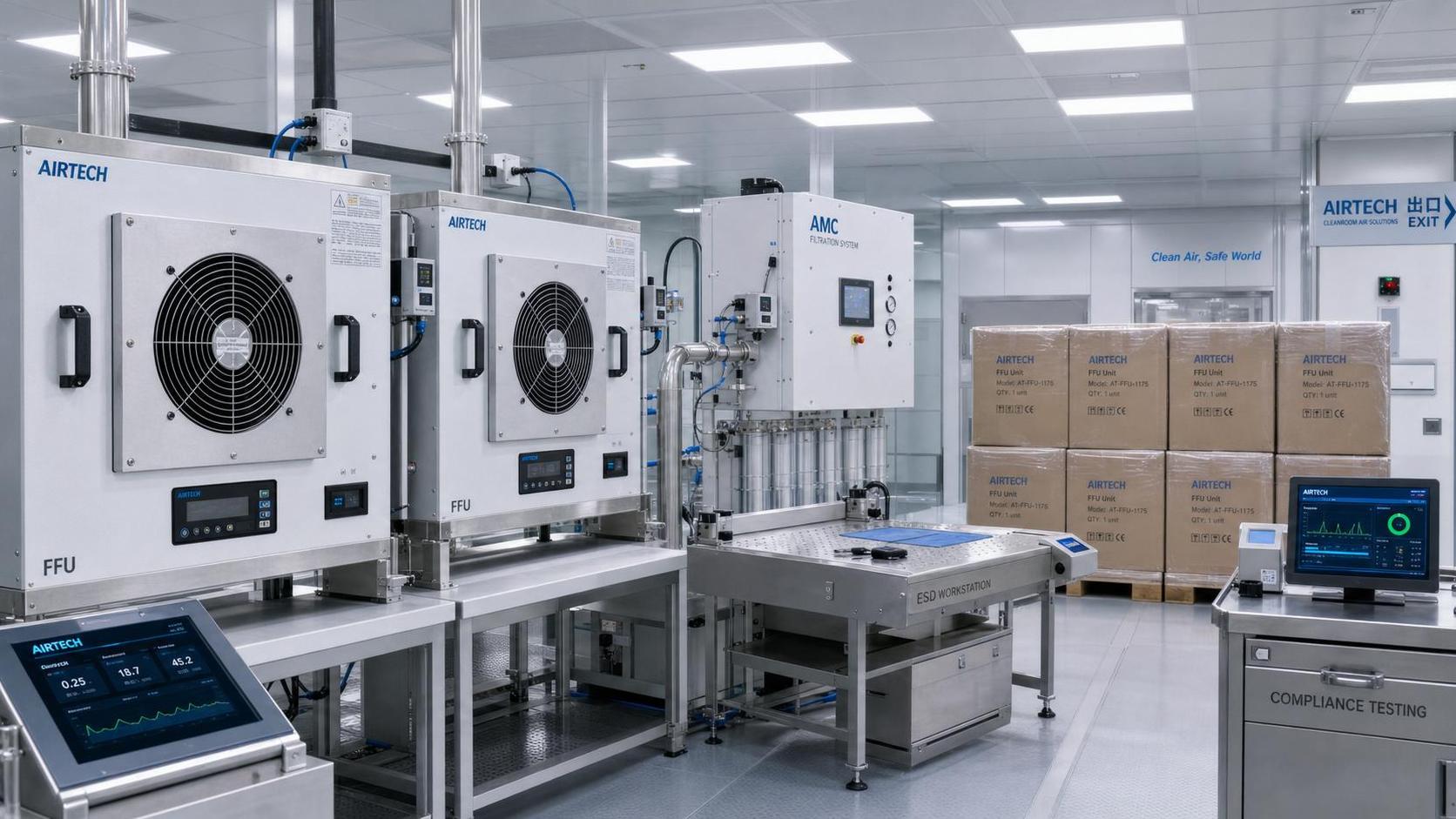
 Jun 22, 2026ASEAN Customs Makes EPCIS Uploads MandatoryASEAN Customs makes EPCIS uploads mandatory from July 15, 2026. Learn how CCPCS impacts cleanroom equipment, FFUs, AMC filtration units, and shipment compliance.
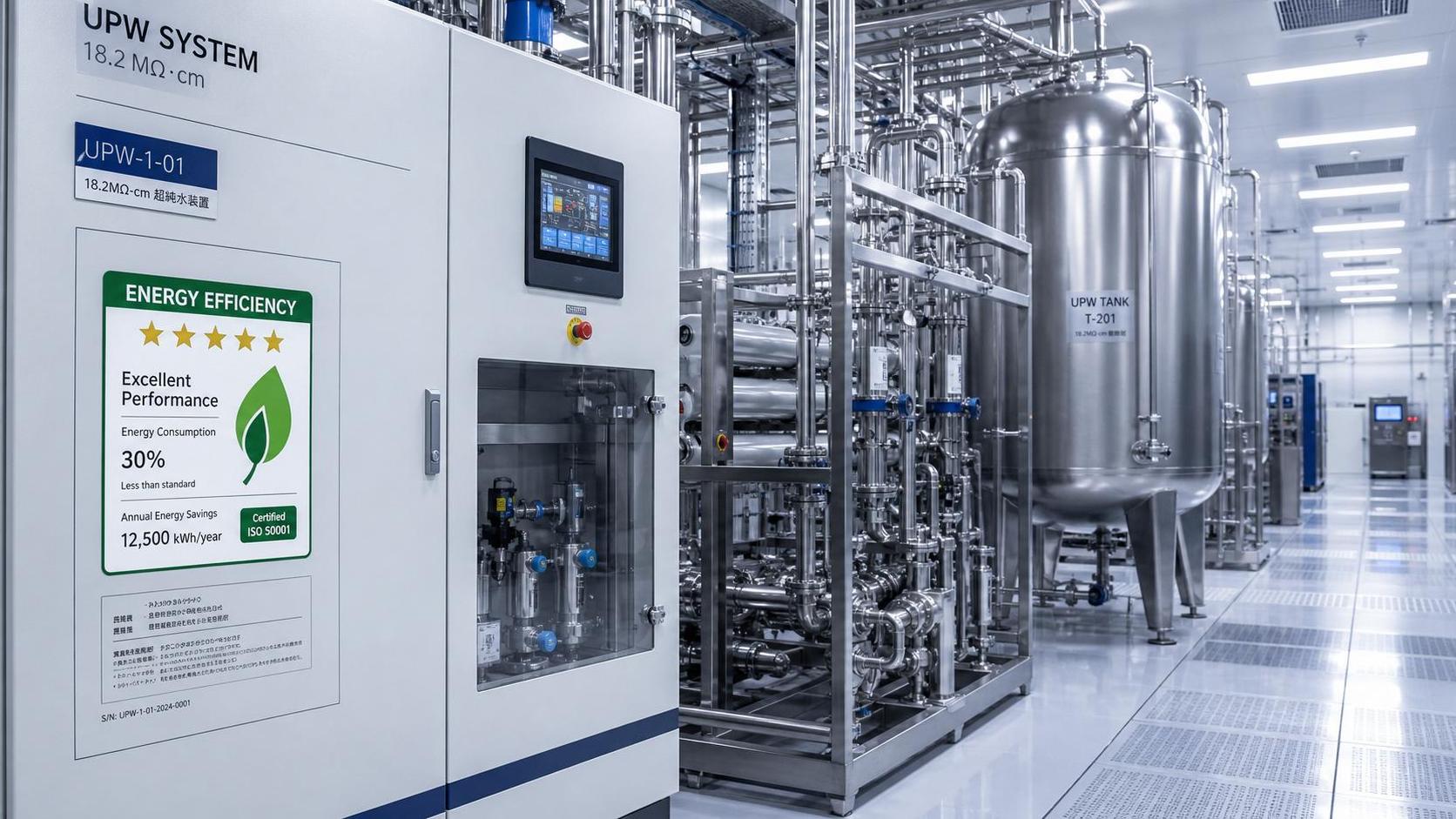
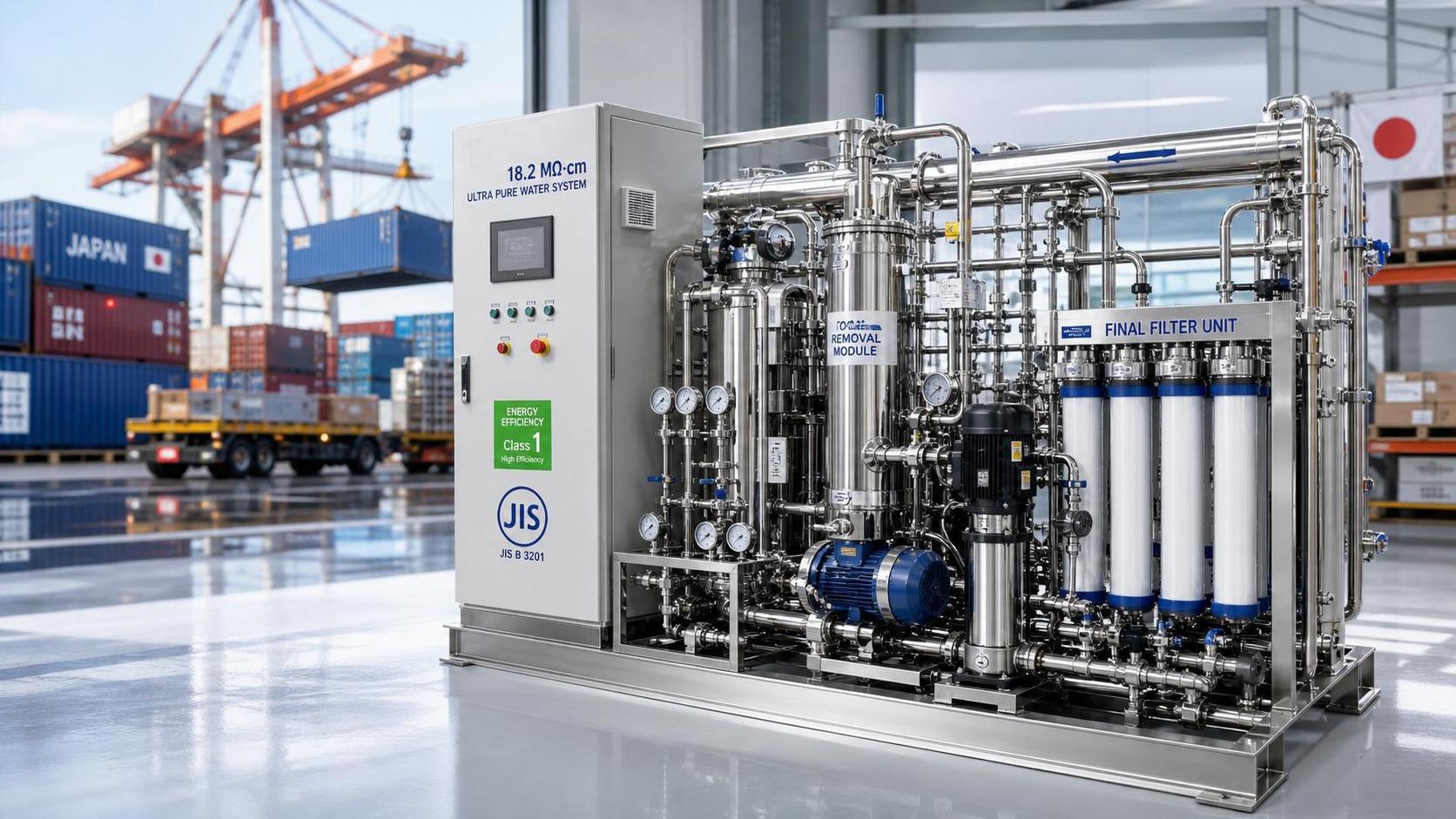
 Jun 22, 2026Japan Mandates JIS Class A Label for 18.2 MΩ·cm UPW SystemsJapan mandates JIS Class A labeling for 18.2 MΩ·cm UPW systems from July 2026. See who is affected, key compliance risks, and how importers and chip project bidders should prepare.
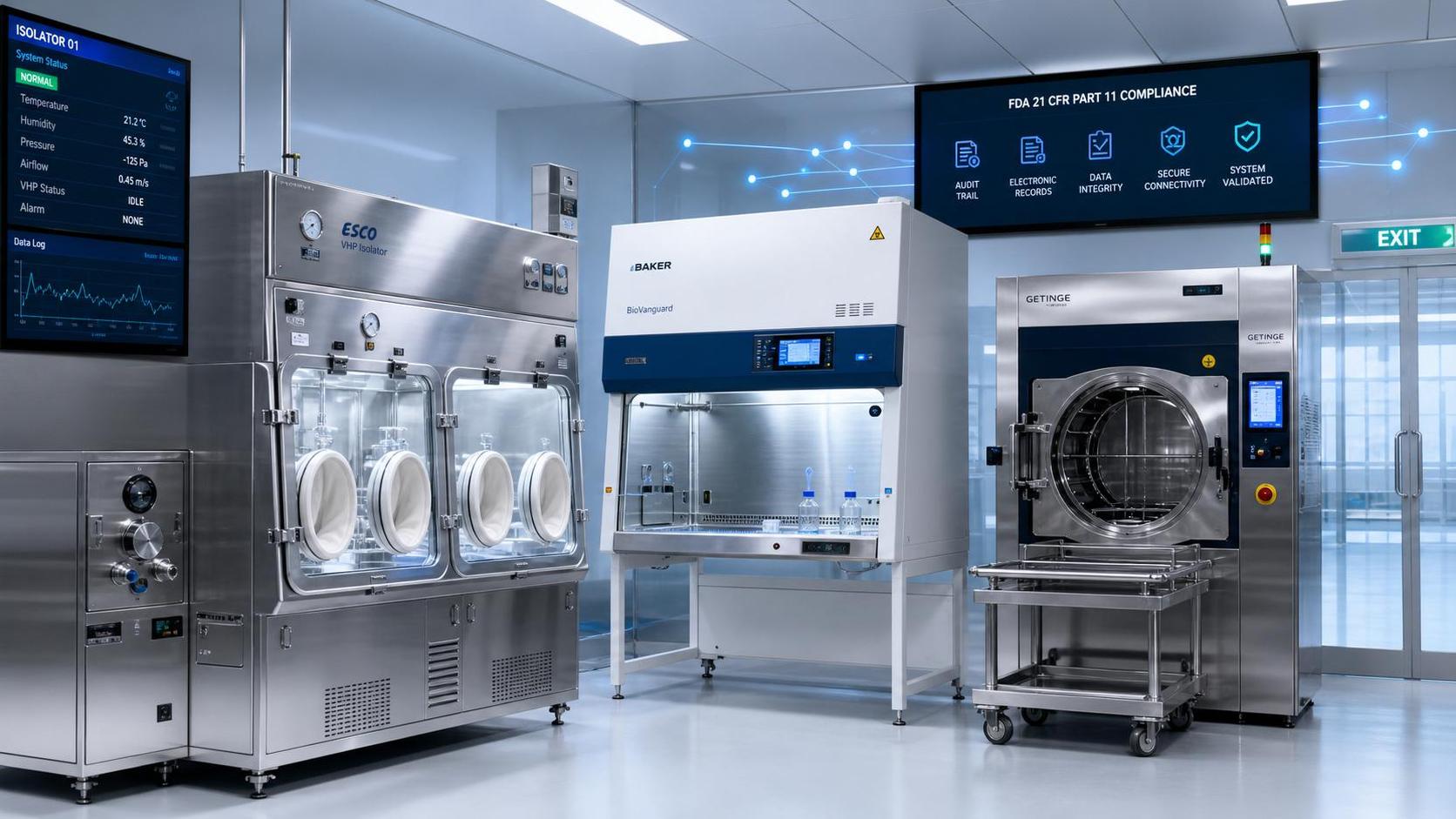
 Jun 22, 2026FDA Mandates API Compatibility for BSL-3/4 Lab EquipmentFDA mandates API compatibility for BSL-3/4 lab equipment starting July 1, 2026. Learn how RESTful API and MQTT rules affect 510(k), exports, compliance, and project delivery.
 Jun 22, 2026EN 14644-1:2026 Takes Effect for EU Cleanroom CertificationEN 14644-1:2026 now reshapes EU cleanroom certification for ISO Class 1–9 facilities. Learn how re-testing, report updates, and CE conformity documentation could impact exporters and compliance timelines.
 Jun 21, 2026How to Choose Linear Motion Systems for Precision and Service LifeLinear motion systems selection starts with process needs. Learn how to compare accuracy, contamination control, thermal behavior, and service life for smarter, longer-lasting performance.
 Jun 21, 2026Advanced Manufacturing Trends Reshaping Cost, Quality, and Lead TimeAdvanced Manufacturing is reshaping cost, quality, and lead time through cleaner environments, real-time monitoring, and smarter control. See the trends driving resilient, high-performance operations.
 Jun 21, 2026Market Forecast Signals to Track Before Setting Next Year’s BudgetMarket Forecast insights to track before setting next year’s budget—spot demand, energy, compliance, and capital signals early to avoid costly inefficiencies and make smarter investment decisions.
 Jun 21, 2026Healthcare Trends to Watch in 2026: AI, Staffing, and Patient AccessHealthcare Trends in 2026: explore how AI, staffing shortages, and patient access are reshaping healthcare operations, compliance, and resilient facility strategy.
 Jun 21, 2026Solar Panel Cost Breakdown: What Changes the Price in 2026Solar panel cost in 2026 depends on more than panel pricing. Discover what drives total installed cost, storage value, labor, design, and hidden risks before you approve a solar project.
 Jun 21, 2026EU Updates EN 14644-1:2026 for Cleanroom TestingEN 14644-1:2026 reshapes cleanroom testing, CE documentation, and EU compliance from 2027. Learn what exporters, testing providers, and procurement teams must review now.
 Jun 21, 2026MFDS Tightens ZLD Certification on TOC ValidationMFDS tightens ZLD certification rules by requiring KOLAS-authorized GLP TOC validation reports from Sept. 1, 2026. Learn how this impacts wastewater reuse equipment exports and compliance planning.
 Jun 21, 2026ASEAN Customs Makes EPCIS Data Mandatory for Cleanroom ExportsASEAN Customs makes EPCIS data mandatory for cleanroom exports from Aug 15, 2026. Learn how GS1 EPCIS v2.3 rules may delay clearance and what exporters must prepare now.
 Jun 21, 2026Japan Starts JIS Label Rule for UPW ImportsJapan starts JIS label rule for UPW imports on Oct. 1, 2026. Learn the new compliance scope, JIS certification, customs risks, and how exporters can avoid shipment delays.
 Jun 21, 2026FDA Sets July 1 Rule for BSL-3/4 Digital Twin InterfacesFDA sets a July 1 rule for BSL-3/4 digital twin interfaces, reshaping compliance, certification, and delivery timelines. See what exporters, buyers, and lab equipment teams must do now.
 Jun 20, 2026The Impact of CBAM on Chillers: Cost Risks and Sourcing ChoicesImpact of CBAM on chillers: learn how carbon rules can raise landed costs, affect supplier choice, and reshape sourcing strategy. Compare bids smarter and reduce compliance risk.
 Jun 20, 2026RGB LED Strips: Common Failures and How to Prevent ThemRGB LED strips often fail from voltage drop, heat, poor connections, and moisture. Learn practical prevention tips to improve reliability and reduce maintenance.
 Jun 20, 2026HVAC Digital Twin: What to Check Before DeploymentHVAC digital twin deployment starts with the right checks. Learn how to assess model fidelity, data quality, control logic, compliance, and cybersecurity before approval.
 Jun 20, 2026How Photovoltaic Modules for Agricultural Use Perform in Harsh Field ConditionsPhotovoltaic modules for agricultural use must endure dust, heat, moisture, and impact. Learn what drives field reliability and how to choose modules for stable farm energy output.
 Jun 20, 2026Energy Efficiency Benchmarks That Matter in 2026Energy efficiency benchmarks for 2026 focus on process stability, thermal precision, airflow, water performance, and compliance—see which metrics truly improve uptime and ROI.
 Jun 20, 2026SAP-Air Pilot Makes EPCIS Data Mandatory for ExportsSAP-Air pilot makes EPCIS data mandatory for exports from Sept. 1, 2026. Learn how GS1 EPCIS v2.3 air-quality and traceability rules may impact customs clearance.
 Jun 20, 2026MFDS Tightens ZLD Certification on TOC TestingMFDS tightens ZLD certification on TOC testing in South Korea, requiring KOLAS-authorized GLP reports. Learn the compliance impact, higher costs, and what exporters must do now.