Commercial LED Lighting Upgrades: What Cuts Energy Bills Fastest?
Commercial LED Lighting Upgrades: What Cuts Energy Bills Fastest?
For enterprise leaders under pressure to reduce operating costs without disrupting performance, commercial led lighting upgrades are often the fastest path to measurable savings.
But not every retrofit delivers the same return.
From high-bay facilities to precision-controlled environments, the right strategy depends on energy load, control systems, and compliance goals.
This guide explains which upgrades cut energy bills fastest and how to prioritize investments for long-term efficiency.
In real operations, lighting is rarely just about visibility.
It affects maintenance cycles, thermal load, worker comfort, and in some industries, environmental stability.
That is why smart commercial led lighting decisions usually outperform simple fixture replacement.
Why Commercial LED Lighting Delivers Fast Savings
The fastest savings usually come from cutting wattage first.
Legacy fluorescent, metal halide, and high-pressure sodium systems consume far more power than modern LEDs.
A well-planned commercial led lighting retrofit can reduce lighting energy use by 40% to 70%.
In facilities with long operating hours, payback often arrives much faster.
The second savings lever is lower maintenance.
LED fixtures last longer, fail less often, and reduce labor spent on lamp replacement.
That matters even more in warehouses, production halls, labs, and clean support areas with difficult access.
A third benefit is reduced heat output.
Less wasted heat means lower cooling demand, which supports HVAC efficiency.
In thermal-sensitive sites, this can improve both cost control and environmental consistency.
The Upgrades That Cut Energy Bills Fastest
Not all projects produce equal results.
From recent market shifts, the highest-return commercial led lighting upgrades usually follow a clear order.
1. Replace high-wattage fixtures in long-hour zones
This is usually the quickest win.
Focus on spaces where lights stay on for 12 to 24 hours each day.
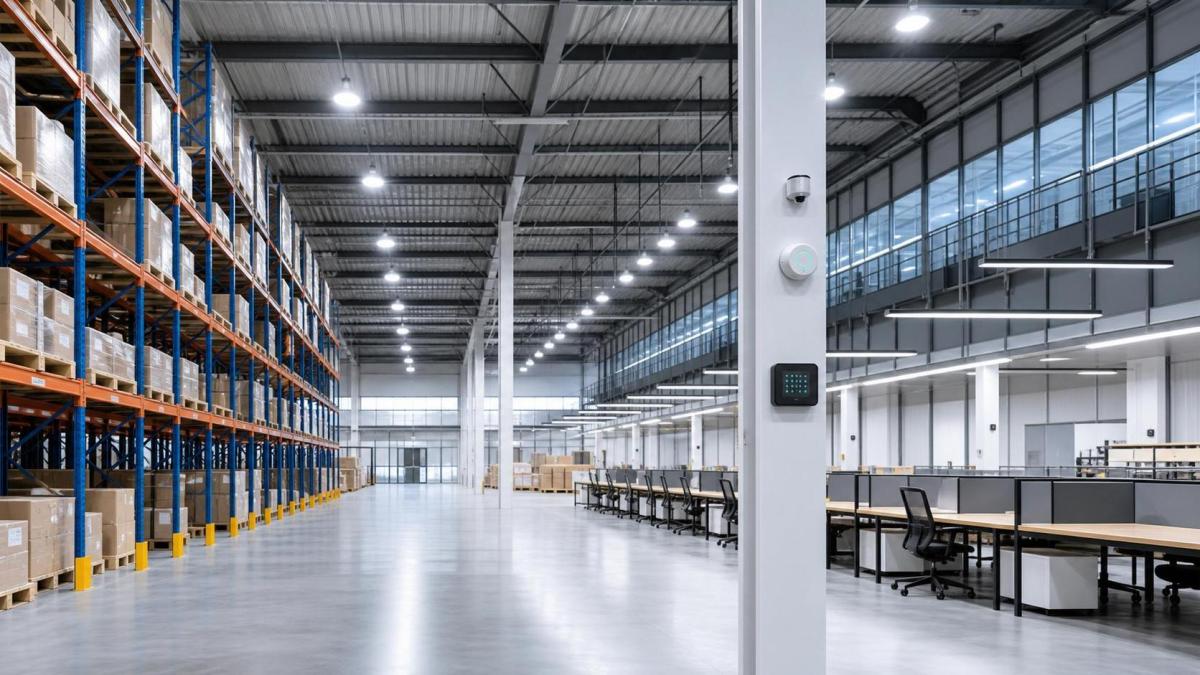
Typical targets include warehouses, manufacturing lines, logistics centers, parking structures, and utility areas.
Replacing metal halide high bays with LED high bays often cuts power use dramatically.
It also improves startup time and light consistency.
2. Add occupancy and daylight controls
Controls often unlock the second wave of savings.
A commercial led lighting system without controls leaves money on the table.
Occupancy sensors work well in storage aisles, restrooms, meeting rooms, and intermittent-use corridors.
Daylight harvesting is effective near windows, skylights, and perimeter office zones.
Together, these controls can reduce unnecessary burn hours without affecting productivity.
3. Upgrade outdated troffers and linear fixtures
Office floors, technical rooms, and support spaces often contain aging fluorescent troffers.
These are common targets for commercial led lighting retrofits.
LED panels and linear fixtures reduce wattage while improving visual comfort.
In regulated environments, stable light output also supports more predictable operating conditions.
4. Integrate networked lighting controls
The more visible signal in advanced facilities is integration.
Networked commercial led lighting connects scheduling, dimming, occupancy data, and fault alerts.
This supports deeper optimization and better reporting for ESG and energy management programs.
It is especially useful in multi-site portfolios that need centralized visibility.
Where the Best Retrofit Priorities Usually Are
If budget is limited, prioritization matters more than product variety.
The best commercial led lighting plan normally starts with zones that combine high wattage, long hours, and maintenance difficulty.
- High-bay warehouses with legacy HID fixtures
- Manufacturing cells operating across multiple shifts
- Cold storage areas where relamping is disruptive
- Parking garages with near-continuous lighting loads
- Office and support areas with outdated fluorescent systems
- Technical spaces needing better control integration
In precision industries, there is another layer to consider.
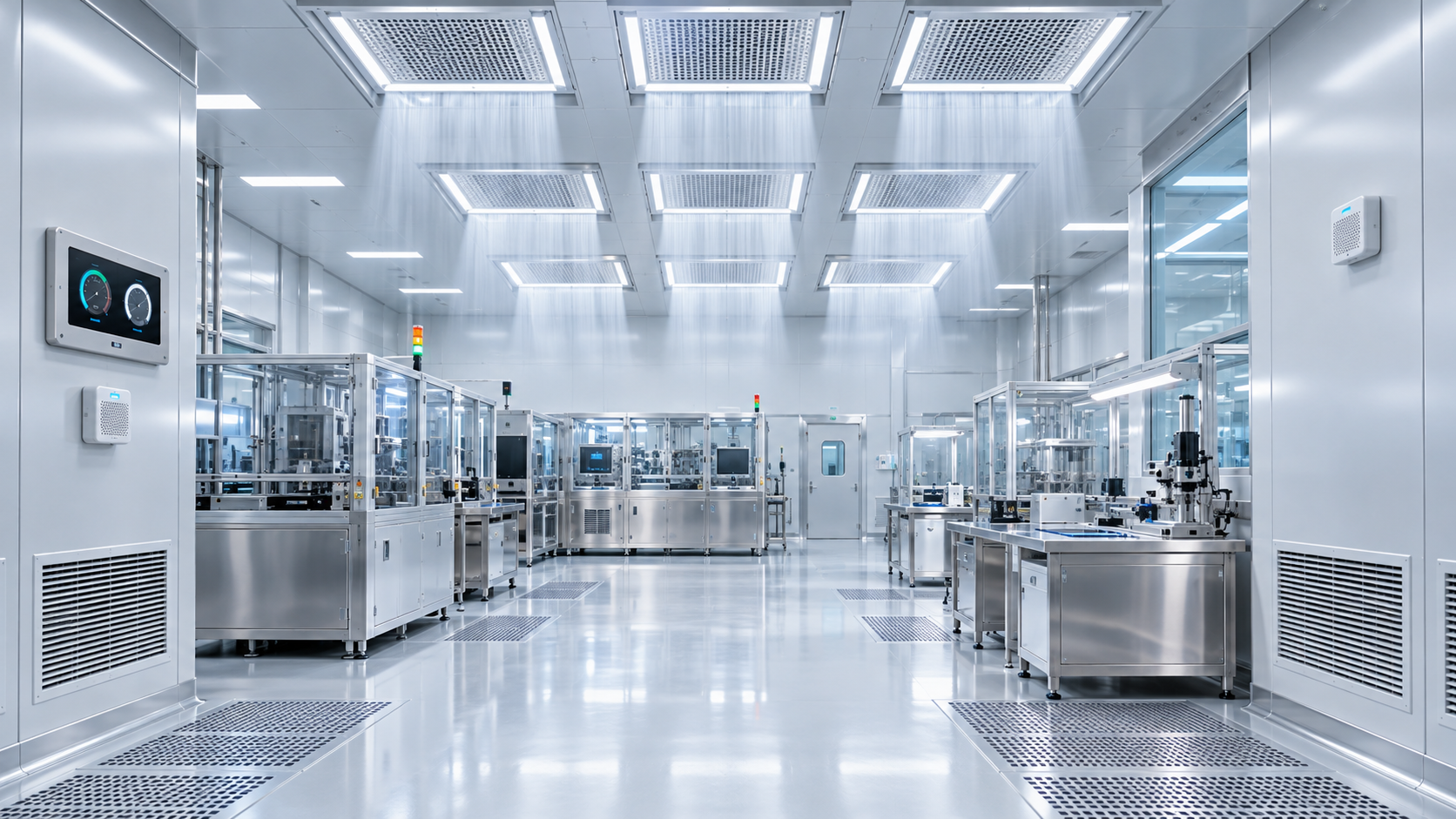
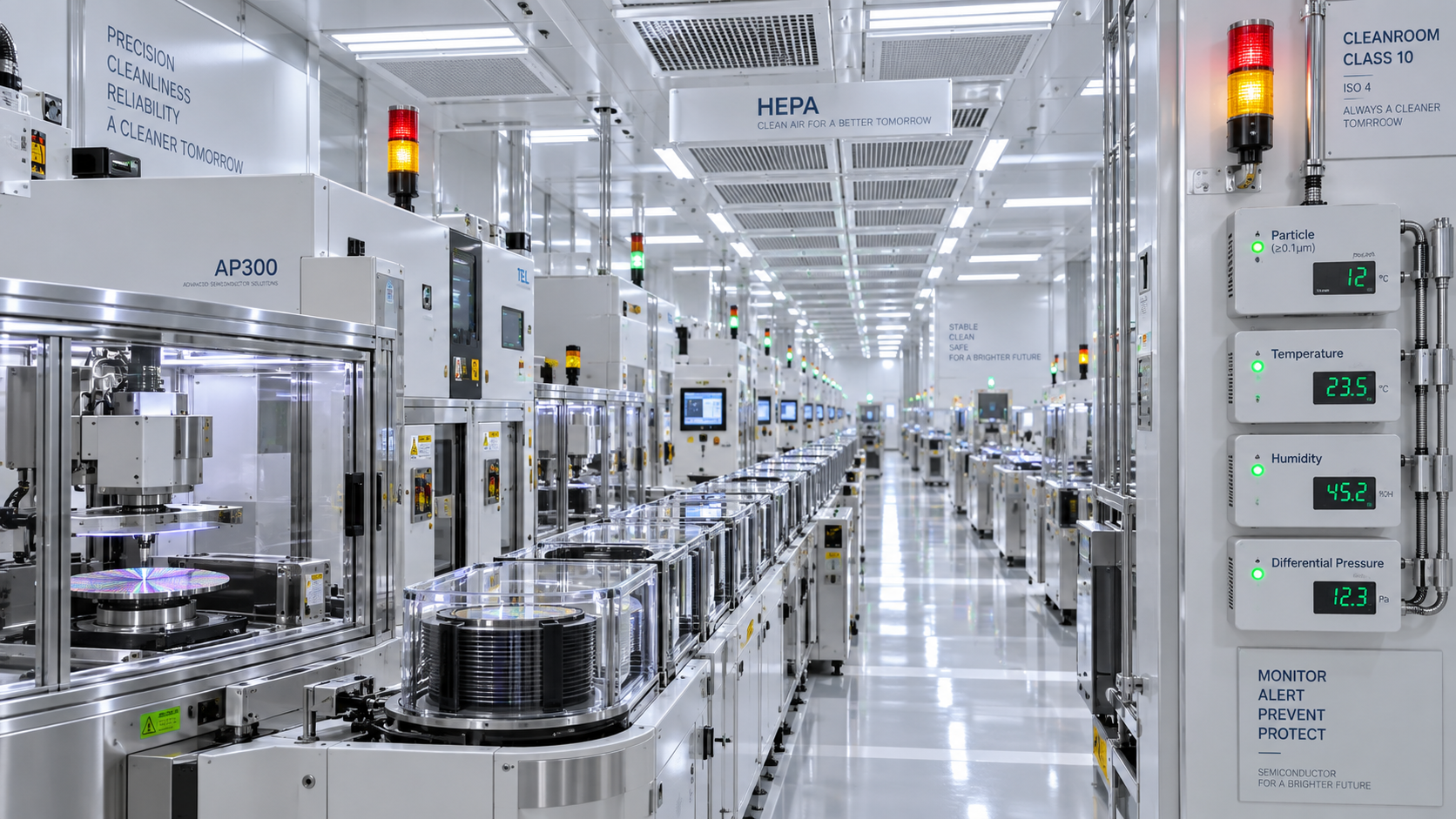
Facilities supporting semiconductor, pharmaceutical, or biosafety operations should also review glare, heat emission, cleanability, and compatibility with controlled environments.
That is where broader environmental engineering guidance becomes valuable.
Groups such as G-ICE emphasize that utility upgrades should align with contamination control, thermal performance, and digital monitoring strategies.
How to Evaluate Commercial LED Lighting ROI
A good business case goes beyond fixture cost.
The fastest way to estimate value is to compare five factors.
This also means procurement should not focus only on fixture price.
A cheaper product with poor controls, shorter life, or unstable performance may cost more over time.
For high-spec spaces, reliable drivers, consistent color quality, and system compatibility matter just as much as rated efficacy.
Common Mistakes That Slow Savings Down
Some retrofits underperform for predictable reasons.
Avoiding these issues helps commercial led lighting projects deliver faster payback.
- Replacing fixtures without reviewing actual operating schedules
- Ignoring controls in low-occupancy zones
- Over-lighting spaces beyond operational needs
- Choosing products that do not integrate with existing systems
- Missing rebate, compliance, or ESG reporting opportunities
- Treating all facility zones as if they need the same solution
In practice, the strongest projects start with an audit.
That audit should map fixture types, run hours, lux needs, maintenance history, and control potential.
Once that baseline is clear, upgrade sequencing becomes much easier.
A Practical Upgrade Roadmap
If the goal is faster savings with lower risk, keep the plan simple.
- Audit current lighting loads, operating hours, and maintenance pain points
- Rank zones by savings potential and business disruption risk
- Start with high-burn, high-wattage areas for immediate impact
- Add occupancy, daylight, and scheduling controls where practical
- Verify compatibility with HVAC, BMS, and compliance requirements
- Track post-installation performance against baseline energy use
For complex facilities, the roadmap should also reflect environmental control priorities.
That includes thermal stability, biosafety constraints, contamination-sensitive materials, and digital monitoring expectations.
When commercial led lighting is treated as part of a wider infrastructure strategy, the savings tend to be more durable.
Final Takeaway
The commercial led lighting upgrades that cut energy bills fastest are usually the least glamorous.
Replace high-wattage legacy fixtures in long-hour zones first.
Then add controls, improve visibility, and connect the system to broader efficiency goals.
For organizations balancing cost, resilience, and compliance, that sequence usually delivers the fastest measurable return.
The smartest next move is to evaluate lighting by zone, not as one flat portfolio.
That approach makes commercial led lighting upgrades more precise, more defensible, and easier to scale.
Get weekly intelligence in your inbox.
No noise. No sponsored content. Pure intelligence.
 Sep 20, 2026How Process Environment Control systems prevent airborne contaminationProcess Environment Control systems prevent airborne contamination through managed airflow, pressure, filtration, and monitoring. Discover practical strategies for safer, compliant operations.
 Sep 19, 2026When does heat recovery make sustainable cooling worth the investment?Sustainable cooling technology heat recovery: learn when reliable heat demand, temperature matching, and lifecycle savings make recovery a smart investment.
 Sep 18, 2026How to set alarm limits for semiconductor cleanroom monitoringSemiconductor cleanroom monitoring: learn how to set risk-based alarm limits for particles, humidity, pressure, and airflow to protect yield and reduce nuisance alerts.
 Sep 17, 2026How plastic injection molding affects ESD protection in cleanroomsPlastic injection molding affects ESD protection in cleanrooms. Learn how resin choice, molding consistency, grounding, and particle control support reliable compliance.
 Sep 16, 2026What to verify before choosing an industrial air quality monitoring supplierIndustrial air quality monitoring supplier checklist: verify measurement accuracy, calibration traceability, data integration, compliance support, and lifecycle service before you buy.
 Sep 15, 2026Smart HVAC investment insights for North American heat recovery projectsSmart HVAC investment insights North America: evaluate heat recovery, lifecycle costs, controls, and performance for resilient project decisions.
 Sep 14, 2026How SEMI standards shape water treatment design for semiconductor fabsSemiconductor water treatment SEMI guidance shapes resilient UPW design, contamination control, monitoring, reclaim strategy, and fab-ready validation.
 Sep 13, 2026What drives Biosafety Containment Systems cost in BSL-3 projects?Biosafety Containment Systems cost in BSL-3 projects depends on HVAC, layout, decontamination, controls, and commissioning. Discover how to build a credible budget.
 Sep 12, 2026How to qualify a fine chemical process solutions supplier for purity controlFine Chemical Process Solutions supplier qualification guide: evaluate purity control, traceability, contamination prevention, and safety for reliable high-purity production.
 Sep 11, 2026What drives cleanroom certification cost for ISO Class 1–9 projects?Cleanroom certification cost depends on ISO Class 1–9 requirements, test scope, HVAC readiness, documentation, and retesting. Explore practical budgeting insights to control project risk.
 Sep 10, 2026When should Procurement Directors prioritize heat recovery payback?Procurement Directors: learn when heat recovery delivers reliable payback, lower lifecycle costs, and safe performance in controlled industrial environments.
 Sep 09, 2026How to select an environmental monitoring system for cleanroomsEnvironmental monitoring system selection for cleanrooms: compare sensors, alarms, data integrity, integration, and installation to ensure reliable control.
 Sep 08, 2026How temperature stability affects semiconductor manufacturing yieldSemiconductor manufacturing temperature stability directly affects yield, overlay, metrology, and process control. Explore practical HVAC, monitoring, and zoning strategies.
 Sep 07, 2026How to prepare for a Regulatory Frameworks audit of cleanroom controlsRegulatory Frameworks audit readiness for cleanroom controls: build traceable evidence, verify alarms and monitoring, and close compliance gaps with confidence.
 Sep 07, 2026How to choose reverse osmosis systems with the right recovery rateReverse osmosis systems: learn how to select the right recovery rate for reliable water quality, lower scaling risk, efficient concentrate control, and stable long-term performance.
 Sep 05, 2026How does a negative pressure room work to contain airborne contaminants?How does a negative pressure room work? Discover how inward airflow, controlled exhaust, monitoring, and room design help contain airborne contaminants safely.
 Sep 04, 2026How Should Semiconductor Facilities Select Vibration Isolation Systems?Vibration isolation semiconductor guide: learn how to match tool limits, site vibration, utilities, and cleanroom needs for stable, high-yield fab performance.
 Sep 04, 2026What TOC Limits Should Be Set and Monitored for a UPW Loop?What are our TOC limits for the UPW loop? Learn how to set defensible TOC thresholds, monitor trends, protect critical processes, and improve water-quality control.
 Sep 04, 2026What Are the Best Retrofit Options for Upgrading Existing Pharmaceutical Cleanrooms?What are the best retrofit options to upgrade existing pharma cleanrooms? Explore FFUs, HVAC modernization, pressure cascades, monitoring, and sealed finishes for compliant performance.
 Sep 04, 2026How Does a Negative Air Pressure Room Protect Adjacent Areas?What is a negative air pressure room? Learn how controlled airflow contains airborne hazards, protects adjacent spaces, and supports safer facility operations.
 Sep 04, 2026What Is ISO Class 1 Cleanroom Classification, and Where Is It Used?What is ISO Class 1? Explore its ultra-low particle limits, critical cleanroom design factors, verification methods, and uses in semiconductor, optics, and quantum manufacturing.
 Sep 04, 2026How Long After a UPW Deviation Does Yield Impact Typically Appear?What is the typical time lag from UPW deviation to yield impact? Learn how contamination, process sensitivity, exposure windows, and testing stages shape detection timing.
 Sep 04, 2026What Testing Data Should Engineers Review Before Approving a UPW Material?What testing data should be reviewed before approving a UPW material? Explore extractables, TOC, particle release, ionic leaching, corrosion, and reliability data for confident approval.
 Sep 04, 2026How Should Pharmaceutical Cleanrooms Choose Climate Control Systems?Which climate control systems are recommended for pharmaceutical cleanroom environments? Explore HVAC, humidity, pressure, HEPA filtration, and GMP-ready monitoring strategies.
 Sep 04, 2026Airtight Door Problems in Medical Spaces and How Buyers Prevent ThemA problem-solving guide for airtight door procurement, covering sealing performance, sensors, wall coordination, cleaning, maintenance, and acceptance risk.
 Sep 04, 2026What drives cleanroom design cost for ISO Class 7 projects?Cleanroom design cost for ISO Class 7 projects depends on HVAC, filtration, utilities, validation, and lifecycle strategy. Learn how to control budgets without compromising compliance or performance.
 Sep 03, 2026When do heat pipe heat exchangers suit pharmaceutical cleanrooms?Heat Pipe Heat Exchangers for pharmaceutical plants: discover when they support cleanroom energy recovery, airflow separation, humidity control, and GMP-ready HVAC design.