Japan Starts JIS Label Rule for UPW Imports
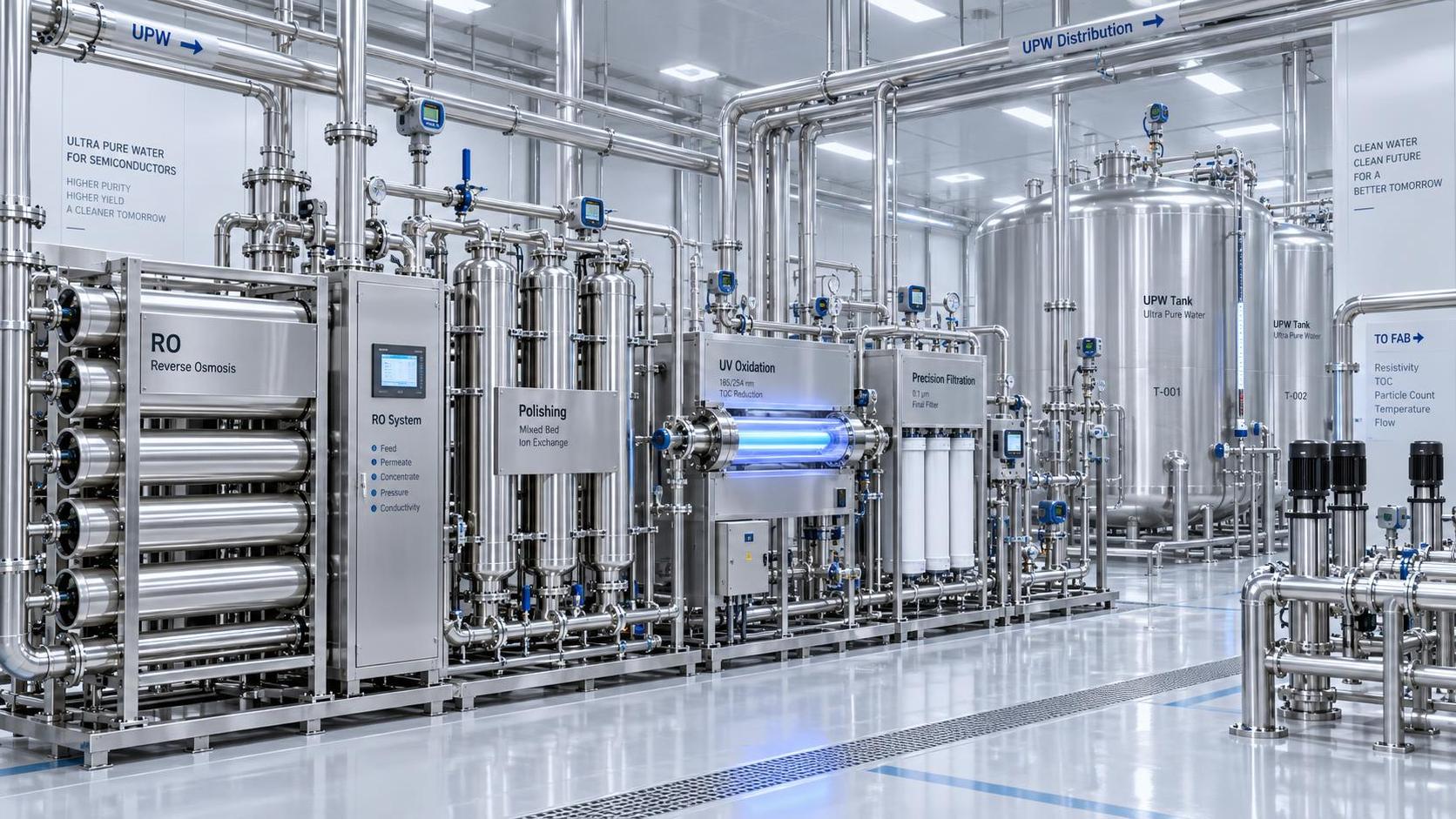
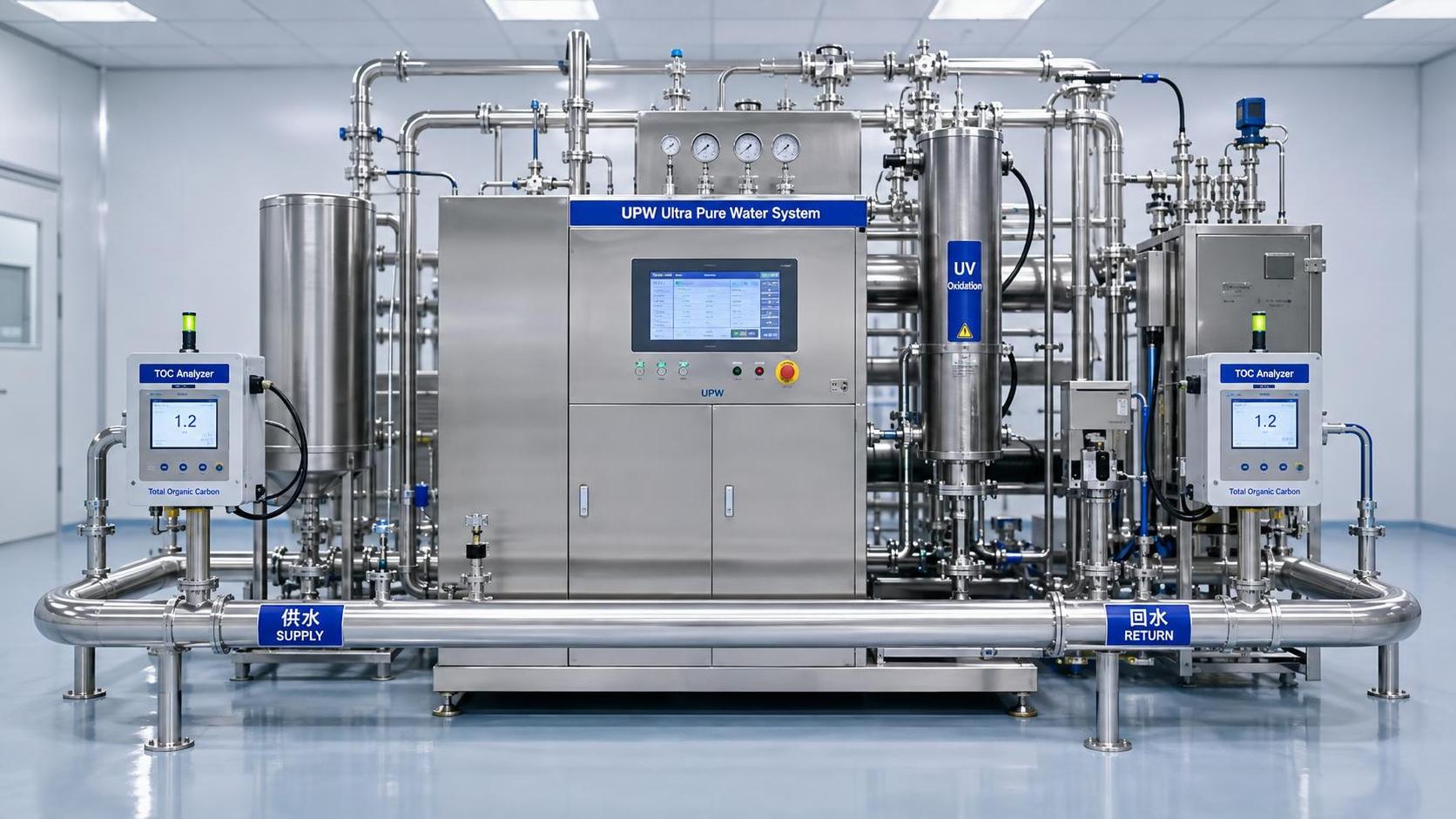
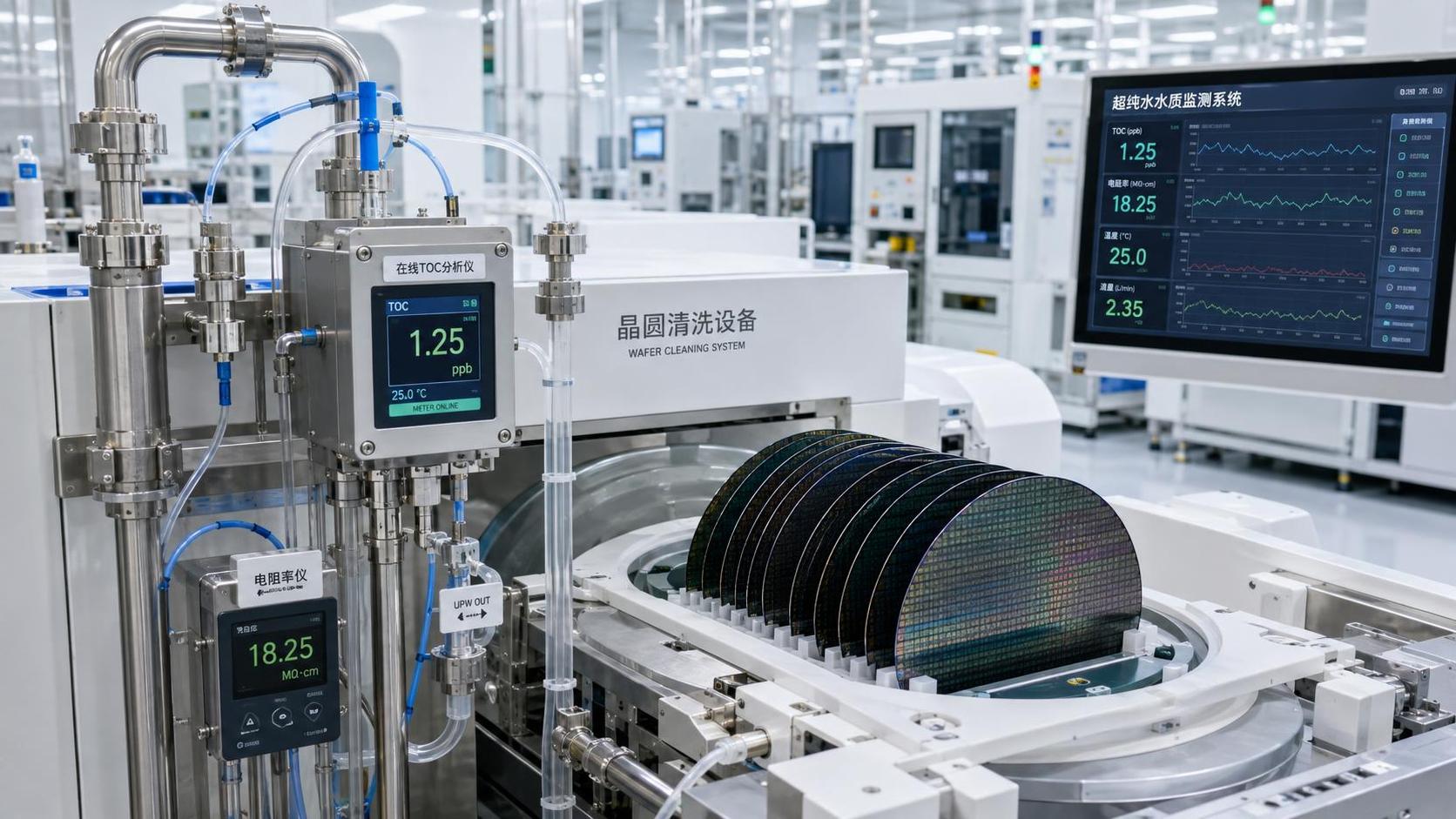
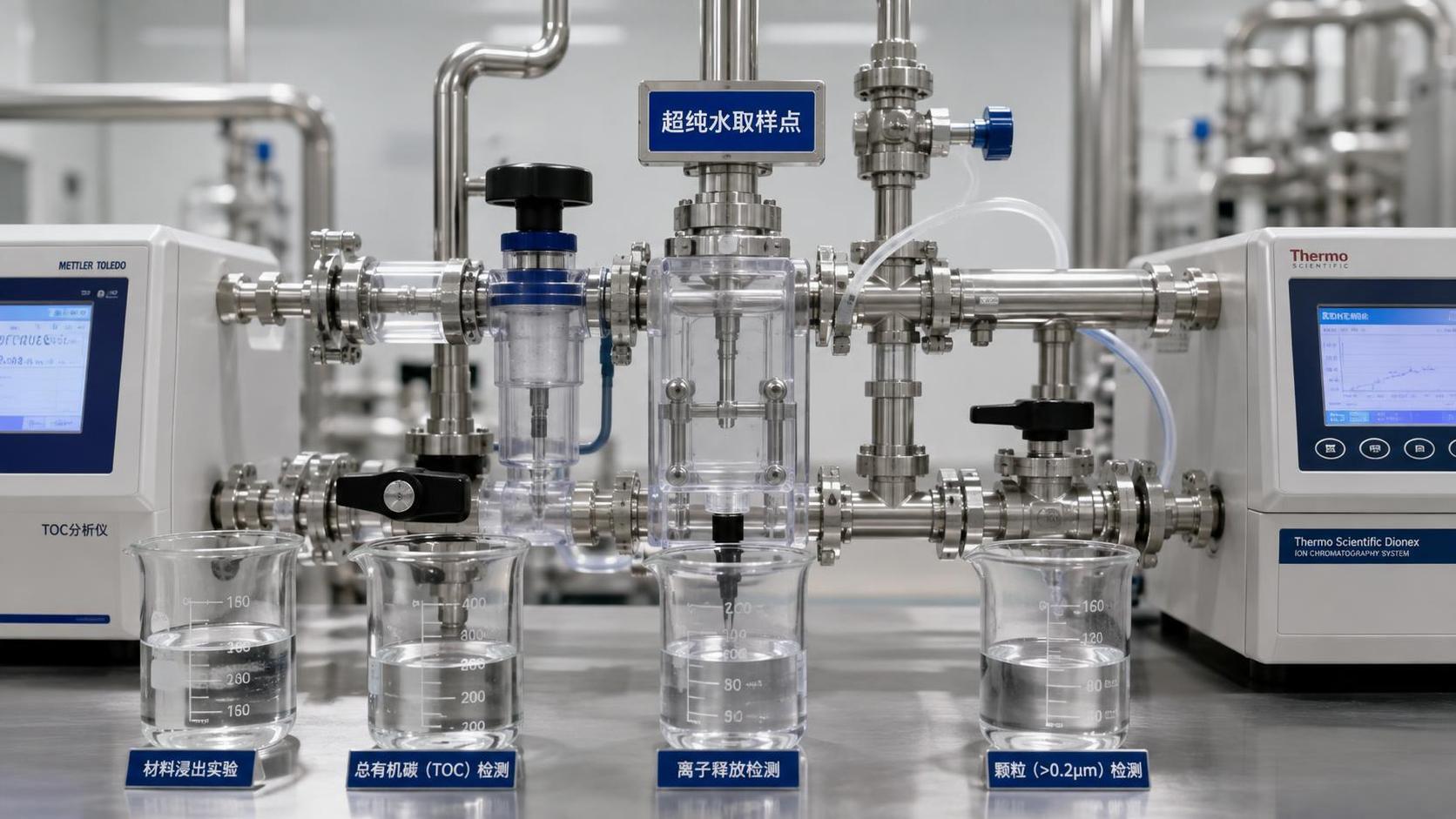
On October 1, 2026, Japan’s new labeling requirement for imported ultra-pure water systems moves from notice to execution, making compliance a practical market-entry condition rather than a technical preference. The change centers on 18.2 MΩ·cm UPW production systems and extends to TOC removal modules, terminal filtration units, and circulating pump assemblies, which means exporters, certification teams, procurement functions, and delivery planning for Japan-bound projects all need to treat JIS certification and energy labeling as immediate compliance checkpoints.
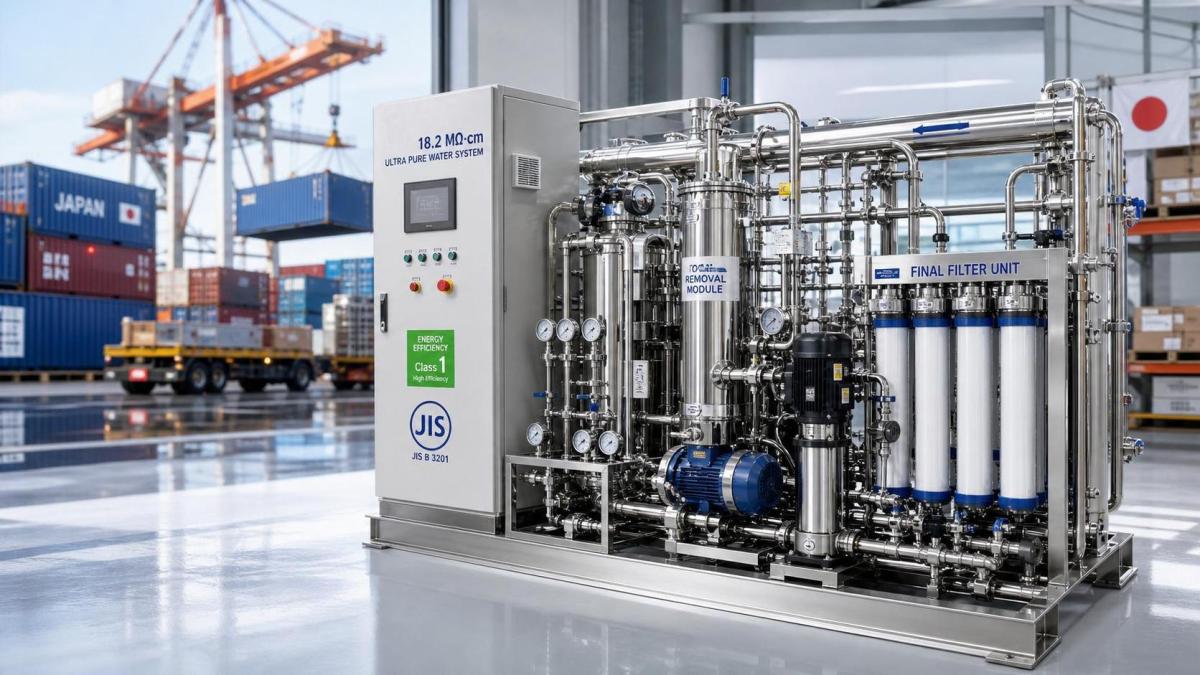
What the new requirement formally covers
According to the information provided, Japan’s Ministry of Economy, Trade and Industry (METI) announced the “Implementation Measures for Energy Efficiency Labeling of Ultra-Pure Water (UPW) Systems” on June 19, 2026. From October 1, 2026, all 18.2 MΩ·cm UPW production systems imported into Japan must pass JIS B 8671:2026 certification and carry a JIS Class A energy-efficiency label.
The scope described in the input includes TOC removal modules, terminal filtration units, and circulating pump assemblies. The same input also states that products without the required label will be intercepted by Tokyo Port Customs and returned. For Chinese UPW equipment exporters, JIS certification and filing of a localized energy-efficiency test report are both required.
Where the rule change is likely to be felt first
Export shipments now face a hard customs gate
From an industry perspective, direct exporters to Japan are affected first because the requirement is tied not only to product qualification but also to import clearance. The practical impact is concentrated in pre-shipment review, export documentation readiness, and final labeling status. What deserves closer attention is that a missing label is described not as a paperwork defect but as a condition that can lead to interception and return at Tokyo Port Customs.
System manufacturers must align certification with product configuration
Manufacturers of 18.2 MΩ·cm UPW systems, including those supplying TOC removal modules, terminal filtration units, and circulating pump groups as part of the system, are likely to face pressure at the configuration and delivery stage. Analysis shows that compliance is not limited to a broad system claim; it must be reflected in how the export model, certification path, and label application are matched before shipment to Japan.
Procurement and project delivery teams need earlier compliance checks
Buyers, sourcing teams, and project coordinators involved in Japan-bound UPW equipment procurement may need to move compliance review earlier in the purchasing cycle. The key issue is not only whether a supplier can manufacture the equipment, but whether it can provide JIS certification and the localized energy-efficiency test report filing required in the input. This can affect supplier qualification, bid document review, and delivery scheduling.
Testing and certification support functions gain a larger role
Certification-related service providers and testing support teams may be drawn in more directly because the input links market access to both JIS B 8671:2026 certification and localized test report filing. Observably, the compliance burden is not confined to the factory floor; it also reaches technical documentation, conformity review, and filing coordination for Japan-facing business.
Practical issues companies should track now
Check whether current export models fall within scope
Companies shipping UPW equipment to Japan should first verify whether their products fall within the stated 18.2 MΩ·cm UPW system scope and whether included modules or assemblies are presented as part of the import configuration. This is a threshold question for compliance planning rather than a detail to resolve after order confirmation.
Match labeling, certification, and filing documents before shipment
Analysis shows that firms should pay close attention to the consistency of three elements already named in the input: JIS B 8671:2026 certification, JIS Class A labeling, and localized energy-efficiency test report filing. Where shipment files, technical materials, and product labeling are handled by different teams or partners, document alignment becomes a practical risk point.
Review delivery timing for Japan-bound orders
Because the rule applies from October 1, 2026, exporters and buyers should watch how pending orders, factory release timing, and import scheduling line up against that date. It is more appropriate to understand this as a delivery-planning issue as well as a compliance issue, especially for equipment already intended for shipment into Japan.
Watch for execution detail in market documents and official wording
The input confirms the core requirement, but it does not provide further operational detail on document format, review sequence, or any broader enforcement practice beyond the stated customs consequence. For that reason, companies should continue monitoring official wording, certification implementation guidance, procurement specifications, and transaction documents for any clearer execution standard.
Why this reads as an execution signal
Analysis shows that this development is more than a general policy direction because the requirement includes a defined effective date, a named certification standard, a mandatory label class, and an explicit customs consequence for non-labeled products. That gives the market a clearer compliance signal than a preliminary consultation or broad policy statement would.
At the same time, it is still appropriate to keep part of the situation under observation. The input establishes the rule framework and the entry-control consequence, but market participants will still need to watch how certification interpretation, filing practice, and procurement-side implementation develop in actual transactions.
How the market may need to interpret it for now
A neutral reading is that this is a landed compliance change for Japan-bound 18.2 MΩ·cm UPW systems rather than a distant policy headline. The immediate significance lies in certification readiness, label application, filing completeness, and shipment planning. Observably, the rule is best understood as a concrete import-control and compliance requirement, while some operational details still require continued verification through official execution language and market feedback.
Basis of this article and points still to verify
This article is generated from the user-provided news title, event date, and event summary. For developments of this kind, relevant source types typically include official government notices, regulator publications, customs or trade authority information, standard-setting documents, industry association updates, and reporting by established professional media. A specific official source link was not provided in the input, so the exact document trail still needs further verification. What remains worth monitoring includes detailed implementation language, certification interpretation, filing practice, changes in procurement documents, industry feedback, and how companies execute compliance in actual export and delivery workflows.
Get weekly intelligence in your inbox.
No noise. No sponsored content. Pure intelligence.
 Sep 19, 2026When does heat recovery make sustainable cooling worth the investment?Sustainable cooling technology heat recovery: learn when reliable heat demand, temperature matching, and lifecycle savings make recovery a smart investment.
 Sep 18, 2026How to set alarm limits for semiconductor cleanroom monitoringSemiconductor cleanroom monitoring: learn how to set risk-based alarm limits for particles, humidity, pressure, and airflow to protect yield and reduce nuisance alerts.
 Sep 17, 2026How plastic injection molding affects ESD protection in cleanroomsPlastic injection molding affects ESD protection in cleanrooms. Learn how resin choice, molding consistency, grounding, and particle control support reliable compliance.
 Sep 16, 2026What to verify before choosing an industrial air quality monitoring supplierIndustrial air quality monitoring supplier checklist: verify measurement accuracy, calibration traceability, data integration, compliance support, and lifecycle service before you buy.
 Sep 15, 2026Smart HVAC investment insights for North American heat recovery projectsSmart HVAC investment insights North America: evaluate heat recovery, lifecycle costs, controls, and performance for resilient project decisions.
 Sep 14, 2026How SEMI standards shape water treatment design for semiconductor fabsSemiconductor water treatment SEMI guidance shapes resilient UPW design, contamination control, monitoring, reclaim strategy, and fab-ready validation.
 Sep 13, 2026What drives Biosafety Containment Systems cost in BSL-3 projects?Biosafety Containment Systems cost in BSL-3 projects depends on HVAC, layout, decontamination, controls, and commissioning. Discover how to build a credible budget.
 Sep 12, 2026How to qualify a fine chemical process solutions supplier for purity controlFine Chemical Process Solutions supplier qualification guide: evaluate purity control, traceability, contamination prevention, and safety for reliable high-purity production.
 Sep 11, 2026What drives cleanroom certification cost for ISO Class 1–9 projects?Cleanroom certification cost depends on ISO Class 1–9 requirements, test scope, HVAC readiness, documentation, and retesting. Explore practical budgeting insights to control project risk.
 Sep 10, 2026When should Procurement Directors prioritize heat recovery payback?Procurement Directors: learn when heat recovery delivers reliable payback, lower lifecycle costs, and safe performance in controlled industrial environments.
 Sep 09, 2026How to select an environmental monitoring system for cleanroomsEnvironmental monitoring system selection for cleanrooms: compare sensors, alarms, data integrity, integration, and installation to ensure reliable control.
 Sep 08, 2026How temperature stability affects semiconductor manufacturing yieldSemiconductor manufacturing temperature stability directly affects yield, overlay, metrology, and process control. Explore practical HVAC, monitoring, and zoning strategies.
 Sep 07, 2026How to prepare for a Regulatory Frameworks audit of cleanroom controlsRegulatory Frameworks audit readiness for cleanroom controls: build traceable evidence, verify alarms and monitoring, and close compliance gaps with confidence.
 Sep 07, 2026How to choose reverse osmosis systems with the right recovery rateReverse osmosis systems: learn how to select the right recovery rate for reliable water quality, lower scaling risk, efficient concentrate control, and stable long-term performance.
 Sep 05, 2026How does a negative pressure room work to contain airborne contaminants?How does a negative pressure room work? Discover how inward airflow, controlled exhaust, monitoring, and room design help contain airborne contaminants safely.
 Sep 04, 2026How Should Semiconductor Facilities Select Vibration Isolation Systems?Vibration isolation semiconductor guide: learn how to match tool limits, site vibration, utilities, and cleanroom needs for stable, high-yield fab performance.
 Sep 04, 2026What TOC Limits Should Be Set and Monitored for a UPW Loop?What are our TOC limits for the UPW loop? Learn how to set defensible TOC thresholds, monitor trends, protect critical processes, and improve water-quality control.
 Sep 04, 2026What Are the Best Retrofit Options for Upgrading Existing Pharmaceutical Cleanrooms?What are the best retrofit options to upgrade existing pharma cleanrooms? Explore FFUs, HVAC modernization, pressure cascades, monitoring, and sealed finishes for compliant performance.
 Sep 04, 2026How Does a Negative Air Pressure Room Protect Adjacent Areas?What is a negative air pressure room? Learn how controlled airflow contains airborne hazards, protects adjacent spaces, and supports safer facility operations.
 Sep 04, 2026What Is ISO Class 1 Cleanroom Classification, and Where Is It Used?What is ISO Class 1? Explore its ultra-low particle limits, critical cleanroom design factors, verification methods, and uses in semiconductor, optics, and quantum manufacturing.
 Sep 04, 2026How Long After a UPW Deviation Does Yield Impact Typically Appear?What is the typical time lag from UPW deviation to yield impact? Learn how contamination, process sensitivity, exposure windows, and testing stages shape detection timing.
 Sep 04, 2026What Testing Data Should Engineers Review Before Approving a UPW Material?What testing data should be reviewed before approving a UPW material? Explore extractables, TOC, particle release, ionic leaching, corrosion, and reliability data for confident approval.
 Sep 04, 2026How Should Pharmaceutical Cleanrooms Choose Climate Control Systems?Which climate control systems are recommended for pharmaceutical cleanroom environments? Explore HVAC, humidity, pressure, HEPA filtration, and GMP-ready monitoring strategies.
 Sep 04, 2026Airtight Door Problems in Medical Spaces and How Buyers Prevent ThemA problem-solving guide for airtight door procurement, covering sealing performance, sensors, wall coordination, cleaning, maintenance, and acceptance risk.
 Sep 04, 2026What drives cleanroom design cost for ISO Class 7 projects?Cleanroom design cost for ISO Class 7 projects depends on HVAC, filtration, utilities, validation, and lifecycle strategy. Learn how to control budgets without compromising compliance or performance.
 Sep 03, 2026When do heat pipe heat exchangers suit pharmaceutical cleanrooms?Heat Pipe Heat Exchangers for pharmaceutical plants: discover when they support cleanroom energy recovery, airflow separation, humidity control, and GMP-ready HVAC design.
 Sep 02, 2026What determines biosafety cabinets price across different modelsBiosafety cabinets price varies by class, airflow design, filtration, size, certification, and installation. Compare models confidently to choose safe, cost-effective containment.