Ultra-Pure Water Treatment Equipment: Key Signs of Reliable Long-Term Performance
For quality control and safety managers, selecting Ultra-Pure Water Treatment equipment is not just about meeting purity targets—it is about ensuring stable, compliant, and risk-resistant performance over time. From process consistency to contamination prevention, the right system reveals its value through reliability, monitoring accuracy, and long-term operational control.
Why does long-term performance matter more than initial purity claims?
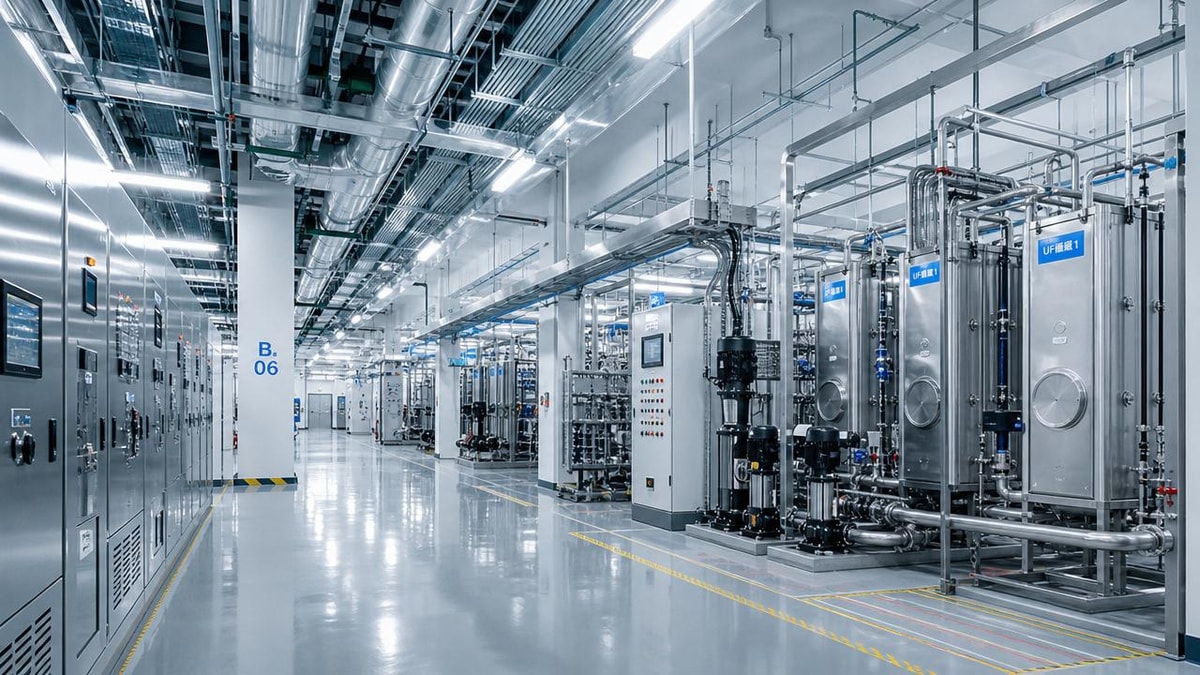
Many systems can produce excellent water quality during factory acceptance testing, but quality control and safety teams are usually judged on what happens months and years later. In semiconductor lines, pharmaceutical production, precision labs, and high-spec industrial utilities, water quality drift can trigger batch rejection, corrosion, microbial risk, membrane fouling, and costly downtime. That is why reliable Ultra-Pure Water Treatment equipment should be evaluated as a long-life process control asset rather than a one-time installation.
A dependable system maintains resistivity, low total organic carbon, controlled silica, low dissolved oxygen where required, and low microbial load under changing feedwater conditions and variable production schedules. It also supports traceability, alarm response, and preventive maintenance without forcing operators into constant manual correction. For safety managers, this stability reduces hidden operational risk. For QC personnel, it protects repeatability, audit readiness, and product consistency.
In practice, long-term performance is the real difference between a technically acceptable skid and a strategically reliable water platform. The best suppliers understand that purity numbers alone do not prove resilience. What proves resilience is the ability of the Ultra-Pure Water Treatment equipment to remain within specification through seasonal feedwater changes, maintenance cycles, sanitization events, and process demand fluctuations.
What are the first signs that Ultra-Pure Water Treatment equipment is truly reliable?
A reliable system usually shows its strength in transparent, measurable indicators. Quality and safety teams should not rely on marketing terms such as “high efficiency” or “advanced purification” unless those claims are backed by design and operating evidence. The first signs of trustworthy Ultra-Pure Water Treatment equipment include process stability, robust instrumentation, contamination-resistant design, and maintainability.
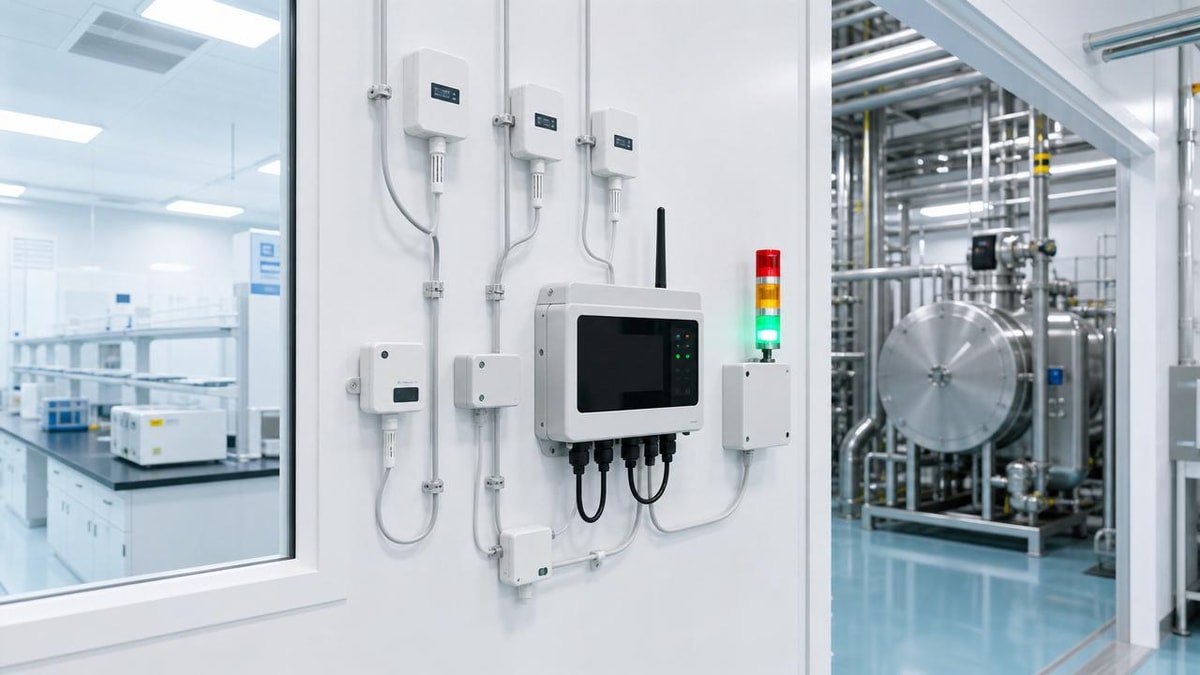
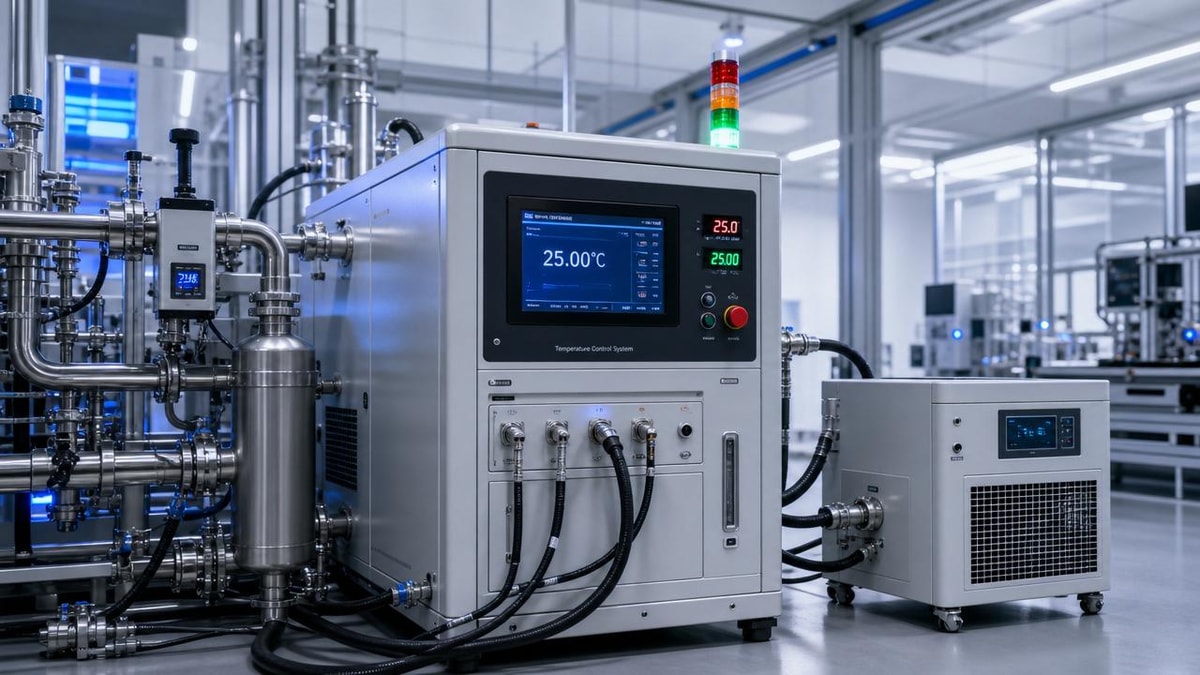
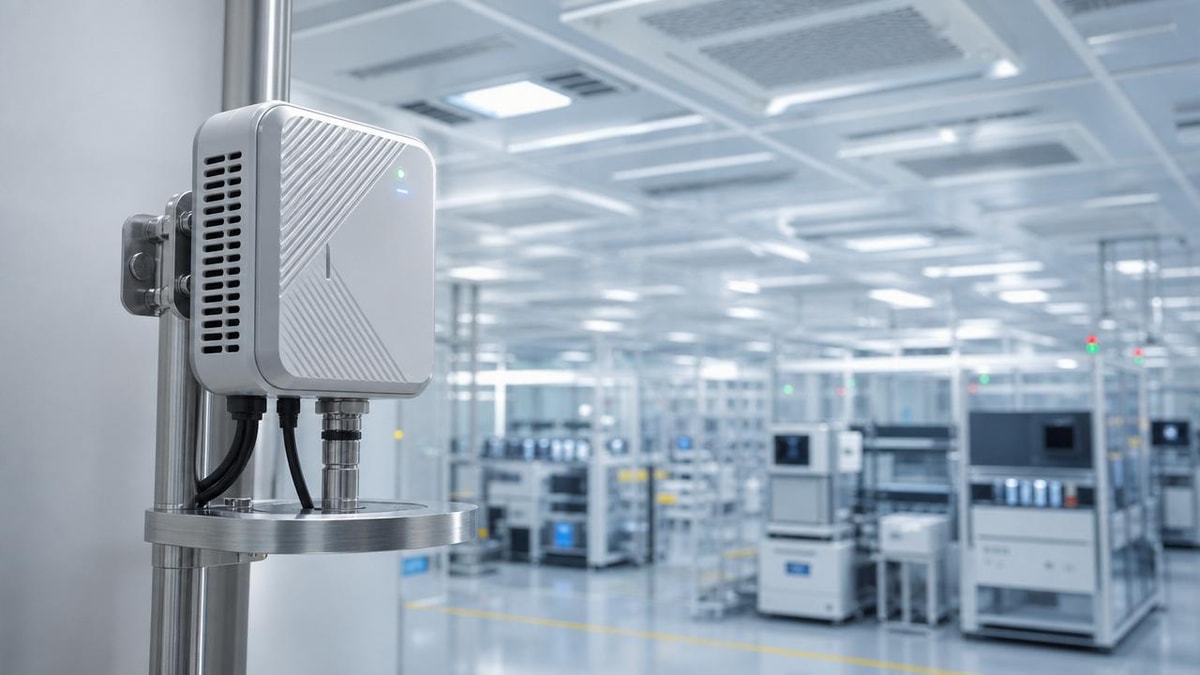
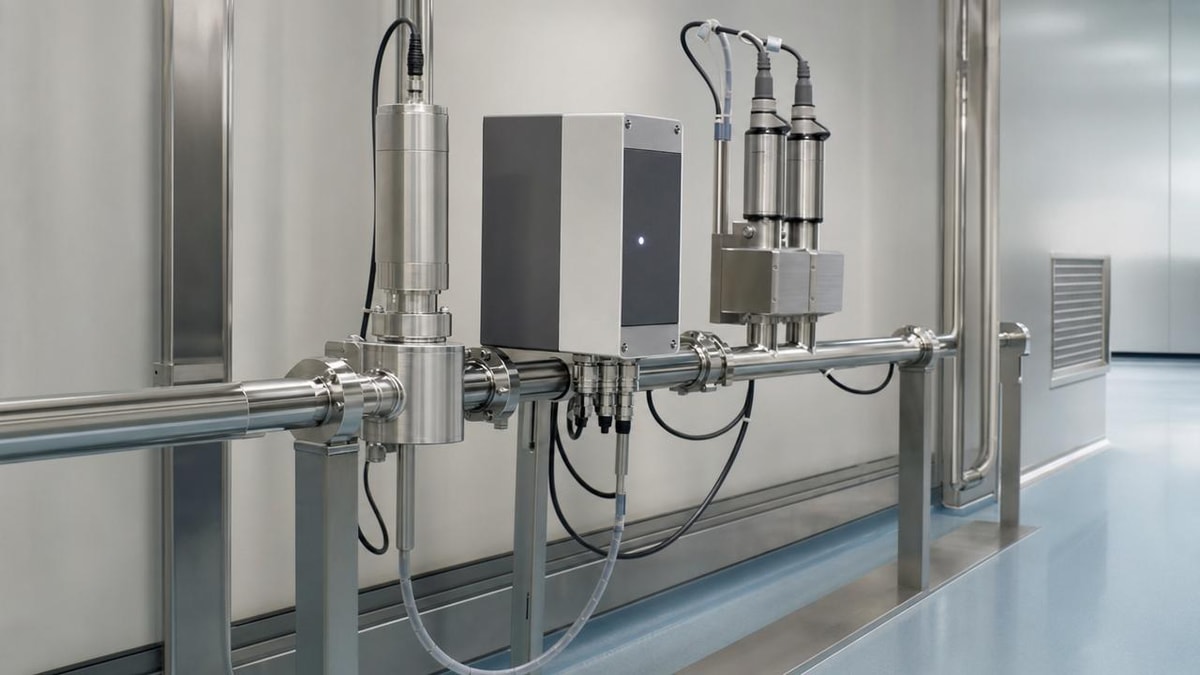
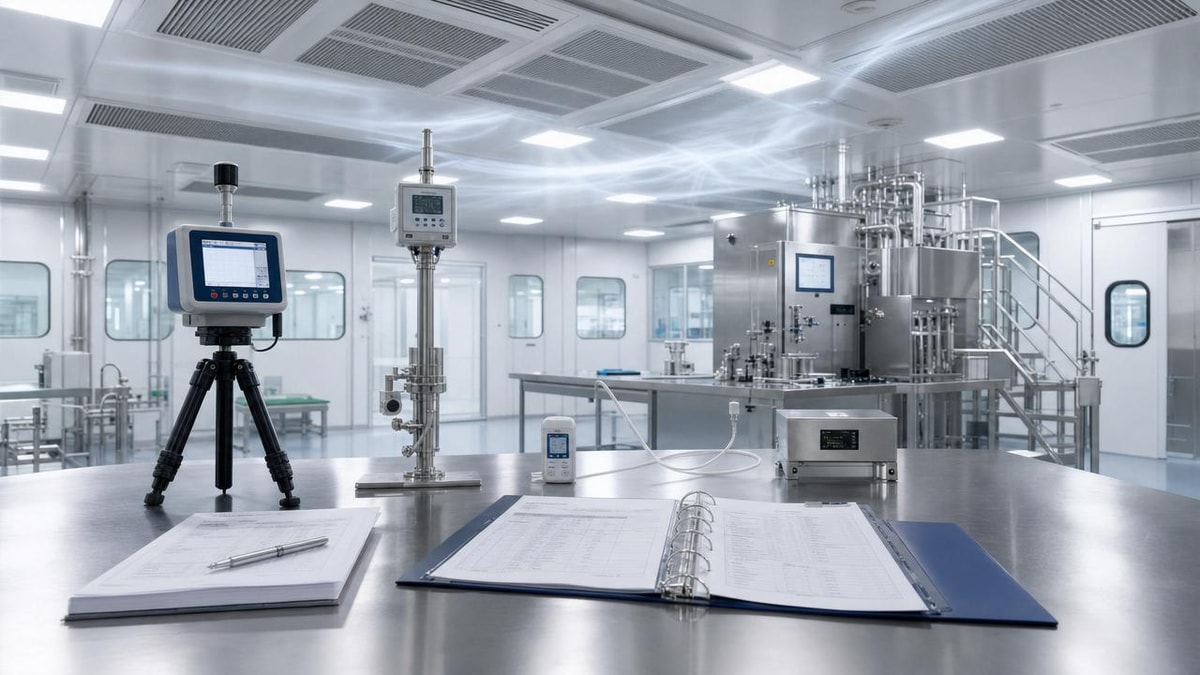
Look first at consistency. If outlet quality remains stable despite feedwater variation, the system likely has proper pretreatment, balanced recovery design, suitable polishing stages, and responsive controls. Look next at monitoring depth. Critical parameters should be measured online, not assumed. Instruments for resistivity, conductivity, TOC, flow, pressure, temperature, and sometimes microbial trend indicators should be integrated into the system logic.
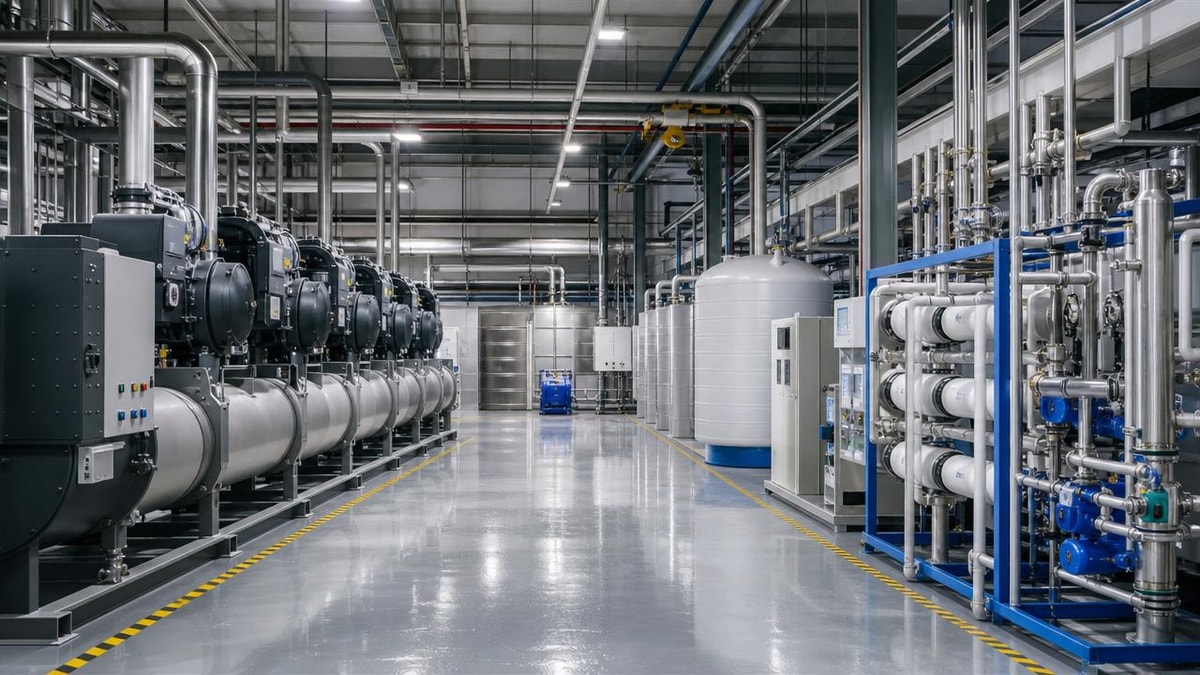
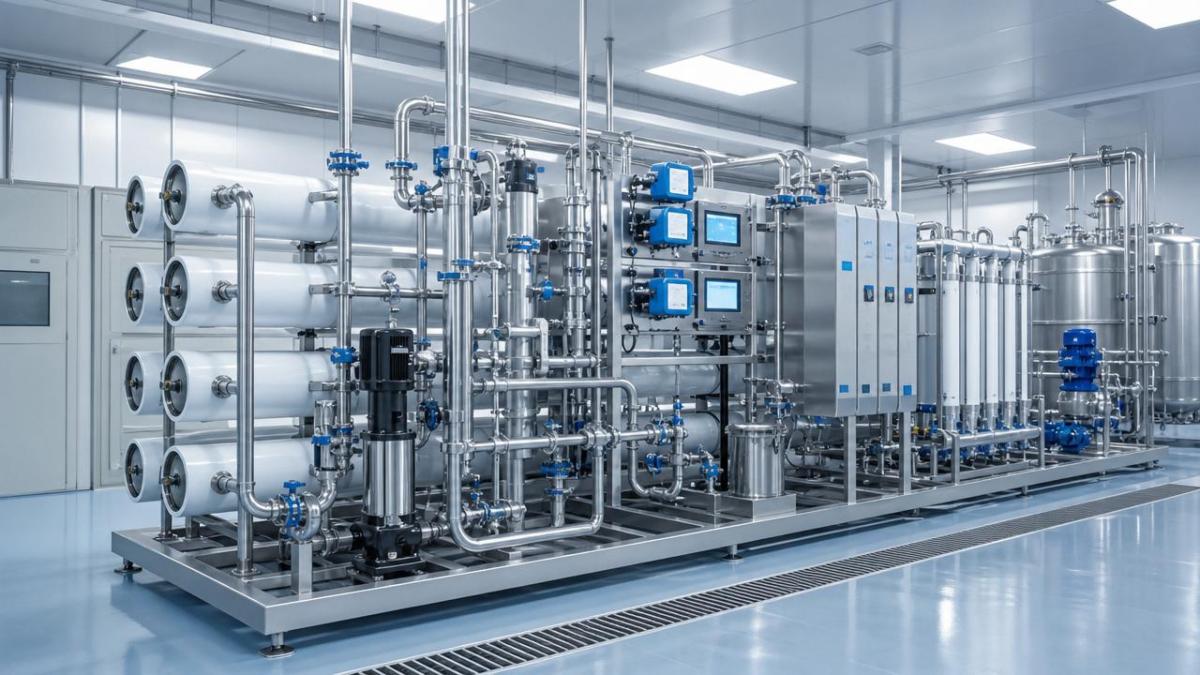
Another key sign is hygienic and contamination-aware engineering. Dead legs, poor weld quality, low-grade piping materials, inadequate loop velocity, or weak sanitization capability can undermine even a sophisticated treatment train. Reliable Ultra-Pure Water Treatment equipment is engineered not only to purify water but also to preserve water quality between production, storage, and point of use.
Quick judgment checklist
Which design features most strongly affect long-term reliability?
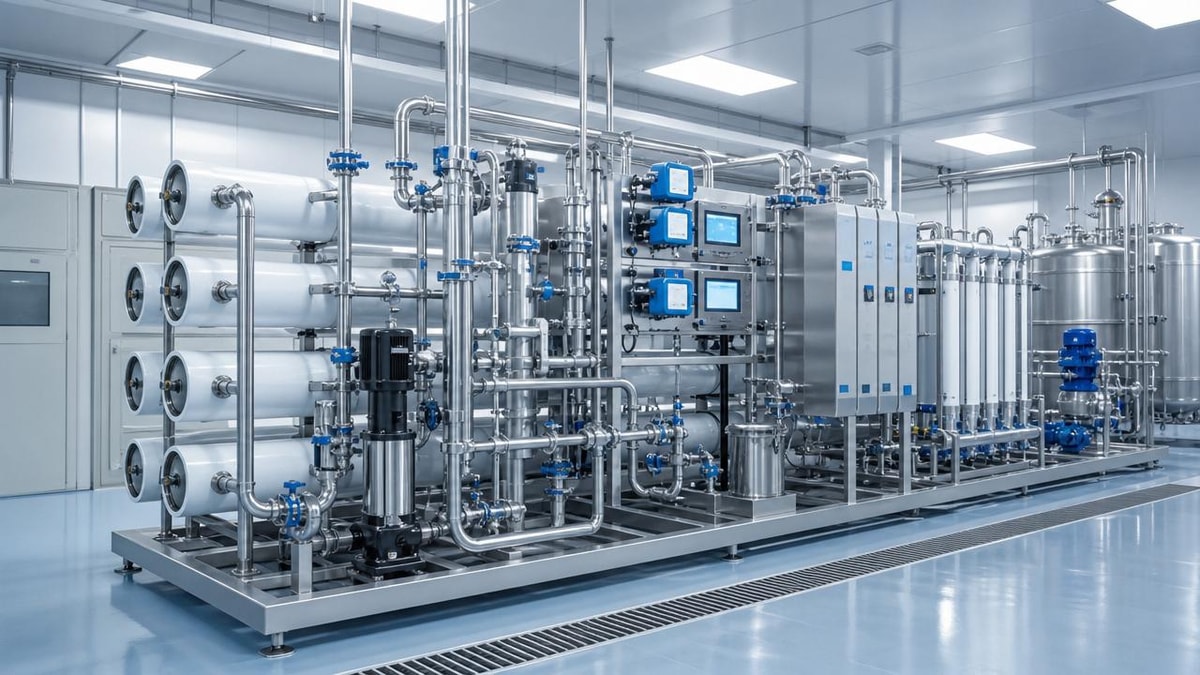
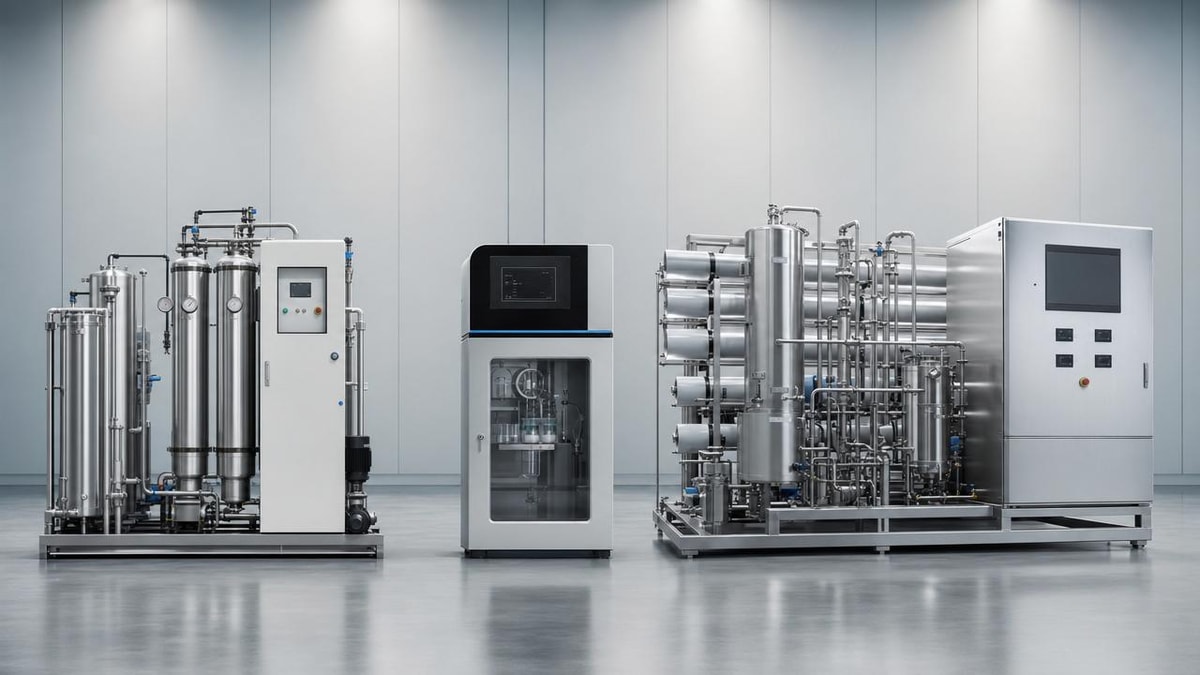
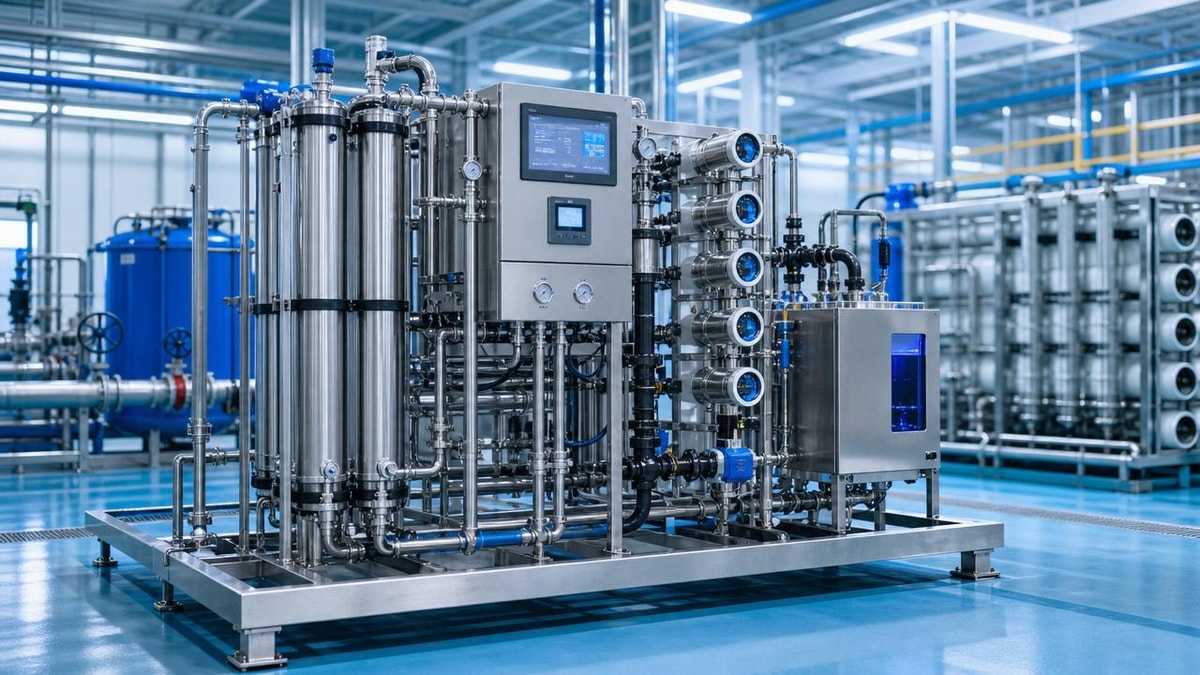
When comparing Ultra-Pure Water Treatment equipment, teams often focus on treatment stages such as reverse osmosis, EDI, mixed bed polishing, UV, ultrafiltration, and degasification. Those matter, but long-term reliability often depends even more on how the stages are integrated. Pretreatment adequacy is a major example. If feedwater hardness, chlorine, suspended solids, or organics are not controlled upstream, downstream membranes and resins will age faster and quality excursions will become routine.
Material selection is another decisive factor. For ultra-pure distribution, poor-quality materials can shed particles, leach contaminants, or create microbiological niches. High-performance systems typically use validated materials and orbital welding practices suitable for the target purity level and industry context. In critical industrial environments, loop design also matters. Appropriate recirculation velocity, controlled temperature, minimal dead space, and well-positioned sampling points are all signs of a serious engineering approach.
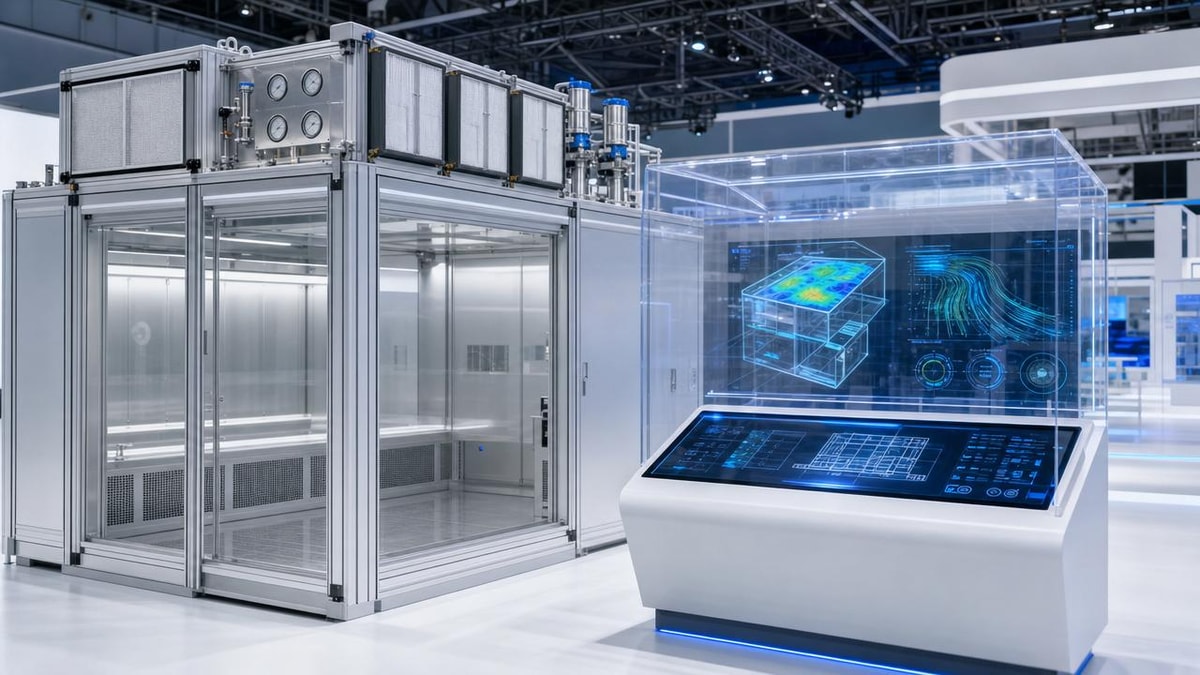
Control architecture should not be overlooked. Reliable Ultra-Pure Water Treatment equipment includes alarm logic, data logging, trend visibility, and interlocks that help operators act before contamination spreads downstream. This is where advanced environmental control thinking becomes valuable: equipment reliability is not isolated from the wider plant utility strategy. Water treatment performs best when it is designed as part of an integrated contamination-control and process-assurance framework.
How can QC and safety managers distinguish between a robust system and an overpromised one?
A common procurement mistake is to compare systems mainly by final water specification and purchase price. A more effective method is to ask how the system behaves under stress. Does the supplier provide data on feedwater fluctuation tolerance? Are alarm thresholds and response procedures clearly defined? How often do critical consumables need replacement under realistic site conditions? Can the system maintain output quality during partial load or restart conditions?
Robust Ultra-Pure Water Treatment equipment is usually accompanied by strong documentation. This includes P&IDs, instrument lists, calibration plans, maintenance schedules, FAT and SAT protocols, validation support where applicable, and historical performance references from comparable industries. For quality control teams, documentation proves process discipline. For safety managers, it demonstrates that operating risk has been considered, not ignored.
Another practical test is service realism. If the supplier cannot clearly explain spare parts strategy, sanitation method, sensor recalibration frequency, or failure-mode response, long-term reliability may not be mature. Good suppliers do not only sell equipment; they support uptime, compliance, and process continuity. In high-spec sectors benchmarked against standards and strict environmental controls, this level of support is often non-negotiable.
Questions worth asking before approval
Ask whether the Ultra-Pure Water Treatment equipment has been sized for actual peak and minimum demand rather than idealized averages. Confirm whether the monitoring architecture supports audit trails and trending. Review how microbial control is achieved in storage and distribution, not just in the treatment skid. Finally, request clarity on the escalation path for abnormal results: who receives alarms, how quickly corrective action can begin, and what evidence is retained for root-cause analysis.
What are the most common long-term risks and hidden failure points?
Even high-grade Ultra-Pure Water Treatment equipment can underperform if risk factors are underestimated. One recurring issue is instrument neglect. A system may include excellent sensors, but if calibration discipline is weak, decision-making becomes unreliable. Another failure point is distribution loop design. Water that leaves the skid in perfect condition can still degrade before reaching the process if flow, material compatibility, or sanitization strategy are inadequate.
Feedwater variability is another hidden challenge. Municipal and industrial source water can shift seasonally in conductivity, silica, hardness, or organic load. Systems designed without enough buffer capacity may experience premature membrane fouling or resin exhaustion. Safety managers should also pay attention to restart risk after shutdowns. Stagnation, temperature rise, and delayed sanitization can create microbiological concerns that are not visible in simple specification sheets.
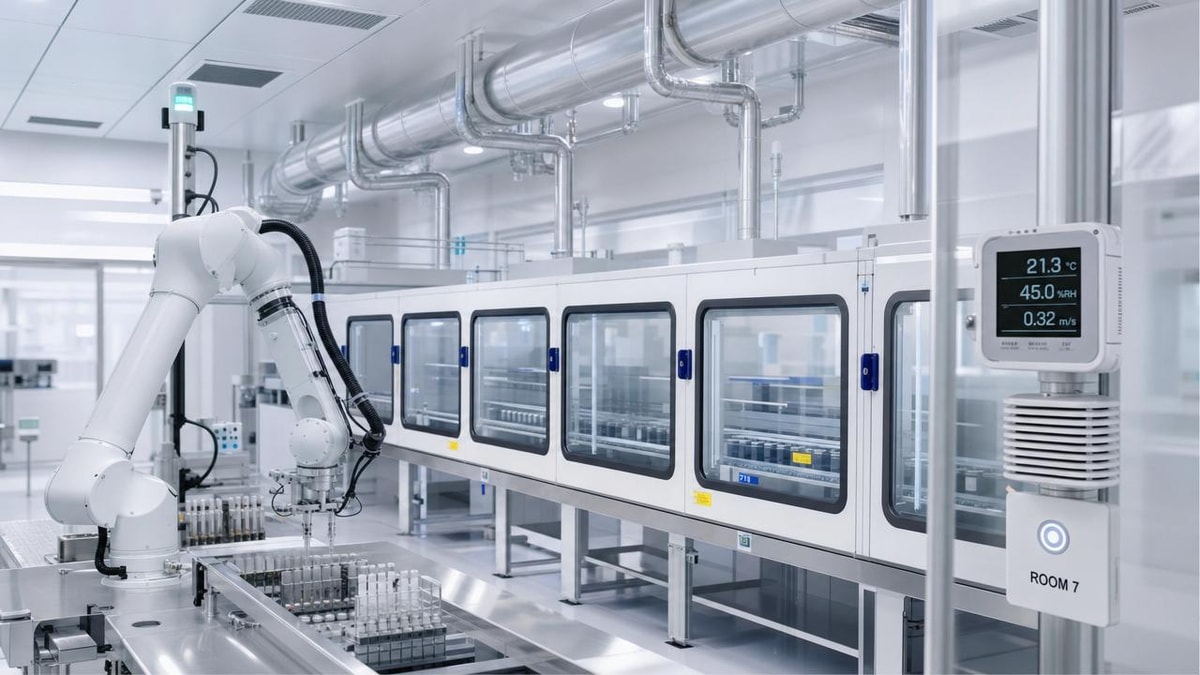
There is also a human-factor risk. If routine operation depends on a small number of highly experienced technicians, resilience is weaker than it appears. Reliable systems support standardized operation through intuitive HMI design, clear SOPs, and manageable maintenance tasks. In this sense, dependable Ultra-Pure Water Treatment equipment is not just technically advanced; it is operationally governable.
How should teams evaluate cost, maintenance, and implementation timelines?
The cheapest system is rarely the lowest-cost system over its full life. Quality and safety teams should consider total cost of ownership, including pretreatment consumables, membrane replacement, resin life, energy use, sanitization downtime, calibration effort, spare parts availability, and service responsiveness. A slightly higher initial investment in better monitoring, higher-grade materials, or stronger pretreatment can significantly reduce quality incidents and corrective maintenance later.
Implementation time should also be viewed carefully. Fast delivery is attractive, but speed without proper commissioning, validation, and operator training can create long-tail reliability problems. Effective deployment of Ultra-Pure Water Treatment equipment typically includes site utility review, installation coordination, FAT/SAT planning, baseline performance trending, and maintenance handover. These steps are especially important in regulated or contamination-sensitive sectors where the consequences of an unstable water system extend beyond utilities into product quality and EHS exposure.
For many organizations, the best decision is not the most complex configuration but the one that aligns process criticality with maintainable control. Overengineering can increase cost and operational burden, while underengineering raises contamination and compliance risk. The right balance comes from understanding actual process tolerance, audit expectations, and the site’s ability to sustain disciplined operation over time.
What misconceptions often lead to poor purchasing decisions?
One misconception is that all ultra-pure water systems are basically similar if the final resistivity target matches. In reality, two systems can reach similar headline purity while differing greatly in stability, maintainability, and contamination resilience. Another misconception is that the treatment skid alone defines performance. In many facilities, storage, recirculation, point-of-use configuration, and operator discipline are equally important to long-term outcome.
A third mistake is treating monitoring as optional. Without strong data visibility, teams often learn about failures only after quality deviations occur. For QC personnel, this delays root-cause analysis. For safety managers, it weakens incident prevention. Well-designed Ultra-Pure Water Treatment equipment makes abnormal trends visible early enough for preventive action.
Finally, some buyers assume that a strong initial qualification package guarantees ongoing performance. Qualification is essential, but it is only the beginning. Long-term success depends on maintenance execution, sensor integrity, sanitization discipline, and periodic review against changing process demands.
What should be confirmed before moving forward with a specific solution?
Before selecting a final configuration, teams should confirm five essentials: required water quality at the actual point of use, feedwater profile and seasonal variability, expected demand pattern, monitoring and documentation expectations, and site capability for maintenance and sanitization. These inputs shape whether the proposed Ultra-Pure Water Treatment equipment is merely adequate on paper or truly dependable in service.
It is also wise to align technical review with broader governance needs. In advanced industrial environments, water treatment should fit into contamination control strategy, utility reliability planning, and ESG-conscious operational management. Systems that support traceable performance, lower waste through optimized recovery, and reduce emergency intervention tend to deliver stronger long-term value across both compliance and business continuity metrics.
If you need to confirm a practical direction, start the conversation around source water conditions, target application, acceptable risk thresholds, required monitoring points, maintenance resources, commissioning timeline, and after-sales response capability. Those questions will quickly reveal whether a proposed Ultra-Pure Water Treatment equipment solution is designed for lasting control rather than short-term specification compliance.
Get weekly intelligence in your inbox.
No noise. No sponsored content. Pure intelligence.
 May 05, 2026High-Tech Industrial Complex Requirements: What to Lock In Before Site PlanningHigh-Tech Industrial Complex requirements must be locked in before site planning. Learn what to define first to reduce risk, control costs, ensure compliance, and build resilient advanced facilities.
 May 05, 2026Ultra-Pure Water Treatment Equipment: Key Signs of Reliable Long-Term PerformanceUltra-Pure Water Treatment equipment that delivers stable purity, real-time monitoring, and long-term compliance. Learn the key signs of reliable performance before you invest.
 May 05, 2026How to Judge a Biosafety Containment Supplier Beyond the Basic QuoteBiosafety Containment supplier selection should go beyond price. Learn how to compare compliance, engineering, validation, and service to reduce risk and lifecycle cost.
 May 05, 2026Smart Environmental Monitoring System: What to Check Before Daily UseSmart Environmental Monitoring system daily-use guide: learn what to check before startup, from sensor health and alarms to data integrity and compliance, to keep operations reliable.
 May 05, 2026High-Performance Thermodynamic Hardware Specifications That Matter Before ApprovalHigh-Performance Thermodynamic Hardware specifications explained for pre-approval review—compare stability, compliance, efficiency, and risk factors to make smarter investment decisions.
 May 05, 2026Precision Temperature Control for Semiconductor: Where Stability Pays Off MostPrecision Temperature Control for semiconductor shows where thermal stability protects yield, uptime, and process accuracy most—discover the high-impact zones and priorities for smarter fab performance.
 May 05, 2026Industrial Climate Control Solutions: When Energy Savings Start to MatterIndustrial Climate Control solutions help businesses cut energy costs, protect uptime, and improve compliance. Discover where smart climate strategies deliver the highest ROI.
 May 05, 2026Cleanroom Architecture Design Mistakes That Become Expensive LaterCleanroom Architecture design mistakes often stay hidden until they trigger contamination, retrofit costs, and compliance delays. Discover the most expensive planning errors and how to avoid them early.
 May 05, 2026How to Compare Precision Temperature Control Manufacturers Without Missing Critical SpecsPrecision Temperature Control manufacturer comparison guide: learn how to verify stability, response, compliance, and lifecycle support to avoid costly spec gaps and choose with confidence.
 May 05, 2026ISO Class 1 Cleanroom Price: What Actually Drives the Total Cost?ISO Class 1 Cleanroom price depends on far more than equipment alone. Discover the real cost drivers, hidden budget risks, and smart ways to control lifecycle spend.
 May 05, 2026China Customs Launches UPW/TOC/ZLD Export Compliance PortalUPW/TOC/ZLD Export Compliance Portal launched by China Customs — verify supplier certifications (CNAS, FDA, DIN EN, carbon reports) in real time. Essential for global importers & EPC firms.
 May 05, 2026BIS Expands ENC Exemption to Edge AI Air Monitoring SensorsBIS expands ENC exemption to Edge AI air monitoring sensors — enabling license-free exports for IIoT devices with on-device AMC detection & particle prediction, if firmware excludes unauthorized cryptography.
 May 05, 20262026 Foshan Tanzhou Auto Show Adopts Bio-Barrier SystemBio-Barrier system debuts at 2026 Foshan Tanzhou Auto Show—real-time bioaerosol control for NEV paint shops, TÜV-certified & EU supply chain ready.
 May 05, 2026Japan’s METI Launches ±0.01°C Control Device Localization Plan±0.01°C control device localization: METI’s new Japan policy opens tariff cuts & fast-track JET certification for compliant Chinese modules — act now.
 May 05, 2026ASEAN UPW Fast-Track Guidelines Effective June 2026ASEAN UPW Fast-Track Guidelines launch June 2026: Streamline electronic-grade ultra-pure water imports with 48-hour customs clearance — if TOC ≤0.2 ppb is certified by dual-accredited labs.
 May 05, 20262026 China Bike Expo Enforces IIoT Air MonitoringIIoT Air Monitoring is now mandatory at 2026 China Bike Expo — discover how this groundbreaking requirement impacts e-bike, semiconductor & medical device manufacturers.
 May 05, 2026DIN EN 16798-1:2026 Takes Effect in Germany for Maglev ChillersDIN EN 16798-1:2026 now mandates carbon footprint & thermal recovery reports for Maglev Chillers entering Germany — act now to avoid customs delays and secure EU market access.
") May 05, 2026FDA Updates BSL-3 Lab Inspection Checklist (2026 Revision)FDA's 2026 BSL-3 Lab Inspection Checklist mandates strict UPW system requirements — TOC ≤0.1 ppb & dual-resistivity sensors. Act now to ensure compliance and market access.
May 05, 2026FDA Updates BSL-3 Lab Inspection Checklist (2026 Revision)FDA's 2026 BSL-3 Lab Inspection Checklist mandates strict UPW system requirements — TOC ≤0.1 ppb & dual-resistivity sensors. Act now to ensure compliance and market access. May 05, 20262026 Beijing Initiative Calls for Global ZLD Protocol Mutual RecognitionZero Liquid Discharge (ZLD) mutual recognition is coming: The 2026 Beijing Initiative proposes global protocol alignment for UPW equipment — act now to streamline EU, Mexico & Vietnam exports.
 May 05, 20262026 World Intelligent Industry Expo: ISO Cleanrooms & Digital Twin Lab Standards Launch in TianjinISO cleanrooms & Digital Twin Lab standards launch at 2026 WIIE in Tianjin — discover how these new interoperability benchmarks reshape global smart infrastructure procurement.
 May 04, 2026Regulatory Frameworks Implementation Without Slowing Lab Automation ProjectsRegulatory Frameworks implementation made practical: learn how to align compliance, biosafety, and lab automation early to cut delays, reduce risk, and speed project delivery.
 May 04, 2026SEMI Standards Certification: Key Checks Before Expanding Supplier AccessSEMI Standards certification helps distributors verify supplier compliance, traceability, and channel readiness before expansion. Discover the key checks that reduce risk and protect growth.
 May 04, 2026Semiconductor Cleanroom Standards and the Hidden Cost of Getting Them WrongSemiconductor Cleanroom standards directly impact yield, audit readiness, and operating cost. Discover the hidden risks, key checklist items, and smart evaluation tips before costly mistakes happen.
 May 04, 2026Pharmaceutical Cleanroom Validation: A Practical Sequence for Faster ApprovalPharmaceutical Cleanroom validation made practical: learn a faster, risk-based sequence for testing, documentation, and deviation control to speed approval and improve GMP compliance.
 May 04, 2026ESG Compliance Reporting: Where Costs Rise and Where Value Becomes MeasurableESG Compliance reporting reveals where compliance costs erode margins and where measurable value emerges through audit-ready data, stronger governance, lower risk, and smarter capital decisions.
 May 04, 2026ASHRAE Standards Guidelines for Stable Thermal Logic in Sensitive FacilitiesASHRAE Standards guidelines help technical evaluators ensure thermal stability, compliance, and resilience in sensitive facilities. Discover practical benchmarking insights.
 May 04, 2026Fan Filter Units Specifications: What Matters Before You Compare ModelsFan Filter Units specifications explained clearly: compare airflow, filtration, noise, energy use, and maintenance factors before choosing models for reliable cleanroom performance.