Precision Temperature Control for Semiconductor: Where Stability Pays Off Most
In semiconductor production, even the smallest thermal drift can compromise yield, reliability, and process stability. Precision Temperature Control for semiconductor is therefore not just a facility upgrade, but a core operational strategy for operators who must protect sensitive equipment, maintain tight tolerances, and reduce costly disruptions. Understanding where temperature stability delivers the greatest value helps teams improve performance where it matters most.
Why temperature stability is moving from support function to production priority
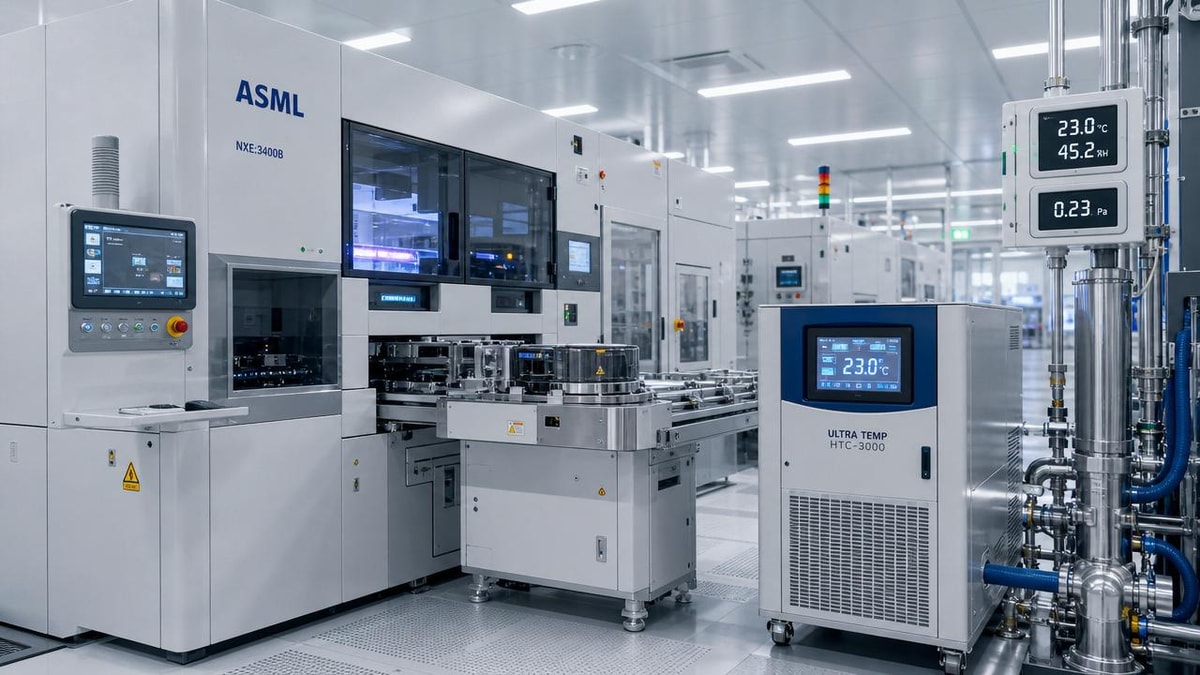
A clear shift is taking place across semiconductor facilities: temperature control is no longer treated as a background utility managed only by engineering teams. It is becoming a direct production variable. As process windows narrow, wafer geometries shrink, and equipment density increases, even a minor room-level or tool-level drift can trigger alignment errors, overlay variation, metrology instability, chemical inconsistency, or unplanned tool intervention. For operators, this means that thermal stability is now closely tied to daily throughput, recipe repeatability, and maintenance pressure.
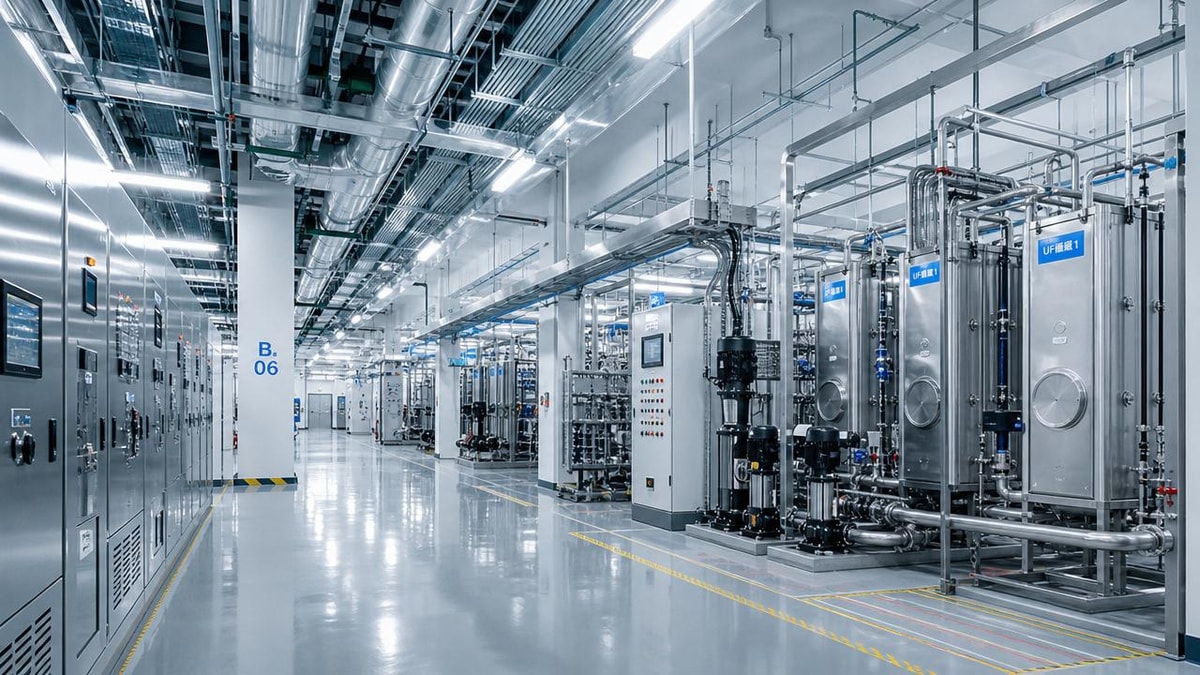
This change is especially visible in fabs balancing high output with high precision. In older operating models, HVAC performance was often judged by broad comfort or general environmental compliance. Today, Precision Temperature Control for semiconductor is judged by how well it supports lithography zones, etch consistency, process cooling loops, cleanroom airflow behavior, and operator response time when thermal drift appears. The market signal is straightforward: stability pays off most where process sensitivity and downtime cost are highest.
For users and operators, that changes the practical question. The issue is no longer whether precision matters, but where it matters first, how to detect weak points early, and what operating habits improve control without adding unnecessary complexity.
The strongest trend signals now shaping Precision Temperature Control for semiconductor
Several trend signals explain why Precision Temperature Control for semiconductor is receiving more attention across the broader industrial and environmental control sector. These signals are operational rather than theoretical, which is why they are increasingly relevant to production-floor personnel.
- Process tolerance windows are getting tighter, making thermal drift easier to detect and more expensive to ignore.
- Advanced tools generate more localized heat, raising the risk of micro-environment instability around critical equipment.
- Energy optimization programs are changing airflow, chiller loading, and control strategies, sometimes introducing new fluctuation risks.
- More facilities are using digital monitoring and trend analysis, so hidden thermal variation is becoming visible to operators in real time.
- Yield protection is now increasingly linked to infrastructure performance, not just machine capability.
Taken together, these shifts mean that thermal performance must be understood as part of production assurance. Precision Temperature Control for semiconductor is gaining value not only because fabs want better conditions, but because thermal inconsistency is now easier to trace back to product loss, unstable runs, and service interruptions.
Where stability pays off most across the semiconductor environment
Not every area in a semiconductor facility delivers the same return from tighter thermal control. Operators benefit most when they focus on the zones where temperature drift has the fastest and most measurable impact on process quality or downtime.
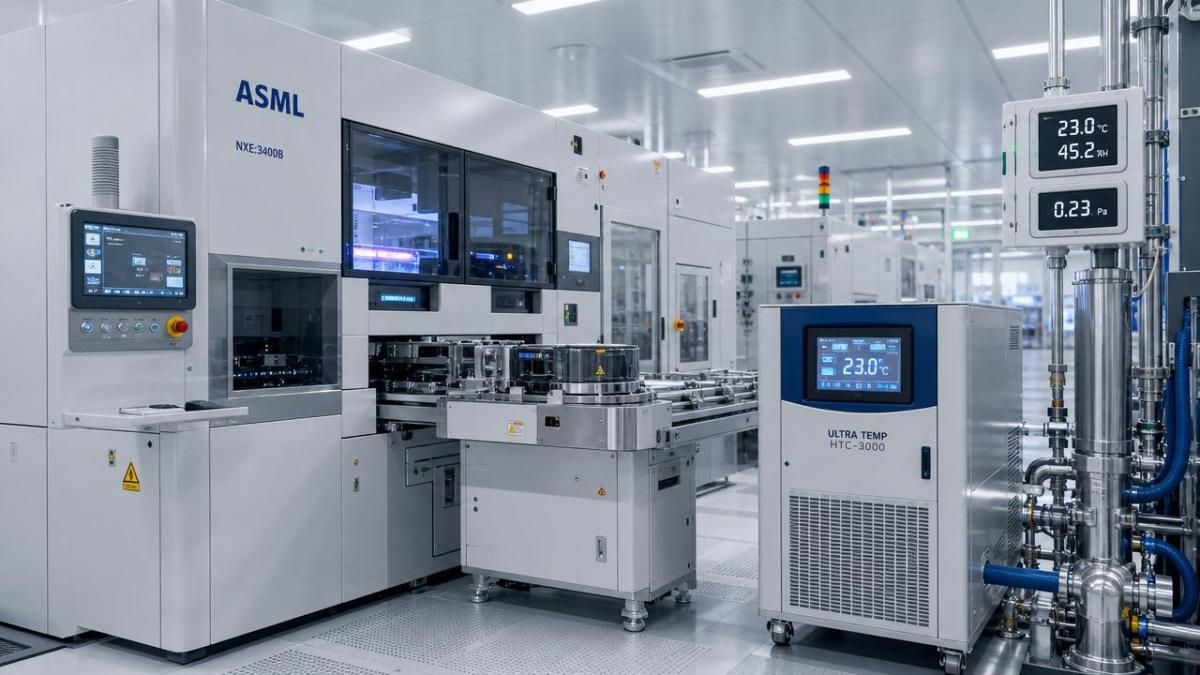
This ranking helps users prioritize attention. Precision Temperature Control for semiconductor tends to pay off fastest in areas where a tiny drift can multiply across many wafers, many hours, or many expensive process steps. In practical terms, the most valuable targets are often not the largest spaces, but the most thermally sensitive workflows.
What is driving the shift toward tighter thermal control
The drivers behind this trend are interconnected. Semiconductor manufacturing is becoming more dependent on environmental uniformity at the same time that facilities are under pressure to reduce energy waste, support ESG goals, and maintain uptime with leaner staffing. This creates a new operational challenge: tighter control with smarter resource use.
One major driver is equipment sensitivity. Modern process tools can hold exceptional internal precision, but only if surrounding ambient conditions remain stable. A second driver is cost exposure. Scrap, rework, and line interruptions are now so expensive that infrastructure drift can no longer be treated as minor background noise. A third driver is compliance and benchmarking. Standards and internal audit practices are pushing facilities to document not just nominal setpoints, but actual control quality over time.
There is also a management driver. More companies now expect facilities teams and production teams to speak the same language around risk. Precision Temperature Control for semiconductor fits this expectation because it links environmental engineering directly to yield, reliability, and operating continuity.
How the impact differs for operators, maintenance teams, and production managers
Although thermal strategy is often discussed at the facility level, its impact is experienced differently by each role. For operators, the most visible effects are unstable machine behavior, recipe interruptions, hold conditions, and repeated adjustments that consume time. For maintenance personnel, poor thermal control usually shows up as alarm investigation, sensor inconsistency, valve stress, or recurring troubleshooting around chilled water, airflow, or local heat buildup. For production managers, the concern is broader: lower line confidence, uncertain quality trends, and output volatility that is difficult to explain.
This role-based view matters because Precision Temperature Control for semiconductor should not be implemented as a purely technical upgrade. Its effectiveness depends on whether each group understands what thermal change looks like in its own workflow and how quickly that change should trigger action.
The new operating reality: precision without overcontrol
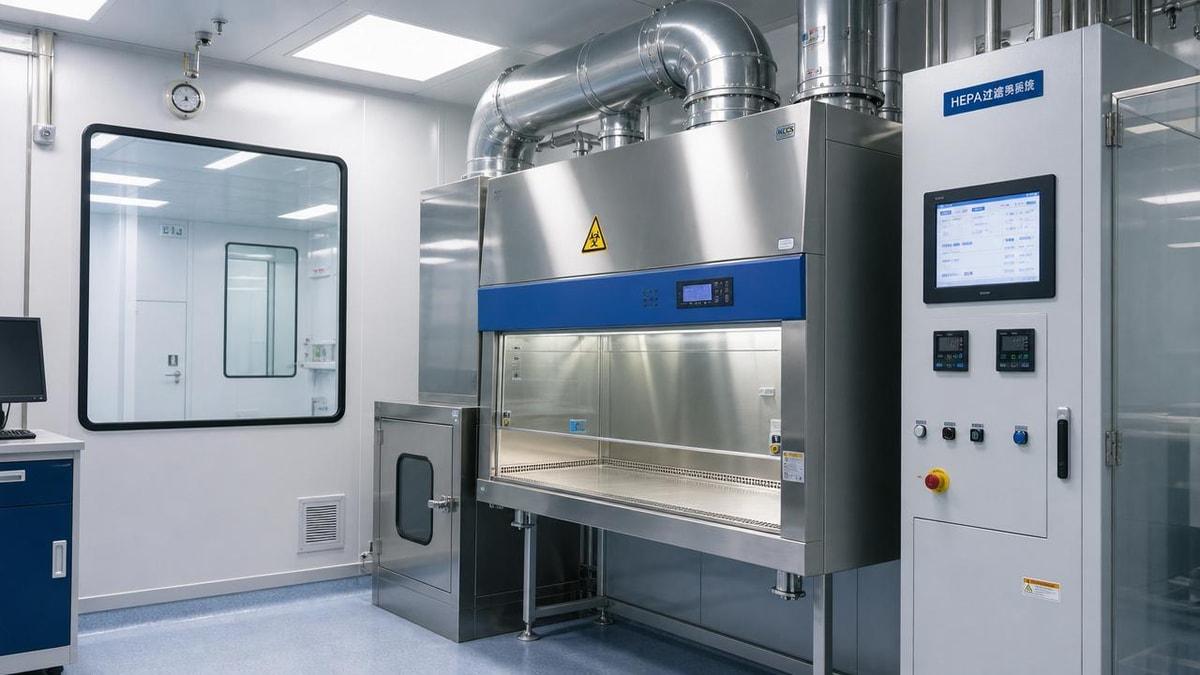
A common mistake is assuming that tighter control always means lower setpoints, more aggressive cooling, or constant intervention. In reality, the better trend is smarter control. Semiconductor facilities are increasingly moving toward coordinated thermal management, where room conditions, equipment cooling, airflow, filtration behavior, and monitoring platforms are evaluated as one system. This is important because overcorrection can create instability just as easily as underperformance.
For operators, this means the goal is not to chase every small number change manually. The goal is to understand normal operating bands, recognize trend breaks early, and communicate anomalies before they expand into process loss. In many fabs, the next maturity step for Precision Temperature Control for semiconductor is not simply better hardware, but better interpretation of trend data and better coordination between facility and production responses.
Signals that deserve closer attention over the next planning cycle
As facilities modernize, several signals can help teams judge whether their current temperature strategy is strong enough for future demands. First, watch for recurring process variation that appears during load changes, shift changes, or seasonal transitions. Second, compare tool alarms with ambient and cooling data rather than reviewing them separately. Third, evaluate whether energy-saving measures have unintentionally reduced thermal resilience in high-sensitivity areas. Fourth, identify whether monitoring points reflect true process risk zones or only general room averages.
These signals matter because semiconductor environments are rarely static. Capacity increases, tool replacement, new process introductions, and revised sustainability targets can all change heat patterns. Precision Temperature Control for semiconductor should therefore be reviewed as a living operational discipline, not a one-time project completed at installation.
Practical judgment framework for users and operators
If your team is deciding where to improve first, a simple judgment framework can help turn trend awareness into action. Start by identifying the process areas where thermal drift leads directly to scrap, recipe instability, measurement doubt, or stop-and-check behavior. Then rank those areas by cost of interruption and frequency of drift. After that, check whether the issue is driven by room air, process cooling, equipment exhaust interaction, sensor placement, or control logic. This prevents investment from going to the wrong layer of the problem.
- Focus first on critical zones, not blanket upgrades everywhere.
- Use trend logs to identify recurring timing patterns.
- Confirm whether operators can distinguish normal fluctuation from harmful drift.
- Review sensor accuracy, calibration routine, and placement relevance.
- Link thermal incidents to yield and downtime records whenever possible.
This approach helps users apply Precision Temperature Control for semiconductor where it protects production value most effectively, rather than treating all deviations as equally important.
FAQ: common questions from the operating side
Is tighter room control always enough?
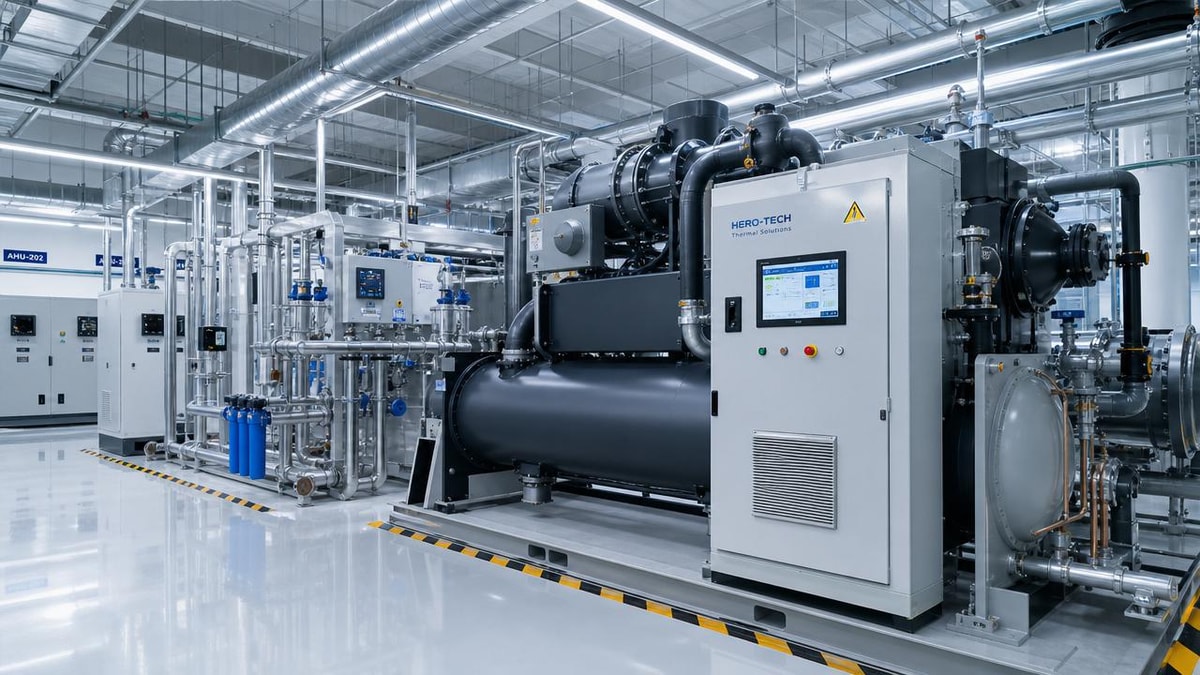
No. Many thermal issues are local to tools, process fluids, airflow paths, or specific sub-areas. Precision Temperature Control for semiconductor often requires coordination between ambient control and equipment-level cooling strategy.
What is the biggest warning sign for operators?
Repeated minor instability is often more important than one large event. If the same tool, zone, or process step shows recurring drift patterns, that is a strong signal that thermal control quality needs review.
Can energy-saving measures conflict with precision control?
They can, if changes are made without process risk mapping. Air volume reduction, chiller optimization, or revised control deadbands may save energy but reduce thermal stability in sensitive areas.
Where should improvement begin?
Begin where temperature drift has the clearest link to yield, metrology confidence, or downtime cost. That is where Precision Temperature Control for semiconductor usually generates the fastest operational return.
What to confirm next before making control decisions
The trend is clear: semiconductor manufacturing is placing greater value on stable thermal environments because the cost of variation is rising and the ability to detect it is improving. For users and operators, the most important takeaway is that Precision Temperature Control for semiconductor should be judged by its impact on real process reliability, not by generic facility performance alone.
If a company wants to understand how this trend affects its own operation, it should confirm five questions: which process zones are most temperature-sensitive, when drift occurs, what that drift costs in time or yield, whether sensors and monitoring reflect actual risk points, and whether current control strategies support both precision and resilience. Those answers will reveal where stability truly pays off most and what actions deserve priority next.
Get weekly intelligence in your inbox.
No noise. No sponsored content. Pure intelligence.
 May 05, 2026High-Tech Industrial Complex Requirements: What to Lock In Before Site PlanningHigh-Tech Industrial Complex requirements must be locked in before site planning. Learn what to define first to reduce risk, control costs, ensure compliance, and build resilient advanced facilities.
 May 05, 2026Ultra-Pure Water Treatment Equipment: Key Signs of Reliable Long-Term PerformanceUltra-Pure Water Treatment equipment that delivers stable purity, real-time monitoring, and long-term compliance. Learn the key signs of reliable performance before you invest.
 May 05, 2026How to Judge a Biosafety Containment Supplier Beyond the Basic QuoteBiosafety Containment supplier selection should go beyond price. Learn how to compare compliance, engineering, validation, and service to reduce risk and lifecycle cost.
 May 05, 2026Smart Environmental Monitoring System: What to Check Before Daily UseSmart Environmental Monitoring system daily-use guide: learn what to check before startup, from sensor health and alarms to data integrity and compliance, to keep operations reliable.
 May 05, 2026High-Performance Thermodynamic Hardware Specifications That Matter Before ApprovalHigh-Performance Thermodynamic Hardware specifications explained for pre-approval review—compare stability, compliance, efficiency, and risk factors to make smarter investment decisions.
 May 05, 2026Precision Temperature Control for Semiconductor: Where Stability Pays Off MostPrecision Temperature Control for semiconductor shows where thermal stability protects yield, uptime, and process accuracy most—discover the high-impact zones and priorities for smarter fab performance.
 May 05, 2026Industrial Climate Control Solutions: When Energy Savings Start to MatterIndustrial Climate Control solutions help businesses cut energy costs, protect uptime, and improve compliance. Discover where smart climate strategies deliver the highest ROI.
 May 05, 2026Cleanroom Architecture Design Mistakes That Become Expensive LaterCleanroom Architecture design mistakes often stay hidden until they trigger contamination, retrofit costs, and compliance delays. Discover the most expensive planning errors and how to avoid them early.
 May 05, 2026How to Compare Precision Temperature Control Manufacturers Without Missing Critical SpecsPrecision Temperature Control manufacturer comparison guide: learn how to verify stability, response, compliance, and lifecycle support to avoid costly spec gaps and choose with confidence.
 May 05, 2026ISO Class 1 Cleanroom Price: What Actually Drives the Total Cost?ISO Class 1 Cleanroom price depends on far more than equipment alone. Discover the real cost drivers, hidden budget risks, and smart ways to control lifecycle spend.
 May 05, 2026China Customs Launches UPW/TOC/ZLD Export Compliance PortalUPW/TOC/ZLD Export Compliance Portal launched by China Customs — verify supplier certifications (CNAS, FDA, DIN EN, carbon reports) in real time. Essential for global importers & EPC firms.
 May 05, 2026BIS Expands ENC Exemption to Edge AI Air Monitoring SensorsBIS expands ENC exemption to Edge AI air monitoring sensors — enabling license-free exports for IIoT devices with on-device AMC detection & particle prediction, if firmware excludes unauthorized cryptography.
 May 05, 20262026 Foshan Tanzhou Auto Show Adopts Bio-Barrier SystemBio-Barrier system debuts at 2026 Foshan Tanzhou Auto Show—real-time bioaerosol control for NEV paint shops, TÜV-certified & EU supply chain ready.
 May 05, 2026Japan’s METI Launches ±0.01°C Control Device Localization Plan±0.01°C control device localization: METI’s new Japan policy opens tariff cuts & fast-track JET certification for compliant Chinese modules — act now.
 May 05, 2026ASEAN UPW Fast-Track Guidelines Effective June 2026ASEAN UPW Fast-Track Guidelines launch June 2026: Streamline electronic-grade ultra-pure water imports with 48-hour customs clearance — if TOC ≤0.2 ppb is certified by dual-accredited labs.
 May 05, 20262026 China Bike Expo Enforces IIoT Air MonitoringIIoT Air Monitoring is now mandatory at 2026 China Bike Expo — discover how this groundbreaking requirement impacts e-bike, semiconductor & medical device manufacturers.
 May 05, 2026DIN EN 16798-1:2026 Takes Effect in Germany for Maglev ChillersDIN EN 16798-1:2026 now mandates carbon footprint & thermal recovery reports for Maglev Chillers entering Germany — act now to avoid customs delays and secure EU market access.
") May 05, 2026FDA Updates BSL-3 Lab Inspection Checklist (2026 Revision)FDA's 2026 BSL-3 Lab Inspection Checklist mandates strict UPW system requirements — TOC ≤0.1 ppb & dual-resistivity sensors. Act now to ensure compliance and market access.
May 05, 2026FDA Updates BSL-3 Lab Inspection Checklist (2026 Revision)FDA's 2026 BSL-3 Lab Inspection Checklist mandates strict UPW system requirements — TOC ≤0.1 ppb & dual-resistivity sensors. Act now to ensure compliance and market access. May 05, 20262026 Beijing Initiative Calls for Global ZLD Protocol Mutual RecognitionZero Liquid Discharge (ZLD) mutual recognition is coming: The 2026 Beijing Initiative proposes global protocol alignment for UPW equipment — act now to streamline EU, Mexico & Vietnam exports.
 May 05, 20262026 World Intelligent Industry Expo: ISO Cleanrooms & Digital Twin Lab Standards Launch in TianjinISO cleanrooms & Digital Twin Lab standards launch at 2026 WIIE in Tianjin — discover how these new interoperability benchmarks reshape global smart infrastructure procurement.
 May 04, 2026Regulatory Frameworks Implementation Without Slowing Lab Automation ProjectsRegulatory Frameworks implementation made practical: learn how to align compliance, biosafety, and lab automation early to cut delays, reduce risk, and speed project delivery.
 May 04, 2026SEMI Standards Certification: Key Checks Before Expanding Supplier AccessSEMI Standards certification helps distributors verify supplier compliance, traceability, and channel readiness before expansion. Discover the key checks that reduce risk and protect growth.
 May 04, 2026Semiconductor Cleanroom Standards and the Hidden Cost of Getting Them WrongSemiconductor Cleanroom standards directly impact yield, audit readiness, and operating cost. Discover the hidden risks, key checklist items, and smart evaluation tips before costly mistakes happen.
 May 04, 2026Pharmaceutical Cleanroom Validation: A Practical Sequence for Faster ApprovalPharmaceutical Cleanroom validation made practical: learn a faster, risk-based sequence for testing, documentation, and deviation control to speed approval and improve GMP compliance.
 May 04, 2026ESG Compliance Reporting: Where Costs Rise and Where Value Becomes MeasurableESG Compliance reporting reveals where compliance costs erode margins and where measurable value emerges through audit-ready data, stronger governance, lower risk, and smarter capital decisions.
 May 04, 2026ASHRAE Standards Guidelines for Stable Thermal Logic in Sensitive FacilitiesASHRAE Standards guidelines help technical evaluators ensure thermal stability, compliance, and resilience in sensitive facilities. Discover practical benchmarking insights.
 May 04, 2026Fan Filter Units Specifications: What Matters Before You Compare ModelsFan Filter Units specifications explained clearly: compare airflow, filtration, noise, energy use, and maintenance factors before choosing models for reliable cleanroom performance.