FDA Updates BSL-3 Lab Inspection Checklist (2026 Revision)
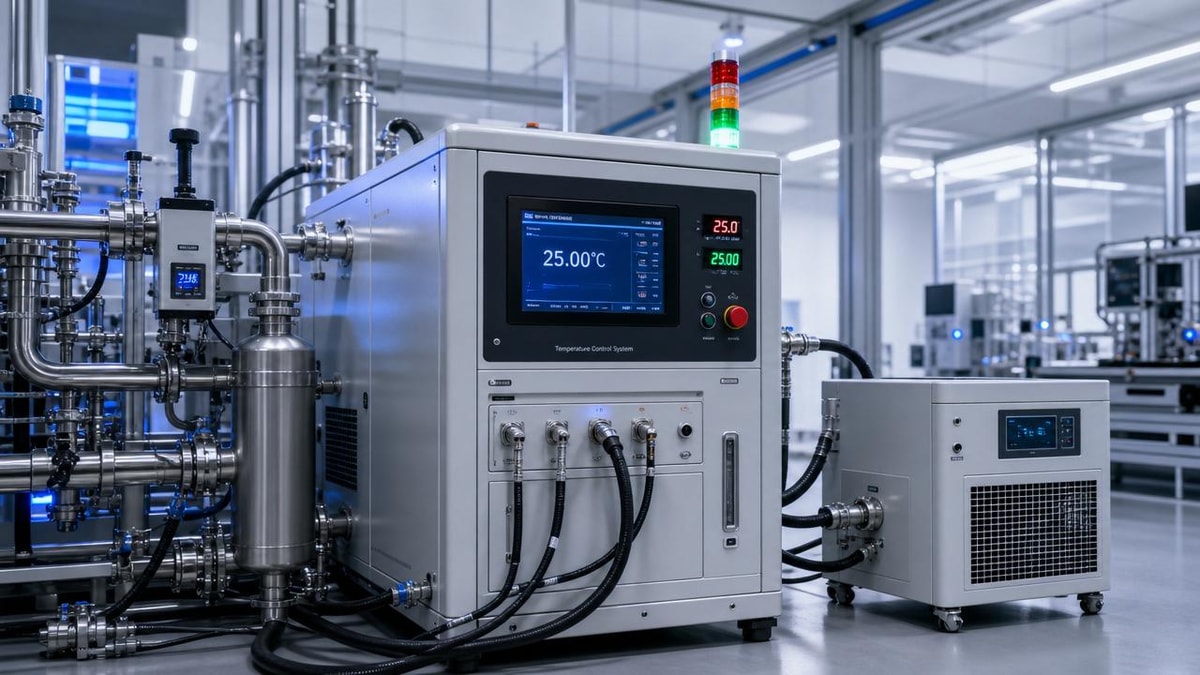
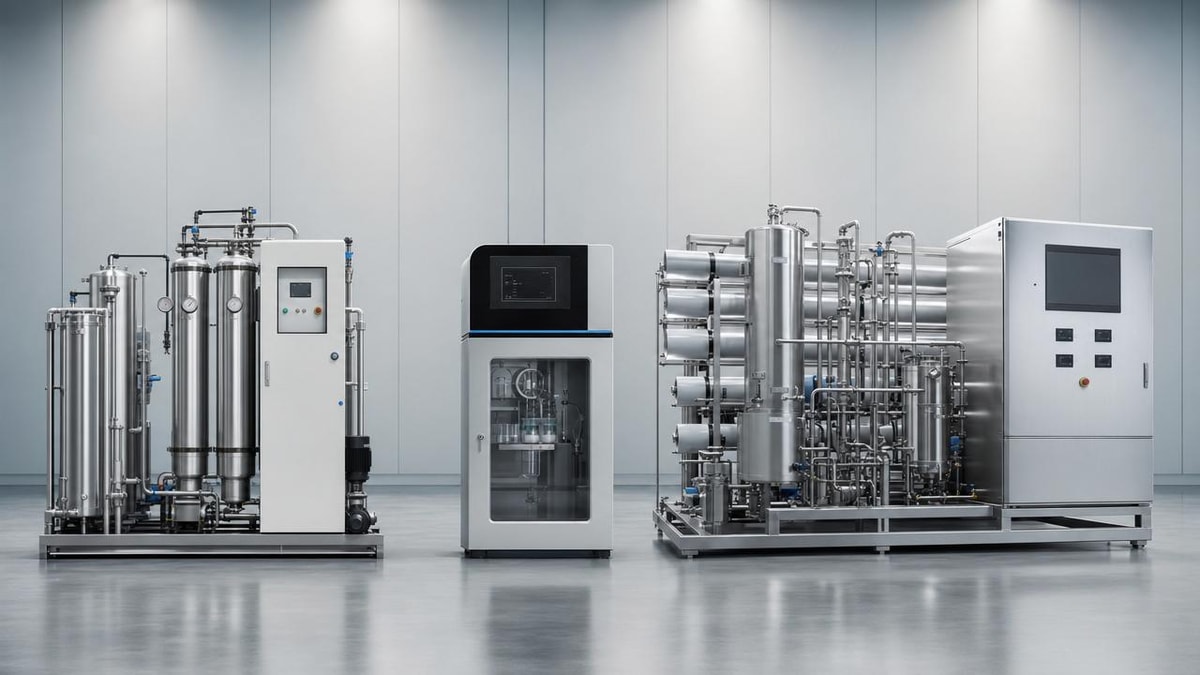
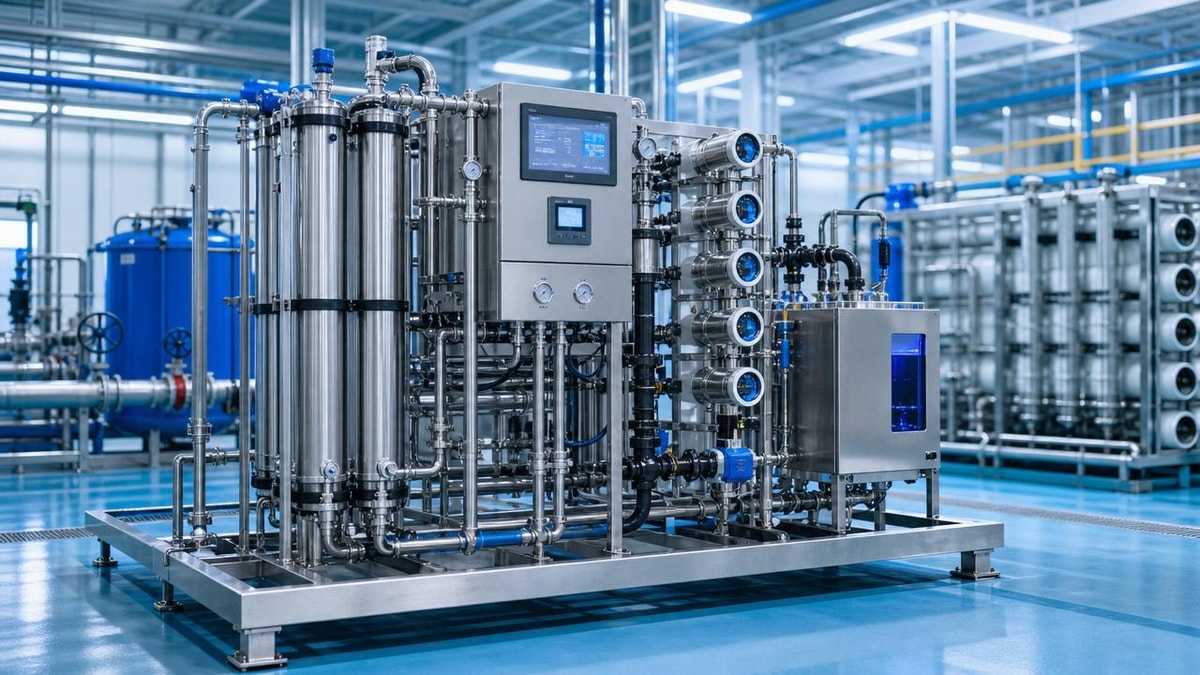
FDA’s update to the BSL-3 Laboratory Facility Inspection Checklist (2026 Revision), effective 1 July 2026, introduces mandatory technical requirements for ultrapure water (UPW) systems in newly constructed or renovated BSL-3 laboratories. This change directly impacts manufacturers of UPW equipment — particularly those exporting to the U.S. — and facilities involved in biopharmaceutical R&D, vaccine development, and high-containment pathogen research.
Event Overview
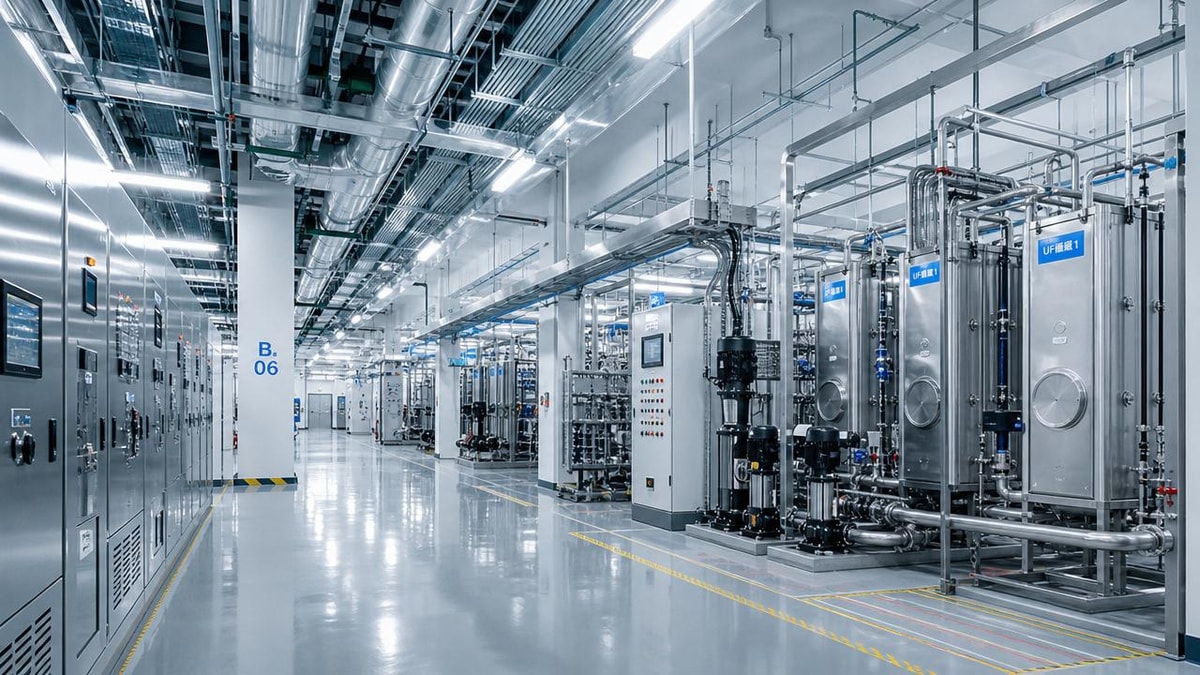
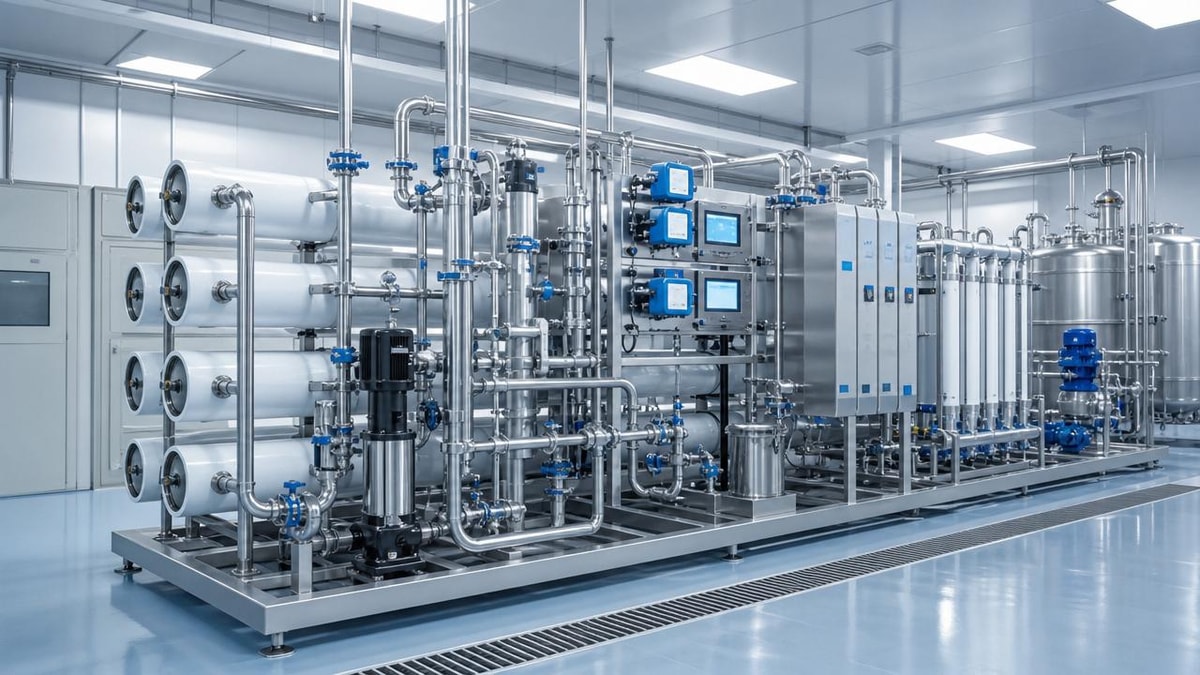
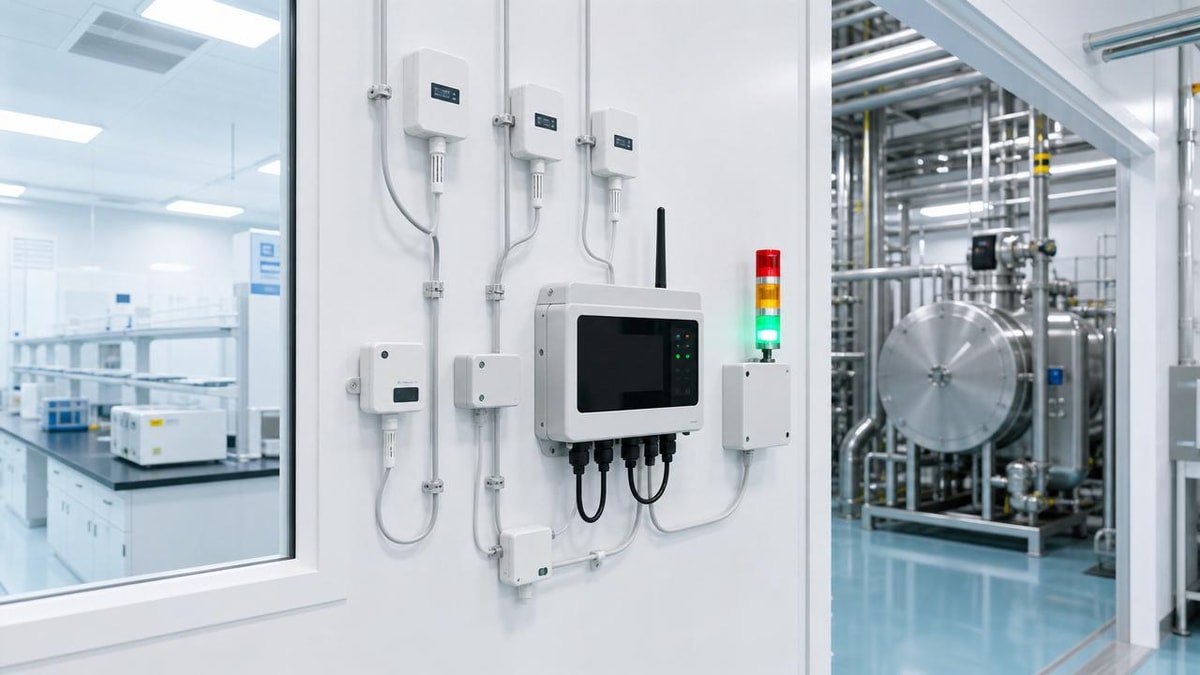
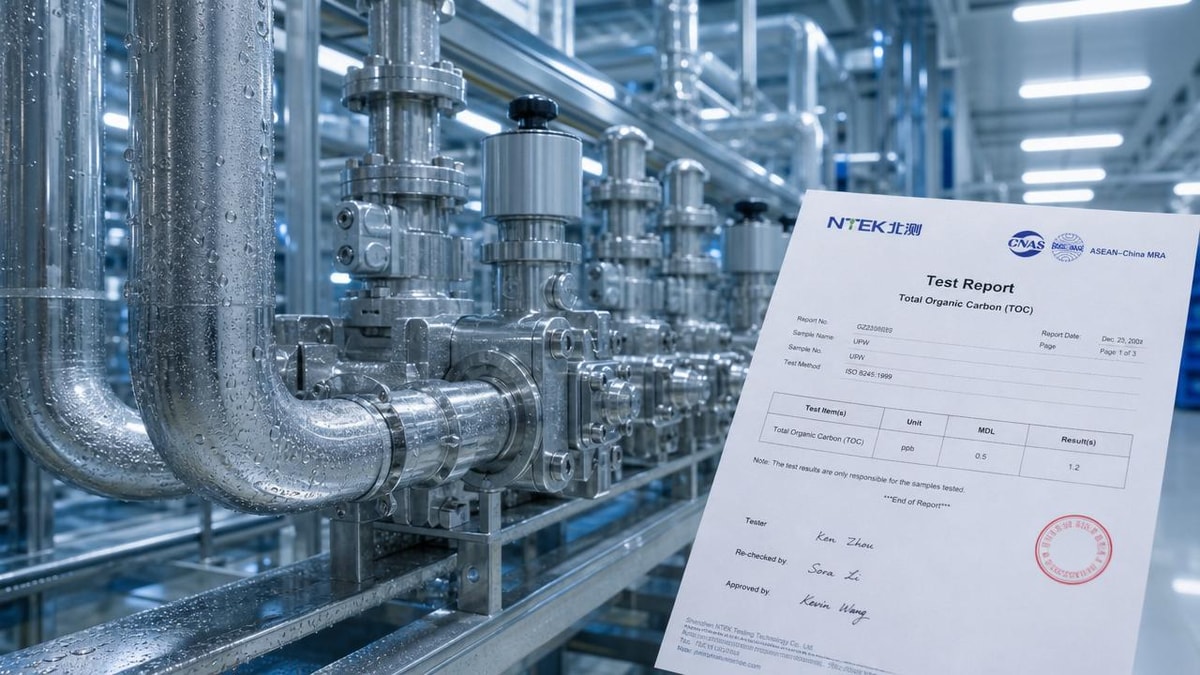
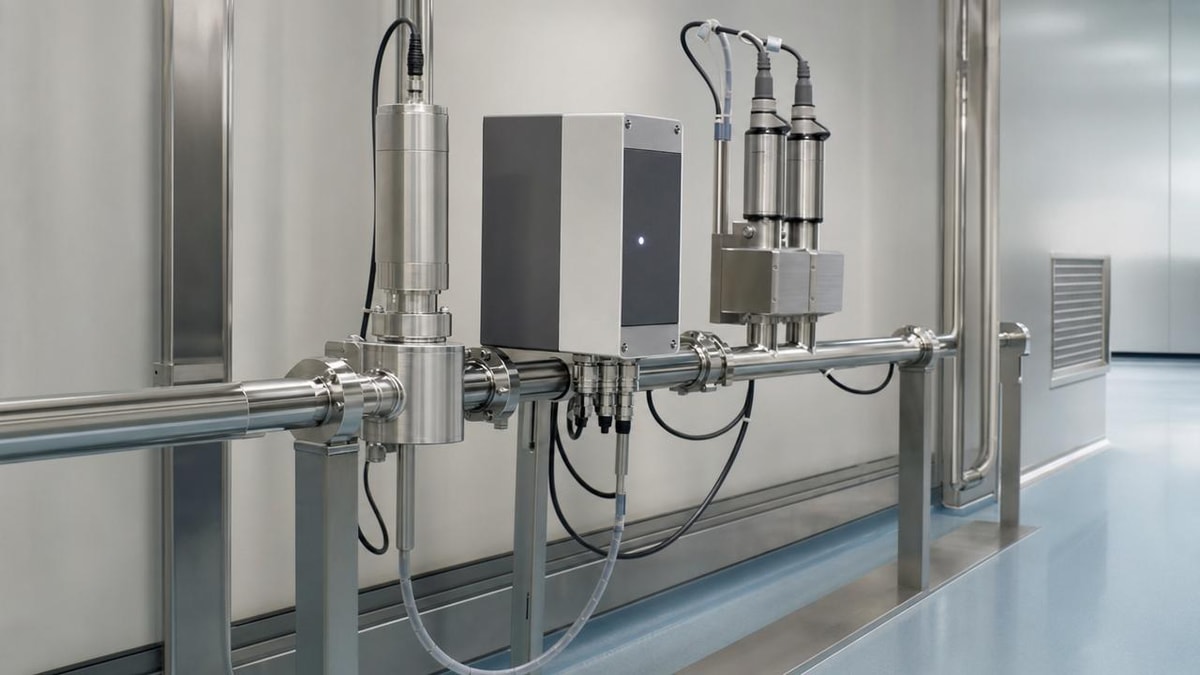
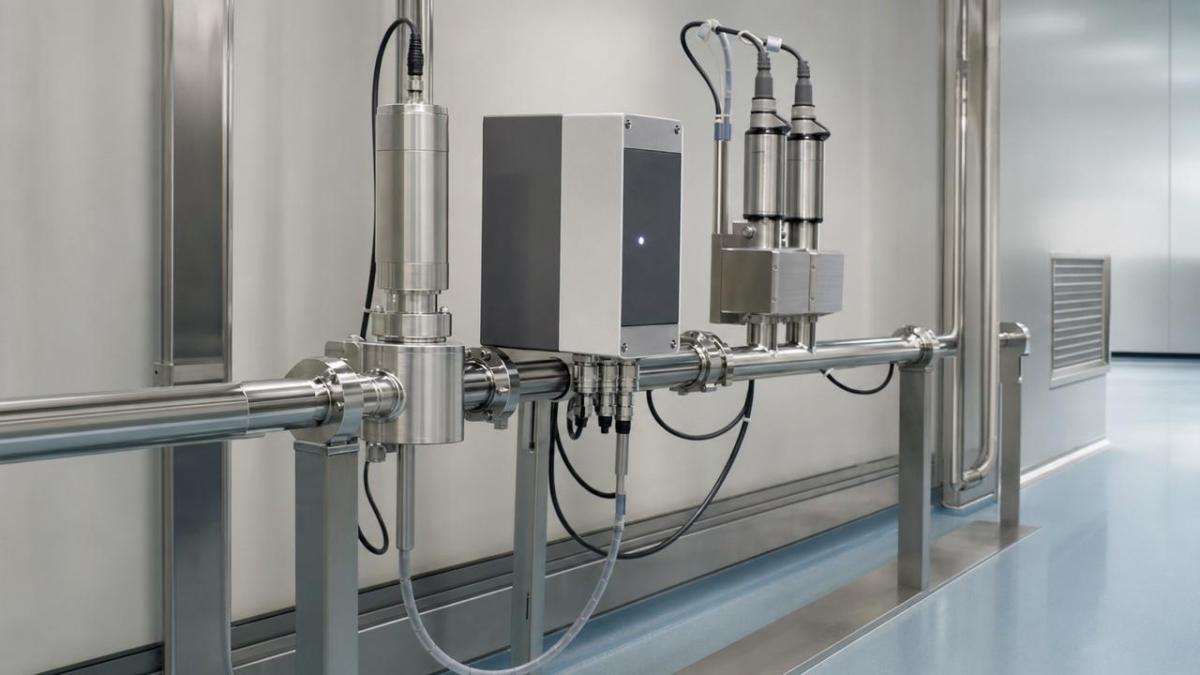
The U.S. Food and Drug Administration (FDA) announced the revised BSL-3 Laboratory Facility Inspection Checklist on 30 April 2026. The revision mandates that all new or modified BSL-3 laboratories must equip their ultrapure water (UPW) systems with: (1) an online total organic carbon (TOC) analyzer with detection limit ≤0.1 ppb; and (2) dual-channel resistivity sensors calibrated to ±0.02 MΩ·cm, verifying conductivity at the 18.2 MΩ·cm benchmark. All measurement data must be continuously streamed to an FDA-recognized IIoT Air Monitoring platform for 72-hour auditable storage. The requirement takes effect on 1 July 2026.
Industries Affected
Direct Exporters of UPW Equipment
Manufacturers based in China and other non-U.S. jurisdictions supplying UPW generation or distribution systems to U.S.-based BSL-3 labs face revised certification pathways. Compliance is now a prerequisite for FDA facility inspection clearance — not merely a design recommendation. Impact manifests in product validation timelines, third-party testing scope, and documentation rigor required for U.S. market access.
Biopharmaceutical & Vaccine R&D Facilities (U.S.-based)
U.S. laboratories conducting BSL-3 work — including contract development and manufacturing organizations (CDMOs), academic biosafety cores, and corporate R&D sites — must retrofit or specify UPW systems meeting both TOC and dual-resistivity criteria. Impact includes capital expenditure planning, system commissioning protocols, and integration architecture for IIoT data ingestion.
Engineering, Procurement & Construction (EPC) Firms
EPC contractors designing or building BSL-3 infrastructure must now incorporate validated sensor redundancy, real-time data telemetry architecture, and platform interoperability into specifications and bid packages. Failure to align procurement with the 2026 checklist may result in post-construction nonconformance during FDA pre-operational review.
Key Considerations and Recommended Actions
Monitor official FDA guidance updates and implementation FAQs
The 30 April 2026 announcement is a checklist revision — not a full regulation. Analysis shows that FDA may issue supplementary technical clarifications (e.g., acceptable IIoT platform vendors, calibration traceability standards, or transitional provisions for projects underway prior to 1 July 2026). Stakeholders should track FDA’s Center for Biologics Evaluation and Research (CBER) and Office of Regulatory Affairs (ORA) communications.
Verify UPW system architecture against dual-validation and data continuity requirements
Current UPW system designs often deploy single-resistivity sensors and offline TOC sampling. Observation shows that retrofitting online TOC analyzers with ≤0.1 ppb detection limit — while ensuring stable 18.2 MΩ·cm verification across two independent channels — requires revalidation of entire distribution loops. Companies should audit existing or proposed system schematics for sensor placement, flow dynamics, and IIoT interface readiness.
Distinguish between regulatory signal and enforceable compliance deadlines
This checklist applies to facilities undergoing FDA inspection on or after 1 July 2026. From industry perspective, it does not retroactively invalidate previously approved BSL-3 operations — but any modification triggering re-inspection will invoke the new criteria. Companies should map upcoming inspection cycles and prioritize upgrades accordingly, rather than treating this as a blanket operational shutdown trigger.
Initiate cross-functional alignment on procurement, validation, and data governance
Procurement teams must coordinate with quality assurance (QA), validation engineering, and IT infrastructure units to define data ownership, retention policies, and platform authentication protocols for the FDA-recognized IIoT Air Monitoring platform. Current more appropriate action is to initiate internal gap assessments — not delay purchasing decisions pending further guidance.
Editorial Perspective / Industry Observation
Observably, this revision signals FDA’s increasing emphasis on real-time, instrumented process verification — extending beyond environmental monitoring into core utility systems. It reflects a broader trend toward digital evidence as a proxy for sustained control, especially in high-risk containment settings. Analysis suggests this is less a standalone policy shift and more an operational codification of expectations already emerging in recent FDA warning letters related to UPW system inconsistencies. The requirement is enforceable upon inspection, but its practical impact depends on how rigorously field investigators apply the checklist — a factor requiring ongoing observation over the next 12–18 months.
Concluding, this update formalizes technical thresholds for UPW system performance and data integrity within U.S. BSL-3 infrastructure. Its significance lies not in introducing novel science, but in elevating instrumentation and data continuity from best practice to inspection-critical criteria. Currently, it is more appropriately understood as a targeted compliance milestone for specific capital projects and export pathways — not a systemic overhaul of global UPW standards.
Source: U.S. Food and Drug Administration (FDA), BSL-3 Laboratory Facility Inspection Checklist (2026 Revision), published 30 April 2026; effective 1 July 2026. Note: FDA has not yet released accompanying implementation guidance or a list of approved IIoT Air Monitoring platforms — these remain under observation.
Get weekly intelligence in your inbox.
No noise. No sponsored content. Pure intelligence.
 May 05, 2026High-Tech Industrial Complex Requirements: What to Lock In Before Site PlanningHigh-Tech Industrial Complex requirements must be locked in before site planning. Learn what to define first to reduce risk, control costs, ensure compliance, and build resilient advanced facilities.
 May 05, 2026Ultra-Pure Water Treatment Equipment: Key Signs of Reliable Long-Term PerformanceUltra-Pure Water Treatment equipment that delivers stable purity, real-time monitoring, and long-term compliance. Learn the key signs of reliable performance before you invest.
 May 05, 2026How to Judge a Biosafety Containment Supplier Beyond the Basic QuoteBiosafety Containment supplier selection should go beyond price. Learn how to compare compliance, engineering, validation, and service to reduce risk and lifecycle cost.
 May 05, 2026Smart Environmental Monitoring System: What to Check Before Daily UseSmart Environmental Monitoring system daily-use guide: learn what to check before startup, from sensor health and alarms to data integrity and compliance, to keep operations reliable.
 May 05, 2026High-Performance Thermodynamic Hardware Specifications That Matter Before ApprovalHigh-Performance Thermodynamic Hardware specifications explained for pre-approval review—compare stability, compliance, efficiency, and risk factors to make smarter investment decisions.
 May 05, 2026Precision Temperature Control for Semiconductor: Where Stability Pays Off MostPrecision Temperature Control for semiconductor shows where thermal stability protects yield, uptime, and process accuracy most—discover the high-impact zones and priorities for smarter fab performance.
 May 05, 2026Industrial Climate Control Solutions: When Energy Savings Start to MatterIndustrial Climate Control solutions help businesses cut energy costs, protect uptime, and improve compliance. Discover where smart climate strategies deliver the highest ROI.
 May 05, 2026Cleanroom Architecture Design Mistakes That Become Expensive LaterCleanroom Architecture design mistakes often stay hidden until they trigger contamination, retrofit costs, and compliance delays. Discover the most expensive planning errors and how to avoid them early.
 May 05, 2026How to Compare Precision Temperature Control Manufacturers Without Missing Critical SpecsPrecision Temperature Control manufacturer comparison guide: learn how to verify stability, response, compliance, and lifecycle support to avoid costly spec gaps and choose with confidence.
 May 05, 2026ISO Class 1 Cleanroom Price: What Actually Drives the Total Cost?ISO Class 1 Cleanroom price depends on far more than equipment alone. Discover the real cost drivers, hidden budget risks, and smart ways to control lifecycle spend.
 May 05, 2026China Customs Launches UPW/TOC/ZLD Export Compliance PortalUPW/TOC/ZLD Export Compliance Portal launched by China Customs — verify supplier certifications (CNAS, FDA, DIN EN, carbon reports) in real time. Essential for global importers & EPC firms.
 May 05, 2026BIS Expands ENC Exemption to Edge AI Air Monitoring SensorsBIS expands ENC exemption to Edge AI air monitoring sensors — enabling license-free exports for IIoT devices with on-device AMC detection & particle prediction, if firmware excludes unauthorized cryptography.
 May 05, 20262026 Foshan Tanzhou Auto Show Adopts Bio-Barrier SystemBio-Barrier system debuts at 2026 Foshan Tanzhou Auto Show—real-time bioaerosol control for NEV paint shops, TÜV-certified & EU supply chain ready.
 May 05, 2026Japan’s METI Launches ±0.01°C Control Device Localization Plan±0.01°C control device localization: METI’s new Japan policy opens tariff cuts & fast-track JET certification for compliant Chinese modules — act now.
 May 05, 2026ASEAN UPW Fast-Track Guidelines Effective June 2026ASEAN UPW Fast-Track Guidelines launch June 2026: Streamline electronic-grade ultra-pure water imports with 48-hour customs clearance — if TOC ≤0.2 ppb is certified by dual-accredited labs.
 May 05, 20262026 China Bike Expo Enforces IIoT Air MonitoringIIoT Air Monitoring is now mandatory at 2026 China Bike Expo — discover how this groundbreaking requirement impacts e-bike, semiconductor & medical device manufacturers.
 May 05, 2026DIN EN 16798-1:2026 Takes Effect in Germany for Maglev ChillersDIN EN 16798-1:2026 now mandates carbon footprint & thermal recovery reports for Maglev Chillers entering Germany — act now to avoid customs delays and secure EU market access.
") May 05, 2026FDA Updates BSL-3 Lab Inspection Checklist (2026 Revision)FDA's 2026 BSL-3 Lab Inspection Checklist mandates strict UPW system requirements — TOC ≤0.1 ppb & dual-resistivity sensors. Act now to ensure compliance and market access.
May 05, 2026FDA Updates BSL-3 Lab Inspection Checklist (2026 Revision)FDA's 2026 BSL-3 Lab Inspection Checklist mandates strict UPW system requirements — TOC ≤0.1 ppb & dual-resistivity sensors. Act now to ensure compliance and market access. May 05, 20262026 Beijing Initiative Calls for Global ZLD Protocol Mutual RecognitionZero Liquid Discharge (ZLD) mutual recognition is coming: The 2026 Beijing Initiative proposes global protocol alignment for UPW equipment — act now to streamline EU, Mexico & Vietnam exports.
 May 05, 20262026 World Intelligent Industry Expo: ISO Cleanrooms & Digital Twin Lab Standards Launch in TianjinISO cleanrooms & Digital Twin Lab standards launch at 2026 WIIE in Tianjin — discover how these new interoperability benchmarks reshape global smart infrastructure procurement.
 May 04, 2026Regulatory Frameworks Implementation Without Slowing Lab Automation ProjectsRegulatory Frameworks implementation made practical: learn how to align compliance, biosafety, and lab automation early to cut delays, reduce risk, and speed project delivery.
 May 04, 2026SEMI Standards Certification: Key Checks Before Expanding Supplier AccessSEMI Standards certification helps distributors verify supplier compliance, traceability, and channel readiness before expansion. Discover the key checks that reduce risk and protect growth.
 May 04, 2026Semiconductor Cleanroom Standards and the Hidden Cost of Getting Them WrongSemiconductor Cleanroom standards directly impact yield, audit readiness, and operating cost. Discover the hidden risks, key checklist items, and smart evaluation tips before costly mistakes happen.
 May 04, 2026Pharmaceutical Cleanroom Validation: A Practical Sequence for Faster ApprovalPharmaceutical Cleanroom validation made practical: learn a faster, risk-based sequence for testing, documentation, and deviation control to speed approval and improve GMP compliance.
 May 04, 2026ESG Compliance Reporting: Where Costs Rise and Where Value Becomes MeasurableESG Compliance reporting reveals where compliance costs erode margins and where measurable value emerges through audit-ready data, stronger governance, lower risk, and smarter capital decisions.
 May 04, 2026ASHRAE Standards Guidelines for Stable Thermal Logic in Sensitive FacilitiesASHRAE Standards guidelines help technical evaluators ensure thermal stability, compliance, and resilience in sensitive facilities. Discover practical benchmarking insights.
 May 04, 2026Fan Filter Units Specifications: What Matters Before You Compare ModelsFan Filter Units specifications explained clearly: compare airflow, filtration, noise, energy use, and maintenance factors before choosing models for reliable cleanroom performance.