Ultra-Pure Water Treatment Certification: What to Check Before Approval
For financial approvers, Ultra-Pure Water Treatment certification is more than a technical formality—it is a direct indicator of compliance risk, capital efficiency, and long-term operational reliability. Before approval, decision-makers should verify whether the system meets recognized standards, performance benchmarks, documentation requirements, and lifecycle cost expectations to avoid hidden liabilities and protect high-value industrial investments.
In capital-intensive environments such as semiconductor fabs, pharmaceutical production sites, advanced laboratories, and precision manufacturing campuses, an Ultra-Pure Water Treatment certification review often determines whether a project is bankable, insurable, and scalable. For finance teams, the issue is not only whether the water system works on day 1, but whether it can maintain specification stability over 3, 5, or even 10 years without triggering requalification costs, production loss, or compliance penalties.
This article outlines what financial approvers should check before signing off on an UPW investment, with a practical focus on standards alignment, performance evidence, documentation integrity, lifecycle economics, and supplier accountability. The goal is simple: approve faster, with fewer downstream surprises.
Why Ultra-Pure Water Treatment certification matters to financial approval
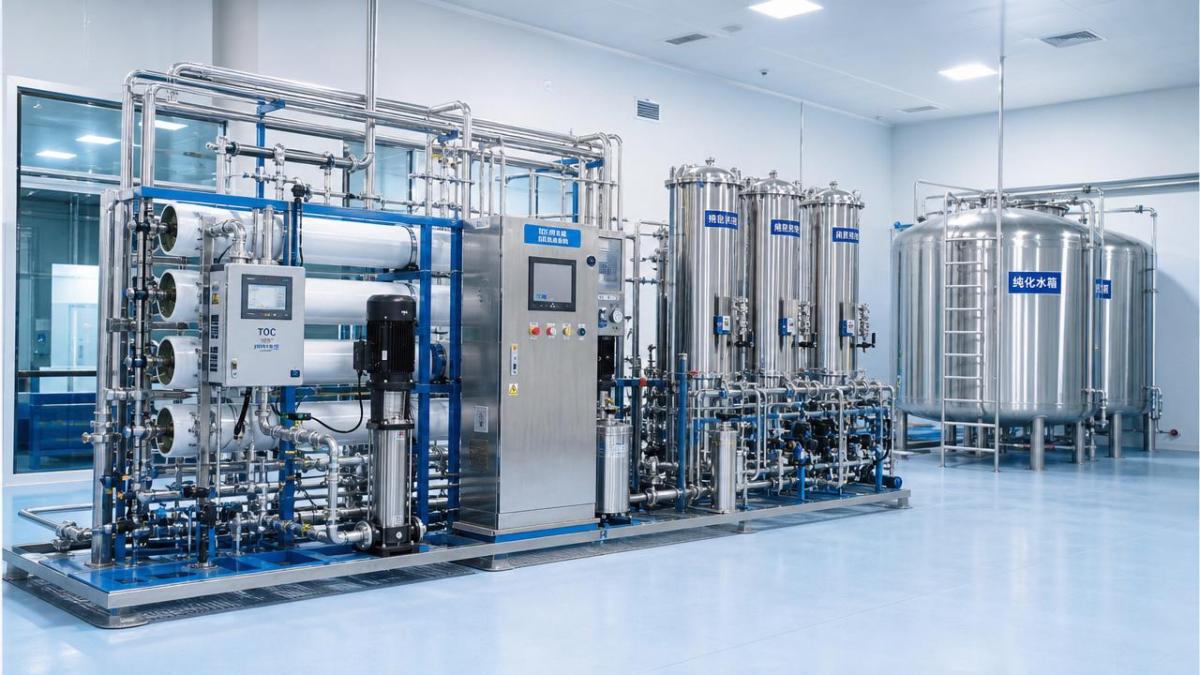
Ultra-Pure Water Treatment certification affects more than engineering acceptance. In regulated and high-precision industries, it shapes audit readiness, startup timelines, process yield, and asset depreciation assumptions. A system that lacks adequate certification support can delay commissioning by 2–8 weeks, extend validation budgets, and increase the likelihood of expensive retrofit work after installation.
From a finance perspective, certification serves as a screening tool for hidden risk. If the vendor cannot clearly demonstrate material compatibility, process performance, instrumentation calibration, and compliance traceability, the project may carry avoidable liabilities. These liabilities often appear later as unexpected membrane replacement, unstable resistivity, elevated TOC readings, microbial excursions, or documentation gaps during customer or regulator audits.
The three financial questions behind every certification review
- Will the certified system reduce the probability of non-compliance over the next 12–36 months?
- Does the documented performance support the project’s production assumptions and return-on-investment model?
- Can the supplier prove serviceability, spare-part continuity, and performance verification after handover?
Where weak certification creates direct financial exposure
In high-tech facilities, water quality drift may impact multiple systems at once. A single underperforming UPW loop can affect wafer rinsing, clean-in-place procedures, analytical prep, or process cooling support. In many projects, 4 cost categories escalate quickly: production interruption, revalidation, emergency service, and rejected batches or parts. For this reason, Ultra-Pure Water Treatment certification should be reviewed as part of risk-adjusted capital approval, not as a procurement checkbox.
The table below highlights how certification quality links to financial outcomes in common industrial scenarios.
The key takeaway is that a strong Ultra-Pure Water Treatment certification package should reduce uncertainty in at least 3 areas: quality performance, regulatory defensibility, and lifecycle cost predictability. If one of these pillars is missing, the approval decision deserves closer scrutiny.
What to check before approval: the financial due diligence framework
A practical approval process should move beyond generic vendor claims and focus on verifiable checkpoints. Most financial approvers benefit from a 6-point review model that can be completed during budget validation, technical alignment, and final capex signoff. This structure is especially useful when evaluating systems across multiple sites or regions.
1. Confirm which standards and acceptance criteria apply
Ultra-Pure Water Treatment certification is not governed by a single universal certificate. Approval teams should identify which standards, customer specifications, or internal protocols define acceptance. Depending on the application, the project may reference SEMI guidance, pharmaceutical validation expectations, ISO-related clean manufacturing requirements, or internal quality thresholds for conductivity, TOC, silica, bacteria, and particle counts.
At this stage, finance should ask for 3 simple items: the list of applicable standards, the acceptance thresholds, and the final test method. If these are still vague late in procurement, the risk of scope creep rises significantly.
Minimum standards clarity checklist
- Specified quality targets for resistivity, TOC, silica, and microbial control
- Documented sampling points at inlet, skid outlet, storage, and point-of-use loop
- Defined commissioning and requalification sequence, usually 3–5 stages
2. Review performance data, not only design intent
Many proposals describe theoretical output but provide limited evidence of sustained operation. Financial approvers should request factory acceptance data, commissioning protocols, trend logs, and critical alarm logic. For example, if the system promises high-purity output 24/7, can the supplier show stability across load variation, sanitation cycles, and feed-water fluctuation?
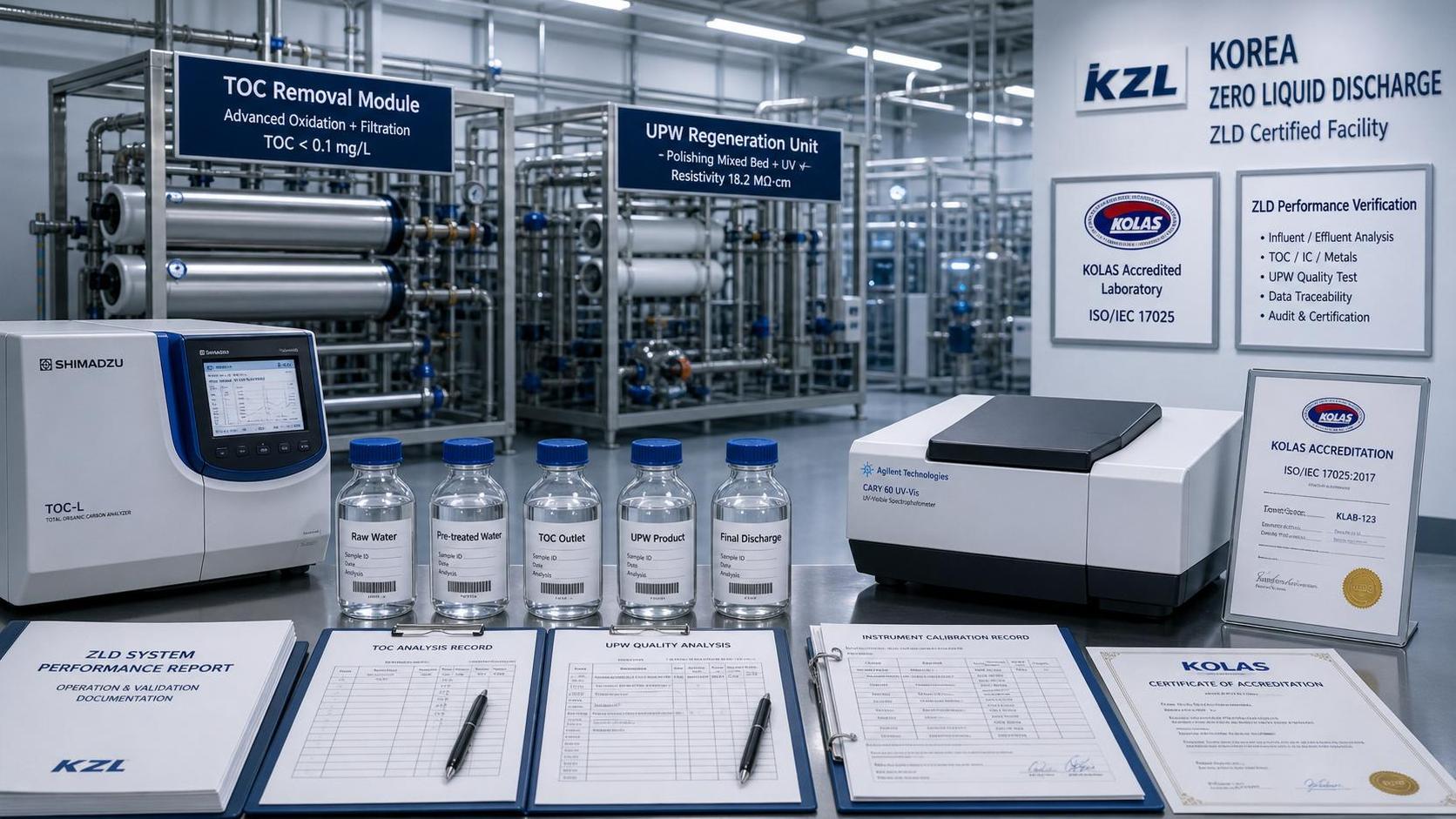
Useful evidence may include 72-hour or 168-hour continuous test runs, instrument calibration records within the last 6–12 months, and alarm-response documentation tied to control setpoints. A certified system with no stable performance history may still expose the owner to expensive startup instability.
3. Check materials, component pedigree, and contamination control logic
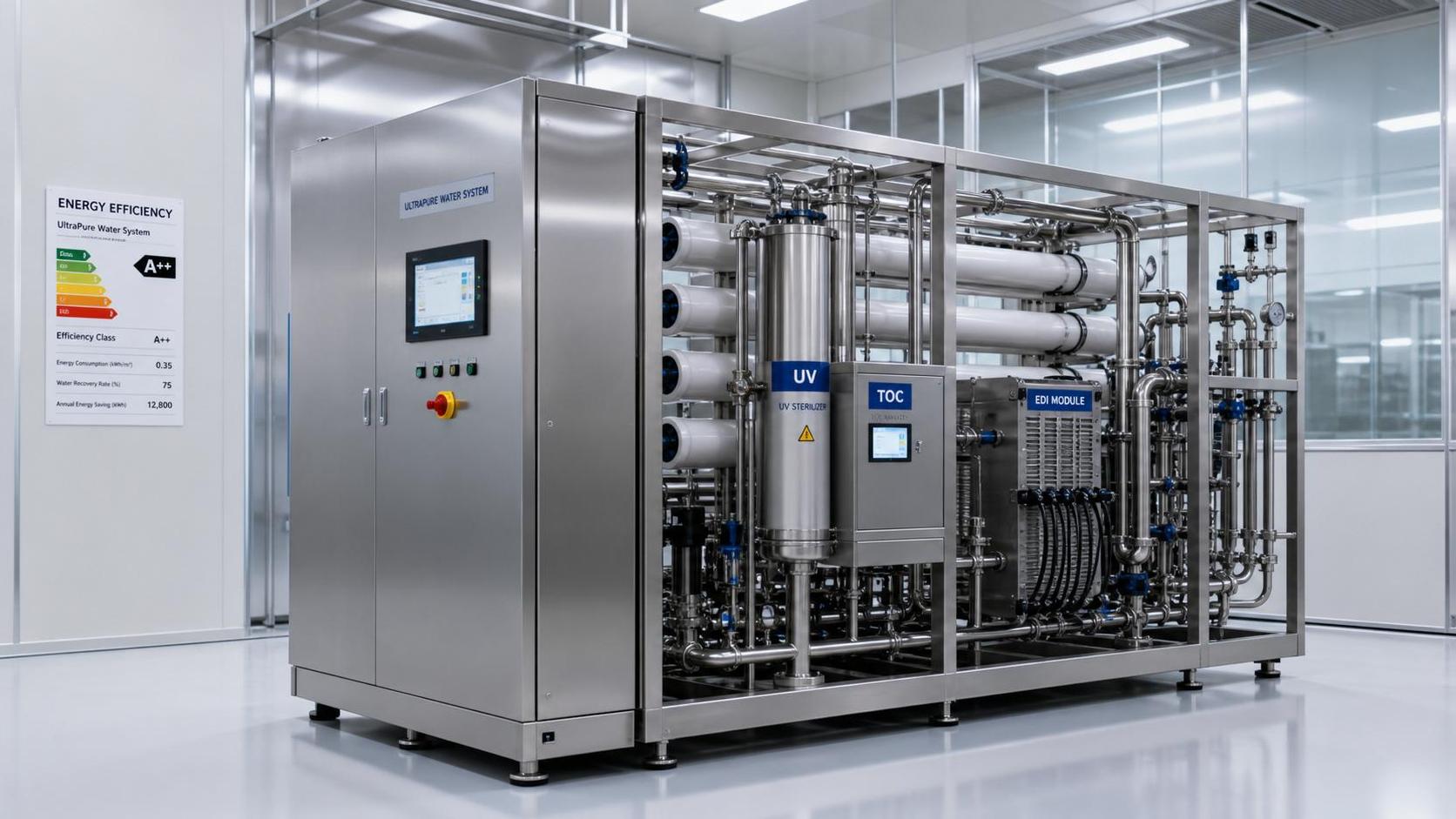
Financial risk often hides in the bill of materials. Piping, valves, membrane housings, UV modules, polishing units, and storage tanks all influence long-term purity. In advanced applications, even trace extractables, dead-leg design, or poor weld quality can undermine certification outcomes. Approval should therefore include a review of material suitability and maintainability, not only nominal capacity.
For high-purity loops, it is also important to confirm how the system manages recirculation velocity, sanitization, filter change intervals, and monitoring redundancy. A lower upfront quote may reflect fewer instruments, weaker pretreatment, or short-lived consumables that raise operating costs in year 2 and year 3.
The next table provides a finance-oriented checklist for comparing UPW systems before approval.
For finance leaders, this comparison format is helpful because it translates technical detail into budget behavior. If a vendor cannot explain service intervals, sensor coverage, or component traceability in concrete terms, long-term cost visibility is still incomplete.
4. Validate the documentation package before release of funds
A surprising number of project delays happen after equipment delivery because documents arrive late, incomplete, or inconsistent with the installed configuration. Before approval, tie payment milestones to documentation deliverables. At minimum, the vendor should define which records are delivered at FAT, SAT, commissioning, and final handover.
Common required documents include process flow diagrams, P&IDs, instrument lists, calibration certificates, welding or material records where relevant, O&M manuals, spare-parts lists, preventive maintenance schedules, and final test reports. In many sectors, missing documents can delay production qualification more than hardware defects themselves.
5. Compare lifecycle cost over 3–5 years, not only purchase price
The most overlooked part of Ultra-Pure Water Treatment certification review is lifecycle economics. A lower capex proposal may conceal higher utility loads, more frequent consumable changeouts, shorter membrane life, higher reject-water volume, or intensive service dependency. Financial approvers should request a 3-year or 5-year operating cost estimate that includes water recovery assumptions, energy demand, critical consumables, labor exposure, and planned maintenance windows.
Where possible, ask vendors to separate fixed annual cost from variable cost. This helps teams model utilization scenarios such as 70%, 85%, or full-capacity operation. It also clarifies whether the system remains economical if production ramps more slowly than expected in the first 12 months.
Lifecycle cost categories finance should request
- Energy consumption by pretreatment, RO, polishing, UV, and recirculation sections
- Expected consumable replacement intervals and unit costs
- Annual service labor estimate and response-time terms
- Water recovery ratio and reject management implications
- Requalification or annual testing cost assumptions
6. Assess supplier support, escalation paths, and accountability
Certification quality also depends on post-installation support. Even a well-designed UPW system may need tuning during the first 30–90 days of operation. Financial approvers should review who owns startup support, who responds to performance deviation, and how quickly replacement parts can be supplied. A response commitment of 24–48 hours may be adequate for some sites, while mission-critical facilities may require faster escalation or local support inventory.
In global industrial portfolios, supplier strength matters because water treatment reliability intersects with HVAC, cleanroom pressure control, digital monitoring, and EHS governance. This is where a cross-disciplinary benchmark perspective, such as the one used by G-ICE across cleanrooms, thermal systems, biosafety environments, and smart environmental control, becomes useful for evaluating whether a certification package is robust in the broader facility context.
Common approval mistakes and how to avoid them
Even experienced approvers can underestimate how quickly a technically acceptable project becomes a financially inefficient one. Most preventable mistakes fall into 4 categories: incomplete scope definition, weak acceptance criteria, poor document discipline, and underpriced service assumptions. Catching these issues before purchase order release is far cheaper than correcting them after site integration.
Mistake 1: Approving based on headline purity claims alone
A vendor may state target resistivity or low TOC, but financial approval should ask how those values are maintained over time. What is the expected drift window? How often are sensors calibrated? What happens during low-demand conditions, shutdown, or restart? Approval should be tied to sustained performance logic, not only best-case output values.
Mistake 2: Ignoring integration cost with the wider facility environment
UPW systems rarely operate in isolation. They interact with cleanroom architecture, thermal control, automation networks, waste handling, and sometimes biosafety or process segregation requirements. If the certification review ignores these interfaces, the budget may later absorb extra controls, sensors, piping rework, or environmental monitoring extensions that were not included in the original quote.
Mistake 3: Releasing full approval before final document alignment
A practical financial safeguard is to stage approval. For example, 70% may be linked to fabrication and FAT completion, 20% to SAT and documentation delivery, and the final 10% to validated handover. The exact structure varies by contract, but milestone logic helps ensure that Ultra-Pure Water Treatment certification is supported by evidence, not promises.
Mistake 4: Underestimating change management during expansion
In many facilities, a water treatment system is sized for future growth. Approval teams should ask whether certification assumptions still hold if demand increases by 20%–40%, if a new process line is added, or if water quality specifications tighten. A scalable design may justify a higher initial investment when compared with full replacement or disruptive upgrade work later.
A practical approval checklist for finance teams
Before approving an Ultra-Pure Water Treatment certification-dependent investment, finance teams can use the following short-form checklist to improve decision quality and speed internal alignment with engineering, quality, and operations.
Pre-approval checklist
- Confirm the applicable standards, site specifications, and final acceptance thresholds.
- Request proof of performance under realistic operating conditions, ideally over 72–168 hours.
- Review component suitability, monitoring coverage, and contamination control design.
- Link payment milestones to FAT, SAT, calibration, and document delivery.
- Model total cost over at least 3 years, and preferably 5 years for strategic assets.
- Verify service support, spare availability, and escalation responsibilities in writing.
When these 6 checks are completed, financial approvers can evaluate the project with a clearer view of compliance resilience, operating cost stability, and long-term asset value. That is the real purpose of a rigorous Ultra-Pure Water Treatment certification review.
A disciplined certification review protects more than budget. It protects production continuity, customer commitments, validation timelines, and the reputation of the facility itself. For organizations operating in contamination-sensitive and regulation-heavy sectors, that protection can be worth far more than the initial system price difference.
If you are evaluating a new UPW project, capacity expansion, or retrofit in a high-performance industrial environment, align finance, engineering, and compliance teams early. To explore a tailored review framework, benchmark criteria, or integrated clean utility strategy, contact us today to get a customized solution and discuss the right approval path for your facility.
Get weekly intelligence in your inbox.
No noise. No sponsored content. Pure intelligence.
 Jun 25, 2026Smart Factory Solutions in 2026: Which Upgrades Deliver Measurable ROI FirstSmart factory solutions in 2026 focus on upgrades that prove ROI first—cutting energy costs, reducing process variability, and improving compliance, uptime, and yield.
 Jun 25, 2026Vet Ultrasound Buying Guide: Key Features That Affect Image Quality and WorkflowVet ultrasound buying guide covering image quality, probes, portability, software, and lifecycle cost—compare smarter, improve workflow, and choose a system that delivers lasting clinical value.
 Jun 25, 2026Plastic Pallets Wholesale for Export Packaging: Cost, Compliance, and Damage RiskPlastic pallets wholesale for export packaging explained: compare total cost, compliance requirements, and damage risk to choose safer, cleaner, and more efficient export pallet solutions.
 Jun 25, 2026Port Automation Tech for Bulk Terminals: Where Automation Cuts Delay and Throughput LossPort automation tech for bulk terminals helps cut vessel delays, reduce throughput loss, and improve yard, gate, and asset coordination. See where automation delivers the fastest ROI.
 Jun 25, 2026Photovoltaic Modules Efficiency Comparison: What Really Matters in Field PerformancePhotovoltaic modules efficiency comparison goes beyond datasheets. Discover how heat, low-light response, shading, and degradation affect real field performance and smarter solar decisions.
 Jun 25, 2026EU Carbon Data Rules Tighten for UPW ExportsEU Carbon Data Rules Tighten for UPW Exports: learn how LCA-XML v3.2, EU-ELCD validation, and EPD recognition could impact EU market access, bids, and compliance readiness.
 Jun 25, 2026ASEAN Customs Makes EPCIS Data Mandatory for Cleanroom ImportsASEAN customs now makes EPCIS data mandatory for cleanroom imports. Learn how GS1 EPCIS 2.0, 72-hour pre-clearance uploads, and IIoT traceability affect exporters, buyers, and delivery timelines.
 Jun 25, 2026MFDS Tightens ZLD TOC Verification RulesMFDS Tightens ZLD TOC Verification Rules: learn how South Korea’s new MFDS ZLD certification update affects TOC reports, KOLAS/CNAS lab selection, and compliance timelines.
 Jun 25, 2026Japan Starts JIS Energy Labels for UPW ImportsJapan’s new JIS energy labels for UPW imports signal stricter customs compliance. Learn how JIS B 8415-2:2026 affects suppliers, importers, and delivery risk.
 Jun 25, 2026FDA Sets API Rule for BSL-3/4 Lab EquipmentFDA sets API rule for BSL-3/4 lab equipment from July 1, 2026. Learn what RESTful API and schema compliance means for manufacturers, exporters, and buyers.
 Jun 24, 2026Chilled Water Piping Sizing Mistakes That Increase Energy UseChilled water piping mistakes can quietly raise pump and chiller energy use. Learn the sizing, velocity, and layout errors that hurt control, stability, and lifecycle efficiency.
 Jun 24, 2026Industrial Robotics for Painting Applications: Where Automation Delivers the Best ROIIndustrial robotics for painting applications deliver the best ROI by reducing rework, overspray, and labor risk while improving finish consistency, compliance, and throughput.
 Jun 24, 2026Supply Chain Traceability: How to Reduce Recall Risk and Data GapsSupply chain traceability helps reduce recall risk, close data gaps, and improve audit readiness. Learn practical steps to connect suppliers, batches, quality, and facility data.
 Jun 24, 2026CPAP Machines Explained: Features That Matter Before You ChooseCPAP machines explained clearly: compare pressure control, humidification, noise, travel readiness, and maintenance tips to choose a model that delivers comfort, value, and better long-term use.
 Jun 24, 2026Medical Grade Silicone: Key Properties That Affect Safety and PerformanceMedical grade silicone safety starts with purity, biocompatibility, and process control. Learn which properties affect compliance, performance, and long-term reliability.
 Jun 24, 2026FDA Sets API Rule for BSL-3/4 Twin-Ready EquipmentFDA Sets API Rule for BSL-3/4 Twin-Ready Equipment: learn how the 2026 FDA interoperability mandate impacts licensing, procurement, integration, and compliance planning.
 Jun 24, 2026METI Requires JIS Class A Label for 18.2 MΩ·cm UPW SystemsMETI Requires JIS Class A Label for 18.2 MΩ·cm UPW Systems in Japan from July 1, 2026. Learn compliance scope, JIS B 8680:2026 rules, and procurement risks for suppliers.
 Jun 24, 2026MFDS Tightens ZLD Certification TOC ValidationMFDS tightens ZLD certification TOC validation from Sept. 1, 2026. Learn how KOLAS-authorized lab reports, spectra, and calibration records affect Korea-bound wastewater reuse equipment approvals.
 Jun 24, 2026ASEAN Customs Mandate EPCIS Data for Cleanroom ImportsASEAN Customs Mandate EPCIS Data for Cleanroom Imports: learn the 72-hour GS1 EPCIS v2.0 pre-clearance rule, affected products, delay risks, and how exporters can stay compliant.
 Jun 24, 2026EU Battery Passport Rule Reaches UPW and Clean-System ExportsEU Battery Passport rule now impacts UPW systems, cleanroom exports, and Maglev Chillers. Learn how CE compliance, carbon data, and EU delivery documents may be affected before 2027.
 Jun 23, 2026Patient Monitors: Key Features to Compare Before Hospital ProcurementPatientmonitors comparison guide for hospitals: evaluate accuracy, interoperability, alarm safety, scalability, and serviceability before procurement to reduce risk and improve ROI.
 Jun 23, 2026Vehicle to Grid in 2026: Grid Revenue, Battery Wear, and Policy ShiftsVehicle to grid in 2026: explore real grid revenue, battery wear tradeoffs, and policy shifts shaping smarter fleet energy strategies and resilient facility planning.
 Jun 23, 20263PL Logistics Costs Explained: When Outsourcing Improves Margin3PLlogistics costs explained: learn when outsourcing warehousing, fulfillment, and transport can cut fixed overhead, improve scalability, and protect margin with smarter cost control.
 Jun 23, 2026Sheet Metal Bending for HVAC Systems: Tolerance Limits That Affect FitSheet metal bending for HVAC systems directly affects duct fit, sealing, and lifecycle performance. Learn the tolerance limits that reduce leakage, rework, and installation risk.
 Jun 23, 2026How Returnable Transport Packaging Cuts Damage in Automotive Parts ShippingReturnable transport packaging for automotive parts cuts damage by improving stability, cleanliness, and handling control. See how lane-specific design lowers risk and supports smarter logistics.
 Jun 23, 2026MFDS Tightens ZLD TOC Proof Rules for KoreaMFDS tightens ZLD TOC proof rules for Korea from Oct 1, 2026. Learn how KOLAS-only reports may affect certification, export timing, and compliance planning.
 Jun 23, 2026ASEAN Customs Makes EPCIS Data Mandatory for CleanTech ExportsASEAN Customs EPCIS mandate reshapes CleanTech exports: learn how AMC Filtration, Smart Sensor, and IIoT Air Monitoring suppliers can avoid delays and stay shipment-ready.