3PL Logistics Costs Explained: When Outsourcing Improves Margin
3PL Logistics Costs Explained: When Outsourcing Improves Margin
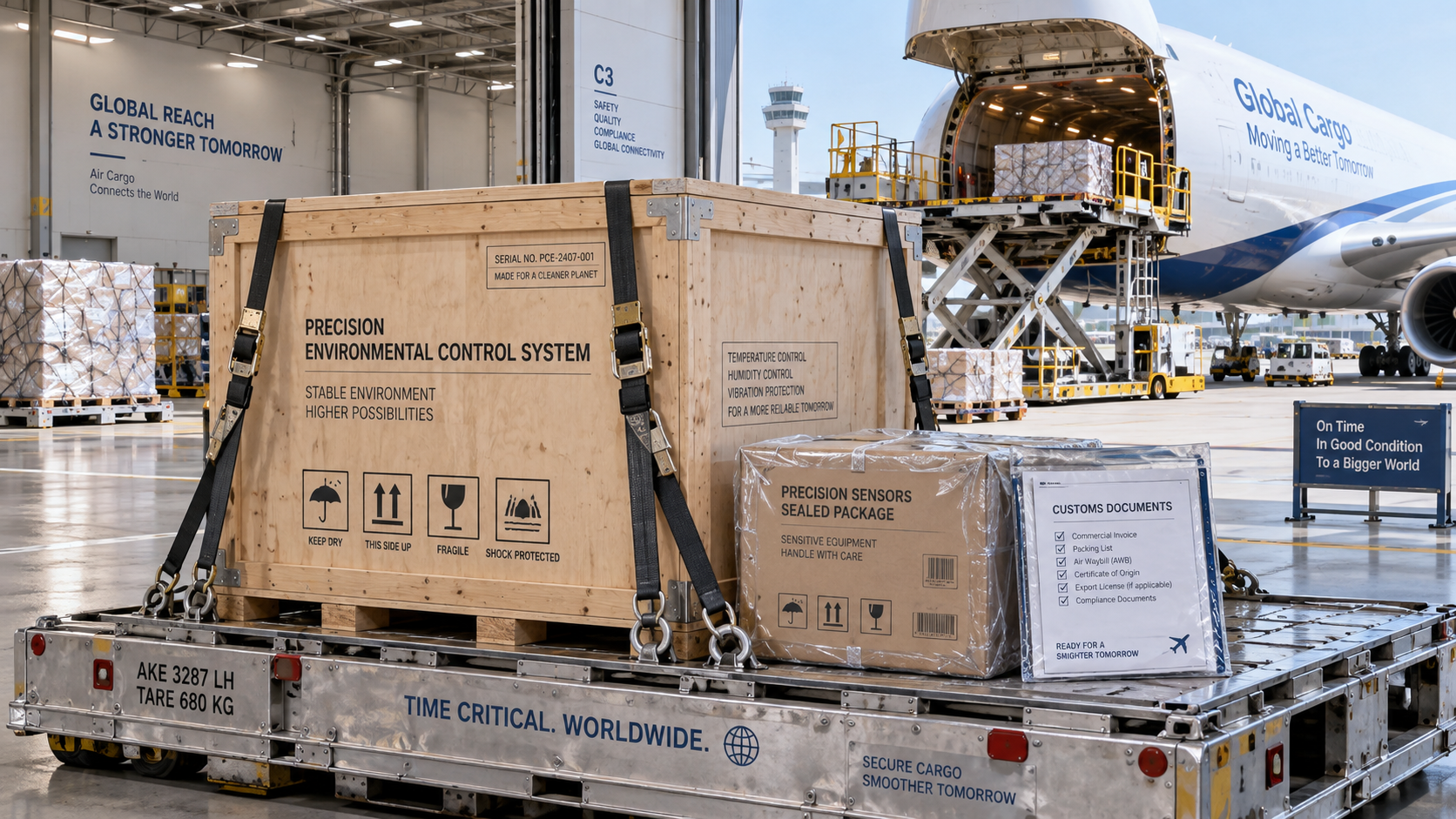
For business evaluators balancing cost control with service resilience, understanding 3PLlogistics is essential.
Outsourcing fulfillment, warehousing, and transport can reduce fixed overhead, improve scalability, and strengthen margin visibility.
Still, the real value appears only when total cost, service levels, and operational fit are measured with discipline.
That matters even more in high-performance sectors, where uptime, cleanliness, traceability, and compliance shape every sourcing decision.
What Makes Up 3PLlogistics Cost

Many companies compare a 3PL quote with internal freight spend and stop there.
That is usually too narrow.
A proper 3PLlogistics review should include direct fees, hidden internal costs, and service failure exposure.
Most 3PLlogistics pricing has six common layers:
- Inbound receiving fees for unloading, inspection, and system entry.
- Storage charges by pallet, bin, shelf, or cubic meter.
- Pick, pack, and handling fees for each order line or carton.
- Transportation costs, including parcel, LTL, FTL, and expedited moves.
- Value-added services such as labeling, kitting, testing, or documentation.
- Technology and account management fees for WMS, dashboards, and reporting.
In practice, the lowest unit price does not always create the lowest total landed cost.
For example, a low storage rate may be offset by higher accessorial fees or slower order turnaround.
This is especially relevant for controlled industrial environments.
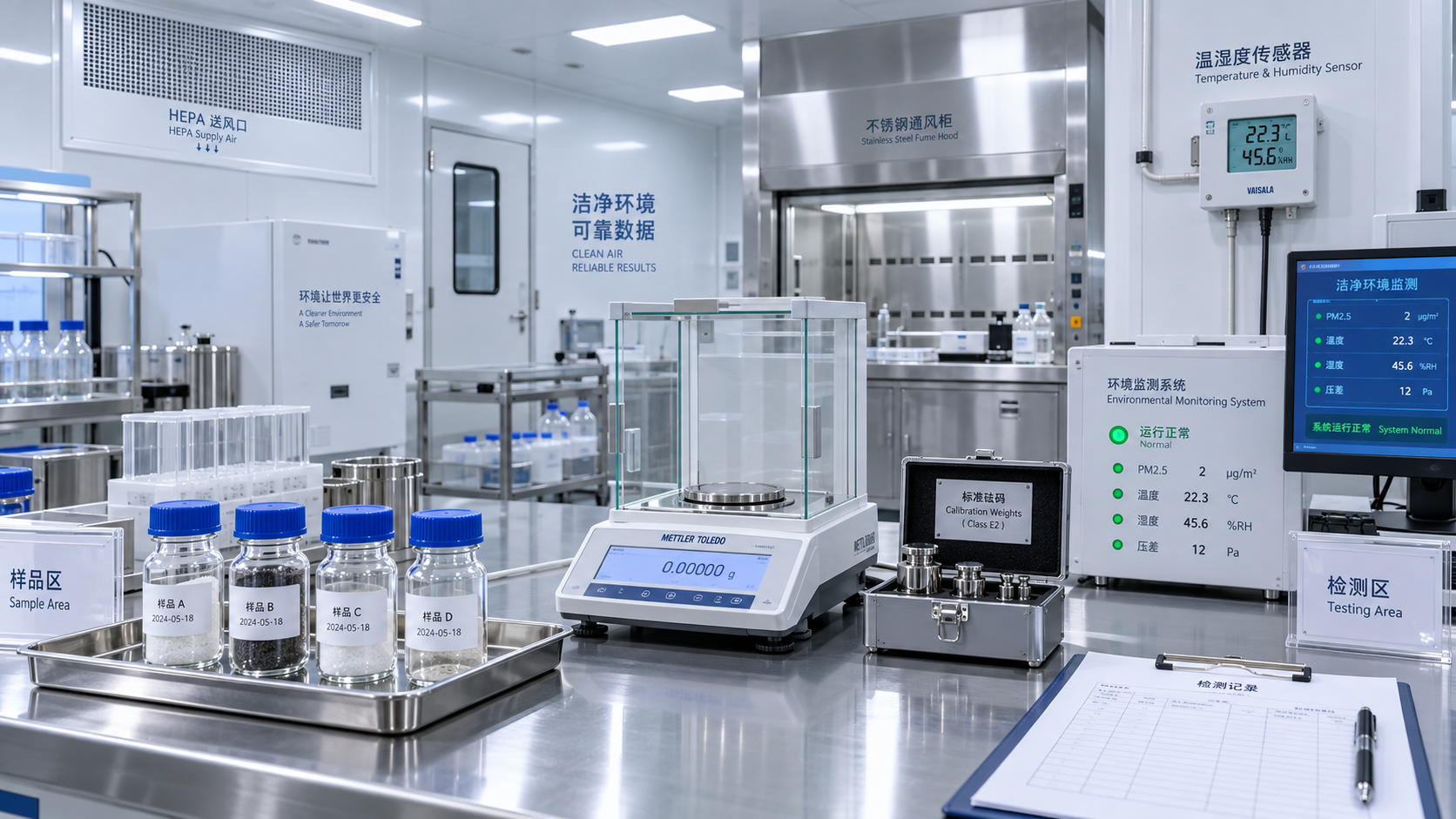
Facilities linked to cleanroom systems, biosafety programs, precision HVAC, or UPW operations often need stricter packaging and traceability support.
The Internal Costs Companies Often Miss
The financial case for 3PLlogistics becomes clearer when internal cost is fully mapped.
Many operations still carry overhead that rarely appears in standard logistics reports.
Common overlooked items include:
- Warehouse lease costs and utility consumption.
- Labor hiring, training, supervision, and overtime swings.
- Equipment maintenance for forklifts, racks, dock tools, and scanners.
- Inventory shrinkage, damage, and claims handling.
- Software licenses, integrations, and reporting support.
- Compliance effort for documentation, audits, and customer scorecards.
From a margin perspective, fixed cost is often the biggest issue.
When demand falls, internal logistics cost does not shrink quickly.
A 3PLlogistics model converts part of that burden into variable cost.
That flexibility can protect margin during demand volatility, project delays, or regional mix changes.
When Outsourcing Usually Improves Margin
Not every company gains equally from 3PLlogistics.
The strongest business case appears in a few repeatable situations.
1. Demand is seasonal or hard to predict
If order volume rises and falls sharply, internal assets stay underused for much of the year.
A scalable 3PLlogistics network absorbs peaks without forcing permanent cost growth.
2. Service coverage needs to expand fast
Entering new regions usually requires more nodes, more carriers, and faster inventory positioning.
3PLlogistics providers can shorten that setup timeline and lower capital commitment.
3. Logistics complexity is rising
Growth in SKUs, returns, documentation, or temperature sensitivity increases execution risk.
A specialized 3PLlogistics partner may already have the processes, labor design, and controls in place.
4. Working capital needs attention
Outsourcing can reduce inventory duplication and improve order cycle performance.
That supports better cash conversion, which often matters as much as pure freight savings.
When 3PLlogistics Can Hurt Margin
Outsourcing is not automatically cheaper.
In some cases, 3PLlogistics adds cost faster than it adds value.
Warning signs usually include the following:
- Stable, high-density volume in a single region.
- Very simple order flows with little service variation.
- Heavy customization that requires constant engineering input.
- Weak provider visibility, poor SLA design, or unclear charge rules.
- Sensitive products needing rare handling standards that few providers can support.
This last point matters in advanced industrial settings.
If shipments relate to contamination control, biosafety barriers, or precision thermal equipment, errors can be expensive.
In those environments, service failure cost may outweigh transport savings very quickly.
How to Evaluate 3PLlogistics Total Cost
A good evaluation framework should be simple, comparable, and practical.
Start with a side-by-side model for current state and outsourced state.
Then test at least three scenarios.
Use a base case, a peak-demand case, and a disruption case.
This reveals whether 3PLlogistics savings are structural or only temporary.
It also shows whether the provider supports resilience, not just lower average cost.
Questions to Ask Before Signing
A strong 3PLlogistics decision depends on asking sharper questions early.
- Which fees are fixed, variable, seasonal, or indexed?
- Which accessorial charges are triggered most often?
- What service levels are guaranteed, measured, and financially enforced?
- How are exceptions handled, escalated, and reported?
- Can the provider support regulated or technical handling requirements?
- What integration effort is needed for ERP, WMS, and customer portals?
Recent market shifts make these questions more important.
Carrier volatility, labor pressure, and compliance demands keep changing the true cost picture.
That also means a good 3PLlogistics contract should be transparent enough to survive change.
A Practical Decision Rule
A simple rule works well.
Choose 3PLlogistics when it improves margin, preserves service, and reduces operational strain at the same time.
If only one of those outcomes appears, the case is usually incomplete.
For technical industries, add one more filter.
The provider must fit the operational reality of sensitive equipment, validated workflows, and audit-grade traceability.
That is where financial logic meets execution reality.
In other words, the best 3PLlogistics model does more than cut visible cost.
It improves control, supports growth, and protects margin under pressure.
A disciplined review of total cost, service fit, and downside risk will reveal whether outsourcing truly pays off.
Start with the full cost map, pressure-test the assumptions, and compare providers with the same decision framework.
That approach makes 3PLlogistics a margin tool, not just a procurement line item.
Get weekly intelligence in your inbox.
No noise. No sponsored content. Pure intelligence.
 Oct 21, 2026How often is cleanroom certification required under ISO 14644-2?Cleanroom Certification is generally recommended annually under ISO 14644-2. Learn when risk-based extensions apply and which changes trigger earlier testing to plan with confidence.
 Oct 21, 2026FASEB Comments on NIH Draft Policy for Research Involving BiohazardsFASEB comments on NIH’s draft biohazard research policy call for risk-based biosafety oversight. Explore potential implications for laboratories, suppliers, and compliance teams.
 Oct 20, 2026How to disinfect ultrasound machines without damaging surfacesLearn how to disinfect ultrasoundmachines without surface damage. Explore compatible products, wet contact times, and probe care to protect patients and equipment.
 Oct 20, 2026Ultrapure Water in Semiconductor Manufacturing: Reuse and Quality Control InsightsExplore ultrapure water reuse in semiconductor manufacturing, key UPW quality benchmarks and analytical insights to help evaluate suppliers and protect process purity.
 Oct 19, 2026How cooling affects warpage in injection-molded consumer electronics housingsOptimize plastic injection molding for consumer electronics with cooling strategies to reduce housing warpage and improve assembly fit. Discover practical checks for stable, efficient production.
 Oct 18, 2026Can air leaks prevent a dehumidifier from holding its target dew point?Why can't our dehumidifier maintain the target dew point? Discover how air leaks increase moisture loads, spot hidden faults, and find practical fixes to restore reliable dew-point control.
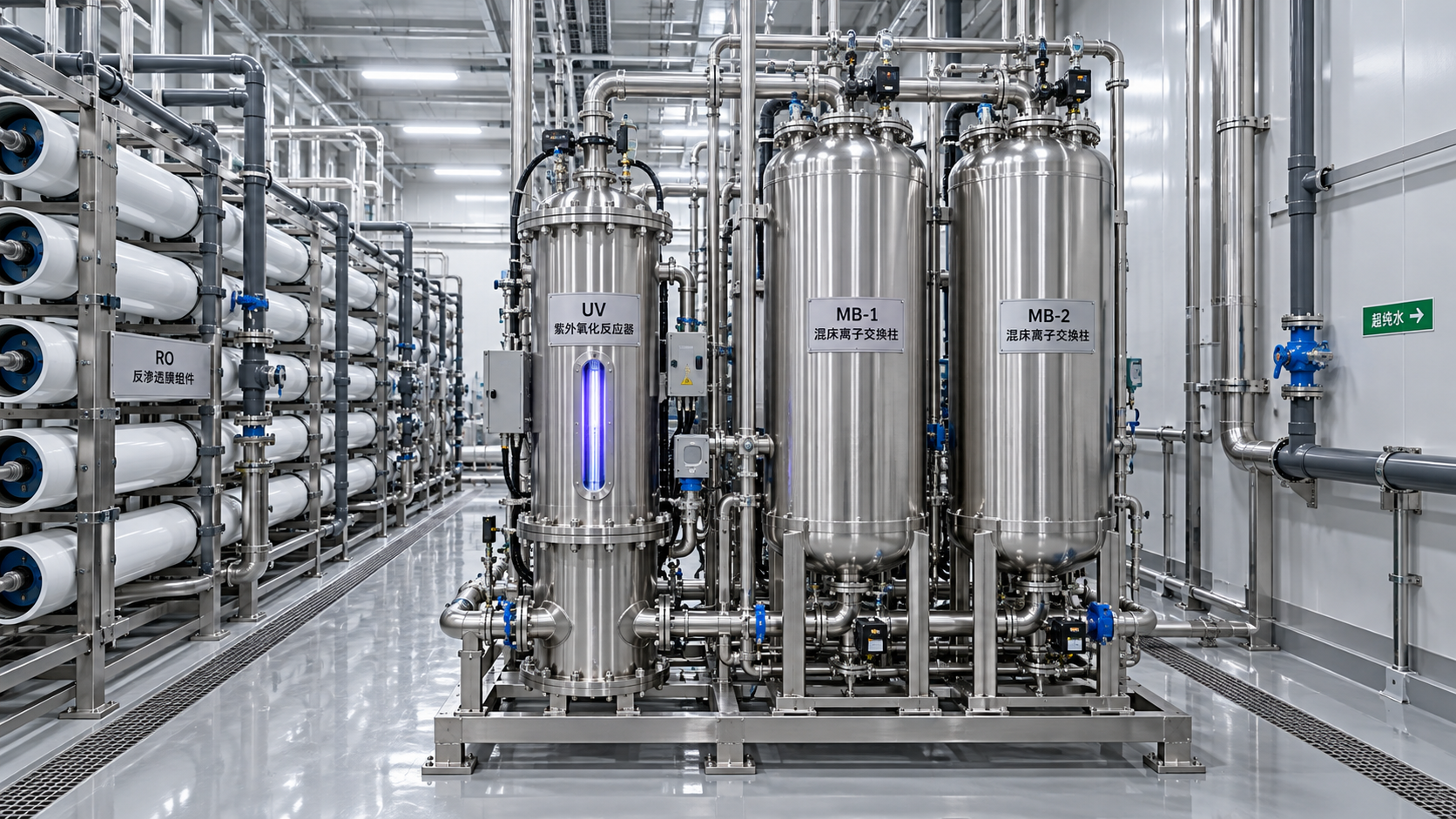
 Oct 17, 2026How semiconductor process water treatment removes trace organicsSee how semiconductor process water treatment removes trace organics with RO, UV oxidation, and polishing. Learn how TOC monitoring helps verify purity and pinpoint contamination.
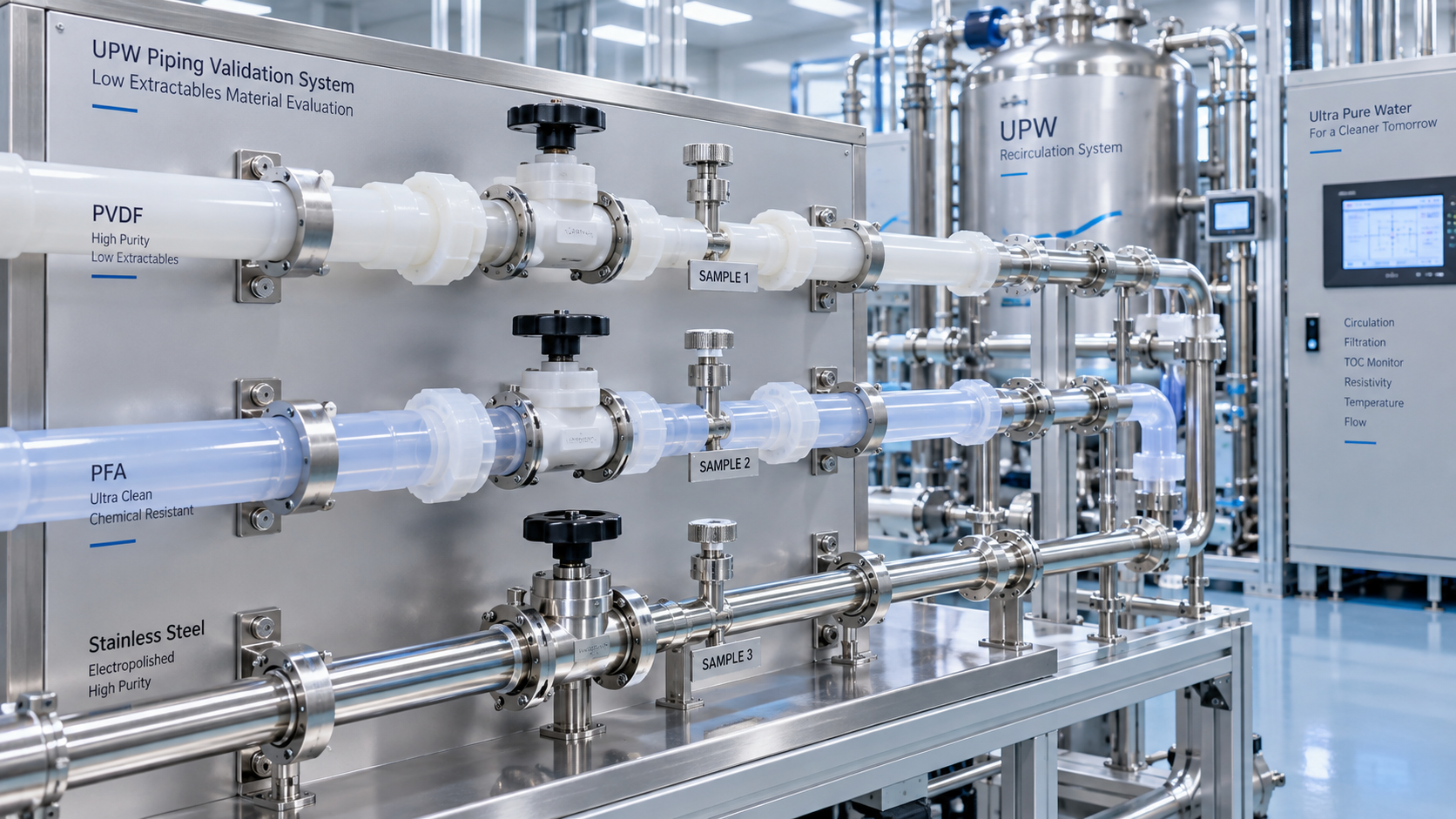
 Oct 16, 2026How to choose ultra pure water piping materials to limit leachingChoose ultra pure water piping with confidence. Compare PVDF, PFA, and stainless steel, assess leaching risks, and learn how to qualify your system for reliable purity.
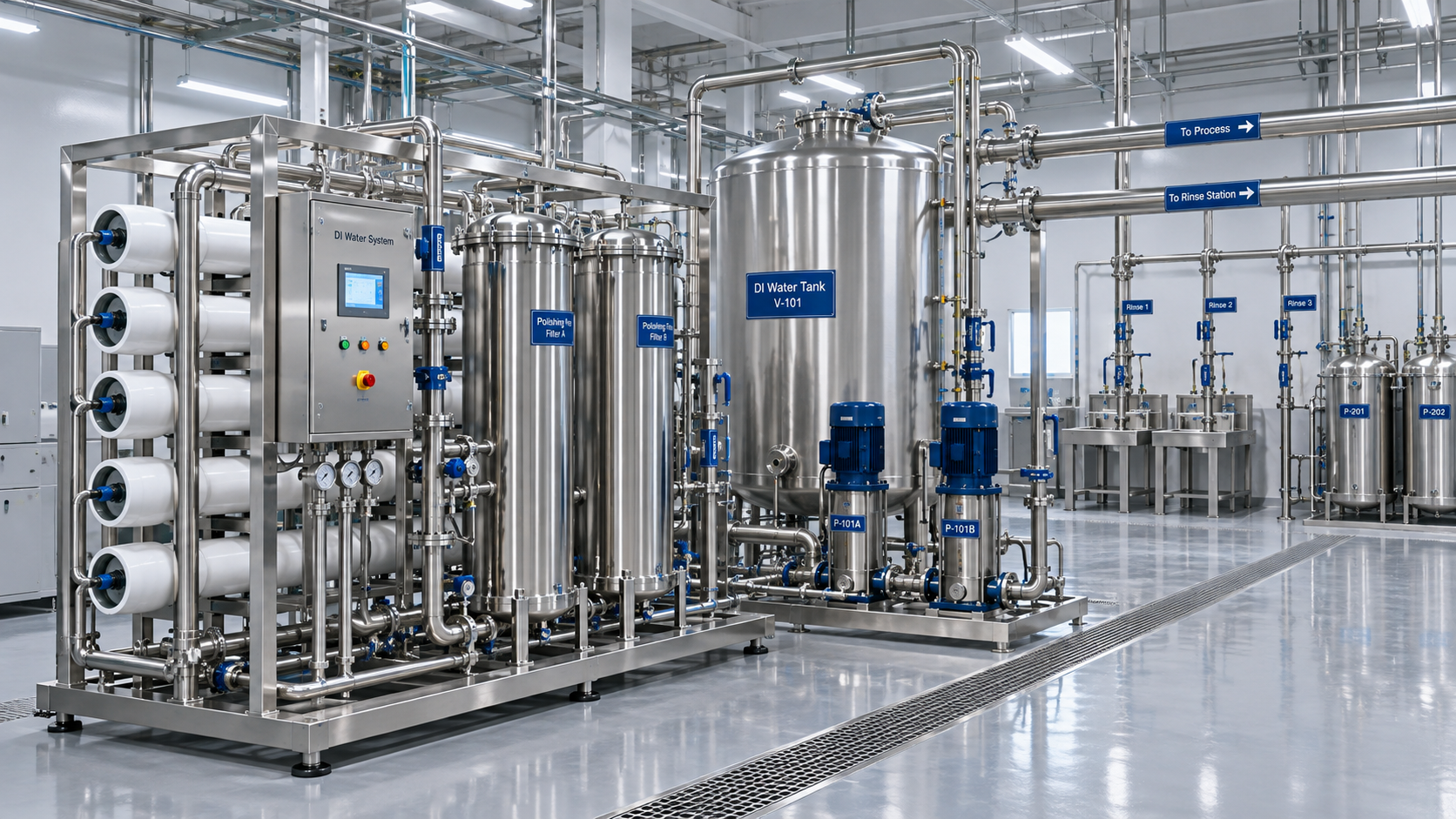
 Oct 15, 2026How to size a skid-mounted deionized water system for peak demandCompare deionized water systems skid configurations for peak demand. Learn how to balance production, storage, and pump capacity to prevent shortages and avoid costly oversizing.
 Oct 14, 2026When is collaborative laboratory robotics suitable for sample sorting?Explore when collaborative laboratory robotics suits sample sorting. Discover key checks for safety, traceability, container compatibility, and throughput before choosing your solution.
 Oct 13, 2026How sandwich panel joints affect airtightness in cleanroom systemsCleanroom Systems sandwich panels need reliable joints for airtightness. Discover how gaskets, sealants, and testing help reduce leakage and protect cleanroom pressure control.
 Oct 12, 2026How to verify USP compliance for ultra pure water systemsUltra Pure Water Systems USP compliance: learn how to verify water quality, sampling, sanitization, trends, and validation controls at every point of use.
 Oct 11, 2026How tight temperature control prevents cleanroom process driftCleanroom process temperature control systems prevent costly drift by stabilizing critical conditions, improving repeatability, and protecting sensitive production workflows.
 Oct 10, 2026When does organic contaminant removal require TOC treatment?Organic contaminant removal requires TOC treatment when dissolved organics threaten product quality, equipment reliability, or process control. Learn how to assess risks and choose the right solution.
 Oct 08, 2026What affects lead times for sheet metal bending services in Canada?Sheet metal bending services Canada: discover how material supply, tooling, tolerances, finishing, documentation, and freight affect lead times for reliable project delivery.
 Oct 07, 2026How HVAC design for semiconductor fabs prevents airborne contaminationHVAC design for semiconductor fabs prevents airborne contamination through advanced filtration, pressure cascades, airflow control, and real-time monitoring. Explore key strategies for cleaner, more reliable wafer production.
 Oct 06, 2026How photovoltaic modules waterproof technology prevents moisture damagephotovoltaic modules waterproof technology prevents moisture damage with durable seals, drainage, and junction-box protection. Explore practical selection and testing insights.
 Oct 05, 2026How ISO 14644 Europe requirements affect cleanroom qualificationISO 14644 Europe requirements shape cleanroom qualification, from particle classification and recovery testing to monitoring, GMP alignment, and change control.
 Oct 04, 2026How to assess a pharmaceutical cleanroom solutions supplier’s ISO capabilityPharmaceutical Cleanroom Solutions supplier assessment guide: evaluate ISO 14644 capability, validation evidence, airflow design, documentation, and long-term GMP readiness.
 Oct 03, 2026What EU standards govern the design of BSL-3 laboratories in Europe?BSL-3 laboratories Europe: explore EU directives, EN standards, HVAC containment, commissioning, and practical design strategies for compliant, resilient high-containment facilities.
 Oct 02, 2026How EN 1822 defines HEPA filtration efficiency for cleanroomsHEPA filtration EN 1822 explained: learn how MPPS testing, local leakage limits, and filter classes support reliable cleanroom decisions.
 Oct 01, 2026How pharmaceutical process water systems control microbial riskProcess water systems pharmaceutical teams rely on can control microbial risk through hygienic design, monitoring, and validated sanitization. Explore practical compliance strategies.
 Sep 30, 2026When does a negative pressure laboratory need BSL-3 containment?Negative pressure laboratory or BSL-3? Discover the risk factors, engineering controls, and containment requirements needed for safe, compliant laboratory planning.
 Sep 29, 2026How to evaluate a TOC-zero water treatment supplier for UPW systemsChoose a TOC-zero water treatment supplier with confidence. Compare UPW performance, monitoring, validation, materials, service capability, and lifecycle cost.
 Sep 28, 2026What drives sustainable cooling cost in high-precision facilities?Sustainable cooling cost in high-precision facilities depends on thermal stability, energy, water, controls, and resilience. Explore smarter lifecycle strategies.
 Sep 27, 2026How to compare freight forwarding services for time-critical shipmentsCompare freight forwarding services for time-critical shipments with practical insights on routing, customs, visibility, specialized handling, and contingency planning.
 Sep 26, 2026How environmental integrity in laboratories supports reliable test resultsEnvironmental Integrity in laboratories safeguards samples, instruments, and staff. Discover practical controls for contamination, monitoring, and reliable test results.