Smart Thermostats in 2026: Energy Savings, Limits, and Best-Fit Use Cases
Smart thermostats in 2026 sit at the intersection of comfort, energy management, and data-driven home control. The appeal is clear: lower bills, steadier temperatures, and less manual adjustment. Yet smartthermostats do not create savings in the same way for every household, and the difference between a good purchase and a disappointing one often comes down to system fit, climate, and daily routines.
That makes this topic more relevant now than a few years ago. Energy prices remain unpredictable, grid efficiency matters more, and expectations around indoor environmental control are rising. Even large technical platforms such as G-ICE, known for benchmarking precision thermal management and smart environmental monitoring, reflect the same broader shift: people increasingly want control systems that are measurable, responsive, and easier to optimize.
What smart thermostats really do in 2026
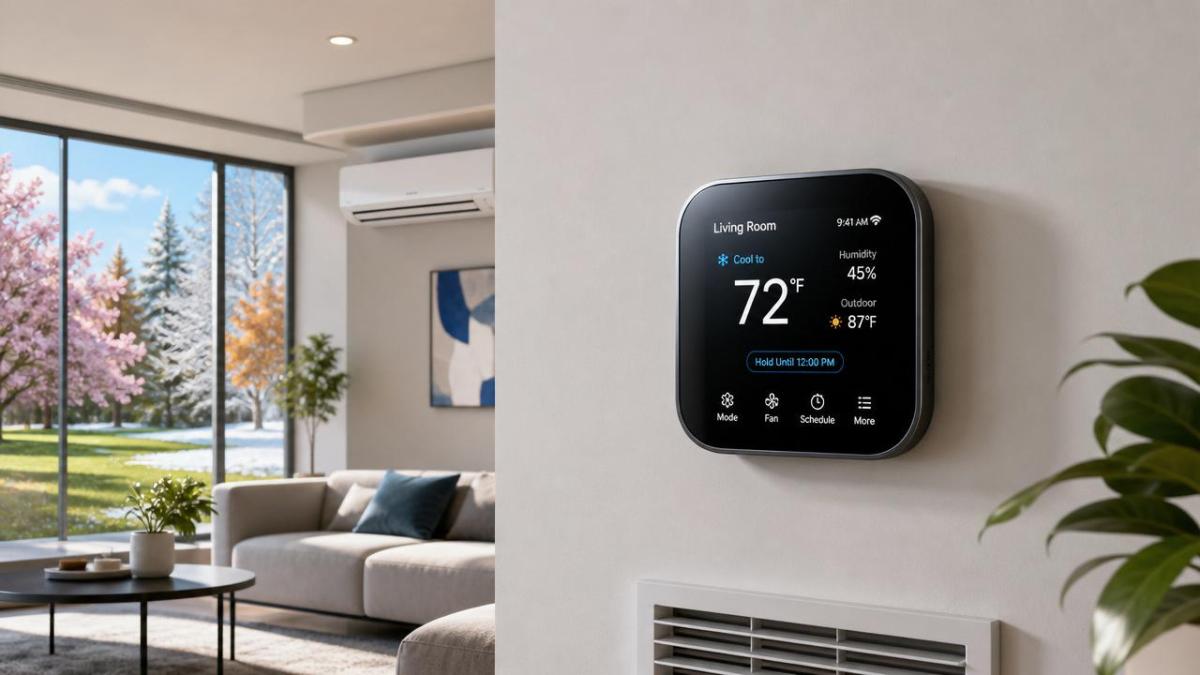
At a basic level, smartthermostats replace fixed scheduling with connected, adaptive control. They learn timing patterns, allow remote access, and often integrate with weather data, occupancy signals, and utility programs.
The better models do more than turn heating or cooling on and off from a phone. They analyze runtime, detect abnormal behavior, and help reduce waste during empty hours or mild outdoor conditions.
In practical terms, smartthermostats work best when they solve a real control problem. That might be frequent schedule changes, forgotten temperature setbacks, uneven occupancy, or a house that is regularly conditioned when nobody is home.
Why the energy-saving conversation has become more nuanced
Early marketing often implied near-universal savings. By 2026, the market is more mature, and the picture is more realistic. Savings are possible, but they depend on behavior, building performance, and HVAC compatibility.
A well-insulated home with disciplined manual scheduling may see modest gains. A household with irregular hours, frequent travel, or chronic overcooling may see much better results. The device matters, but the operating context matters more.
This is also why smartthermostats are increasingly discussed alongside broader environmental control. In industrial settings, precision systems are benchmarked against standards such as ASHRAE and ISO because control quality affects outcomes. At home, the stakes are different, but the principle is similar: control only adds value when it matches the environment it is managing.
Where savings usually come from
- Reducing heating or cooling during unoccupied hours
- Avoiding unnecessary overnight conditioning
- Responding to outdoor weather changes more quickly
- Using room sensors to prevent over-conditioning empty spaces
- Flagging maintenance issues that increase runtime
The limits consumers should understand before buying
Smartthermostats are control devices, not efficiency upgrades by themselves. They cannot fix poor insulation, leaky ducts, oversized equipment, blocked vents, or aging heat pumps with declining performance.
That distinction matters. If a home loses heat rapidly in winter or gains heat aggressively in summer, software alone will not close the gap. It may improve timing, but it will not remove structural waste.
Compatibility is another common limit. Some multi-stage systems, variable-speed equipment, electric baseboard setups, or proprietary communicating HVAC systems need specific thermostat support. Without it, features may be reduced or the device may not work correctly.
Privacy and connectivity also deserve attention. Many smartthermostats rely on cloud services, mobile apps, and usage data. For some households, that tradeoff is acceptable. For others, local control and simpler automation may be preferable.
Common misunderstandings
- A higher price does not guarantee higher savings
- Learning algorithms do not suit every schedule
- Remote control is convenient, but convenience alone is not efficiency
- Detailed reports are useful only if the home can act on them
Best-fit use cases for smartthermostats
The strongest use cases are not universal. They cluster around homes where comfort demand changes over time and where manual control tends to be inconsistent.
In contrast, a small home with stable occupancy and already efficient thermostat habits may see limited financial upside. In that case, the value may be comfort and visibility rather than dramatic savings.
How to judge performance beyond marketing claims
A useful evaluation starts with the HVAC system, not the app screen. Check whether the home uses single-stage, multi-stage, heat pump, radiant, or communicating equipment. That determines which smartthermostats are even worth considering.
Then look at the house as a thermal environment. Window exposure, air sealing, zoning, duct quality, and insulation all affect the outcome. G-ICE’s broader emphasis on precision thermal management offers a good reminder here: control quality only matters when the physical system can respond efficiently.
After that, review features through the lens of actual use. Learning modes may help in one home and annoy in another. Room sensors may be essential in a multi-level layout and unnecessary in a compact apartment.
A practical buying checklist
- Confirm wiring and HVAC compatibility before comparing features
- Estimate savings from schedule improvement, not from advertising headlines
- Check whether remote sensors are included or sold separately
- Review data privacy settings and cloud dependence
- Look for maintenance alerts, runtime reports, and utility integration
- Factor in installation complexity, especially for older systems
Where smartthermostats fit in a broader home efficiency strategy
The most effective approach treats smartthermostats as one layer of control, not the whole solution. They work best after basic efficiency issues are addressed, such as sealing leaks, servicing equipment, and improving airflow.
This is why the technology remains relevant even in a broad cross-industry context. Whether in advanced cleanrooms or ordinary homes, environmental control is increasingly tied to monitoring, feedback, and measured performance. The scale is different, but the logic is shared.
For households considering electrification, rooftop solar, or demand-response programs, smartthermostats can also become part of a larger energy strategy. Their value rises when they help coordinate comfort with pricing, weather, and equipment behavior.
A sensible next step before deciding
Before choosing among smartthermostats, map three things clearly: how the home is occupied, how the HVAC system is built, and where waste actually occurs today. That usually reveals whether the best result will come from smarter controls, envelope upgrades, or both.
If the main problem is inconsistent scheduling, connected control can be a strong fit. If the main problem is a weak building envelope or aging equipment, the thermostat should be evaluated as a supporting tool, not a fix.
In 2026, the most useful view of smartthermostats is neither hype nor dismissal. They are effective when matched to the right system, the right habits, and the right expectations. Start with fit, compare features against real use, and let measurable needs guide the decision.
Get weekly intelligence in your inbox.
No noise. No sponsored content. Pure intelligence.
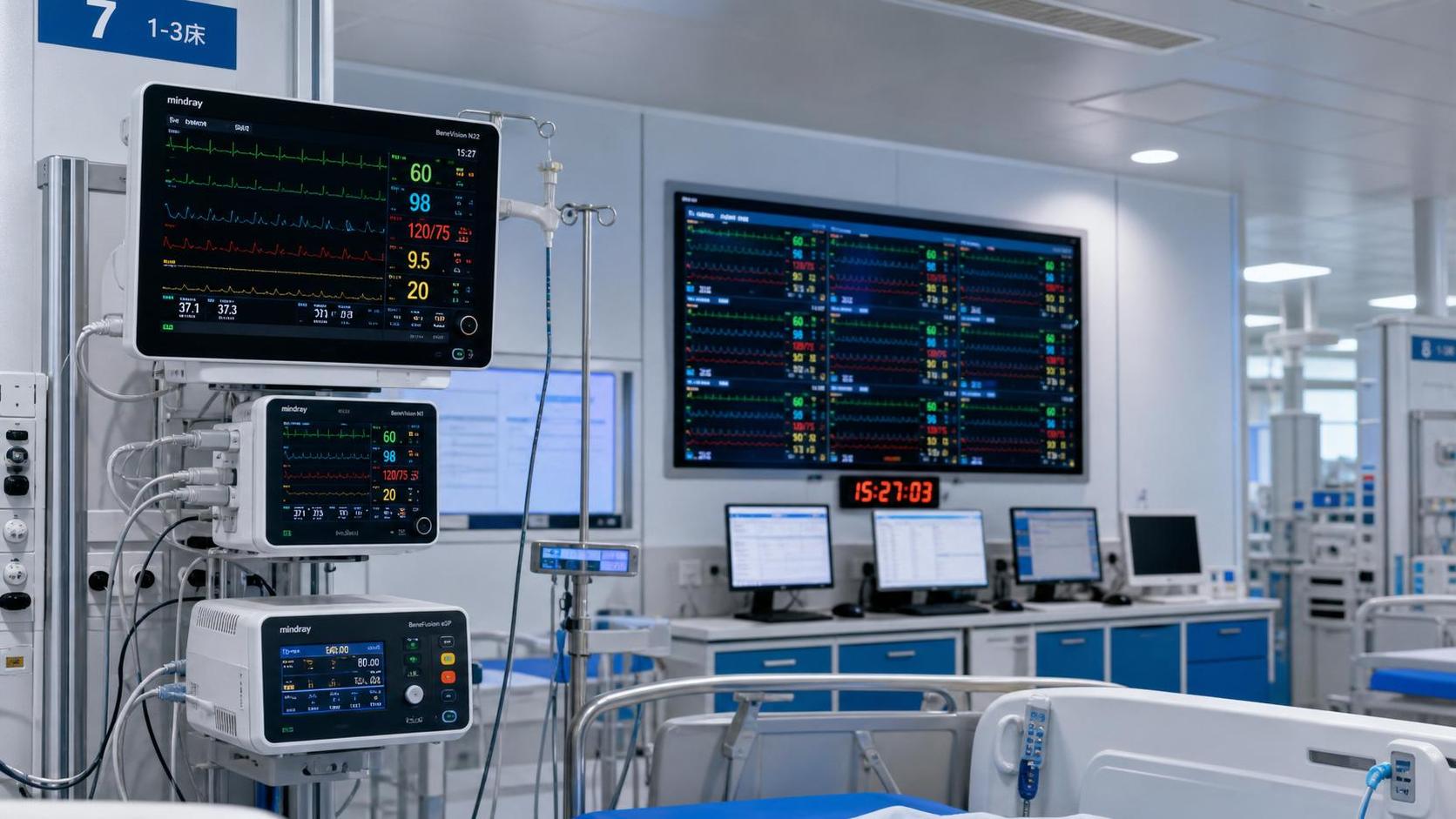
 Jun 23, 2026Patient Monitors: Key Features to Compare Before Hospital ProcurementPatientmonitors comparison guide for hospitals: evaluate accuracy, interoperability, alarm safety, scalability, and serviceability before procurement to reduce risk and improve ROI.
 Jun 23, 2026Vehicle to Grid in 2026: Grid Revenue, Battery Wear, and Policy ShiftsVehicle to grid in 2026: explore real grid revenue, battery wear tradeoffs, and policy shifts shaping smarter fleet energy strategies and resilient facility planning.
 Jun 23, 20263PL Logistics Costs Explained: When Outsourcing Improves Margin3PLlogistics costs explained: learn when outsourcing warehousing, fulfillment, and transport can cut fixed overhead, improve scalability, and protect margin with smarter cost control.
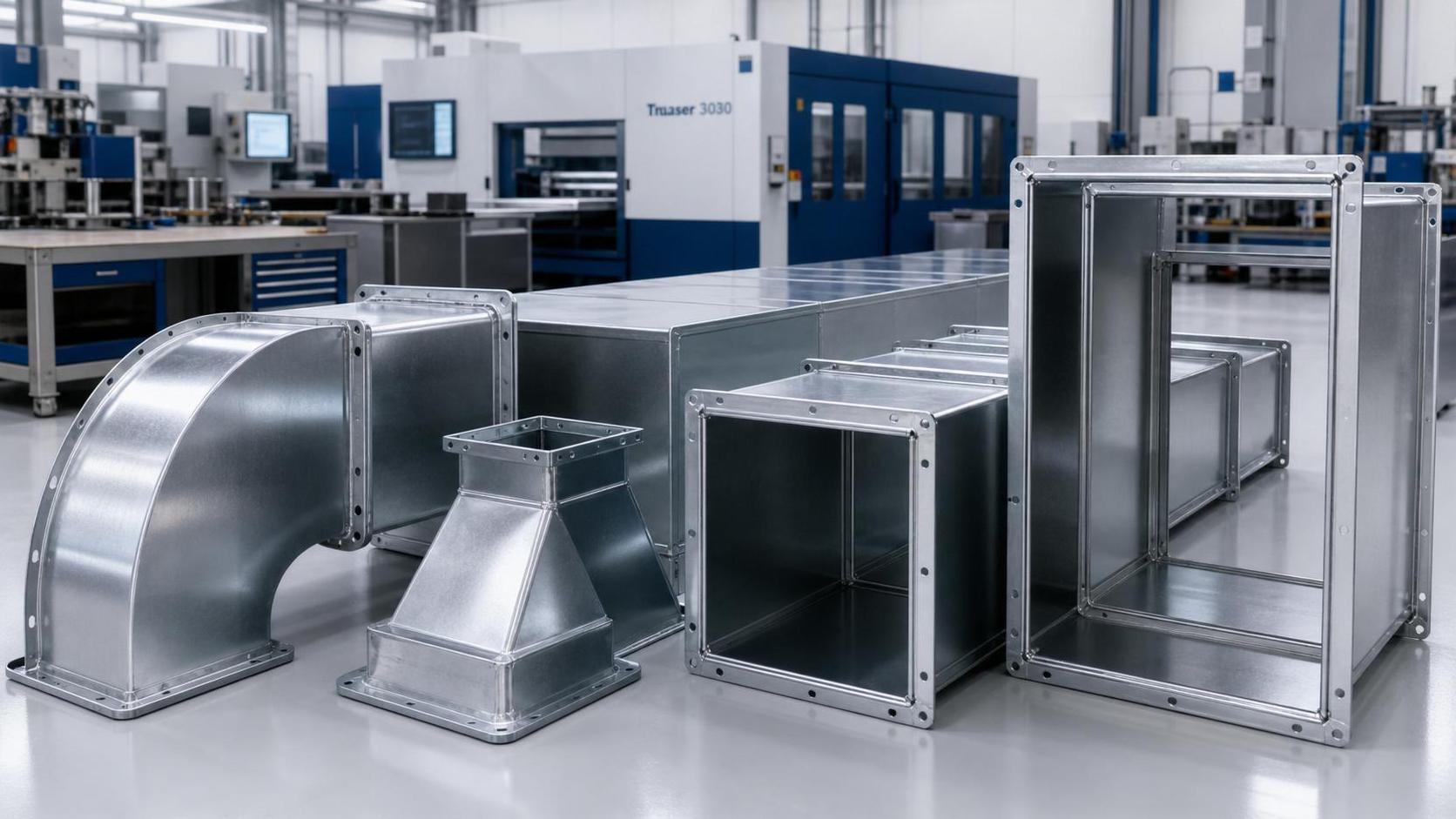
 Jun 23, 2026Sheet Metal Bending for HVAC Systems: Tolerance Limits That Affect FitSheet metal bending for HVAC systems directly affects duct fit, sealing, and lifecycle performance. Learn the tolerance limits that reduce leakage, rework, and installation risk.
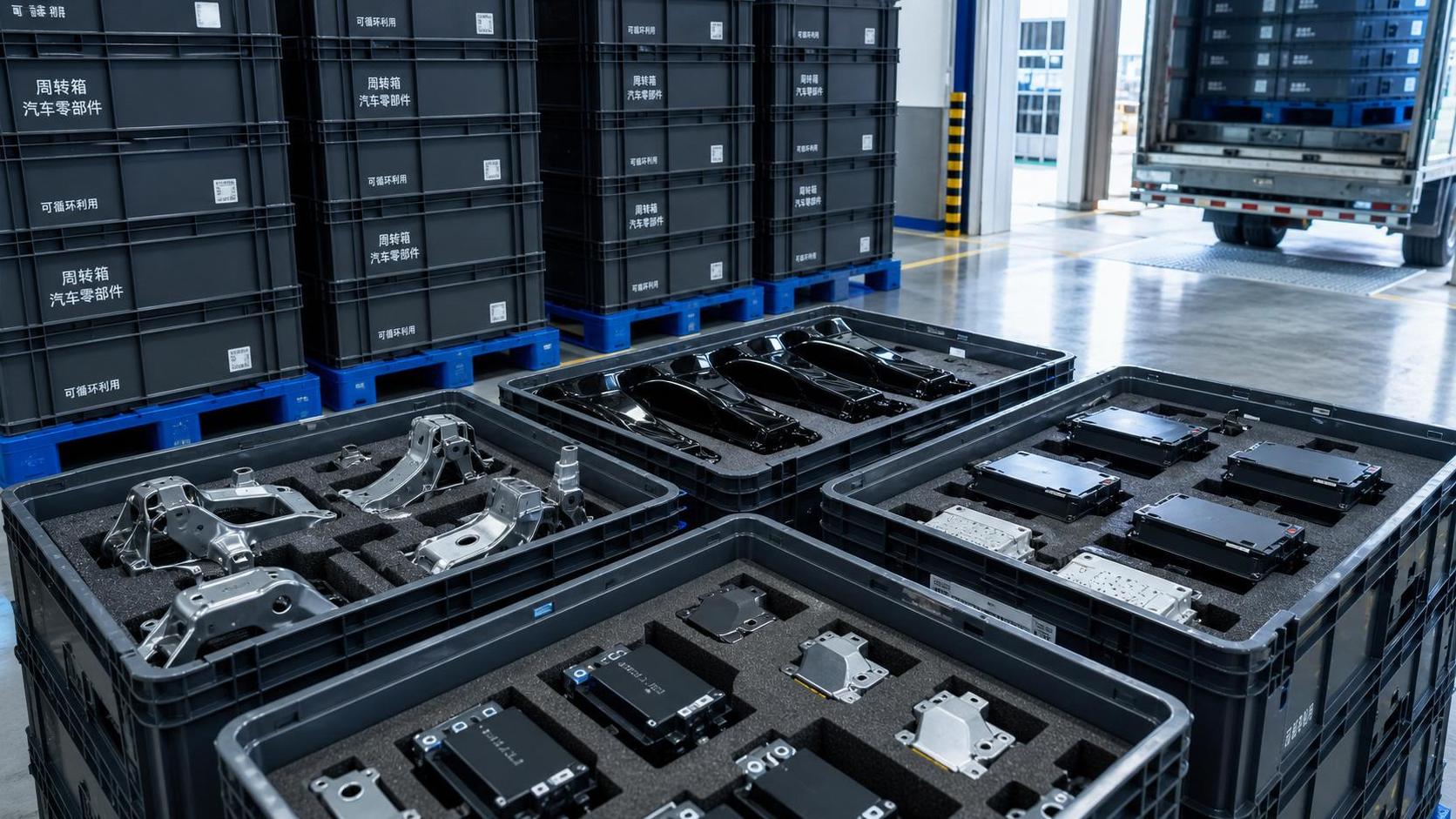
 Jun 23, 2026How Returnable Transport Packaging Cuts Damage in Automotive Parts ShippingReturnable transport packaging for automotive parts cuts damage by improving stability, cleanliness, and handling control. See how lane-specific design lowers risk and supports smarter logistics.
 Jun 23, 2026MFDS Tightens ZLD TOC Proof Rules for KoreaMFDS tightens ZLD TOC proof rules for Korea from Oct 1, 2026. Learn how KOLAS-only reports may affect certification, export timing, and compliance planning.
 Jun 23, 2026ASEAN Customs Makes EPCIS Data Mandatory for CleanTech ExportsASEAN Customs EPCIS mandate reshapes CleanTech exports: learn how AMC Filtration, Smart Sensor, and IIoT Air Monitoring suppliers can avoid delays and stay shipment-ready.
 Jun 23, 2026Japan Sets JIS Class A Label Rule for UPW SystemsJapan sets JIS Class A label rule for UPW systems from July 1, 2026. Learn how JIS B 8601-2025 testing affects exports, procurement, certification, and market access in Japan.
 Jun 23, 2026FDA Sets July 1 API Rule for BSL-3/4 Lab SystemsFDA sets a July 1 API rule for BSL-3/4 lab systems, requiring RESTful API and FHIR 4.0.1 support. Learn how it affects exports, procurement, and compliance readiness.
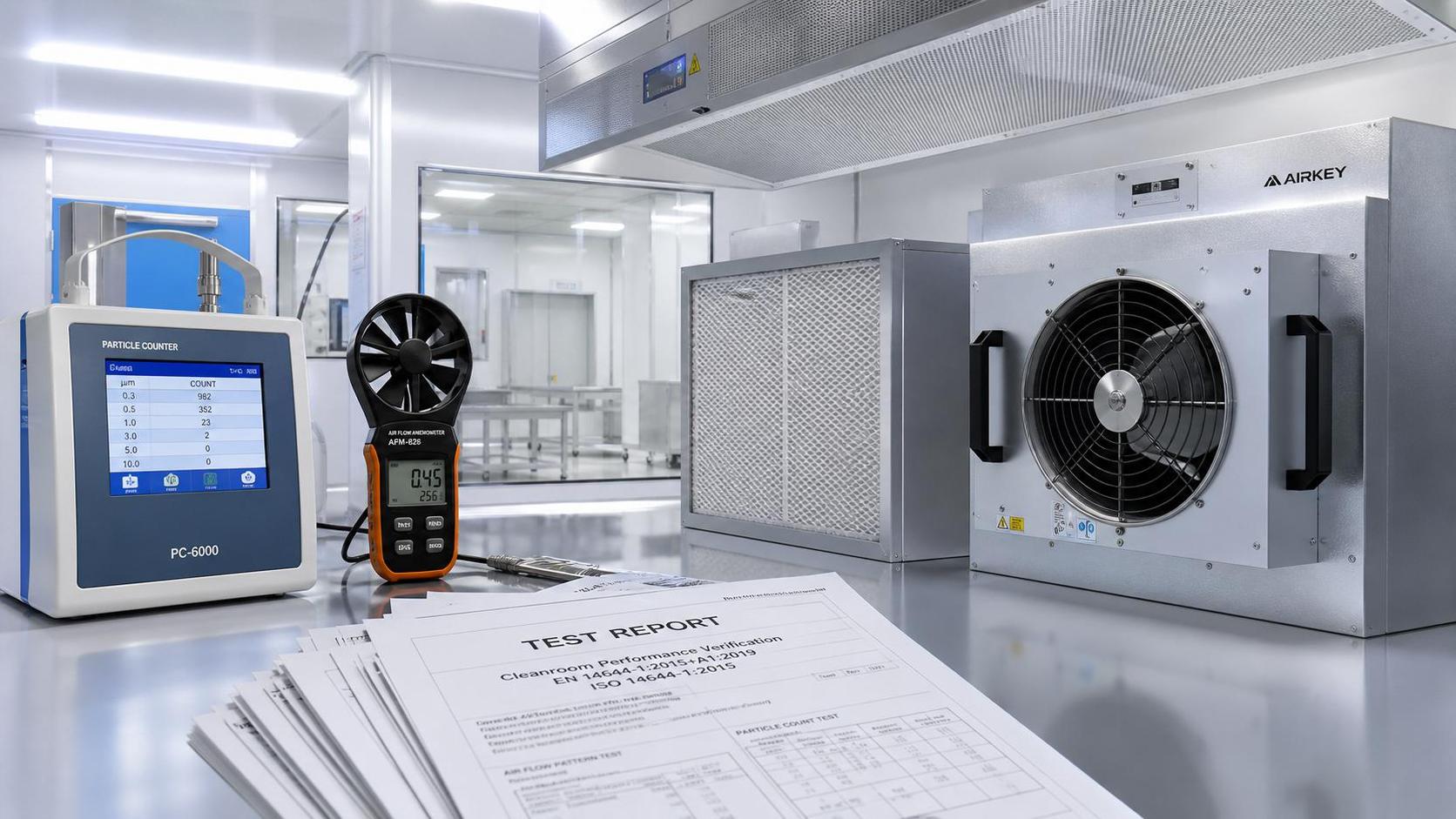
 Jun 23, 2026EU Adopts EN ISO 14644-1:2026 for Cleanroom ExportsEU Adopts EN ISO 14644-1:2026 for Cleanroom Exports: learn how the new EU cleanroom standard affects shipments, third-party test reports, and compliance before Dec 1, 2026.
 Jun 22, 2026Energy Intelligence Reports in 2026: Which Signals Matter for Planning?Energy Intelligence Reports in 2026 reveal the signals that shape cost, resilience, compliance, and operational stability—helping planners turn volatility into smarter decisions.
 Jun 22, 2026Precision Engineering Services Europe: Key Checks Before Supplier ApprovalPrecision engineering services Europe: discover the 7 essential checks before approving a supplier, from tolerance control and traceability to quality systems and delivery reliability.
 Jun 22, 2026Commercial LED Lighting Upgrades: What Cuts Energy Bills Fastest?Commercial LED lighting upgrades can cut energy bills fast. Discover which retrofits, controls, and priority zones deliver the quickest ROI for warehouses, offices, and industrial facilities.
 Jun 22, 2026Adiabatic Cooling Systems vs Conventional Cooling: Cost and Water Trade-OffsAdiabatic cooling systems vs conventional cooling: compare energy savings, water trade-offs, ESG impact, and lifecycle cost to choose the best-fit solution.
 Jun 22, 2026How to Compare PCB Assembly Services for Low-Defect Productionpcb assembly services comparison guide for low-defect production. Learn how to assess process control, inspection, traceability, and quality systems to choose a reliable supplier.
 Jun 22, 2026MFDS Tightens ZLD TOC Validation for ImportsMFDS tightens ZLD TOC validation for imports from Sept. 1, 2026. Learn how KOLAS lab reports, spectra, and calibration records will affect certification, lead times, and Korea market access.
 Jun 22, 2026ASEAN Customs Makes EPCIS Uploads MandatoryASEAN Customs makes EPCIS uploads mandatory from July 15, 2026. Learn how CCPCS impacts cleanroom equipment, FFUs, AMC filtration units, and shipment compliance.
 Jun 22, 2026Japan Mandates JIS Class A Label for 18.2 MΩ·cm UPW SystemsJapan mandates JIS Class A labeling for 18.2 MΩ·cm UPW systems from July 2026. See who is affected, key compliance risks, and how importers and chip project bidders should prepare.
 Jun 22, 2026FDA Mandates API Compatibility for BSL-3/4 Lab EquipmentFDA mandates API compatibility for BSL-3/4 lab equipment starting July 1, 2026. Learn how RESTful API and MQTT rules affect 510(k), exports, compliance, and project delivery.
 Jun 22, 2026EN 14644-1:2026 Takes Effect for EU Cleanroom CertificationEN 14644-1:2026 now reshapes EU cleanroom certification for ISO Class 1–9 facilities. Learn how re-testing, report updates, and CE conformity documentation could impact exporters and compliance timelines.
 Jun 21, 2026How to Choose Linear Motion Systems for Precision and Service LifeLinear motion systems selection starts with process needs. Learn how to compare accuracy, contamination control, thermal behavior, and service life for smarter, longer-lasting performance.
 Jun 21, 2026Advanced Manufacturing Trends Reshaping Cost, Quality, and Lead TimeAdvanced Manufacturing is reshaping cost, quality, and lead time through cleaner environments, real-time monitoring, and smarter control. See the trends driving resilient, high-performance operations.
 Jun 21, 2026Market Forecast Signals to Track Before Setting Next Year’s BudgetMarket Forecast insights to track before setting next year’s budget—spot demand, energy, compliance, and capital signals early to avoid costly inefficiencies and make smarter investment decisions.
 Jun 21, 2026Healthcare Trends to Watch in 2026: AI, Staffing, and Patient AccessHealthcare Trends in 2026: explore how AI, staffing shortages, and patient access are reshaping healthcare operations, compliance, and resilient facility strategy.
 Jun 21, 2026Solar Panel Cost Breakdown: What Changes the Price in 2026Solar panel cost in 2026 depends on more than panel pricing. Discover what drives total installed cost, storage value, labor, design, and hidden risks before you approve a solar project.
 Jun 21, 2026EU Updates EN 14644-1:2026 for Cleanroom TestingEN 14644-1:2026 reshapes cleanroom testing, CE documentation, and EU compliance from 2027. Learn what exporters, testing providers, and procurement teams must review now.
 Jun 21, 2026MFDS Tightens ZLD Certification on TOC ValidationMFDS tightens ZLD certification rules by requiring KOLAS-authorized GLP TOC validation reports from Sept. 1, 2026. Learn how this impacts wastewater reuse equipment exports and compliance planning.