EU Proposes Mandatory Certification for Digital Twin Lab Systems
On 29 May 2026, the European Commission published the draft Mandatory Compliance Certification Framework for Digital Twin Lab Systems. This initiative directly affects manufacturers and suppliers of industrial digital twin platforms—particularly those integrating IIoT air monitoring, control hubs, and data闭环 validation modules—intending to place products on the EU market or deploy them within EU member states from 1 January 2027 onward. The draft introduces binding technical requirements with implications for cybersecurity certification, real-time performance, and data integrity—making it highly relevant for export-oriented hardware and software vendors in automation, smart manufacturing, and environmental monitoring sectors.
Event Overview
On 29 May 2026, the European Commission released the draft Mandatory Compliance Certification Framework for Digital Twin Lab Systems. The document stipulates that, effective 1 January 2027, all Digital Twin Lab platforms deployed or sold in the EU—including IIoT Air Monitoring integrated systems, Digital Twin Lab control hubs, and data闭环 validation modules—must obtain dual certification under EN 62443-4-2 (industrial cybersecurity) and ISO/IEC 17065 (conformity assessment bodies). The draft explicitly defines three mandatory technical thresholds: traceable real-time sensor calibration, model-to-physical system latency ≤100 ms, and immutability of historical data.
Industries and Roles Affected
Export-Oriented Platform Vendors
These companies supply end-to-end Digital Twin Lab systems—including control software, sensor integration layers, and validation modules—to EU-based system integrators or end users. They are directly subject to the certification mandate. Impact arises from the requirement to restructure development workflows to meet EN 62443-4-2’s secure lifecycle management and demonstrate traceable calibration chains—both of which extend time-to-market and increase third-party assessment costs.
IIoT Sensor and Module Suppliers
Vendors providing air monitoring sensors, edge controllers, or time-synchronized data acquisition units embedded in certified platforms face upstream compliance pressure. Though not directly named as “certification applicants”, their components must support ≤100 ms end-to-end latency and enable cryptographic audit trails for historical data—requirements that may necessitate firmware updates, timestamping hardware revisions, or new calibration documentation protocols.
CE Marking Service Providers & Notified Bodies
Organisations offering CE conformity support—including testing labs, certification consultants, and notified bodies accredited under ISO/IEC 17065—will see increased demand for combined EN 62443-4-2 + data integrity assessments. However, the draft does not yet designate specific EU-accredited bodies for Digital Twin Lab evaluation, creating uncertainty around assessment capacity and scope alignment.
What Enterprises and Practitioners Should Monitor and Do Now
Track official feedback deadlines and finalisation timeline
The draft is open for stakeholder consultation until 30 September 2026. Final adoption is expected by Q1 2027, but timing remains conditional on technical feasibility reviews. Exporters should monitor the EU’s EUR-Lex portal and official notices from the Joint Research Centre (JRC) for updates on transition periods or phased implementation.
Map current platform architecture against the three mandatory technical criteria
Specifically assess: (1) whether sensor calibration procedures include documented metrological traceability to national standards; (2) whether measured end-to-end latency across model execution, physical actuation, and feedback loops meets ≤100 ms under worst-case load; and (3) whether historical data storage implements write-once-read-many (WORM) or blockchain-anchored immutability—not merely application-level logging.
Engage early with accredited conformity assessment bodies
While no body is yet designated for Digital Twin Lab certification, several EN 62443-4-2–accredited labs (e.g., TÜV Rheinland, DEKRA, SGS) have publicly signaled readiness to develop evaluation methodologies. Companies should initiate scoping discussions now—not to secure pre-certification, but to identify gaps in documentation, test coverage, and evidence generation.
Distinguish between policy signal and operational mandate
Analysis shows this draft functions primarily as a regulatory signal rather than an immediately enforceable rule. Its technical thresholds—especially the 100 ms latency and immutable history requirements—are unprecedented in scope for general-purpose lab platforms. From industry perspective, these reflect emerging EU priorities around verifiable AI-physical interaction and cyber-resilient infrastructure, not just incremental CE alignment.
Editorial Perspective / Industry Observation
Observably, this framework signals a structural shift in how the EU treats digital-physical convergence tools—not as generic IT or industrial equipment, but as safety- and integrity-critical infrastructure. It more closely resembles regulatory treatment applied to medical device software or autonomous vehicle control systems than traditional machinery directives. Current status is clearly pre-implementation: no enforcement date is active, no accreditation scheme exists, and key definitions (e.g., “Digital Twin Lab platform”) remain open to interpretation. That said, the inclusion of time-bound latency and cryptographic data integrity marks a departure from prior harmonised standards—and suggests future regulations for AI-enabled industrial systems will prioritise demonstrable real-time fidelity and auditability over functional equivalence alone.
This development underscores a broader trend: digital twin deployments in regulated environments are increasingly treated as ‘cyber-physical systems’ requiring holistic assurance—not just software validation or hardware CE marking in isolation. For global suppliers, especially those based outside the EU, the draft serves less as an immediate compliance deadline and more as an early indicator of evolving expectations for transparency, timing guarantees, and evidentiary rigor in industrial digitalisation.
Conclusion
The publication of the EU’s draft Digital Twin Lab certification framework represents a forward-looking regulatory signal—not an operational mandate. It highlights growing EU emphasis on measurable cyber-physical integrity in next-generation industrial platforms. For affected enterprises, the current phase is best understood as a preparatory window: one requiring technical gap analysis, early engagement with assessment partners, and close tracking of consultation outcomes—not immediate certification action. A measured, evidence-led response aligns more closely with the framework’s stated intent than rushed compliance efforts.
Source Attribution
Main source: European Commission, Draft Mandatory Compliance Certification Framework for Digital Twin Lab Systems, published 29 May 2026 (EUR-Lex reference number pending).
Note: Designation of accredited conformity assessment bodies, final technical annexes, and transitional provisions remain pending and require ongoing observation.
Get weekly intelligence in your inbox.
No noise. No sponsored content. Pure intelligence.
 Oct 21, 2026How often is cleanroom certification required under ISO 14644-2?Cleanroom Certification is generally recommended annually under ISO 14644-2. Learn when risk-based extensions apply and which changes trigger earlier testing to plan with confidence.
 Oct 21, 2026FASEB Comments on NIH Draft Policy for Research Involving BiohazardsFASEB comments on NIH’s draft biohazard research policy call for risk-based biosafety oversight. Explore potential implications for laboratories, suppliers, and compliance teams.
 Oct 20, 2026How to disinfect ultrasound machines without damaging surfacesLearn how to disinfect ultrasoundmachines without surface damage. Explore compatible products, wet contact times, and probe care to protect patients and equipment.
 Oct 20, 2026Ultrapure Water in Semiconductor Manufacturing: Reuse and Quality Control InsightsExplore ultrapure water reuse in semiconductor manufacturing, key UPW quality benchmarks and analytical insights to help evaluate suppliers and protect process purity.
 Oct 19, 2026How cooling affects warpage in injection-molded consumer electronics housingsOptimize plastic injection molding for consumer electronics with cooling strategies to reduce housing warpage and improve assembly fit. Discover practical checks for stable, efficient production.
 Oct 18, 2026Can air leaks prevent a dehumidifier from holding its target dew point?Why can't our dehumidifier maintain the target dew point? Discover how air leaks increase moisture loads, spot hidden faults, and find practical fixes to restore reliable dew-point control.
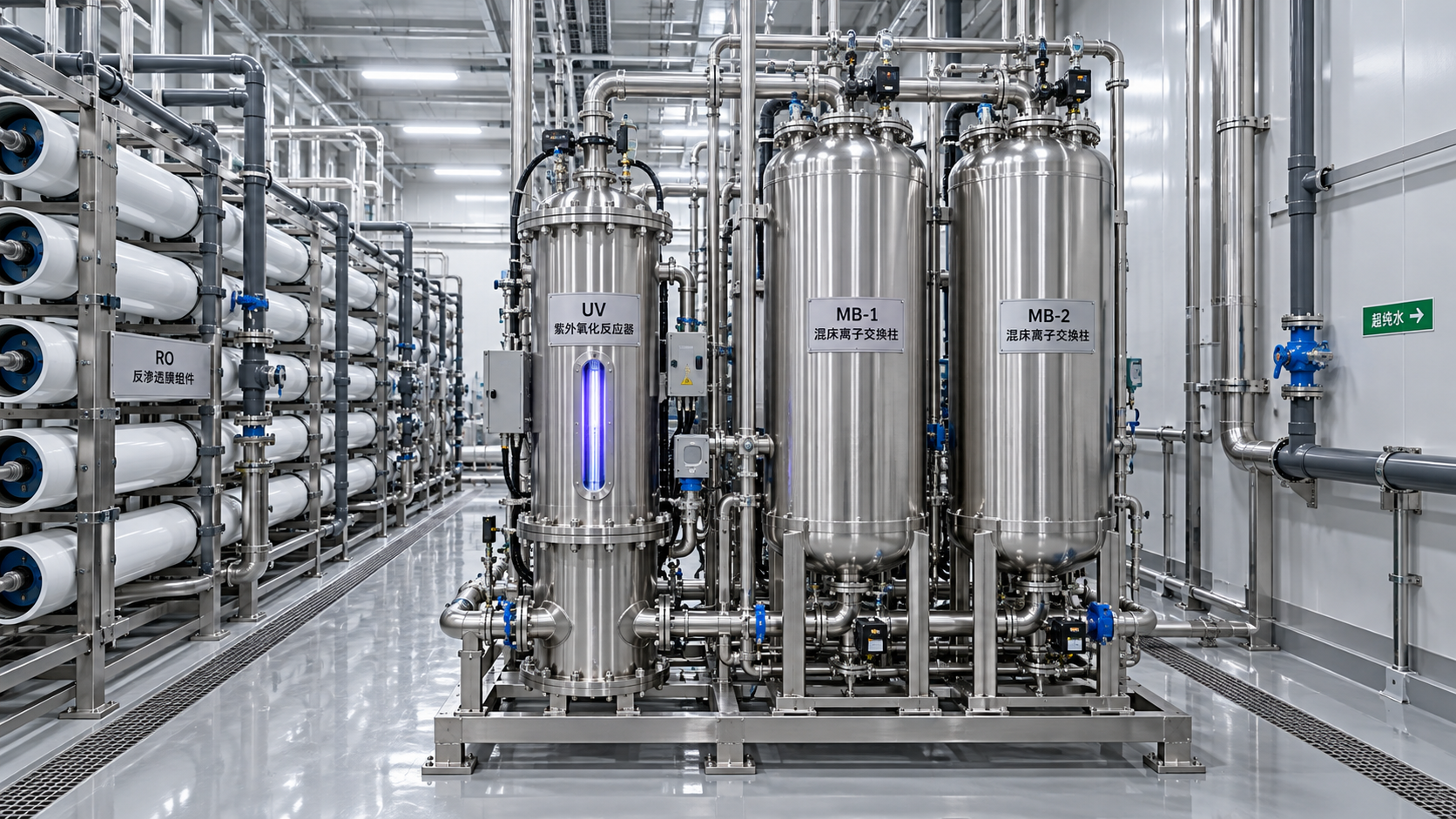
 Oct 17, 2026How semiconductor process water treatment removes trace organicsSee how semiconductor process water treatment removes trace organics with RO, UV oxidation, and polishing. Learn how TOC monitoring helps verify purity and pinpoint contamination.
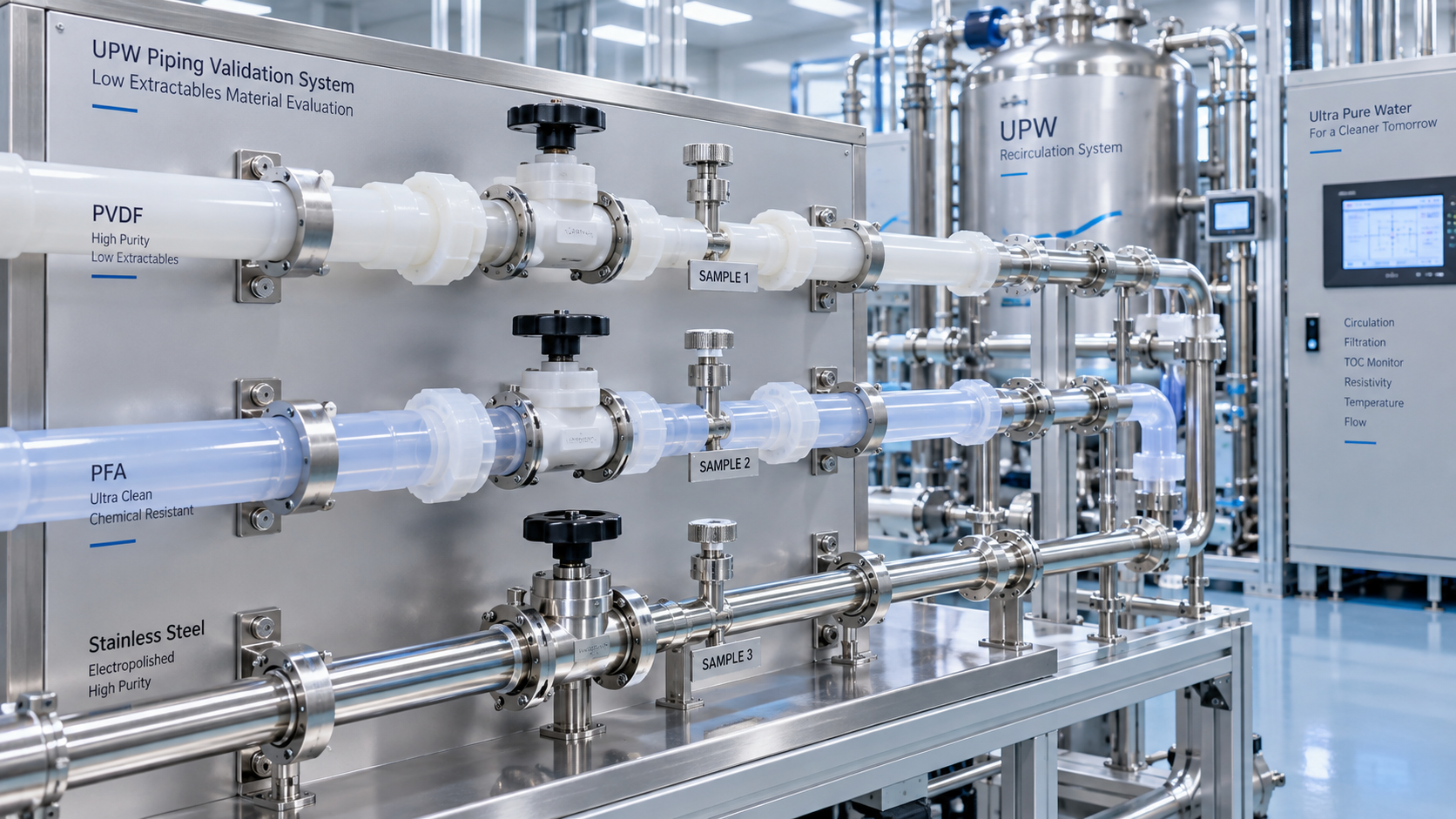
 Oct 16, 2026How to choose ultra pure water piping materials to limit leachingChoose ultra pure water piping with confidence. Compare PVDF, PFA, and stainless steel, assess leaching risks, and learn how to qualify your system for reliable purity.
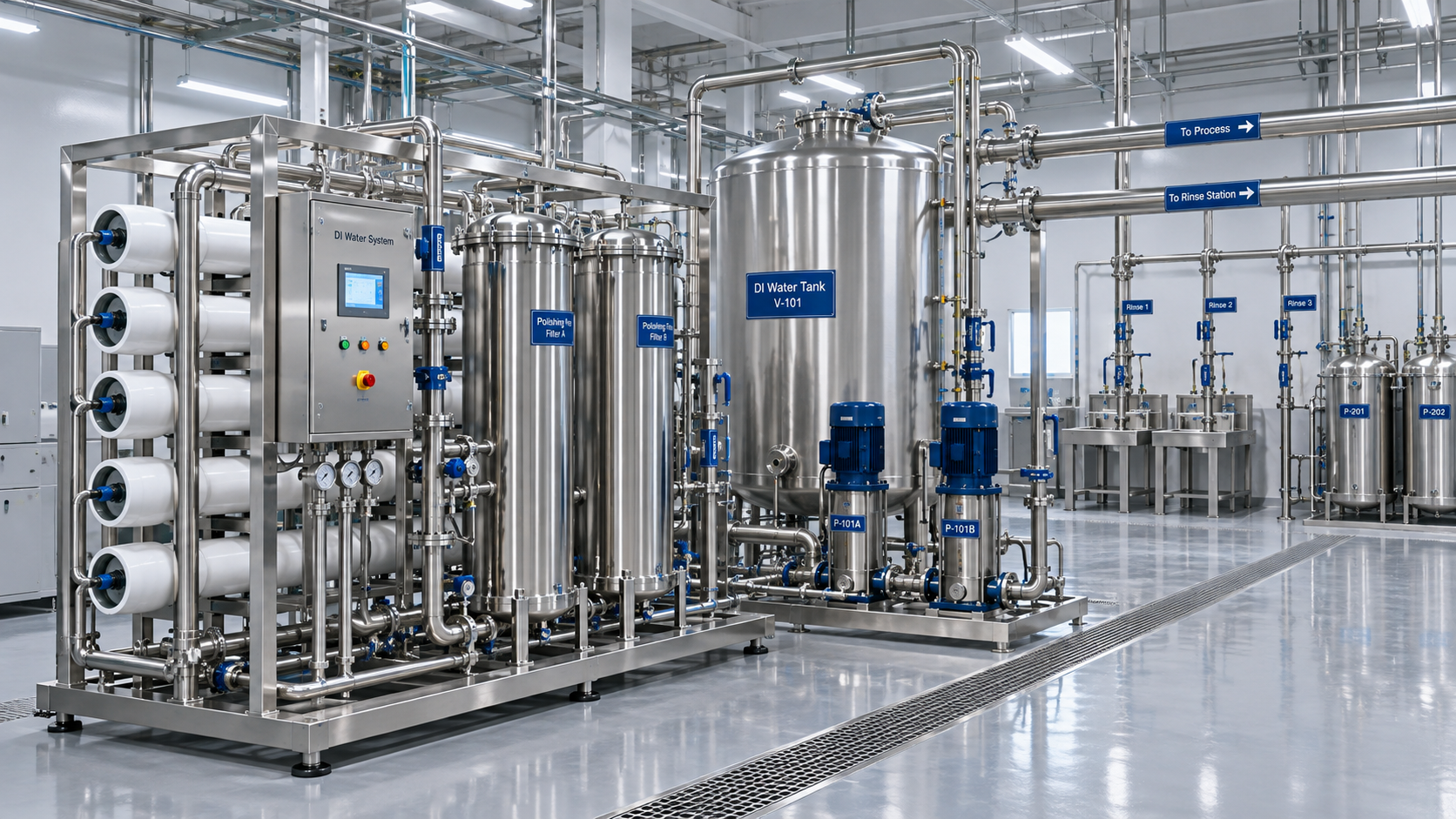
 Oct 15, 2026How to size a skid-mounted deionized water system for peak demandCompare deionized water systems skid configurations for peak demand. Learn how to balance production, storage, and pump capacity to prevent shortages and avoid costly oversizing.
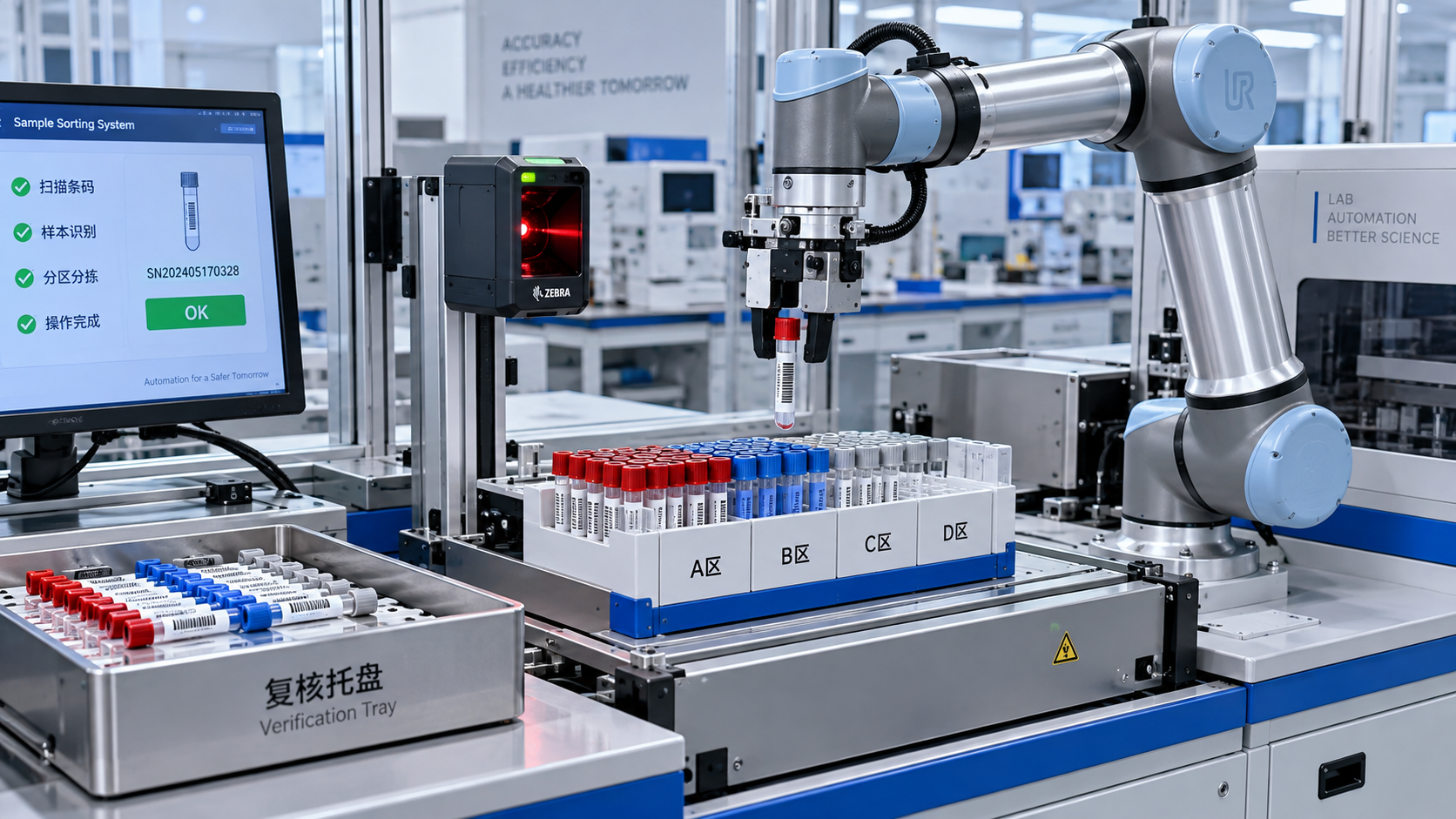
 Oct 14, 2026When is collaborative laboratory robotics suitable for sample sorting?Explore when collaborative laboratory robotics suits sample sorting. Discover key checks for safety, traceability, container compatibility, and throughput before choosing your solution.
 Oct 13, 2026How sandwich panel joints affect airtightness in cleanroom systemsCleanroom Systems sandwich panels need reliable joints for airtightness. Discover how gaskets, sealants, and testing help reduce leakage and protect cleanroom pressure control.
 Oct 12, 2026How to verify USP compliance for ultra pure water systemsUltra Pure Water Systems USP compliance: learn how to verify water quality, sampling, sanitization, trends, and validation controls at every point of use.
 Oct 11, 2026How tight temperature control prevents cleanroom process driftCleanroom process temperature control systems prevent costly drift by stabilizing critical conditions, improving repeatability, and protecting sensitive production workflows.
 Oct 10, 2026When does organic contaminant removal require TOC treatment?Organic contaminant removal requires TOC treatment when dissolved organics threaten product quality, equipment reliability, or process control. Learn how to assess risks and choose the right solution.
 Oct 08, 2026What affects lead times for sheet metal bending services in Canada?Sheet metal bending services Canada: discover how material supply, tooling, tolerances, finishing, documentation, and freight affect lead times for reliable project delivery.
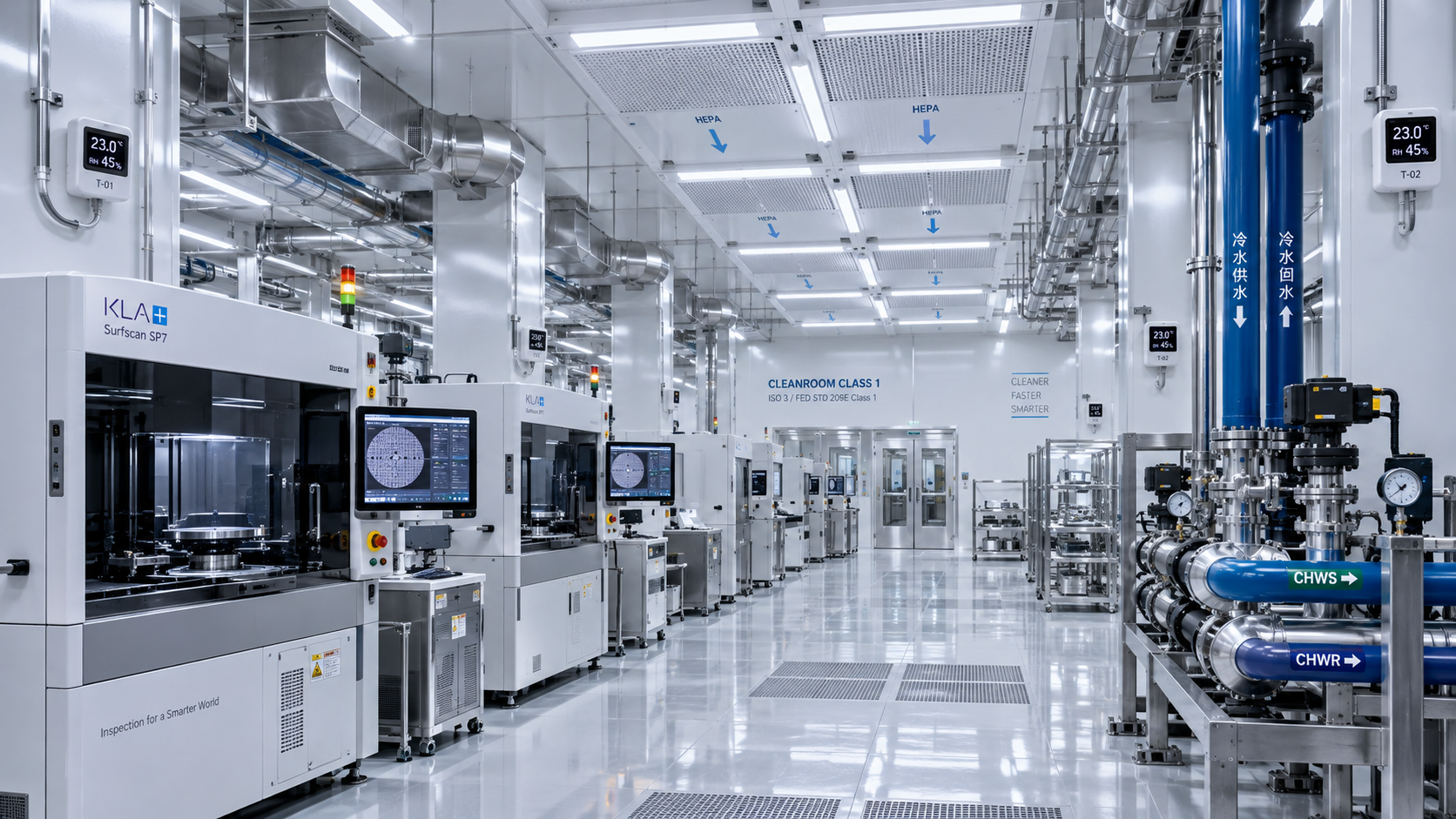
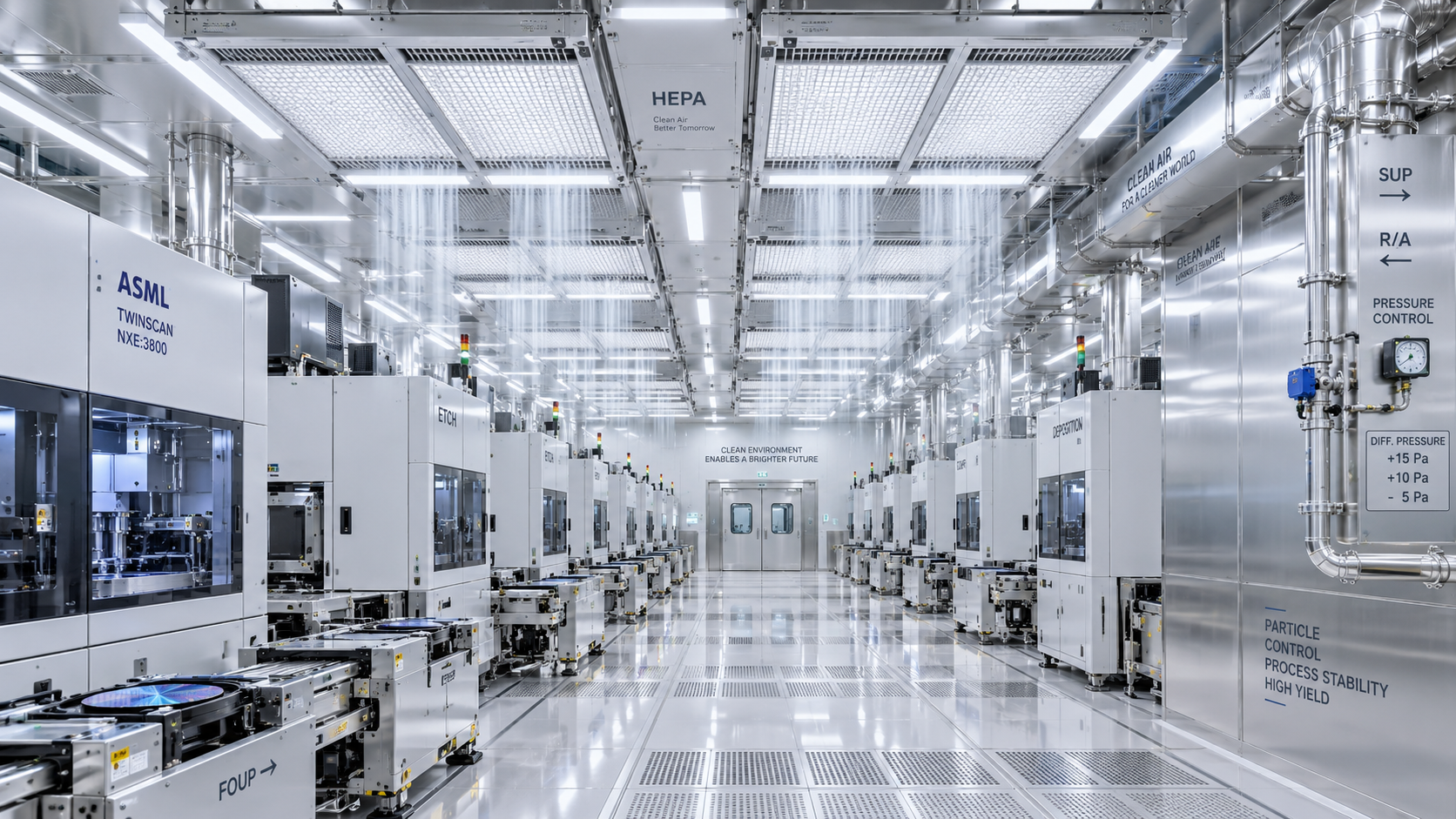
 Oct 07, 2026How HVAC design for semiconductor fabs prevents airborne contaminationHVAC design for semiconductor fabs prevents airborne contamination through advanced filtration, pressure cascades, airflow control, and real-time monitoring. Explore key strategies for cleaner, more reliable wafer production.
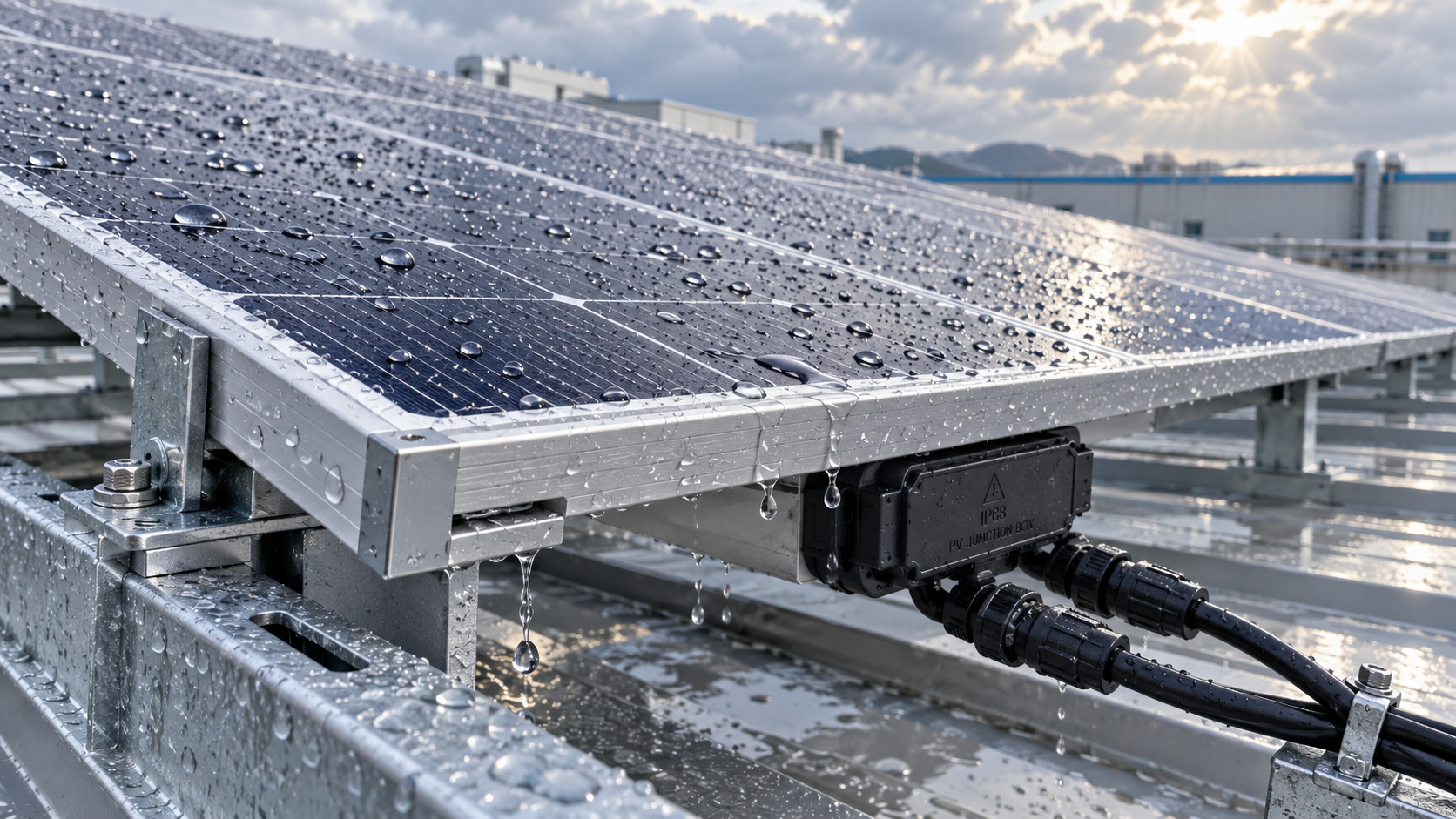
 Oct 06, 2026How photovoltaic modules waterproof technology prevents moisture damagephotovoltaic modules waterproof technology prevents moisture damage with durable seals, drainage, and junction-box protection. Explore practical selection and testing insights.
 Oct 05, 2026How ISO 14644 Europe requirements affect cleanroom qualificationISO 14644 Europe requirements shape cleanroom qualification, from particle classification and recovery testing to monitoring, GMP alignment, and change control.
 Oct 04, 2026How to assess a pharmaceutical cleanroom solutions supplier’s ISO capabilityPharmaceutical Cleanroom Solutions supplier assessment guide: evaluate ISO 14644 capability, validation evidence, airflow design, documentation, and long-term GMP readiness.
 Oct 03, 2026What EU standards govern the design of BSL-3 laboratories in Europe?BSL-3 laboratories Europe: explore EU directives, EN standards, HVAC containment, commissioning, and practical design strategies for compliant, resilient high-containment facilities.
 Oct 02, 2026How EN 1822 defines HEPA filtration efficiency for cleanroomsHEPA filtration EN 1822 explained: learn how MPPS testing, local leakage limits, and filter classes support reliable cleanroom decisions.
 Oct 01, 2026How pharmaceutical process water systems control microbial riskProcess water systems pharmaceutical teams rely on can control microbial risk through hygienic design, monitoring, and validated sanitization. Explore practical compliance strategies.
 Sep 30, 2026When does a negative pressure laboratory need BSL-3 containment?Negative pressure laboratory or BSL-3? Discover the risk factors, engineering controls, and containment requirements needed for safe, compliant laboratory planning.
 Sep 29, 2026How to evaluate a TOC-zero water treatment supplier for UPW systemsChoose a TOC-zero water treatment supplier with confidence. Compare UPW performance, monitoring, validation, materials, service capability, and lifecycle cost.
 Sep 28, 2026What drives sustainable cooling cost in high-precision facilities?Sustainable cooling cost in high-precision facilities depends on thermal stability, energy, water, controls, and resilience. Explore smarter lifecycle strategies.
 Sep 27, 2026How to compare freight forwarding services for time-critical shipmentsCompare freight forwarding services for time-critical shipments with practical insights on routing, customs, visibility, specialized handling, and contingency planning.
 Sep 26, 2026How environmental integrity in laboratories supports reliable test resultsEnvironmental Integrity in laboratories safeguards samples, instruments, and staff. Discover practical controls for contamination, monitoring, and reliable test results.