Smart Building Management BMS: When Upgrade Costs Pay Back
Smart Building Management BMS: When Upgrade Costs Pay Back

For many facilities, smart building management is no longer a technical upgrade alone. It is a capital decision with direct impact on operating margin.
That shift matters more today because utility prices move faster, compliance expectations are tighter, and downtime has become more expensive.
A modern smart building management (BMS) platform can reduce waste, improve equipment life, and strengthen control over environmental performance.
Still, not every upgrade pays back at the same speed. The real question is simple: when do BMS upgrade costs convert into reliable financial return?
In practice, payback depends on baseline inefficiency, facility criticality, and how deeply the new system improves decisions, automation, and risk visibility.
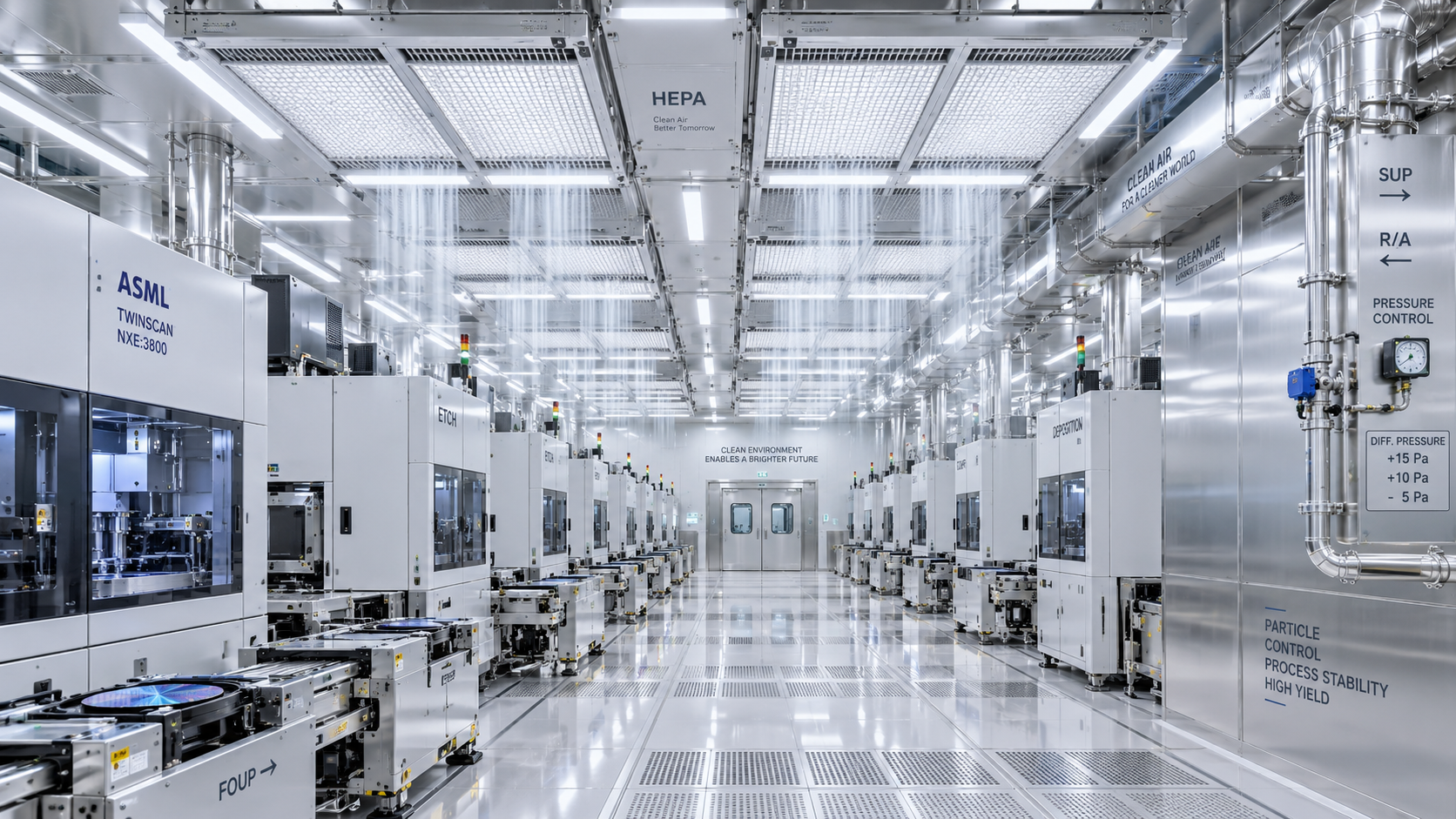
For high-performance environments, that value can be even clearer. G-ICE tracks facilities where contamination, thermal drift, and process stability directly affect output.
In those settings, smart building management supports more than comfort. It protects production quality, compliance readiness, and business continuity.
Why BMS upgrades are moving into finance discussions
Older control systems often hide their cost. They may still run, but they consume labor, energy, and management attention every single day.
From a finance perspective, the issue is not age alone. The issue is whether legacy controls create avoidable cost variance.
A dated BMS usually shows the same warning signs:
- Energy spend rises without clear operational explanation.
- Operators rely on manual overrides for routine stability.
- Alarm data is noisy, fragmented, or ignored.
- Preventive maintenance turns into reactive repair.
- Reporting for audits takes too much time.
These are not just operational inconveniences. They translate into measurable cost leakage, slower response, and higher risk exposure.
That is why smart building management increasingly appears in procurement reviews, capex planning, and asset optimization programs.
Where the financial return usually comes from
The strongest smart building management ROI rarely comes from one line item. It usually comes from several gains working together.
1. Lower energy intensity
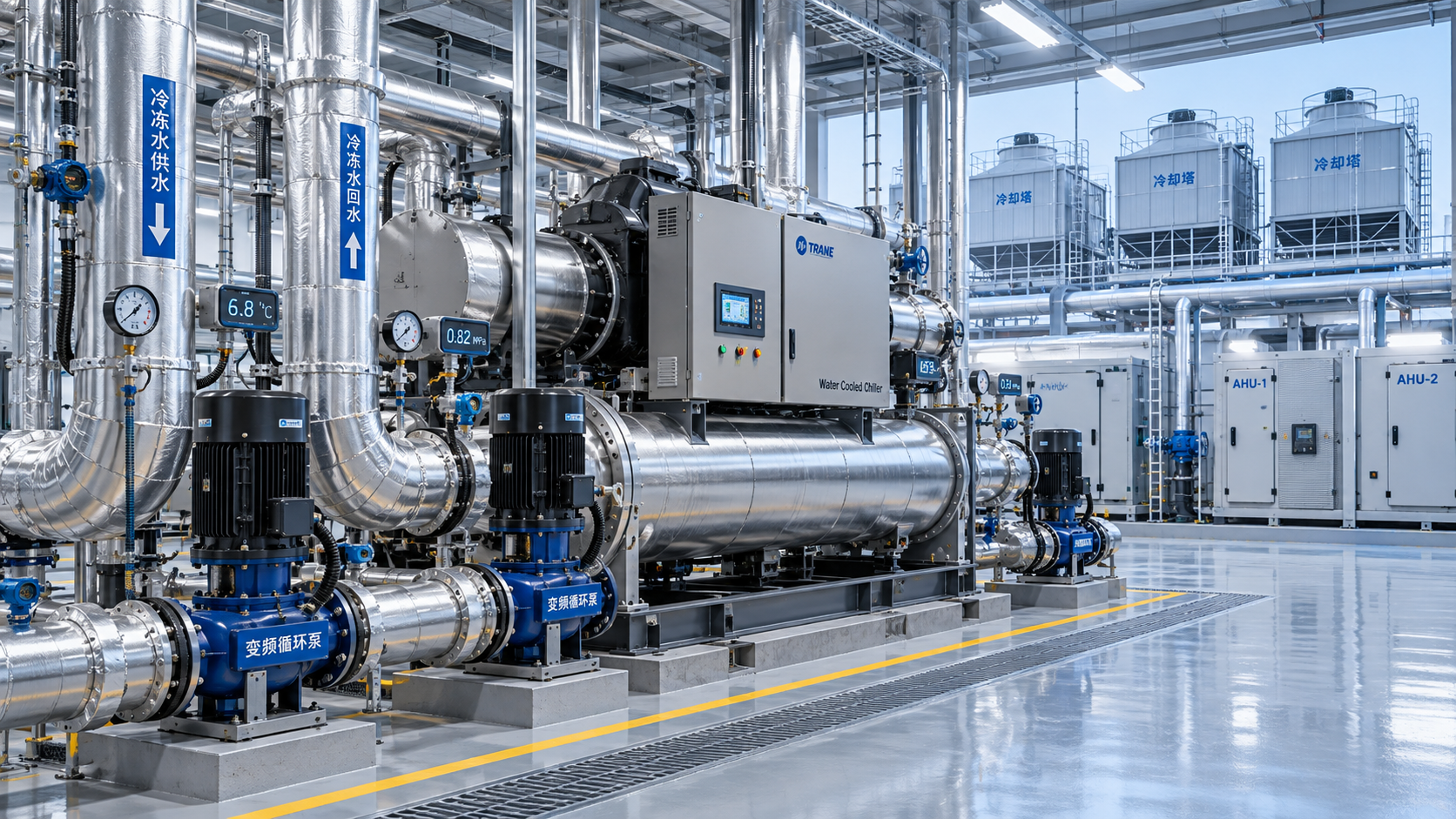
This is often the fastest benefit. Better scheduling, demand control, and setpoint optimization can reduce unnecessary runtime across HVAC, pumps, chillers, and air systems.
In precision facilities, even small efficiency gains matter because environmental control loads are continuous and energy dense.
2. Reduced maintenance cost
A modern BMS improves fault detection and trend visibility. Teams can fix drift earlier, avoid emergency callouts, and replace parts based on condition instead of guesswork.
3. Longer equipment life
Frequent cycling, poor balancing, and uncontrolled overrides shorten asset life. Smart building management helps equipment operate inside steadier, healthier ranges.
4. Compliance efficiency
For regulated sites, reporting matters almost as much as control. Better logs, alerts, and digital records reduce labor spent preparing for inspections and internal reviews.
5. Lower business interruption risk
This is sometimes the largest value driver, even when it is harder to model. A BMS upgrade can help avoid shutdowns, product loss, and environmental excursions.
When smart building management pays back faster
Not every building gets the same return profile. Payback tends to accelerate when several business conditions appear at once.
High utility exposure
If energy is a major share of operating cost, smart building management improvements become easier to justify and faster to recover.
Critical environmental tolerance
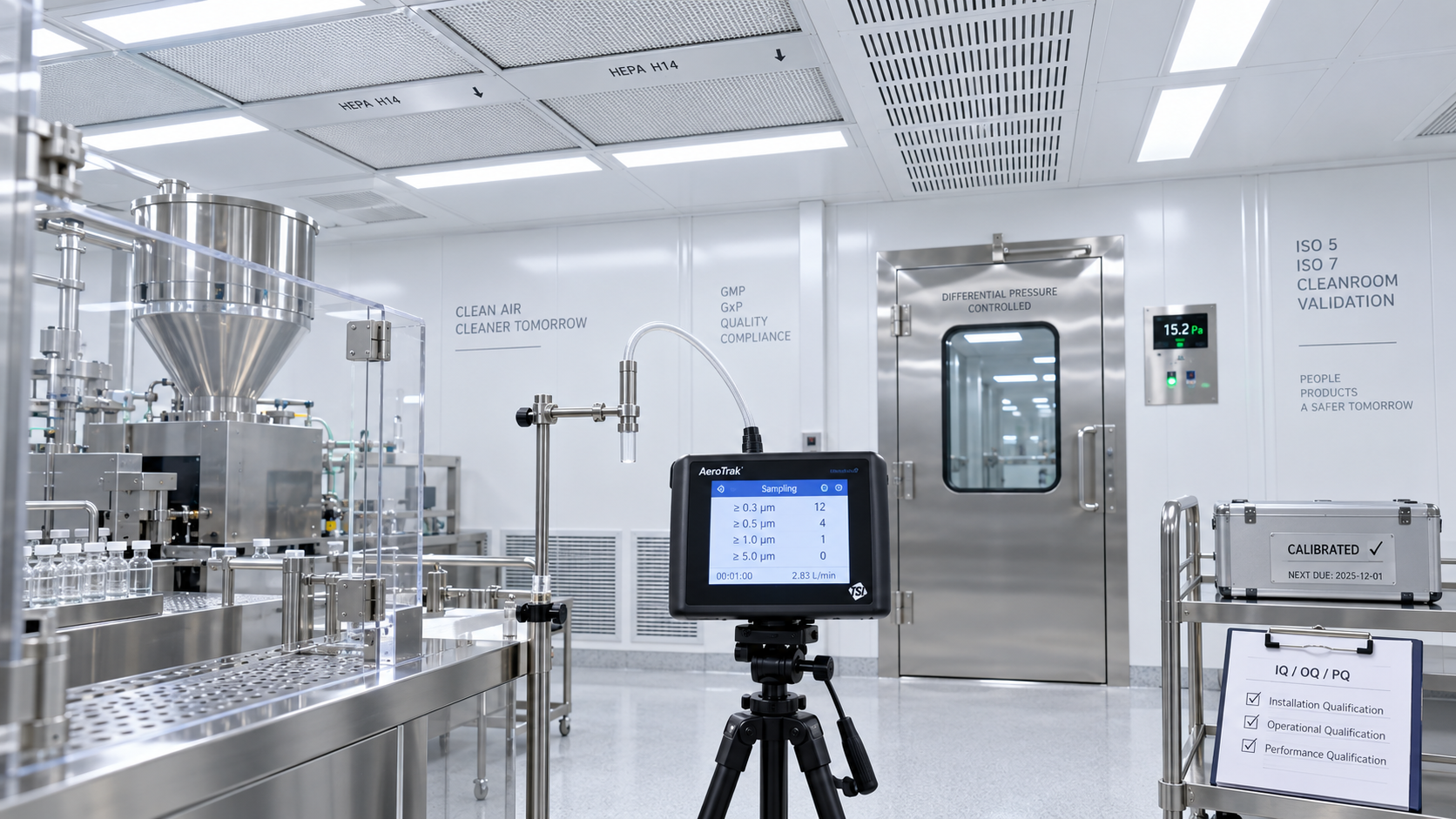
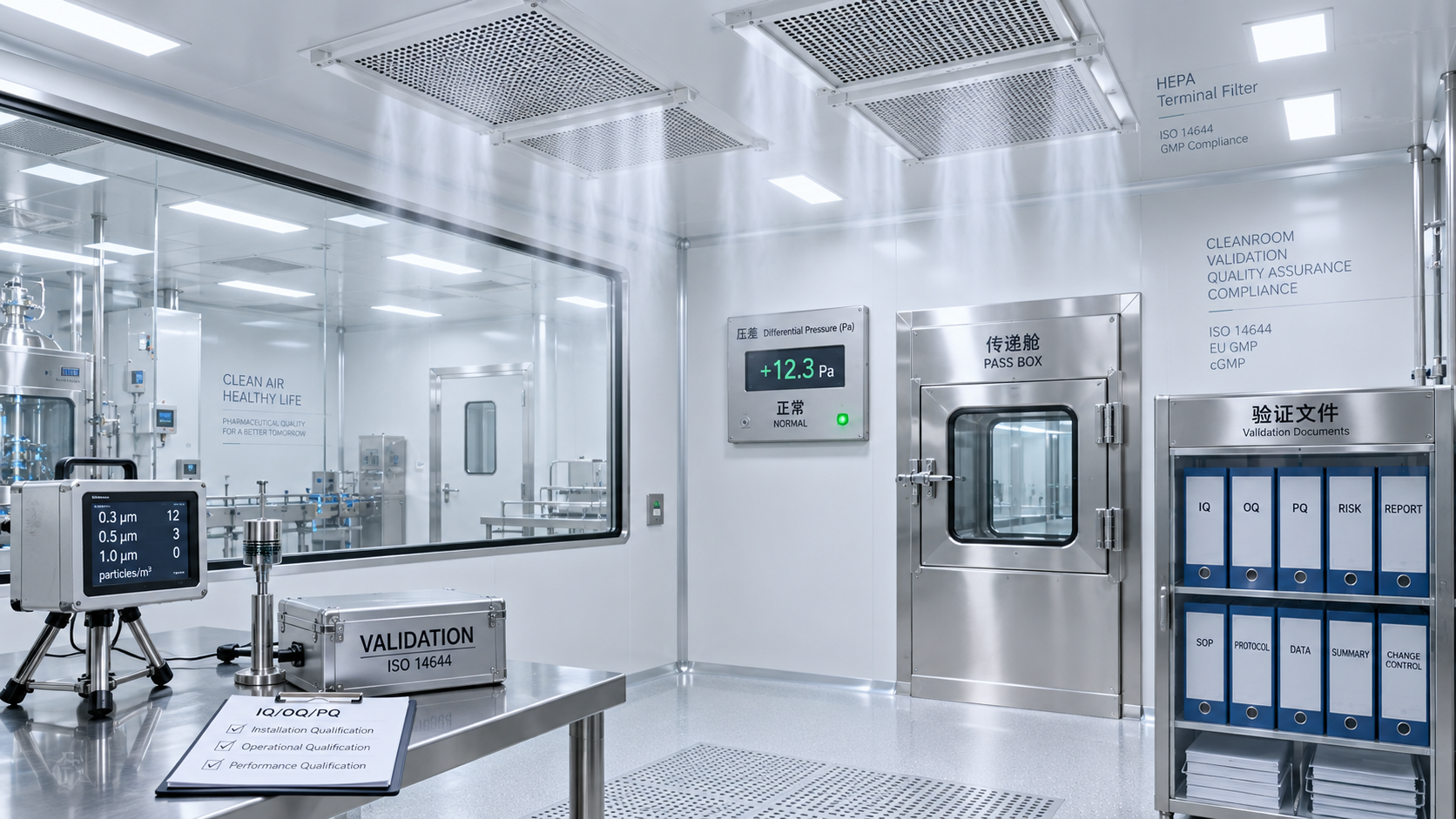
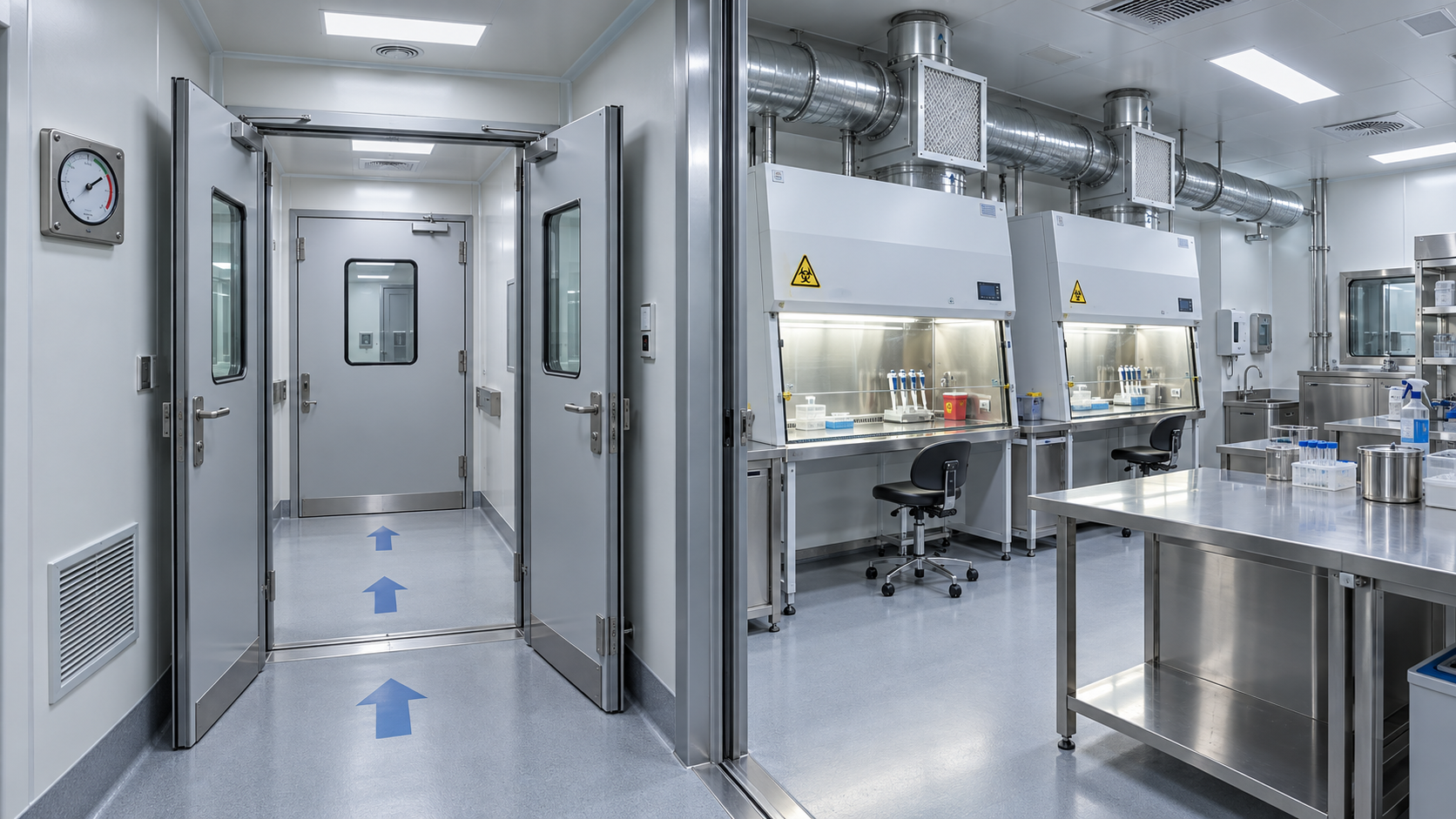
In cleanrooms, biosafety labs, advanced manufacturing, and thermal-sensitive spaces, environmental deviations are expensive. Better control carries direct economic value.
Aging controls with poor integration
When systems cannot communicate well, teams lose both data quality and response speed. Integrated smart building management solves both problems at once.
Frequent manual intervention
If operators constantly adjust settings to maintain conditions, the site is already paying hidden labor and performance penalties.
Upcoming audit or ESG pressure
Better monitoring, reporting, and traceability support both compliance readiness and sustainability performance. That improves procurement confidence.
How to evaluate upgrade cost without underestimating value
A narrow price comparison can produce the wrong decision. The smarter view is total economic impact over the system life cycle.
A practical smart building management review should include these cost and value elements:
This broader framework matters in complex industrial settings. A lower upfront quote may cost more later if it limits optimization, traceability, or expansion.
Questions worth asking before approving a BMS purchase
Strong procurement decisions come from disciplined questioning. The goal is to separate real operational value from generic automation claims.
- What is the current annual cost of energy waste, manual intervention, and unplanned maintenance?
- Which assets or zones create the highest environmental or operating risk today?
- How much of the proposed smart building management value is proven by baseline data?
- Will the system integrate with existing HVAC, cleanroom, lab, water, and monitoring platforms?
- Does the upgrade improve audit readiness and ESG reporting, or only display more dashboards?
- What is the expected payback period under conservative assumptions?
- What internal capability is needed for operation, maintenance, and continuous optimization?
Those questions keep the review focused on measurable business outcomes. They also make vendor comparisons much more useful.
Why this matters more in high-performance facilities
In offices or standard commercial sites, smart building management often centers on energy and comfort. In high-spec environments, the stakes are different.
Semiconductor plants, pharmaceutical suites, containment labs, and advanced thermal-control spaces depend on consistent invisible conditions.
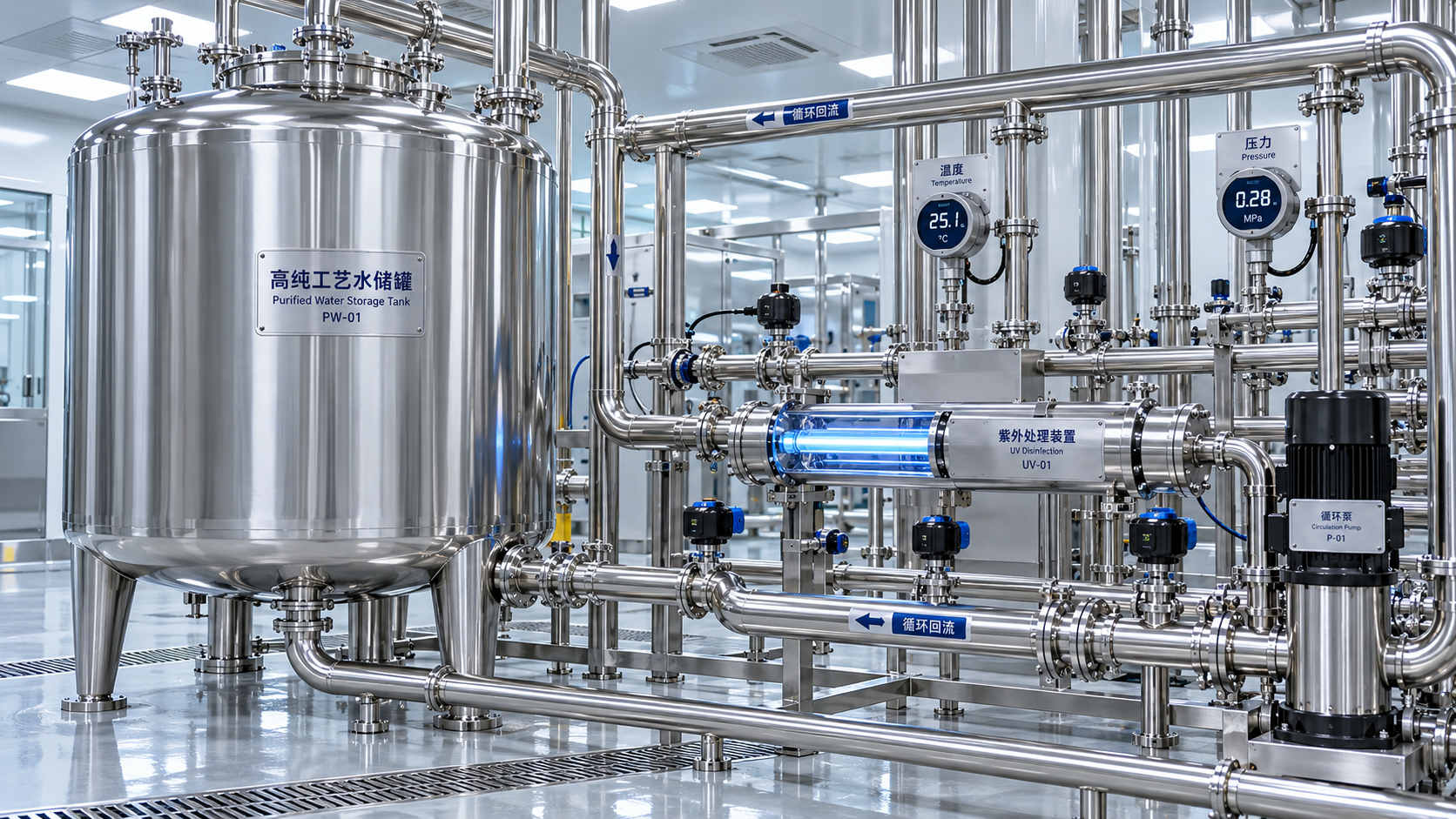
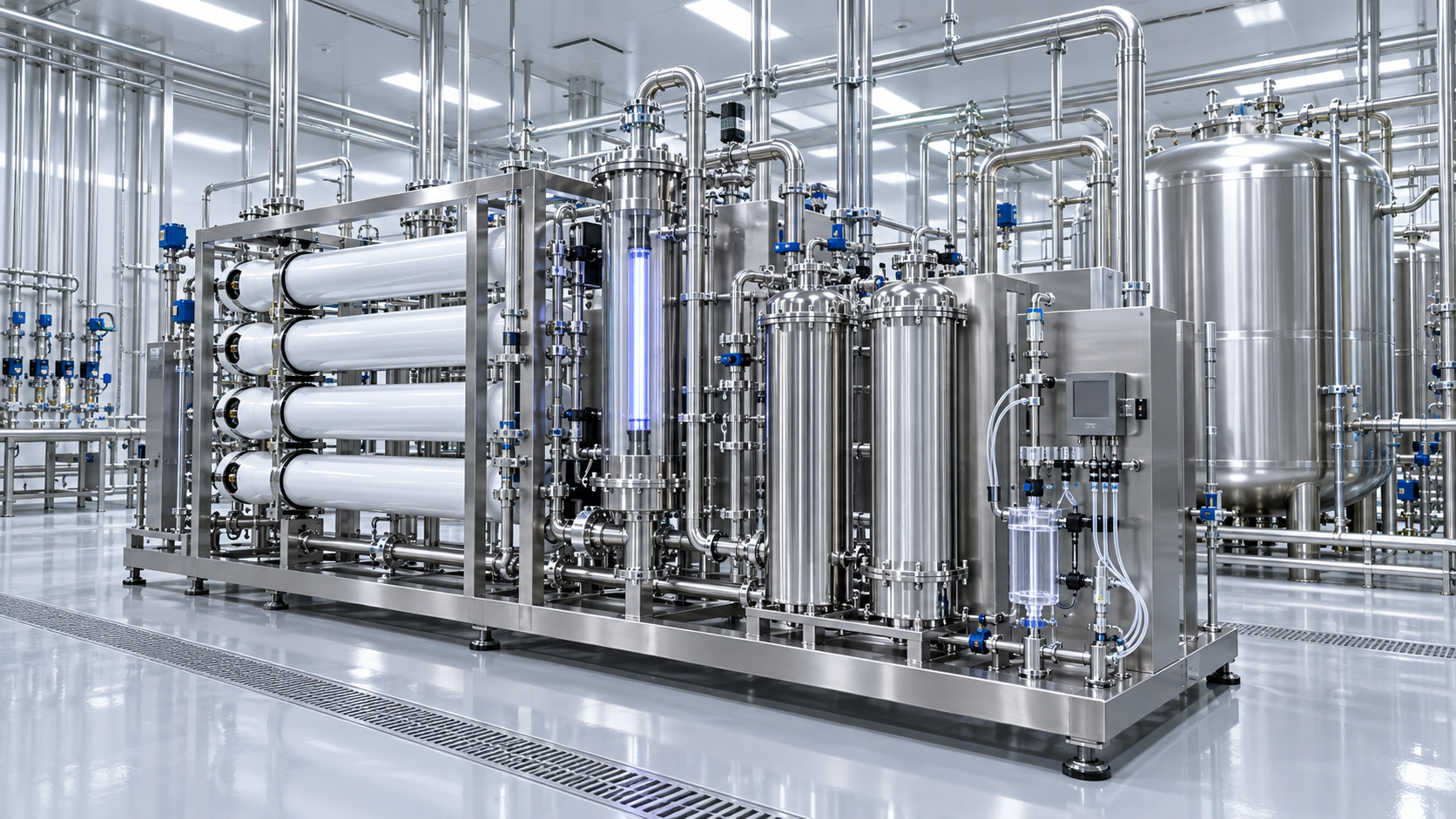
That includes pressure balance, airborne cleanliness, process water reliability, and temperature stability at extremely narrow tolerances.
G-ICE focuses on these exact environments. Across cleanroom systems, precision HVAC, UPW treatment, biosafety engineering, and digital environmental control, one pattern is clear.
When facilities link high-performance hardware with better smart building management, they gain more than efficiency. They gain operational discipline.
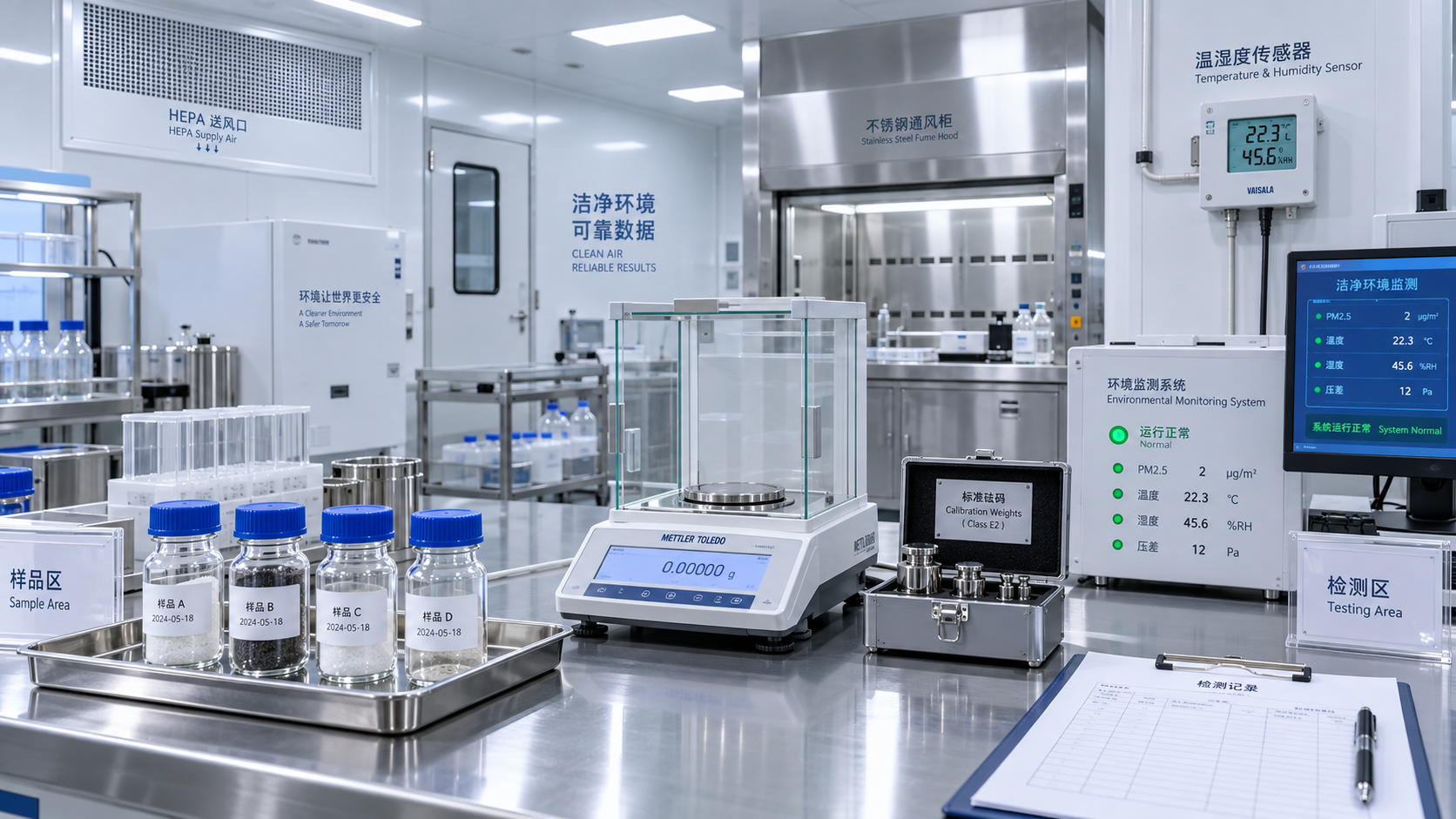
That shows up in tighter process control, faster root-cause analysis, stronger benchmarking against ISO 14644, ASHRAE, and SEMI expectations, and fewer costly surprises.
The practical approval test
A smart building management upgrade deserves approval when three conditions align.
- Current controls create visible cost leakage or hidden operational risk.
- The proposed solution ties directly to measurable savings and performance gains.
- The site can verify results through commissioning, trending, and accountability.
If those conditions are missing, payback claims may be too optimistic. If they are present, the business case is usually stronger than it first appears.
The most reliable approach is to start with baseline data, map the highest-cost failure points, and model return using conservative assumptions.
That turns smart building management from a technical proposal into a disciplined investment decision with defensible numbers.
When upgrade costs pay back, they usually do so because the project solves real inefficiency, improves control where it matters most, and reduces risks the business can no longer ignore.
Get weekly intelligence in your inbox.
No noise. No sponsored content. Pure intelligence.
 Oct 21, 2026How often is cleanroom certification required under ISO 14644-2?Cleanroom Certification is generally recommended annually under ISO 14644-2. Learn when risk-based extensions apply and which changes trigger earlier testing to plan with confidence.
 Oct 21, 2026FASEB Comments on NIH Draft Policy for Research Involving BiohazardsFASEB comments on NIH’s draft biohazard research policy call for risk-based biosafety oversight. Explore potential implications for laboratories, suppliers, and compliance teams.
 Oct 20, 2026How to disinfect ultrasound machines without damaging surfacesLearn how to disinfect ultrasoundmachines without surface damage. Explore compatible products, wet contact times, and probe care to protect patients and equipment.
 Oct 20, 2026Ultrapure Water in Semiconductor Manufacturing: Reuse and Quality Control InsightsExplore ultrapure water reuse in semiconductor manufacturing, key UPW quality benchmarks and analytical insights to help evaluate suppliers and protect process purity.
 Oct 19, 2026How cooling affects warpage in injection-molded consumer electronics housingsOptimize plastic injection molding for consumer electronics with cooling strategies to reduce housing warpage and improve assembly fit. Discover practical checks for stable, efficient production.
 Oct 18, 2026Can air leaks prevent a dehumidifier from holding its target dew point?Why can't our dehumidifier maintain the target dew point? Discover how air leaks increase moisture loads, spot hidden faults, and find practical fixes to restore reliable dew-point control.
 Oct 17, 2026How semiconductor process water treatment removes trace organicsSee how semiconductor process water treatment removes trace organics with RO, UV oxidation, and polishing. Learn how TOC monitoring helps verify purity and pinpoint contamination.
 Oct 16, 2026How to choose ultra pure water piping materials to limit leachingChoose ultra pure water piping with confidence. Compare PVDF, PFA, and stainless steel, assess leaching risks, and learn how to qualify your system for reliable purity.
 Oct 15, 2026How to size a skid-mounted deionized water system for peak demandCompare deionized water systems skid configurations for peak demand. Learn how to balance production, storage, and pump capacity to prevent shortages and avoid costly oversizing.
 Oct 14, 2026When is collaborative laboratory robotics suitable for sample sorting?Explore when collaborative laboratory robotics suits sample sorting. Discover key checks for safety, traceability, container compatibility, and throughput before choosing your solution.
 Oct 13, 2026How sandwich panel joints affect airtightness in cleanroom systemsCleanroom Systems sandwich panels need reliable joints for airtightness. Discover how gaskets, sealants, and testing help reduce leakage and protect cleanroom pressure control.
 Oct 12, 2026How to verify USP compliance for ultra pure water systemsUltra Pure Water Systems USP compliance: learn how to verify water quality, sampling, sanitization, trends, and validation controls at every point of use.
 Oct 11, 2026How tight temperature control prevents cleanroom process driftCleanroom process temperature control systems prevent costly drift by stabilizing critical conditions, improving repeatability, and protecting sensitive production workflows.
 Oct 10, 2026When does organic contaminant removal require TOC treatment?Organic contaminant removal requires TOC treatment when dissolved organics threaten product quality, equipment reliability, or process control. Learn how to assess risks and choose the right solution.
 Oct 08, 2026What affects lead times for sheet metal bending services in Canada?Sheet metal bending services Canada: discover how material supply, tooling, tolerances, finishing, documentation, and freight affect lead times for reliable project delivery.
 Oct 07, 2026How HVAC design for semiconductor fabs prevents airborne contaminationHVAC design for semiconductor fabs prevents airborne contamination through advanced filtration, pressure cascades, airflow control, and real-time monitoring. Explore key strategies for cleaner, more reliable wafer production.
 Oct 06, 2026How photovoltaic modules waterproof technology prevents moisture damagephotovoltaic modules waterproof technology prevents moisture damage with durable seals, drainage, and junction-box protection. Explore practical selection and testing insights.
 Oct 05, 2026How ISO 14644 Europe requirements affect cleanroom qualificationISO 14644 Europe requirements shape cleanroom qualification, from particle classification and recovery testing to monitoring, GMP alignment, and change control.
 Oct 04, 2026How to assess a pharmaceutical cleanroom solutions supplier’s ISO capabilityPharmaceutical Cleanroom Solutions supplier assessment guide: evaluate ISO 14644 capability, validation evidence, airflow design, documentation, and long-term GMP readiness.
 Oct 03, 2026What EU standards govern the design of BSL-3 laboratories in Europe?BSL-3 laboratories Europe: explore EU directives, EN standards, HVAC containment, commissioning, and practical design strategies for compliant, resilient high-containment facilities.
 Oct 02, 2026How EN 1822 defines HEPA filtration efficiency for cleanroomsHEPA filtration EN 1822 explained: learn how MPPS testing, local leakage limits, and filter classes support reliable cleanroom decisions.
 Oct 01, 2026How pharmaceutical process water systems control microbial riskProcess water systems pharmaceutical teams rely on can control microbial risk through hygienic design, monitoring, and validated sanitization. Explore practical compliance strategies.
 Sep 30, 2026When does a negative pressure laboratory need BSL-3 containment?Negative pressure laboratory or BSL-3? Discover the risk factors, engineering controls, and containment requirements needed for safe, compliant laboratory planning.
 Sep 29, 2026How to evaluate a TOC-zero water treatment supplier for UPW systemsChoose a TOC-zero water treatment supplier with confidence. Compare UPW performance, monitoring, validation, materials, service capability, and lifecycle cost.
 Sep 28, 2026What drives sustainable cooling cost in high-precision facilities?Sustainable cooling cost in high-precision facilities depends on thermal stability, energy, water, controls, and resilience. Explore smarter lifecycle strategies.
 Sep 27, 2026How to compare freight forwarding services for time-critical shipmentsCompare freight forwarding services for time-critical shipments with practical insights on routing, customs, visibility, specialized handling, and contingency planning.
 Sep 26, 2026How environmental integrity in laboratories supports reliable test resultsEnvironmental Integrity in laboratories safeguards samples, instruments, and staff. Discover practical controls for contamination, monitoring, and reliable test results.