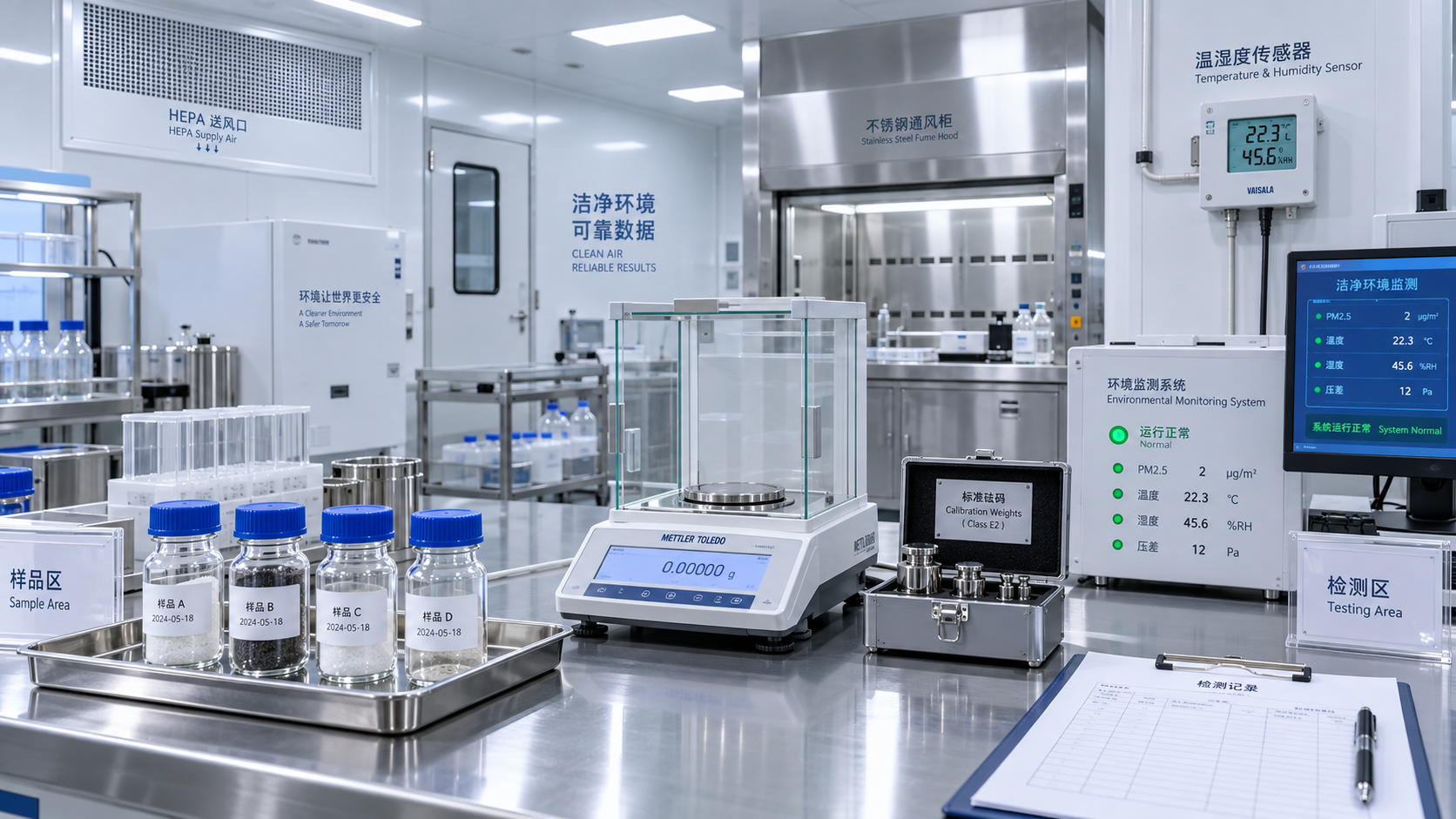
How GMP Cleanroom Panels Affect Compliance and Maintenance
Why do cleanroom panels GMP requirements matter so much?
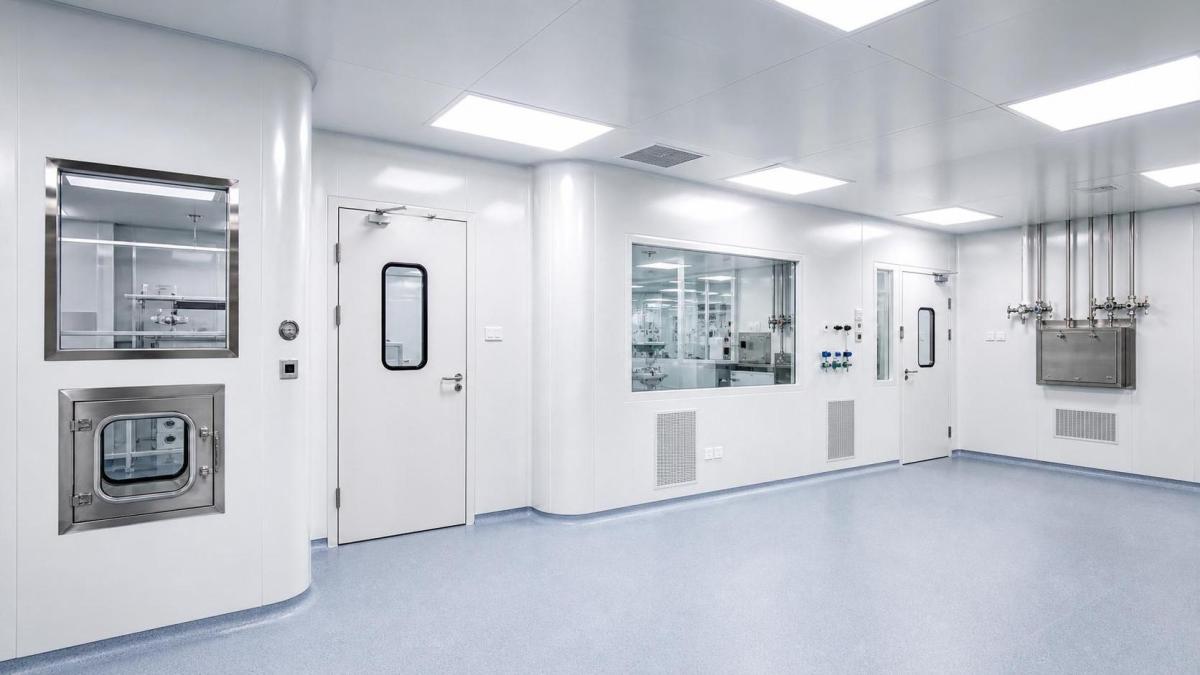
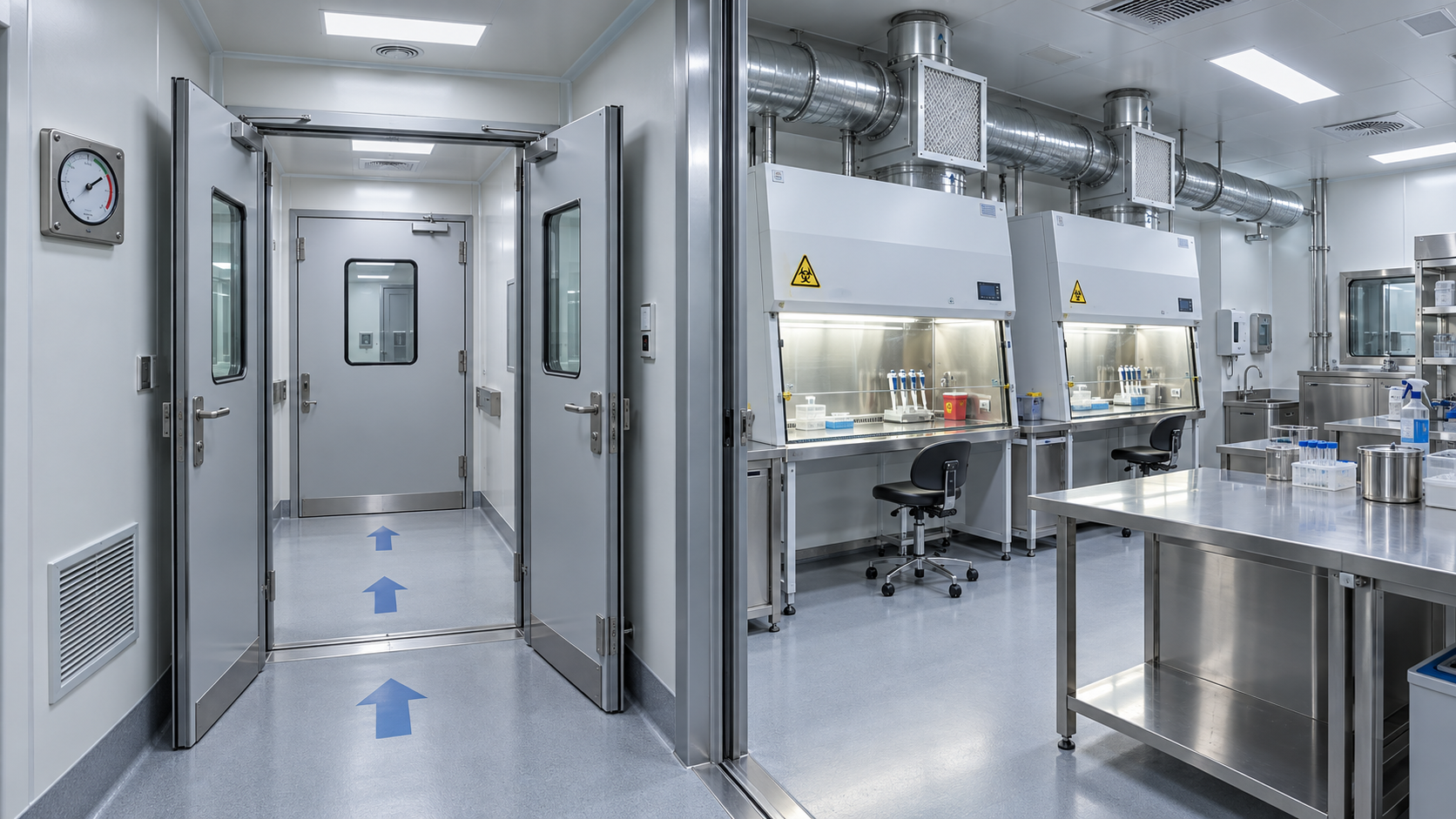
In regulated environments, wall and ceiling panels do more than divide space. They affect hygiene control, inspection readiness, airflow stability, and the daily workload of cleaning teams.
That is why cleanroom panels GMP expectations are closely tied to compliance, not just appearance. A panel system can either support discipline or create recurring operational friction.
In practice, inspectors rarely view panels as isolated building materials. They look at how surfaces, joints, corners, and penetrations behave under real cleaning and controlled production conditions.
G-ICE benchmarking across cleanroom engineering, HVAC, biosafety, and digital monitoring reinforces the same point. Physical envelope choices influence contamination control performance across the whole facility system.
A panel that sheds particles, traps moisture, or cracks around service openings can weaken a well-designed room. Even a strong HVAC strategy cannot fully compensate for poor envelope details.
So when people search for cleanroom panels GMP, they are usually asking a broader question: will this panel system hold up under audits, sanitation routines, and long operating cycles?
What makes a panel system genuinely GMP-friendly?
A GMP-friendly panel is not defined by one coating or one brand claim. It is defined by how consistently the full assembly supports controlled, cleanable, and traceable operation.
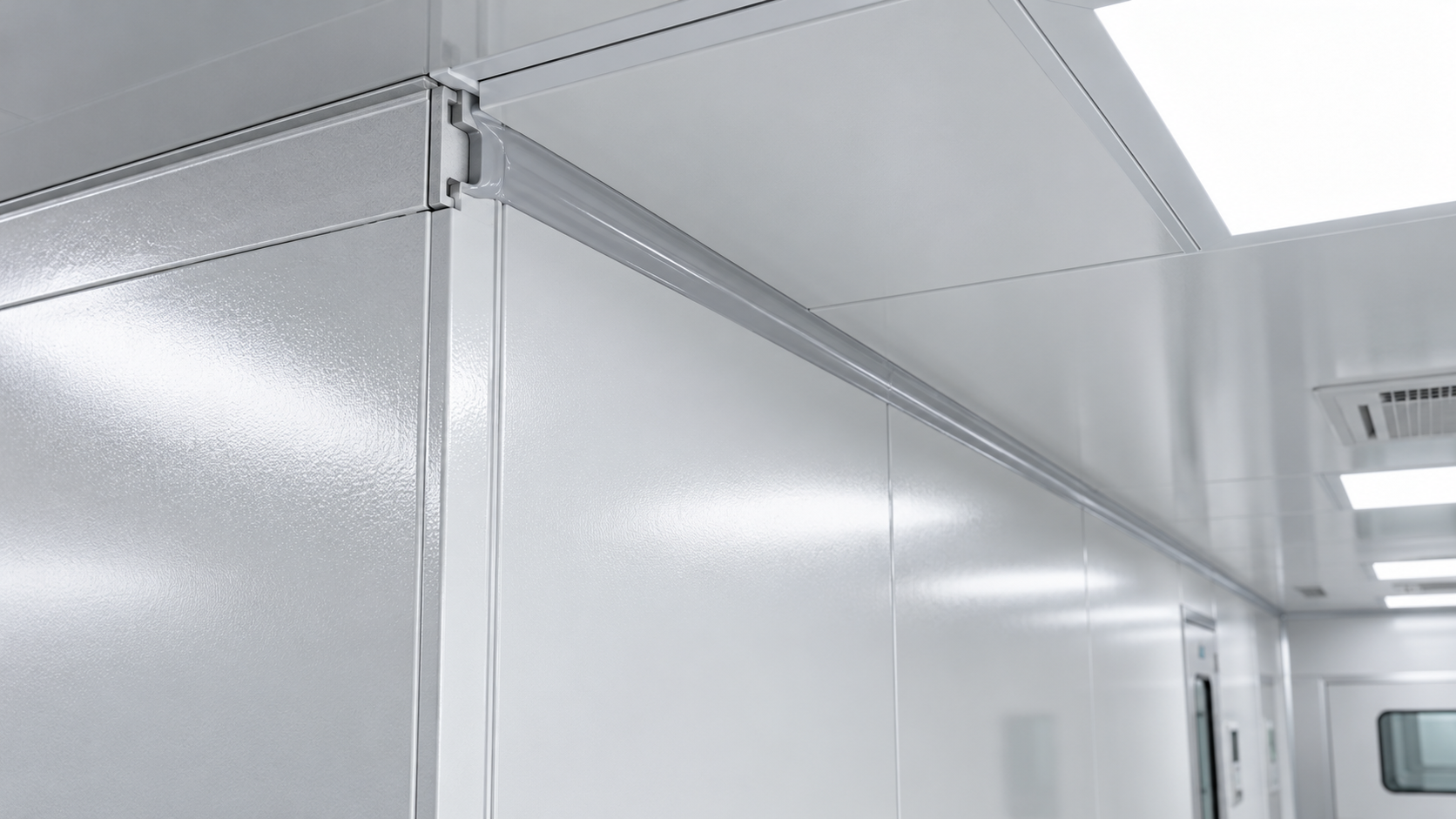
The usual focus starts with smooth, non-porous, easy-to-disinfect surfaces. That matters, but it is only the visible layer of the compliance problem.
More often, trouble starts at interfaces. Joints, sealants, access points, windows, doors, and service penetrations must resist cracking, gapping, microbial retention, and chemical wear.
The panel core also matters. Fire behavior, moisture resistance, and dimensional stability influence whether the surface remains intact after repeated cleaning cycles and temperature shifts.
When comparing cleanroom panels GMP suitability, these features usually separate durable systems from short-lived ones:
- Flush transitions between panels, doors, and windows
- Sealed, low-particle joints with controlled installation tolerances
- Chemical resistance to approved detergents and disinfectants
- Impact resistance in corridors, change areas, and material routes
- Documented compatibility with cleanroom classification and validation plans
A useful way to judge a panel is simple: can the system stay clean, intact, and inspectable after years of real use, not only at handover?
How do cleanroom panels GMP decisions affect audits and routine compliance?
Audits often surface practical questions. Can surfaces be cleaned without residue? Are hidden voids controlled? Do repairs leave patchwork conditions that undermine room integrity?
This is where panel selection becomes visible to compliance teams. A room may meet initial design intent, yet still produce repeated deviations because the panel system complicates sanitation or inspection.
For example, exposed fasteners and uneven seams can collect dust. Soft finishes may degrade under disinfectants. Poorly detailed corners can make visual inspection inconsistent between operators.
Facilities aligned with ISO 14644 and related good engineering practice usually benefit from panel systems that reduce ambiguity. Inspectors prefer environments where cleanliness conditions are easy to verify.
The table below helps connect common cleanroom panels GMP concerns with the compliance issues they often trigger.
The strongest systems are usually the ones that make compliance easier to demonstrate, not just easier to claim.
Are all cleanroom panels equal when maintenance starts?
Not really. Two panel systems can look similar on day one and perform very differently after eighteen months of cleaning, equipment changes, and minor facility modifications.
Maintenance usually reveals the hidden cost of panel decisions. If a damaged area requires wide demolition, contamination control becomes harder and downtime expands.
Modular systems often help because they support localized replacement. That advantage matters most in facilities where utilities change, process lines shift, or access points need rework.
Still, modularity alone is not enough. Replacement parts, finish consistency, sealing methods, and requalification requirements all affect whether maintenance stays controlled.
A practical review of cleanroom panels GMP maintenance planning should cover:
- Can one damaged panel be replaced without disturbing adjacent validated areas?
- Will the repaired section preserve flushness and cleanability?
- Are panel materials still available over the expected facility life?
- How much reinspection or requalification follows a typical repair?
- Do cleaning chemicals shorten panel life in high-frequency sanitation zones?
In real operations, maintenance cost is rarely just labor. It also includes downtime, documentation effort, contamination risk, and the burden of proving the room remains compliant.
What mistakes create risk when comparing cleanroom panels GMP options?
One frequent mistake is selecting panels mainly by initial price. That can overlook chemical exposure, cleaning frequency, process sensitivity, and the complexity of future modifications.
Another problem is evaluating panels without the surrounding system. Doors, glazing, HVAC interfaces, ceiling grids, and utility penetrations must work as one controlled envelope.
There is also a documentation gap that appears often. A panel may look suitable, yet supporting data on fire class, emissions, cleanability, and installation method may be incomplete.
G-ICE-style benchmarking is useful here because it treats the room as a performance system. Material selection is checked against standards, process demands, and lifecycle maintenance realities.
Before final selection, it helps to challenge each cleanroom panels GMP claim with a few grounded questions:
- What evidence supports long-term surface stability under site cleaning agents?
- How are corners, cutouts, and penetrations detailed in the actual installation?
- What is the repair method inside a controlled production schedule?
- Which standard or project specification defines acceptable finish quality?
- Does the panel system align with airflow, pressure cascade, and monitoring strategy?
Those questions usually expose whether a low-risk decision is being made, or whether the project is only buying a clean-looking surface.
How should you judge the right panel choice before approval?
The strongest approach is to define acceptance around use conditions, not generic marketing language. Different facilities place very different stress on walls and ceilings.
A sterile filling suite, a semiconductor support zone, and a high-risk lab corridor may all require cleanroom panels GMP alignment, but their stress profile is not identical.
Start with a short decision framework. It keeps panel review tied to compliance and maintenance, rather than visual preference.
If the review still feels uncertain, a mock-up is often worth the effort. It reveals finish quality, cleanability, and interface weaknesses before they become expensive field corrections.
So what is the practical takeaway for the next project or retrofit?
Cleanroom panels GMP choices should be treated as operational controls, not decorative finishes. They influence how easily a facility can stay clean, pass inspections, and recover from routine wear.
The most reliable decisions connect material selection with standards, airflow strategy, cleaning chemistry, utility interfaces, and expected maintenance patterns over time.
A sensible next step is to document room conditions, cleaning agents, traffic levels, and modification frequency. Then compare panel options against those actual stresses, not generic claims.
Where the project is complex, cross-checking against G-ICE-style performance benchmarks can help align cleanroom architecture with compliance, thermal control, and long-term facility resilience.
That usually leads to better specifications, fewer surprises during audits, and a cleaner maintenance path after the facility goes live.
Get weekly intelligence in your inbox.
No noise. No sponsored content. Pure intelligence.
 Oct 21, 2026How often is cleanroom certification required under ISO 14644-2?Cleanroom Certification is generally recommended annually under ISO 14644-2. Learn when risk-based extensions apply and which changes trigger earlier testing to plan with confidence.
 Oct 21, 2026FASEB Comments on NIH Draft Policy for Research Involving BiohazardsFASEB comments on NIH’s draft biohazard research policy call for risk-based biosafety oversight. Explore potential implications for laboratories, suppliers, and compliance teams.
 Oct 20, 2026How to disinfect ultrasound machines without damaging surfacesLearn how to disinfect ultrasoundmachines without surface damage. Explore compatible products, wet contact times, and probe care to protect patients and equipment.
 Oct 20, 2026Ultrapure Water in Semiconductor Manufacturing: Reuse and Quality Control InsightsExplore ultrapure water reuse in semiconductor manufacturing, key UPW quality benchmarks and analytical insights to help evaluate suppliers and protect process purity.
 Oct 19, 2026How cooling affects warpage in injection-molded consumer electronics housingsOptimize plastic injection molding for consumer electronics with cooling strategies to reduce housing warpage and improve assembly fit. Discover practical checks for stable, efficient production.
 Oct 18, 2026Can air leaks prevent a dehumidifier from holding its target dew point?Why can't our dehumidifier maintain the target dew point? Discover how air leaks increase moisture loads, spot hidden faults, and find practical fixes to restore reliable dew-point control.
 Oct 17, 2026How semiconductor process water treatment removes trace organicsSee how semiconductor process water treatment removes trace organics with RO, UV oxidation, and polishing. Learn how TOC monitoring helps verify purity and pinpoint contamination.
 Oct 16, 2026How to choose ultra pure water piping materials to limit leachingChoose ultra pure water piping with confidence. Compare PVDF, PFA, and stainless steel, assess leaching risks, and learn how to qualify your system for reliable purity.
 Oct 15, 2026How to size a skid-mounted deionized water system for peak demandCompare deionized water systems skid configurations for peak demand. Learn how to balance production, storage, and pump capacity to prevent shortages and avoid costly oversizing.
 Oct 14, 2026When is collaborative laboratory robotics suitable for sample sorting?Explore when collaborative laboratory robotics suits sample sorting. Discover key checks for safety, traceability, container compatibility, and throughput before choosing your solution.
 Oct 13, 2026How sandwich panel joints affect airtightness in cleanroom systemsCleanroom Systems sandwich panels need reliable joints for airtightness. Discover how gaskets, sealants, and testing help reduce leakage and protect cleanroom pressure control.
 Oct 12, 2026How to verify USP compliance for ultra pure water systemsUltra Pure Water Systems USP compliance: learn how to verify water quality, sampling, sanitization, trends, and validation controls at every point of use.
 Oct 11, 2026How tight temperature control prevents cleanroom process driftCleanroom process temperature control systems prevent costly drift by stabilizing critical conditions, improving repeatability, and protecting sensitive production workflows.
 Oct 10, 2026When does organic contaminant removal require TOC treatment?Organic contaminant removal requires TOC treatment when dissolved organics threaten product quality, equipment reliability, or process control. Learn how to assess risks and choose the right solution.
 Oct 08, 2026What affects lead times for sheet metal bending services in Canada?Sheet metal bending services Canada: discover how material supply, tooling, tolerances, finishing, documentation, and freight affect lead times for reliable project delivery.
 Oct 07, 2026How HVAC design for semiconductor fabs prevents airborne contaminationHVAC design for semiconductor fabs prevents airborne contamination through advanced filtration, pressure cascades, airflow control, and real-time monitoring. Explore key strategies for cleaner, more reliable wafer production.
 Oct 06, 2026How photovoltaic modules waterproof technology prevents moisture damagephotovoltaic modules waterproof technology prevents moisture damage with durable seals, drainage, and junction-box protection. Explore practical selection and testing insights.
 Oct 05, 2026How ISO 14644 Europe requirements affect cleanroom qualificationISO 14644 Europe requirements shape cleanroom qualification, from particle classification and recovery testing to monitoring, GMP alignment, and change control.
 Oct 04, 2026How to assess a pharmaceutical cleanroom solutions supplier’s ISO capabilityPharmaceutical Cleanroom Solutions supplier assessment guide: evaluate ISO 14644 capability, validation evidence, airflow design, documentation, and long-term GMP readiness.
 Oct 03, 2026What EU standards govern the design of BSL-3 laboratories in Europe?BSL-3 laboratories Europe: explore EU directives, EN standards, HVAC containment, commissioning, and practical design strategies for compliant, resilient high-containment facilities.
 Oct 02, 2026How EN 1822 defines HEPA filtration efficiency for cleanroomsHEPA filtration EN 1822 explained: learn how MPPS testing, local leakage limits, and filter classes support reliable cleanroom decisions.
 Oct 01, 2026How pharmaceutical process water systems control microbial riskProcess water systems pharmaceutical teams rely on can control microbial risk through hygienic design, monitoring, and validated sanitization. Explore practical compliance strategies.
 Sep 30, 2026When does a negative pressure laboratory need BSL-3 containment?Negative pressure laboratory or BSL-3? Discover the risk factors, engineering controls, and containment requirements needed for safe, compliant laboratory planning.
 Sep 29, 2026How to evaluate a TOC-zero water treatment supplier for UPW systemsChoose a TOC-zero water treatment supplier with confidence. Compare UPW performance, monitoring, validation, materials, service capability, and lifecycle cost.
 Sep 28, 2026What drives sustainable cooling cost in high-precision facilities?Sustainable cooling cost in high-precision facilities depends on thermal stability, energy, water, controls, and resilience. Explore smarter lifecycle strategies.
 Sep 27, 2026How to compare freight forwarding services for time-critical shipmentsCompare freight forwarding services for time-critical shipments with practical insights on routing, customs, visibility, specialized handling, and contingency planning.
 Sep 26, 2026How environmental integrity in laboratories supports reliable test resultsEnvironmental Integrity in laboratories safeguards samples, instruments, and staff. Discover practical controls for contamination, monitoring, and reliable test results.