Supplier Comparison Services Compliance Review Checklist
A reliable Supplier Comparison Services compliance review does more than rank vendors on price or lead time. It tests whether each option can meet the regulatory, technical, and documentation demands that now shape industrial procurement across cleanrooms, thermal systems, biosafety facilities, water treatment lines, and digital monitoring environments.
That matters because supplier failure rarely appears as a simple delivery issue. In high-control operations, weak compliance can trigger qualification delays, audit findings, contamination exposure, unstable process conditions, energy inefficiency, or contract disputes that surface long after onboarding.
Seen in that light, a Supplier Comparison Services Compliance Review Checklist becomes a decision framework. It helps separate suppliers that merely claim alignment from those that can prove performance, traceability, and governance under real operating conditions.
Why compliance comparison now carries more weight
Industrial projects have become harder to evaluate because technical performance and compliance are now tightly linked. A supplier may offer efficient equipment, yet still fall short on validation records, change control, emissions reporting, or biosafety documentation.
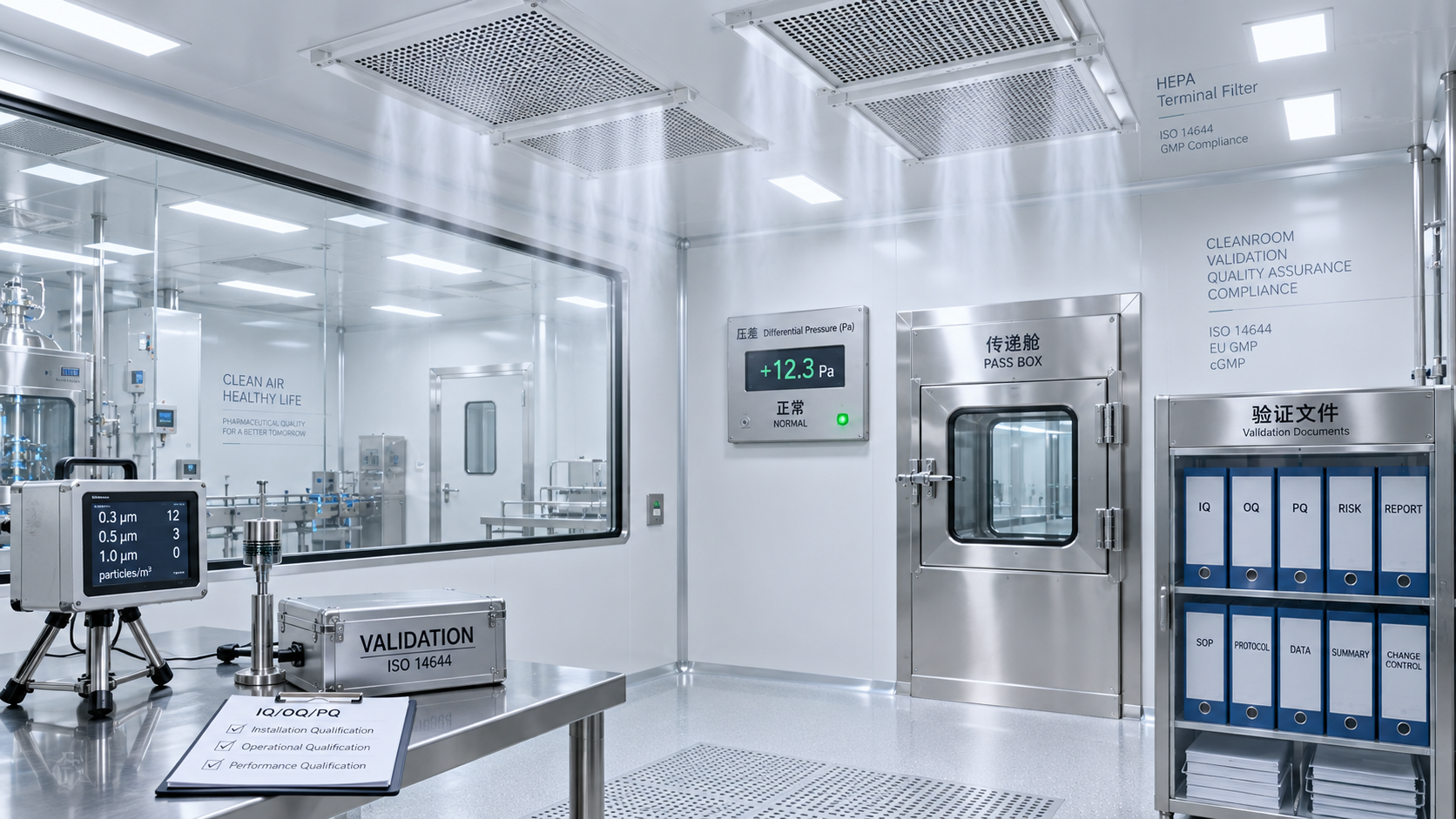
This is especially visible in the operating landscape covered by G-ICE. Here, systems are judged against exacting conditions such as ISO 14644 cleanliness, ASHRAE thermal performance, SEMI process expectations, and ESG accountability.

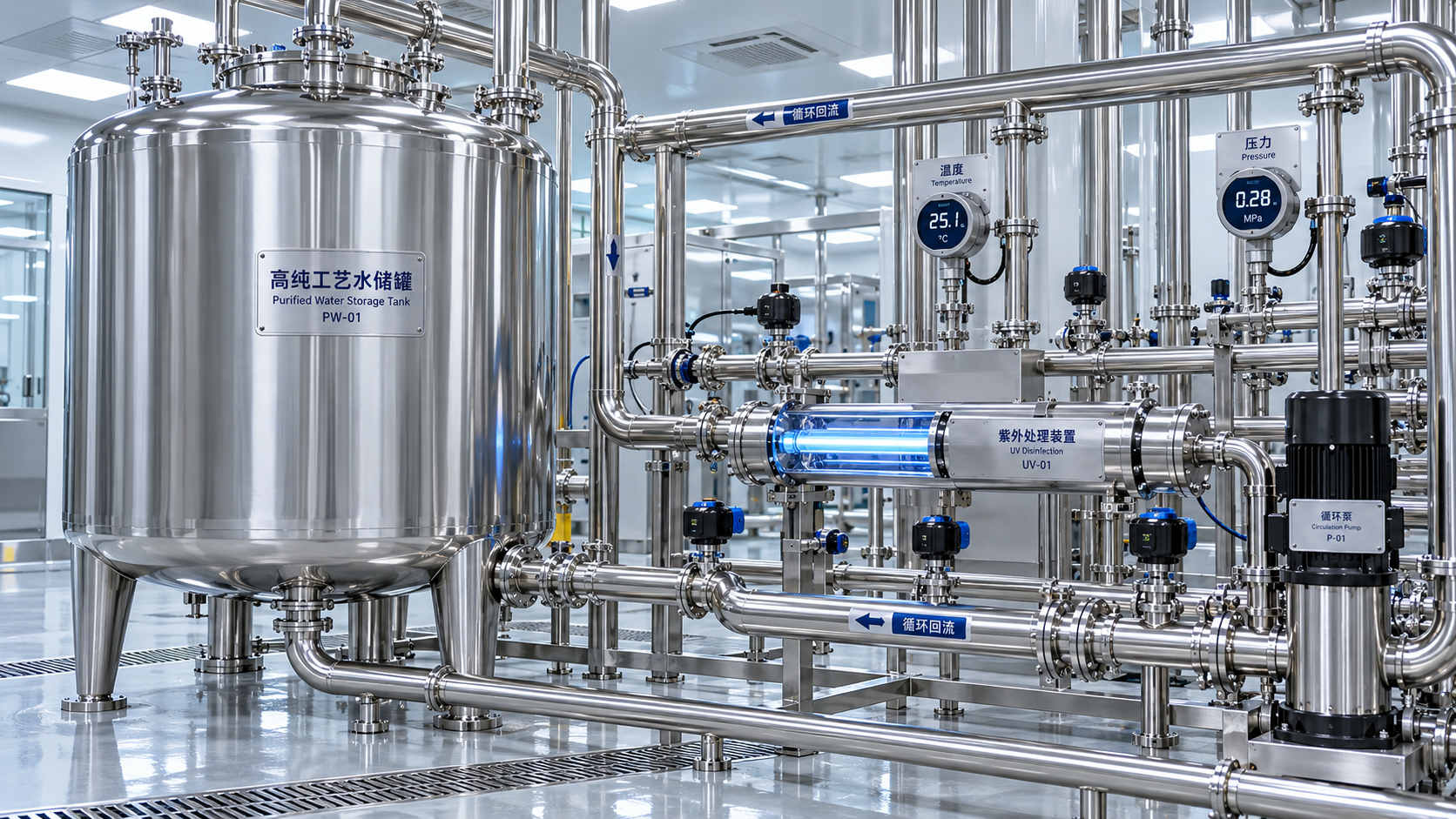
A supplier that supports ISO Class 1 contamination control, ultra-stable temperature management, UPW purity, or high-risk lab containment must show far more than commercial readiness. It must demonstrate procedural discipline, documentation maturity, and repeatable compliance behavior.
That is why the Supplier Comparison Services compliance review has moved closer to the center of procurement governance. It helps reduce hidden operational risk before specification gaps become expensive corrections.
What a Supplier Comparison Services compliance review should actually cover
At its core, the review compares how suppliers satisfy mandatory requirements, how they evidence that compliance, and how reliably they can sustain it during the contract lifecycle.
A useful checklist should not stop at certificates. It should examine whether the supplier’s systems, controls, and reporting practices match the risk profile of the project.
This broader scope turns the Supplier Comparison Services compliance review into a practical business screen, not a paperwork exercise.
Where review quality often breaks down
Many comparisons fail because all suppliers are assessed against a generic checklist. That creates the appearance of rigor while missing the actual control points tied to the intended application.
A cleanroom air-handling supplier should not be reviewed like a software-only monitoring vendor. A UPW skid provider should not be judged with the same evidence model used for general mechanical contractors.
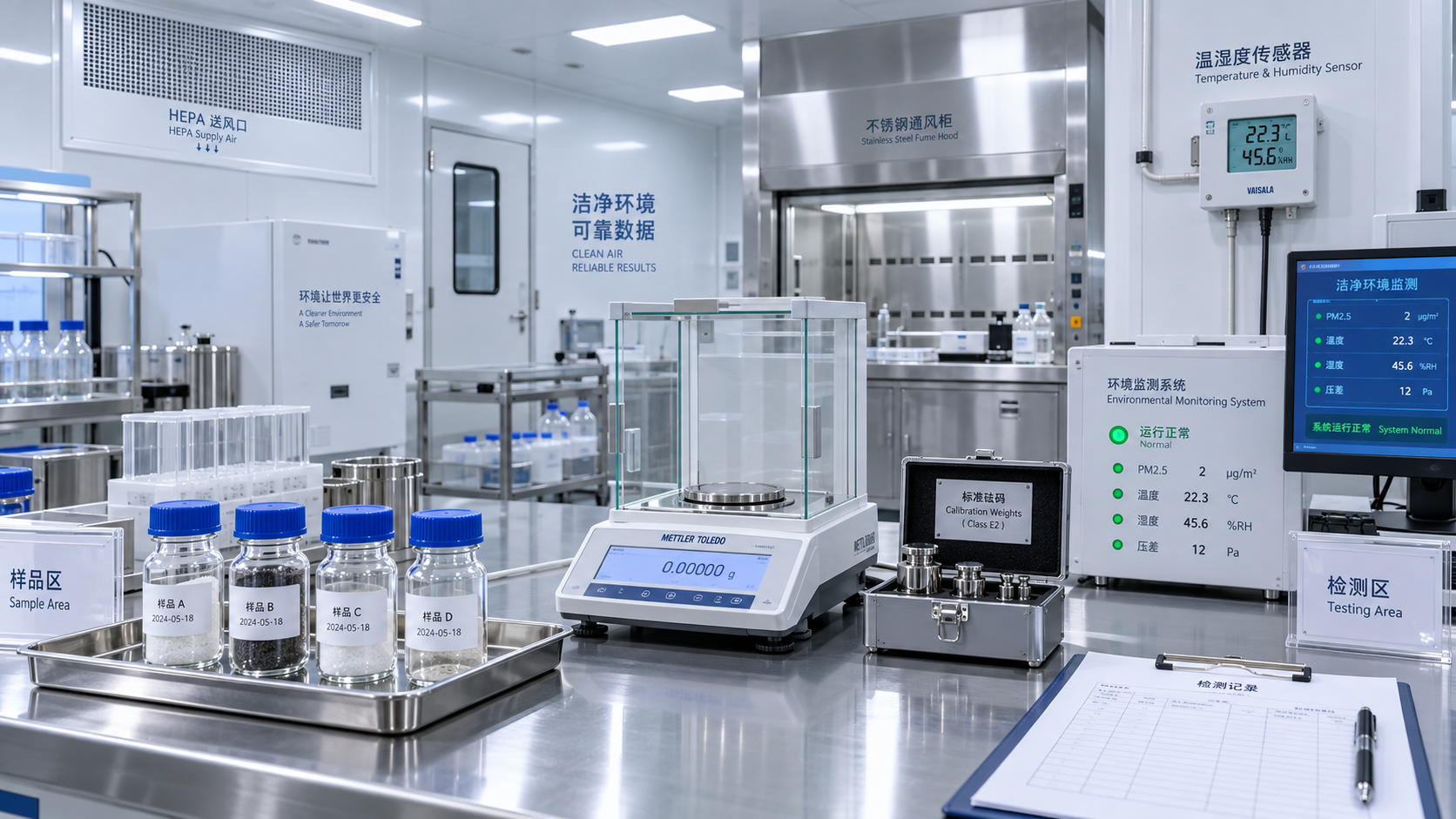
Another weak point is relying on self-declared compliance without checking evidence depth. Some vendors can produce certificates quickly but cannot explain sampling logic, calibration history, or deviation response processes.
The Supplier Comparison Services compliance review should also test timing. Documents that are technically valid but outdated, project-specific exceptions that are buried in footnotes, and pending recertifications can materially change risk.
A practical checklist for complex industrial procurement
In practice, the strongest reviews combine standard controls with scenario-specific checks. The list below is useful across multidisciplinary industrial environments.
Documentation and legal standing
- Confirm corporate registration, beneficial ownership transparency, and sanctions screening where relevant.
- Verify licenses, certifications, insurance coverage, and jurisdiction-specific authorizations.
- Check whether supplied declarations match the exact legal entity signing the contract.
Technical proof and validation readiness
- Review test protocols, acceptance criteria, and third-party verification where available.
- Compare operating tolerances against project limits, not marketing values.
- Assess whether qualification packages support FAT, SAT, IQ, OQ, or other required milestones.
Process control and change management
- Ask how engineering changes are approved, documented, and communicated.
- Review supplier controls over subcontractors and critical components.
- Examine escalation paths for nonconformance, containment, and corrective action.
Environmental and ESG evidence
- Check reporting on energy performance, refrigerants, water usage, waste handling, and emissions factors.
- Verify whether disclosures are auditable or only estimated.
- Look for alignment between sustainability claims and technical design choices.
This is where a Supplier Comparison Services compliance review becomes especially valuable. It helps identify which suppliers are easier to govern after award, not just easier to shortlist.
How sector context changes the comparison
The same checklist should be weighted differently depending on the operating context. G-ICE’s five industrial pillars show why sector nuance matters.
A Supplier Comparison Services compliance review is stronger when these priorities are defined before supplier responses are scored. Otherwise, the comparison can become administratively neat but strategically misleading.
Turning review findings into better decisions
The real value of the checklist appears after scoring. A sound review should separate findings into disqualifiers, negotiable gaps, and post-award monitoring items.
That distinction matters. Some issues require immediate rejection, such as missing regulatory authority, unverifiable quality controls, or failed traceability for critical components.
Other issues may be manageable through contract structure. Examples include enhanced reporting obligations, milestone-based approvals, witness testing, or stricter change notification clauses.
It is also worth comparing how suppliers behave during the review itself. Slow evidence submission, inconsistent answers, or repeated qualification caveats often predict future execution friction.
A disciplined Supplier Comparison Services compliance review therefore supports both selection and governance. It helps shape the contract, the audit plan, and the post-award control model.
What to do next with the checklist
Start by mapping the project to its regulatory and operational exposure. Then weight the checklist around the controls that truly affect qualification, uptime, environmental performance, and reporting obligations.
Next, require comparable evidence from every supplier. Uniform requests make the Supplier Comparison Services compliance review more defensible and reduce the risk of hidden assumptions entering the decision.
Finally, keep the review connected to the full asset lifecycle. In complex industrial settings, the best supplier is rarely the one with the shortest quote. It is the one whose compliance position remains stable when installation, validation, operation, and audit pressure begin.
That is the point where a checklist stops being administrative support and becomes a sharper procurement instrument. Used well, it gives supplier comparisons more clarity, more traceability, and better decision control.
Get weekly intelligence in your inbox.
No noise. No sponsored content. Pure intelligence.
 Oct 21, 2026How often is cleanroom certification required under ISO 14644-2?Cleanroom Certification is generally recommended annually under ISO 14644-2. Learn when risk-based extensions apply and which changes trigger earlier testing to plan with confidence.
 Oct 21, 2026FASEB Comments on NIH Draft Policy for Research Involving BiohazardsFASEB comments on NIH’s draft biohazard research policy call for risk-based biosafety oversight. Explore potential implications for laboratories, suppliers, and compliance teams.
 Oct 20, 2026How to disinfect ultrasound machines without damaging surfacesLearn how to disinfect ultrasoundmachines without surface damage. Explore compatible products, wet contact times, and probe care to protect patients and equipment.
 Oct 20, 2026Ultrapure Water in Semiconductor Manufacturing: Reuse and Quality Control InsightsExplore ultrapure water reuse in semiconductor manufacturing, key UPW quality benchmarks and analytical insights to help evaluate suppliers and protect process purity.
 Oct 19, 2026How cooling affects warpage in injection-molded consumer electronics housingsOptimize plastic injection molding for consumer electronics with cooling strategies to reduce housing warpage and improve assembly fit. Discover practical checks for stable, efficient production.
 Oct 18, 2026Can air leaks prevent a dehumidifier from holding its target dew point?Why can't our dehumidifier maintain the target dew point? Discover how air leaks increase moisture loads, spot hidden faults, and find practical fixes to restore reliable dew-point control.
 Oct 17, 2026How semiconductor process water treatment removes trace organicsSee how semiconductor process water treatment removes trace organics with RO, UV oxidation, and polishing. Learn how TOC monitoring helps verify purity and pinpoint contamination.
 Oct 16, 2026How to choose ultra pure water piping materials to limit leachingChoose ultra pure water piping with confidence. Compare PVDF, PFA, and stainless steel, assess leaching risks, and learn how to qualify your system for reliable purity.
 Oct 15, 2026How to size a skid-mounted deionized water system for peak demandCompare deionized water systems skid configurations for peak demand. Learn how to balance production, storage, and pump capacity to prevent shortages and avoid costly oversizing.
 Oct 14, 2026When is collaborative laboratory robotics suitable for sample sorting?Explore when collaborative laboratory robotics suits sample sorting. Discover key checks for safety, traceability, container compatibility, and throughput before choosing your solution.
 Oct 13, 2026How sandwich panel joints affect airtightness in cleanroom systemsCleanroom Systems sandwich panels need reliable joints for airtightness. Discover how gaskets, sealants, and testing help reduce leakage and protect cleanroom pressure control.
 Oct 12, 2026How to verify USP compliance for ultra pure water systemsUltra Pure Water Systems USP compliance: learn how to verify water quality, sampling, sanitization, trends, and validation controls at every point of use.
 Oct 11, 2026How tight temperature control prevents cleanroom process driftCleanroom process temperature control systems prevent costly drift by stabilizing critical conditions, improving repeatability, and protecting sensitive production workflows.
 Oct 10, 2026When does organic contaminant removal require TOC treatment?Organic contaminant removal requires TOC treatment when dissolved organics threaten product quality, equipment reliability, or process control. Learn how to assess risks and choose the right solution.
 Oct 08, 2026What affects lead times for sheet metal bending services in Canada?Sheet metal bending services Canada: discover how material supply, tooling, tolerances, finishing, documentation, and freight affect lead times for reliable project delivery.
 Oct 07, 2026How HVAC design for semiconductor fabs prevents airborne contaminationHVAC design for semiconductor fabs prevents airborne contamination through advanced filtration, pressure cascades, airflow control, and real-time monitoring. Explore key strategies for cleaner, more reliable wafer production.
 Oct 06, 2026How photovoltaic modules waterproof technology prevents moisture damagephotovoltaic modules waterproof technology prevents moisture damage with durable seals, drainage, and junction-box protection. Explore practical selection and testing insights.
 Oct 05, 2026How ISO 14644 Europe requirements affect cleanroom qualificationISO 14644 Europe requirements shape cleanroom qualification, from particle classification and recovery testing to monitoring, GMP alignment, and change control.
 Oct 04, 2026How to assess a pharmaceutical cleanroom solutions supplier’s ISO capabilityPharmaceutical Cleanroom Solutions supplier assessment guide: evaluate ISO 14644 capability, validation evidence, airflow design, documentation, and long-term GMP readiness.
 Oct 03, 2026What EU standards govern the design of BSL-3 laboratories in Europe?BSL-3 laboratories Europe: explore EU directives, EN standards, HVAC containment, commissioning, and practical design strategies for compliant, resilient high-containment facilities.
 Oct 02, 2026How EN 1822 defines HEPA filtration efficiency for cleanroomsHEPA filtration EN 1822 explained: learn how MPPS testing, local leakage limits, and filter classes support reliable cleanroom decisions.
 Oct 01, 2026How pharmaceutical process water systems control microbial riskProcess water systems pharmaceutical teams rely on can control microbial risk through hygienic design, monitoring, and validated sanitization. Explore practical compliance strategies.
 Sep 30, 2026When does a negative pressure laboratory need BSL-3 containment?Negative pressure laboratory or BSL-3? Discover the risk factors, engineering controls, and containment requirements needed for safe, compliant laboratory planning.
 Sep 29, 2026How to evaluate a TOC-zero water treatment supplier for UPW systemsChoose a TOC-zero water treatment supplier with confidence. Compare UPW performance, monitoring, validation, materials, service capability, and lifecycle cost.
 Sep 28, 2026What drives sustainable cooling cost in high-precision facilities?Sustainable cooling cost in high-precision facilities depends on thermal stability, energy, water, controls, and resilience. Explore smarter lifecycle strategies.
 Sep 27, 2026How to compare freight forwarding services for time-critical shipmentsCompare freight forwarding services for time-critical shipments with practical insights on routing, customs, visibility, specialized handling, and contingency planning.
 Sep 26, 2026How environmental integrity in laboratories supports reliable test resultsEnvironmental Integrity in laboratories safeguards samples, instruments, and staff. Discover practical controls for contamination, monitoring, and reliable test results.