HVAC Regulatory Compliance News: 2026 Changes to Track
For quality control and safety leaders, staying ahead of hvac regulatory compliance news is no longer optional in 2026. From stricter energy-efficiency mandates to tighter indoor air quality, cleanroom, and biosafety requirements, upcoming changes will directly affect risk management, audit readiness, and operational continuity.
This overview focuses on what matters most for regulated facilities: which changes are likely to affect audits, validation, documentation, and upgrade planning, and how quality and safety teams can prepare before compliance gaps turn into production or reputational risks.
What quality and safety leaders should expect from 2026 HVAC compliance changes
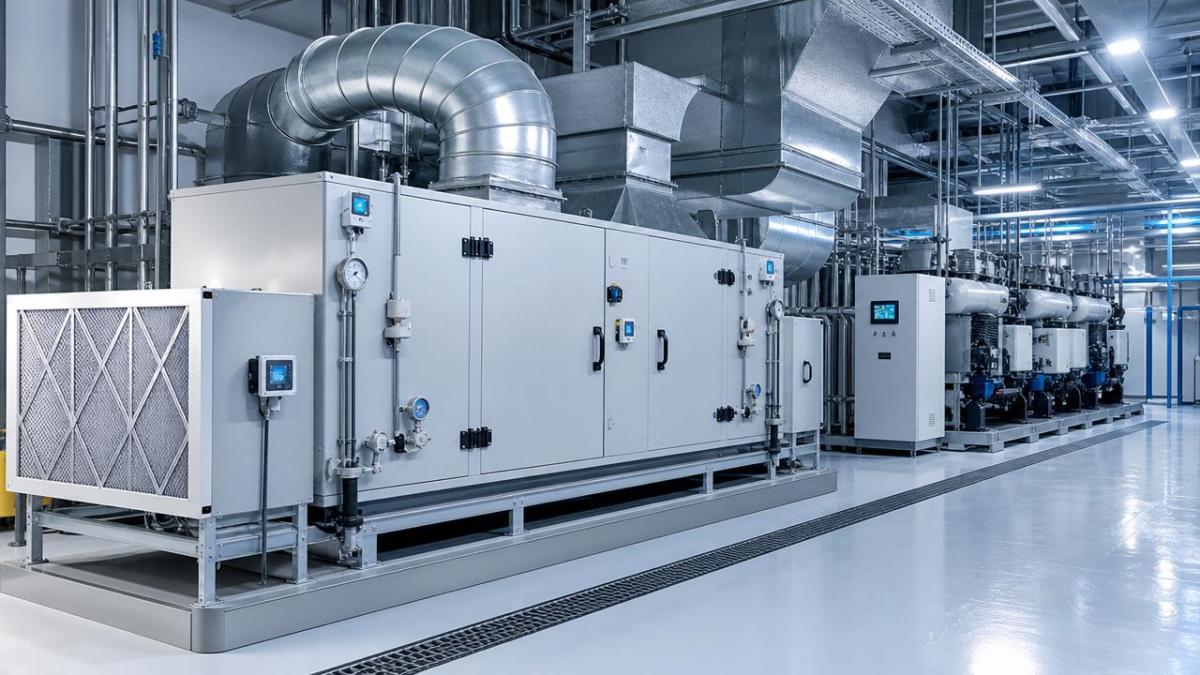
The core search intent behind hvac regulatory compliance news is practical, not academic. Readers want to know what is changing, what creates risk, what actions are urgent, and how those changes could affect inspections, facility performance, and cross-functional accountability.
For quality control and safety management teams, the biggest concern is not simply whether new rules exist. It is whether current HVAC systems, monitoring practices, and maintenance records can still withstand external audits, customer scrutiny, and internal risk reviews in 2026.
The overall direction is clear. Regulators, standard-setting bodies, and major end-user industries are aligning around three themes: higher energy accountability, stronger indoor environmental control, and more defensible proof that critical HVAC performance is continuously achieved rather than occasionally checked.
That means compliance will increasingly depend on traceable data, validated controls, alarm management, air-change performance, pressure stability, filtration integrity, and documented response procedures. Facilities that still rely on fragmented records or reactive maintenance will face growing pressure.
Why 2026 will feel different from previous compliance cycles
Many organizations are used to treating HVAC compliance as a facilities issue. In 2026, that approach becomes less effective because regulatory expectations now intersect with ESG reporting, occupational health, product quality, contamination control, and resilience planning at the enterprise level.
Several forces are driving this shift. Governments continue to tighten building energy and refrigerant rules. At the same time, high-spec industries such as pharmaceuticals, semiconductors, and advanced manufacturing are demanding more rigorous environmental consistency and better digital evidence.
For quality and safety teams, this means HVAC is no longer just a background utility. It is now a controlled risk system that influences deviation rates, cleanroom behavior, staff exposure, product integrity, and business continuity during both routine operations and upset conditions.
In practical terms, 2026 compliance news should be read through a wider lens. The question is not only whether a standard changed. The question is whether your operating model can prove control across energy use, air quality, contamination pathways, and emergency response.
Energy-efficiency mandates will create new documentation pressure
One of the most important developments to track is the tightening of energy-efficiency expectations for commercial and industrial HVAC infrastructure. This includes equipment performance thresholds, building energy disclosure obligations, and pressure to reduce lifecycle carbon intensity.
For safety and quality leaders, the hidden issue is documentation. Energy rules increasingly require measurable proof of system performance, retrofit decisions, refrigerant management, and commissioning outcomes. If those records are incomplete, compliance risk can extend beyond engineering teams.
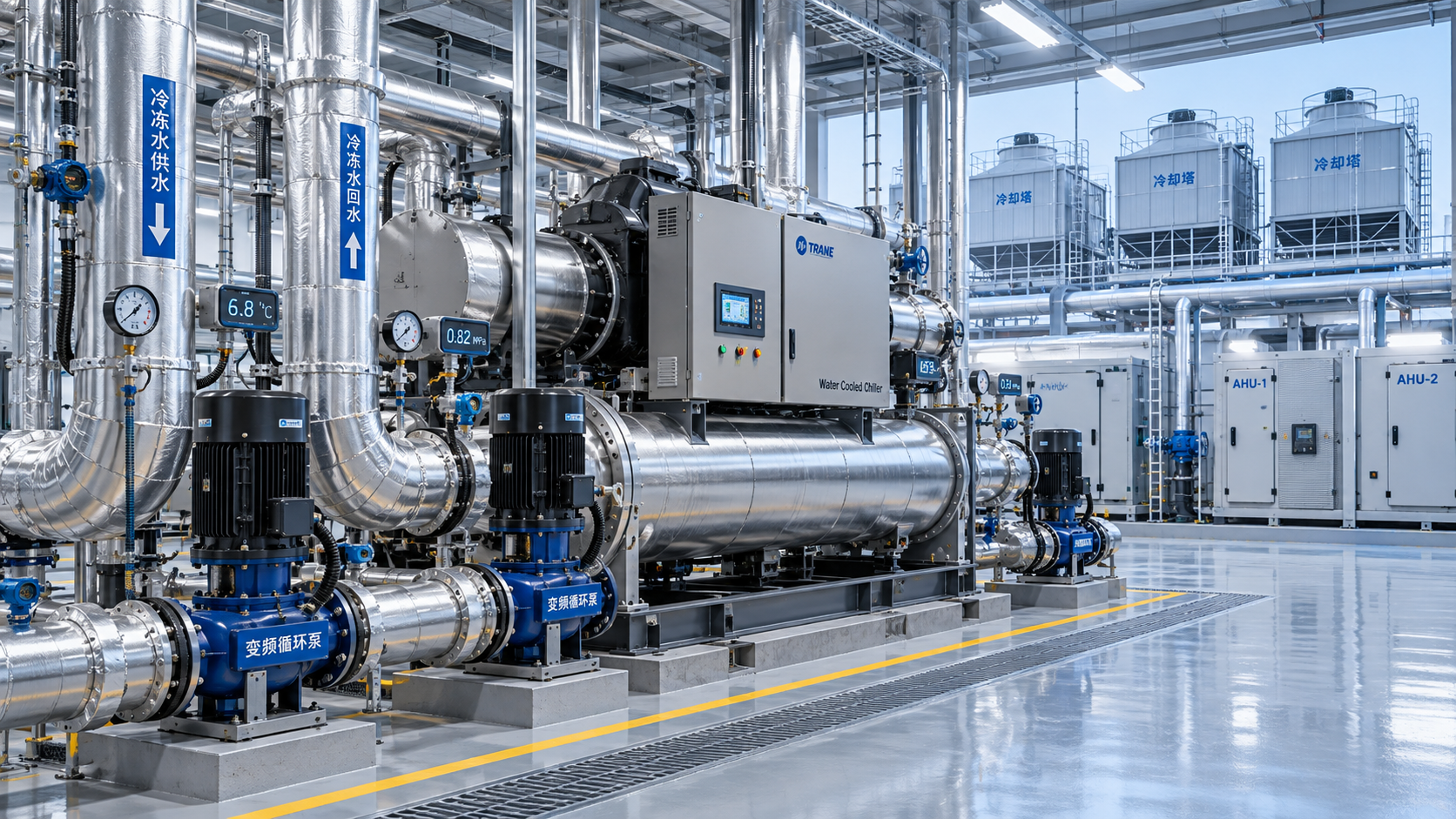
Facilities with older chillers, air handlers, variable air volume systems, or constant-speed fans may face new upgrade pressure. Even where replacement is not legally required immediately, poor efficiency can trigger internal review if it affects permit renewals, ESG metrics, or stakeholder reporting.
Another growing issue is simultaneous compliance conflict. Some facilities over-ventilate or over-condition spaces to feel safer, but that can undermine energy goals. In 2026, regulators and auditors are more likely to expect balanced, risk-based control rather than blanket high-consumption operation.
The practical takeaway is simple: map each critical HVAC asset against efficiency ratings, control capability, refrigerant status, maintenance history, and metering visibility. Quality and safety teams should request this map early, because it often reveals undocumented weak points before regulators do.
Indoor air quality requirements are moving from general guidance to enforceable expectation
Indoor air quality, once treated mainly as an occupational comfort topic, is now much closer to a compliance issue in many sectors. Concerns around airborne contaminants, infection prevention, chemical exposure, and ventilation effectiveness continue to reshape expectations.
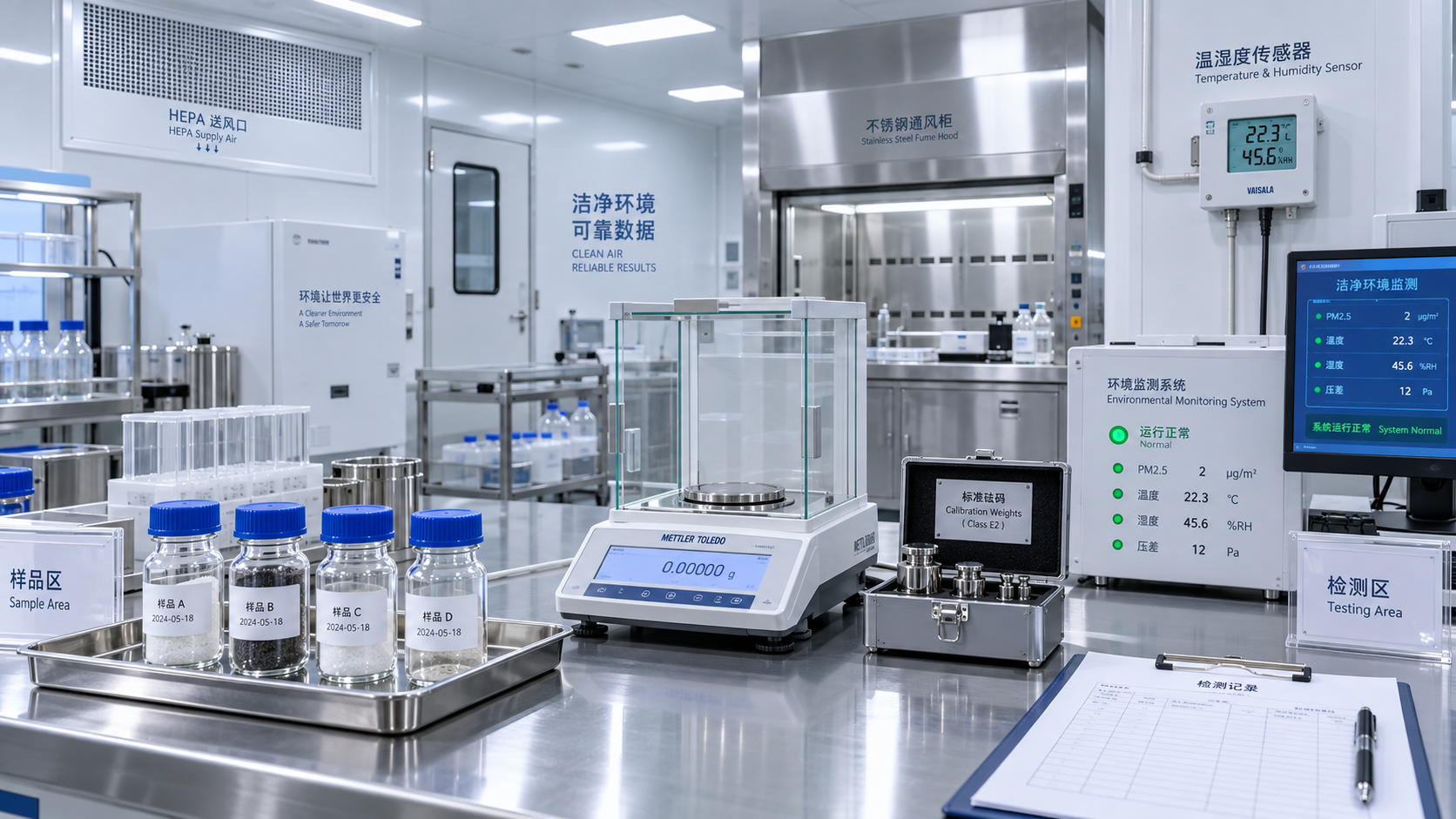
In 2026, more organizations will be expected to demonstrate that ventilation rates, filtration design, humidity ranges, pressure relationships, and sensor calibration are appropriate for actual room use, not just based on outdated design assumptions or old operating schedules.
Quality control teams should pay special attention where environmental conditions influence product or process stability. Safety managers should focus on worker exposure pathways, complaint trends, and spaces where occupancy patterns changed without a corresponding HVAC risk review.
A common compliance weakness is treating indoor air quality as a one-time design feature instead of a continuously managed operating condition. Regulators increasingly favor evidence of monitoring, alarm escalation, corrective action, and periodic reassessment after layout, staffing, or process changes.
This is especially relevant in mixed-use facilities where office, clean process, warehouse, and laboratory areas share infrastructure. Cross-zone impacts can create hidden nonconformities, particularly when return air strategy, pressure hierarchy, or filter loading is not closely monitored.
Cleanroom and controlled-environment standards will demand tighter operational discipline
For organizations operating cleanrooms or controlled process spaces, 2026 is likely to bring stricter interpretation rather than entirely new principles. The challenge is that auditors are becoming more sensitive to gaps between documented intent and actual environmental control.
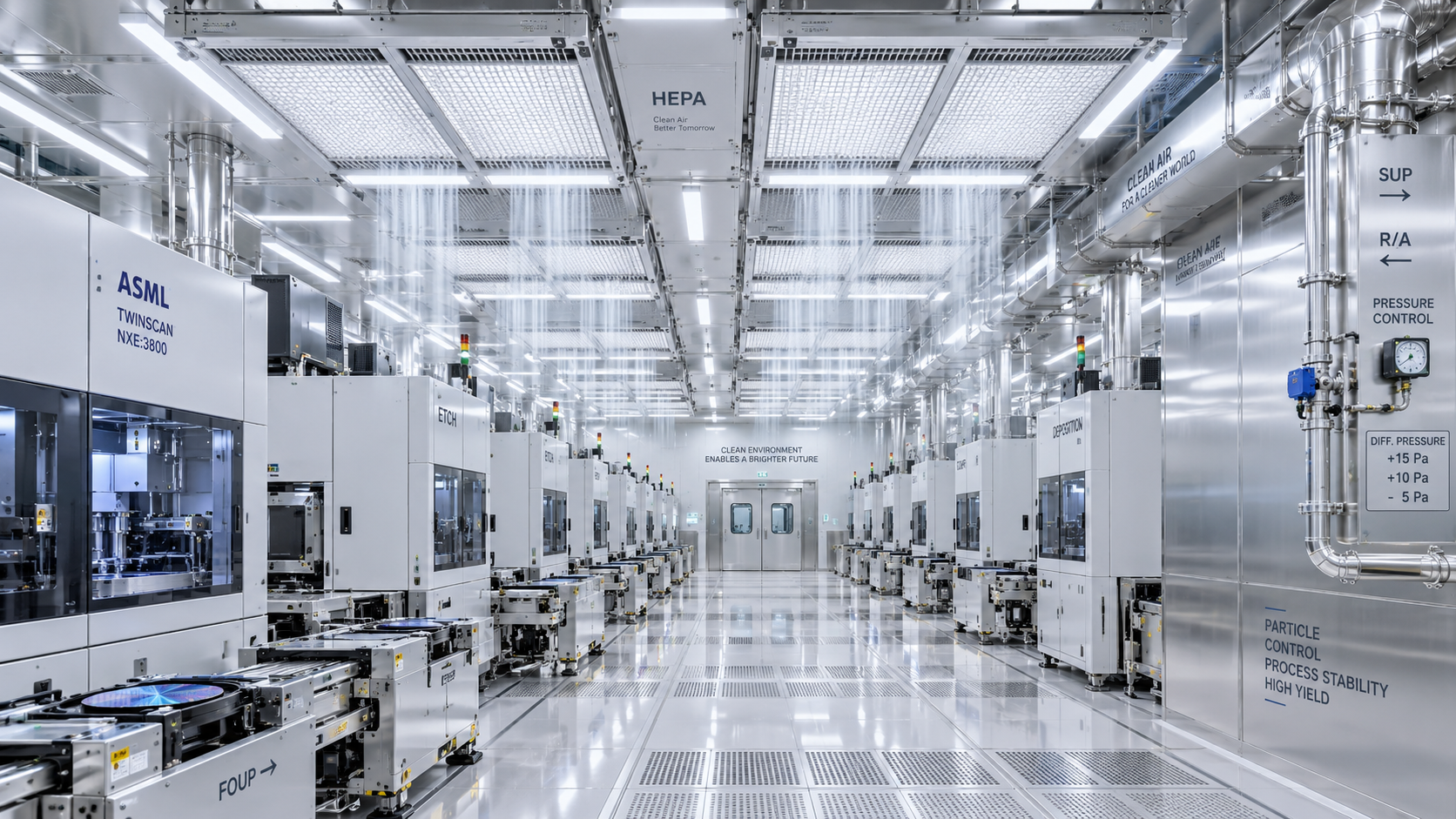
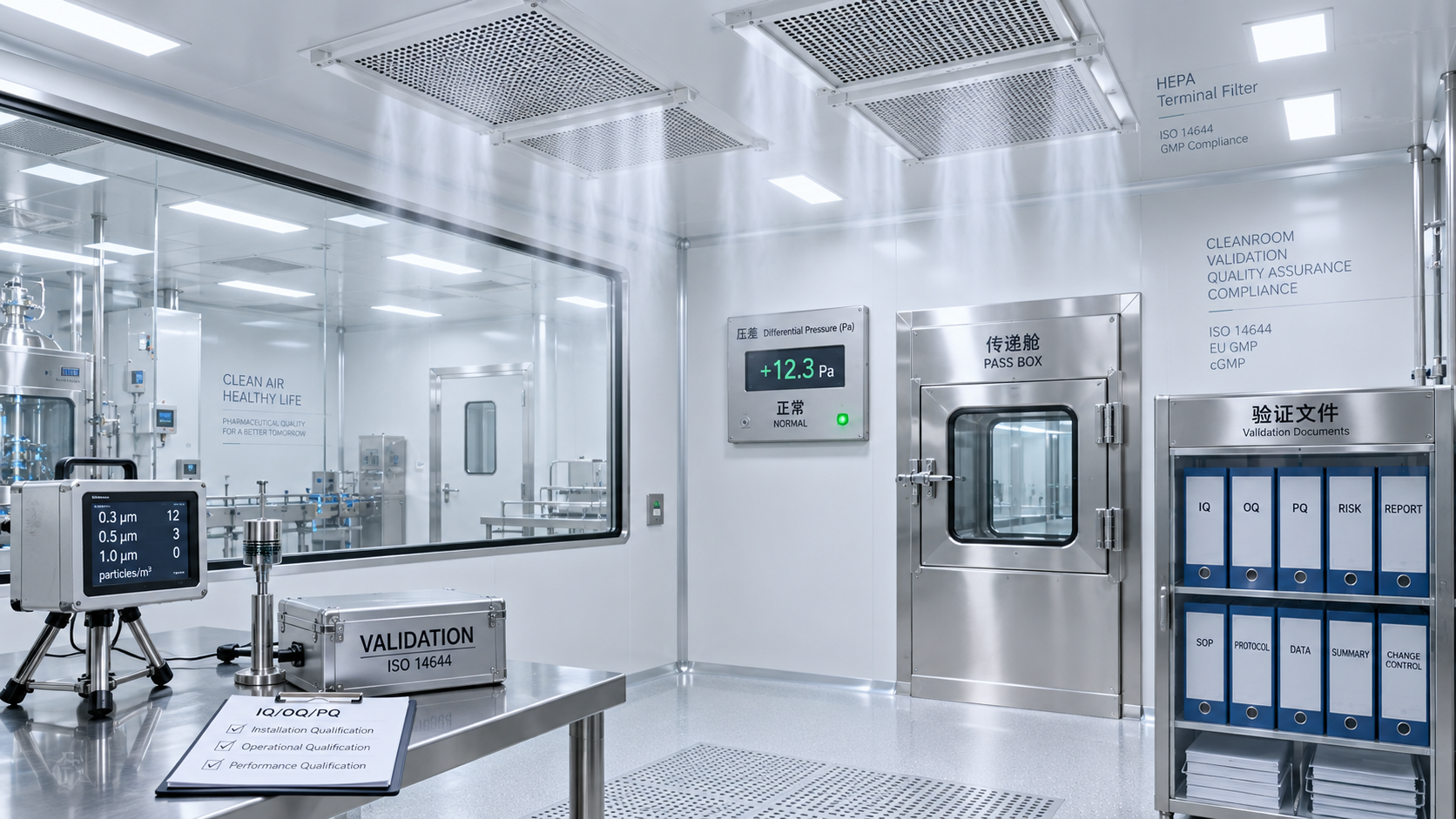
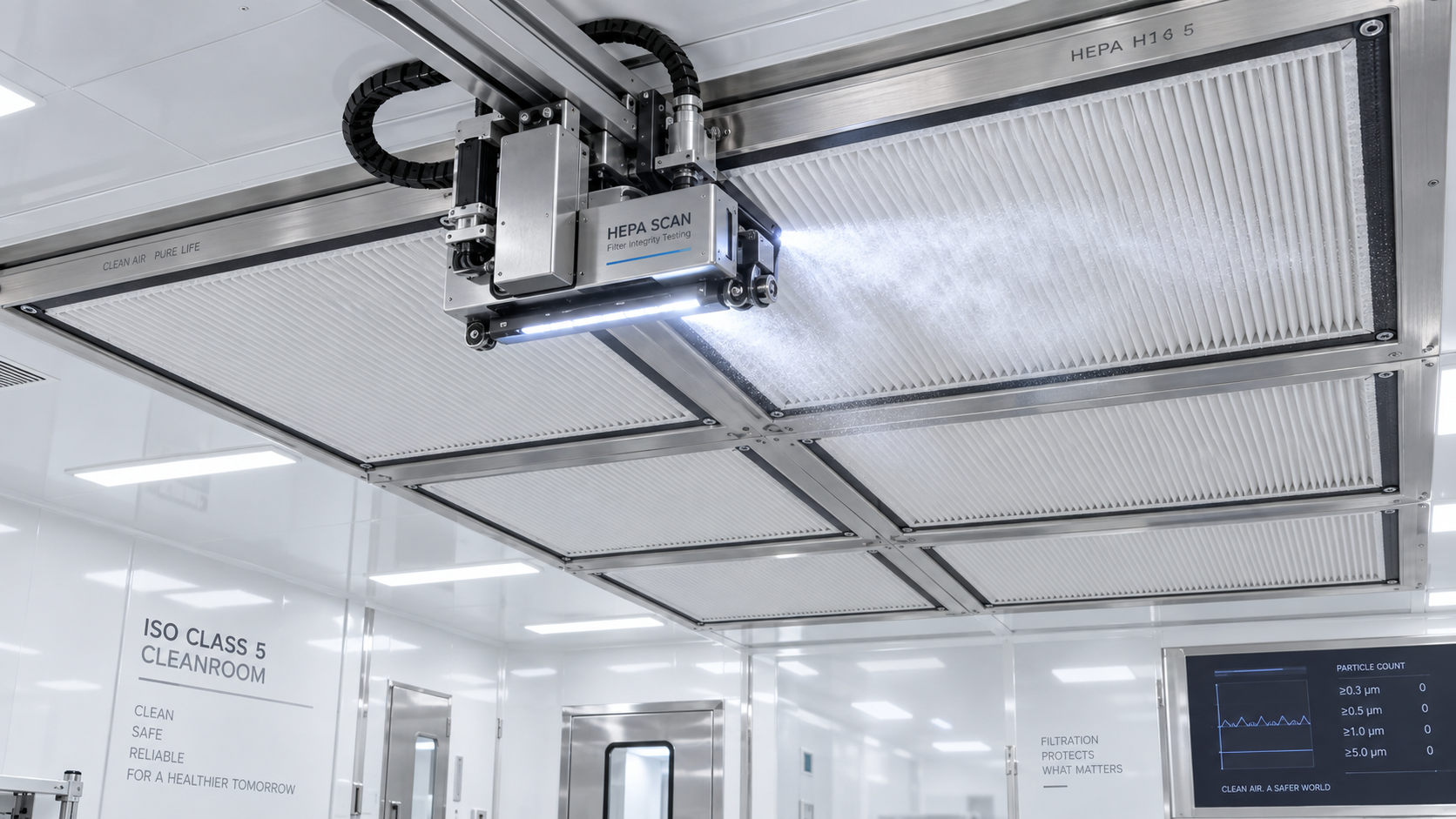
Standards linked to particle control, airflow patterns, pressure differentials, temperature stability, humidity control, and recovery performance are gaining more attention in regulated and high-value production environments. Trending data will matter more than isolated pass results.
That matters to quality teams because many recurring deviations originate in subtle HVAC instability: drifting setpoints, delayed pressure recovery, poorly balanced airflow, door management issues, or maintenance interventions that were not fully requalified before production resumed.
Safety leaders should also watch how cleanroom compliance intersects with personnel protection. In advanced manufacturing and laboratory settings, room classification, containment intent, and process safety requirements can overlap in ways that increase both technical and documentation complexity.
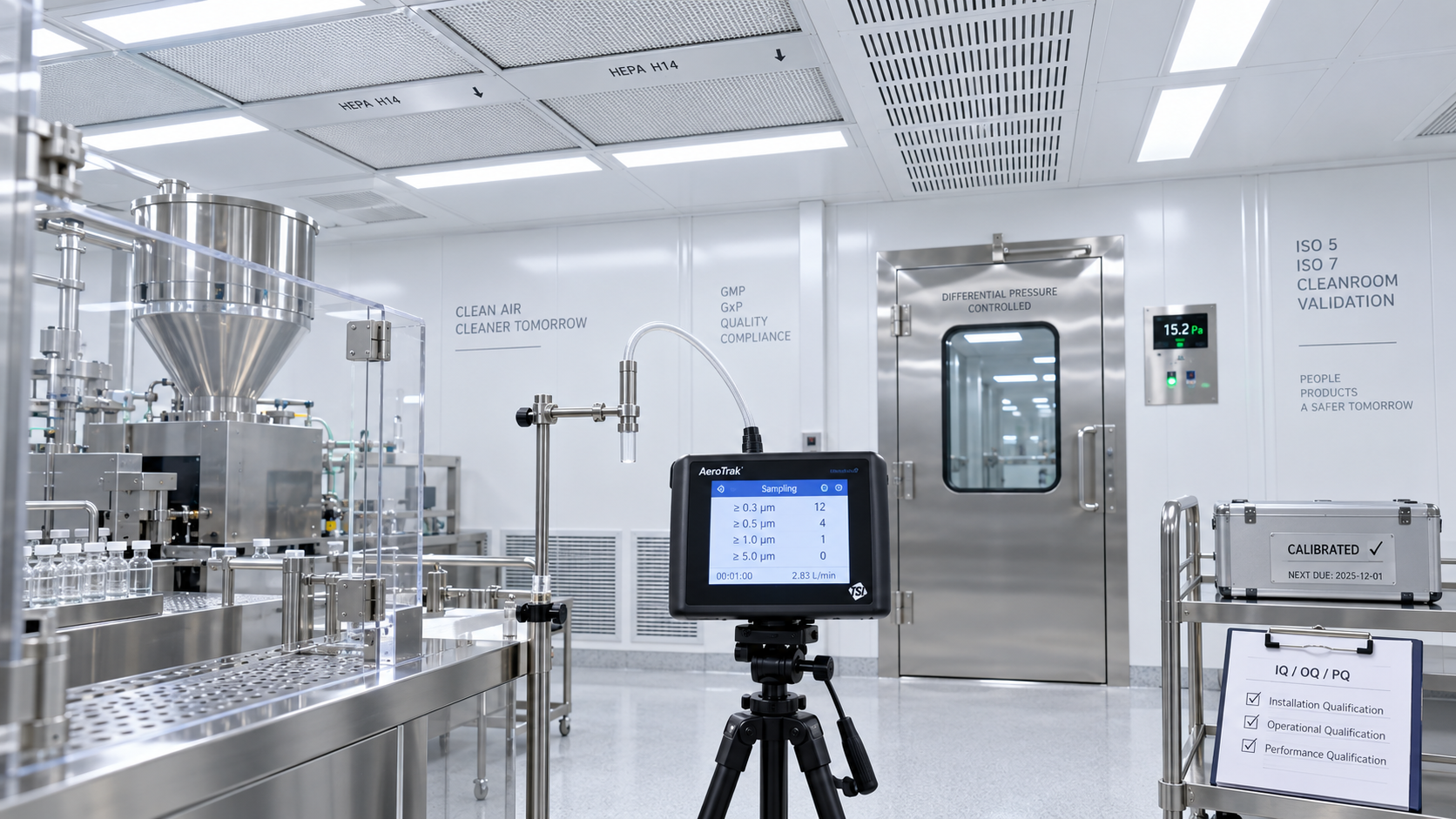
The most useful preparation step is to review whether current environmental monitoring and HVAC qualification programs reflect actual operational risk. If testing only proves startup condition compliance, but not routine dynamic performance, 2026 audits may expose the gap quickly.
Biosafety and high-risk laboratory ventilation controls are under stronger scrutiny
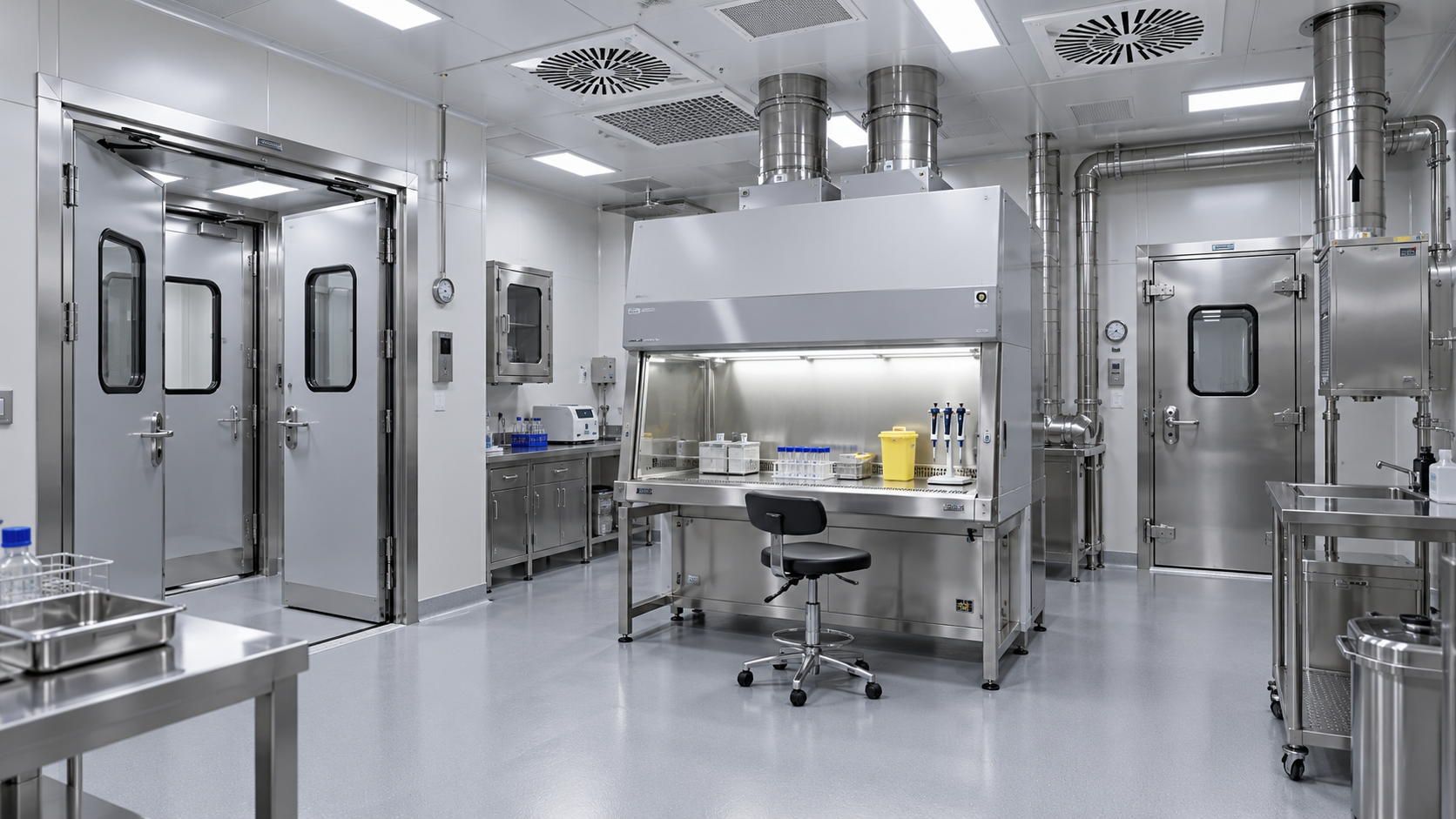
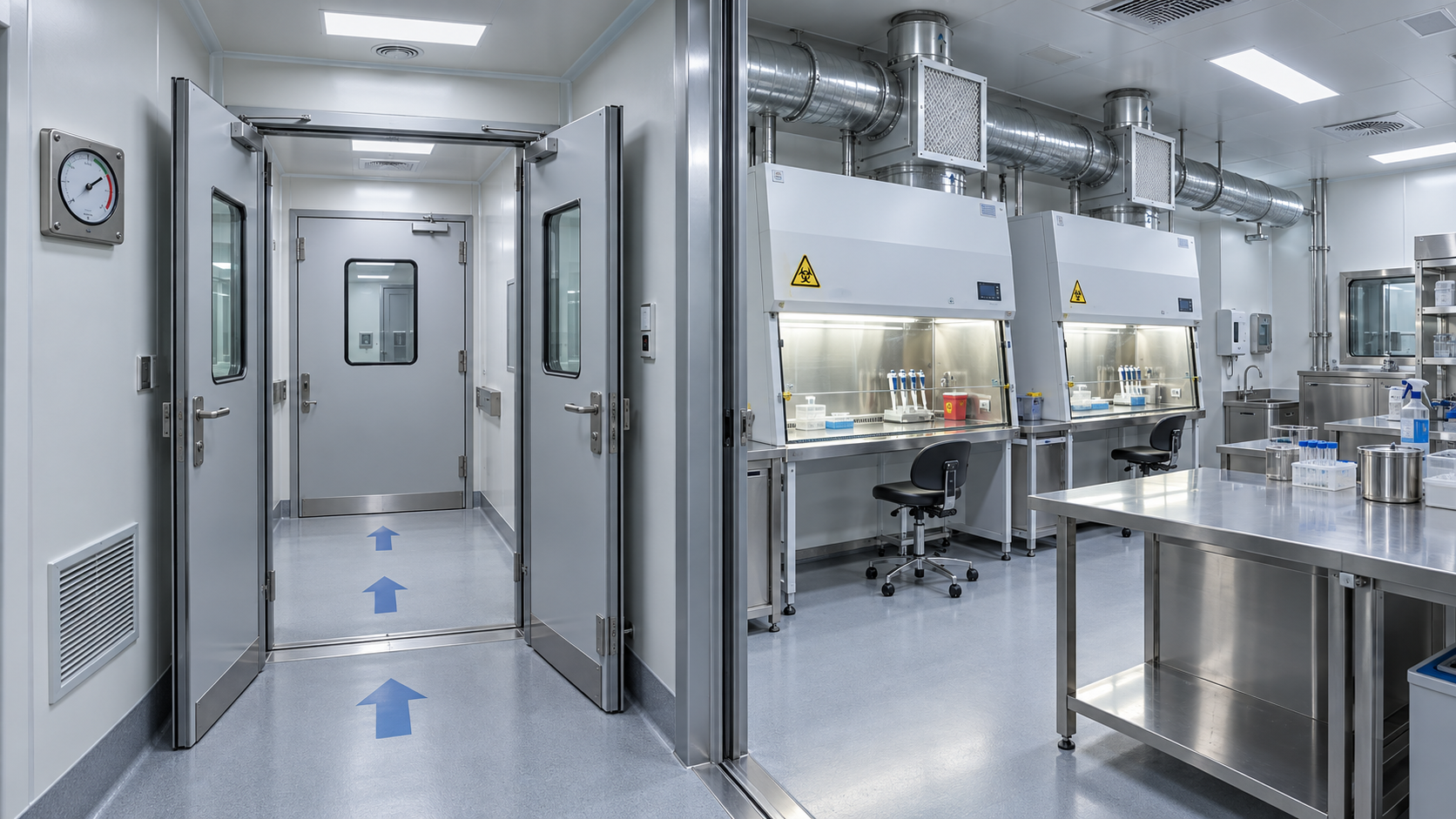
Facilities supporting biological research, pharmaceutical development, or high-containment work should expect continued focus on airflow directionality, exhaust reliability, room pressurization, containment redundancy, and emergency response validation. These areas are no longer seen as niche engineering topics.
In biosafety environments, HVAC failures are not just maintenance events. They can become reportable safety incidents with legal, institutional, and reputational implications. That is why 2026 compliance conversations increasingly include fail-safe logic, alarm response timing, and drill-based verification.
Quality and safety managers should ask whether pressure cascades are continuously trended, whether critical dampers and sensors are tested under realistic fault conditions, and whether contingency procedures align with how the systems actually behave during upset events.
Another important issue is change control. Even small software updates, balancing adjustments, or occupancy modifications can alter containment performance. If MOC procedures do not explicitly include ventilation impact review, a facility may unintentionally create a major compliance exposure.
Where biosafety and cleanroom requirements coexist, coordination becomes even more critical. Protecting product, personnel, and surrounding environments at the same time requires clearer engineering rationale and better documented operational boundaries than many legacy facilities currently maintain.
Refrigerant transition rules will affect both compliance planning and capital timing
Another major area in current hvac regulatory compliance news is refrigerant transition. Phase-down schedules, leakage control expectations, servicing restrictions, and reporting rules are reshaping purchasing and maintenance decisions across industrial and commercial portfolios.
Even when a facility is not replacing equipment immediately, refrigerant-related compliance risk can still increase through servicing limitations, higher cost exposure, reduced part availability, and heightened scrutiny of leak detection, technician qualifications, and asset lifecycle planning.
For safety managers, refrigerants also carry occupational and emergency implications depending on type, charge size, machinery room design, and local code adoption. For quality leaders, unplanned downtime from refrigerant-related failures can directly affect process continuity and product release schedules.
The best response is not to wait for end-of-life failure. Build an asset-level transition plan now that identifies refrigerant type, age, supportability, leak history, criticality, and replacement priority. This gives leadership a defensible basis for budget requests and risk prioritization.
Digital monitoring and audit-ready records are becoming part of compliance itself
One of the clearest 2026 trends is the move from compliance by periodic inspection to compliance by demonstrable control. In other words, it is no longer enough to say a system was qualified once or checked quarterly if daily performance cannot be reconstructed clearly.
That change benefits organizations with strong building management systems, calibrated sensors, historian data, alarm records, and disciplined deviation workflows. It creates pressure on organizations that still depend on manual logs, disconnected systems, or undocumented local overrides.
Quality teams should focus on data integrity questions. Are time stamps synchronized? Are setpoint changes attributable? Are alarms categorized by criticality? Can environmental excursions be correlated with process events, complaints, or maintenance activity without excessive manual reconstruction?
Safety teams should focus on response defensibility. During an audit or incident review, can the organization show what happened, who responded, how quickly the condition was contained, and what preventive action followed? If not, digital immaturity becomes a compliance issue.
This does not always require a full digital twin deployment. But it does require enough instrumentation, visibility, and governance to show that critical HVAC conditions are monitored, understood, and acted upon through a controlled management system.
How to turn regulatory uncertainty into a 2026 action plan
Because not every regulation will apply equally across every site, the smartest approach is structured prioritization. Start by identifying where HVAC performance has direct links to product quality, employee safety, permit conditions, customer requirements, or high-cost downtime.
Next, review the top five system categories most likely to attract scrutiny: ventilation effectiveness, filtration and pressure control, refrigerant compliance, energy performance, and monitoring records. For each category, assess design intent, current operation, documentation strength, and known deviations.
Then classify findings into three groups: immediate compliance risks, near-term upgrade needs, and strategic modernization opportunities. This helps leadership avoid treating every issue as urgent while still moving quickly on the gaps most likely to fail inspection or disrupt operations.
Cross-functional ownership is essential. Facilities may own the hardware, but quality often owns validation logic, safety owns exposure and response implications, and operations owns the real-world behavior that determines whether procedures are followed consistently under pressure.
Finally, establish a regulatory watch process. Track code adoption timelines, industry-specific guideline revisions, customer audit trends, and internal incident signals together rather than in separate silos. That is the best way to stay ahead of future hvac regulatory compliance news instead of reacting late.
Questions every quality or safety leader should ask now
Before 2026 requirements fully take hold, leaders should ask a few direct questions. Can we prove our critical HVAC environments stay within required limits during normal and abnormal operation? Do our records support that claim without manual reconstruction?
Have room-use changes, production changes, or occupancy changes outpaced HVAC requalification? Are alarms meaningful, tested, and linked to clear response procedures? Do we know which assets face refrigerant, efficiency, or control obsolescence within the next budget cycle?
Are environmental deviations investigated with the same seriousness as product or safety events? And perhaps most importantly, does leadership understand that HVAC compliance is now tied to broader resilience, ESG, and governance expectations rather than engineering performance alone?
Conclusion: the facilities that prepare early will face less risk later
The most important message in today’s hvac regulatory compliance news is that 2026 will reward preparation, documentation, and cross-functional control. Energy, IAQ, cleanroom, biosafety, refrigerant, and digital-traceability expectations are moving in the same direction: more proof, less assumption.
For quality control and safety leaders, this is an opportunity as much as a challenge. Early review of HVAC risks, records, and upgrade priorities can reduce audit exposure, improve operational continuity, and strengthen trust with regulators, customers, and executive stakeholders.
Facilities that act now will be better positioned to meet evolving compliance demands without rushed retrofits or disruptive findings. Those that wait may discover too late that HVAC is no longer just infrastructure support, but a front-line compliance system.
Get weekly intelligence in your inbox.
No noise. No sponsored content. Pure intelligence.
 Oct 21, 2026How often is cleanroom certification required under ISO 14644-2?Cleanroom Certification is generally recommended annually under ISO 14644-2. Learn when risk-based extensions apply and which changes trigger earlier testing to plan with confidence.
 Oct 21, 2026FASEB Comments on NIH Draft Policy for Research Involving BiohazardsFASEB comments on NIH’s draft biohazard research policy call for risk-based biosafety oversight. Explore potential implications for laboratories, suppliers, and compliance teams.
 Oct 20, 2026How to disinfect ultrasound machines without damaging surfacesLearn how to disinfect ultrasoundmachines without surface damage. Explore compatible products, wet contact times, and probe care to protect patients and equipment.
 Oct 20, 2026Ultrapure Water in Semiconductor Manufacturing: Reuse and Quality Control InsightsExplore ultrapure water reuse in semiconductor manufacturing, key UPW quality benchmarks and analytical insights to help evaluate suppliers and protect process purity.
 Oct 19, 2026How cooling affects warpage in injection-molded consumer electronics housingsOptimize plastic injection molding for consumer electronics with cooling strategies to reduce housing warpage and improve assembly fit. Discover practical checks for stable, efficient production.
 Oct 18, 2026Can air leaks prevent a dehumidifier from holding its target dew point?Why can't our dehumidifier maintain the target dew point? Discover how air leaks increase moisture loads, spot hidden faults, and find practical fixes to restore reliable dew-point control.
 Oct 17, 2026How semiconductor process water treatment removes trace organicsSee how semiconductor process water treatment removes trace organics with RO, UV oxidation, and polishing. Learn how TOC monitoring helps verify purity and pinpoint contamination.
 Oct 16, 2026How to choose ultra pure water piping materials to limit leachingChoose ultra pure water piping with confidence. Compare PVDF, PFA, and stainless steel, assess leaching risks, and learn how to qualify your system for reliable purity.
 Oct 15, 2026How to size a skid-mounted deionized water system for peak demandCompare deionized water systems skid configurations for peak demand. Learn how to balance production, storage, and pump capacity to prevent shortages and avoid costly oversizing.
 Oct 14, 2026When is collaborative laboratory robotics suitable for sample sorting?Explore when collaborative laboratory robotics suits sample sorting. Discover key checks for safety, traceability, container compatibility, and throughput before choosing your solution.
 Oct 13, 2026How sandwich panel joints affect airtightness in cleanroom systemsCleanroom Systems sandwich panels need reliable joints for airtightness. Discover how gaskets, sealants, and testing help reduce leakage and protect cleanroom pressure control.
 Oct 12, 2026How to verify USP compliance for ultra pure water systemsUltra Pure Water Systems USP compliance: learn how to verify water quality, sampling, sanitization, trends, and validation controls at every point of use.
 Oct 11, 2026How tight temperature control prevents cleanroom process driftCleanroom process temperature control systems prevent costly drift by stabilizing critical conditions, improving repeatability, and protecting sensitive production workflows.
 Oct 10, 2026When does organic contaminant removal require TOC treatment?Organic contaminant removal requires TOC treatment when dissolved organics threaten product quality, equipment reliability, or process control. Learn how to assess risks and choose the right solution.
 Oct 08, 2026What affects lead times for sheet metal bending services in Canada?Sheet metal bending services Canada: discover how material supply, tooling, tolerances, finishing, documentation, and freight affect lead times for reliable project delivery.
 Oct 07, 2026How HVAC design for semiconductor fabs prevents airborne contaminationHVAC design for semiconductor fabs prevents airborne contamination through advanced filtration, pressure cascades, airflow control, and real-time monitoring. Explore key strategies for cleaner, more reliable wafer production.
 Oct 06, 2026How photovoltaic modules waterproof technology prevents moisture damagephotovoltaic modules waterproof technology prevents moisture damage with durable seals, drainage, and junction-box protection. Explore practical selection and testing insights.
 Oct 05, 2026How ISO 14644 Europe requirements affect cleanroom qualificationISO 14644 Europe requirements shape cleanroom qualification, from particle classification and recovery testing to monitoring, GMP alignment, and change control.
 Oct 04, 2026How to assess a pharmaceutical cleanroom solutions supplier’s ISO capabilityPharmaceutical Cleanroom Solutions supplier assessment guide: evaluate ISO 14644 capability, validation evidence, airflow design, documentation, and long-term GMP readiness.
 Oct 03, 2026What EU standards govern the design of BSL-3 laboratories in Europe?BSL-3 laboratories Europe: explore EU directives, EN standards, HVAC containment, commissioning, and practical design strategies for compliant, resilient high-containment facilities.
 Oct 02, 2026How EN 1822 defines HEPA filtration efficiency for cleanroomsHEPA filtration EN 1822 explained: learn how MPPS testing, local leakage limits, and filter classes support reliable cleanroom decisions.
 Oct 01, 2026How pharmaceutical process water systems control microbial riskProcess water systems pharmaceutical teams rely on can control microbial risk through hygienic design, monitoring, and validated sanitization. Explore practical compliance strategies.
 Sep 30, 2026When does a negative pressure laboratory need BSL-3 containment?Negative pressure laboratory or BSL-3? Discover the risk factors, engineering controls, and containment requirements needed for safe, compliant laboratory planning.
 Sep 29, 2026How to evaluate a TOC-zero water treatment supplier for UPW systemsChoose a TOC-zero water treatment supplier with confidence. Compare UPW performance, monitoring, validation, materials, service capability, and lifecycle cost.
 Sep 28, 2026What drives sustainable cooling cost in high-precision facilities?Sustainable cooling cost in high-precision facilities depends on thermal stability, energy, water, controls, and resilience. Explore smarter lifecycle strategies.
 Sep 27, 2026How to compare freight forwarding services for time-critical shipmentsCompare freight forwarding services for time-critical shipments with practical insights on routing, customs, visibility, specialized handling, and contingency planning.
 Sep 26, 2026How environmental integrity in laboratories supports reliable test resultsEnvironmental Integrity in laboratories safeguards samples, instruments, and staff. Discover practical controls for contamination, monitoring, and reliable test results.