Who Should Use Adiabatic Cooling Systems in 2026?
As energy costs, water constraints, and Regulatory Frameworks tighten in 2026, adiabatic cooling systems are becoming a strategic choice far beyond traditional HVAC buyers. From Semiconductor Cleanroom operators and server room cooling planners to procurement leaders focused on SEMI Standards, Contamination Control, and refrigerant leak detection, this guide explains who should adopt these systems, where heat pipe exchangers add value, and how they support reliable, efficient performance.
Which organizations should prioritize adiabatic cooling systems in 2026?
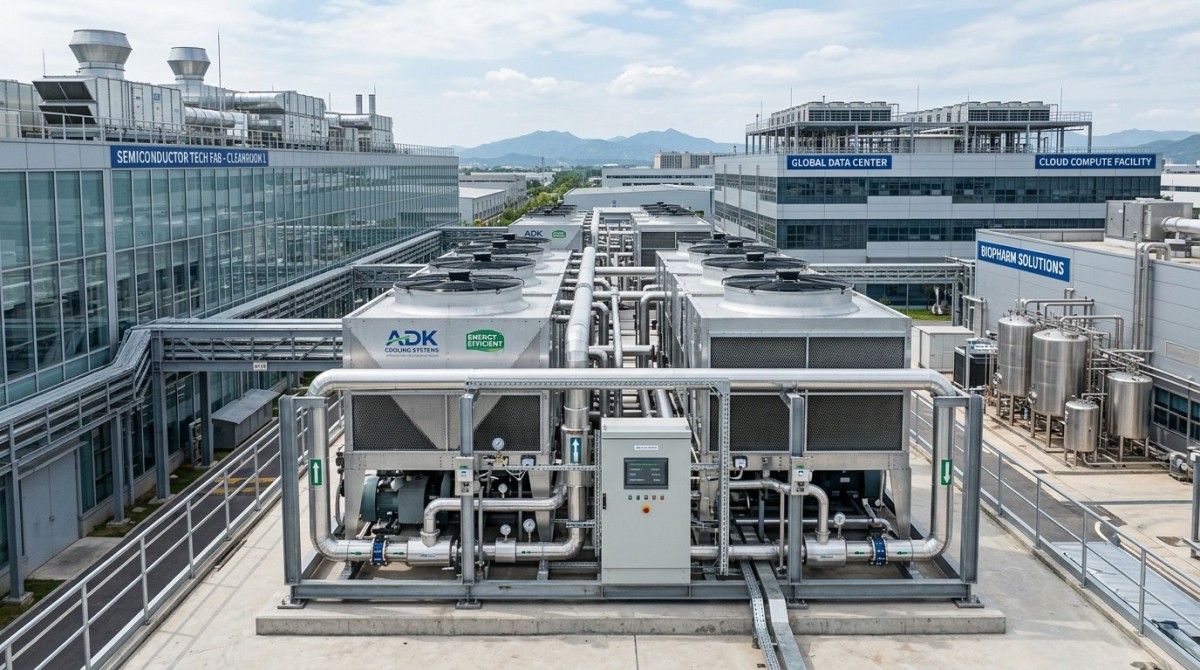
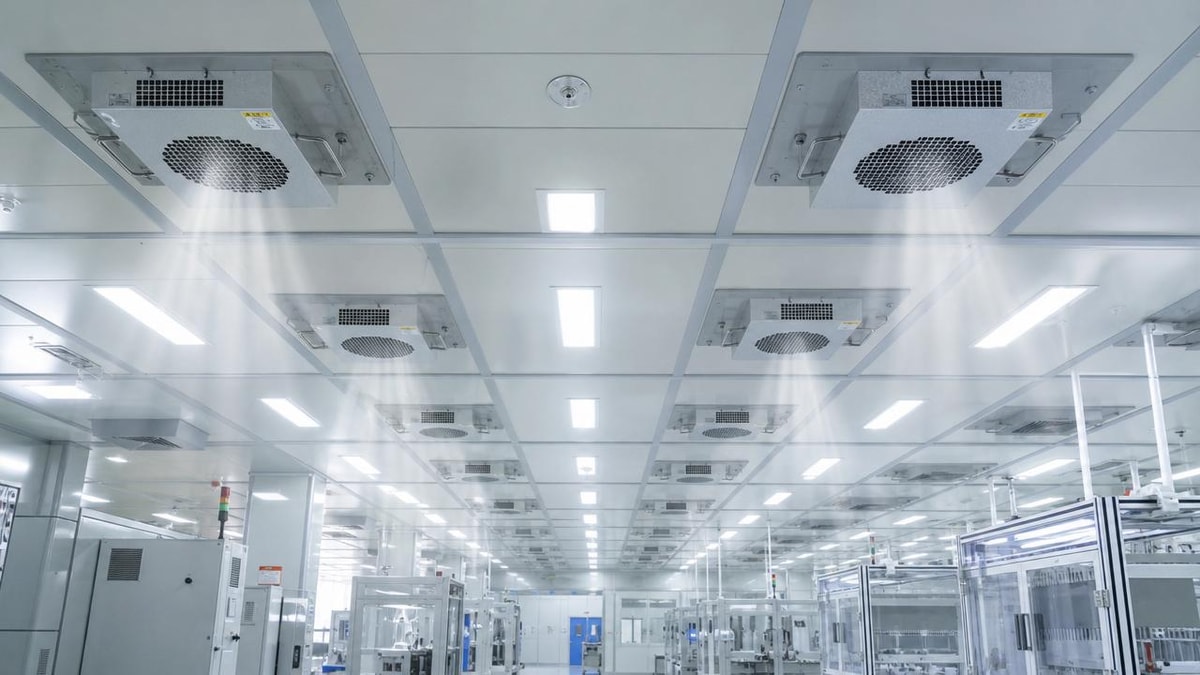
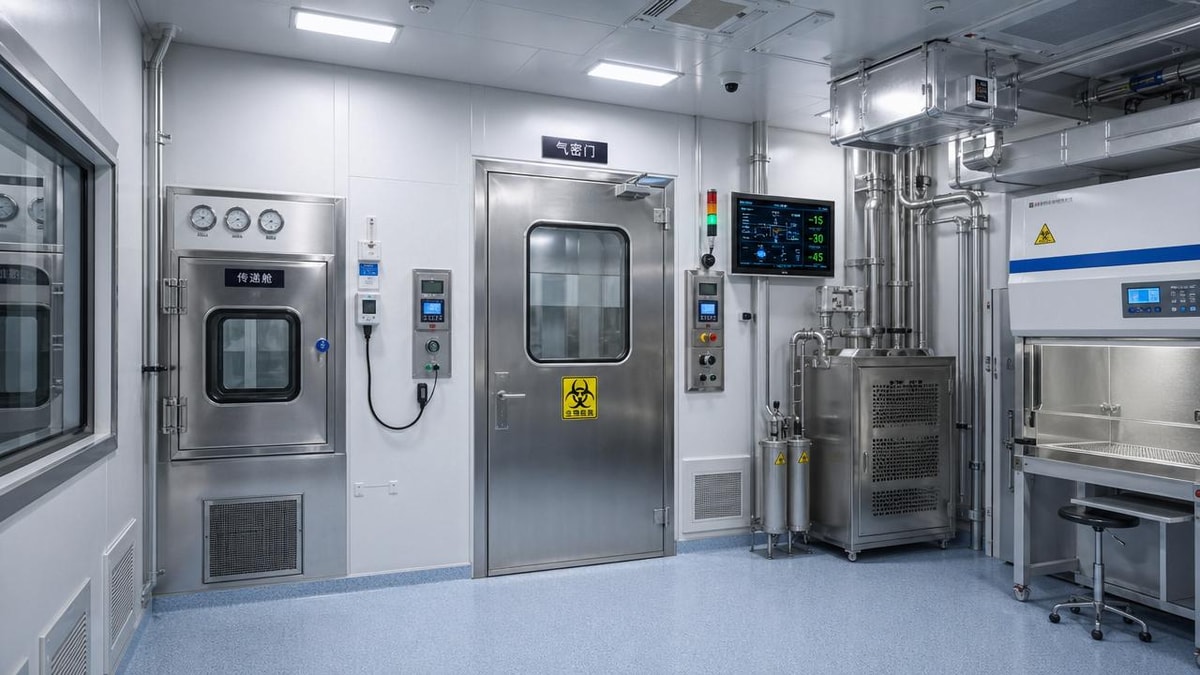
Adiabatic cooling systems are no longer limited to a narrow HVAC audience. In 2026, they are most relevant to facilities that must control heat loads while balancing energy, water, cleanliness, uptime, and compliance. That includes semiconductor fabs, pharmaceutical production plants, battery manufacturing lines, electronics assembly sites, data rooms, biosafety environments, and high-spec industrial buildings where thermal drift can affect yield, safety, or product stability.
The strongest candidates usually share 3 operational conditions: high ambient heat for at least 4–6 months per year, long equipment runtime of 12–24 hours per day, and a need to reduce compressor-heavy cooling dependence. If a facility also faces rising utility tariffs, sustainability targets, or heat-rejection constraints, adiabatic cooling moves from optional upgrade to procurement-level priority.
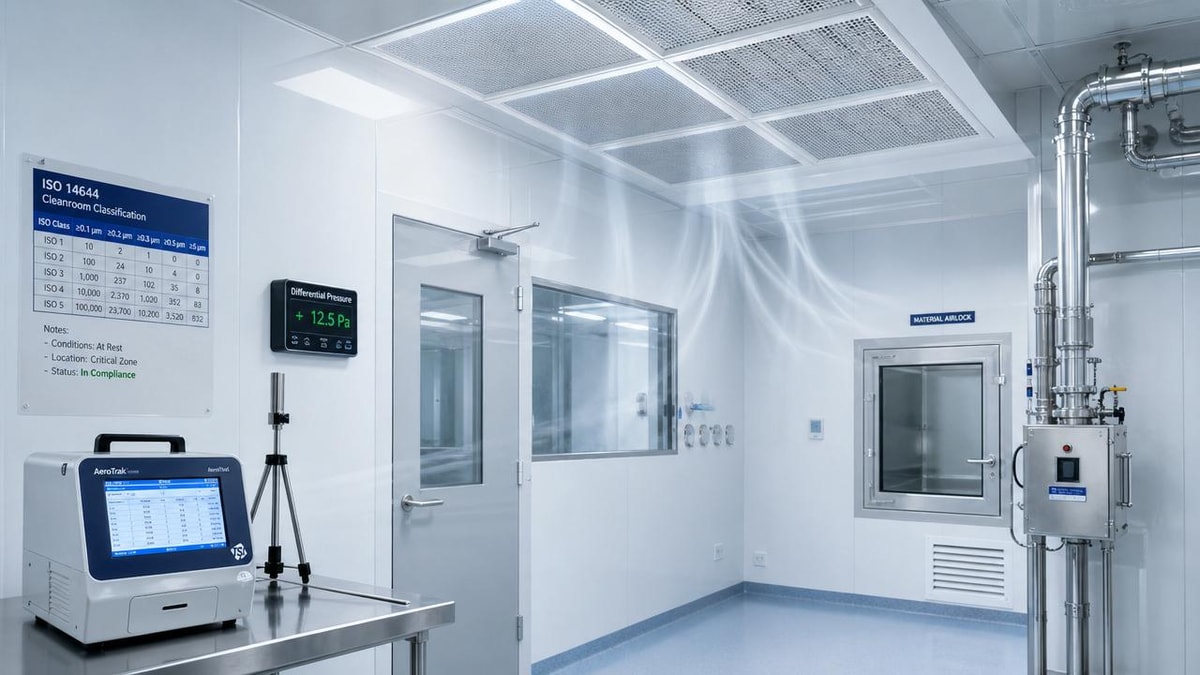
For technical evaluators and project managers, the question is not simply whether adiabatic cooling can lower temperature. The real issue is whether it can stabilize process conditions without introducing contamination, excess moisture risk, maintenance burden, or compliance gaps. This matters especially in environments benchmarked against ISO 14644, ASHRAE guidance, and SEMI-related facility expectations.
G-ICE addresses this decision point by connecting thermal hardware selection with contamination control, clean utility integration, water treatment logic, and digital environmental monitoring. That cross-disciplinary view is important because adiabatic cooling performance should be judged over a 3-part lifecycle: design suitability, controlled commissioning, and long-term operating governance.
Who usually benefits first?
- Cleanroom operators that want to reduce condensing pressure and lower energy draw without compromising particle control or temperature uniformity.
- Data and server room planners who need seasonal pre-cooling support, improved resilience, and reduced dependence on refrigerant-intensive peak operation.
- Procurement teams comparing total operating cost across 3–5 year budget cycles rather than only initial equipment price.
- ESG and compliance leaders seeking lower indirect emissions, better water-use accountability, and stronger monitoring of leak detection and environmental thresholds.
A practical suitability screen
Before moving into detailed design, many organizations use a short screening matrix. This helps research teams, distributors, and commercial evaluators separate suitable adiabatic cooling projects from applications better served by dry coolers, chilled water plants, or hybrid systems.
The table shows a clear pattern: adiabatic cooling systems are best for facilities with sustained thermal demand and disciplined maintenance capability. They are less suitable where water treatment is weak, ambient contamination is extreme, or environmental control must remain isolated from any added moisture influence.
What makes adiabatic cooling attractive compared with conventional cooling in industrial settings?
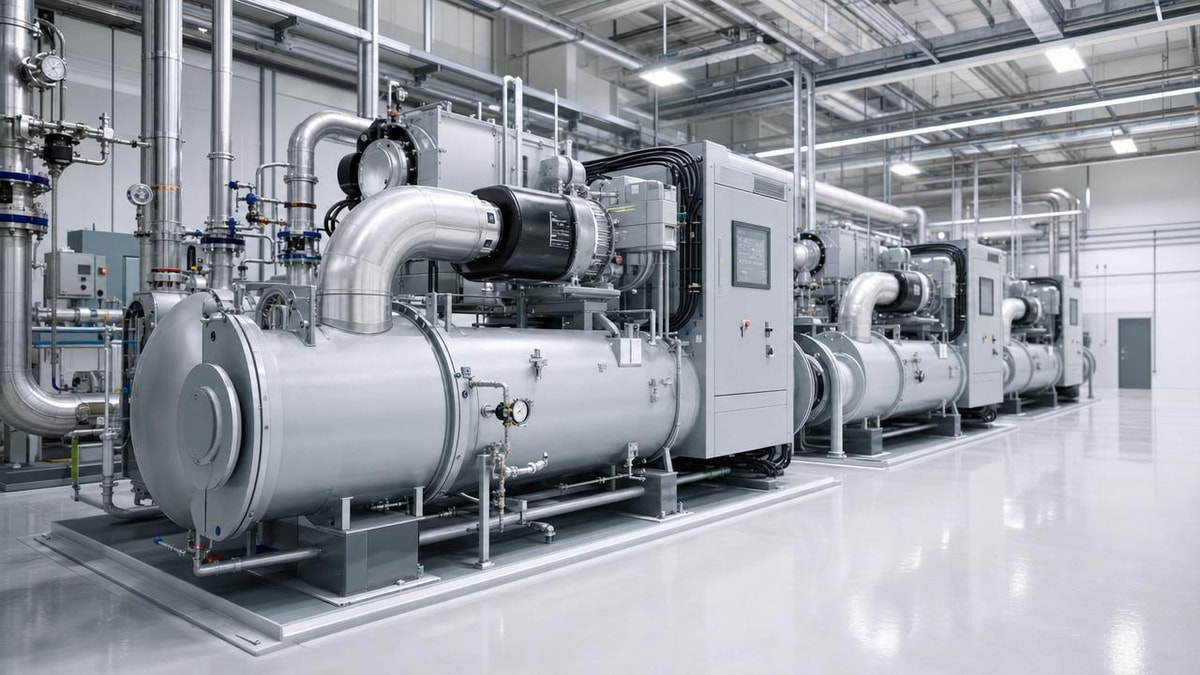
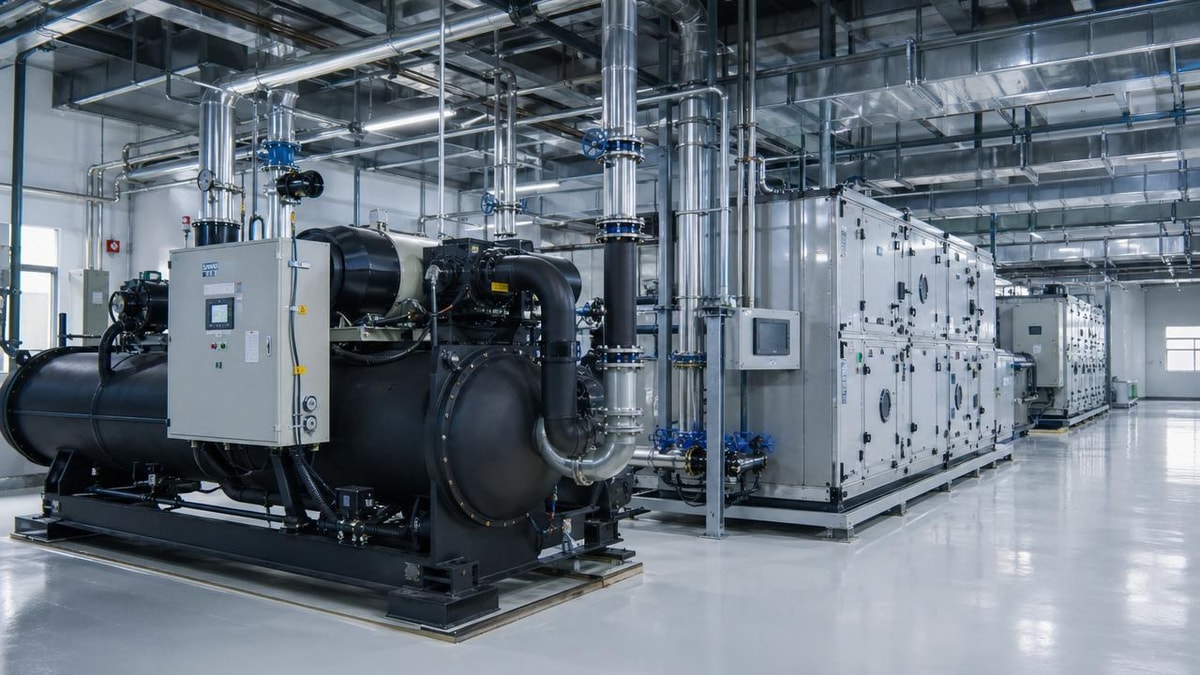
In conventional mechanical cooling, compressors often carry the main burden during hot weather. Adiabatic cooling changes that profile by using evaporative pre-cooling or indirect heat rejection assistance, reducing the load on primary refrigeration equipment. In the right climate window, this can improve seasonal efficiency without requiring a full redesign of the plant’s thermal strategy.
For procurement teams, the attraction is usually found in the balance between CapEx and OpEx. A purely dry solution may use less water but can lose efficiency in peak summer conditions. A fully compressor-driven approach can provide tight control but may increase energy intensity and refrigerant dependence. Adiabatic cooling systems often sit between those two extremes, especially in facilities operating within 24°C–40°C outdoor design conditions.
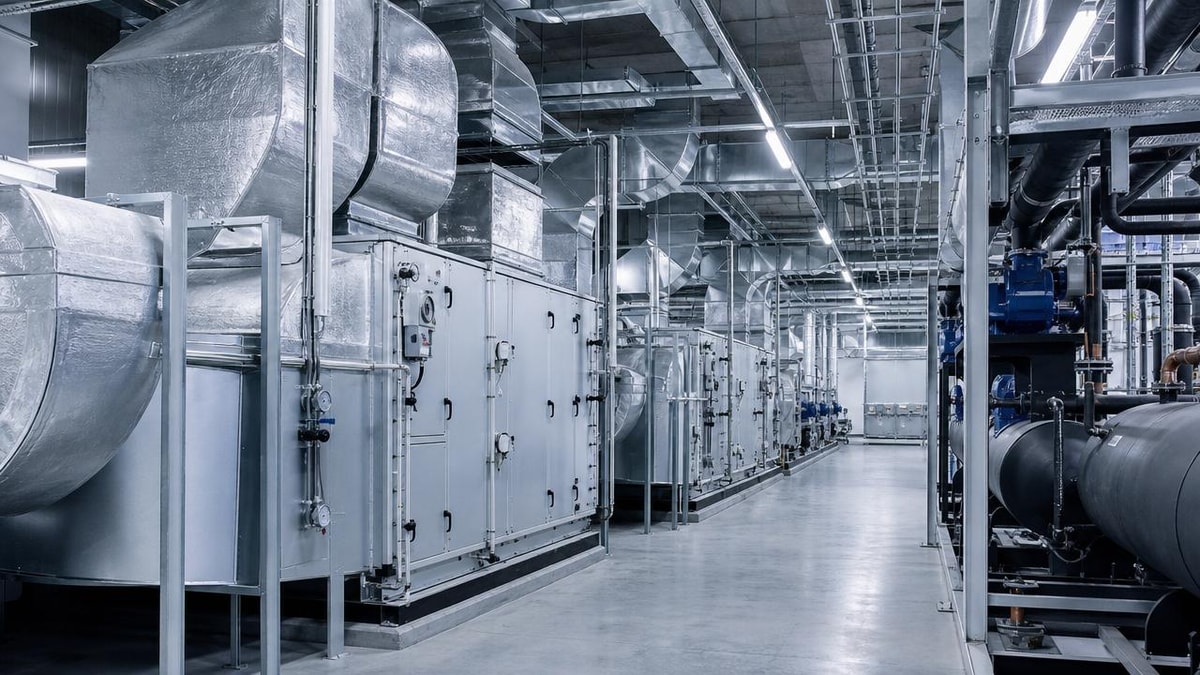
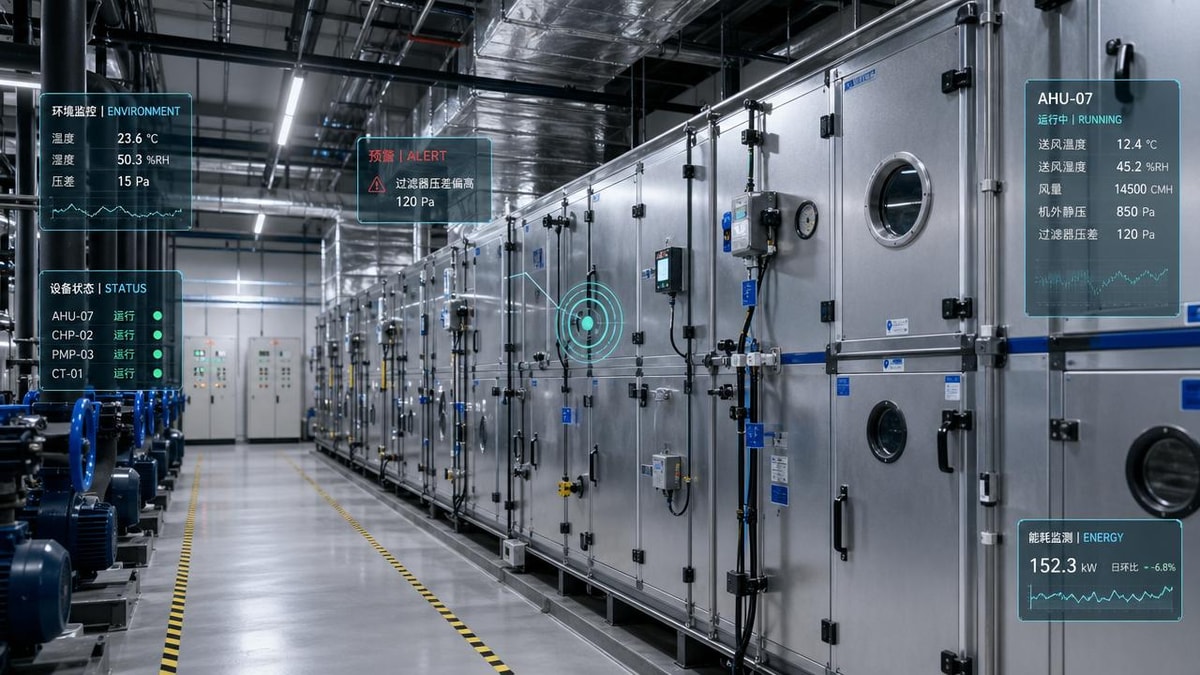
Heat pipe exchangers add another layer of value in applications that benefit from sensible heat transfer without direct mixing. They can support indirect pre-cooling, reduce cross-contamination risk, and improve temperature management in selected AHU or process-air configurations. This is particularly relevant for facilities where contamination control and thermal separation matter as much as energy performance.
G-ICE evaluates these choices not as isolated product comparisons but as system architecture decisions. That means assessing fan energy, water treatment requirements, leak detection interfaces, control logic, and maintainability together. A solution that looks efficient on paper may fail in practice if service access, filtration strategy, or digital alarms are poorly coordinated.
Comparison of typical cooling approaches
The following comparison helps technical and commercial stakeholders understand where adiabatic cooling systems tend to outperform, and where other options remain preferable.
For many buyers, the decision is not “adiabatic or not.” It is whether adiabatic cooling should be used as a standalone asset, a hybrid layer, or a seasonal optimization tool. The answer depends on load profile, cleanliness risk, water governance, and the acceptable maintenance window, often reviewed quarterly or at least twice per year.
Which application scenarios are the best fit for adoption?
The best-fit scenarios are those where heat rejection demand is high but process air cleanliness or humidity must still be protected. This often means using adiabatic cooling systems on the utility side, make-up air side, or indirect thermal loop rather than applying them directly to sensitive occupied or product-contact zones. Proper placement matters as much as equipment selection.
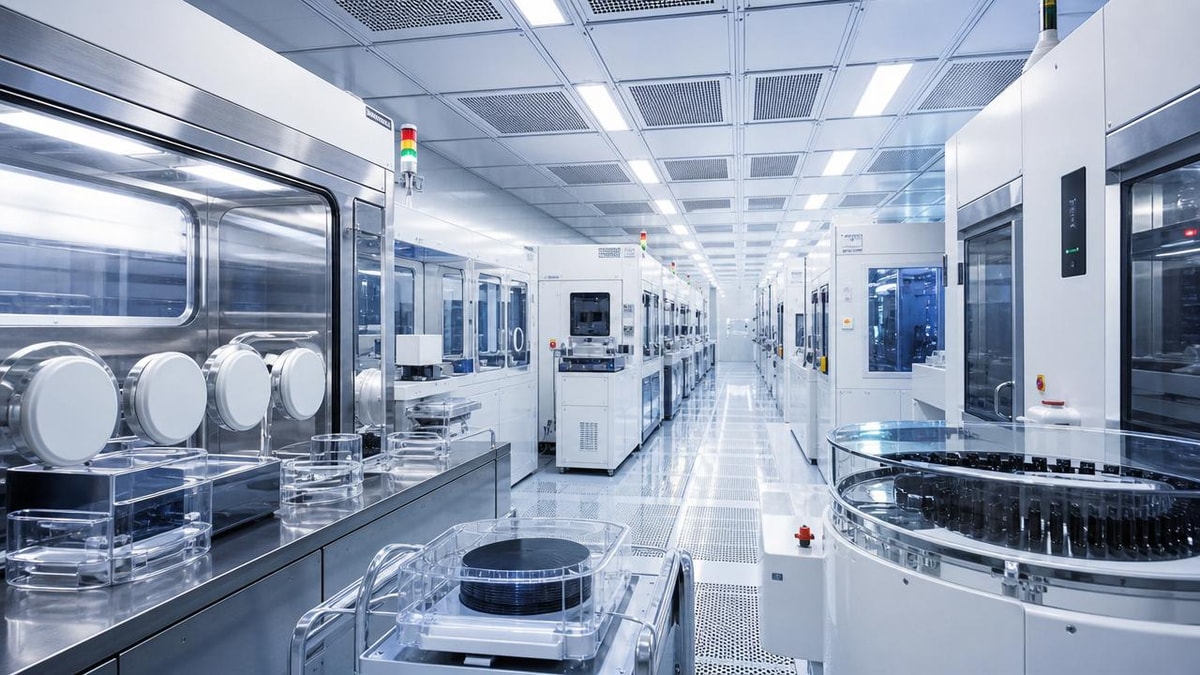
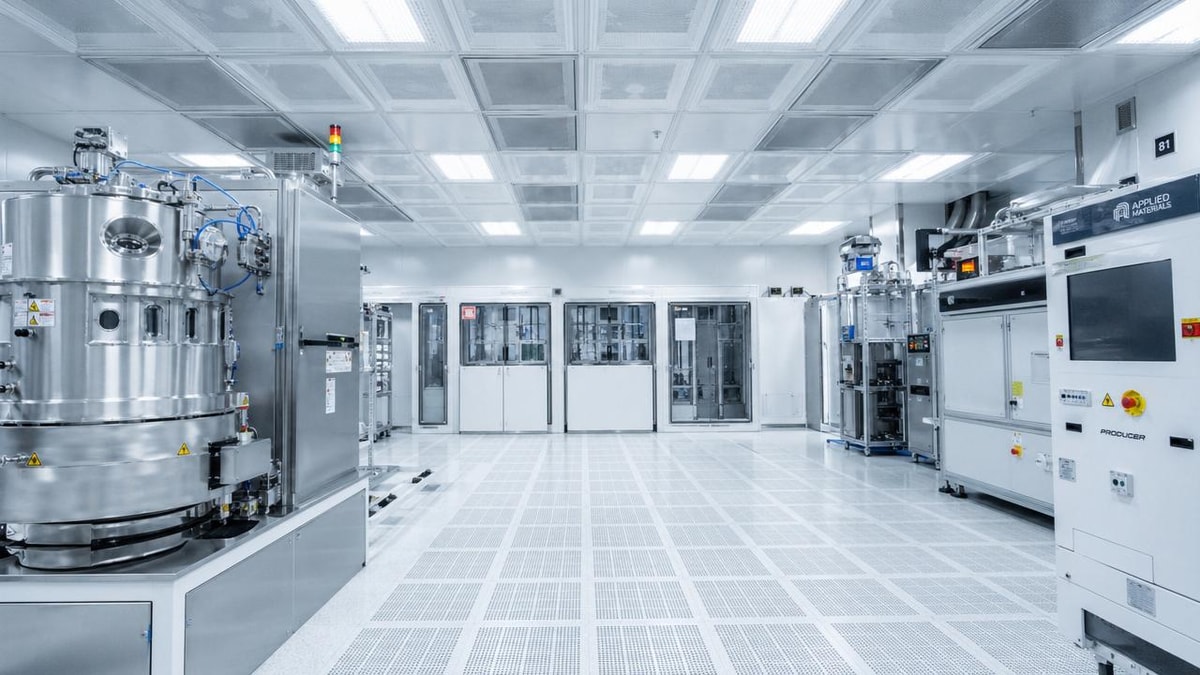
In semiconductor infrastructure, adiabatic cooling can support central utility plants, condenser assistance, and selected air-handling functions when separated from the most critical contamination-controlled areas. The objective is not to expose the cleanroom to moisture, but to reduce energy intensity in the wider cooling chain while preserving thermal stability that may need to stay within narrow operational bands.
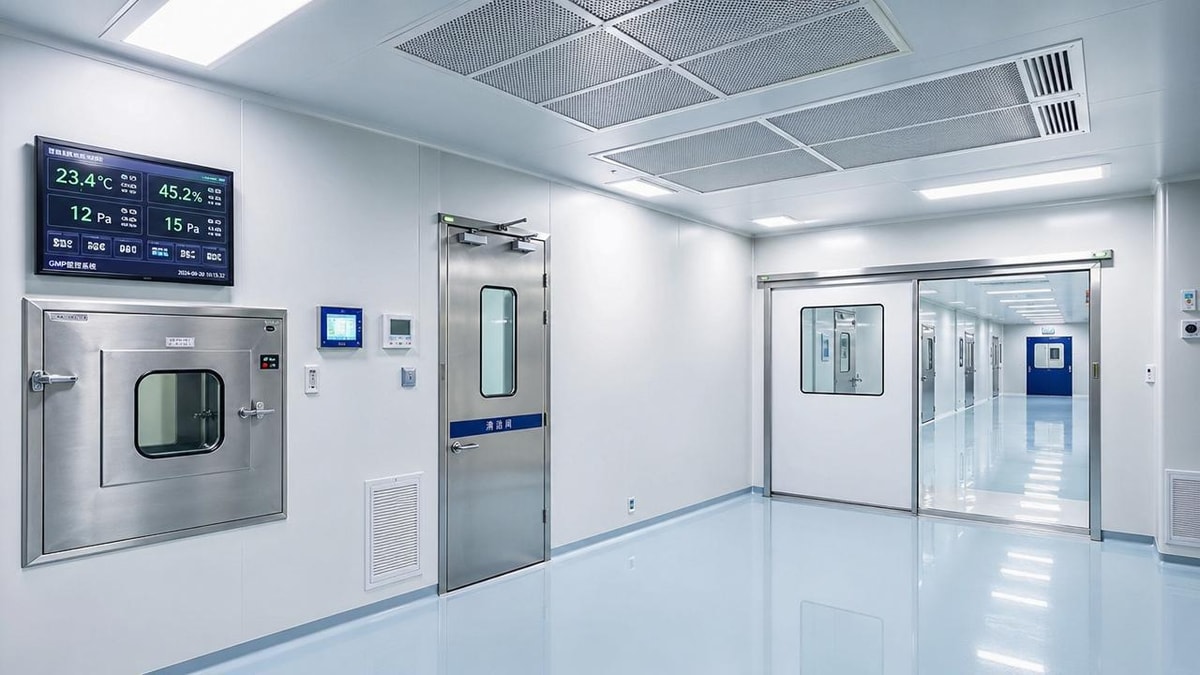
In pharmaceutical and biotech facilities, suitability depends on GMP-sensitive zoning. Non-product-contact technical spaces, packaging support areas, and utility modules are often better candidates than core aseptic production zones. Water hygiene, inspection access, and documented maintenance intervals every 1–3 months become central decision criteria.
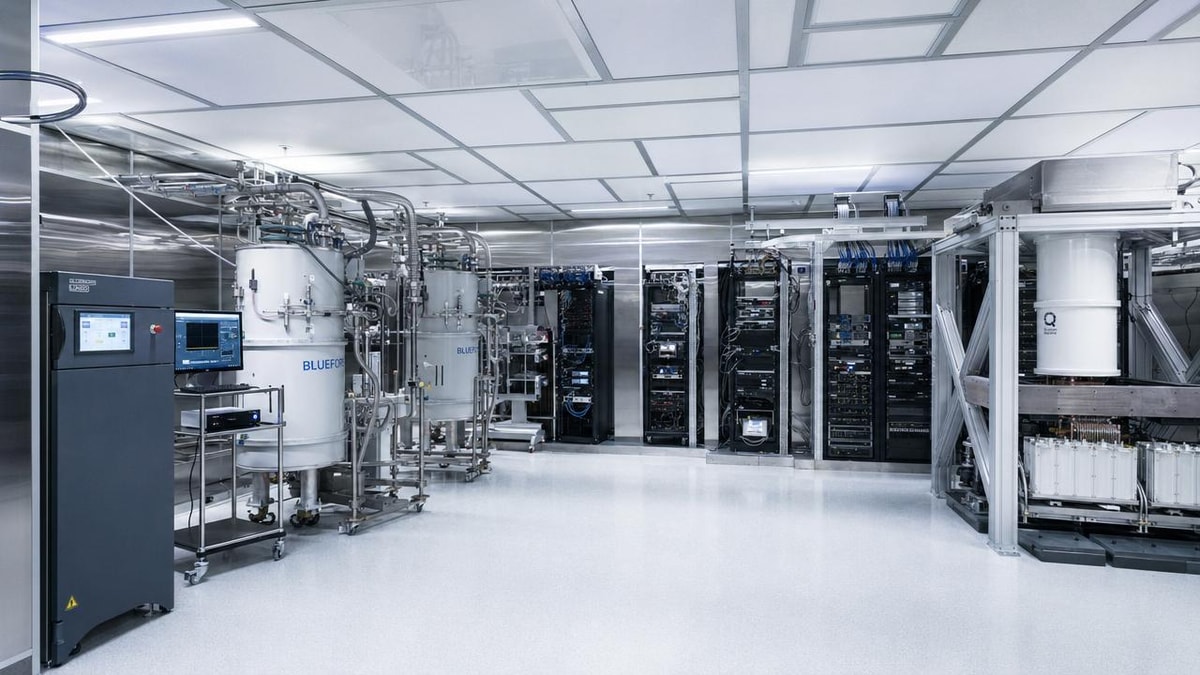
In data infrastructure, indirect adiabatic systems or hybrid units can be attractive where the climate allows many hours of efficient operation and where humidity management is tightly supervised. Smaller edge sites may use compact systems, while medium and large facilities often favor integrated controls with trend logging, alarm history, and refrigerant leak detection interfaces.
Scenario-specific guidance
Semiconductor and advanced electronics
Use adiabatic cooling where it supports chillers, condensers, or indirect air systems outside the highest classification zones. Review particle isolation, drift eliminator effectiveness, and water treatment design before approval. In fabs and support buildings, even a small thermal instability can have outsized process impact, so commissioning should include staged validation over several outdoor conditions.
Pharma, biotech, and biosafety support infrastructure
Adopt adiabatic cooling where the system can be physically separated from critical biosafety and sterile production boundaries. Controls should document temperature, humidity, water conductivity if applicable, and maintenance events. Facilities managers should also review drainage and aerosol control to prevent hygiene concerns in adjacent technical corridors.
Data rooms, telecom shelters, and digital infrastructure
These sites benefit when there is a clear seasonal operating window and a resilient backup strategy. Typical evaluation should include N+1 expectations, alarm response times, and control switchover logic within seconds rather than manual intervention. If uptime expectations are strict, adiabatic cooling should complement, not replace, critical mechanical capacity.
- Best candidates: utility plants, condenser support, indirect air cooling, technical service areas, and medium-to-large heat load facilities.
- Use caution: ultra-sensitive sterile zones, areas with poor water treatment, or sites with no preventive maintenance capability.
- Require deeper assessment: high-dust outdoor environments, coastal corrosion exposure, and mixed-use facilities with variable occupancy patterns.
What should buyers, engineers, and safety teams check before procurement?
A strong adiabatic cooling procurement process looks beyond nominal capacity. Buyers should review at least 5 checkpoints: thermal load profile, water quality and treatment plan, contamination and hygiene risk, controls and alarm integration, and maintenance access. When one of these is weak, lifecycle performance often falls short even if the equipment specification appears acceptable.
Technical evaluators should request performance data across multiple ambient conditions rather than a single design point. A system that performs well at one condition may behave differently at 32°C versus 40°C, or under different wet-bulb ranges. In many industrial projects, reviewing 3 operating bands is more useful than relying on one peak rating.
Quality and safety teams should also verify how the adiabatic cooling system is monitored. Key items include sensor location, drain logic, water circulation control, inspection frequency, and refrigerant leak detection if the solution works alongside DX or chiller-based systems. These details matter for audits, internal governance, and long-term reliability.
G-ICE supports this process by aligning procurement with contamination control, thermal management, UPW and process fluid logic, biosafety separation, and digital monitoring. That is valuable for global buyers who need one benchmark framework across new builds, retrofits, and distributor-led regional deployments.
Procurement checklist for 2026 projects
- Confirm the true cooling objective: peak-load relief, seasonal energy reduction, process stability improvement, or refrigerant system support.
- Define the operating envelope with at least 3 ambient ranges and expected annual runtime hours.
- Review water source, filtration, treatment, scaling risk, and maintenance responsibility before final selection.
- Check integration with BMS, digital twin tools, alarms, and leak detection workflows where applicable.
- Plan commissioning, validation, and operator training over a 2–4 week window for complex facilities.
Key evaluation dimensions by stakeholder
Different stakeholders judge adiabatic cooling systems from different angles. The matrix below helps teams avoid incomplete decision-making during technical and commercial review.
This table reinforces an important point: adiabatic cooling systems should be approved through multi-role review, not single-department preference. Facilities that align engineering, procurement, operations, and compliance early generally move faster and reduce redesign risk later in the project cycle.
What are the common mistakes, risks, and compliance questions?
One common mistake is assuming adiabatic cooling automatically means lower total cost in every climate and every facility. In reality, performance depends on wet-bulb conditions, annual operating hours, water treatment quality, and system control sophistication. A low-price unit can become expensive if scaling, fouling, or poor controls drive frequent intervention.
Another mistake is ignoring contamination pathways. In clean industrial environments, buyers must understand where the system is installed, how moisture is controlled, and whether drift or aerosol concerns are fully isolated from critical zones. This is why indirect designs, heat pipe exchangers, and properly separated utility layouts often outperform simplistic direct adoption.
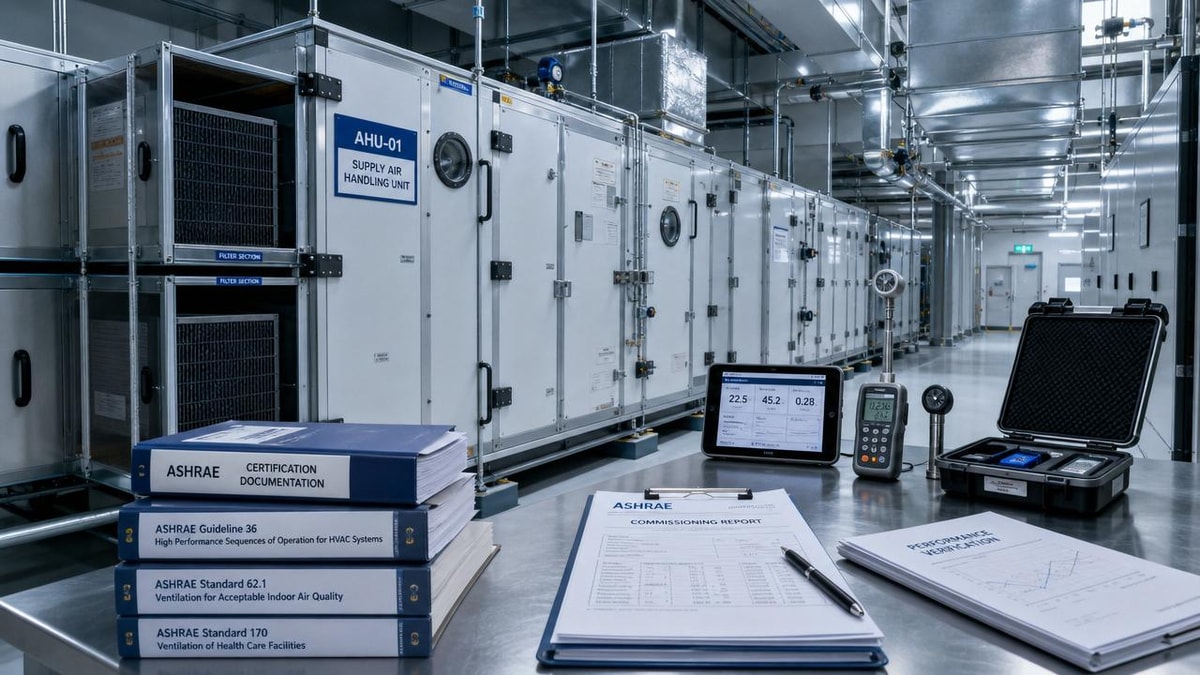
Compliance questions usually focus on environmental monitoring, safe maintenance, and system documentation. Depending on the facility, teams may need to align with ISO 14644 cleanliness expectations, ASHRAE thermal guidance, internal EHS procedures, or SEMI-oriented infrastructure practices. No single checklist fits all, but most projects need documented inspection routines and control records.
From a risk standpoint, the most manageable projects are those with clear boundaries, trained operators, and planned service intervals every month, quarter, and season. Problems usually arise when adiabatic cooling systems are installed into sites that lack water governance, alarm escalation, or preventive maintenance ownership.
FAQ for buyers and project teams
Are adiabatic cooling systems suitable for cleanrooms?
They can be suitable for cleanroom support infrastructure, but usually not by introducing uncontrolled moisture into critical clean zones. The better approach is indirect integration through utility systems, condenser support, or separated air-handling strategies. The final decision should consider contamination control, zoning, and validation requirements.
How long does a typical industrial project take?
For standard industrial projects, technical review and procurement alignment often take 2–6 weeks. Delivery and installation timing varies by specification and region. Complex retrofits or compliance-heavy facilities may need additional commissioning and operator training time, especially when controls must connect to BMS or digital monitoring platforms.
What should distributors and agents focus on?
They should focus on application fit, local water conditions, after-sales service capability, and customer education. Adiabatic cooling systems sell best when the distributor can explain where the technology works, where it does not, and what maintenance discipline is required. Misaligned promises create performance disputes later.
Is water use always a problem?
Not always, but it must be managed carefully. In some regions, the water trade-off is acceptable because the energy and peak-load benefits are significant. In others, water availability, treatment cost, or sustainability policy may limit deployment. That is why a site-specific balance of energy, water, and compliance is essential.
Why work with a specialist partner when evaluating adiabatic cooling systems?
By 2026, the value of adiabatic cooling systems lies less in the hardware alone and more in the quality of application engineering behind it. Facilities need a partner that understands thermal performance, contamination control, process utilities, biosafety boundaries, and digital environmental monitoring together. Without that integration, even a technically sound product can be poorly deployed.
G-ICE brings that integrated perspective through its five industrial pillars: advanced cleanroom systems, precision HVAC and thermal management, UPW and process fluid treatment, biosafety containment engineering, and smart monitoring with digital twin logic. This matters when buyers must compare multiple options under one decision framework rather than reviewing cooling equipment in isolation.
If your team is assessing who should use adiabatic cooling systems in 2026, the next step is to clarify 6 practical items: site temperature profile, heat load range, cleanliness sensitivity, water conditions, control architecture, and project timeline. With those inputs, it becomes much easier to judge whether adiabatic cooling, a hybrid system, or an alternative approach is the right fit.
Contact us to discuss parameter confirmation, application suitability, heat pipe exchanger integration, project delivery windows, contamination control constraints, refrigerant leak detection interfaces, certification expectations, and quotation planning. For new builds, retrofits, or distributor evaluation, a structured technical review can shorten selection time and reduce procurement uncertainty.
Get weekly intelligence in your inbox.
No noise. No sponsored content. Pure intelligence.
 May 02, 2026How to Evaluate a Fan Filter Units Manufacturer Beyond Unit PriceFan Filter Units manufacturer selection goes beyond unit price. Learn how to compare compliance, performance, lifecycle cost, and support to protect margins and win long-term channel growth.
 May 02, 2026When Magnetic-Levitation Centrifugal Chillers Pay Off in Real FacilitiesMagnetic-Levitation Centrifugal Chillers pay off when facilities need uptime, part-load efficiency, and low-risk cooling. See where they deliver real ROI in cleanrooms, biopharma, hospitals, and advanced manufacturing.
 May 02, 2026Industrial Climate Control Upgrades That Cut Drift and Energy WasteIndustrial Climate Control upgrades that reduce drift, improve compliance, and cut energy waste. Explore practical checklists and high-impact retrofit strategies.
 May 02, 2026ASHRAE Standards Certification: What to Verify Before Final ApprovalASHRAE Standards certification: learn what to verify before final approval, from scope and commissioning proof to lifecycle cost and hidden risk, so you can approve with confidence.
 May 02, 2026Designing a High-Tech Industrial Complex for Stable Air and Utility PerformanceHigh-Tech Industrial Complex design starts with stable air, precise thermal control, and resilient utilities—discover how to protect uptime, compliance, and long-term efficiency.
 May 02, 2026Regulatory Frameworks for Cleanrooms: Common Mistakes to Avoid EarlyRegulatory Frameworks for cleanrooms: avoid early compliance mistakes in ISO, documentation, airflow, and biosafety to reduce audit risk and costly redesigns.
 May 02, 2026SEMI Standards Compliance Gaps That Delay Cleanroom ProjectsSEMI Standards compliance gaps can derail cleanroom projects with rework, delays, and cost overruns. Learn where risks arise early and how to keep delivery on track.
 May 02, 2026Contamination Control Equipment: What Matters Before You Compare QuotesContamination Control equipment: learn what to check before comparing quotes, from ISO compliance and airflow performance to lifecycle cost and cleanroom integration.
 May 02, 2026ESG Compliance Supplier Checklist for Lower Vendor RiskESG Compliance supplier checklist for lower vendor risk: learn how to verify governance, safety, sustainability, and technical reliability before contract award.
 May 02, 2026How to Reduce Sub-Micron Contamination Without Slowing ThroughputSub-Micron Contamination control without slowing output: discover practical cleanroom strategies to cut particle risk, protect yield, and keep high-throughput operations stable.
 May 02, 2026electronica China 2026 Expands Cleanroom Tech Zone by 50%electronica China 2026 expands Cleanroom Tech Zone by 50% — spotlight on Precision Temperature Control & Smart Sensor Integration for semiconductor, quantum, and mRNA applications.
 May 02, 2026EU CBAM Extends to ESD Control Manufacturing from 2027EU CBAM extends to ESD control manufacturing in 2027—anti-static flooring, wrist straps & more now require verified production-line carbon footprints. Act now to avoid border taxes.
 May 02, 2026MFDS Expands Digital Twin Lab Certification to Semiconductors & Battery TestingMFDS Digital Twin Lab certification now covers semiconductors & battery testing — unlock Korean cleanroom tenders, boost interoperability, and future-proof your lab automation.
 May 02, 2026UL 867E:2026 Update Requires EMC + Cybersecurity Certification for IIoT Air MonitorsUL 867E:2026 now mandates EMC + cybersecurity certification for IIoT air monitors — critical for cleanroom & lab deployments. Act before Oct 1, 2026!
 May 02, 2026First ZLD-Compatible 18.2 MΩ·cm UPW System Operational at CATL IndonesiaFirst ZLD-compatible 18.2 MΩ·cm UPW system now live at CATL Indonesia — setting a new global benchmark for battery materials, semiconductor, and nuclear-grade industrial water systems.
 May 02, 2026JIS T 0101:2026 Enforced: UPW TOC ≤0.15 ppb for Semiconductor Equipment in JapanJIS T 0101:2026 enforced: UPW TOC ≤0.15 ppb now mandatory for semiconductor equipment in Japan — critical for exporters, integrators & component suppliers.
 May 02, 2026SABIC BSL-3 Vaccine Plant Launches with Chinese Decon SystemsSABIC BSL-3 Vaccine Plant launches with Chinese decon systems — a milestone for GMP-compliant, WHO PQ-aligned biomanufacturing infrastructure in the Middle East.
 May 02, 2026Germany’s New Green Tariff List: Maglev Chillers at 0%, Oil-Cooled Units +12.5%Germany’s new green tariff list: Maglev chillers at 0%, oil-cooled units +12.5% — key implications for HVAC exporters, OEMs & integrators in the EU market.
 May 02, 2026Southeast Asia EMA Expansion Drives ISO Class 1–3 Cleanroom DemandISO Class 1–3 cleanroom demand surges in Southeast Asia amid EMA expansion—FFUs, filtration components & air shower systems in high demand with lead times now extending to Q1 2027.
 May 02, 2026US/EU Tighten AMC Controls for Cleanrooms, UPW Filter Export Path NarrowsUS/EU tighten AMC controls for cleanrooms—UPW filter exporters face stricter SEMI F57/IEC 63209-2 mandates. Act now to secure market access.
 May 01, 2026HVAC Maintenance AI Reports: How to Spot Useful Insights Instead of NoiseHVAC maintenance AI reports help teams spot real faults, energy waste, and early warnings. Learn how to filter noise, protect uptime, and act faster with confidence.
 May 01, 2026ISO Class 1 Cleanroom: When the Extra Precision Is Worth the InvestmentISO Class 1 Cleanroom: discover when ultra-precision truly pays off. Learn the key business, compliance, and ROI signals before investing in the highest cleanroom standard.
 May 01, 2026What Makes a Quantum Computing Cleanroom Different From a Standard Fab SpaceQuantum Computing Cleanroom requirements go far beyond standard fab space design. Discover how vibration, thermal stability, EMI control, and smart monitoring shape quantum-ready infrastructure.
 May 01, 2026Pharmaceutical Cleanroom Upgrades That Improve Compliance Without RebuildingPharmaceutical Cleanroom upgrades can improve GMP compliance without a full rebuild. Discover retrofit strategies that reduce downtime, control contamination, and protect production.
 May 01, 2026High-Risk Lab Engineering: Design Choices That Reduce Containment RiskHigh-Risk Lab Engineering design choices can reduce containment risk, improve biosafety, and strengthen compliance readiness. Discover practical strategies for safer, more resilient labs.
 May 01, 2026ISO 14644 Compliance Mistakes That Delay Cleanroom ApprovalISO 14644 Compliance mistakes can derail cleanroom approval with costly rework, failed testing, and missing documentation. Learn the most common risks and how to prevent delays.
 May 01, 2026High-Performance Thermodynamic Hardware: How to Compare Real EfficiencyHigh-Performance Thermodynamic Hardware comparison starts with real efficiency, not just ratings. Discover how to evaluate lifecycle energy use, control stability, compliance fit, and long-term risk.