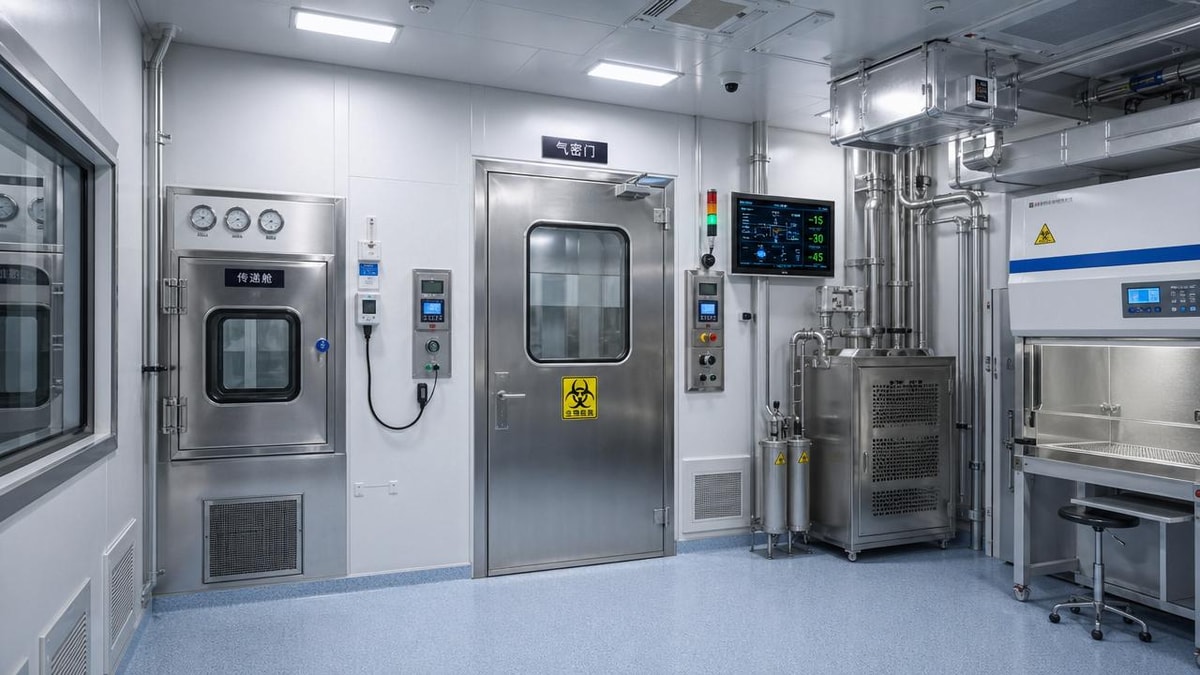
Pharmaceutical Cleanroom Upgrades That Improve Compliance Without Rebuilding
Upgrading a Pharmaceutical Cleanroom does not always require a full rebuild. For operators facing stricter GMP expectations, contamination risks, and downtime pressure, targeted improvements can raise compliance while protecting production continuity. From airflow optimization to smarter monitoring and material upgrades, the right retrofit strategy helps facilities meet regulatory demands faster, safer, and more cost-effectively.
Why are Pharmaceutical Cleanroom upgrades getting more attention now?
For operators, the pressure is coming from several directions at once. Regulatory expectations under GMP, Annex 1 thinking, environmental monitoring requirements, and data integrity standards have become more demanding. At the same time, production schedules are tighter, product portfolios are more sensitive, and shutdown windows are shorter. In many facilities, the original cleanroom still functions, but not at the level needed for current inspection readiness or process stability.
That is why Pharmaceutical Cleanroom retrofits are often preferred over demolition and rebuilding. A focused upgrade can correct airflow imbalance, weak pressure cascades, aging finishes, poor visualization of alarms, or incomplete monitoring records without interrupting the entire plant. For users and operators, this matters because daily compliance is not only about passing an audit. It is also about reducing interventions, preventing deviations, protecting batch release, and making the work area easier to control shift after shift.
In practical terms, the best upgrade projects are driven by risk, not by aesthetics. If contamination events, slow recovery, difficult cleaning, or recurring alarm excursions are affecting operations, the cleanroom may be a strong candidate for targeted modernization rather than structural replacement.
What parts of a Pharmaceutical Cleanroom can be upgraded without rebuilding the whole facility?
Many of the most valuable improvements happen inside existing room envelopes. Operators often assume compliance gaps require major construction, but several high-impact elements can be retrofitted with careful planning. The most common upgrade areas include airflow delivery, filtration, room pressurization, surfaces, pass-through arrangements, environmental monitoring, lighting, and control systems.
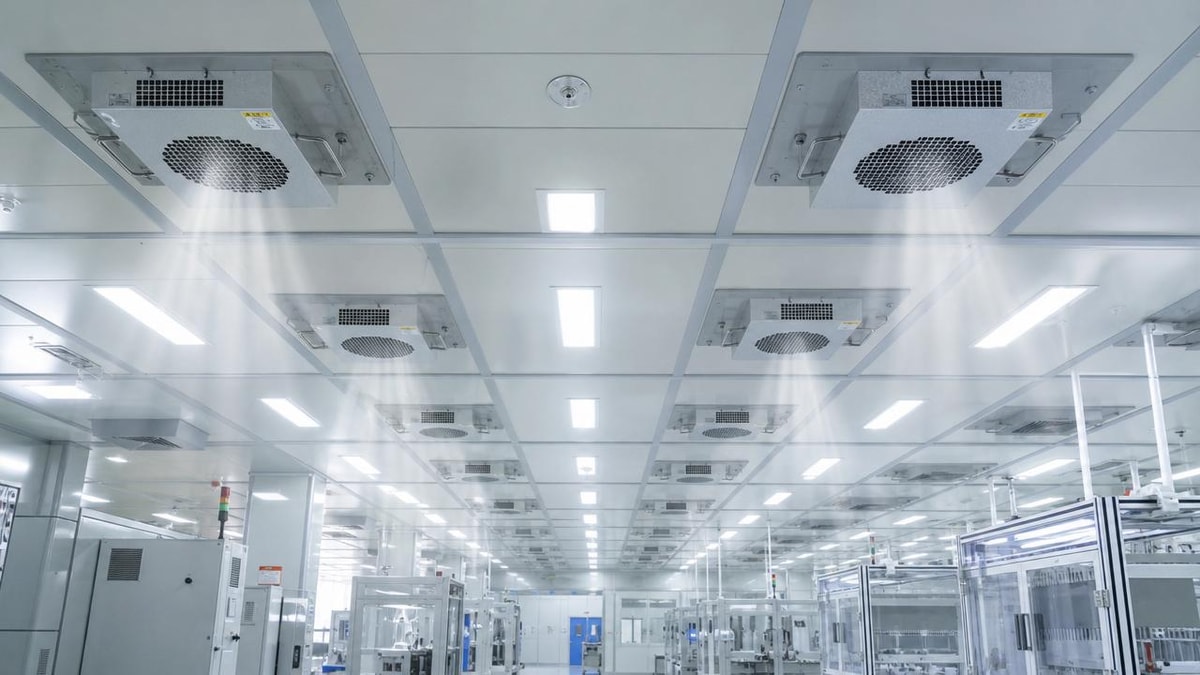
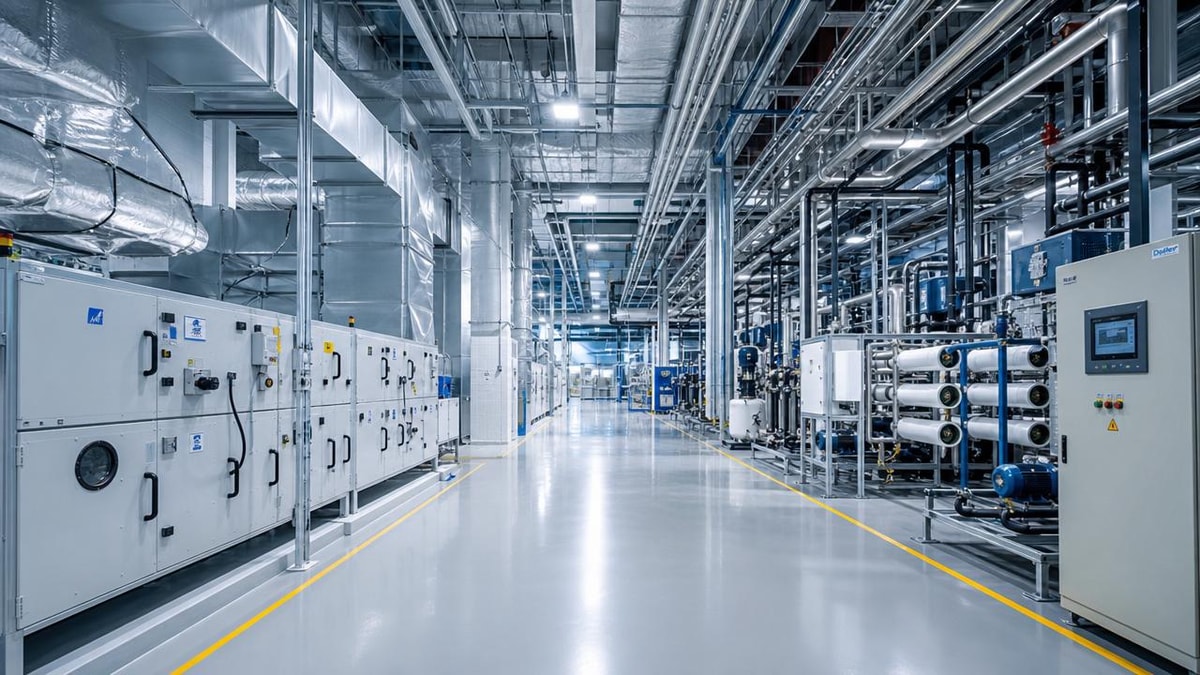
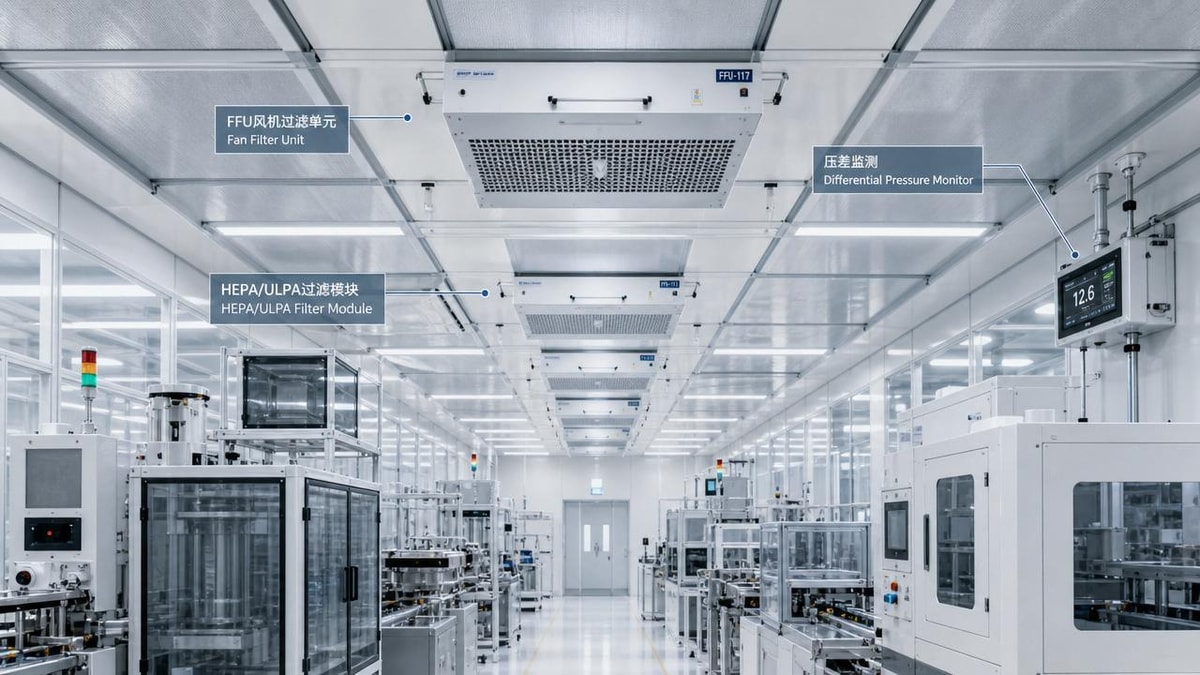
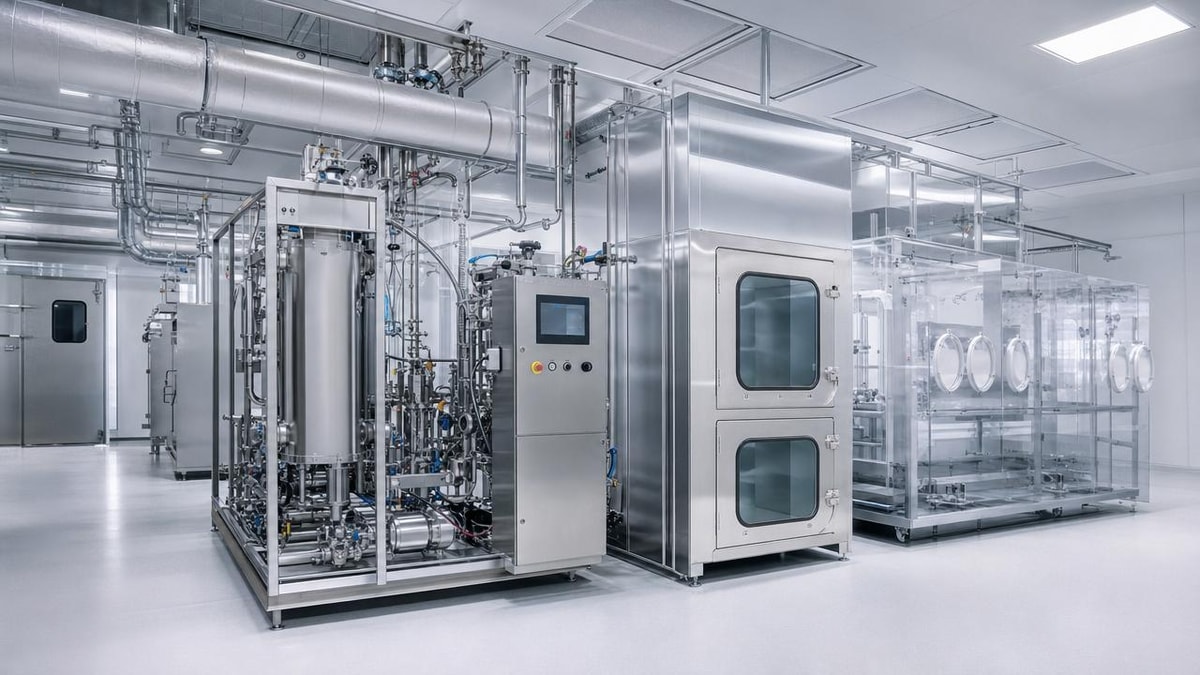
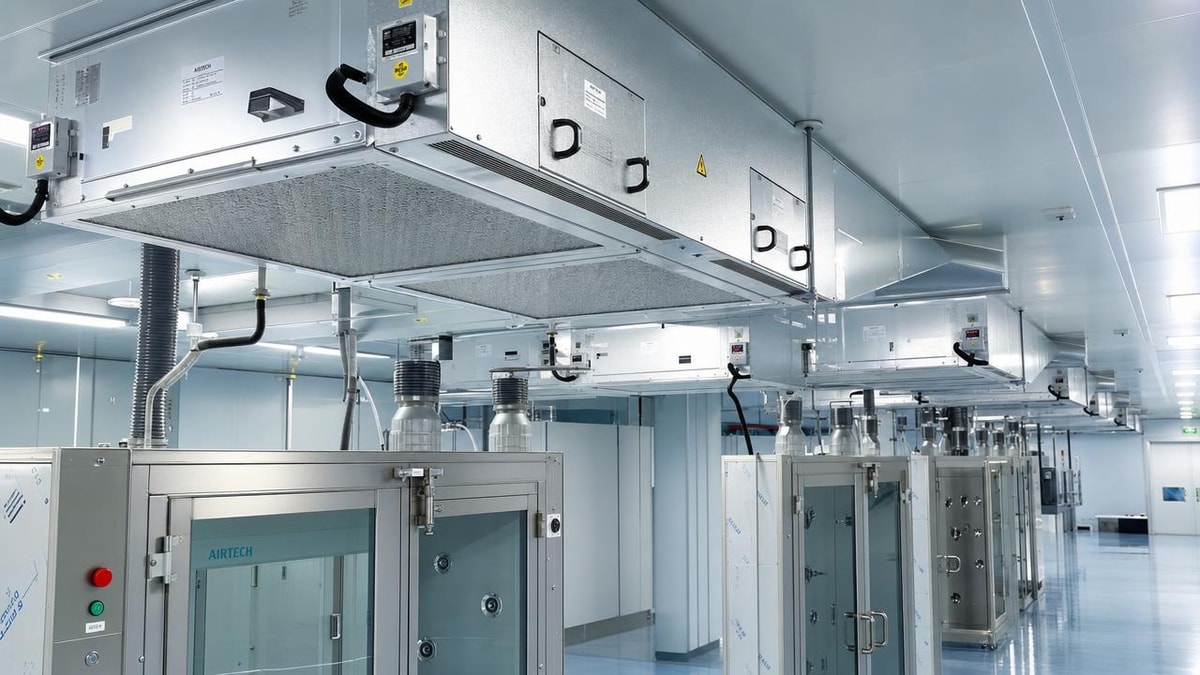
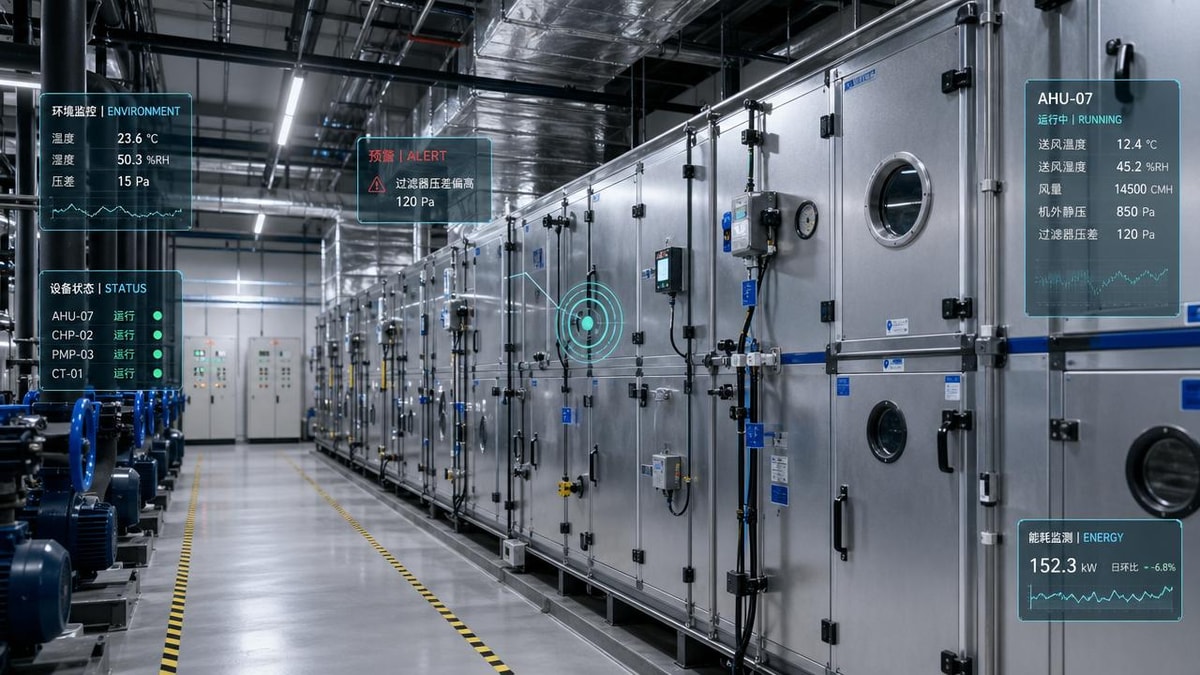
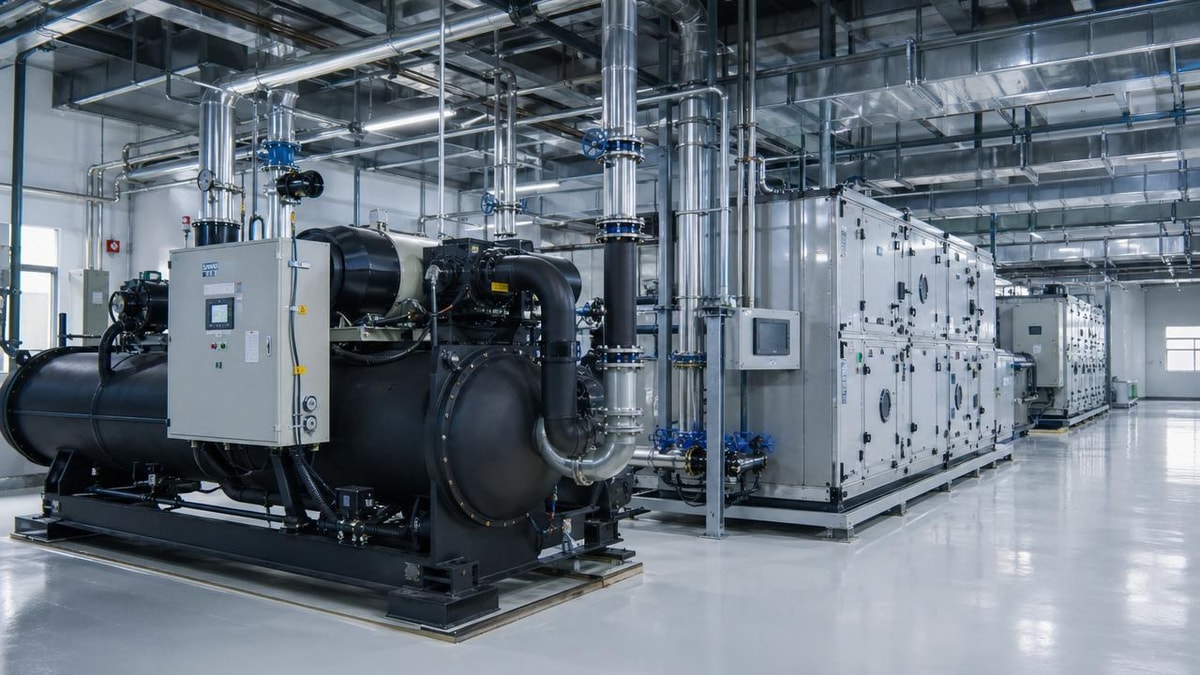
Air handling is usually the first place to look. A Pharmaceutical Cleanroom may have acceptable installed equipment but poor balancing, inconsistent air changes, or dead zones around equipment. Recommissioning fan filter units, replacing terminal filters, improving return air paths, or refining supply diffuser placement can significantly improve particle control and recovery performance. In sterile or high-control areas, even small airflow corrections can reduce turbulence near critical operations.
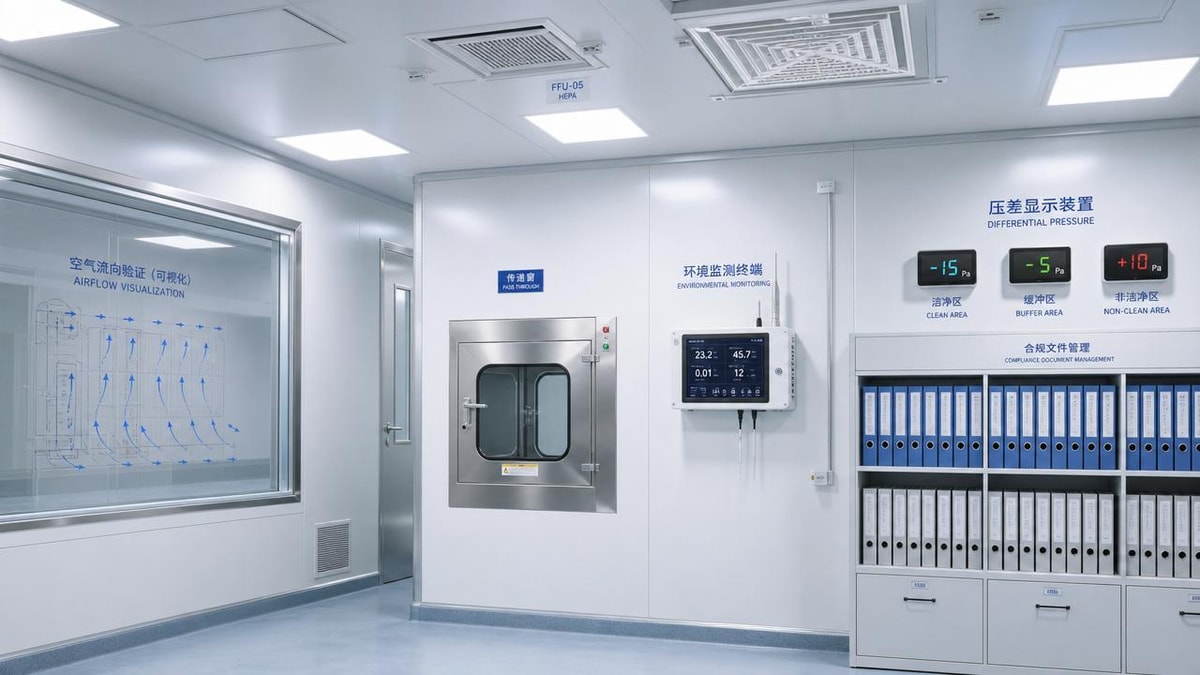
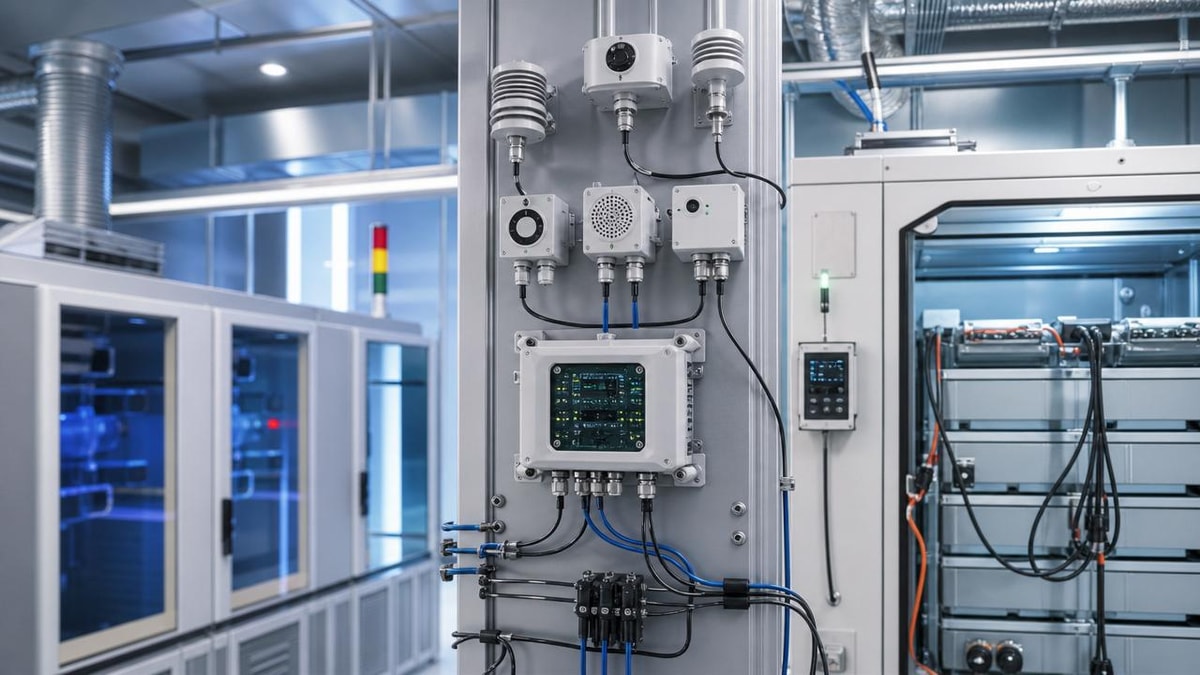
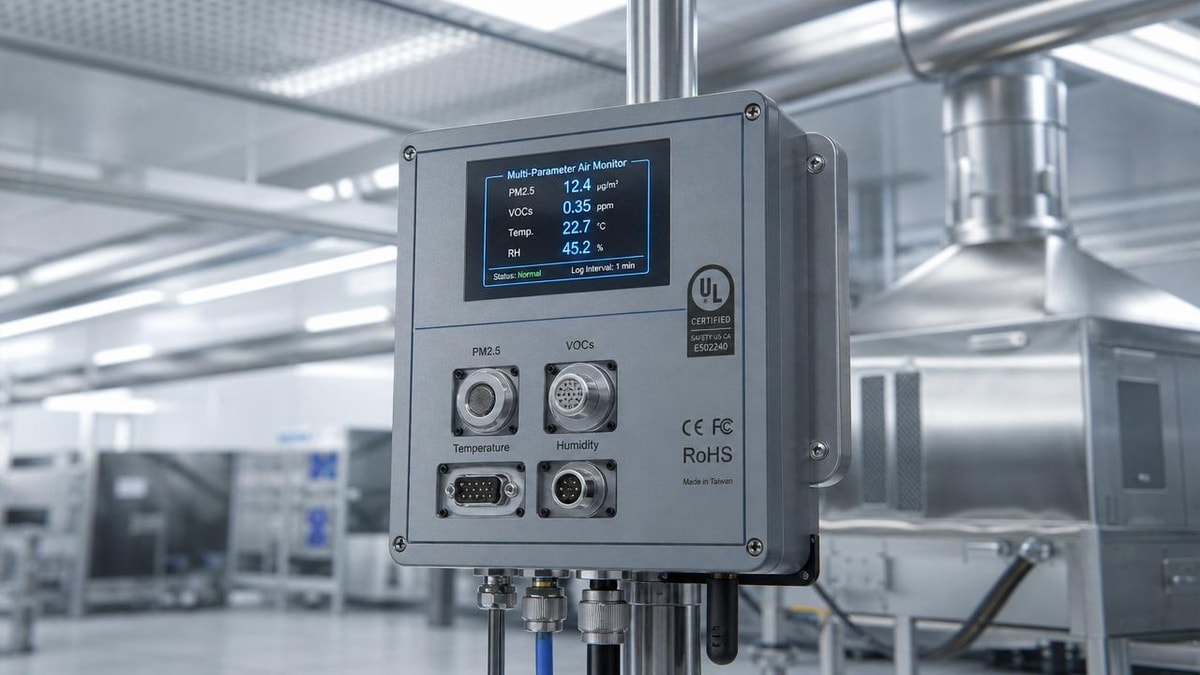
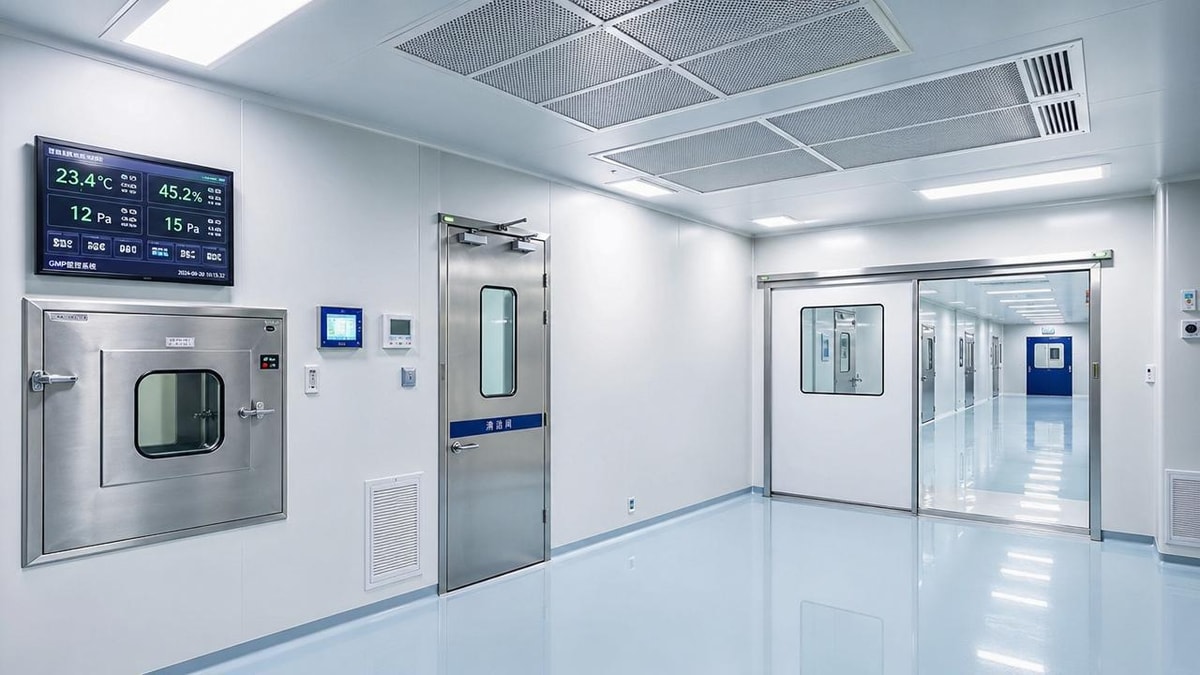
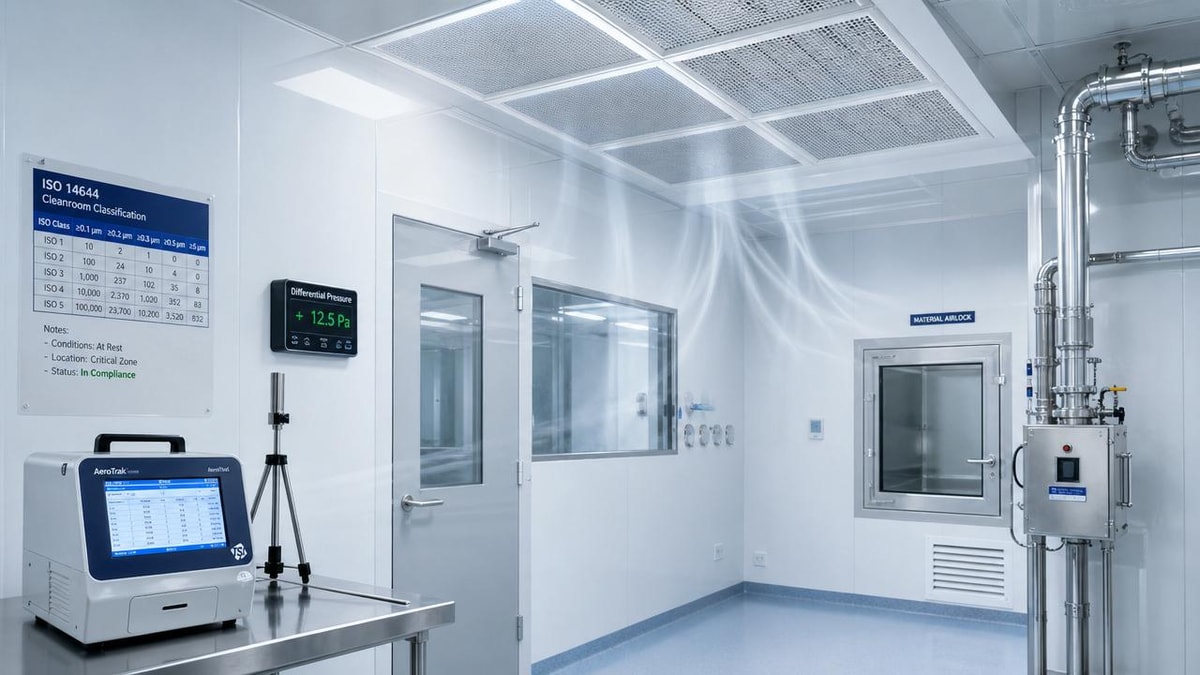
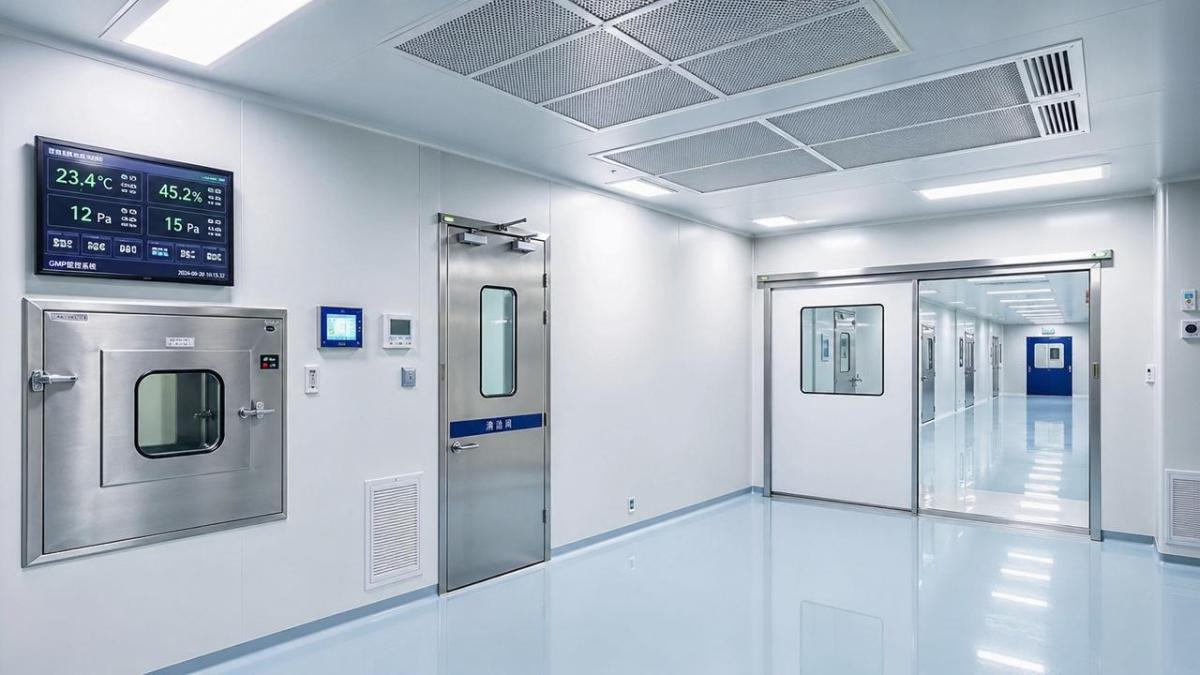
Monitoring is another major opportunity. Older facilities may rely on manual logs, scattered sensors, or delayed alarm response. Adding continuous differential pressure, temperature, humidity, and particle monitoring with centralized dashboards improves visibility and investigation speed. For operators, better monitoring means fewer surprises and faster decision-making when trends begin to drift.
Material and finish upgrades can also raise compliance without changing the building shell. Cracked sealants, difficult-to-clean wall joints, damaged epoxy floors, and aging doors are common weak points. Replacing these with smooth, cleanable, chemical-resistant surfaces supports sanitation and reduces hidden contamination risk.
How can operators tell whether a Pharmaceutical Cleanroom needs a retrofit or a full rebuild?
The answer depends on whether the core room architecture still supports compliance. If the room envelope is structurally sound, the process flow is still logical, and the HVAC backbone can be optimized, a retrofit is often enough. If the layout creates unavoidable cross-traffic, the ceiling space cannot support proper air distribution, or utilities cannot serve the process safely, a rebuild may be the better long-term option.
Operators should start with evidence, not assumptions. Review deviations, environmental monitoring trends, pressure alarms, cleaning findings, maintenance records, and qualification results. If issues are recurring in the same areas, the root cause is often visible. A room that regularly fails particle recovery, struggles to hold pressure, or shows repeated condensation may not need new walls first; it may need airflow redesign, better controls, or thermal correction.
A useful decision point is whether the gap is operational, mechanical, or structural. Operational gaps involve procedures, gowning discipline, cleaning methods, or door behavior. Mechanical gaps involve fans, filters, sensors, dampers, or controls. Structural gaps involve room adjacency, insufficient segregation, or impossible process flow. Most Pharmaceutical Cleanroom compliance problems begin in the first two categories, which means they can often be corrected faster and at lower cost than a rebuild.
Quick comparison: when is retrofit enough?
Which upgrades usually deliver the fastest compliance improvement?
The fastest gains usually come from improvements that directly affect contamination control and proof of control. In a Pharmaceutical Cleanroom, that means airflow verification, filter integrity, pressure cascade reliability, and continuous monitoring. These are highly visible in qualification and highly relevant during inspections.
A common first step is airflow mapping and rebalancing. Many rooms drift slowly over time because of filter loading, fan wear, damper movement, or equipment changes. Correcting actual delivered airflow often improves both classification performance and operator confidence. The next fast win is sensor modernization. Reliable transmitters and centralized alarms reduce the delay between deviation and response.
Door and transfer improvements also pay back quickly. Interlocks, better seals, pass-box upgrades, and visual status indicators can strengthen pressure control and reduce unnecessary door openings. In facilities where operator movement drives contamination risk, these changes are often more effective than people expect.
Finally, documentation-linked systems matter. If the Pharmaceutical Cleanroom has good hardware but poor trend visibility, the site may still appear weak during audits. Digital records, alarm histories, calibration status, and maintenance traceability turn technical upgrades into compliance evidence.
What mistakes do facilities make when upgrading a Pharmaceutical Cleanroom?
One frequent mistake is treating the project as a maintenance refresh rather than a compliance-risk project. Repainting, replacing lights, or installing new panels may improve appearance, but if airflow patterns, recovery time, and pressure control are not addressed, the real problem remains. Cosmetic work should follow risk-based engineering priorities, not replace them.
Another mistake is changing one component without checking system interaction. For example, installing tighter filters without reviewing fan capacity can reduce airflow. Adding equipment without reassessing return paths can create stagnant areas. Upgrading one room in isolation can also damage the intended pressure cascade of the surrounding suite.
Facilities also underestimate validation impact. Even a targeted Pharmaceutical Cleanroom retrofit can trigger requalification, airflow visualization, filter testing, calibration, updated SOPs, and training. Operators need to be involved early because they understand how the room behaves in real use, not only in design conditions. If the team waits until commissioning to gather user feedback, avoidable delays are common.
A final mistake is ignoring future flexibility. A compliant room today may struggle tomorrow if a new product, a different filling format, or tighter environmental limits are introduced. Smart upgrades create reserve capacity where feasible, especially in monitoring, controls, and airflow adjustability.
How should operators prioritize costs, downtime, and compliance during a retrofit?
The key is to separate essential risk reduction from optional enhancement. Not every Pharmaceutical Cleanroom improvement has equal regulatory or operational value. Start by ranking issues according to product impact, patient risk, audit exposure, and frequency of occurrence. Problems tied to aseptic control, contamination entry, pressure failure, or missing monitoring data should always be near the top.
Downtime can often be reduced by sequencing work in phases. Controls and monitoring may be upgraded first, followed by filter and balancing work, then surface remediation, then localized room interventions. Weekend or night-shift windows may support specific tasks such as sensor replacement or software integration. Where product continuity is critical, temporary barriers and carefully planned commissioning routes become part of the compliance strategy.
Budget decisions should also consider hidden costs of doing nothing. Rejected batches, recurring investigations, operator workarounds, and repeated maintenance callouts can be more expensive than a well-designed retrofit. From an operator’s perspective, the most valuable project is not always the one with the lowest capital cost. It is the one that produces a more stable, easier-to-run Pharmaceutical Cleanroom with fewer alarms, fewer interventions, and clearer control.
Practical priority checklist for upgrade planning
What should be confirmed before choosing a Pharmaceutical Cleanroom upgrade partner or internal plan?
Before moving forward, operators should confirm the project scope with measurable criteria. That means defining current room classification, target performance, pressure relationships, temperature and humidity tolerances, alarm philosophy, and required qualification tests. A Pharmaceutical Cleanroom upgrade should not start with vague goals such as “make it more compliant.” It should start with a documented gap analysis and a list of success conditions.
It is also important to verify whether the engineering team understands both the hardware and the regulatory context. Cleanroom upgrades sit at the intersection of HVAC performance, contamination control, documentation, and operator usability. A technically strong design that creates difficult cleaning access or confusing alarms may still fail in daily operation. The most reliable solutions combine mechanical performance with practical control and maintainability.
For organizations benchmarking against international standards such as ISO 14644 and aligned GMP expectations, the best plan usually includes assessment, retrofit design, phased execution, qualification support, and post-upgrade trend review. This full-cycle thinking is especially important in a Pharmaceutical Cleanroom because true compliance is proven over time, not on installation day alone.
What are the most common operator questions after a cleanroom upgrade?
Operators usually want to know whether daily routines must change. In many cases, yes. New alarms, revised door discipline, updated cleaning chemicals, or modified material transfer steps may be introduced. These changes should be explained clearly, because even a well-upgraded Pharmaceutical Cleanroom can lose performance if user behavior does not align with the new control strategy.
Another common question is how to judge whether the upgrade truly worked. The answer should be based on trends, not impressions. Look for better pressure stability, fewer interventions, improved environmental monitoring consistency, reduced deviation frequency, and more predictable recovery after disturbances. These are practical indicators that the room is operating with stronger compliance resilience.
If you need to confirm a specific Pharmaceutical Cleanroom upgrade path, the first topics to discuss are current failure points, room classification targets, utility constraints, acceptable shutdown windows, validation expectations, and how monitoring data will be used after handover. Clarifying these points early makes it much easier to compare solutions, estimate timeline and cost, and choose a retrofit strategy that improves compliance without rebuilding from scratch.
Get weekly intelligence in your inbox.
No noise. No sponsored content. Pure intelligence.
 May 02, 2026How to Evaluate a Fan Filter Units Manufacturer Beyond Unit PriceFan Filter Units manufacturer selection goes beyond unit price. Learn how to compare compliance, performance, lifecycle cost, and support to protect margins and win long-term channel growth.
 May 02, 2026When Magnetic-Levitation Centrifugal Chillers Pay Off in Real FacilitiesMagnetic-Levitation Centrifugal Chillers pay off when facilities need uptime, part-load efficiency, and low-risk cooling. See where they deliver real ROI in cleanrooms, biopharma, hospitals, and advanced manufacturing.
 May 02, 2026Industrial Climate Control Upgrades That Cut Drift and Energy WasteIndustrial Climate Control upgrades that reduce drift, improve compliance, and cut energy waste. Explore practical checklists and high-impact retrofit strategies.
 May 02, 2026ASHRAE Standards Certification: What to Verify Before Final ApprovalASHRAE Standards certification: learn what to verify before final approval, from scope and commissioning proof to lifecycle cost and hidden risk, so you can approve with confidence.
 May 02, 2026Designing a High-Tech Industrial Complex for Stable Air and Utility PerformanceHigh-Tech Industrial Complex design starts with stable air, precise thermal control, and resilient utilities—discover how to protect uptime, compliance, and long-term efficiency.
 May 02, 2026Regulatory Frameworks for Cleanrooms: Common Mistakes to Avoid EarlyRegulatory Frameworks for cleanrooms: avoid early compliance mistakes in ISO, documentation, airflow, and biosafety to reduce audit risk and costly redesigns.
 May 02, 2026SEMI Standards Compliance Gaps That Delay Cleanroom ProjectsSEMI Standards compliance gaps can derail cleanroom projects with rework, delays, and cost overruns. Learn where risks arise early and how to keep delivery on track.
 May 02, 2026Contamination Control Equipment: What Matters Before You Compare QuotesContamination Control equipment: learn what to check before comparing quotes, from ISO compliance and airflow performance to lifecycle cost and cleanroom integration.
 May 02, 2026ESG Compliance Supplier Checklist for Lower Vendor RiskESG Compliance supplier checklist for lower vendor risk: learn how to verify governance, safety, sustainability, and technical reliability before contract award.
 May 02, 2026How to Reduce Sub-Micron Contamination Without Slowing ThroughputSub-Micron Contamination control without slowing output: discover practical cleanroom strategies to cut particle risk, protect yield, and keep high-throughput operations stable.
 May 02, 2026electronica China 2026 Expands Cleanroom Tech Zone by 50%electronica China 2026 expands Cleanroom Tech Zone by 50% — spotlight on Precision Temperature Control & Smart Sensor Integration for semiconductor, quantum, and mRNA applications.
 May 02, 2026EU CBAM Extends to ESD Control Manufacturing from 2027EU CBAM extends to ESD control manufacturing in 2027—anti-static flooring, wrist straps & more now require verified production-line carbon footprints. Act now to avoid border taxes.
 May 02, 2026MFDS Expands Digital Twin Lab Certification to Semiconductors & Battery TestingMFDS Digital Twin Lab certification now covers semiconductors & battery testing — unlock Korean cleanroom tenders, boost interoperability, and future-proof your lab automation.
 May 02, 2026UL 867E:2026 Update Requires EMC + Cybersecurity Certification for IIoT Air MonitorsUL 867E:2026 now mandates EMC + cybersecurity certification for IIoT air monitors — critical for cleanroom & lab deployments. Act before Oct 1, 2026!
 May 02, 2026First ZLD-Compatible 18.2 MΩ·cm UPW System Operational at CATL IndonesiaFirst ZLD-compatible 18.2 MΩ·cm UPW system now live at CATL Indonesia — setting a new global benchmark for battery materials, semiconductor, and nuclear-grade industrial water systems.
 May 02, 2026JIS T 0101:2026 Enforced: UPW TOC ≤0.15 ppb for Semiconductor Equipment in JapanJIS T 0101:2026 enforced: UPW TOC ≤0.15 ppb now mandatory for semiconductor equipment in Japan — critical for exporters, integrators & component suppliers.
 May 02, 2026SABIC BSL-3 Vaccine Plant Launches with Chinese Decon SystemsSABIC BSL-3 Vaccine Plant launches with Chinese decon systems — a milestone for GMP-compliant, WHO PQ-aligned biomanufacturing infrastructure in the Middle East.
 May 02, 2026Germany’s New Green Tariff List: Maglev Chillers at 0%, Oil-Cooled Units +12.5%Germany’s new green tariff list: Maglev chillers at 0%, oil-cooled units +12.5% — key implications for HVAC exporters, OEMs & integrators in the EU market.
 May 02, 2026Southeast Asia EMA Expansion Drives ISO Class 1–3 Cleanroom DemandISO Class 1–3 cleanroom demand surges in Southeast Asia amid EMA expansion—FFUs, filtration components & air shower systems in high demand with lead times now extending to Q1 2027.
 May 02, 2026US/EU Tighten AMC Controls for Cleanrooms, UPW Filter Export Path NarrowsUS/EU tighten AMC controls for cleanrooms—UPW filter exporters face stricter SEMI F57/IEC 63209-2 mandates. Act now to secure market access.
 May 01, 2026HVAC Maintenance AI Reports: How to Spot Useful Insights Instead of NoiseHVAC maintenance AI reports help teams spot real faults, energy waste, and early warnings. Learn how to filter noise, protect uptime, and act faster with confidence.
 May 01, 2026ISO Class 1 Cleanroom: When the Extra Precision Is Worth the InvestmentISO Class 1 Cleanroom: discover when ultra-precision truly pays off. Learn the key business, compliance, and ROI signals before investing in the highest cleanroom standard.
 May 01, 2026What Makes a Quantum Computing Cleanroom Different From a Standard Fab SpaceQuantum Computing Cleanroom requirements go far beyond standard fab space design. Discover how vibration, thermal stability, EMI control, and smart monitoring shape quantum-ready infrastructure.
 May 01, 2026Pharmaceutical Cleanroom Upgrades That Improve Compliance Without RebuildingPharmaceutical Cleanroom upgrades can improve GMP compliance without a full rebuild. Discover retrofit strategies that reduce downtime, control contamination, and protect production.
 May 01, 2026High-Risk Lab Engineering: Design Choices That Reduce Containment RiskHigh-Risk Lab Engineering design choices can reduce containment risk, improve biosafety, and strengthen compliance readiness. Discover practical strategies for safer, more resilient labs.
 May 01, 2026ISO 14644 Compliance Mistakes That Delay Cleanroom ApprovalISO 14644 Compliance mistakes can derail cleanroom approval with costly rework, failed testing, and missing documentation. Learn the most common risks and how to prevent delays.
 May 01, 2026High-Performance Thermodynamic Hardware: How to Compare Real EfficiencyHigh-Performance Thermodynamic Hardware comparison starts with real efficiency, not just ratings. Discover how to evaluate lifecycle energy use, control stability, compliance fit, and long-term risk.