How to Reduce Sub-Micron Contamination Without Slowing Throughput
Reducing Sub-Micron Contamination without sacrificing throughput is one of the toughest challenges for today’s operators. Even minor airborne particles, thermal drift, or process instability can trigger yield loss, rework, and compliance risks. This article explores practical, operator-focused strategies to control Sub-Micron Contamination while keeping production fast, stable, and aligned with cleanroom performance standards.
For operators in semiconductor, pharmaceutical, advanced electronics, precision manufacturing, and controlled laboratory environments, the challenge is rarely one-dimensional. A line can meet particle targets for 2 shifts and still lose performance during changeovers, maintenance windows, or high-load production hours. In many facilities, the real goal is not simply cleaner air, but stable cleanliness at production speed.
That is why Sub-Micron Contamination control must be linked to airflow discipline, thermal stability, gowning behavior, material transfer, equipment maintenance, and digital monitoring. Institutions such as G-ICE focus on this systems-level view because operators need methods that work on the floor, not only in design documents or commissioning reports.
Why Sub-Micron Contamination Increases When Throughput Rises
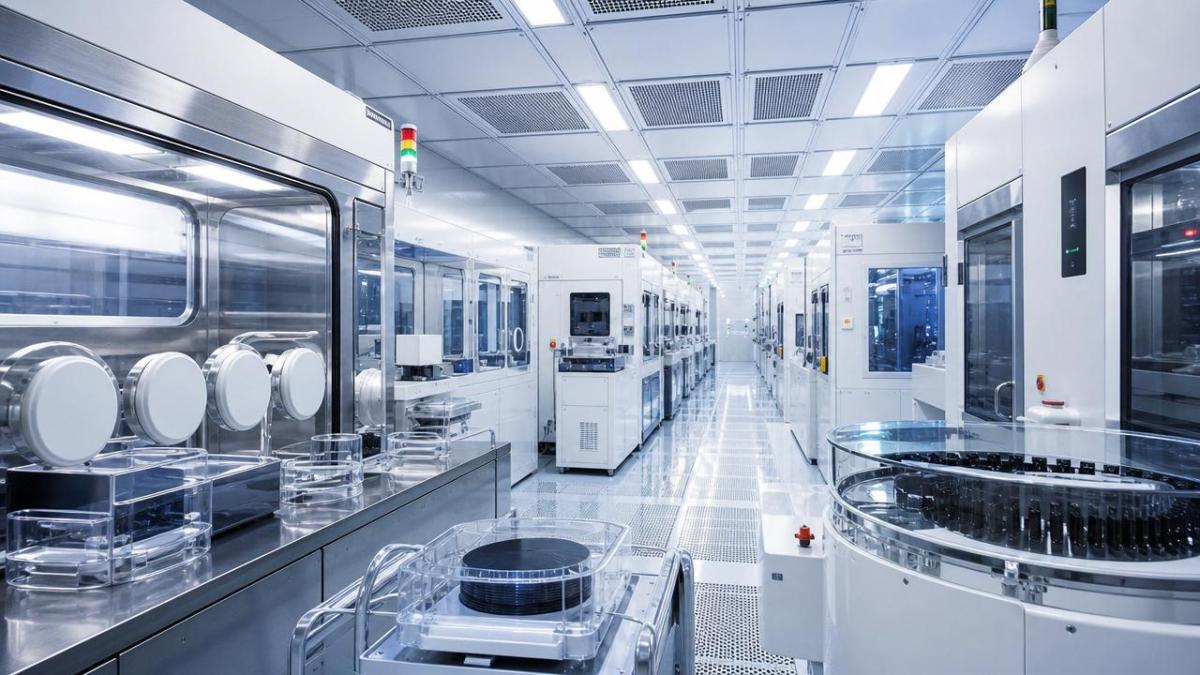
Higher throughput usually means more motion, more material handling, more door events, more machine cycles, and more heat load. Each of these factors can raise the risk of Sub-Micron Contamination. In an ISO-classified room, a process may remain within acceptable limits under normal load, then drift during peak output by 10% to 30% because pressure cascades, airflow patterns, or equipment surfaces are no longer stable.
Operators often see the first signs indirectly: increased wafer defects, more rejected fills, static-related attraction of particles, or unstable inspection data. In many cases, the airborne particle count is only one signal. Surface particles, micro-vibration, humidity swings, and temperature deviations of even ±0.1°C to ±0.3°C can worsen particle adhesion and process sensitivity.
Common operator-side sources of contamination
Most contamination events at the sub-micron level come from repeated, routine actions rather than dramatic system failures. Fast movement, poor wipe-down sequence, overstocking at the tool, incorrect gown adjustments, and delayed filter replacement can each create small deviations. When these deviations occur 20 to 50 times per shift, the cumulative impact becomes significant.
- Frequent door openings during batch transfer or supervisor checks
- Improper staging of packaging, liners, wipes, or carts
- Tool exhaust imbalance after maintenance or recipe change
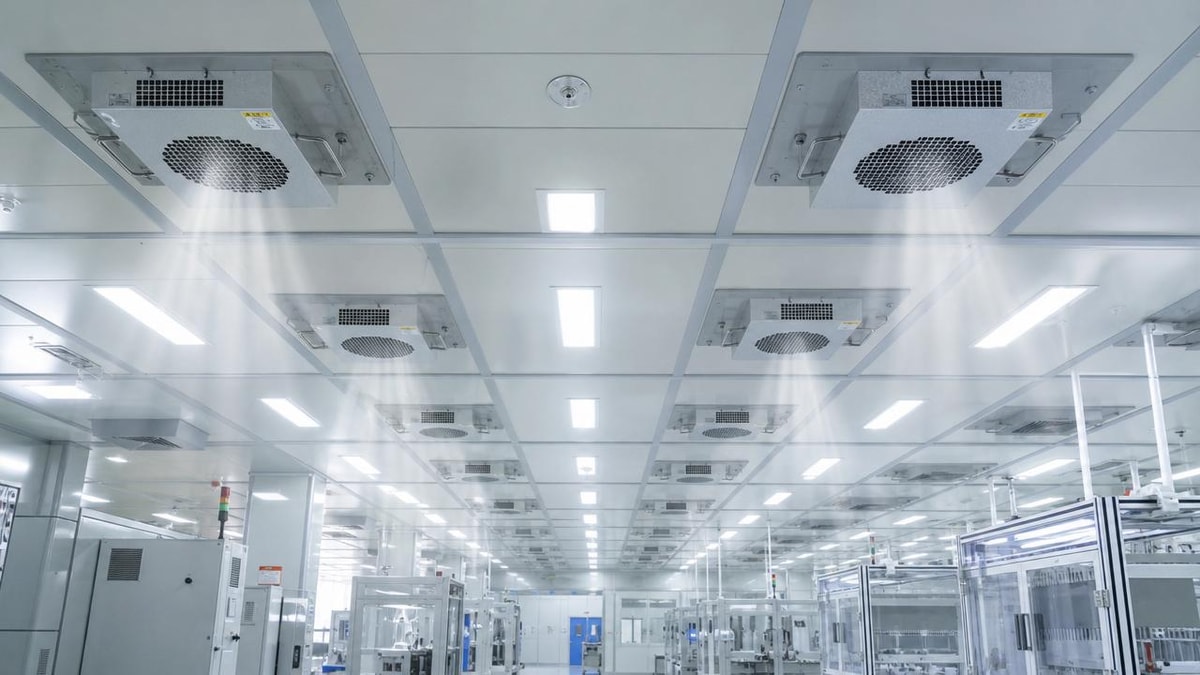
- FFU or HVAC drift under high occupancy conditions
- Static build-up on polymer surfaces and operator gloves
- Uncontrolled recovery time after cleaning or line stoppage
Why speed and cleanliness are often treated as opposites
Operators are often pushed to move faster, while environmental control teams are pushed to reduce disturbance. The result is a false trade-off. If a facility relies only on stricter behavior rules, throughput falls. If it relies only on production acceleration, contamination rises. The more effective approach is to engineer routines so that 80% of contamination prevention happens inside the process design, not through operator improvisation.
This means setting defined pathways, timed material release, fixed recovery intervals, and visual control points. In high-performance environments, reducing unnecessary motion by 15% can produce a measurable reduction in particle generation without extending cycle time.
Operational Controls That Reduce Contamination Without Slowing the Line
The fastest gains usually come from operational discipline rather than full facility upgrades. For many users and operators, a 4-part control strategy works best: people, movement, equipment condition, and environmental recovery. These measures are practical, low-disruption, and compatible with existing cleanroom protocols.
1. Standardize motion and touch points
Sub-Micron Contamination often rises when operators add extra handling steps. Every unnecessary touch, stop, turn, or opening event creates turbulence or introduces particles from garments, containers, and surfaces. A good target is to cut non-value-added handling actions by 2 to 4 steps per lot, batch, or transfer sequence.
Recommended floor practices
- Use fixed transfer lanes for people and separate lanes for materials.
- Set door-open time targets, such as under 8 seconds for pass-through use.
- Pre-stage approved consumables for the next 1 to 2 hours of work.
- Limit in-room packaging removal to a defined station, not at the tool.
- Use documented wipe direction and sequence on high-contact surfaces.
2. Protect airflow recovery after disturbances
After a door cycle, maintenance intervention, or batch transfer, clean zones need recovery time. Operators should know the recovery expectation of each room or mini-environment. In many controlled spaces, practical recovery can range from 30 seconds to 5 minutes depending on air changes per hour, room volume, and process sensitivity.
If operators restart critical steps before airflow stabilizes, Sub-Micron Contamination can spike exactly when product is exposed. A simple visual timer, interlock, or dashboard prompt can prevent premature restart without reducing total shift output.
The table below shows how operators can link common floor events to practical contamination-control actions while preserving throughput.
The key point is that throughput does not improve when operators work faster in a chaotic pattern. It improves when movement is predictable, recovery is protected, and contamination controls are built into standard work.
3. Keep thermal and humidity conditions stable
Temperature and humidity are often treated as comfort settings, but they directly affect Sub-Micron Contamination behavior. In precision sectors, temperature control may need to stay within ±0.01°C to ±0.1°C in critical areas, while relative humidity may be controlled within a 3% to 5% band to limit static and particle attraction.
Operators do not need to manage the entire HVAC infrastructure, but they do influence localized heat load. Leaving access panels open, stacking materials near returns, or crowding mini-environments can disrupt stable control. G-ICE-aligned practices emphasize coordination between operators and facility teams so that throughput targets do not create hidden thermal drift.
Equipment, Monitoring, and Cleanroom Interfaces That Support Faster Output
When operational controls are in place, the next step is to support them with reliable equipment condition and real-time monitoring. Sub-Micron Contamination cannot be controlled consistently if filters are loaded, sensors are drifting, or point-of-use airflow is uneven. For operators, the best systems are not the most complex; they are the ones that provide actionable feedback in seconds, not after a weekly review.
What operators should monitor every shift
A shift-level checklist should focus on the variables most likely to affect contamination during active production. This usually means 5 to 7 items rather than a long engineering audit. The aim is fast detection, clear escalation, and minimal interruption.
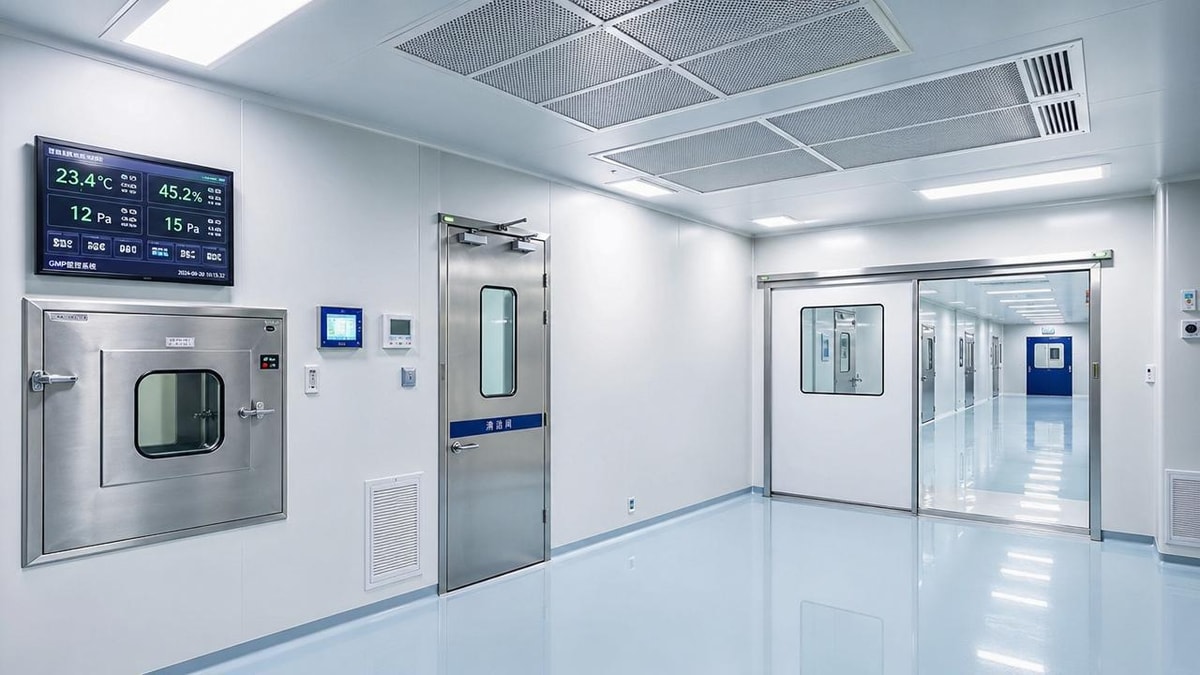
- Room differential pressure status
- Temperature and humidity trend stability
- Local airflow or FFU performance indicators
- Door alarm or excessive opening events
- Condition of gloves, sleeves, wipes, and carts
- Visible residue or particle accumulation near critical tools
- Post-maintenance restart confirmation
Shift-level triggers that justify intervention
Not every fluctuation requires stopping production. However, some triggers should prompt immediate containment or adjustment. For example, repeated pressure alarms within 30 minutes, unusual particle trends after a filter change, or recurring static events at one workstation often indicate a control gap that will not correct itself.
The table below summarizes practical operator-facing checkpoints that help reduce Sub-Micron Contamination while maintaining line speed.
These checkpoints are useful because they connect contamination control to operator decisions in real time. They also reduce overreaction. Instead of stopping the line for every small variation, teams can act on defined thresholds and preserve output.
How digital monitoring improves speed and discipline
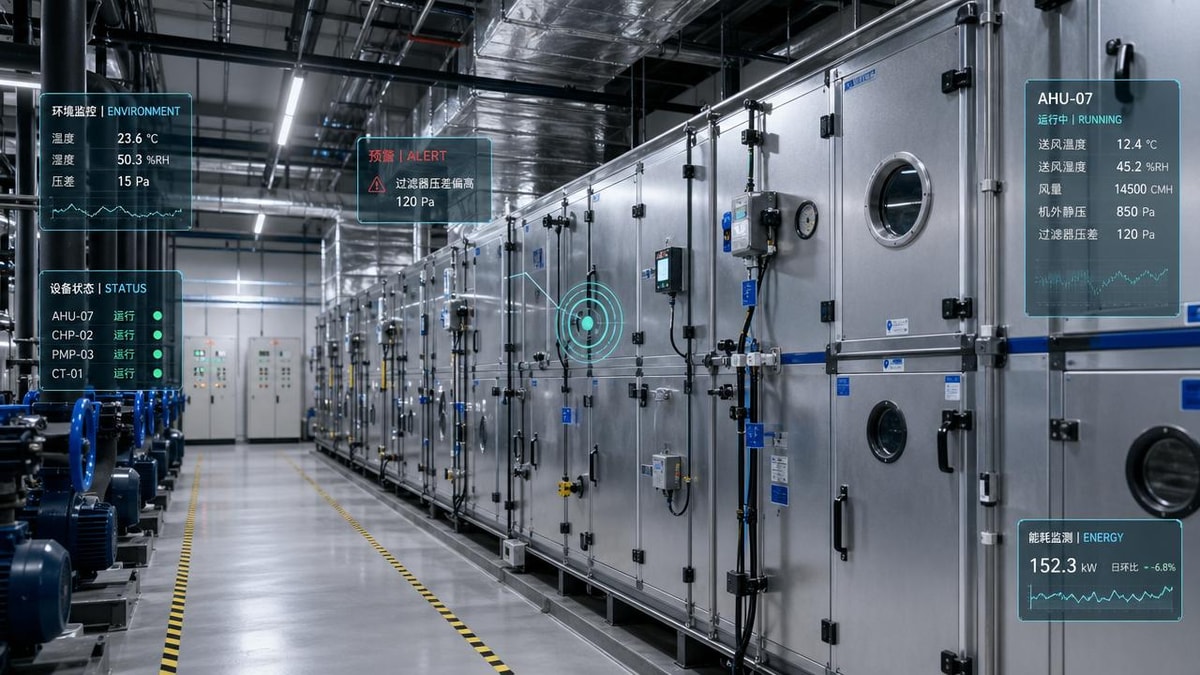
Smart environmental monitoring and digital twin-oriented control platforms are becoming more valuable because they show relationships that operators cannot see from one gauge alone. A small rise in particle counts may correlate with a 2°C equipment surface increase, a change in occupancy, or a recurring transfer pattern. When this data is visible on one dashboard, root-cause detection is much faster.
For many sites, the practical benefit is not advanced analytics by itself. It is the ability to shorten troubleshooting from several hours to 15 to 30 minutes, reduce unnecessary manual checks, and keep product moving while the team isolates the issue.
Implementation Roadmap for Operators and Supervisors
A successful Sub-Micron Contamination reduction program should be rolled out in stages. Trying to change gowning, transfers, cleaning, HVAC response, and monitoring all at once usually causes confusion. A 3-stage roadmap is easier to execute and measure.
Stage 1: Map contamination-sensitive moments
Start with the process moments when product is exposed, transferred, opened, filled, inspected, or restarted after interruption. Identify the top 5 contamination-sensitive actions per line. This can often be completed in 3 to 5 working days with supervisors, operators, and facility support staff.
Stage 2: Set standard work and thresholds
Define exact limits for door timing, recovery waits, wipe sequence, staging quantity, and escalation triggers. Operators need precise instructions, not broad advice such as “be careful” or “work clean.” Good standards are measurable, visible, and easy to audit once per shift.
Stage 3: Review trend data and refine
After 2 to 4 weeks, compare contamination events, process interruptions, and throughput stability. If throughput fell, the controls may be too manual. If contamination remained high, the controls may not address the true source. Refinement should focus on removing friction while preserving the gains that matter most.
Common mistakes to avoid
- Adding extra cleaning steps without changing contamination-generating behavior
- Relying on monthly reports instead of shift-based alerts
- Ignoring material packaging as a particle source
- Restarting too quickly after interventions
- Using one rule set for areas with very different cleanliness sensitivity
Selecting the Right Support Strategy for Long-Term Control
For operators and operational leaders, long-term success depends on selecting support systems that match process sensitivity, staffing patterns, and facility complexity. In some plants, targeted upgrades to FFUs, pressure monitoring, or point-of-use airflow controls are enough. In others, stronger integration between cleanroom design, precision HVAC, UPW, biosafety zoning, and environmental monitoring is required.
This is where a multidisciplinary reference framework such as G-ICE becomes useful. By aligning contamination control with ISO 14644, ASHRAE guidance, SEMI-related expectations, and practical operating benchmarks, teams can compare options more clearly and avoid solving one problem while creating another. For example, increasing air velocity without considering thermal drift or operator comfort may reduce particles in one zone but destabilize another process.
The best strategy is usually the one that reduces variability across the full operating day, including shift changes, maintenance windows, and peak output periods. Cleanliness targets are important, but repeatability matters even more when production volumes rise.
What to ask before adopting new controls or equipment
- Which 3 contamination sources cause the most rework or yield loss today?
- What recovery time is required before critical operations resume?
- Which parameters need real-time visibility and which can be reviewed daily?
- Will the new control reduce operator steps or add more manual burden?
- Can the approach scale across multiple rooms, tools, or shifts?
Reducing Sub-Micron Contamination without slowing throughput requires more than cleaner surfaces or stricter rules. It requires coordinated control of motion, airflow, recovery time, thermal stability, equipment condition, and live operational feedback. When these factors are standardized, operators can move faster with fewer contamination spikes and fewer avoidable interruptions.
If your facility is balancing cleanroom performance with higher production demands, a structured review of contamination sources, environmental controls, and operator workflows can reveal fast, measurable improvement opportunities. Contact us to discuss your application, request a tailored solution, or learn more about integrated cleanroom, HVAC, UPW, biosafety, and monitoring strategies built for high-throughput environments.
Get weekly intelligence in your inbox.
No noise. No sponsored content. Pure intelligence.
 May 02, 2026How to Evaluate a Fan Filter Units Manufacturer Beyond Unit PriceFan Filter Units manufacturer selection goes beyond unit price. Learn how to compare compliance, performance, lifecycle cost, and support to protect margins and win long-term channel growth.
 May 02, 2026When Magnetic-Levitation Centrifugal Chillers Pay Off in Real FacilitiesMagnetic-Levitation Centrifugal Chillers pay off when facilities need uptime, part-load efficiency, and low-risk cooling. See where they deliver real ROI in cleanrooms, biopharma, hospitals, and advanced manufacturing.
 May 02, 2026Industrial Climate Control Upgrades That Cut Drift and Energy WasteIndustrial Climate Control upgrades that reduce drift, improve compliance, and cut energy waste. Explore practical checklists and high-impact retrofit strategies.
 May 02, 2026ASHRAE Standards Certification: What to Verify Before Final ApprovalASHRAE Standards certification: learn what to verify before final approval, from scope and commissioning proof to lifecycle cost and hidden risk, so you can approve with confidence.
 May 02, 2026Designing a High-Tech Industrial Complex for Stable Air and Utility PerformanceHigh-Tech Industrial Complex design starts with stable air, precise thermal control, and resilient utilities—discover how to protect uptime, compliance, and long-term efficiency.
 May 02, 2026Regulatory Frameworks for Cleanrooms: Common Mistakes to Avoid EarlyRegulatory Frameworks for cleanrooms: avoid early compliance mistakes in ISO, documentation, airflow, and biosafety to reduce audit risk and costly redesigns.
 May 02, 2026SEMI Standards Compliance Gaps That Delay Cleanroom ProjectsSEMI Standards compliance gaps can derail cleanroom projects with rework, delays, and cost overruns. Learn where risks arise early and how to keep delivery on track.
 May 02, 2026Contamination Control Equipment: What Matters Before You Compare QuotesContamination Control equipment: learn what to check before comparing quotes, from ISO compliance and airflow performance to lifecycle cost and cleanroom integration.
 May 02, 2026ESG Compliance Supplier Checklist for Lower Vendor RiskESG Compliance supplier checklist for lower vendor risk: learn how to verify governance, safety, sustainability, and technical reliability before contract award.
 May 02, 2026How to Reduce Sub-Micron Contamination Without Slowing ThroughputSub-Micron Contamination control without slowing output: discover practical cleanroom strategies to cut particle risk, protect yield, and keep high-throughput operations stable.
 May 02, 2026electronica China 2026 Expands Cleanroom Tech Zone by 50%electronica China 2026 expands Cleanroom Tech Zone by 50% — spotlight on Precision Temperature Control & Smart Sensor Integration for semiconductor, quantum, and mRNA applications.
 May 02, 2026EU CBAM Extends to ESD Control Manufacturing from 2027EU CBAM extends to ESD control manufacturing in 2027—anti-static flooring, wrist straps & more now require verified production-line carbon footprints. Act now to avoid border taxes.
 May 02, 2026MFDS Expands Digital Twin Lab Certification to Semiconductors & Battery TestingMFDS Digital Twin Lab certification now covers semiconductors & battery testing — unlock Korean cleanroom tenders, boost interoperability, and future-proof your lab automation.
 May 02, 2026UL 867E:2026 Update Requires EMC + Cybersecurity Certification for IIoT Air MonitorsUL 867E:2026 now mandates EMC + cybersecurity certification for IIoT air monitors — critical for cleanroom & lab deployments. Act before Oct 1, 2026!
 May 02, 2026First ZLD-Compatible 18.2 MΩ·cm UPW System Operational at CATL IndonesiaFirst ZLD-compatible 18.2 MΩ·cm UPW system now live at CATL Indonesia — setting a new global benchmark for battery materials, semiconductor, and nuclear-grade industrial water systems.
 May 02, 2026JIS T 0101:2026 Enforced: UPW TOC ≤0.15 ppb for Semiconductor Equipment in JapanJIS T 0101:2026 enforced: UPW TOC ≤0.15 ppb now mandatory for semiconductor equipment in Japan — critical for exporters, integrators & component suppliers.
 May 02, 2026SABIC BSL-3 Vaccine Plant Launches with Chinese Decon SystemsSABIC BSL-3 Vaccine Plant launches with Chinese decon systems — a milestone for GMP-compliant, WHO PQ-aligned biomanufacturing infrastructure in the Middle East.
 May 02, 2026Germany’s New Green Tariff List: Maglev Chillers at 0%, Oil-Cooled Units +12.5%Germany’s new green tariff list: Maglev chillers at 0%, oil-cooled units +12.5% — key implications for HVAC exporters, OEMs & integrators in the EU market.
 May 02, 2026Southeast Asia EMA Expansion Drives ISO Class 1–3 Cleanroom DemandISO Class 1–3 cleanroom demand surges in Southeast Asia amid EMA expansion—FFUs, filtration components & air shower systems in high demand with lead times now extending to Q1 2027.
 May 02, 2026US/EU Tighten AMC Controls for Cleanrooms, UPW Filter Export Path NarrowsUS/EU tighten AMC controls for cleanrooms—UPW filter exporters face stricter SEMI F57/IEC 63209-2 mandates. Act now to secure market access.
 May 01, 2026HVAC Maintenance AI Reports: How to Spot Useful Insights Instead of NoiseHVAC maintenance AI reports help teams spot real faults, energy waste, and early warnings. Learn how to filter noise, protect uptime, and act faster with confidence.
 May 01, 2026ISO Class 1 Cleanroom: When the Extra Precision Is Worth the InvestmentISO Class 1 Cleanroom: discover when ultra-precision truly pays off. Learn the key business, compliance, and ROI signals before investing in the highest cleanroom standard.
 May 01, 2026What Makes a Quantum Computing Cleanroom Different From a Standard Fab SpaceQuantum Computing Cleanroom requirements go far beyond standard fab space design. Discover how vibration, thermal stability, EMI control, and smart monitoring shape quantum-ready infrastructure.
 May 01, 2026Pharmaceutical Cleanroom Upgrades That Improve Compliance Without RebuildingPharmaceutical Cleanroom upgrades can improve GMP compliance without a full rebuild. Discover retrofit strategies that reduce downtime, control contamination, and protect production.
 May 01, 2026High-Risk Lab Engineering: Design Choices That Reduce Containment RiskHigh-Risk Lab Engineering design choices can reduce containment risk, improve biosafety, and strengthen compliance readiness. Discover practical strategies for safer, more resilient labs.
 May 01, 2026ISO 14644 Compliance Mistakes That Delay Cleanroom ApprovalISO 14644 Compliance mistakes can derail cleanroom approval with costly rework, failed testing, and missing documentation. Learn the most common risks and how to prevent delays.
 May 01, 2026High-Performance Thermodynamic Hardware: How to Compare Real EfficiencyHigh-Performance Thermodynamic Hardware comparison starts with real efficiency, not just ratings. Discover how to evaluate lifecycle energy use, control stability, compliance fit, and long-term risk.