When Server Room Cooling Becomes an Uptime Risk
When server room cooling starts to drift, the real risk is not just “running warm.” It is a chain reaction: unstable IT performance, shortened equipment life, higher unplanned maintenance, audit exposure, and in the worst cases, service interruption. For operators, engineers, procurement teams, and business decision-makers, the key question is no longer whether cooling matters, but how to identify when a conventional HVAC approach has become an uptime liability. In modern facilities, resilient server room cooling depends on tighter thermal control, better contamination management, early fault detection, and system design choices aligned with both operational realities and evolving regulatory frameworks.
This article looks at the practical warning signs, the technical causes behind cooling-related uptime risk, and the strategies organizations can use to improve reliability, efficiency, and compliance. It also explains why ideas drawn from semiconductor cleanroom engineering, precision thermal management, and smart environmental monitoring are increasingly relevant to critical IT spaces.
Why server room cooling becomes an uptime risk before a full failure happens
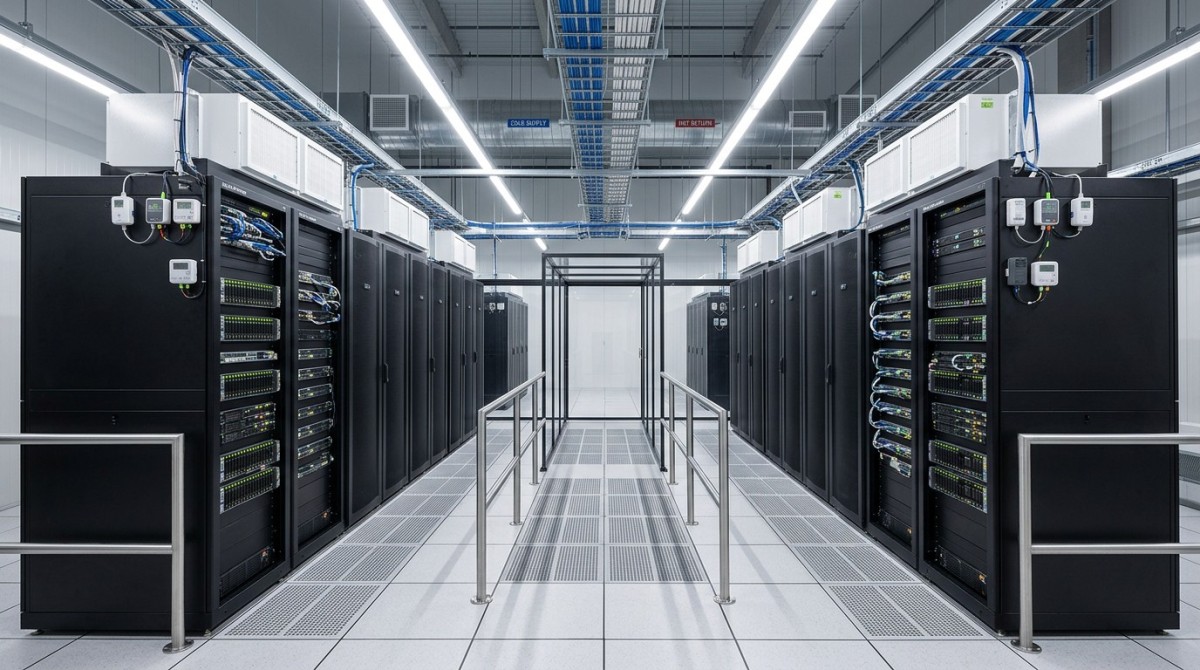
Most server room cooling problems do not begin with a dramatic shutdown. They begin with small deviations that are easy to ignore: localized hot spots, unstable return-air temperatures, rising humidity swings, recurring alarms, compressor short-cycling, or a gradual increase in fan vibration. These conditions may not stop operations immediately, but they steadily reduce system resilience.
For most target readers, the core search intent behind a topic like When Server Room Cooling Becomes an Uptime Risk is practical and decision-driven. They want to know:
- How to tell when cooling performance is becoming dangerous
- What the most common technical failure points are
- How cooling risk affects uptime, compliance, and asset life
- Which upgrades or design choices are worth the investment
- How to evaluate vendors, systems, and mitigation strategies with confidence
The most important takeaway is this: uptime risk usually appears when cooling capacity, airflow management, contamination control, mechanical stability, and monitoring maturity stop matching the actual heat density and operational criticality of the room. In other words, the room may still be “cooled,” but it is no longer being controlled well enough for reliable service continuity.
What your teams should watch first: the earliest operational signs of cooling-related risk
Different stakeholders notice different symptoms. Operators may see recurring alarms or uneven rack temperatures. Quality and safety teams may focus on environmental excursions and compliance documentation gaps. Procurement and business leaders often notice rising energy use, emergency service calls, and replacement costs. All of these can point to the same root issue: the cooling infrastructure is losing margin.
Common early indicators include:
- Temperature drift: Frequent excursions outside the recommended operating band, especially during peak load or seasonal change
- Hot spots: Some racks or zones consistently run warmer despite acceptable average room temperature
- Humidity instability: Excessively dry or humid conditions that increase electrostatic discharge or condensation risk
- Repeated alarms: High-temperature warnings, pressure anomalies, airflow faults, or refrigerant-related alarms
- Noise and vibration changes: Increased mechanical vibration can indicate mounting issues, fan imbalance, or compressor wear
- Rising maintenance frequency: More frequent callouts, filter issues, coil fouling, drain problems, or control recalibration
- Energy inefficiency: Cooling systems working harder to deliver the same result often signal airflow, heat rejection, or component degradation problems
For technical evaluators and project managers, these are not isolated maintenance details. They are leading indicators that the server room may have less fault tolerance than expected.
The real technical causes behind cooling instability
Cooling-related uptime risk is rarely caused by a single issue. More often, it results from several design and operational weaknesses interacting at the same time.
1. Airflow design no longer matches IT load
Many server rooms evolve faster than their original cooling design. Additional racks, denser compute loads, new cable obstructions, and poor hot-aisle/cold-aisle separation can all undermine thermal performance. Even where installed cooling capacity looks sufficient on paper, ineffective airflow distribution can leave critical equipment exposed.
2. Refrigerant leak detection is missing or too slow
Small refrigerant leaks can reduce cooling performance gradually, making them harder to detect through casual observation. By the time comfort-level symptoms become obvious, cooling redundancy may already be compromised. Effective refrigerant leak detection supports both uptime protection and compliance readiness, especially where environmental reporting and asset stewardship matter.
3. Mechanical vibration is degrading reliability
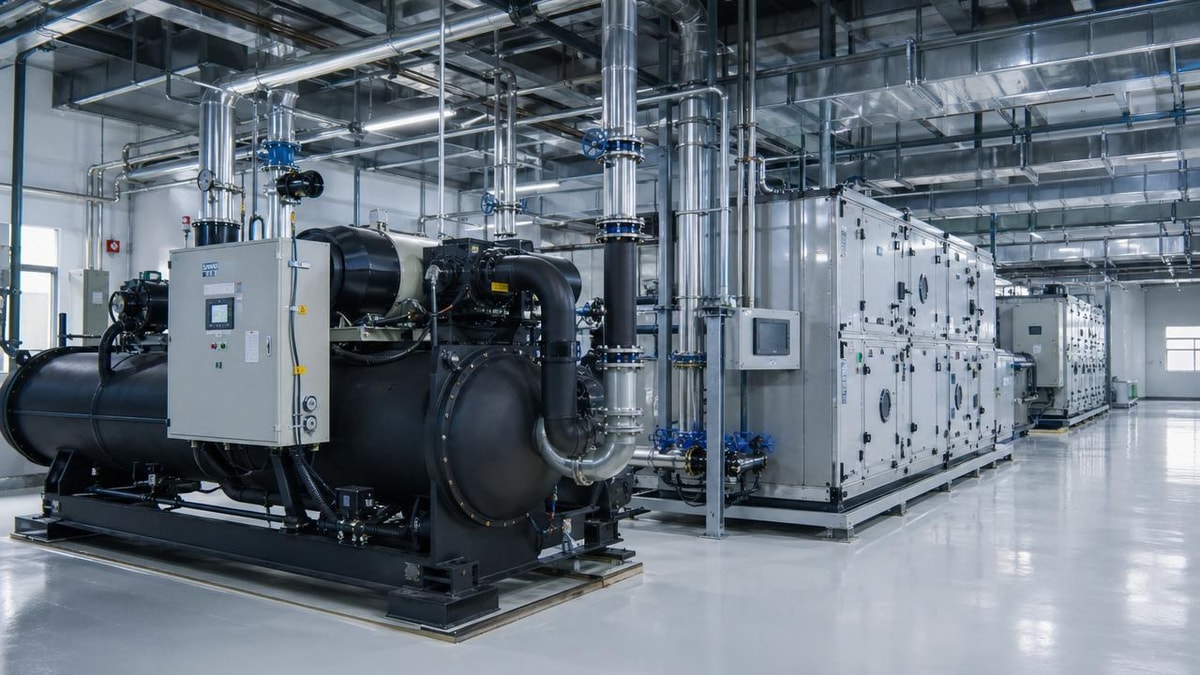
Vibration is often underestimated in server room environments. Poorly managed vibration can affect cooling units, pipework connections, sensors, and even sensitive nearby equipment. Vibration isolation mounts help reduce mechanical stress, improve equipment longevity, and stabilize overall system performance. For mission-critical facilities, this is not just a comfort feature; it is a reliability measure.
4. Contamination control is inadequate
Dust, particulates, and airborne contaminants impair heat exchange surfaces, clog filters, reduce fan efficiency, and increase maintenance burden. In higher-spec environments, contamination control practices derived from semiconductor cleanroom and controlled-environment engineering can significantly improve thermal consistency and equipment protection.
5. Controls and monitoring are too basic
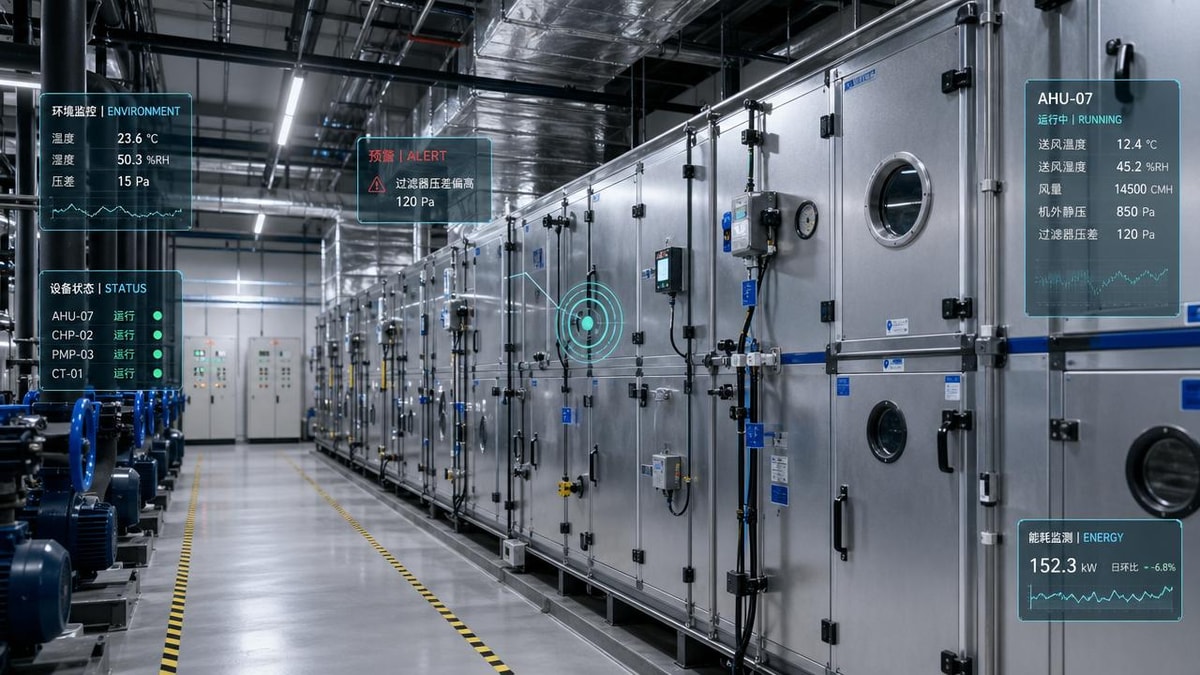
A server room can have adequate mechanical equipment and still be operationally fragile if it lacks granular monitoring. Room-average temperature alone is not enough. Modern risk management depends on continuous visibility into supply and return temperatures, rack-level conditions, humidity trends, pressure behavior, leak events, and equipment health.
Why semiconductor cleanroom principles now matter in server room thermal strategy
At first glance, semiconductor cleanroom engineering and server room cooling may seem unrelated. But the connection is becoming more important as uptime expectations rise and tolerance for environmental variation shrinks.
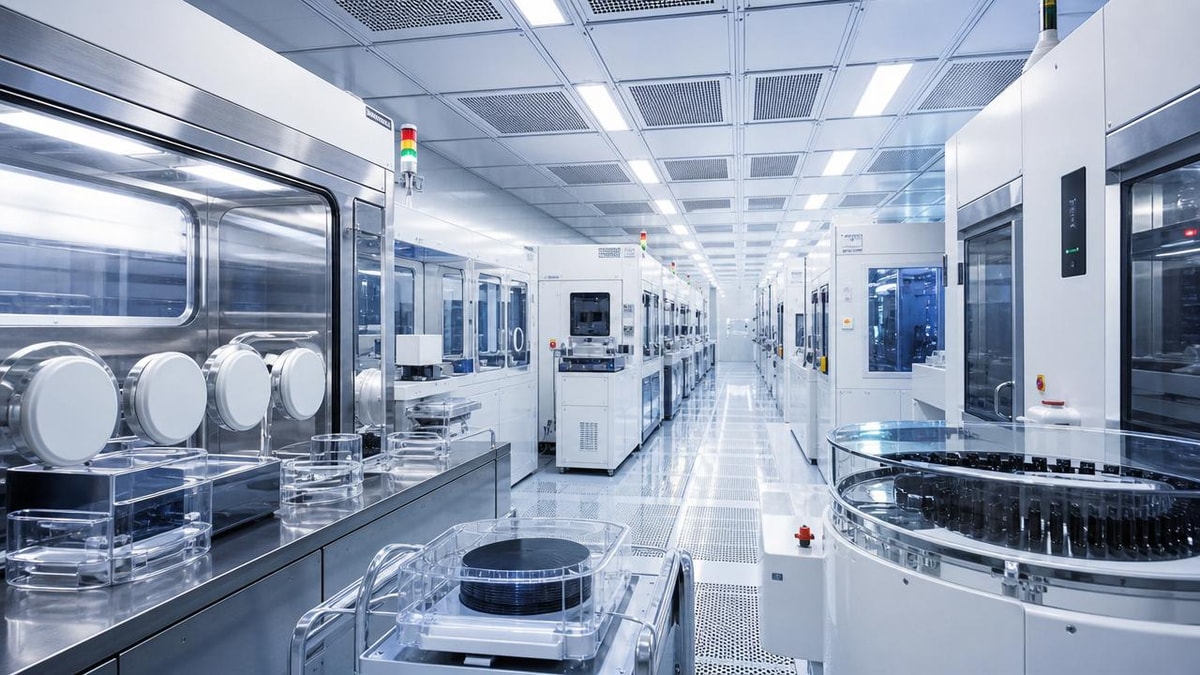
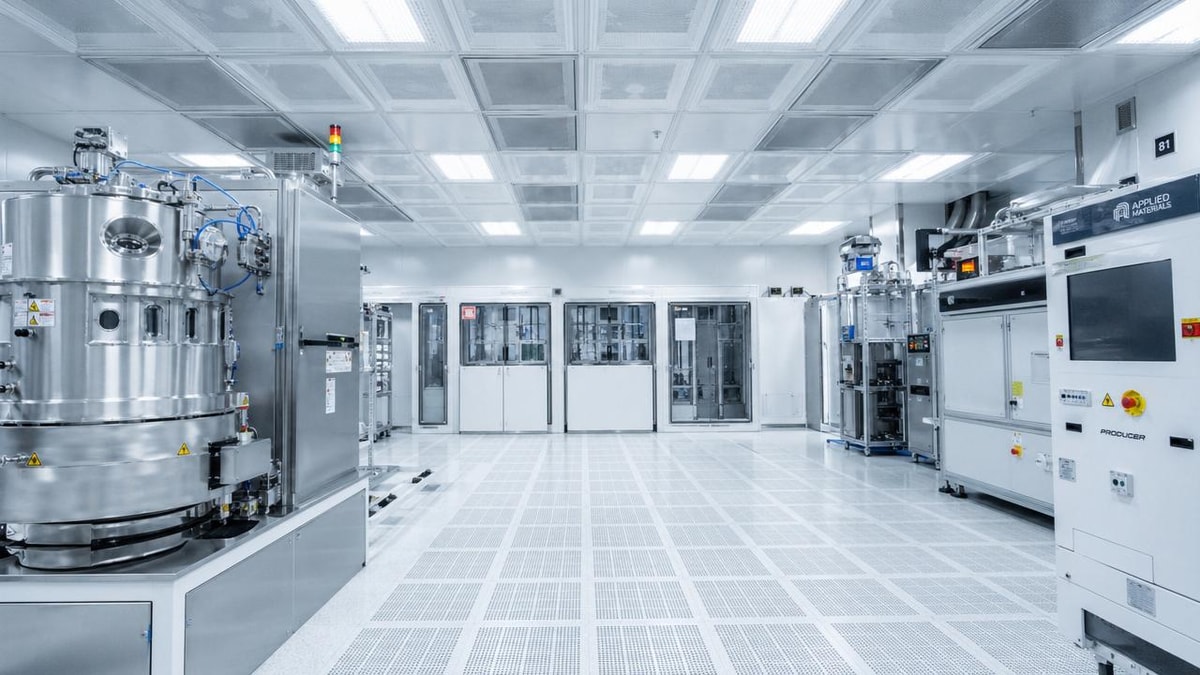
Semiconductor cleanroom environments are built around one central idea: small environmental deviations can create outsized operational consequences. The same logic now applies to high-value digital infrastructure. While a server room does not require ISO Class 1 conditions, it can benefit from the discipline of precision thermal control, contamination reduction, and monitored environmental stability.
Relevant cleanroom-inspired practices include:
- More disciplined airflow pathway design
- Better filtration and contamination control planning
- Tighter environmental monitoring architecture
- Stronger preventive maintenance standards
- Data-driven control logic rather than fixed-rule operation
For enterprise decision-makers, this matters because uptime is increasingly tied to environmental engineering quality, not just IT hardware quality.
Which cooling technologies help reduce uptime risk most effectively?
There is no universal answer, because the right solution depends on room size, heat density, redundancy targets, climate conditions, regulatory context, and lifecycle cost priorities. Still, several technologies deserve close attention when evaluating resilient server room cooling.
Heat pipe exchangers
Heat pipe exchangers can improve energy efficiency while reducing reliance on conventional compressor-based cooling under appropriate conditions. They are attractive where indirect cooling strategies can support stable operation with fewer moving parts in part of the cooling cycle. For some facilities, this can mean lower wear, lower operating cost, and improved resilience.
Adiabatic cooling systems
Adiabatic cooling systems can offer strong efficiency benefits, particularly in suitable climates. However, they must be assessed carefully for water quality, maintenance requirements, humidity implications, and contamination risks. For critical spaces, adiabatic strategies should be evaluated not only on energy savings but also on controllability and operational consistency.
Precision HVAC and thermal zoning
Precision cooling systems designed for stable thermal control are often more appropriate than comfort-oriented HVAC in high-dependency environments. Thermal zoning, in-row solutions, and close-coupled cooling approaches can also reduce the risk of uneven cooling in higher-density deployments.
Smart environmental monitoring and digital twin control
Advanced monitoring platforms help teams move from reactive maintenance to predictive action. In more mature environments, digital twin control concepts can simulate load changes, identify weak points, optimize setpoints, and support better capital planning. This is especially valuable for organizations balancing uptime, energy efficiency, and ESG expectations.
How regulatory frameworks and SEMI standards influence infrastructure decisions
Many buyers do not search for cooling systems simply to compare equipment. They are also trying to reduce risk tied to audits, sustainability commitments, engineering governance, and future expansion. That is why regulatory frameworks matter.
Depending on the region and facility type, relevant standards and references may include ASHRAE guidance, indoor environmental requirements, refrigerant handling obligations, energy efficiency regulations, and, in adjacent high-tech manufacturing contexts, SEMI standards. While SEMI standards are not server room rules by default, their disciplined approach to environmental performance, process reliability, and facility engineering can be highly relevant when organizations want benchmark-level control.
For decision-makers, the practical question is not “Which standard name sounds best?” It is:
- Does the cooling design support documented, repeatable environmental performance?
- Can the system be monitored, audited, and maintained to a defensible standard?
- Will the chosen design remain viable as regulatory expectations tighten?
- Does it align with broader ESG, uptime, and asset protection goals?
A cooling strategy that looks cheaper upfront but creates long-term compliance or reporting complexity may not be the lower-cost option in practice.
How to assess whether your current server room cooling is still fit for purpose
For users, engineers, and procurement teams, the most useful approach is a structured fitness assessment rather than a simple pass/fail view.
Review the following areas:
- Thermal performance: Are temperatures stable by rack and by load condition, not just at room average?
- Redundancy and failover: Can the room hold safe conditions during maintenance, component failure, or peak seasonal stress?
- Airflow effectiveness: Is there bypass air, recirculation, or poor aisle separation?
- Mechanical health: Are vibration, mounting integrity, fan balance, and compressor condition being monitored?
- Leak and fault detection: Is refrigerant leak detection in place and connected to meaningful response workflows?
- Contamination control: Are filters, coils, and room cleanliness managed to protect heat transfer performance?
- Control maturity: Do you have real-time visibility and trend analysis, or only alarm-based awareness?
- Standards alignment: Can the system support internal governance and external expectations?
If multiple categories show weakness at once, the issue is not a minor maintenance gap. It is a growing uptime risk that deserves capital planning attention.
What buyers and business leaders should prioritize when comparing upgrades or vendors
For procurement personnel, commercial evaluators, distributors, and enterprise leaders, the wrong comparison method is to focus only on nominal cooling capacity or initial price. The better approach is to compare lifecycle resilience.
Priority evaluation factors should include:
- Ability to maintain stable thermal conditions under real operational load
- Support for refrigerant leak detection, environmental monitoring, and alarm integration
- Mechanical robustness, including vibration isolation mounts where appropriate
- Ease of maintenance and spare parts strategy
- Energy performance across seasonal conditions, not only ideal test points
- Contamination control compatibility and filtration quality
- Scalability for future rack density or room expansion
- Evidence of standards-oriented engineering and documentation quality
For many organizations, the best investment is not the most complex system. It is the solution that delivers predictable control, clear
Get weekly intelligence in your inbox.
No noise. No sponsored content. Pure intelligence.
 May 02, 2026How to Evaluate a Fan Filter Units Manufacturer Beyond Unit PriceFan Filter Units manufacturer selection goes beyond unit price. Learn how to compare compliance, performance, lifecycle cost, and support to protect margins and win long-term channel growth.
 May 02, 2026When Magnetic-Levitation Centrifugal Chillers Pay Off in Real FacilitiesMagnetic-Levitation Centrifugal Chillers pay off when facilities need uptime, part-load efficiency, and low-risk cooling. See where they deliver real ROI in cleanrooms, biopharma, hospitals, and advanced manufacturing.
 May 02, 2026Industrial Climate Control Upgrades That Cut Drift and Energy WasteIndustrial Climate Control upgrades that reduce drift, improve compliance, and cut energy waste. Explore practical checklists and high-impact retrofit strategies.
 May 02, 2026ASHRAE Standards Certification: What to Verify Before Final ApprovalASHRAE Standards certification: learn what to verify before final approval, from scope and commissioning proof to lifecycle cost and hidden risk, so you can approve with confidence.
 May 02, 2026Designing a High-Tech Industrial Complex for Stable Air and Utility PerformanceHigh-Tech Industrial Complex design starts with stable air, precise thermal control, and resilient utilities—discover how to protect uptime, compliance, and long-term efficiency.
 May 02, 2026Regulatory Frameworks for Cleanrooms: Common Mistakes to Avoid EarlyRegulatory Frameworks for cleanrooms: avoid early compliance mistakes in ISO, documentation, airflow, and biosafety to reduce audit risk and costly redesigns.
 May 02, 2026SEMI Standards Compliance Gaps That Delay Cleanroom ProjectsSEMI Standards compliance gaps can derail cleanroom projects with rework, delays, and cost overruns. Learn where risks arise early and how to keep delivery on track.
 May 02, 2026Contamination Control Equipment: What Matters Before You Compare QuotesContamination Control equipment: learn what to check before comparing quotes, from ISO compliance and airflow performance to lifecycle cost and cleanroom integration.
 May 02, 2026ESG Compliance Supplier Checklist for Lower Vendor RiskESG Compliance supplier checklist for lower vendor risk: learn how to verify governance, safety, sustainability, and technical reliability before contract award.
 May 02, 2026How to Reduce Sub-Micron Contamination Without Slowing ThroughputSub-Micron Contamination control without slowing output: discover practical cleanroom strategies to cut particle risk, protect yield, and keep high-throughput operations stable.
 May 02, 2026electronica China 2026 Expands Cleanroom Tech Zone by 50%electronica China 2026 expands Cleanroom Tech Zone by 50% — spotlight on Precision Temperature Control & Smart Sensor Integration for semiconductor, quantum, and mRNA applications.
 May 02, 2026EU CBAM Extends to ESD Control Manufacturing from 2027EU CBAM extends to ESD control manufacturing in 2027—anti-static flooring, wrist straps & more now require verified production-line carbon footprints. Act now to avoid border taxes.
 May 02, 2026MFDS Expands Digital Twin Lab Certification to Semiconductors & Battery TestingMFDS Digital Twin Lab certification now covers semiconductors & battery testing — unlock Korean cleanroom tenders, boost interoperability, and future-proof your lab automation.
 May 02, 2026UL 867E:2026 Update Requires EMC + Cybersecurity Certification for IIoT Air MonitorsUL 867E:2026 now mandates EMC + cybersecurity certification for IIoT air monitors — critical for cleanroom & lab deployments. Act before Oct 1, 2026!
 May 02, 2026First ZLD-Compatible 18.2 MΩ·cm UPW System Operational at CATL IndonesiaFirst ZLD-compatible 18.2 MΩ·cm UPW system now live at CATL Indonesia — setting a new global benchmark for battery materials, semiconductor, and nuclear-grade industrial water systems.
 May 02, 2026JIS T 0101:2026 Enforced: UPW TOC ≤0.15 ppb for Semiconductor Equipment in JapanJIS T 0101:2026 enforced: UPW TOC ≤0.15 ppb now mandatory for semiconductor equipment in Japan — critical for exporters, integrators & component suppliers.
 May 02, 2026SABIC BSL-3 Vaccine Plant Launches with Chinese Decon SystemsSABIC BSL-3 Vaccine Plant launches with Chinese decon systems — a milestone for GMP-compliant, WHO PQ-aligned biomanufacturing infrastructure in the Middle East.
 May 02, 2026Germany’s New Green Tariff List: Maglev Chillers at 0%, Oil-Cooled Units +12.5%Germany’s new green tariff list: Maglev chillers at 0%, oil-cooled units +12.5% — key implications for HVAC exporters, OEMs & integrators in the EU market.
 May 02, 2026Southeast Asia EMA Expansion Drives ISO Class 1–3 Cleanroom DemandISO Class 1–3 cleanroom demand surges in Southeast Asia amid EMA expansion—FFUs, filtration components & air shower systems in high demand with lead times now extending to Q1 2027.
 May 02, 2026US/EU Tighten AMC Controls for Cleanrooms, UPW Filter Export Path NarrowsUS/EU tighten AMC controls for cleanrooms—UPW filter exporters face stricter SEMI F57/IEC 63209-2 mandates. Act now to secure market access.
 May 01, 2026HVAC Maintenance AI Reports: How to Spot Useful Insights Instead of NoiseHVAC maintenance AI reports help teams spot real faults, energy waste, and early warnings. Learn how to filter noise, protect uptime, and act faster with confidence.
 May 01, 2026ISO Class 1 Cleanroom: When the Extra Precision Is Worth the InvestmentISO Class 1 Cleanroom: discover when ultra-precision truly pays off. Learn the key business, compliance, and ROI signals before investing in the highest cleanroom standard.
 May 01, 2026What Makes a Quantum Computing Cleanroom Different From a Standard Fab SpaceQuantum Computing Cleanroom requirements go far beyond standard fab space design. Discover how vibration, thermal stability, EMI control, and smart monitoring shape quantum-ready infrastructure.
 May 01, 2026Pharmaceutical Cleanroom Upgrades That Improve Compliance Without RebuildingPharmaceutical Cleanroom upgrades can improve GMP compliance without a full rebuild. Discover retrofit strategies that reduce downtime, control contamination, and protect production.
 May 01, 2026High-Risk Lab Engineering: Design Choices That Reduce Containment RiskHigh-Risk Lab Engineering design choices can reduce containment risk, improve biosafety, and strengthen compliance readiness. Discover practical strategies for safer, more resilient labs.
 May 01, 2026ISO 14644 Compliance Mistakes That Delay Cleanroom ApprovalISO 14644 Compliance mistakes can derail cleanroom approval with costly rework, failed testing, and missing documentation. Learn the most common risks and how to prevent delays.
 May 01, 2026High-Performance Thermodynamic Hardware: How to Compare Real EfficiencyHigh-Performance Thermodynamic Hardware comparison starts with real efficiency, not just ratings. Discover how to evaluate lifecycle energy use, control stability, compliance fit, and long-term risk.