Adiabatic Cooling Systems: Hidden Water and Maintenance Costs
Adiabatic cooling systems are often promoted as efficient solutions for Semiconductor Cleanroom, server room cooling, and Contamination Control environments, yet their hidden water use, maintenance burden, and Regulatory Frameworks compliance costs are frequently underestimated. For buyers, engineers, and project leaders working under SEMI Standards, understanding these risks is essential to making smarter lifecycle decisions.
In high-spec industrial environments, cooling is not only about peak temperature reduction. It is tied to particle control, uptime, corrosion risk, water quality discipline, and audit readiness. A system that looks economical in a sales proposal can become expensive when makeup water demand, scaling, drift management, and shutdown-sensitive maintenance are included in total cost of ownership.
This article examines where adiabatic cooling systems create hidden costs, how those costs affect clean manufacturing and mission-critical facilities, and what procurement teams should verify before approving a project. The focus is practical: lifecycle economics, operational burden, compliance exposure, and better-fit alternatives for precision environments.
Why Adiabatic Cooling Looks Efficient on Paper but Costs More in Operation
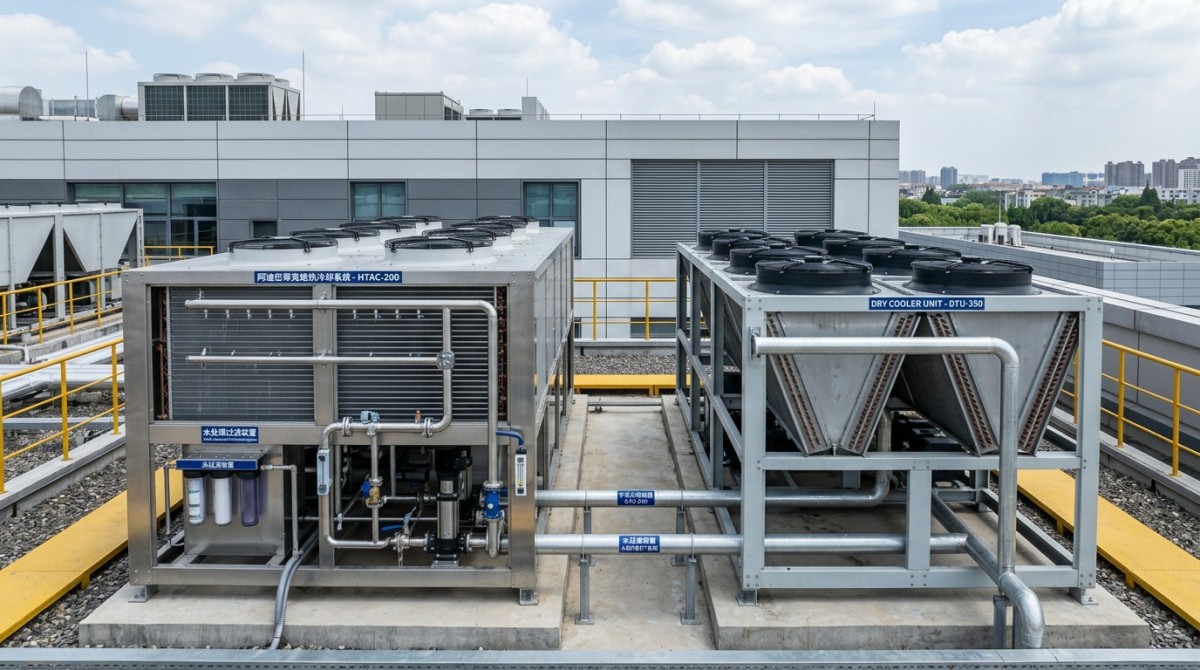
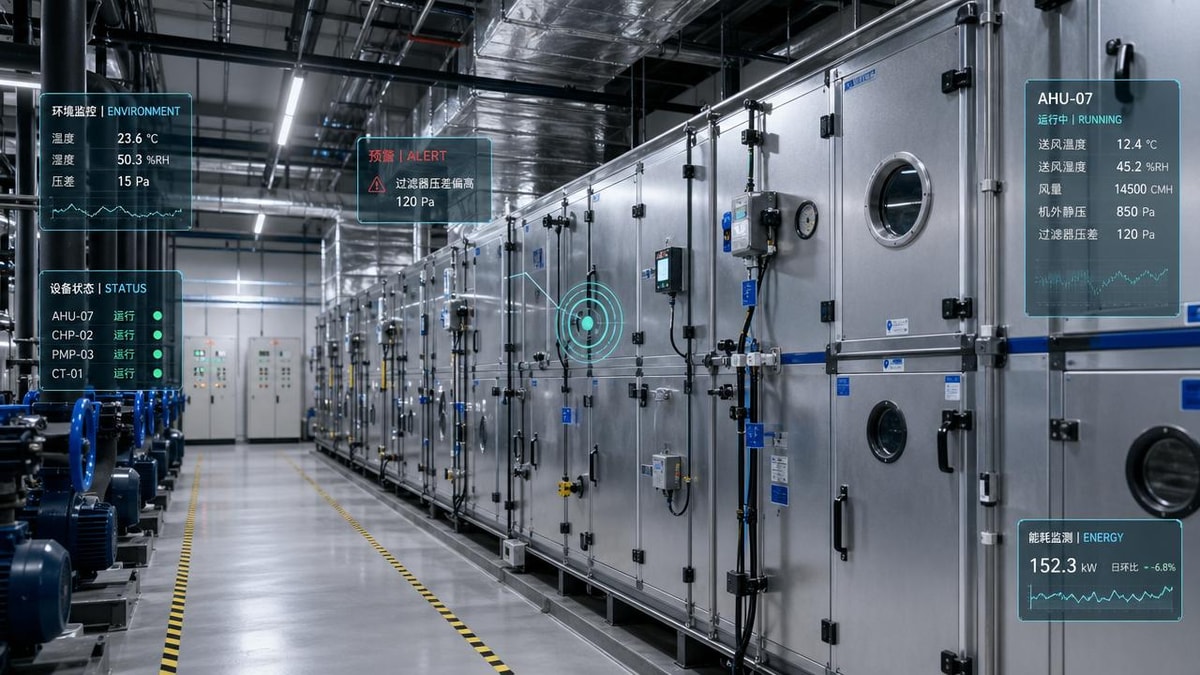
An adiabatic cooling system typically lowers incoming air temperature by evaporating water before heat rejection. In mild or dry climates, this can reduce compressor lift or lower condenser inlet temperature by 5°C to 12°C during favorable hours. That improvement is real, which is why the technology is often specified for data halls, process cooling plants, and commercial HVAC retrofits.
The problem starts when decision-makers assume that lower energy use automatically means lower operating cost. In semiconductor cleanrooms, pharmaceutical spaces, and sensitive contamination-control zones, water consumption, pretreatment, inspection, and cleaning add recurring expense. What appears as a 10% to 25% electrical saving in a design note may be offset by water, chemistry, labor, downtime risk, and replacement parts over a 3-year to 7-year period.
Facilities operating to tight environmental tolerances also have less room for maintenance shortcuts. Pads, nozzles, wetted media, strainers, pumps, and sump components become service points. If maintenance intervals slip from weekly checks to monthly checks in a dusty or mineral-heavy environment, fouling accelerates. In precision cooling plants, that can mean unstable heat rejection, higher fan power, and inconsistent thermal performance exactly when peak load hits.
For project managers and buyers, the right question is not “Does adiabatic cooling save energy?” but “Under what climate, water, and operational conditions does it still save money after maintenance and compliance are included?” That shift in framing prevents under-budgeting and helps avoid systems that fit a brochure better than a regulated facility.
The Main Cost Categories Often Missed at Approval Stage
Before final selection, teams should break costs into five layers rather than only CAPEX plus annual electricity:
- Makeup water demand, including seasonal peaks and blowdown where applicable.
- Water treatment needs, such as filtration, softening, conductivity control, or microbial management.
- Maintenance labor for inspection, cleaning, pad or nozzle replacement, and shutdown coordination.
- Compliance-related tasks, including legionella risk controls, hygiene records, and audit documentation.
- Operational risk costs, such as corrosion, scaling, drift, and process instability during heat waves.
In many industrial evaluations, at least 3 of these 5 categories are under-modeled. That is where budget variance appears after commissioning.
Hidden Water Costs in Precision and Regulated Facilities
Water is often treated as a low-cost utility, but in advanced manufacturing it is rarely just “water.” Depending on source quality, facilities may need prefiltration, softening, reverse osmosis support, or controlled bleed strategies to protect heat-rejection surfaces. A system using 2 m³ to 15 m³ per day during warm months can trigger broader plant utility impacts when local water tariffs, discharge fees, and treatment consumables are considered together.
The issue is more serious in regions facing water stress or internal ESG targets. A plant that saves 8% electrical energy but increases seasonal water use by 20% to 40% may conflict with corporate sustainability metrics. For ESG compliance directors and infrastructure leaders, that trade-off must be quantified before procurement, especially where annual reporting tracks both Scope 2 reductions and water intensity.
In contamination-sensitive environments, water quality also affects reliability. Hardness, silica, chlorides, and biological loading can shorten service intervals. When adiabatic media scale or nozzles partially block, cooling effectiveness drops unevenly. That can create unstable condenser conditions, forcing chillers or CRAH-linked systems to work harder during the same outdoor condition window.
The table below summarizes the water-related cost areas buyers should model before approving an adiabatic cooling package for cleanroom or server room applications.
The key conclusion is that water cost is not a single line item. It is a bundled operational category that affects treatment systems, maintenance schedules, compliance procedures, and sustainability reporting at the same time.
Questions Procurement Teams Should Ask
A strong RFQ should request at least the following data for a 12-month operating model, not just peak design conditions:
- Estimated annual water consumption at local climate bins.
- Required inlet water quality limits for hardness, TDS, and particulates.
- Expected media, nozzle, or filter replacement intervals in months.
- Recommended cleaning and hygiene inspection frequency.
- Performance loss curve if maintenance is delayed by 2 weeks to 4 weeks.
Maintenance Burden, Downtime Exposure, and Cleanroom Risk
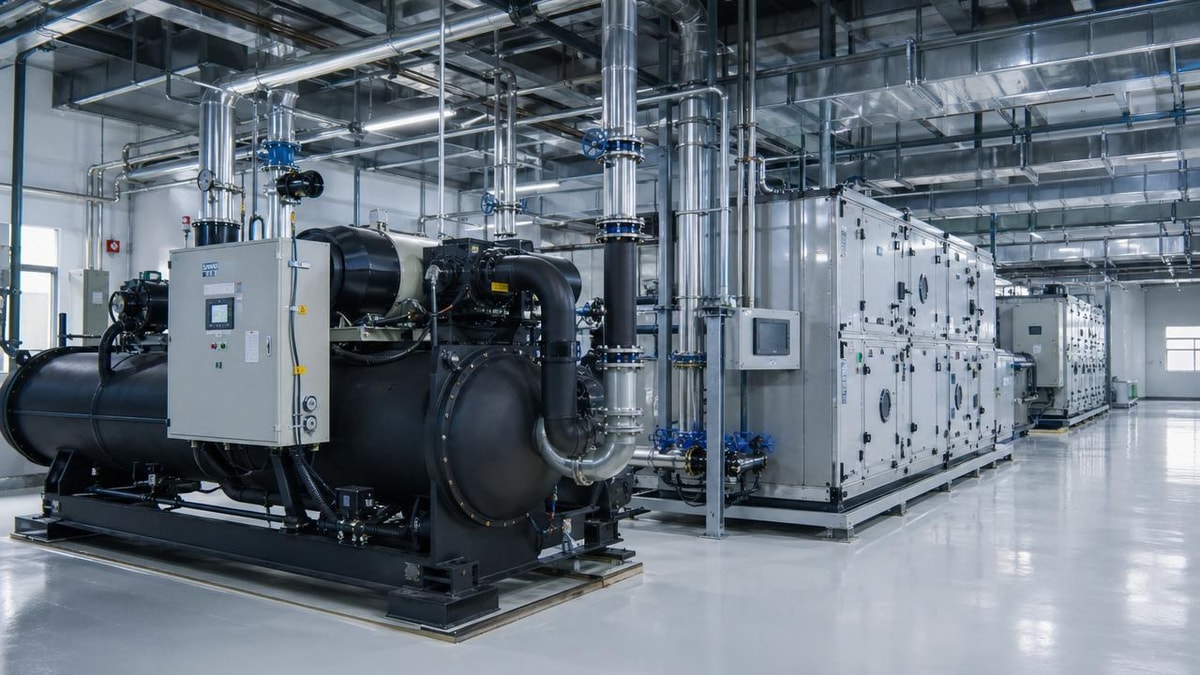
Maintenance is where adiabatic cooling systems often move from “energy-efficient” to “operationally demanding.” Unlike fully dry systems, adiabatic equipment introduces wetted components that can foul, scale, or degrade. In facilities with 24/7 operation, every added maintenance point matters because access windows may be restricted to short planned outages, often 2 hours to 6 hours at a time.
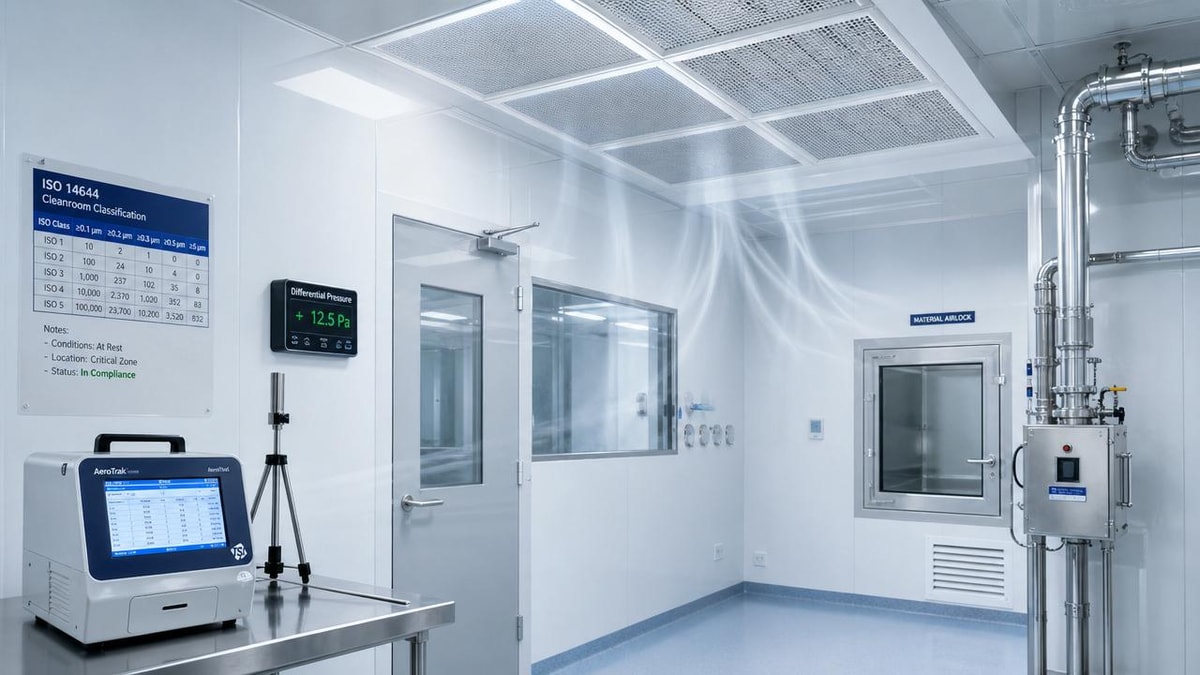
For semiconductor support infrastructure and high-spec HVAC plants, maintenance is not only a technician concern. It directly affects process continuity and environmental control. If cooling performance drifts during a heat event, room conditions can move outside validated temperature and humidity bands. In some process chains, even a 1°C to 2°C shift in upstream cooling stability can affect downstream control effort and increase alarms.
Another hidden factor is parts and labor planning. Pads, spray assemblies, valves, conductivity probes, and water distribution components may require inspection every 2 weeks in heavy-use seasons and deeper servicing every 3 months to 6 months. If the plant does not stock critical spares, repair times extend. That matters for remote campuses, distributors supporting multiple sites, and project teams operating under tight service-level agreements.
The table below compares the maintenance profile of adiabatic cooling with two alternatives often considered in precision industrial environments.
For many buyers, the takeaway is simple: maintenance intensity should be treated as a strategic design variable, not a post-installation issue. Systems that require weekly attention can be viable in general industry but burdensome in highly regulated or contamination-sensitive facilities.
Common Maintenance Blind Spots
Seasonal restart is often underestimated
If a system is idle during cooler months, seasonal startup may require flushing, inspection of wetted media, verification of sensors, and water-quality requalification. That is more than a basic power-on check.
Deferred cleaning reduces more than hygiene
Once scale builds on pads or spray paths, cooling efficiency falls and fan or compressor energy may rise. Deferred maintenance therefore creates a compound penalty: lower thermal effectiveness and higher power demand.
Labor planning affects uptime
When a site relies on outsourced service teams with 48-hour to 72-hour response times, minor water-side issues can remain unresolved during peak weather. For mission-critical operations, that service lag should be costed as operational risk.
Compliance, Water Hygiene, and Regulatory Review Points
In advanced industrial sectors, cooling-system selection must align with the facility’s regulatory framework and internal quality rules. The review may involve SEMI-related infrastructure expectations, ASHRAE guidance, site EHS procedures, legionella control programs, and ISO-driven documentation discipline. Even where adiabatic equipment is technically permissible, it may increase the administrative burden required to keep the installation audit-ready.
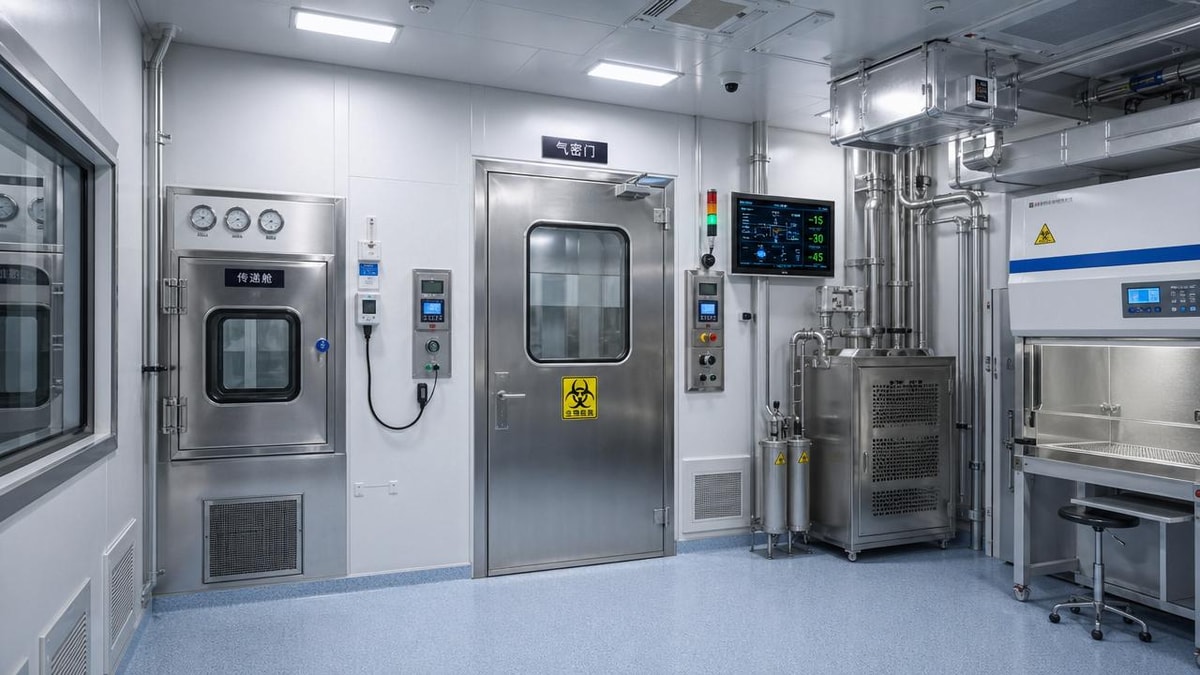
For biosafety and pharmaceutical contexts, any water-bearing thermal system near critical zones deserves extra scrutiny. The concern is not only aerosol generation but also hygiene management, inspection traceability, and separation from sensitive air paths. In server rooms and utility yards serving controlled spaces, the system boundary still matters because maintenance practices can affect nearby cleanliness protocols and service access planning.
Compliance cost is often hidden because it appears across several departments rather than in one equipment budget. EHS may own hygiene procedures, operations may own inspections, engineering may own corrective work, and quality or audit teams may request records retention for 1 year to 3 years. Together, those tasks create recurring overhead that should be evaluated alongside energy models.
The checklist below highlights common compliance review points before finalizing an adiabatic cooling installation.
- Confirm whether site policy allows wetted heat-rejection equipment near controlled or validated production areas.
- Define water hygiene inspection frequency, record format, and responsible department before FAT or commissioning.
- Verify drift, drainage, and cleaning procedures to prevent secondary contamination or slip hazards.
- Map maintenance access routes so service work does not conflict with gowning, clean corridor use, or production schedules.
- Document alarm thresholds, escalation steps, and corrective action times for pump failure, low flow, or poor water quality.
What Decision-Makers Should Request from Vendors
At minimum, vendors should provide a documented maintenance matrix, water quality envelope, cleaning method, parts replacement schedule, and controls narrative. If these items are missing at bid stage, the owner may inherit undefined compliance tasks after handover. For critical sites, request a 3-layer document package: design assumptions, operational SOP inputs, and maintenance task frequencies.
Where possible, align review with the same rigor applied to cleanroom HVAC and UPW support utilities. That is particularly important for organizations using digital twin or BMS-based environmental oversight, where alarm integration and maintenance data quality affect broader facility intelligence.
How to Evaluate Whether Adiabatic Cooling Is the Right Choice
Adiabatic cooling is not inherently a poor solution. In some climates and utility mixes, it is an effective hybrid strategy. The key is fit-for-purpose evaluation. Buyers should compare at least 4 dimensions: energy performance, water use, maintenance intensity, and compliance burden. A system that ranks first in one dimension but last in two others may not be the best lifecycle choice.
A practical procurement method is to score solutions over a 5-year horizon rather than by first-year utility cost. This avoids overvaluing a short-term energy benefit while ignoring labor and treatment overhead. For example, a dry cooler may show higher summer power but lower service hours, lower water risk, and simpler audit management. In a high-value manufacturing environment, that stability can outweigh the electricity delta.
The decision matrix below can help project leaders, technical evaluators, and commercial reviewers compare options with a more complete view of total ownership.
A balanced evaluation usually shows that adiabatic cooling is strongest in sites with favorable climate, manageable water chemistry, and robust maintenance staffing. It becomes less attractive where uptime, cleanliness, and compliance simplicity carry a premium.
Recommended 5-Step Selection Process
- Model annual energy and water together using local weather bins.
- Review water quality and pretreatment needs before equipment finalization.
- Quantify labor hours, service intervals, and spare parts exposure.
- Check compliance implications with EHS, quality, and facility operations.
- Compare 5-year total ownership against dry or closed-loop alternatives.
FAQ for Buyers, Engineers, and Project Teams
Are adiabatic cooling systems suitable for semiconductor cleanrooms?
They can be used in supporting utility infrastructure, but suitability depends on separation from critical zones, water hygiene management, maintenance discipline, and site contamination-control rules. In fabs and adjacent support plants, the tolerance for uncontrolled maintenance variables is low, so dry or closed-loop solutions are often easier to manage even if energy use is slightly higher.
What maintenance frequency should operators expect?
A realistic program may include weekly visual checks during active season, monthly water-path inspection, and deeper quarterly cleaning or replacement tasks depending on water quality and duty cycle. In dusty or mineral-heavy locations, intervals may shorten. Any proposal showing very low maintenance should be reviewed carefully.
Do adiabatic systems always reduce total cost of ownership?
No. They can reduce energy cost under the right climate profile, but total ownership may increase when water, service labor, pretreatment, compliance administration, and downtime risk are included. This is especially true in regulated industrial settings where maintenance execution is tightly controlled.
What should distributors and commercial evaluators focus on?
Focus on operating conditions, not only equipment rating. Ask for climate-specific performance, annualized water use, minimum water-quality specification, spare part list, and documented maintenance tasks. Commercially, the strongest offers are those that make lifecycle obligations visible rather than hiding them in assumptions.
For high-performance facilities, adiabatic cooling systems should be evaluated as water-dependent operational assets, not just low-energy heat-rejection devices. Hidden water costs, recurring maintenance, and compliance overhead can materially change the business case, particularly in semiconductor cleanrooms, server room cooling plants, and contamination-control environments.
Organizations that benchmark cooling options against lifecycle cost, water quality, hygiene obligations, and uptime requirements make better decisions than those comparing only nameplate efficiency. If your team is assessing cooling infrastructure for regulated or precision applications, a structured technical review can prevent costly mismatches.
To evaluate the right solution for your facility, contact us to discuss your operating profile, water conditions, compliance priorities, and project constraints. You can also request a tailored comparison of adiabatic, dry, and closed-loop cooling strategies for your next upgrade or new-build project.
Get weekly intelligence in your inbox.
No noise. No sponsored content. Pure intelligence.
 May 02, 2026How to Evaluate a Fan Filter Units Manufacturer Beyond Unit PriceFan Filter Units manufacturer selection goes beyond unit price. Learn how to compare compliance, performance, lifecycle cost, and support to protect margins and win long-term channel growth.
 May 02, 2026When Magnetic-Levitation Centrifugal Chillers Pay Off in Real FacilitiesMagnetic-Levitation Centrifugal Chillers pay off when facilities need uptime, part-load efficiency, and low-risk cooling. See where they deliver real ROI in cleanrooms, biopharma, hospitals, and advanced manufacturing.
 May 02, 2026Industrial Climate Control Upgrades That Cut Drift and Energy WasteIndustrial Climate Control upgrades that reduce drift, improve compliance, and cut energy waste. Explore practical checklists and high-impact retrofit strategies.
 May 02, 2026ASHRAE Standards Certification: What to Verify Before Final ApprovalASHRAE Standards certification: learn what to verify before final approval, from scope and commissioning proof to lifecycle cost and hidden risk, so you can approve with confidence.
 May 02, 2026Designing a High-Tech Industrial Complex for Stable Air and Utility PerformanceHigh-Tech Industrial Complex design starts with stable air, precise thermal control, and resilient utilities—discover how to protect uptime, compliance, and long-term efficiency.
 May 02, 2026Regulatory Frameworks for Cleanrooms: Common Mistakes to Avoid EarlyRegulatory Frameworks for cleanrooms: avoid early compliance mistakes in ISO, documentation, airflow, and biosafety to reduce audit risk and costly redesigns.
 May 02, 2026SEMI Standards Compliance Gaps That Delay Cleanroom ProjectsSEMI Standards compliance gaps can derail cleanroom projects with rework, delays, and cost overruns. Learn where risks arise early and how to keep delivery on track.
 May 02, 2026Contamination Control Equipment: What Matters Before You Compare QuotesContamination Control equipment: learn what to check before comparing quotes, from ISO compliance and airflow performance to lifecycle cost and cleanroom integration.
 May 02, 2026ESG Compliance Supplier Checklist for Lower Vendor RiskESG Compliance supplier checklist for lower vendor risk: learn how to verify governance, safety, sustainability, and technical reliability before contract award.
 May 02, 2026How to Reduce Sub-Micron Contamination Without Slowing ThroughputSub-Micron Contamination control without slowing output: discover practical cleanroom strategies to cut particle risk, protect yield, and keep high-throughput operations stable.
 May 02, 2026electronica China 2026 Expands Cleanroom Tech Zone by 50%electronica China 2026 expands Cleanroom Tech Zone by 50% — spotlight on Precision Temperature Control & Smart Sensor Integration for semiconductor, quantum, and mRNA applications.
 May 02, 2026EU CBAM Extends to ESD Control Manufacturing from 2027EU CBAM extends to ESD control manufacturing in 2027—anti-static flooring, wrist straps & more now require verified production-line carbon footprints. Act now to avoid border taxes.
 May 02, 2026MFDS Expands Digital Twin Lab Certification to Semiconductors & Battery TestingMFDS Digital Twin Lab certification now covers semiconductors & battery testing — unlock Korean cleanroom tenders, boost interoperability, and future-proof your lab automation.
 May 02, 2026UL 867E:2026 Update Requires EMC + Cybersecurity Certification for IIoT Air MonitorsUL 867E:2026 now mandates EMC + cybersecurity certification for IIoT air monitors — critical for cleanroom & lab deployments. Act before Oct 1, 2026!
 May 02, 2026First ZLD-Compatible 18.2 MΩ·cm UPW System Operational at CATL IndonesiaFirst ZLD-compatible 18.2 MΩ·cm UPW system now live at CATL Indonesia — setting a new global benchmark for battery materials, semiconductor, and nuclear-grade industrial water systems.
 May 02, 2026JIS T 0101:2026 Enforced: UPW TOC ≤0.15 ppb for Semiconductor Equipment in JapanJIS T 0101:2026 enforced: UPW TOC ≤0.15 ppb now mandatory for semiconductor equipment in Japan — critical for exporters, integrators & component suppliers.
 May 02, 2026SABIC BSL-3 Vaccine Plant Launches with Chinese Decon SystemsSABIC BSL-3 Vaccine Plant launches with Chinese decon systems — a milestone for GMP-compliant, WHO PQ-aligned biomanufacturing infrastructure in the Middle East.
 May 02, 2026Germany’s New Green Tariff List: Maglev Chillers at 0%, Oil-Cooled Units +12.5%Germany’s new green tariff list: Maglev chillers at 0%, oil-cooled units +12.5% — key implications for HVAC exporters, OEMs & integrators in the EU market.
 May 02, 2026Southeast Asia EMA Expansion Drives ISO Class 1–3 Cleanroom DemandISO Class 1–3 cleanroom demand surges in Southeast Asia amid EMA expansion—FFUs, filtration components & air shower systems in high demand with lead times now extending to Q1 2027.
 May 02, 2026US/EU Tighten AMC Controls for Cleanrooms, UPW Filter Export Path NarrowsUS/EU tighten AMC controls for cleanrooms—UPW filter exporters face stricter SEMI F57/IEC 63209-2 mandates. Act now to secure market access.
 May 01, 2026HVAC Maintenance AI Reports: How to Spot Useful Insights Instead of NoiseHVAC maintenance AI reports help teams spot real faults, energy waste, and early warnings. Learn how to filter noise, protect uptime, and act faster with confidence.
 May 01, 2026ISO Class 1 Cleanroom: When the Extra Precision Is Worth the InvestmentISO Class 1 Cleanroom: discover when ultra-precision truly pays off. Learn the key business, compliance, and ROI signals before investing in the highest cleanroom standard.
 May 01, 2026What Makes a Quantum Computing Cleanroom Different From a Standard Fab SpaceQuantum Computing Cleanroom requirements go far beyond standard fab space design. Discover how vibration, thermal stability, EMI control, and smart monitoring shape quantum-ready infrastructure.
 May 01, 2026Pharmaceutical Cleanroom Upgrades That Improve Compliance Without RebuildingPharmaceutical Cleanroom upgrades can improve GMP compliance without a full rebuild. Discover retrofit strategies that reduce downtime, control contamination, and protect production.
 May 01, 2026High-Risk Lab Engineering: Design Choices That Reduce Containment RiskHigh-Risk Lab Engineering design choices can reduce containment risk, improve biosafety, and strengthen compliance readiness. Discover practical strategies for safer, more resilient labs.
 May 01, 2026ISO 14644 Compliance Mistakes That Delay Cleanroom ApprovalISO 14644 Compliance mistakes can derail cleanroom approval with costly rework, failed testing, and missing documentation. Learn the most common risks and how to prevent delays.
 May 01, 2026High-Performance Thermodynamic Hardware: How to Compare Real EfficiencyHigh-Performance Thermodynamic Hardware comparison starts with real efficiency, not just ratings. Discover how to evaluate lifecycle energy use, control stability, compliance fit, and long-term risk.