Refrigerant Leak Detection Mistakes That Delay Compliance
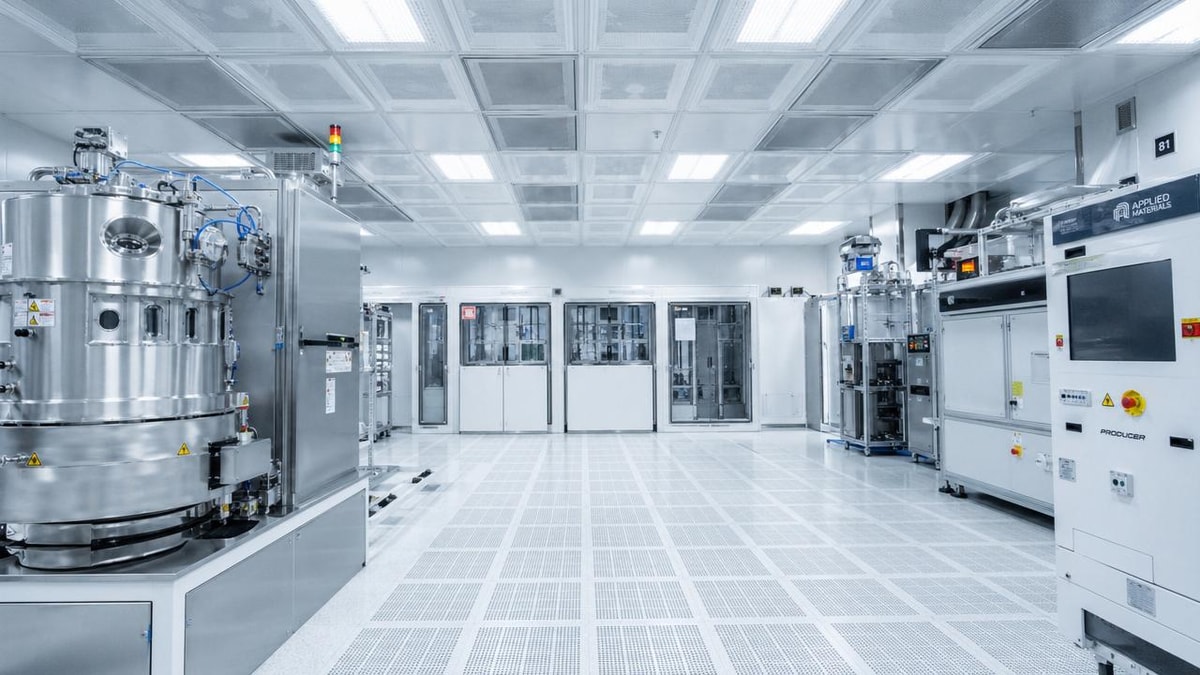
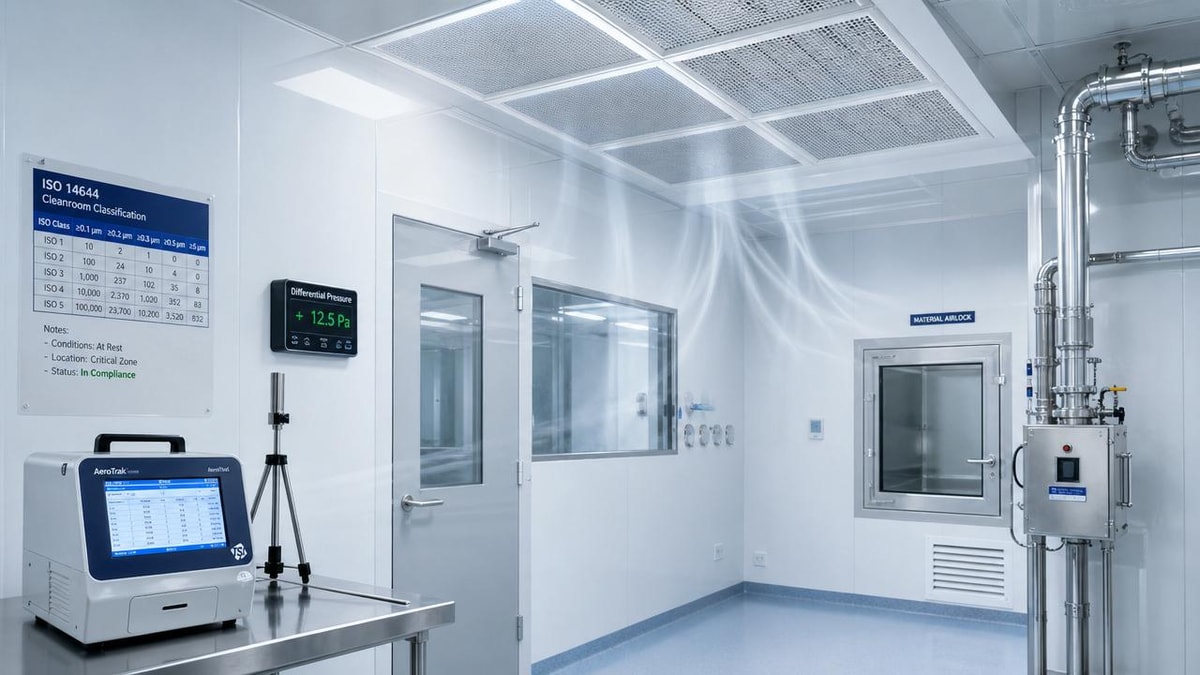
Refrigerant leak detection errors can quietly undermine compliance, inflate risk, and disrupt performance in facilities such as Semiconductor Cleanroom environments and server room cooling systems. For teams working within complex Regulatory Frameworks and SEMI Standards, avoiding common inspection and response mistakes is essential to Contamination Control, uptime, and audit readiness.
Why refrigerant leak detection mistakes become compliance delays
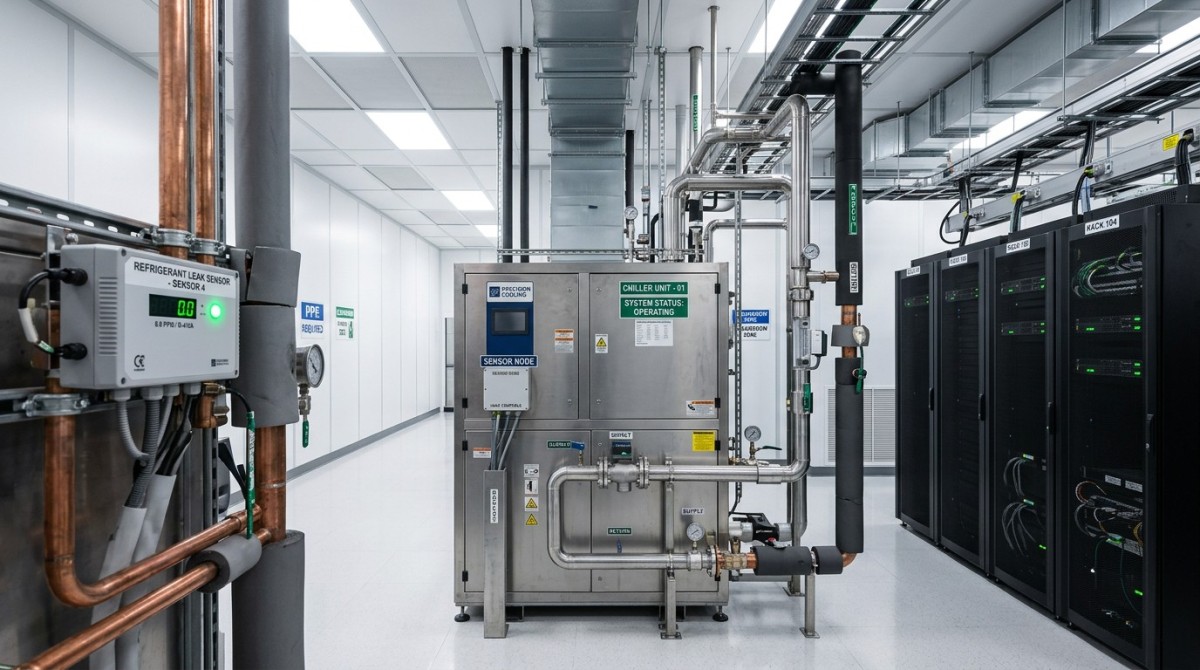
In advanced industrial HVAC and thermal management environments, a refrigerant leak is rarely only a maintenance issue. It can become a compliance event, an environmental reporting problem, an energy efficiency decline, and a process stability threat at the same time. This is especially true in semiconductor support spaces, pharmaceutical production areas, high-risk labs, and precision server room cooling systems where temperature drift, airflow imbalance, and contamination control are tightly managed.
A frequent mistake is treating leak detection as a once-a-year checkbox rather than an operating discipline. In many facilities, inspection intervals are set only around annual service visits, while actual risk conditions change weekly or monthly due to vibration, thermal cycling, valve wear, and maintenance interventions. For critical systems, teams often need layered checks across daily observations, monthly trend review, and quarterly verification rather than depending on a single event.
Another delay driver is the separation between facility operations, EHS teams, procurement, and compliance reviewers. Operators may notice performance anomalies, but if alarm logic, maintenance records, and reporting thresholds are not aligned, the leak remains undocumented until an audit, failure event, or refrigerant recharge request exposes the gap. At that point, the issue is no longer only technical; it affects response time, documentation quality, and vendor accountability.
G-ICE addresses this gap by connecting thermodynamic system behavior with standards-based control logic and benchmarking practices. For organizations operating under ISO 14644, ASHRAE guidance, SEMI expectations, or internal ESG reporting rules, leak detection must be evaluated as part of a wider environmental control architecture rather than as an isolated sensor purchase.
The 4 most common operational blind spots
- Relying only on handheld inspections during scheduled maintenance, which may leave 30 to 90 days of undetected leakage between visits.
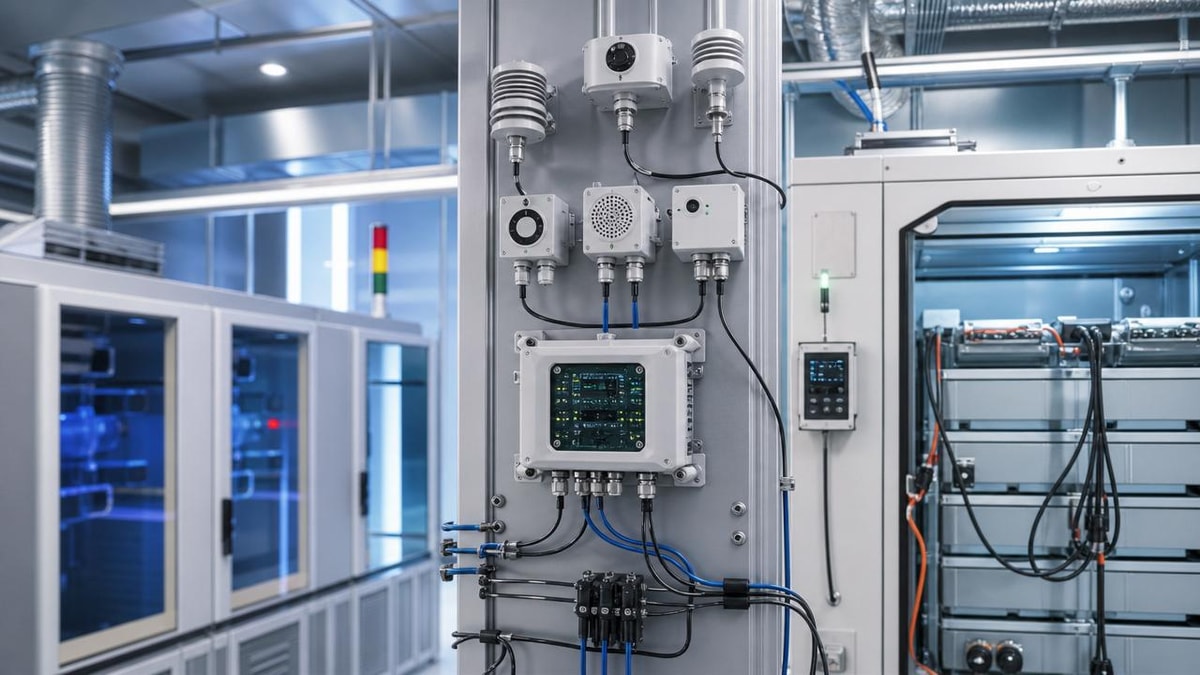
- Installing sensors without confirming placement against airflow patterns, equipment height, refrigerant type, and enclosure geometry.
- Failing to link alarms with corrective action workflows, escalation windows, and root-cause documentation.
- Assuming charge loss is normal system aging, even when recurring top-ups point to persistent leakage and compliance exposure.
Which leak detection mistakes matter most in cleanrooms, labs, and data-critical cooling spaces?
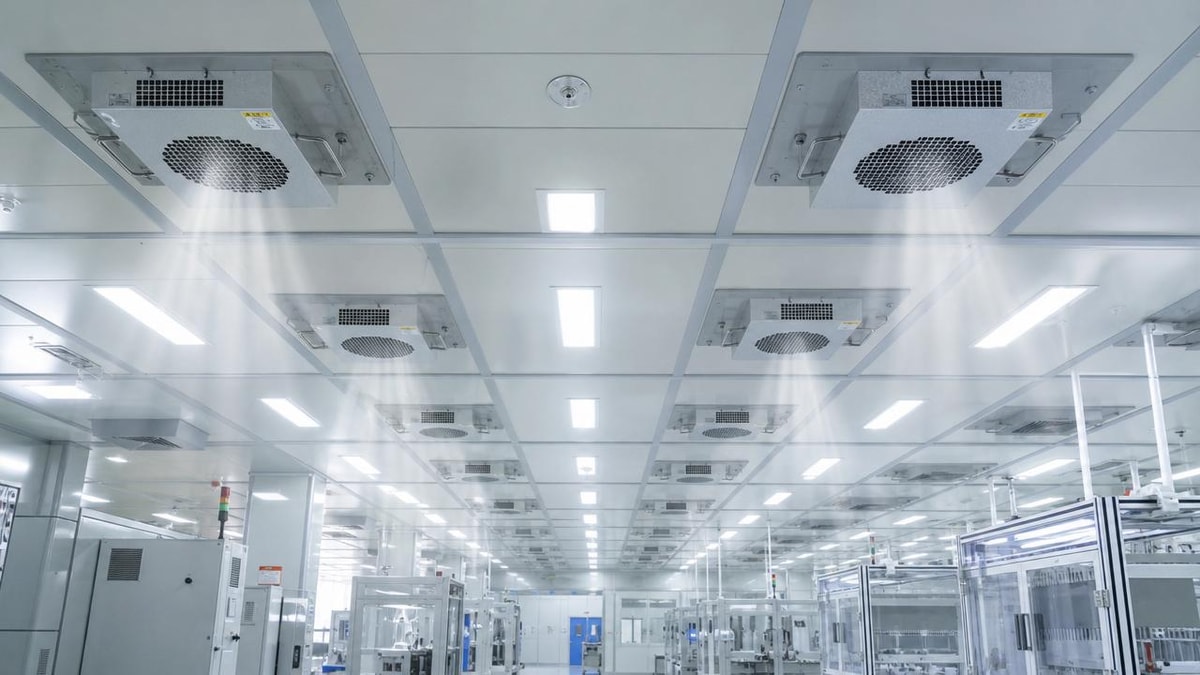
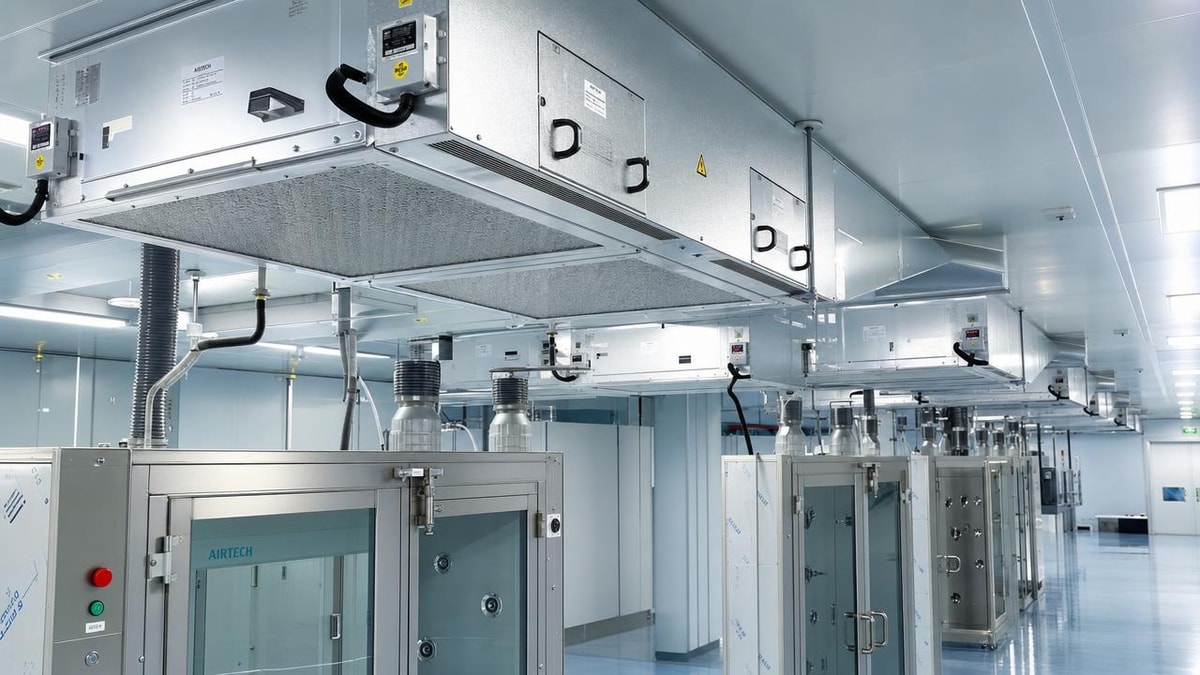
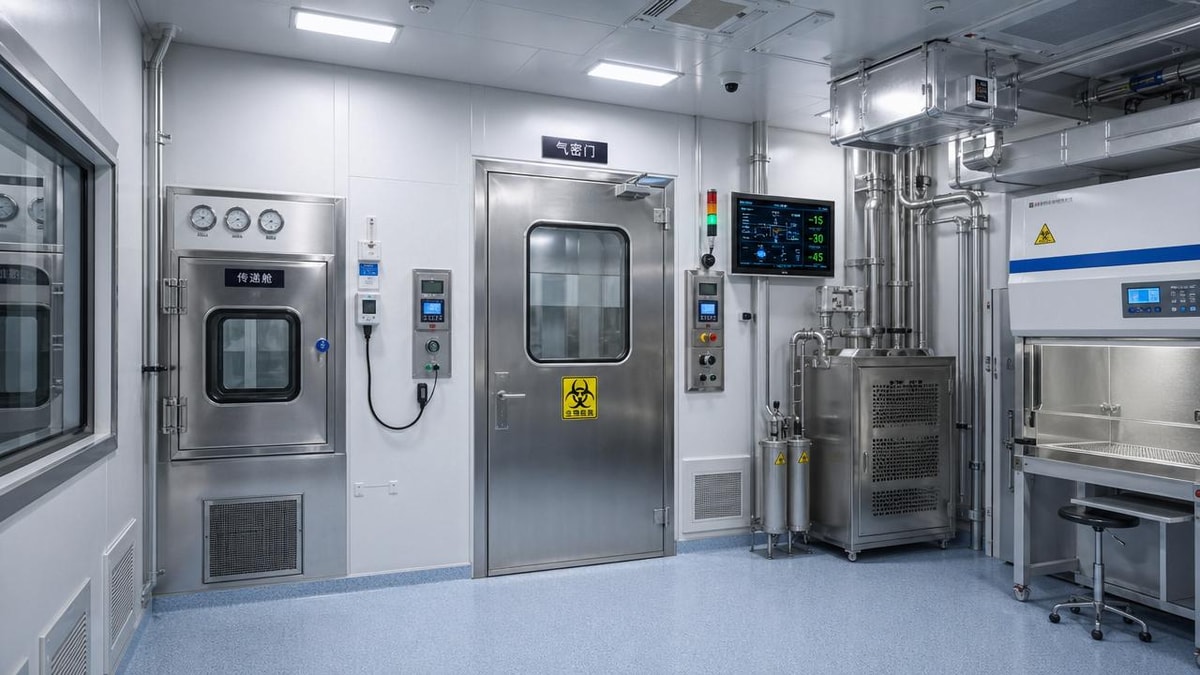
Different environments fail in different ways. In a Semiconductor Cleanroom, a refrigerant leak can lead to indirect contamination control problems when cooling performance degrades and differential pressure or humidity stability begins to shift. In a server room or electronics cooling space, the first visible symptom may be thermal alarms, short cycling, or reduced redundancy margin. In biosafety or high-risk lab settings, leak response must also consider occupancy safety, ventilation sequencing, and access control.
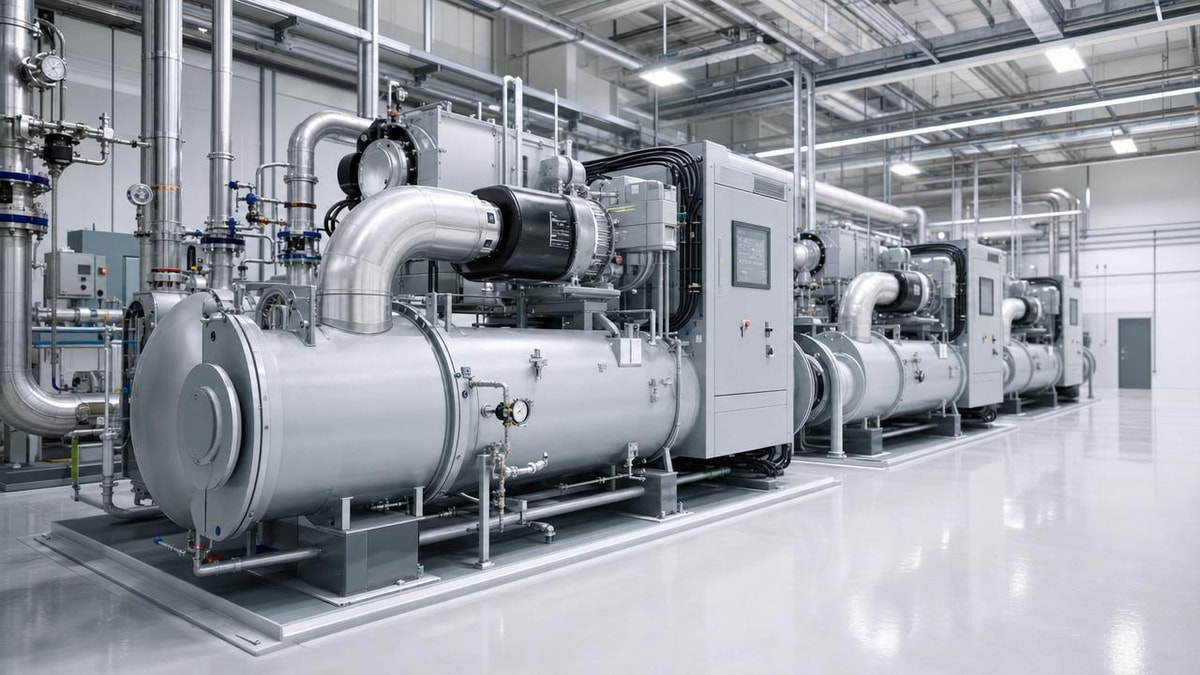
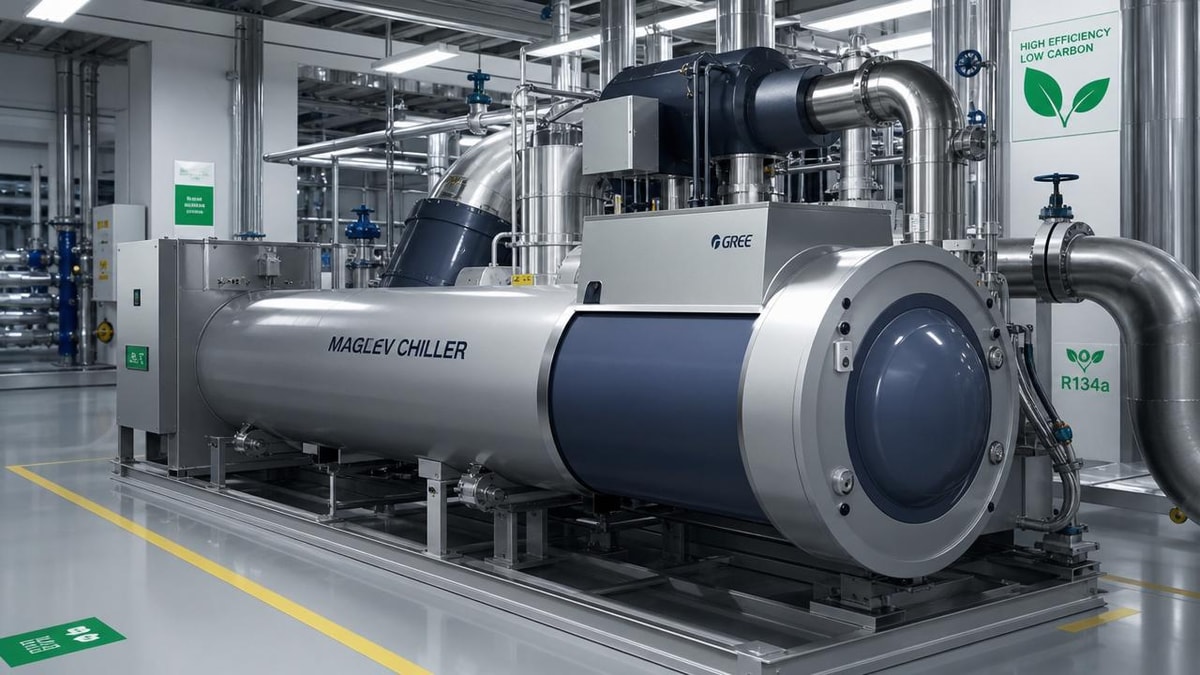
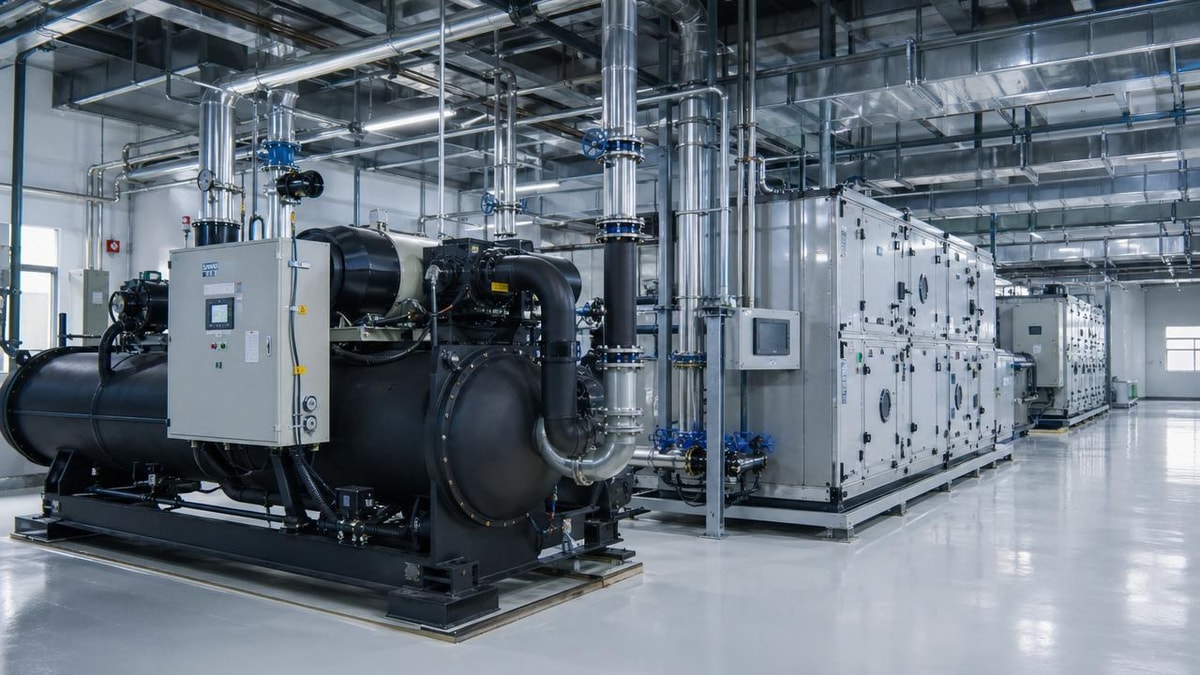
One major mistake is using the same leak detection approach for all spaces. A compact direct expansion unit, a chilled water plant with refrigerant-bearing chiller components, and a precision cooling system with contained airflow paths require different sensor strategies. The same is true for machine rooms versus occupied spaces. Response thresholds, alarm routing, and validation methods should differ based on refrigerant characteristics, ventilation rates, and mission criticality.
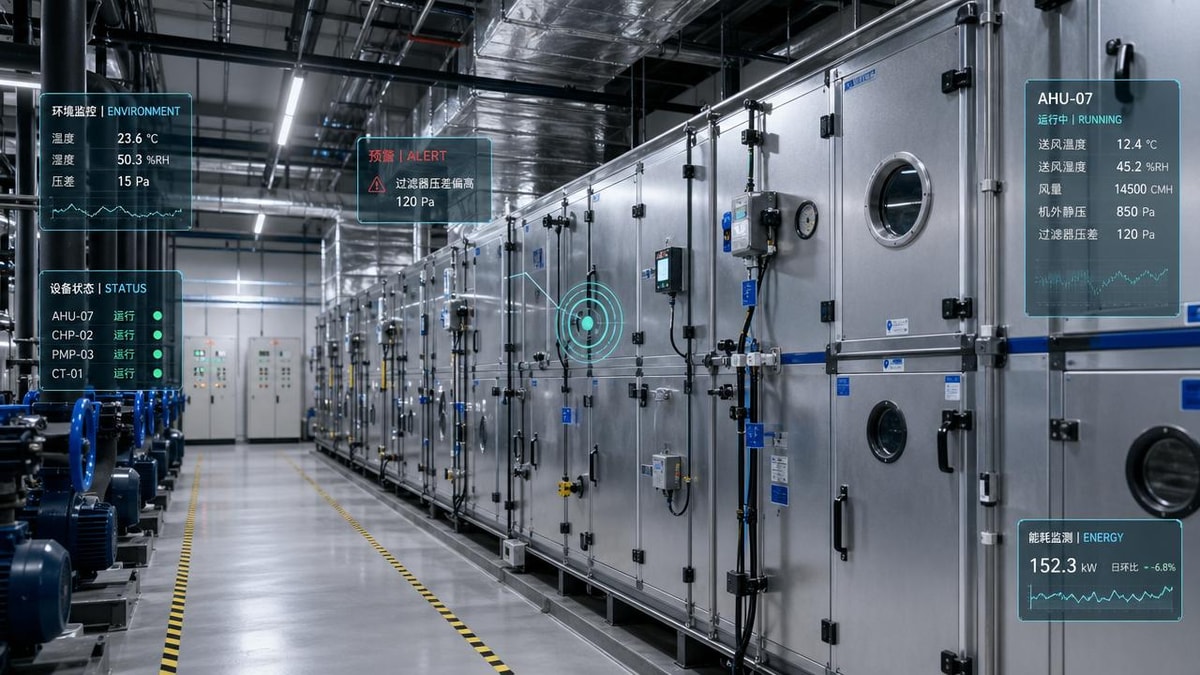
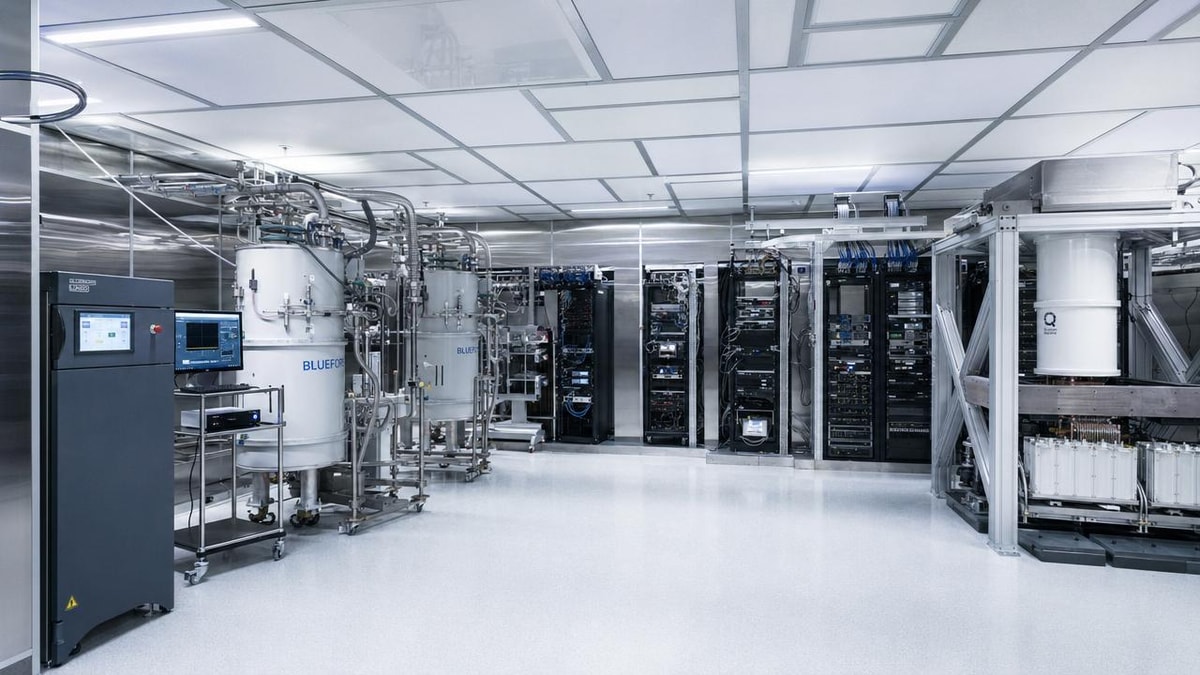
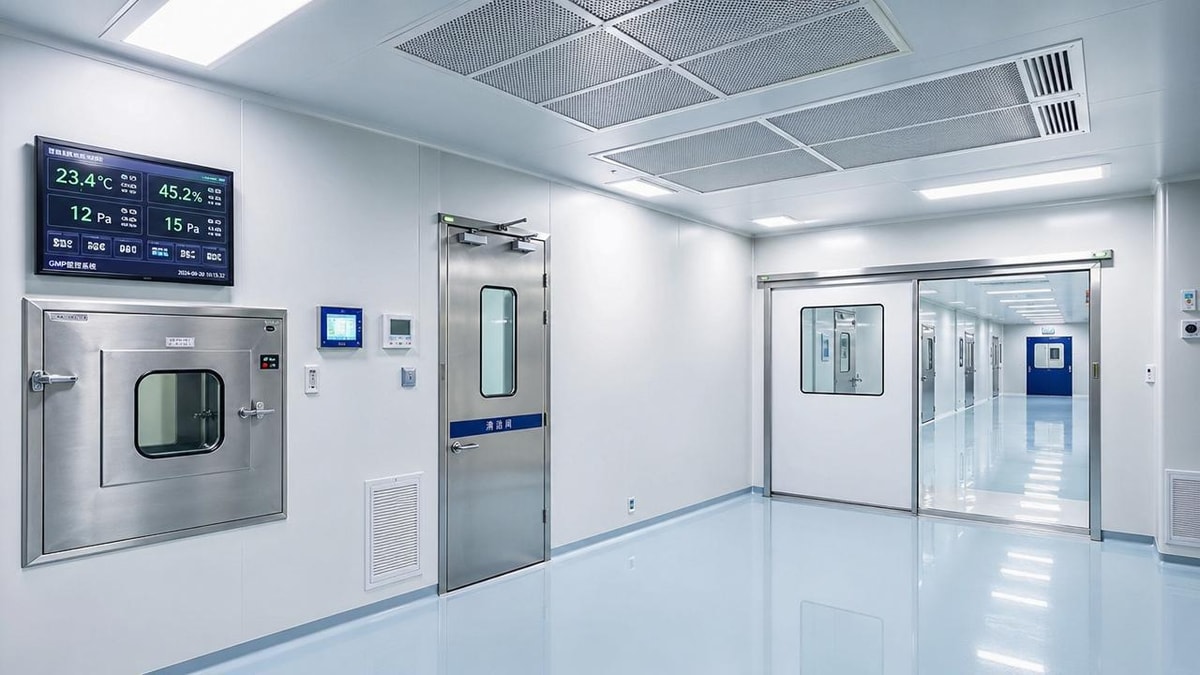
Another common problem is poor integration between leak detection and building management or digital monitoring systems. If alarms appear only locally at the unit controller, night-shift operators or centralized teams may miss them. If data is not trended over 7 to 30 days, slow leaks are often mistaken for seasonal performance variation. This is where digital twin control concepts and centralized environmental monitoring add practical value.
For project managers and procurement teams, the implication is clear: selecting a detector is not enough. The usable solution includes sensor location engineering, calibration planning, data logging, maintenance workflow design, and acceptance criteria. G-ICE emphasizes this system-level view because compliance delays usually come from implementation gaps, not from the sensor specification sheet alone.
Typical mistake patterns by application scenario
The table below helps technical evaluators, safety managers, and buyers compare where refrigerant leak detection mistakes usually happen and why they create delayed compliance findings.
The key takeaway is that refrigerant leak detection should be designed around the application, not copied from a general specification. Facilities that match detection logic to room function, occupancy, and control architecture usually reduce both false confidence and delayed reporting.
How should teams evaluate detection methods, alarm logic, and verification plans?
Technical evaluation often becomes difficult because buyers compare detector technologies without comparing operating context. A fixed-point sensor may work well in a stable mechanical zone, while portable verification is more suitable for maintenance confirmation or follow-up inspection. In larger plants, combining continuous monitoring with handheld confirmation creates a stronger program than either method alone.
A second mistake is selecting based only on initial hardware cost. Procurement teams may approve a lower-cost device, but if calibration intervals are short, spare parts are difficult to source, or integration with BMS and environmental monitoring platforms is weak, total program cost rises over 12 to 24 months. For distributors and project contractors, this affects not only margin but also service burden and post-installation claims.
Alarm logic is equally important. Too sensitive, and teams face false alarms, alarm fatigue, and ignored events. Not sensitive enough, and small leaks persist until refrigerant loss becomes operationally obvious. A practical engineering approach is to define at least 3 layers: early warning, maintenance action threshold, and escalation threshold tied to documented response steps and time windows.
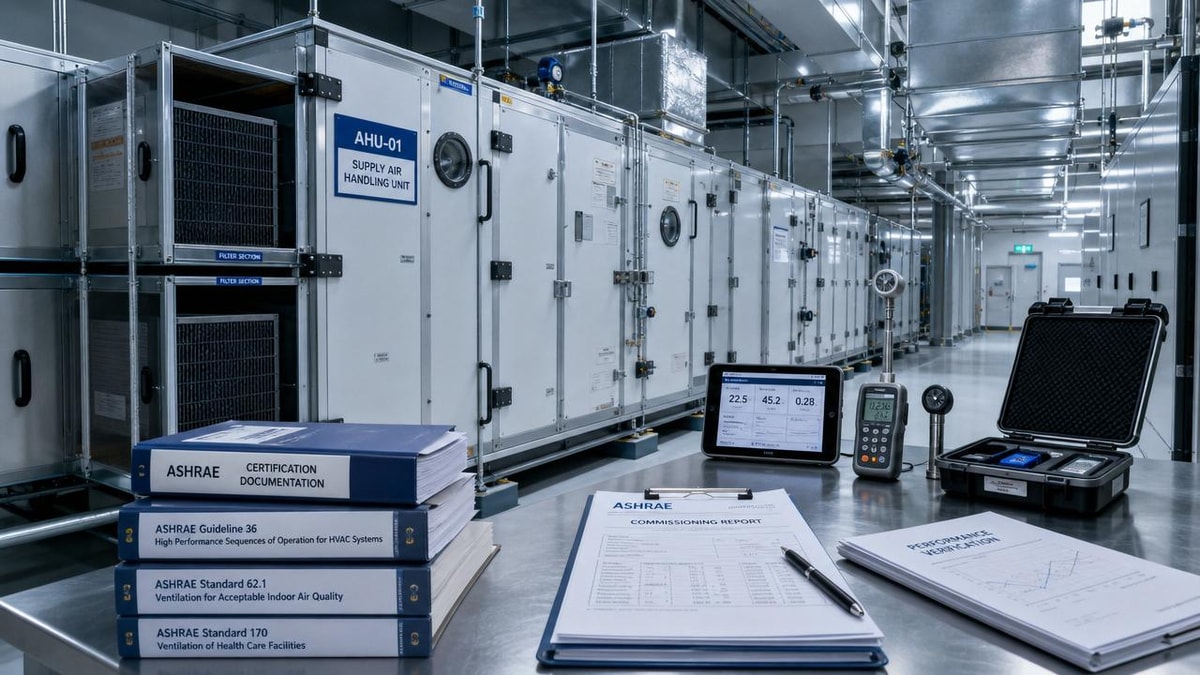
Verification planning should also be written into the project scope. This includes commissioning checks, baseline documentation, monthly trend review, and periodic field validation. In regulated or mission-critical facilities, response quality depends on whether the facility can show not only that a detector exists, but that it is placed, tested, interpreted, and acted on correctly.
Selection criteria buyers should compare before procurement
The following matrix is useful when procurement teams, engineering consultants, and compliance stakeholders need a structured refrigerant leak detection review instead of a price-only comparison.
When teams use this matrix, they usually make better decisions across 5 key checkpoints: technical fit, installation environment, digital integration, maintenance practicality, and documentation discipline. This is especially valuable when multiple departments share responsibility but no single team owns the full compliance chain.
A practical 4-step implementation path
- Survey the system and space: identify refrigerant-bearing assets, charge size, ventilation pattern, occupancy, and risk zones.
- Define the detection architecture: choose fixed, portable, or hybrid monitoring and align alarm thresholds with site procedures.
- Commission and baseline: document sensor location, test results, routing, and initial trend conditions within the first 7 to 14 days.
- Operate and review: verify monthly trends, quarterly inspection records, and corrective action closure quality.
What standards, records, and response practices reduce audit exposure?
Compliance in refrigerant leak detection is rarely based on one rule alone. Industrial organizations often work across internal EHS policies, environmental reporting requirements, customer audit protocols, insurance expectations, and technical standards such as ASHRAE guidance, ISO-related cleanroom controls, and SEMI-aligned operating requirements. The practical question is not only whether a leak was detected, but whether the facility can show timely action, proper documentation, and repeatable control.
A common documentation mistake is keeping maintenance notes in one system, alarm history in another, and procurement or service records in email only. During review, teams then struggle to show the chain from alarm to diagnosis to repair to verification. A disciplined record set usually includes 6 items: alarm timestamp, affected asset, operator acknowledgement, service action, refrigerant recovery or recharge record where applicable, and post-repair leak confirmation.
Response timing also matters. For a high-criticality cooling asset, organizations often define acknowledgement within minutes, technician dispatch within the same shift, and root-cause review within 24 to 72 hours depending on severity. These are site-specific control ranges, not universal law, but they are useful because they convert vague responsibility into measurable response behavior.
G-ICE supports this by benchmarking control architecture, environmental monitoring logic, and implementation discipline against real industrial operating conditions. That helps enterprise decision-makers and project leads move from device procurement to a defensible compliance framework that supports uptime, contamination control, and ESG reporting quality.
Compliance-oriented checklist for facility teams
- Confirm whether every refrigerant-bearing critical asset has a documented monitoring method and inspection frequency.
- Verify that alarm routing reaches both operators and responsible supervisors during 24/7 operation.
- Check that calibration, testing, and repair records are retained in a retrievable format for at least the site’s normal audit cycle.
- Review whether repeat refrigerant top-ups over 2 to 3 service events are being treated as a leak indicator rather than routine maintenance.
- Ensure post-repair verification is documented, not assumed, before closing a compliance action.
FAQ: what do buyers, operators, and project teams ask most often?
The questions below reflect common search intent from information researchers, operators, technical evaluators, and procurement teams that need practical refrigerant leak detection guidance without losing sight of compliance timing and operating risk.
How often should refrigerant leak detection systems be checked?
There is no single interval that fits all systems. In practice, critical facilities often combine continuous monitoring with monthly trend review, quarterly function checks, and annual deeper maintenance validation. If the environment has high vibration, frequent thermal cycling, or repeated service intervention, the review frequency may need to tighten. The correct interval depends on system criticality, refrigerant charge risk, occupancy, and regulatory expectations.
What is the biggest mistake during procurement?
The biggest mistake is buying a detector as a standalone item rather than purchasing a detection program. Hardware, sensor placement, calibration planning, alarm integration, response workflow, and record retention must be evaluated together. A lower purchase price can become a higher ownership cost within 12 months if service labor, false alarms, or integration gaps create repeated corrective actions.
Are portable detectors enough for compliance?
Portable detectors are useful for maintenance confirmation, targeted inspection, and post-repair verification. However, they are not always enough for spaces that require continuous oversight or rapid alarm visibility. For critical cooling, occupied technical spaces, or highly regulated environments, a hybrid model often performs better: fixed monitoring for ongoing detection plus handheld tools for technician validation and leak localization.
Which teams should be involved in a leak detection review?
At minimum, involve operations, maintenance, EHS or safety, engineering, and procurement. In higher-risk projects, quality, project management, and digital controls teams should also participate. A 5-team review structure often prevents the most common failure mode: one team buys equipment, another installs it, and a third is later asked to defend compliance without complete records or clear alarm ownership.
Why choose us for refrigerant leak detection planning and compliance support?
For complex industrial environments, the real challenge is not finding a generic leak detector. It is building a refrigerant leak detection strategy that fits cleanroom airflow, precision thermal control, biosafety constraints, environmental monitoring architecture, and audit-ready documentation. G-ICE is positioned for this type of work because its technical scope covers advanced cleanroom systems, precision industrial HVAC, smart environmental monitoring, and standards-based benchmarking in one framework.
This matters to different stakeholders in different ways. Operators need clear alarm actions. Technical evaluators need placement and integration logic. Procurement teams need lifecycle visibility across cost, service, and compatibility. Decision-makers need confidence that environmental integrity, uptime, and compliance exposure are being managed together rather than in disconnected workstreams.
You can contact us to discuss 6 practical topics: refrigerant leak detection architecture, sensor placement review, cleanroom and server room application fit, monitoring integration, expected implementation timeline, and documentation structure for audits or internal governance. If your project is in early planning, we can support parameter confirmation and solution comparison. If your facility already has recurring alarms or unexplained refrigerant loss, we can help structure a targeted gap review.
For distributors, EPC teams, and enterprise buyers, consultation can also cover bid-stage selection logic, phased deployment options, service workflow design, and quotation alignment with compliance requirements. A focused technical discussion early in the project often prevents months of delayed closeout, unnecessary rework, and avoidable refrigerant leak detection mistakes later.
Get weekly intelligence in your inbox.
No noise. No sponsored content. Pure intelligence.
 May 02, 2026How to Evaluate a Fan Filter Units Manufacturer Beyond Unit PriceFan Filter Units manufacturer selection goes beyond unit price. Learn how to compare compliance, performance, lifecycle cost, and support to protect margins and win long-term channel growth.
 May 02, 2026When Magnetic-Levitation Centrifugal Chillers Pay Off in Real FacilitiesMagnetic-Levitation Centrifugal Chillers pay off when facilities need uptime, part-load efficiency, and low-risk cooling. See where they deliver real ROI in cleanrooms, biopharma, hospitals, and advanced manufacturing.
 May 02, 2026Industrial Climate Control Upgrades That Cut Drift and Energy WasteIndustrial Climate Control upgrades that reduce drift, improve compliance, and cut energy waste. Explore practical checklists and high-impact retrofit strategies.
 May 02, 2026ASHRAE Standards Certification: What to Verify Before Final ApprovalASHRAE Standards certification: learn what to verify before final approval, from scope and commissioning proof to lifecycle cost and hidden risk, so you can approve with confidence.
 May 02, 2026Designing a High-Tech Industrial Complex for Stable Air and Utility PerformanceHigh-Tech Industrial Complex design starts with stable air, precise thermal control, and resilient utilities—discover how to protect uptime, compliance, and long-term efficiency.
 May 02, 2026Regulatory Frameworks for Cleanrooms: Common Mistakes to Avoid EarlyRegulatory Frameworks for cleanrooms: avoid early compliance mistakes in ISO, documentation, airflow, and biosafety to reduce audit risk and costly redesigns.
 May 02, 2026SEMI Standards Compliance Gaps That Delay Cleanroom ProjectsSEMI Standards compliance gaps can derail cleanroom projects with rework, delays, and cost overruns. Learn where risks arise early and how to keep delivery on track.
 May 02, 2026Contamination Control Equipment: What Matters Before You Compare QuotesContamination Control equipment: learn what to check before comparing quotes, from ISO compliance and airflow performance to lifecycle cost and cleanroom integration.
 May 02, 2026ESG Compliance Supplier Checklist for Lower Vendor RiskESG Compliance supplier checklist for lower vendor risk: learn how to verify governance, safety, sustainability, and technical reliability before contract award.
 May 02, 2026How to Reduce Sub-Micron Contamination Without Slowing ThroughputSub-Micron Contamination control without slowing output: discover practical cleanroom strategies to cut particle risk, protect yield, and keep high-throughput operations stable.
 May 02, 2026electronica China 2026 Expands Cleanroom Tech Zone by 50%electronica China 2026 expands Cleanroom Tech Zone by 50% — spotlight on Precision Temperature Control & Smart Sensor Integration for semiconductor, quantum, and mRNA applications.
 May 02, 2026EU CBAM Extends to ESD Control Manufacturing from 2027EU CBAM extends to ESD control manufacturing in 2027—anti-static flooring, wrist straps & more now require verified production-line carbon footprints. Act now to avoid border taxes.
 May 02, 2026MFDS Expands Digital Twin Lab Certification to Semiconductors & Battery TestingMFDS Digital Twin Lab certification now covers semiconductors & battery testing — unlock Korean cleanroom tenders, boost interoperability, and future-proof your lab automation.
 May 02, 2026UL 867E:2026 Update Requires EMC + Cybersecurity Certification for IIoT Air MonitorsUL 867E:2026 now mandates EMC + cybersecurity certification for IIoT air monitors — critical for cleanroom & lab deployments. Act before Oct 1, 2026!
 May 02, 2026First ZLD-Compatible 18.2 MΩ·cm UPW System Operational at CATL IndonesiaFirst ZLD-compatible 18.2 MΩ·cm UPW system now live at CATL Indonesia — setting a new global benchmark for battery materials, semiconductor, and nuclear-grade industrial water systems.
 May 02, 2026JIS T 0101:2026 Enforced: UPW TOC ≤0.15 ppb for Semiconductor Equipment in JapanJIS T 0101:2026 enforced: UPW TOC ≤0.15 ppb now mandatory for semiconductor equipment in Japan — critical for exporters, integrators & component suppliers.
 May 02, 2026SABIC BSL-3 Vaccine Plant Launches with Chinese Decon SystemsSABIC BSL-3 Vaccine Plant launches with Chinese decon systems — a milestone for GMP-compliant, WHO PQ-aligned biomanufacturing infrastructure in the Middle East.
 May 02, 2026Germany’s New Green Tariff List: Maglev Chillers at 0%, Oil-Cooled Units +12.5%Germany’s new green tariff list: Maglev chillers at 0%, oil-cooled units +12.5% — key implications for HVAC exporters, OEMs & integrators in the EU market.
 May 02, 2026Southeast Asia EMA Expansion Drives ISO Class 1–3 Cleanroom DemandISO Class 1–3 cleanroom demand surges in Southeast Asia amid EMA expansion—FFUs, filtration components & air shower systems in high demand with lead times now extending to Q1 2027.
 May 02, 2026US/EU Tighten AMC Controls for Cleanrooms, UPW Filter Export Path NarrowsUS/EU tighten AMC controls for cleanrooms—UPW filter exporters face stricter SEMI F57/IEC 63209-2 mandates. Act now to secure market access.
 May 01, 2026HVAC Maintenance AI Reports: How to Spot Useful Insights Instead of NoiseHVAC maintenance AI reports help teams spot real faults, energy waste, and early warnings. Learn how to filter noise, protect uptime, and act faster with confidence.
 May 01, 2026ISO Class 1 Cleanroom: When the Extra Precision Is Worth the InvestmentISO Class 1 Cleanroom: discover when ultra-precision truly pays off. Learn the key business, compliance, and ROI signals before investing in the highest cleanroom standard.
 May 01, 2026What Makes a Quantum Computing Cleanroom Different From a Standard Fab SpaceQuantum Computing Cleanroom requirements go far beyond standard fab space design. Discover how vibration, thermal stability, EMI control, and smart monitoring shape quantum-ready infrastructure.
 May 01, 2026Pharmaceutical Cleanroom Upgrades That Improve Compliance Without RebuildingPharmaceutical Cleanroom upgrades can improve GMP compliance without a full rebuild. Discover retrofit strategies that reduce downtime, control contamination, and protect production.
 May 01, 2026High-Risk Lab Engineering: Design Choices That Reduce Containment RiskHigh-Risk Lab Engineering design choices can reduce containment risk, improve biosafety, and strengthen compliance readiness. Discover practical strategies for safer, more resilient labs.
 May 01, 2026ISO 14644 Compliance Mistakes That Delay Cleanroom ApprovalISO 14644 Compliance mistakes can derail cleanroom approval with costly rework, failed testing, and missing documentation. Learn the most common risks and how to prevent delays.
 May 01, 2026High-Performance Thermodynamic Hardware: How to Compare Real EfficiencyHigh-Performance Thermodynamic Hardware comparison starts with real efficiency, not just ratings. Discover how to evaluate lifecycle energy use, control stability, compliance fit, and long-term risk.