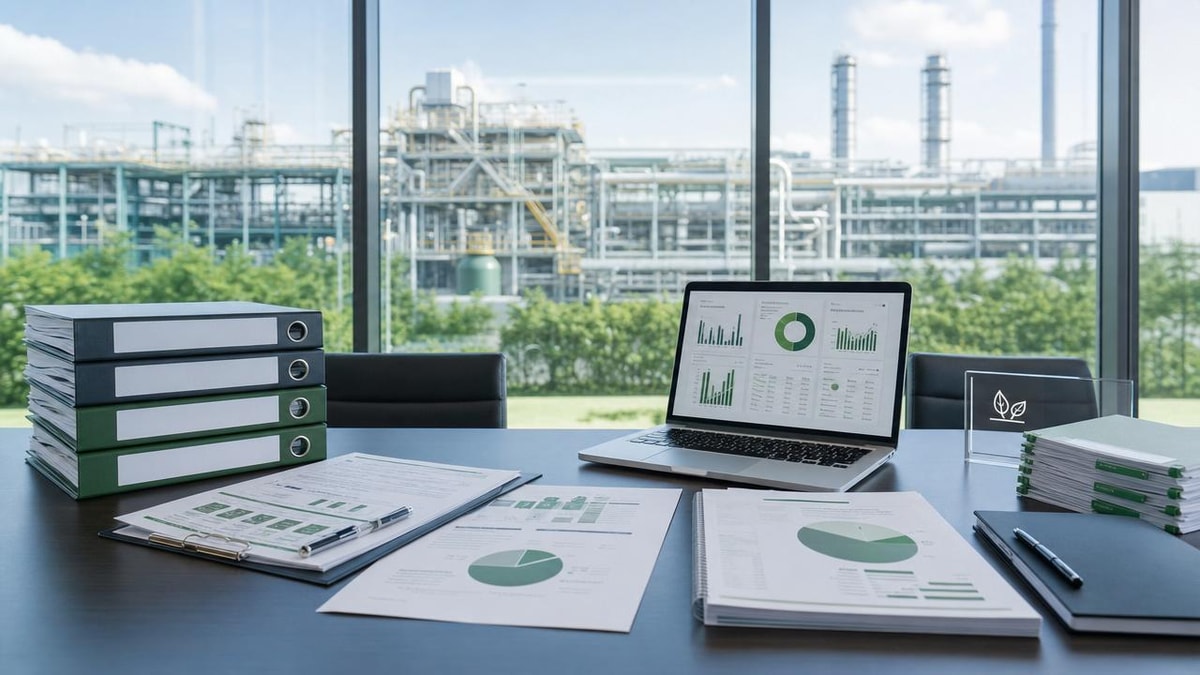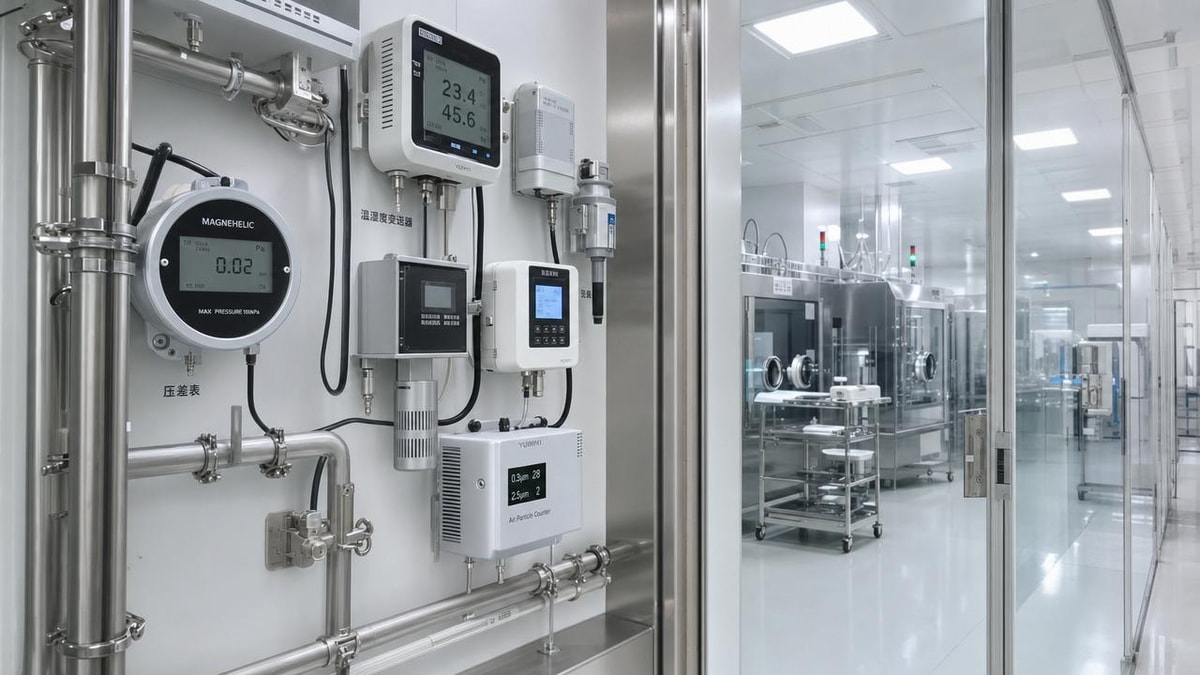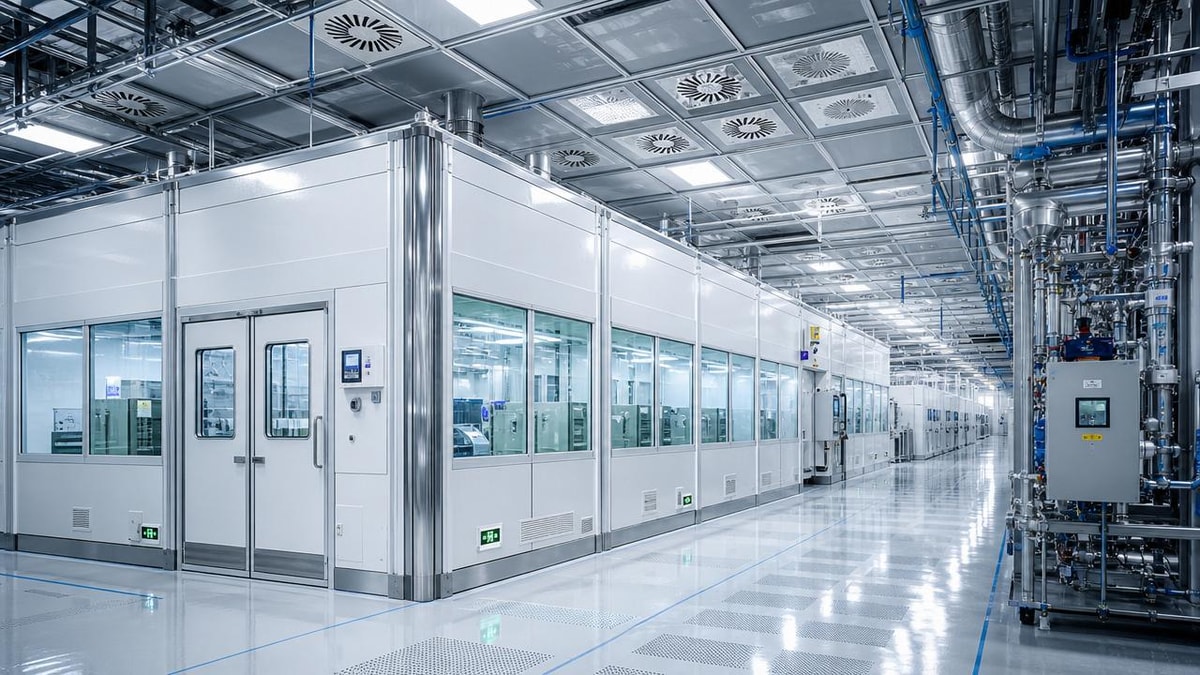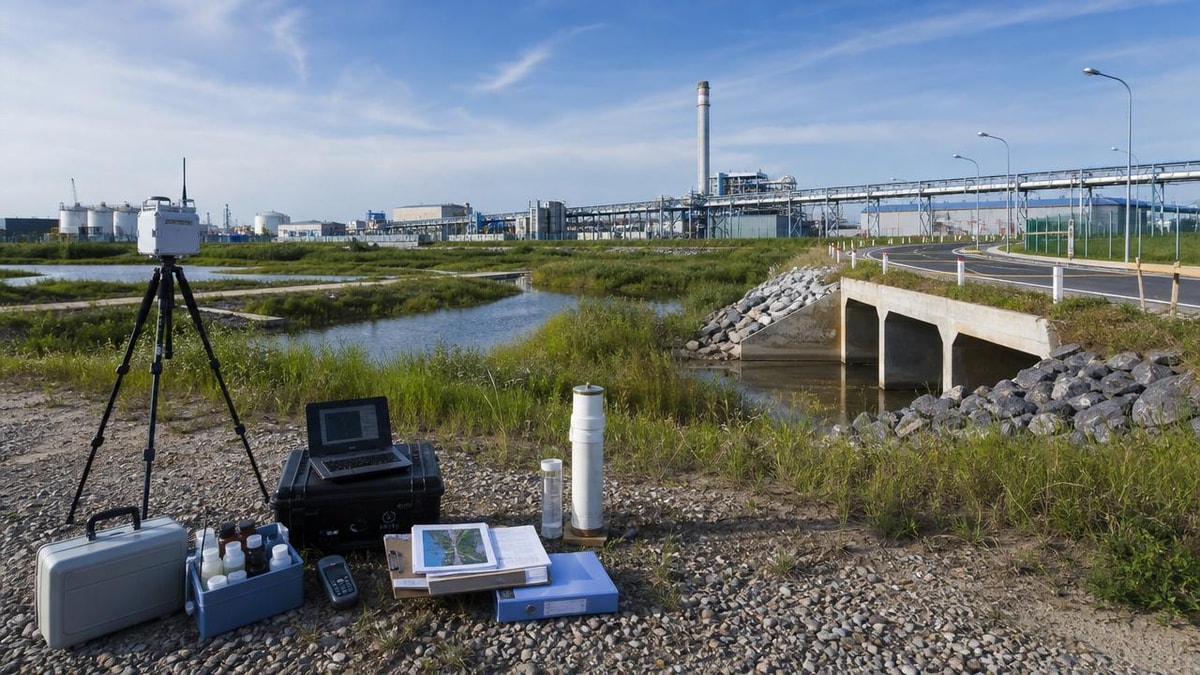
How Environmental Integrity Assessment Supports Better Site Decisions
For enterprise decision-makers, Environmental Integrity assessment is no longer a compliance formality but a strategic tool for reducing risk, protecting investment, and improving site selection outcomes. In complex industrial environments, it helps uncover hidden environmental constraints, align projects with regulatory expectations, and support smarter, future-ready decisions from planning through operation.
When companies evaluate a new industrial site, expand a regulated facility, or repurpose an existing asset, the biggest mistakes rarely come from visible engineering gaps alone. They come from hidden environmental liabilities, underestimated permitting obstacles, weak baseline data, and decisions made before critical constraints are understood. That is where Environmental Integrity assessment creates real value.
For business leaders, the core question is not simply whether a site can be developed. It is whether the site can be developed on time, within budget, under regulatory scrutiny, and without introducing operational or reputational risk that undermines the investment case. A robust assessment helps answer that question early, before capital is locked in and options narrow.
Why decision-makers are treating Environmental Integrity assessment as a strategic filter
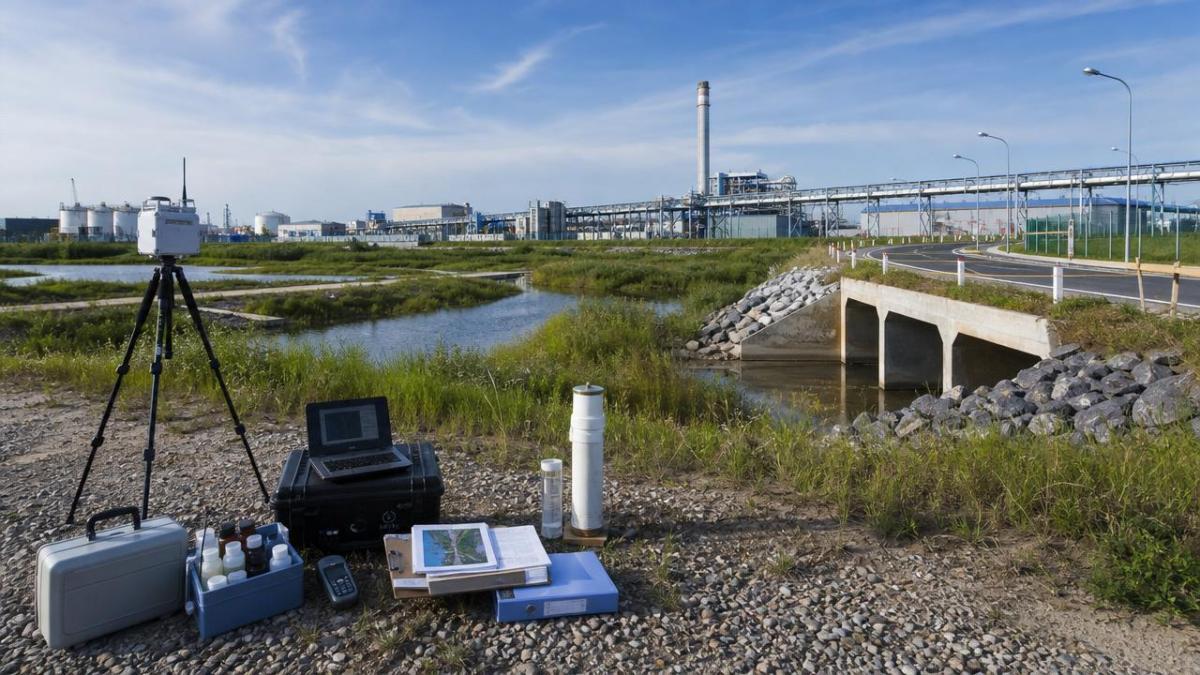
The search intent behind this topic is clear: enterprise leaders want to understand how Environmental Integrity assessment improves decision quality in practical terms. They are not looking for abstract definitions. They want to know how it reduces uncertainty, where it fits into site selection and project planning, and what business outcomes it influences.
For this audience, the value of assessment lies in three areas. First, it identifies environmental conditions that may affect land use, construction methods, permitting timelines, utility planning, or long-term operations. Second, it highlights compliance exposure before it becomes a legal or public issue. Third, it creates a more defensible basis for comparing sites, sequencing investments, and engaging internal stakeholders.
In sectors with high sensitivity to contamination, water quality, thermal stability, emissions control, or biosafety, environmental integrity is closely tied to operational integrity. A site that looks attractive on cost or location may prove unsuitable if groundwater vulnerability, surrounding land use conflict, flood exposure, air quality constraints, or infrastructure limitations compromise future performance.
That is why sophisticated organizations increasingly use Environmental Integrity assessment as an early-stage filter rather than a late-stage checkbox. It supports better site decisions because it transforms environmental uncertainty into decision-grade intelligence.
What enterprise decision-makers care about most before approving a site
Senior leaders usually evaluate sites through a business lens. They want to know: Will this location delay the project? Will it increase compliance cost? Will it create future remediation liability? Will it affect production uptime, certification, ESG commitments, or stakeholder trust? These questions are especially important for advanced manufacturing, pharmaceutical production, research facilities, high-containment labs, and precision-controlled industrial environments.
The most important concern is often timeline certainty. A site with unresolved environmental issues can trigger additional surveys, permit revisions, design changes, community objections, or regulator intervention. Even if the issue is manageable, the delay can be expensive. For capital-intensive projects, schedule risk can quickly outweigh nominal land savings.
The second concern is cost visibility. Environmental constraints may require specialized foundations, drainage systems, containment measures, treatment capacity, air mitigation systems, habitat offsets, or operational monitoring programs. Without early assessment, these costs emerge too late and distort project economics.
Third is long-term operational suitability. A site decision should not only support initial construction but also stable operation over years or decades. If the facility depends on ultra-clean production zones, precise humidity and temperature control, biosafety containment, or ultra-pure process water, the surrounding environmental context matters. Nearby emissions sources, climate variability, water stress, or off-site contamination pathways may directly affect performance and resilience.
Finally, decision-makers care about defensibility. Boards, investors, insurers, partners, and regulators increasingly expect major site decisions to be supported by credible environmental due diligence. A formal, well-scoped assessment gives leadership a stronger basis for approval and governance.
How Environmental Integrity assessment improves site selection outcomes
At its best, Environmental Integrity assessment is not a standalone technical report. It is a decision support framework. It combines baseline environmental data, regulatory review, infrastructure analysis, site sensitivity factors, and future-use considerations to help organizations compare options more realistically.
One major advantage is early risk screening. Before design advances too far, the assessment can flag contamination concerns, protected areas, hydrological limitations, floodplains, noise or air quality conflicts, utility dependencies, waste handling constraints, and historical land use issues. This allows teams to eliminate weak candidates quickly or reframe project assumptions before major spending begins.
Another benefit is better capital allocation. If an assessment shows that Site A requires extensive mitigation and a long permit path, while Site B has slightly higher acquisition cost but lower execution risk, leadership can make a more informed trade-off. In this way, Environmental Integrity assessment supports not just environmental management but financial discipline.
It also improves coordination between technical and executive teams. Engineering, EHS, legal, operations, procurement, and sustainability teams often view sites from different angles. The assessment creates a common evidence base, helping organizations move from fragmented opinions to aligned decisions.
For global enterprises, this is especially valuable. Standardized assessment criteria make it easier to benchmark multiple locations across regions, even where regulations, site conditions, and infrastructure maturity vary widely. That consistency supports better portfolio-level planning.
Key assessment areas that most directly influence business risk
Not every environmental issue carries the same decision weight. For enterprise leaders, the most valuable assessments are those that focus on factors with clear implications for cost, schedule, compliance, and operational continuity.
Land and legacy use is often the first priority. Historical industrial activity, buried waste, prior chemical handling, or incomplete remediation records can create significant future liability. Even if contamination is contained, it may complicate redevelopment, worker safety planning, and permitting.
Water availability and water vulnerability are equally important. Water-intensive sectors cannot rely on nominal utility access alone. Decision-makers need to understand supply reliability, seasonal variability, source quality, treatment demands, discharge restrictions, and surrounding watershed sensitivity. For advanced industrial operations, poor water assumptions can undermine both compliance and process stability.
Flood, drainage, and climate exposure deserve much more attention than they often receive. Facilities designed for precision environmental control can still be disrupted by external climate events. Flooding, heat stress, changing storm intensity, and infrastructure disruption affect business continuity, insurability, and lifecycle cost.
Air quality and surrounding emissions context are critical for facilities sensitive to contamination or filtration loading. External particulate levels, industrial neighbors, traffic corridors, and atmospheric conditions can affect both environmental permitting and indoor environmental control requirements.
Ecological and community sensitivity also matters. Protected species, wetlands, heritage constraints, community health concerns, or local opposition can slow approvals and create reputational friction. In many jurisdictions, social license is now as important as formal permit eligibility.
Infrastructure and utility compatibility should be assessed alongside environmental conditions, not separately. A site may appear viable until environmental restrictions limit utility routing, storage capacity, emergency systems, wastewater discharge, or expansion potential. For controlled environments, this interdependence is often decisive.
Where many site decisions go wrong
Organizations usually do not fail because they ignore environmental issues entirely. They fail because they assess them too narrowly, too late, or without linking them to business consequences. One common error is relying only on high-level compliance checks without asking whether the site supports the intended operational model.
Another mistake is treating environmental review as a permitting exercise rather than an investment evaluation tool. Permits matter, but by the time a project reaches formal permitting, leverage is limited. If the site has deep constraints, the organization may already be committed financially and politically.
Some teams also underestimate cumulative interactions. A site may pass basic screening, yet become problematic when water stress, contamination management, climate resilience, logistics pressure, and utility limitations are considered together. Environmental Integrity assessment adds value by looking at these factors as a system.
A further weakness is poor internal integration. If site acquisition, engineering design, EHS review, and sustainability reporting proceed in silos, critical information may not be surfaced early enough for executive action. Better decisions require a structured process and clear escalation thresholds.
What a high-value assessment process should include
For enterprise decision-makers, the question is not whether to assess, but how to ensure the assessment is decision-ready. A high-value Environmental Integrity assessment should start with scope discipline. It must be tailored to the facility type, regulatory context, operational sensitivity, and investment horizon.
First, define the decision that the assessment must support. Is the goal to shortlist candidate sites, validate a preferred location, support acquisition, prepare for permitting, or test expansion feasibility? Different decisions require different levels of evidence.
Second, combine desktop review with targeted field validation where risk justifies it. Historical records, land use data, flood maps, zoning, regulatory databases, environmental monitoring data, and infrastructure plans provide a strong starting point, but they are not always sufficient for high-stakes projects.
Third, establish a materiality framework. Not every environmental observation should be treated equally. The assessment should rank issues by likelihood, business impact, mitigation complexity, schedule effect, and reversibility. This helps leadership focus on what truly changes the investment case.
Fourth, connect findings to operational requirements. For example, if a facility depends on ultra-pure water, the assessment should address source variability, treatment burden, discharge compliance, and resilience under abnormal conditions. If a facility requires high biosafety or contamination control, surrounding environmental stressors should be evaluated against containment and HVAC design assumptions.
Finally, the output should be actionable. Decision-makers need clear go, no-go, or conditional-go guidance; not just technical description. The report should identify required mitigations, probable cost drivers, timing implications, and unresolved issues that need further diligence.
How to interpret results for smarter executive decisions
A strong assessment does not eliminate uncertainty. It clarifies where uncertainty remains and what it means. That distinction matters. Senior leaders should resist reading environmental reports as binary approvals. The better approach is to interpret them as risk-adjusted business intelligence.
One practical method is to categorize findings into four groups: manageable risks, strategic constraints, contingent risks, and disqualifiers. Manageable risks have known mitigations and acceptable cost impact. Strategic constraints may still allow development but alter design, sequencing, or economics. Contingent risks depend on further study or regulator feedback. Disqualifiers fundamentally weaken the project case.
Leaders should also ask whether mitigation is technically possible, commercially reasonable, and operationally sustainable. A site may be buildable in theory but unattractive in practice if mitigation adds excessive complexity or permanent operating burden.
It is equally important to compare sites on total risk-adjusted value, not purchase price alone. The cheapest land may carry the highest lifecycle cost once remediation, monitoring, resilience upgrades, compliance obligations, and operational inefficiencies are included.
Why this matters even more for future-ready industrial facilities
As industrial environments become more advanced, environmental integrity becomes more tightly linked to strategic performance. Semiconductor, pharmaceutical, life science, high-containment, and precision manufacturing facilities operate within narrower tolerances and under greater regulatory visibility than traditional industrial assets. That raises the cost of choosing the wrong site.
At the same time, climate volatility, ESG scrutiny, water stress, and supply chain resilience are reshaping how site decisions are judged. A location that meets today’s minimum requirements may struggle under tomorrow’s expectations. Environmental Integrity assessment helps organizations move beyond immediate feasibility toward future fitness.
For institutions managing mission-critical infrastructure, this approach is especially relevant. Environmental quality, thermal stability, contamination pathways, utility resilience, and compliance architecture all influence whether a facility can deliver consistent performance at the required standard. In that context, environmental assessment is not peripheral. It is foundational.
Conclusion: better site decisions start with earlier environmental clarity
Environmental Integrity assessment supports better site decisions because it reveals what spreadsheets and site tours often miss: hidden liabilities, regulatory friction, resilience gaps, and long-term operational constraints. For enterprise decision-makers, its value lies in making risk visible early enough to act on it.
Used correctly, it improves project timing, capital efficiency, compliance confidence, and long-term asset performance. It also strengthens governance by giving leadership a defensible basis for comparing options and approving investment.
The most important takeaway is simple. Do not treat Environmental Integrity assessment as a late-stage environmental requirement. Treat it as an early strategic discipline. The organizations that do so are far more likely to choose sites that are not only developable, but durable, efficient, and aligned with future operational demands.
Get weekly intelligence in your inbox.
No noise. No sponsored content. Pure intelligence.
 May 03, 2026Thermal Management for Data Centers: What to Fix Before Energy Bills ClimbThermal Management for data centers starts with the fixes that matter most. Discover a practical checklist to cut energy waste, protect uptime, and prevent rising cooling costs.
 May 03, 2026Regulatory Frameworks for ESG: What to Review Before Expansion PlansRegulatory Frameworks for ESG shape permits, costs, and resilience before market expansion. Learn what leaders must review to reduce risk, protect investment, and scale with confidence.
 May 03, 2026Contamination Control in Cleanrooms: Common Mistakes That Raise RiskContamination Control in cleanrooms starts with preventing hidden maintenance mistakes. Discover the top risk points, why they matter, and how to protect compliance, uptime, and product quality.
 May 03, 2026Choosing Fan Filter Units for Semiconductor Lines Without OverbuyingFan Filter Units for semiconductor lines: learn how to match airflow, filtration, and lifecycle cost to each cleanroom zone—avoiding overbuying while protecting yield and energy efficiency.
 May 03, 2026ESG Compliance Consulting: How to Compare Firms Without GuessworkESG Compliance consulting comparison made simple: learn how to evaluate firms by industry fit, regulatory depth, data rigor, and implementation strength for confident selection.
 May 03, 2026Environmental Integrity Monitoring: When Manual Checks Stop Being EnoughEnvironmental Integrity monitoring reveals where manual checks fall short in cleanrooms, labs, and precision facilities. Learn how continuous monitoring improves compliance, safety, and control.
 May 03, 2026Semiconductor Cleanroom Construction: Cost Drivers That Matter MostSemiconductor Cleanroom construction cost depends on HVAC precision, contamination control, utilities, and compliance. Discover the biggest cost drivers and smarter ways to protect yield and ROI.
 May 03, 2026How Environmental Integrity Assessment Supports Better Site DecisionsEnvironmental Integrity assessment helps leaders reduce hidden site risks, improve permitting certainty, and make smarter investment decisions with greater confidence.
 May 03, 2026ASHRAE Standards for Cleanrooms Explained for New Facility ProjectsASHRAE Standards for cleanrooms explained for new facility projects—learn how to improve compliance, energy efficiency, and long-term reliability while avoiding costly design mistakes.
 May 03, 2026Pharmaceutical Cleanroom Requirements: What Usually Fails FirstPharmaceutical Cleanroom requirements often fail first in pressure, airflow, cleaning, and operator discipline. Learn the early warning signs and fixes before deviations, audits, or contamination escalate.
 May 02, 2026How to Evaluate a Fan Filter Units Manufacturer Beyond Unit PriceFan Filter Units manufacturer selection goes beyond unit price. Learn how to compare compliance, performance, lifecycle cost, and support to protect margins and win long-term channel growth.
 May 02, 2026When Magnetic-Levitation Centrifugal Chillers Pay Off in Real FacilitiesMagnetic-Levitation Centrifugal Chillers pay off when facilities need uptime, part-load efficiency, and low-risk cooling. See where they deliver real ROI in cleanrooms, biopharma, hospitals, and advanced manufacturing.
 May 02, 2026Industrial Climate Control Upgrades That Cut Drift and Energy WasteIndustrial Climate Control upgrades that reduce drift, improve compliance, and cut energy waste. Explore practical checklists and high-impact retrofit strategies.
 May 02, 2026ASHRAE Standards Certification: What to Verify Before Final ApprovalASHRAE Standards certification: learn what to verify before final approval, from scope and commissioning proof to lifecycle cost and hidden risk, so you can approve with confidence.
 May 02, 2026Designing a High-Tech Industrial Complex for Stable Air and Utility PerformanceHigh-Tech Industrial Complex design starts with stable air, precise thermal control, and resilient utilities—discover how to protect uptime, compliance, and long-term efficiency.
 May 02, 2026Regulatory Frameworks for Cleanrooms: Common Mistakes to Avoid EarlyRegulatory Frameworks for cleanrooms: avoid early compliance mistakes in ISO, documentation, airflow, and biosafety to reduce audit risk and costly redesigns.
 May 02, 2026SEMI Standards Compliance Gaps That Delay Cleanroom ProjectsSEMI Standards compliance gaps can derail cleanroom projects with rework, delays, and cost overruns. Learn where risks arise early and how to keep delivery on track.
 May 02, 2026Contamination Control Equipment: What Matters Before You Compare QuotesContamination Control equipment: learn what to check before comparing quotes, from ISO compliance and airflow performance to lifecycle cost and cleanroom integration.
 May 02, 2026ESG Compliance Supplier Checklist for Lower Vendor RiskESG Compliance supplier checklist for lower vendor risk: learn how to verify governance, safety, sustainability, and technical reliability before contract award.
 May 02, 2026How to Reduce Sub-Micron Contamination Without Slowing ThroughputSub-Micron Contamination control without slowing output: discover practical cleanroom strategies to cut particle risk, protect yield, and keep high-throughput operations stable.
 May 02, 2026electronica China 2026 Expands Cleanroom Tech Zone by 50%electronica China 2026 expands Cleanroom Tech Zone by 50% — spotlight on Precision Temperature Control & Smart Sensor Integration for semiconductor, quantum, and mRNA applications.
 May 02, 2026EU CBAM Extends to ESD Control Manufacturing from 2027EU CBAM extends to ESD control manufacturing in 2027—anti-static flooring, wrist straps & more now require verified production-line carbon footprints. Act now to avoid border taxes.
 May 02, 2026MFDS Expands Digital Twin Lab Certification to Semiconductors & Battery TestingMFDS Digital Twin Lab certification now covers semiconductors & battery testing — unlock Korean cleanroom tenders, boost interoperability, and future-proof your lab automation.
 May 02, 2026UL 867E:2026 Update Requires EMC + Cybersecurity Certification for IIoT Air MonitorsUL 867E:2026 now mandates EMC + cybersecurity certification for IIoT air monitors — critical for cleanroom & lab deployments. Act before Oct 1, 2026!
 May 02, 2026First ZLD-Compatible 18.2 MΩ·cm UPW System Operational at CATL IndonesiaFirst ZLD-compatible 18.2 MΩ·cm UPW system now live at CATL Indonesia — setting a new global benchmark for battery materials, semiconductor, and nuclear-grade industrial water systems.
 May 02, 2026JIS T 0101:2026 Enforced: UPW TOC ≤0.15 ppb for Semiconductor Equipment in JapanJIS T 0101:2026 enforced: UPW TOC ≤0.15 ppb now mandatory for semiconductor equipment in Japan — critical for exporters, integrators & component suppliers.
 May 02, 2026SABIC BSL-3 Vaccine Plant Launches with Chinese Decon SystemsSABIC BSL-3 Vaccine Plant launches with Chinese decon systems — a milestone for GMP-compliant, WHO PQ-aligned biomanufacturing infrastructure in the Middle East.