Contamination Control in Cleanrooms: Common Mistakes That Raise Risk
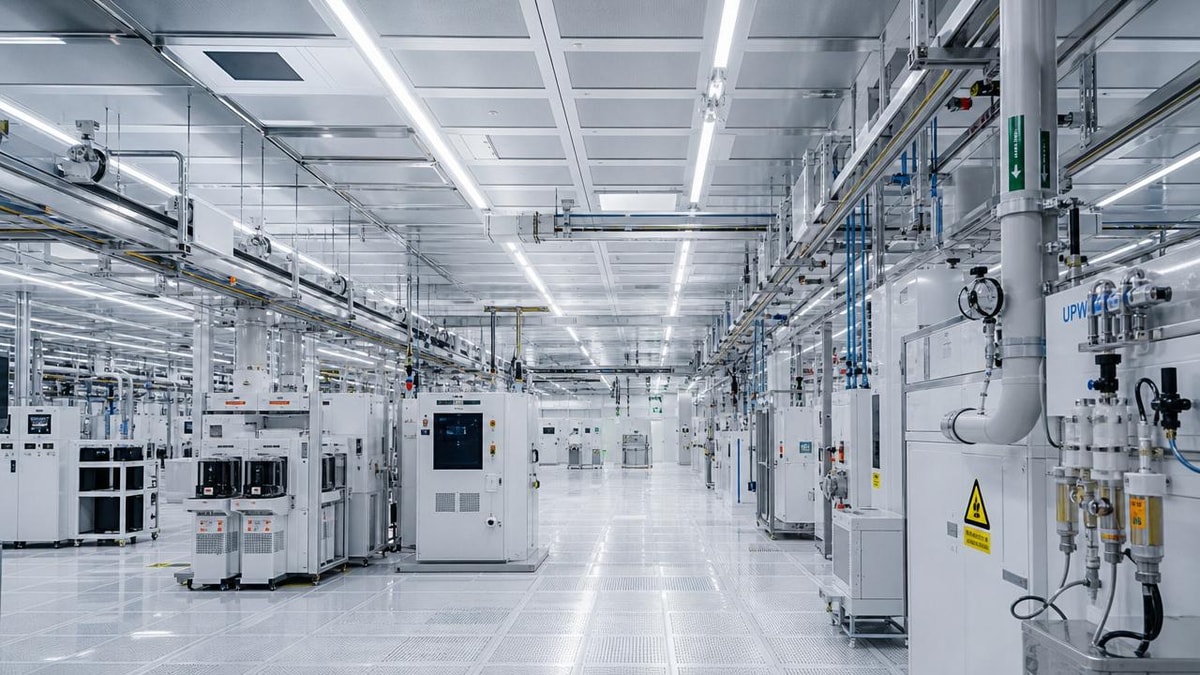
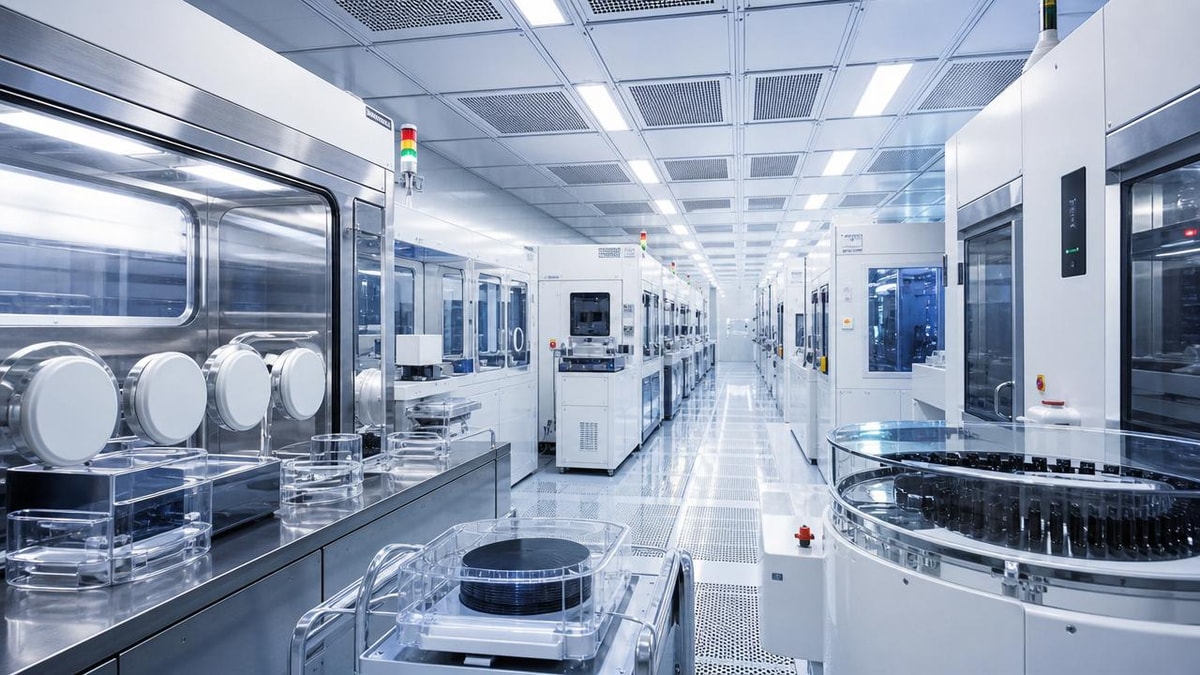
Contamination Control in cleanrooms often fails not because standards are unclear, but because small maintenance mistakes go unnoticed until product quality, compliance, or uptime is at risk. For after-sales maintenance teams, understanding these hidden errors is essential to protecting system performance, preventing particle buildup, and ensuring every cleanroom operates within critical environmental limits.
Why contamination control is becoming harder, not easier
A clear shift is happening across advanced manufacturing and controlled environments: cleanrooms are expected to deliver tighter performance with less tolerance for drift, fewer shutdown windows, and stronger audit readiness. In semiconductor plants, pharmaceutical facilities, precision labs, electronics assembly, and other high-spec production spaces, contamination control in cleanrooms is no longer judged only by design intent. It is judged by how reliably the room performs between inspections, service intervals, filter changes, and process transitions.
That change matters directly to after-sales maintenance personnel. In the past, service teams were often called in after a visible fault, a failed airflow reading, or an alarm. Today, the higher risk comes from subtle performance losses: an improperly resealed access panel, a rushed prefilter replacement, a differential pressure sensor drifting out of calibration, or cleaning chemistry that leaves residues on critical surfaces. These are not dramatic failures, but they can steadily raise contamination risk until product yield, batch integrity, or compliance status is affected.
For maintenance teams, the market signal is clear: contamination control in cleanrooms is shifting from reactive service to precision assurance. The organizations that respond well are not simply repairing equipment; they are managing airflow integrity, surface cleanliness, pressure relationships, and maintenance discipline as a connected operational system.
The biggest trend signal: small maintenance mistakes now have larger business consequences
One of the strongest industry signals is that the cost of “minor” errors has increased. When tolerances tighten, even low-level contamination events can trigger wider consequences. A brief airflow imbalance may affect a critical workstation. A door closer that no longer seals consistently may alter pressure cascades. A neglected drain point in a support area may become a hidden microbial source. In each case, the maintenance issue seems local, but the operational impact spreads.
This is especially important in facilities where uptime and validation are tightly linked. If a room classification test is failed, or if trend data cannot support stable operation, the result may include re-cleaning, additional environmental monitoring, delayed release, customer complaints, or process interruption. For after-sales teams, this means contamination control in cleanrooms has become a service quality issue as much as an engineering issue.
Common mistakes that quietly raise contamination risk
The most common failures in contamination control in cleanrooms rarely begin with major equipment collapse. They begin with routine work done without enough system awareness. After-sales maintenance teams should pay special attention to the following risk patterns.
1. Treating filter service as a simple replacement task
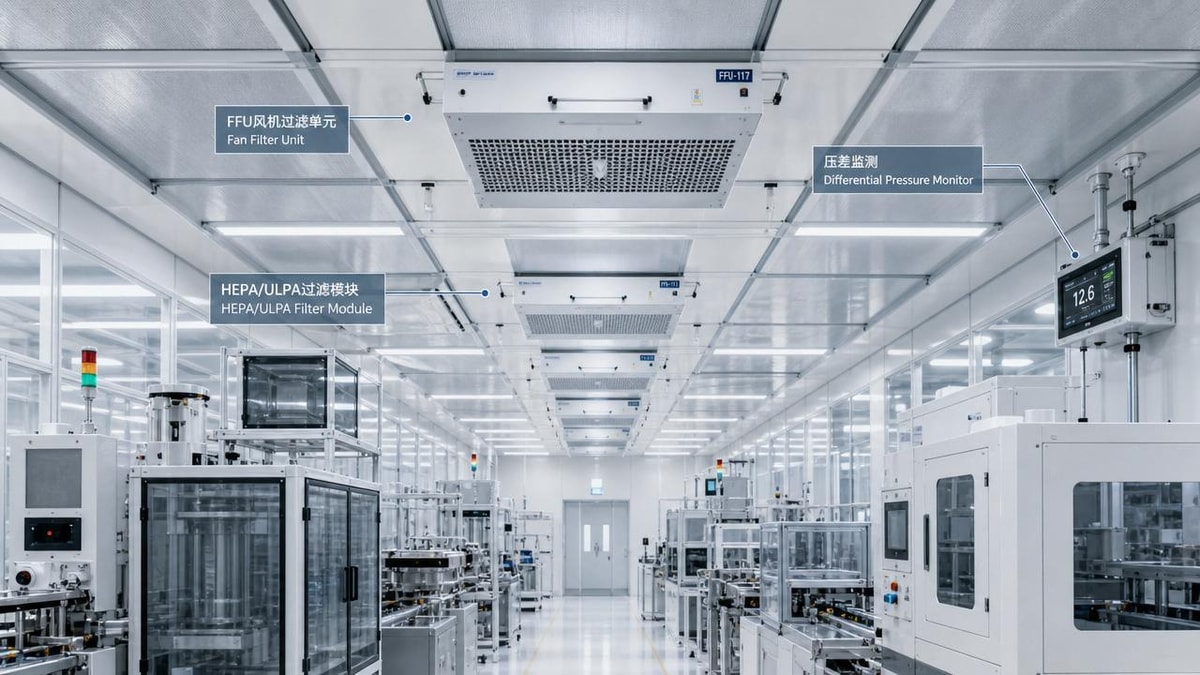
Replacing prefilters or HEPA/ULPA components without checking gasket condition, frame integrity, seating alignment, and downstream verification can create bypass leakage. A filter may be new, yet the cleanroom may perform worse because the sealing path was compromised during service. In trend terms, facilities are moving away from “change by schedule only” toward “change with verification.” Maintenance teams need to document not just replacement, but post-service airflow and integrity impact.
2. Ignoring pressure cascade stability during access or repair
Temporary opening of doors, ceiling panels, service chases, or equipment enclosures can disturb directional airflow and room-to-room pressure relationships. If these interventions are not controlled, particles from lower-grade or support areas may migrate into critical zones. The practical shift is that service work itself is now seen as a contamination event that must be managed, not just a technical intervention.
3. Using cleaning materials or tools that are not cleanroom-compatible
In many facilities, maintenance teams still introduce wiping cloths, lubricants, tapes, packaging, or hand tools that shed particles or leave residues. As process sensitivity rises, this is becoming a more visible source of contamination. Contamination control in cleanrooms now depends as much on maintenance consumables discipline as on core HVAC performance.
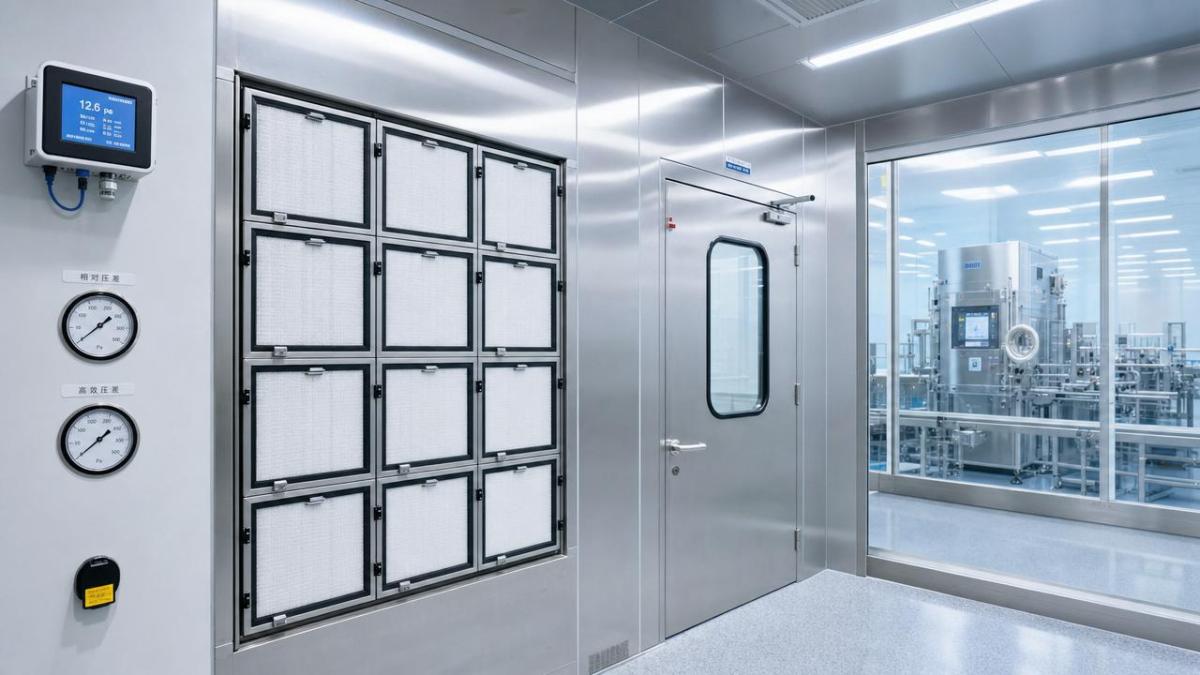
4. Delaying sensor calibration because the room “still looks fine”
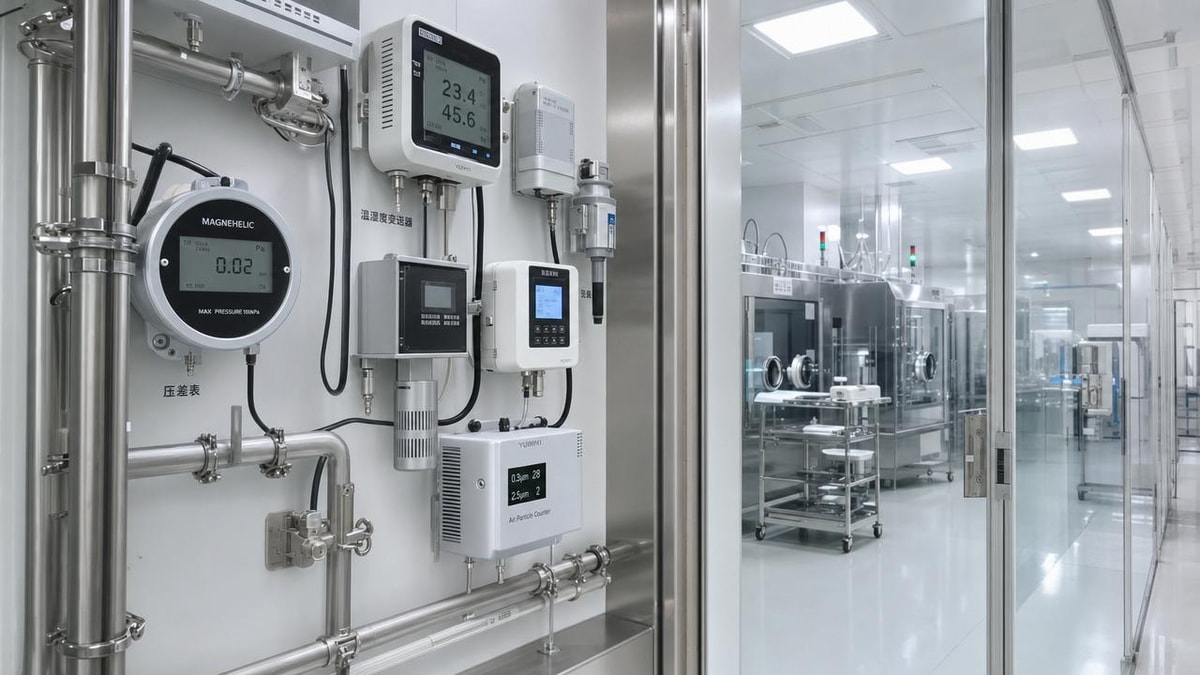
A cleanroom can appear stable while pressure, temperature, humidity, or particle monitoring devices are drifting. The industry is clearly moving toward data-backed assurance, and inaccurate sensors weaken that foundation. When maintenance defers calibration, the site may lose confidence in trend analysis and miss early warnings that could have prevented contamination buildup.
5. Overlooking low-visibility contamination sources
Condensate trays, cable penetrations, aging sealants, vibration-related dust release, underfloor voids, and infrequently accessed utility areas often escape attention. Yet these secondary zones increasingly matter because contamination pathways are more interconnected than many service routines assume. A modern maintenance approach must inspect where contaminants originate, not only where alarms appear.
6. Restoring operation too quickly after intervention
Speed matters in production environments, but immediate restart without stabilization checks is a growing risk. Airflow patterns, particle levels, and pressure differentials may need time to recover after service. The trend is toward controlled return-to-service protocols, especially where regulated or high-value processes are involved.
What is driving these changes in contamination control in cleanrooms
Several forces are pushing cleanroom maintenance into a more disciplined and data-sensitive phase. First, product architectures are becoming more contamination-sensitive. Second, regulatory and customer scrutiny increasingly focuses on proof of control, not just stated procedures. Third, digital monitoring tools make performance drift easier to detect. Finally, many facilities are under pressure to extend equipment life, reduce waste, and avoid unnecessary shutdowns, which raises the value of precise preventive maintenance.
For organizations influenced by standards such as ISO 14644, ASHRAE guidance, and sector-specific quality systems, the direction is consistent: maintenance quality must support environmental consistency. This does not mean every site requires the same response, but it does mean informal service habits are becoming less acceptable in high-performance cleanroom operations.
Who feels the impact most
Although contamination control in cleanrooms affects the whole facility, the impact is not evenly distributed. Some roles feel the change sooner because they sit at the point where environmental integrity and operational continuity meet.
What maintenance teams should watch next
The next phase of contamination control in cleanrooms will likely be defined by better visibility and tighter linkage between service actions and room behavior. That means after-sales personnel should monitor several signals. One is whether customers are asking for more post-maintenance evidence, such as airflow readings, particle recovery checks, or differential pressure confirmation. Another is whether monitoring systems are being connected to centralized dashboards or digital twin platforms, making service quality easier to compare over time.
A second signal is the rising importance of maintenance training in contamination behavior, not only mechanical repair. Teams that understand airflow patterns, human-generated particle sources, material compatibility, and zoning logic will make better decisions during service visits. A third signal is the move toward planned intervention windows with contamination containment steps built in, especially in complex cleanroom estates.
Practical response: how to reduce risk without slowing operations
The best response is not simply “do more maintenance.” It is to make maintenance more contamination-aware. For after-sales teams, that usually starts with revising checklists so they reflect real contamination pathways. Filter work should include sealing verification. Access work should include pressure protection steps. Cleaning after repair should match cleanroom-grade requirements. Sensor work should be tied to trend credibility, not just device uptime.
It also helps to classify interventions by contamination sensitivity. A low-risk task in a support corridor does not need the same controls as work above a critical process area. However, every task should include a clear question: what contamination route could this action open, and how will it be closed before handover? This mindset is becoming central to effective contamination control in cleanrooms.
A practical decision checklist for the months ahead
Conclusion: the future of contamination control depends on maintenance discipline
The main industry change is not that contamination control in cleanrooms has become a new topic. It is that expectations around consistency, proof, and recovery have become much stricter. Small errors that once passed unnoticed can now affect yield, audits, customer confidence, and operating continuity. For after-sales maintenance teams, this creates both pressure and opportunity: pressure to avoid hidden mistakes, and opportunity to become a strategic part of cleanroom reliability.
If your organization wants to judge how these trends affect its own operations, focus on a few practical questions. Which maintenance steps most often disturb airflow or sealing? Where are the least visible contamination sources in the facility? Can the team verify cleanroom recovery after intervention? And are service records strong enough to support quality review? Clear answers to those questions will do more to strengthen contamination control in cleanrooms than any generic checklist alone.
Get weekly intelligence in your inbox.
No noise. No sponsored content. Pure intelligence.
 May 03, 2026Thermal Management for Data Centers: What to Fix Before Energy Bills ClimbThermal Management for data centers starts with the fixes that matter most. Discover a practical checklist to cut energy waste, protect uptime, and prevent rising cooling costs.
 May 03, 2026Regulatory Frameworks for ESG: What to Review Before Expansion PlansRegulatory Frameworks for ESG shape permits, costs, and resilience before market expansion. Learn what leaders must review to reduce risk, protect investment, and scale with confidence.
 May 03, 2026Contamination Control in Cleanrooms: Common Mistakes That Raise RiskContamination Control in cleanrooms starts with preventing hidden maintenance mistakes. Discover the top risk points, why they matter, and how to protect compliance, uptime, and product quality.
 May 03, 2026Choosing Fan Filter Units for Semiconductor Lines Without OverbuyingFan Filter Units for semiconductor lines: learn how to match airflow, filtration, and lifecycle cost to each cleanroom zone—avoiding overbuying while protecting yield and energy efficiency.
 May 03, 2026ESG Compliance Consulting: How to Compare Firms Without GuessworkESG Compliance consulting comparison made simple: learn how to evaluate firms by industry fit, regulatory depth, data rigor, and implementation strength for confident selection.
 May 03, 2026Environmental Integrity Monitoring: When Manual Checks Stop Being EnoughEnvironmental Integrity monitoring reveals where manual checks fall short in cleanrooms, labs, and precision facilities. Learn how continuous monitoring improves compliance, safety, and control.
 May 03, 2026Semiconductor Cleanroom Construction: Cost Drivers That Matter MostSemiconductor Cleanroom construction cost depends on HVAC precision, contamination control, utilities, and compliance. Discover the biggest cost drivers and smarter ways to protect yield and ROI.
 May 03, 2026How Environmental Integrity Assessment Supports Better Site DecisionsEnvironmental Integrity assessment helps leaders reduce hidden site risks, improve permitting certainty, and make smarter investment decisions with greater confidence.
 May 03, 2026ASHRAE Standards for Cleanrooms Explained for New Facility ProjectsASHRAE Standards for cleanrooms explained for new facility projects—learn how to improve compliance, energy efficiency, and long-term reliability while avoiding costly design mistakes.
 May 03, 2026Pharmaceutical Cleanroom Requirements: What Usually Fails FirstPharmaceutical Cleanroom requirements often fail first in pressure, airflow, cleaning, and operator discipline. Learn the early warning signs and fixes before deviations, audits, or contamination escalate.
 May 02, 2026How to Evaluate a Fan Filter Units Manufacturer Beyond Unit PriceFan Filter Units manufacturer selection goes beyond unit price. Learn how to compare compliance, performance, lifecycle cost, and support to protect margins and win long-term channel growth.
 May 02, 2026When Magnetic-Levitation Centrifugal Chillers Pay Off in Real FacilitiesMagnetic-Levitation Centrifugal Chillers pay off when facilities need uptime, part-load efficiency, and low-risk cooling. See where they deliver real ROI in cleanrooms, biopharma, hospitals, and advanced manufacturing.
 May 02, 2026Industrial Climate Control Upgrades That Cut Drift and Energy WasteIndustrial Climate Control upgrades that reduce drift, improve compliance, and cut energy waste. Explore practical checklists and high-impact retrofit strategies.
 May 02, 2026ASHRAE Standards Certification: What to Verify Before Final ApprovalASHRAE Standards certification: learn what to verify before final approval, from scope and commissioning proof to lifecycle cost and hidden risk, so you can approve with confidence.
 May 02, 2026Designing a High-Tech Industrial Complex for Stable Air and Utility PerformanceHigh-Tech Industrial Complex design starts with stable air, precise thermal control, and resilient utilities—discover how to protect uptime, compliance, and long-term efficiency.
 May 02, 2026Regulatory Frameworks for Cleanrooms: Common Mistakes to Avoid EarlyRegulatory Frameworks for cleanrooms: avoid early compliance mistakes in ISO, documentation, airflow, and biosafety to reduce audit risk and costly redesigns.
 May 02, 2026SEMI Standards Compliance Gaps That Delay Cleanroom ProjectsSEMI Standards compliance gaps can derail cleanroom projects with rework, delays, and cost overruns. Learn where risks arise early and how to keep delivery on track.
 May 02, 2026Contamination Control Equipment: What Matters Before You Compare QuotesContamination Control equipment: learn what to check before comparing quotes, from ISO compliance and airflow performance to lifecycle cost and cleanroom integration.
 May 02, 2026ESG Compliance Supplier Checklist for Lower Vendor RiskESG Compliance supplier checklist for lower vendor risk: learn how to verify governance, safety, sustainability, and technical reliability before contract award.
 May 02, 2026How to Reduce Sub-Micron Contamination Without Slowing ThroughputSub-Micron Contamination control without slowing output: discover practical cleanroom strategies to cut particle risk, protect yield, and keep high-throughput operations stable.
 May 02, 2026electronica China 2026 Expands Cleanroom Tech Zone by 50%electronica China 2026 expands Cleanroom Tech Zone by 50% — spotlight on Precision Temperature Control & Smart Sensor Integration for semiconductor, quantum, and mRNA applications.
 May 02, 2026EU CBAM Extends to ESD Control Manufacturing from 2027EU CBAM extends to ESD control manufacturing in 2027—anti-static flooring, wrist straps & more now require verified production-line carbon footprints. Act now to avoid border taxes.
 May 02, 2026MFDS Expands Digital Twin Lab Certification to Semiconductors & Battery TestingMFDS Digital Twin Lab certification now covers semiconductors & battery testing — unlock Korean cleanroom tenders, boost interoperability, and future-proof your lab automation.
 May 02, 2026UL 867E:2026 Update Requires EMC + Cybersecurity Certification for IIoT Air MonitorsUL 867E:2026 now mandates EMC + cybersecurity certification for IIoT air monitors — critical for cleanroom & lab deployments. Act before Oct 1, 2026!
 May 02, 2026First ZLD-Compatible 18.2 MΩ·cm UPW System Operational at CATL IndonesiaFirst ZLD-compatible 18.2 MΩ·cm UPW system now live at CATL Indonesia — setting a new global benchmark for battery materials, semiconductor, and nuclear-grade industrial water systems.
 May 02, 2026JIS T 0101:2026 Enforced: UPW TOC ≤0.15 ppb for Semiconductor Equipment in JapanJIS T 0101:2026 enforced: UPW TOC ≤0.15 ppb now mandatory for semiconductor equipment in Japan — critical for exporters, integrators & component suppliers.
 May 02, 2026SABIC BSL-3 Vaccine Plant Launches with Chinese Decon SystemsSABIC BSL-3 Vaccine Plant launches with Chinese decon systems — a milestone for GMP-compliant, WHO PQ-aligned biomanufacturing infrastructure in the Middle East.