China Customs Launches Clean Tech Export Compliance Hub
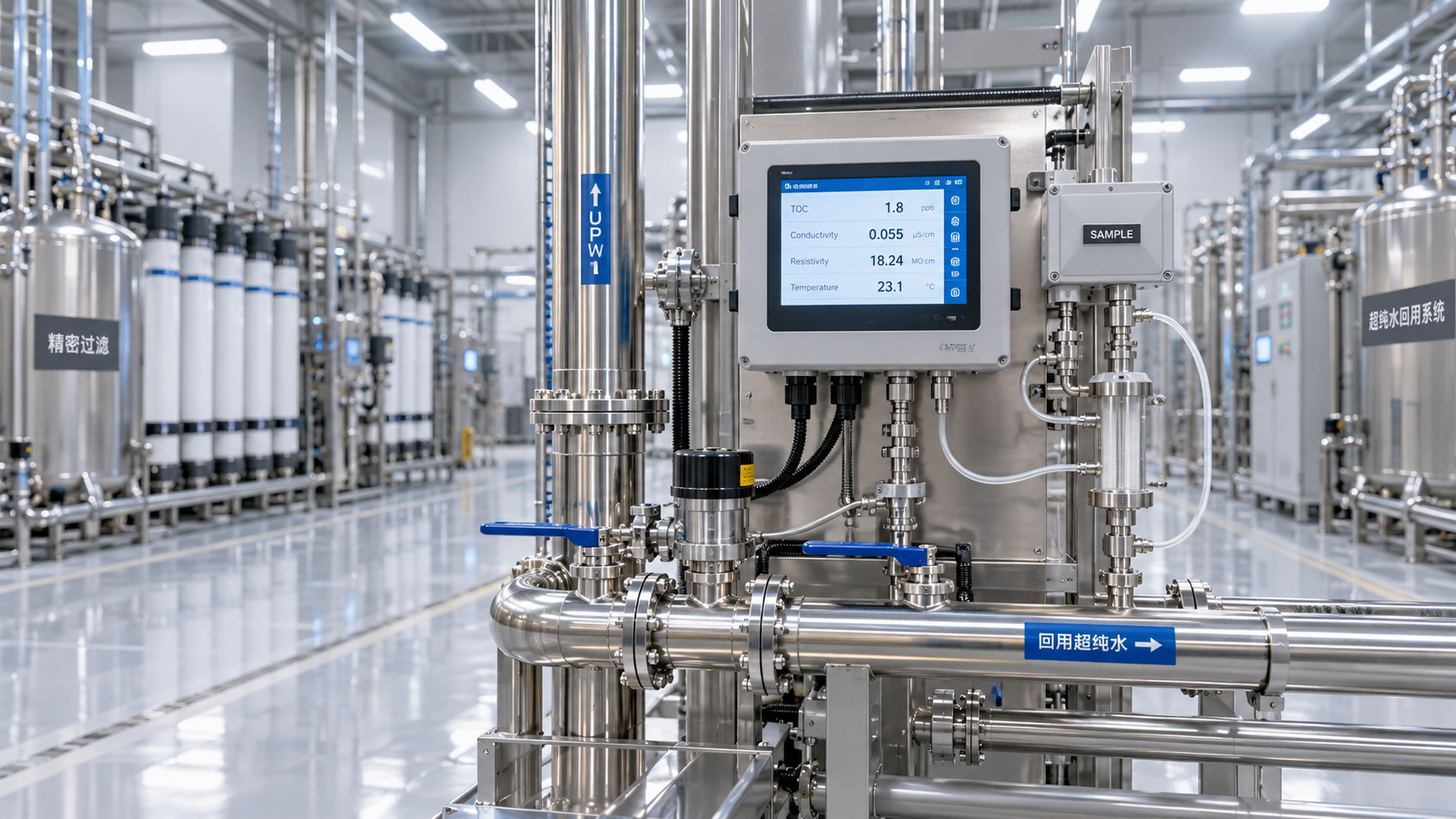
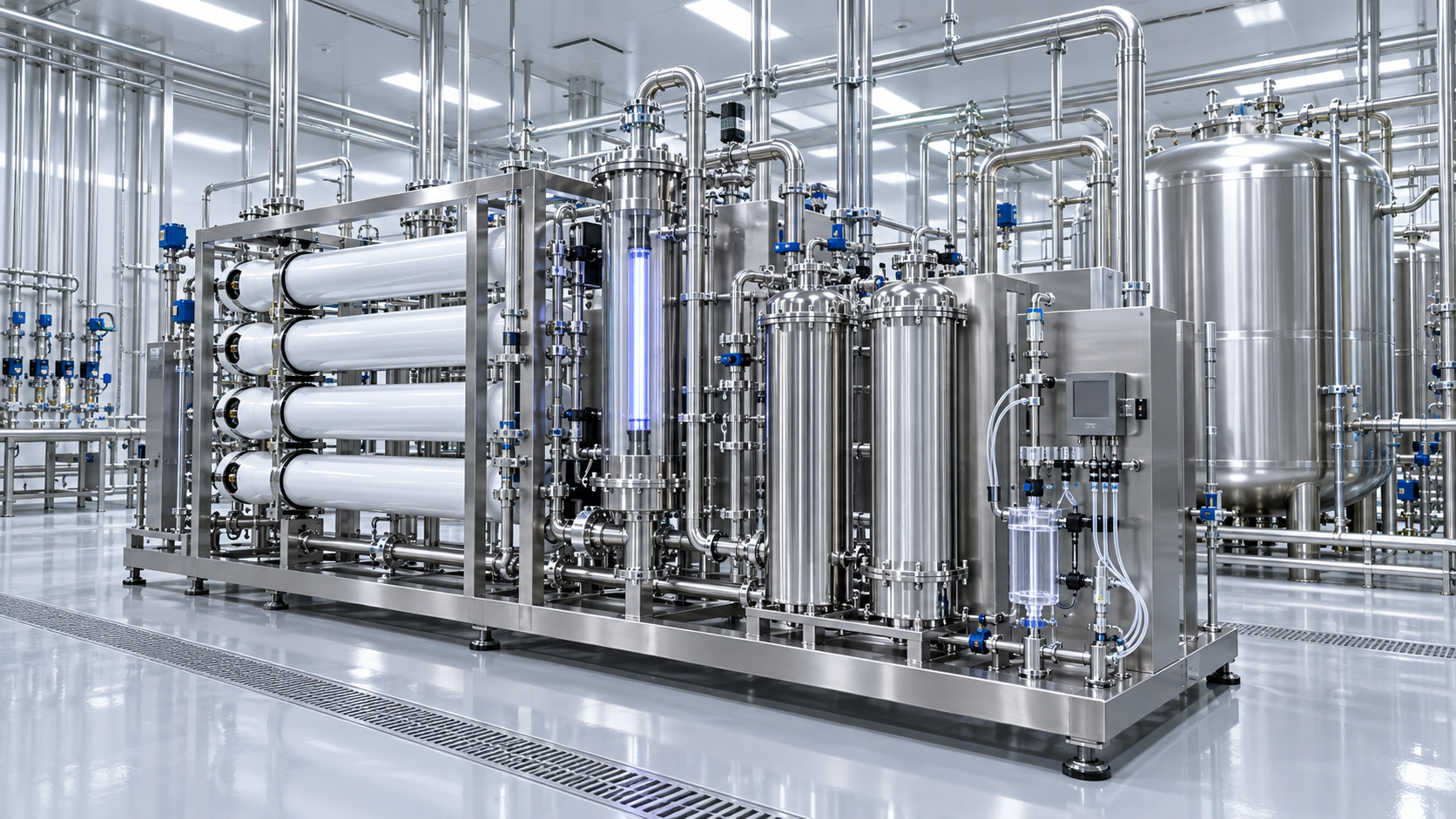
On May 22, 2026, China Customs announced the official launch of the ‘Clean Tech Export Compliance Hub’, a multilingual, real-time regulatory lookup platform targeting global buyers. The initiative covers 23 categories of clean technology exports—including ultrapure water (UPW) systems (18.2 MΩ·cm), BSL-3 laboratory infrastructure, and ESD control materials—and is particularly relevant for enterprises in semiconductor manufacturing support, life sciences infrastructure, precision electronics, and controlled-environment construction.
Event Overview
On May 22, 2026, China Customs launched the ‘Clean Tech Export Compliance Hub’ (official English name). The platform is publicly accessible to international procurement entities and enables real-time querying of market access requirements—including FDA, CE, SASO, and ANVISA regulations—for 23 designated clean technology product categories. It also provides China’s export inspection criteria and a directory of recommended certification bodies. Exporters and importers may download regulatory summaries in multiple languages.
Industries Affected by This Initiative
Direct Exporters (Trade Enterprises)
These firms are directly responsible for customs declaration and compliance documentation. They face immediate operational impact because the Hub consolidates previously fragmented regulatory references into a single interface—reducing reliance on third-party consultants for initial market-entry scoping. However, it does not replace formal certification; it only supports pre-submission due diligence.
Raw Material & Component Suppliers
Suppliers of UPW filtration membranes, BSL-3 HVAC components, or ESD-safe packaging materials may experience upstream demand shifts. Buyers increasingly require traceable compliance alignment—not just product specs—so suppliers must be prepared to reference Hub-listed standards when responding to RFQs or supporting OEM documentation packages.
Contract Manufacturers & System Integrators
Firms assembling UPW skids, BSL-3 modular labs, or ESD-compliant cleanroom modules must now verify that subassemblies meet destination-market requirements *before* integration. The Hub enables early-stage validation of component-level conformity (e.g., whether a pump’s material certification satisfies FDA 21 CFR Part 110), reducing rework risk during final audit.
Distribution & Channel Partners
Regional distributors selling clean tech equipment into regulated markets (e.g., Saudi Arabia under SASO, Brazil under ANVISA) will need to cross-check Hub data before quoting or placing orders. Misalignment between local marketing claims and Hub-confirmed requirements could trigger post-sale compliance disputes or customs holds.
Supply Chain & Certification Support Providers
Third-party testing labs, certification consultants, and logistics compliance specialists may see increased demand for interpretation services—not just certification execution. Since the Hub lists *recommended* certifiers but does not assign authority or guarantee acceptance, clients will still require expert guidance to select appropriate bodies per target jurisdiction.
What Enterprises and Practitioners Should Focus On Now
Monitor official updates to the Hub’s scope and language coverage
The platform currently lists 23 categories and four major regulatory regimes (FDA, CE, SASO, ANVISA). Analysis shows that expansion to additional markets (e.g., Japan’s PMDA, South Korea’s MFDS) or new categories (e.g., hydrogen purity analyzers, battery-grade dry rooms) is plausible—but not confirmed. Users should track China Customs’ official notices for version updates rather than assume future coverage.
Prioritize verification for high-risk export destinations and high-value SKUs
Not all 23 categories carry equal compliance complexity. For example, BSL-3 infrastructure faces layered jurisdictional reviews (biosafety + construction + electrical safety), while certain ESD materials may only require basic RoHS/REACH alignment. Enterprises should triage based on destination market enforcement history and unit value—not treat all listed categories uniformly.
Distinguish between informational guidance and binding regulatory effect
The Hub functions as a reference tool—not a legal instrument. Observably, it does not override national laws, replace notified body assessments, or substitute for official import permits. Companies must continue validating Hub-sourced information against primary regulatory texts and engage qualified local representatives where required.
Align internal documentation workflows with Hub-structured data fields
Manufacturers preparing technical files for CE or FDA submissions can use the Hub’s standardized requirement mapping (e.g., “CE: EN 61000-6-4 for ESD control cabinets”) to pre-audit documentation completeness. Updating internal checklists to mirror Hub taxonomy—rather than relying solely on legacy internal templates—supports faster response to buyer compliance queries.
Editorial Perspective / Industry Observation
This initiative is best understood as an operational transparency measure—not a policy shift. Analysis shows no new export controls or licensing mandates were introduced alongside the Hub’s launch. Rather, it systematizes existing requirements into a searchable format, reflecting China Customs’ broader effort to reduce information asymmetry in high-compliance export sectors. From an industry perspective, its significance lies less in immediate regulatory change and more in signaling sustained institutional attention toward clean tech trade facilitation. Continued monitoring is warranted—not because the Hub itself evolves rapidly, but because its usage patterns may inform future targeted guidance (e.g., sector-specific compliance dashboards or pre-shipment advisory alerts).
Conclusion
The ‘Clean Tech Export Compliance Hub’ represents a practical step toward streamlining cross-border regulatory navigation—not a new compliance obligation. Its value emerges most clearly for firms actively exporting UPW, BSL-3, or ESD-related products, where upfront clarity on destination requirements reduces delays and rework. Currently, it is more accurately interpreted as a reference enhancement than a regulatory milestone. Enterprises benefit most by integrating it into existing due diligence workflows—not treating it as a standalone compliance solution.
Source Attribution
Main source: China Customs General Administration (official announcement, May 22, 2026).
Note: Expansion beyond the initial 23 categories or four regulatory frameworks remains unconfirmed and is subject to ongoing observation.
Get weekly intelligence in your inbox.
No noise. No sponsored content. Pure intelligence.
 Oct 21, 2026How often is cleanroom certification required under ISO 14644-2?Cleanroom Certification is generally recommended annually under ISO 14644-2. Learn when risk-based extensions apply and which changes trigger earlier testing to plan with confidence.
 Oct 21, 2026FASEB Comments on NIH Draft Policy for Research Involving BiohazardsFASEB comments on NIH’s draft biohazard research policy call for risk-based biosafety oversight. Explore potential implications for laboratories, suppliers, and compliance teams.
 Oct 20, 2026How to disinfect ultrasound machines without damaging surfacesLearn how to disinfect ultrasoundmachines without surface damage. Explore compatible products, wet contact times, and probe care to protect patients and equipment.
 Oct 20, 2026Ultrapure Water in Semiconductor Manufacturing: Reuse and Quality Control InsightsExplore ultrapure water reuse in semiconductor manufacturing, key UPW quality benchmarks and analytical insights to help evaluate suppliers and protect process purity.
 Oct 19, 2026How cooling affects warpage in injection-molded consumer electronics housingsOptimize plastic injection molding for consumer electronics with cooling strategies to reduce housing warpage and improve assembly fit. Discover practical checks for stable, efficient production.
 Oct 18, 2026Can air leaks prevent a dehumidifier from holding its target dew point?Why can't our dehumidifier maintain the target dew point? Discover how air leaks increase moisture loads, spot hidden faults, and find practical fixes to restore reliable dew-point control.
 Oct 17, 2026How semiconductor process water treatment removes trace organicsSee how semiconductor process water treatment removes trace organics with RO, UV oxidation, and polishing. Learn how TOC monitoring helps verify purity and pinpoint contamination.
 Oct 16, 2026How to choose ultra pure water piping materials to limit leachingChoose ultra pure water piping with confidence. Compare PVDF, PFA, and stainless steel, assess leaching risks, and learn how to qualify your system for reliable purity.
 Oct 15, 2026How to size a skid-mounted deionized water system for peak demandCompare deionized water systems skid configurations for peak demand. Learn how to balance production, storage, and pump capacity to prevent shortages and avoid costly oversizing.
 Oct 14, 2026When is collaborative laboratory robotics suitable for sample sorting?Explore when collaborative laboratory robotics suits sample sorting. Discover key checks for safety, traceability, container compatibility, and throughput before choosing your solution.
 Oct 13, 2026How sandwich panel joints affect airtightness in cleanroom systemsCleanroom Systems sandwich panels need reliable joints for airtightness. Discover how gaskets, sealants, and testing help reduce leakage and protect cleanroom pressure control.
 Oct 12, 2026How to verify USP compliance for ultra pure water systemsUltra Pure Water Systems USP compliance: learn how to verify water quality, sampling, sanitization, trends, and validation controls at every point of use.
 Oct 11, 2026How tight temperature control prevents cleanroom process driftCleanroom process temperature control systems prevent costly drift by stabilizing critical conditions, improving repeatability, and protecting sensitive production workflows.
 Oct 10, 2026When does organic contaminant removal require TOC treatment?Organic contaminant removal requires TOC treatment when dissolved organics threaten product quality, equipment reliability, or process control. Learn how to assess risks and choose the right solution.
 Oct 08, 2026What affects lead times for sheet metal bending services in Canada?Sheet metal bending services Canada: discover how material supply, tooling, tolerances, finishing, documentation, and freight affect lead times for reliable project delivery.
 Oct 07, 2026How HVAC design for semiconductor fabs prevents airborne contaminationHVAC design for semiconductor fabs prevents airborne contamination through advanced filtration, pressure cascades, airflow control, and real-time monitoring. Explore key strategies for cleaner, more reliable wafer production.
 Oct 06, 2026How photovoltaic modules waterproof technology prevents moisture damagephotovoltaic modules waterproof technology prevents moisture damage with durable seals, drainage, and junction-box protection. Explore practical selection and testing insights.
 Oct 05, 2026How ISO 14644 Europe requirements affect cleanroom qualificationISO 14644 Europe requirements shape cleanroom qualification, from particle classification and recovery testing to monitoring, GMP alignment, and change control.
 Oct 04, 2026How to assess a pharmaceutical cleanroom solutions supplier’s ISO capabilityPharmaceutical Cleanroom Solutions supplier assessment guide: evaluate ISO 14644 capability, validation evidence, airflow design, documentation, and long-term GMP readiness.
 Oct 03, 2026What EU standards govern the design of BSL-3 laboratories in Europe?BSL-3 laboratories Europe: explore EU directives, EN standards, HVAC containment, commissioning, and practical design strategies for compliant, resilient high-containment facilities.
 Oct 02, 2026How EN 1822 defines HEPA filtration efficiency for cleanroomsHEPA filtration EN 1822 explained: learn how MPPS testing, local leakage limits, and filter classes support reliable cleanroom decisions.
 Oct 01, 2026How pharmaceutical process water systems control microbial riskProcess water systems pharmaceutical teams rely on can control microbial risk through hygienic design, monitoring, and validated sanitization. Explore practical compliance strategies.
 Sep 30, 2026When does a negative pressure laboratory need BSL-3 containment?Negative pressure laboratory or BSL-3? Discover the risk factors, engineering controls, and containment requirements needed for safe, compliant laboratory planning.
 Sep 29, 2026How to evaluate a TOC-zero water treatment supplier for UPW systemsChoose a TOC-zero water treatment supplier with confidence. Compare UPW performance, monitoring, validation, materials, service capability, and lifecycle cost.
 Sep 28, 2026What drives sustainable cooling cost in high-precision facilities?Sustainable cooling cost in high-precision facilities depends on thermal stability, energy, water, controls, and resilience. Explore smarter lifecycle strategies.
 Sep 27, 2026How to compare freight forwarding services for time-critical shipmentsCompare freight forwarding services for time-critical shipments with practical insights on routing, customs, visibility, specialized handling, and contingency planning.
 Sep 26, 2026How environmental integrity in laboratories supports reliable test resultsEnvironmental Integrity in laboratories safeguards samples, instruments, and staff. Discover practical controls for contamination, monitoring, and reliable test results.