AllianceBernstein Highlights Water Risks to Semiconductor Manufacturing
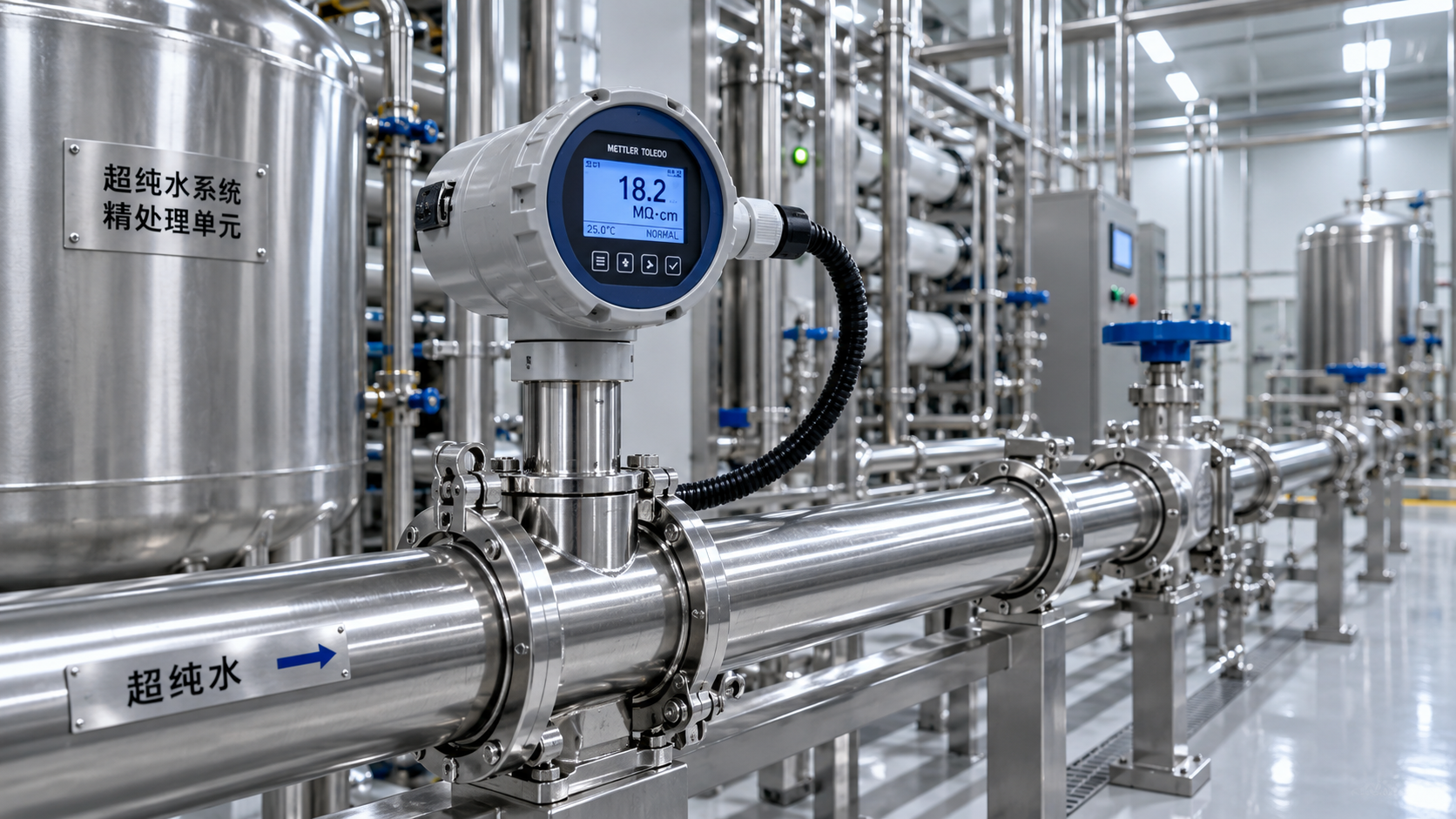
Water availability and ultrapure water quality are becoming material risks for semiconductor manufacturing as AI drives rising chip demand, according to an industry insight report released by AllianceBernstein on October 27, 2026. The investment firm identifies water security and the reliability of ultrapure water systems as potential constraints on wafer fabrication capacity expansion.
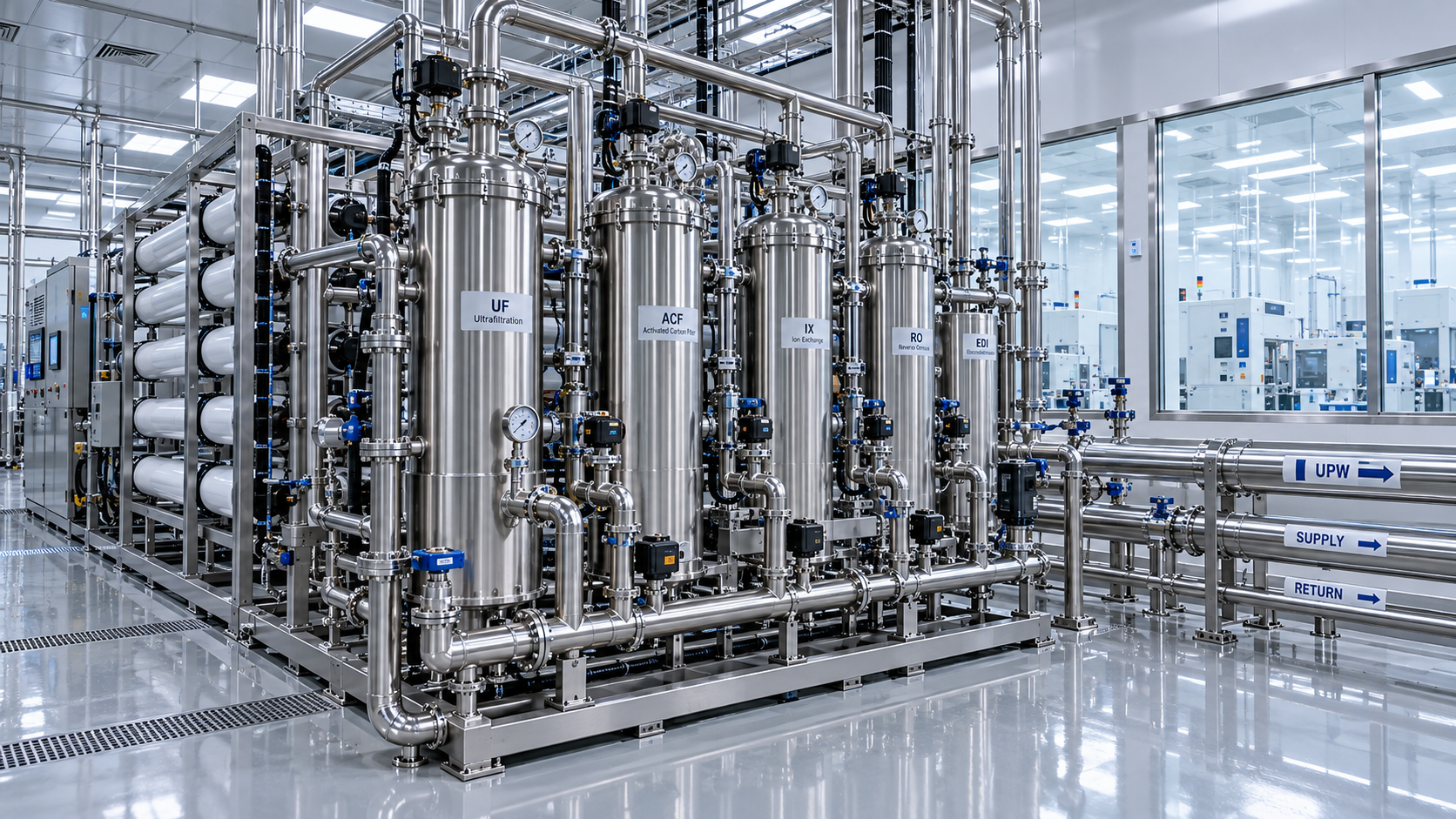
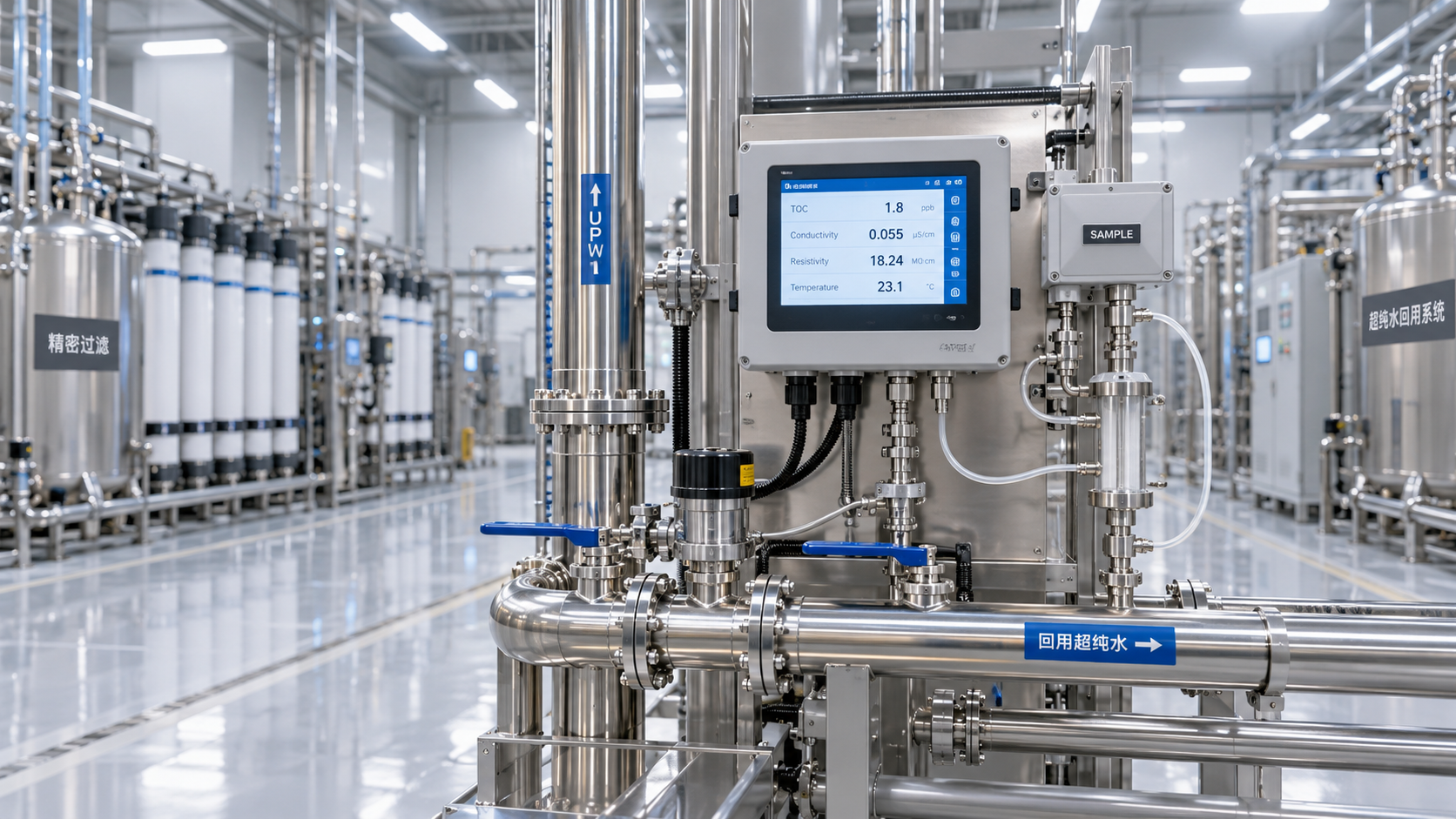
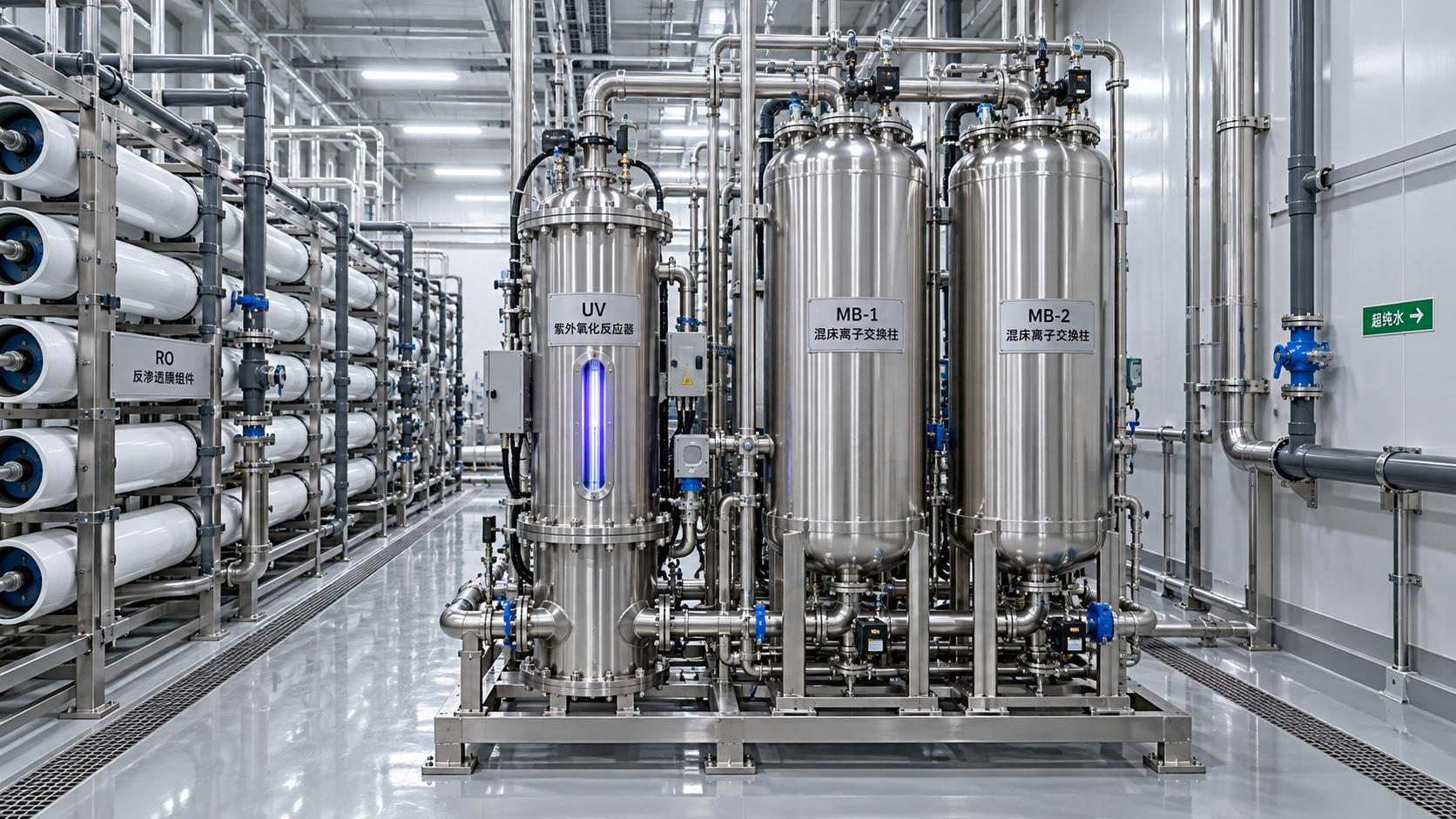
The report highlights two connected requirements: advanced semiconductor production needs substantial volumes of water, and that water must meet stringent purity requirements. Municipal water cannot be used directly as a substitute for ultrapure water. Access to a water supply therefore addresses only part of a fabrication plant’s production needs; reliable systems must also deliver water at the required quality.
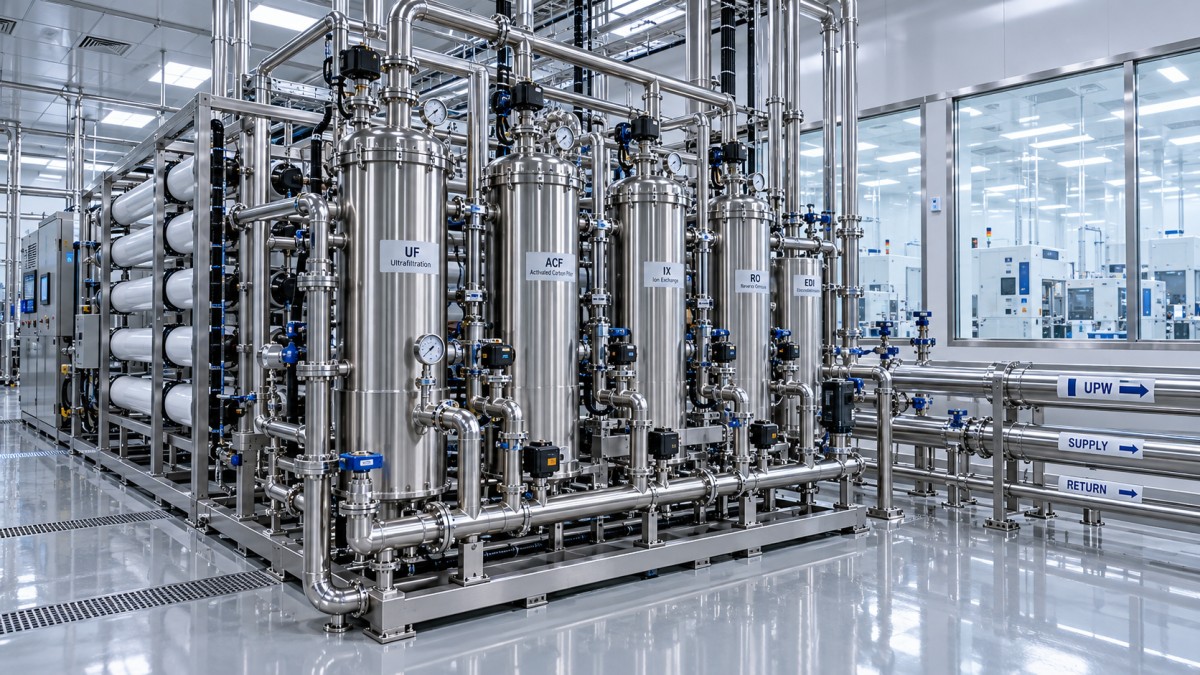
This distinction matters when assessing plans to expand chip output. A project could face constraints from insufficient water availability, unreliable ultrapure water production, or both. Additional manufacturing capacity may consequently depend on whether water supply and treatment capabilities can support the intended increase in production. Strong demand alone does not establish that these requirements can be met.
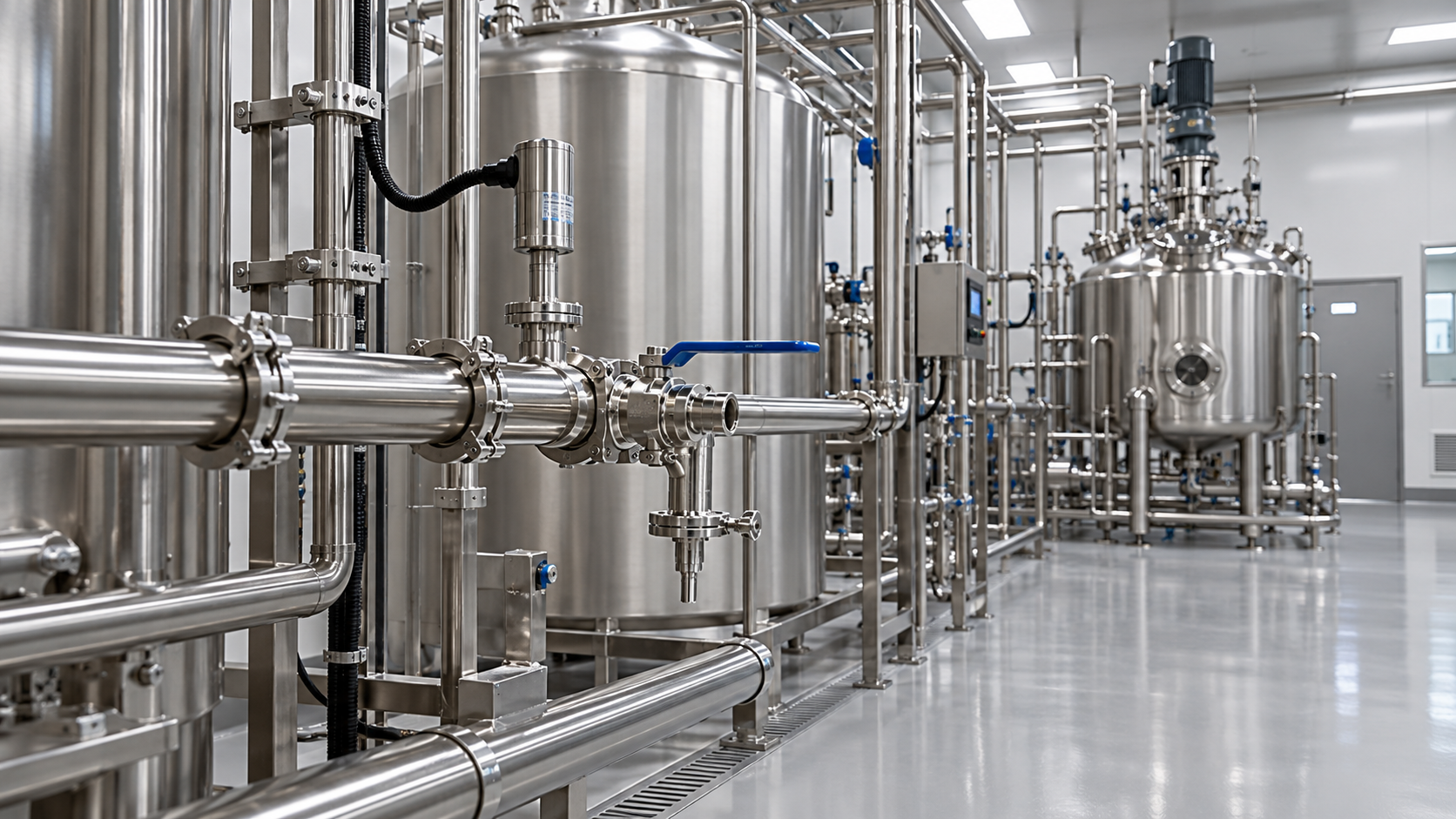
For manufacturers planning capacity additions, the report suggests that water infrastructure deserves consideration alongside production equipment. For existing facilities, it draws attention to the ability to maintain a dependable supply of water at the necessary purity. These are related concerns, but their operational implications may differ: expansion plans depend on supporting additional demand, while ongoing production depends on maintaining reliable service.
The report’s warning does not establish that water-related production disruptions or expansion delays have occurred. The more defensible conclusion is that water availability and purification reliability could influence how readily manufacturers translate AI-driven demand into additional output. Subsequent company disclosures on water supply arrangements, ultrapure water systems and capacity schedules would help show where these risks are being addressed and whether they are affecting expansion plans.
Get weekly intelligence in your inbox.
No noise. No sponsored content. Pure intelligence.
 Oct 30, 2026Why do ultra pure water systems fail to reach 18.2 MΩ·cm?Ultra Pure Water Systems below 18.2 MΩ·cm? Discover common causes, verify readings, and troubleshoot effectively before replacing costly components.
 Oct 30, 2026Report: Global Biodecontamination Market to Reach $599 Million by 2032Explore the global biodecontamination market forecast for 2032, including the role of AI, automation and biosafety compliance in shaping demand.
 Oct 29, 2026Is ultrapure water required for GMP-compliant API manufacturing?Do we need ultrapure water for API manufacturing? Explore GMP requirements, compare potable water, purified water and WFI, and learn how to choose the right quality for your process.
 Oct 29, 2026Suspected Russian Plague Laboratory Leak Exposes Global Biosafety GapsA suspected Russian plague laboratory leak raises global biosafety concerns. Explore potential BSL-3/4 oversight gaps and what lab operators and suppliers should monitor next.
 Oct 28, 2026How to size low-GWP refrigeration systems for laboratory cooling loadsSize Low GWP Refrigeration Systems for laboratories with confidence. Learn to calculate cooling loads, verify capacity, and balance safety, efficiency, and temperature stability.
 Oct 28, 2026AllianceBernstein Highlights Water Risks to Semiconductor ManufacturingSemiconductor manufacturing faces water risks as AI chip demand grows. Explore AllianceBernstein’s insights on water availability, ultrapure water reliability and capacity expansion.
 Oct 27, 2026How to use supply chain traceability for Scope 3 emissions reportingUse supply chain traceability to strengthen Scope 3 emissions reporting. Learn how to link supplier evidence, choose calculation methods, and build a credible, review-ready inventory.
 Oct 27, 2026Ramboll: Life Sciences Cleanroom CapEx Is Determined Before ConstructionRamboll highlights how early design decisions shape life sciences cleanroom CapEx. Discover how CFD simulation can guide airflow optimization and support cost control.
 Oct 26, 2026How to size industrial cooling systems for semiconductor fabsSize industrial cooling systems for semiconductor fabs with confidence. Learn to calculate heat loads, verify flow and pressure, and plan redundancy for reliable production.
 Oct 26, 2026UK Announces £100 Million AI Biosecurity Laboratory to Address Biological ThreatsExplore the UK's £100 million AI biosecurity laboratory initiative, supported by leading AI firms, and its aims to improve biological threat monitoring and accelerate vaccine research.
 Oct 25, 2026How do Scope 3 reporting requirements affect ESG compliance pricing?ESG Compliance pricing rises with Scope 3 data, supplier outreach, and assurance needs. Discover hidden costs and compare vendor quotes to control your reporting budget.
 Oct 25, 2026UK Announces $134 Million Plan for World's First AI Biosecurity LabUK AI Biosecurity Laboratory: Explore the $134 million plan to harness advanced AI for biological threat detection and accelerate vaccine and treatment research.
 Oct 24, 2026How to size process fluid treatment equipment for peak flow ratesSize Process Fluid Treatment equipment for peak flow rates with confidence. Learn how to balance capacity, storage, pressure, and redundancy to maintain quality and avoid costly oversizing.
 Oct 24, 2026Cleanroom AI Robot Maker Raises Nearly RMB 500 Million, Accelerates Overseas ExpansionCleanroom AI robot maker raises nearly RMB 500 million to accelerate overseas expansion. Explore semiconductor demand, buyer qualification and export readiness.
 Oct 23, 2026How to assess lab automation demand with strategic market researchStrategic Market Research reveals real lab automation demand. Learn how to assess workflow needs, buyer readiness, and ROI to prioritize high-potential opportunities.
 Oct 23, 2026American Association of Immunologists Comments on NIH Draft Biosafety PolicyAmerican Association of Immunologists comments on NIH draft biosafety policy. Explore potential impacts on lab safety, researcher privacy and BSL-3/4 compliance planning.
 Oct 22, 2026How to stabilize humidity control in a precision AHU at low loadsStabilize humidity control in precision AHU systems at low loads. Discover sensor checks, dew-point strategies, and reheat coordination to reduce cycling and maintain reliable conditions.
 Oct 22, 2026Malaysia’s EcoSys Plans to Nearly Double Cleanroom Capacity by End-2026Malaysia’s EcoSys plans to nearly double cleanroom capacity by end-2026. Discover how the expansion could ease UHP component bottlenecks and support semiconductor customer demand.
 Oct 21, 2026How often is cleanroom certification required under ISO 14644-2?Cleanroom Certification is generally recommended annually under ISO 14644-2. Learn when risk-based extensions apply and which changes trigger earlier testing to plan with confidence.
 Oct 21, 2026FASEB Comments on NIH Draft Policy for Research Involving BiohazardsFASEB comments on NIH’s draft biohazard research policy call for risk-based biosafety oversight. Explore potential implications for laboratories, suppliers, and compliance teams.
 Oct 20, 2026How to disinfect ultrasound machines without damaging surfacesLearn how to disinfect ultrasoundmachines without surface damage. Explore compatible products, wet contact times, and probe care to protect patients and equipment.
 Oct 20, 2026Ultrapure Water in Semiconductor Manufacturing: Reuse and Quality Control InsightsExplore ultrapure water reuse in semiconductor manufacturing, key UPW quality benchmarks and analytical insights to help evaluate suppliers and protect process purity.
 Oct 19, 2026How cooling affects warpage in injection-molded consumer electronics housingsOptimize plastic injection molding for consumer electronics with cooling strategies to reduce housing warpage and improve assembly fit. Discover practical checks for stable, efficient production.
 Oct 18, 2026Can air leaks prevent a dehumidifier from holding its target dew point?Why can't our dehumidifier maintain the target dew point? Discover how air leaks increase moisture loads, spot hidden faults, and find practical fixes to restore reliable dew-point control.
 Oct 17, 2026How semiconductor process water treatment removes trace organicsSee how semiconductor process water treatment removes trace organics with RO, UV oxidation, and polishing. Learn how TOC monitoring helps verify purity and pinpoint contamination.
 Oct 16, 2026How to choose ultra pure water piping materials to limit leachingChoose ultra pure water piping with confidence. Compare PVDF, PFA, and stainless steel, assess leaching risks, and learn how to qualify your system for reliable purity.
 Oct 15, 2026How to size a skid-mounted deionized water system for peak demandCompare deionized water systems skid configurations for peak demand. Learn how to balance production, storage, and pump capacity to prevent shortages and avoid costly oversizing.