Healthcare Market Trends 2026: Growth Signals, Cost Pressure, and Risk Shifts
The Healthcare Market in 2026 is moving into a sharper, less forgiving cycle. Growth remains visible, but it is uneven across care settings, regions, and service lines. At the same time, margin pressure, workforce constraints, compliance demands, and infrastructure risk are reshaping what sustainable expansion looks like.
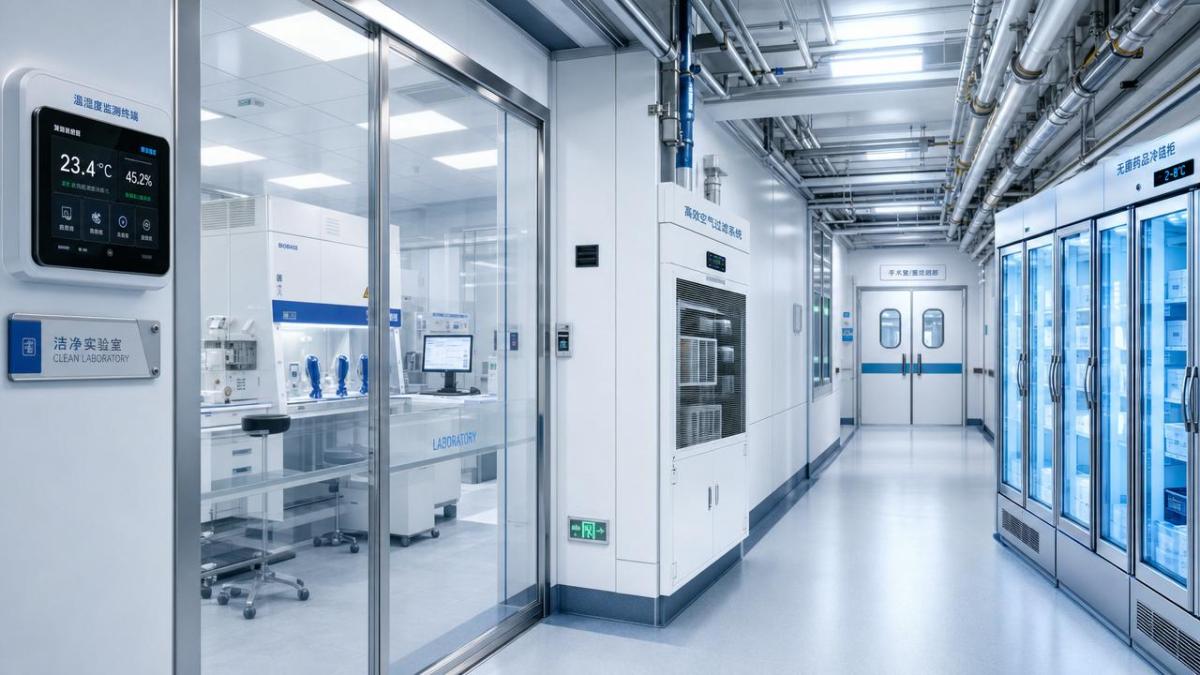
That matters well beyond hospitals and clinics. The Healthcare Market now depends on stable thermal control, cleaner air, resilient utilities, biosafety discipline, and data-driven environmental monitoring. In practical terms, healthcare performance is becoming inseparable from infrastructure quality.
This is where industrial and healthcare priorities begin to overlap. Benchmarking disciplines used in advanced manufacturing, pharmaceutical production, and high-risk laboratory environments are increasingly relevant to healthcare networks seeking reliability, efficiency, and long-term compliance.
Why the Healthcare Market looks different in 2026
A few years ago, many healthcare strategies were built around recovery, deferred demand, and digital acceleration. In 2026, the conversation is more operational. Leaders are asking which segments can still grow without exposing the organization to avoidable cost and quality failures.
The Healthcare Market is not slowing in a simple way. Outpatient care, specialized diagnostics, pharmaceutical support services, ambulatory surgery, and home-linked care models continue to attract investment. Yet acute care assets and legacy facilities often carry higher energy intensity and maintenance burdens.
This split creates a new planning reality. Demand may rise while returns narrow. More activity does not automatically mean stronger performance when labor, utilities, water quality, contamination control, and regulatory exposure remain difficult to manage.
Growth signals are real, but they are selective
The strongest signals in the Healthcare Market come from areas where care delivery is becoming more specialized, more distributed, or more technology-intensive. Those shifts reward operators that can maintain consistency across multiple environments.
Three patterns stand out. First, procedure migration continues, with more services moving to controlled outpatient settings. Second, biopharma-linked ecosystems are expanding the need for cleanroom-adjacent healthcare infrastructure. Third, precision care models require tighter environmental stability than older facilities were designed to provide.
These trends make the Healthcare Market more dependent on engineered environments. Temperature drift, poor humidity control, air imbalance, or water purity issues can now affect not only patient safety, but also throughput, asset life, and accreditation readiness.
Where expansion is gaining traction
In each case, the Healthcare Market is rewarding settings where clinical growth can be matched by environmental discipline. Capacity alone is no longer enough.
Cost pressure is moving from finance to facility strategy
Cost inflation in the Healthcare Market is not limited to labor or procurement. Utilities, water treatment, filtration replacement, maintenance cycles, and unplanned downtime are becoming more material to operating margins.
This is one reason infrastructure benchmarking has gained attention. Systems once viewed as technical background now influence core financial outcomes. A poorly optimized air-handling system can raise energy use, strain infection-control goals, and shorten equipment life at the same time.
More advanced frameworks, such as those associated with G-ICE, help connect this operational layer to strategic planning. By aligning performance against standards like ISO 14644, ASHRAE, and SEMI where relevant, organizations can evaluate not just compliance, but efficiency under real conditions.
The cost questions now worth asking
- Which facilities carry the highest environmental control cost per service line?
- How much margin is exposed to ventilation, cooling, or water treatment inefficiency?
- Where do compliance upgrades overlap with energy and resilience benefits?
- Which sites lack monitoring depth to detect drift before failures appear?
Those questions help move the Healthcare Market discussion from short-term expense control to structural cost management.
Risk is shifting toward invisible failures
In 2026, many of the most serious Healthcare Market risks are not obvious at first glance. They emerge as pressure instability, contamination events, process interruption, utility inconsistency, or environmental data gaps that weaken response time.
This matters because healthcare environments are growing more sensitive. Sterile processing, specialty pharmacy support, cell and gene therapy workflows, diagnostic laboratories, and isolation-capable spaces all depend on tightly controlled conditions.
G-ICE’s multidisciplinary perspective is useful here because it treats air, water, thermal performance, biosafety, and monitoring as a connected system. That is increasingly how risk behaves in the Healthcare Market. A single failure rarely stays contained within one technical category.
Common risk shifts in the current cycle
- Higher dependence on aging HVAC and chilled water assets
- Greater regulatory scrutiny on biosafety and traceability
- More operational exposure to humidity and particulate variation
- Rising downtime costs in specialized care environments
- Broader cyber-physical risk as monitoring systems digitize
What practical strategy looks like now
A workable response to Healthcare Market volatility is not simply to spend more on facilities. It is to understand which environmental controls support revenue protection, compliance durability, and service continuity.
Usually, the most effective path starts with segmentation. Not every site needs the same precision level. High-risk labs, advanced treatment spaces, and contamination-sensitive support areas should be assessed differently from general administrative or low-acuity environments.
The next step is performance visibility. Smart environmental monitoring and digital twin control models are gaining traction because they reveal drift earlier. That reduces the chance of expensive intervention after service disruption begins.
The Healthcare Market also benefits from cross-industry engineering logic. Cleanroom discipline, ultra-pure water management, and precision thermal control were refined in sectors where tiny deviations already carried major consequences. Healthcare is now facing similar thresholds in many specialized settings.
A useful decision lens
How to read the next signals in the Healthcare Market
The Healthcare Market will likely remain active through 2026, but the better signals will come from operational quality rather than headline demand. Expansion that ignores environmental performance may still look attractive on paper while hiding cost and risk transfer.
A stronger reading combines market trends with facility intelligence. That includes energy intensity, contamination control maturity, water reliability, redundancy levels, and the quality of monitoring data across critical environments.
The clearest next step is to map growth ambitions against infrastructure tolerance. Compare sites by risk sensitivity, not just by revenue potential. Review whether current systems can support tighter thermal stability, biosafety requirements, and digital traceability without driving hidden costs upward.
In that context, the Healthcare Market is no longer only a story about care demand. It is also a story about how well organizations control the invisible conditions that make modern healthcare dependable. The decisions made now will shape resilience, compliance, and competitiveness long after the current cycle passes.
Get weekly intelligence in your inbox.
No noise. No sponsored content. Pure intelligence.
 Jun 11, 2026Smart Warehousing Trends in 2026: What Actually Improves ROISmartwarehousing in 2026 is driven by measurable control, not hype. Discover how smarter inventory, energy, compliance, and uptime strategies deliver stronger ROI.
 Jun 11, 2026Warehouse Pallet Racking Mistakes That Reduce Storage EfficiencyWarehouse pallet racking mistakes can quietly reduce capacity, slow picking, and increase risk. Discover 7 common errors and practical fixes to improve storage efficiency fast.
 Jun 11, 2026Rapid Prototyping for Consumer Electronics: Speed vs. CostRapid prototyping for consumer electronics: learn when speed cuts costs, when it adds risk, and how to validate smarter before tooling, compliance, and pilot builds.
 Jun 11, 2026Custom Metal Fabrication for Renewable Energy: Key Design FactorsCustom metal fabrication for renewable energy: discover key design factors in materials, corrosion control, tolerances, and thermal performance to improve reliability, compliance, and lifecycle value.
 Jun 11, 2026How to Choose Corrugated Plastic Boxes for Reusable ShippingCorrugated plastic boxes for reusable shipping: learn how to compare durability, handling efficiency, cleanability, and lifecycle cost to choose a smarter, lower-risk packaging solution.
 Jun 11, 2026METI Opens 72-Hour Green Customs Track for Maglev ChillersMETI opens a 72-hour green customs track for Maglev Chillers in Japan. Learn eligibility, COP 7.2 and ±0.01°C requirements, supplier impact, and how faster clearance can improve import planning.
 Jun 11, 2026FDA Makes BSL-4 Durability Report Mandatory for U.S. ImportsFDA Makes BSL-4 Durability Report Mandatory for U.S. Imports. Learn how the new FDA rule affects BSL-4 equipment, import compliance, testing timelines, and supplier readiness before 2026.
 Jun 11, 2026VDE Rule Adds Data Sovereignty Audit for Digital Twin LabsDigital Twin Lab compliance in Germany is changing fast. Learn how VDE-AR-E 2600-100:2026 adds a data sovereignty audit and what it means for exports, deployment, and market access.
 Jun 11, 2026PSA Opens UPW Inspection Lane, Cuts Import Lead Time 40%PSA opens a dedicated UPW inspection lane, cutting import lead time 40% for ultra-pure water systems. Learn how exporters, chip suppliers, and logistics teams can speed compliant deliveries.
 Jun 11, 2026China RoHS 2026 List Takes Effect for AMC ImportsChina RoHS 2026 list takes effect for AMC imports on July 1, 2026, bringing new compliance rules for AMC filtration modules, precision sensors, and IIoT air terminals—see what importers must prepare now.
 Jun 10, 2026CNC Machining for Automotive Industry: When Precision Improves ThroughputCNC machining for automotive industry boosts more than precision—it improves throughput, reduces rework, and supports faster, more stable vehicle production. Learn how.
 Jun 10, 2026CNC Machining for Medical Devices: Tolerance, Traceability, and Material RisksCNC machining for medical devices demands more than tight tolerances. Learn how traceability, material risk, and clean process control protect quality, compliance, and patient safety.
 Jun 10, 2026Sheet Metal Bending Machine Price: What Drives Total Cost in 2026Sheet metal bending machine price in 2026 depends on more than the quote. Learn what drives total cost, hidden expenses, energy use, and smart ways to compare offers.
 Jun 10, 2026Smart Home Hubs Compared: Matter Support, Range, and Automation LimitsSmart home hubs compared for Matter support, real-world range, and automation limits. Discover what to check before you buy and choose a hub that fits your home.
 Jun 10, 2026Semiconductor Cleanroom Standards: ISO Classes, AMC, and ESD BasicsSemiconductor Cleanroom standards explained: compare ISO classes, AMC control, and ESD basics to improve yield protection, reduce hidden risks, and benchmark fab performance with confidence.
 Jun 10, 2026PSA Opens Dedicated UPW Import Inspection LanePSA Opens Dedicated UPW Import Inspection Lane, cutting average clearance from 5.2 to 3.1 days. See what it means for semiconductor imports, compliance, and delivery planning.
 Jun 10, 2026VDE Rule Tightens Digital Twin Lab Data ControlVDE Rule Tightens Digital Twin Lab Data Control in Germany: learn how the 2026 audit reshapes data sovereignty, cloud use, and compliance choices for vendors and research labs.
 Jun 10, 2026Japan Opens 72-Hour Maglev Chiller Import LaneJapan opens a 72-hour Maglev chiller import lane tied to JIS B 8341-2:2025, PSE/JQA certification, and ±0.01°C proof—see what importers, buyers, and suppliers must do now.
 Jun 10, 2026FDA Makes Durability Reports Mandatory for BSL-4 Bio-Barrier ImportsFDA makes durability reports mandatory for BSL-4 Bio-Barrier imports. Learn how the 10,000-cycle ISO 17025 test rule may impact compliance, shipments, suppliers, and delivery timelines.
 Jun 10, 2026EU ZLD Imports Face Carbon Footprint Disclosure From JulyEU ZLD imports face carbon footprint disclosure from July 2026. Learn how the new EU rule may affect customs compliance, market access, and supply chain readiness.
![]() Jun 09, 2026Energy Storage Battery Selection: Safety, Cycle Life, and Total Cost ComparedEnergy storage battery selection explained: compare safety, cycle life, and total cost to find the best fit for industrial uptime, resilience, and smarter long-term value.
Jun 09, 2026Energy Storage Battery Selection: Safety, Cycle Life, and Total Cost ComparedEnergy storage battery selection explained: compare safety, cycle life, and total cost to find the best fit for industrial uptime, resilience, and smarter long-term value.![]() Jun 09, 2026Plastic Injection Molding Defects: Root Causes, Fixes, and Process Control TipsPlastic injection molding defects explained: discover root causes, practical fixes, and process control tips to reduce scrap, improve part quality, and keep production stable.
Jun 09, 2026Plastic Injection Molding Defects: Root Causes, Fixes, and Process Control TipsPlastic injection molding defects explained: discover root causes, practical fixes, and process control tips to reduce scrap, improve part quality, and keep production stable.![]() Jun 09, 2026Strategic Intelligence in 2026: Signals That Matter for Faster Market DecisionsStrategic Intelligence in 2026 focuses on the few signals that drive faster market decisions. Discover how sharper filtering improves resilience, compliance, and investment confidence.
Jun 09, 2026Strategic Intelligence in 2026: Signals That Matter for Faster Market DecisionsStrategic Intelligence in 2026 focuses on the few signals that drive faster market decisions. Discover how sharper filtering improves resilience, compliance, and investment confidence.![]() Jun 09, 2026Custom Metal Fabrication for Construction: Cost Drivers, Lead Times, and Quality ChecksCustom metal fabrication for construction explained: compare cost drivers, realistic lead times, and critical quality checks to reduce project risk and choose suppliers with confidence.
Jun 09, 2026Custom Metal Fabrication for Construction: Cost Drivers, Lead Times, and Quality ChecksCustom metal fabrication for construction explained: compare cost drivers, realistic lead times, and critical quality checks to reduce project risk and choose suppliers with confidence.![]() Jun 09, 2026High-Tech Industrial Complex Design: Key Planning Risks and Performance PrioritiesHigh-Tech Industrial Complex design starts with early risk visibility. Discover key planning risks, performance priorities, and resilient strategies to improve uptime, compliance, and future scalability.
Jun 09, 2026High-Tech Industrial Complex Design: Key Planning Risks and Performance PrioritiesHigh-Tech Industrial Complex design starts with early risk visibility. Discover key planning risks, performance priorities, and resilient strategies to improve uptime, compliance, and future scalability.![]() Jun 09, 2026EU Starts ZLD Carbon Footprint Disclosure PilotEU Starts ZLD Carbon Footprint Disclosure Pilot: learn how new EU carbon disclosure and CE mark rules may affect ZLD equipment exports, compliance timelines, and market access from Q3 2026.
Jun 09, 2026EU Starts ZLD Carbon Footprint Disclosure PilotEU Starts ZLD Carbon Footprint Disclosure Pilot: learn how new EU carbon disclosure and CE mark rules may affect ZLD equipment exports, compliance timelines, and market access from Q3 2026.![]() Jun 09, 2026FDA Tightens Import Filing for Bio-Barrier PartsFDA Tightens Import Filing for Bio-Barrier Parts: learn how the new ASTM E2996-22 report impacts U.S. shipments, compliance files, certification, and BSL-3/4 project delivery.
Jun 09, 2026FDA Tightens Import Filing for Bio-Barrier PartsFDA Tightens Import Filing for Bio-Barrier Parts: learn how the new ASTM E2996-22 report impacts U.S. shipments, compliance files, certification, and BSL-3/4 project delivery.