How Healthcare Technology Is Reducing Clinical Workflow Delays
How Healthcare Technology Is Reducing Clinical Workflow Delays
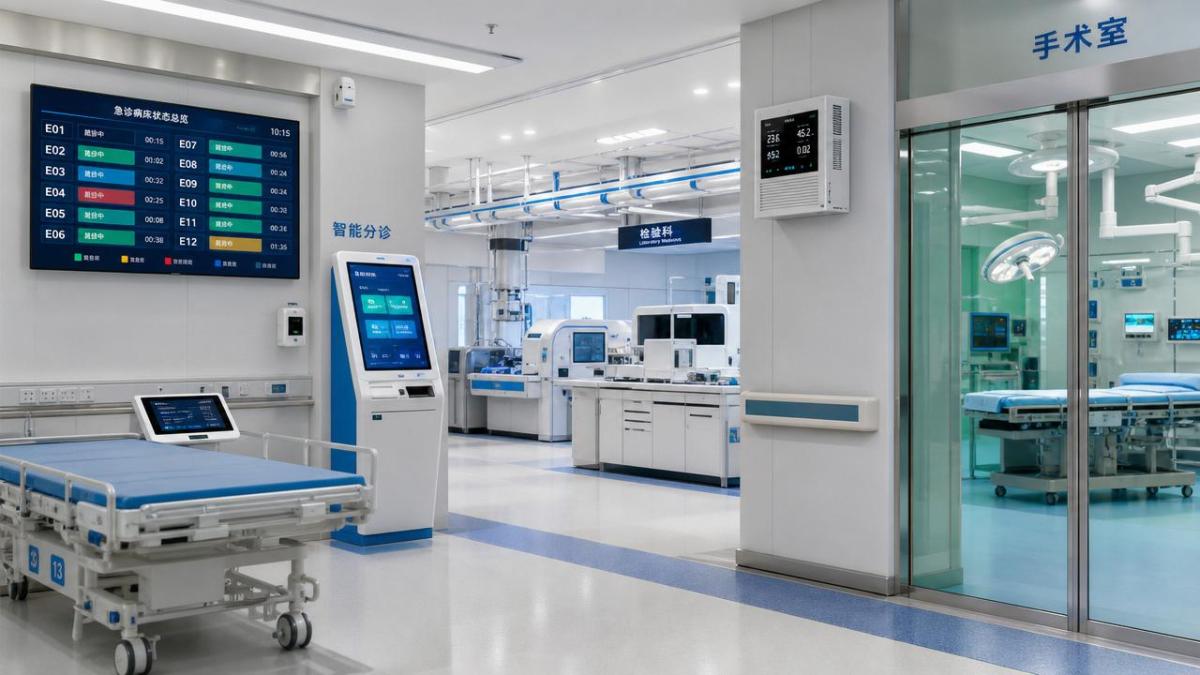
Healthcare Technology is changing how clinical teams move through the day.
What once depended on calls, paper, and manual follow-up now runs through connected systems.
That shift matters because workflow delays are rarely caused by one major failure.
More often, they come from handoff gaps, missing information, and slow approvals.
Healthcare Technology helps remove those friction points by connecting data, people, and decisions in real time.
In practical terms, that means faster admissions, quicker diagnostics, smoother discharge planning, and fewer repeated tasks.
It also means better compliance visibility, which is becoming harder to ignore.
From a business perspective, the value is broader than speed alone.
Healthcare Technology supports capacity planning, labor efficiency, patient safety, and operational resilience.
That is why many providers now evaluate digital workflow tools as core infrastructure, not optional add-ons.
Where Clinical Workflow Delays Usually Start
Before choosing solutions, it helps to look at where delays actually begin.
Many hospitals still operate across disconnected platforms, departments, and vendor systems.
When data does not move cleanly, clinicians spend time chasing updates instead of treating patients.
Recent operational reviews often show several recurring bottlenecks:
- Manual intake and registration steps that duplicate patient information.
- Slow lab, imaging, or specialist coordination caused by fragmented scheduling.
- Delayed medication verification and order routing during peak periods.
- Limited visibility into room readiness, bed turnover, and discharge status.
- Compliance checks that rely on retrospective documentation rather than live monitoring.
These issues may seem small on their own.
Together, they slow the entire care pathway and raise cost per case.
This is where Healthcare Technology creates measurable value.
Instead of adding more labor to manage delays, organizations redesign the flow itself.
How Healthcare Technology Speeds Up Clinical Operations
The strongest Healthcare Technology strategies focus on decision speed, not just digital records.
When systems share reliable data, teams spend less time waiting and more time acting.
1. Digital intake removes front-end congestion
Digital forms, pre-visit verification, and automated eligibility checks reduce check-in delays.
Staff no longer need to reenter the same information across multiple systems.
That shortens queues and improves the accuracy of downstream orders.
2. Workflow automation reduces handoff lag
Automated task routing sends orders, alerts, and approvals to the right team instantly.
This reduces lost requests, callback loops, and unclear ownership between departments.
In busy units, that alone can cut meaningful minutes from each care step.
3. Real-time dashboards improve coordination
Live visibility into patient status, room turnover, and diagnostic queues helps leaders rebalance resources.
Instead of reacting after delays appear, teams can intervene earlier.
That makes Healthcare Technology especially useful during surges or staffing shortages.
4. Clinical decision support speeds safe choices
Integrated prompts, risk flags, and evidence-based pathways support faster clinical review.
The goal is not to replace judgment.
It is to reduce avoidable hesitation when critical information is already available.
Why Infrastructure and Environmental Control Matter Too
Clinical workflow delays are not only digital problems.
They often start in the physical environment that supports care delivery.
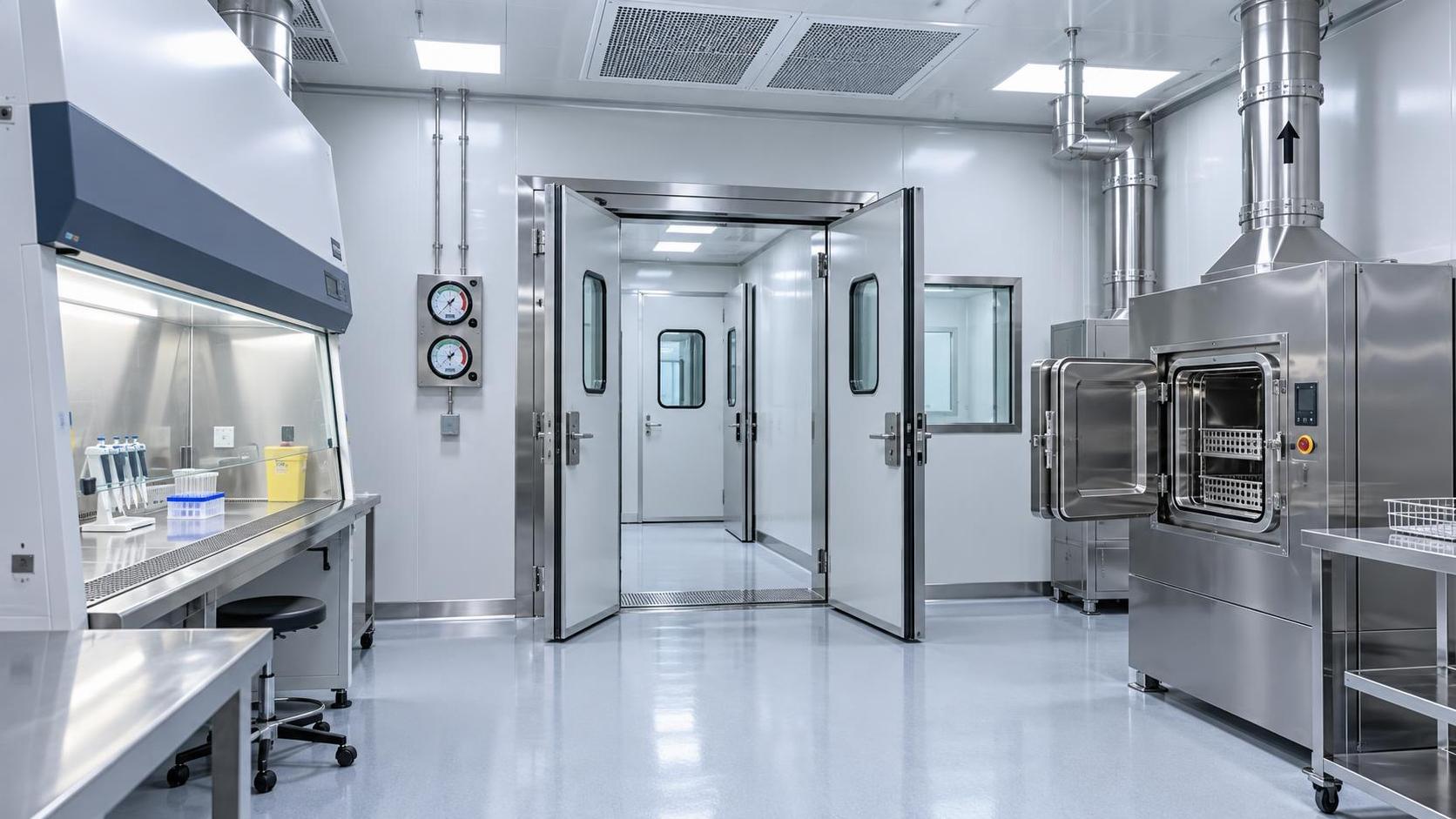
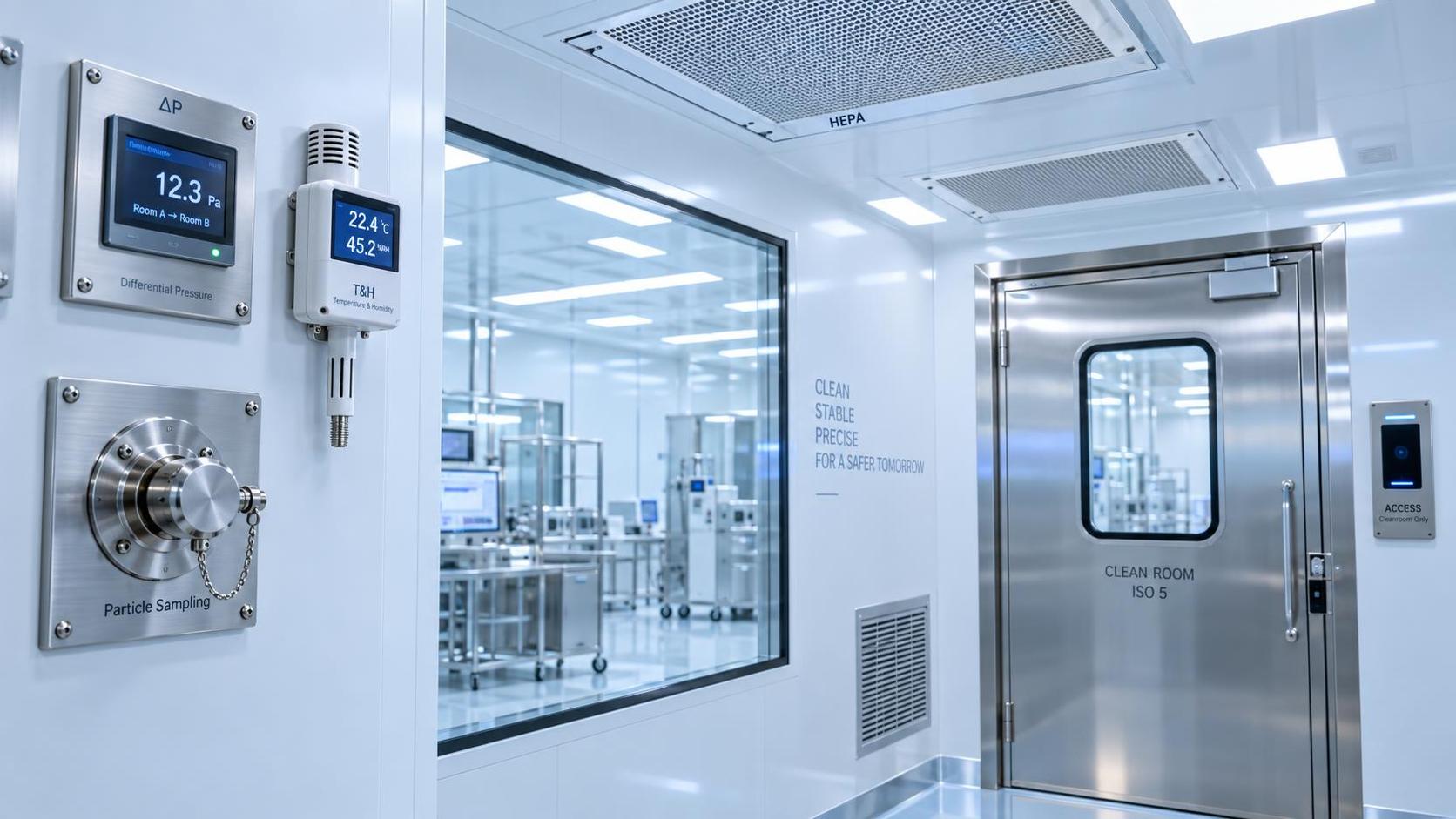
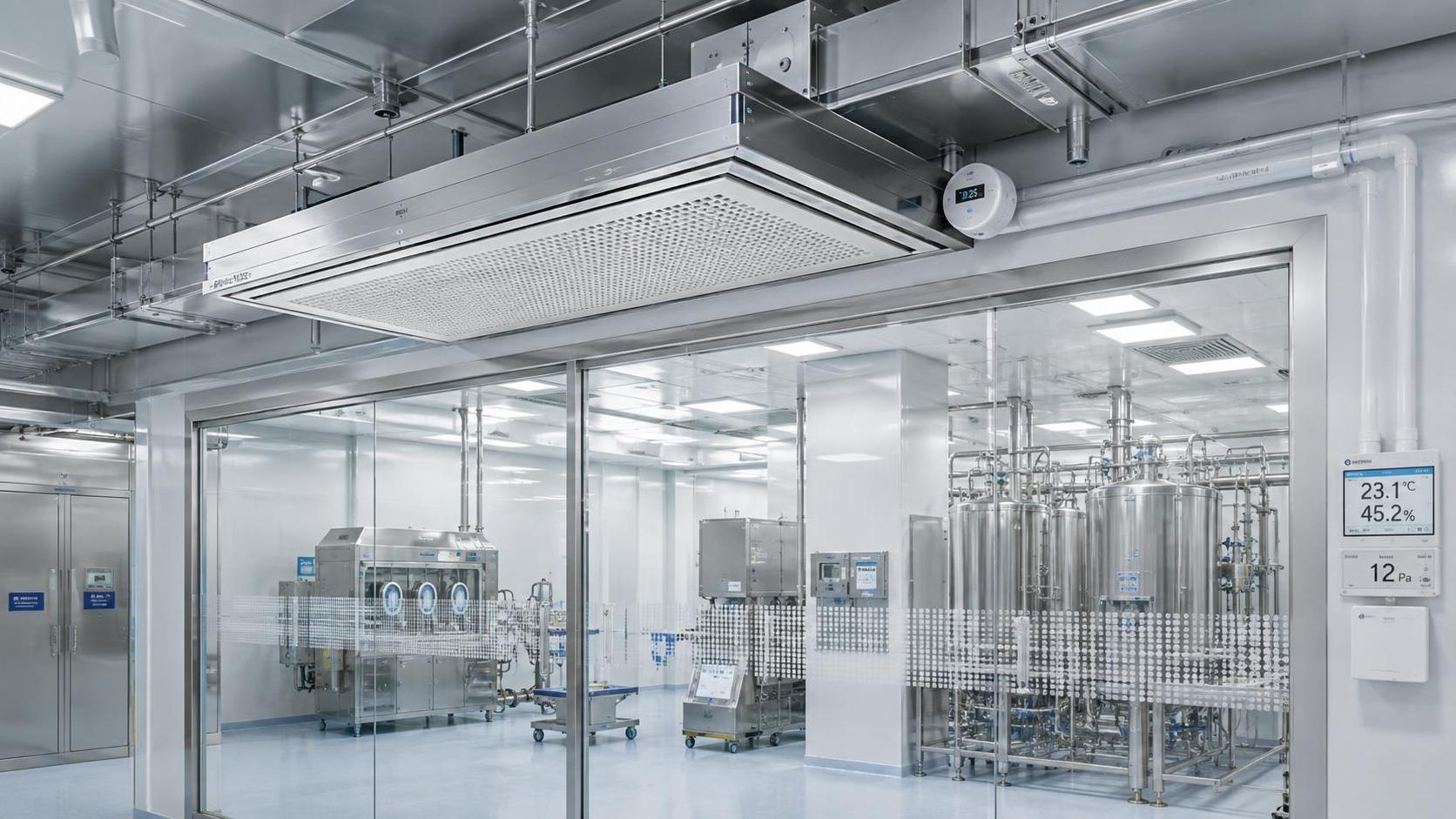
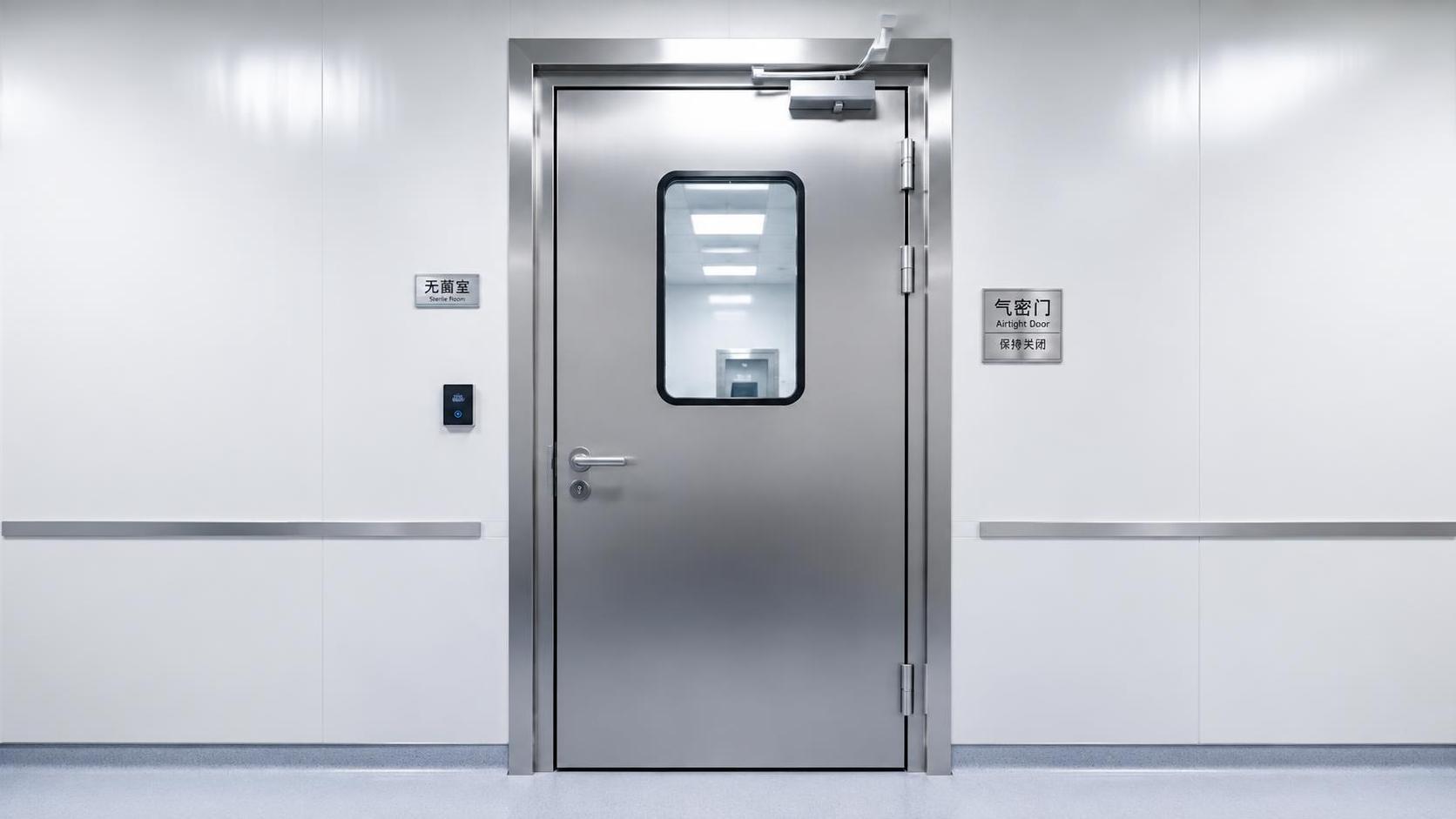
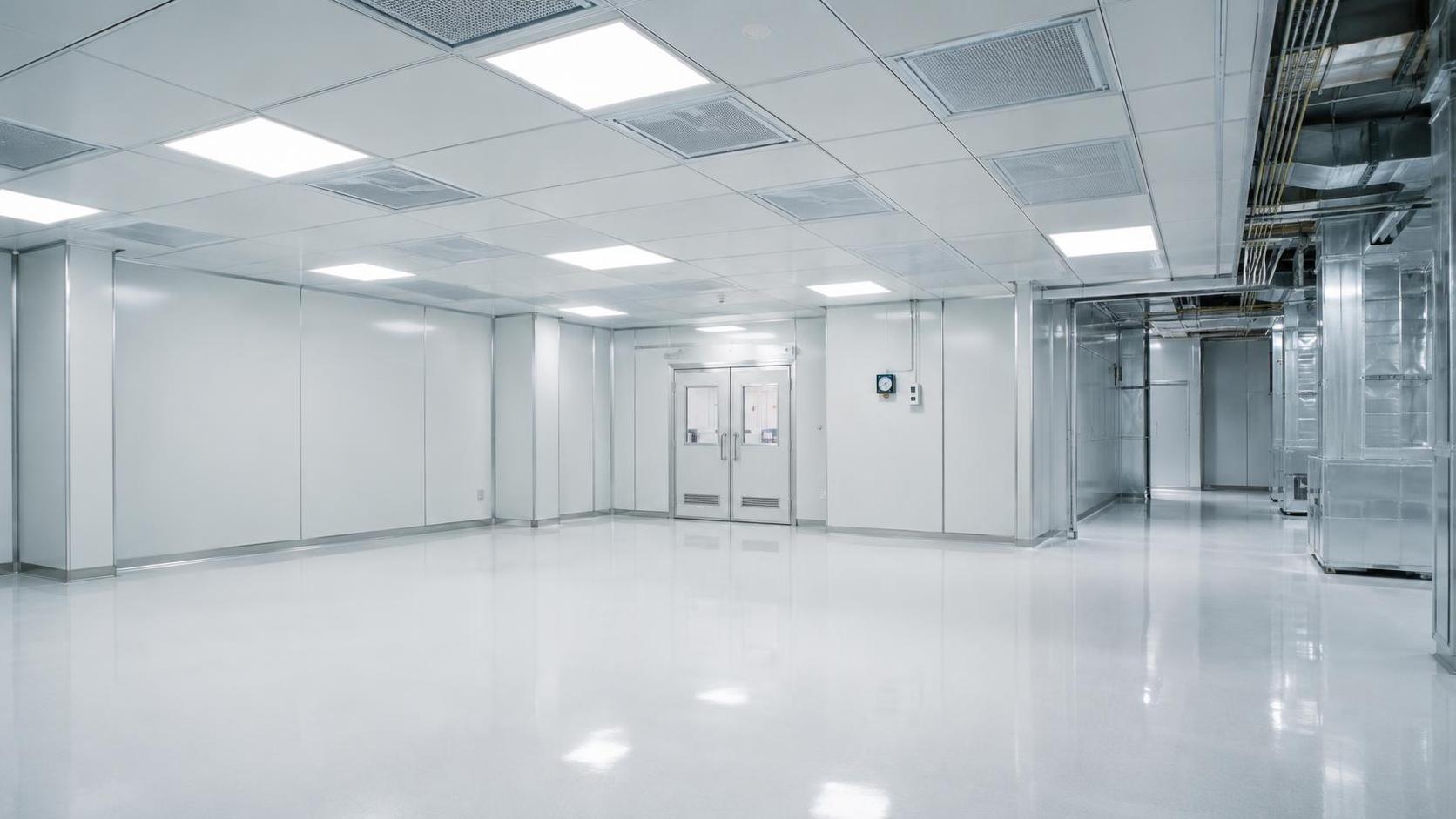
This is especially true in surgical suites, sterile processing areas, cleanrooms, and high-risk labs.
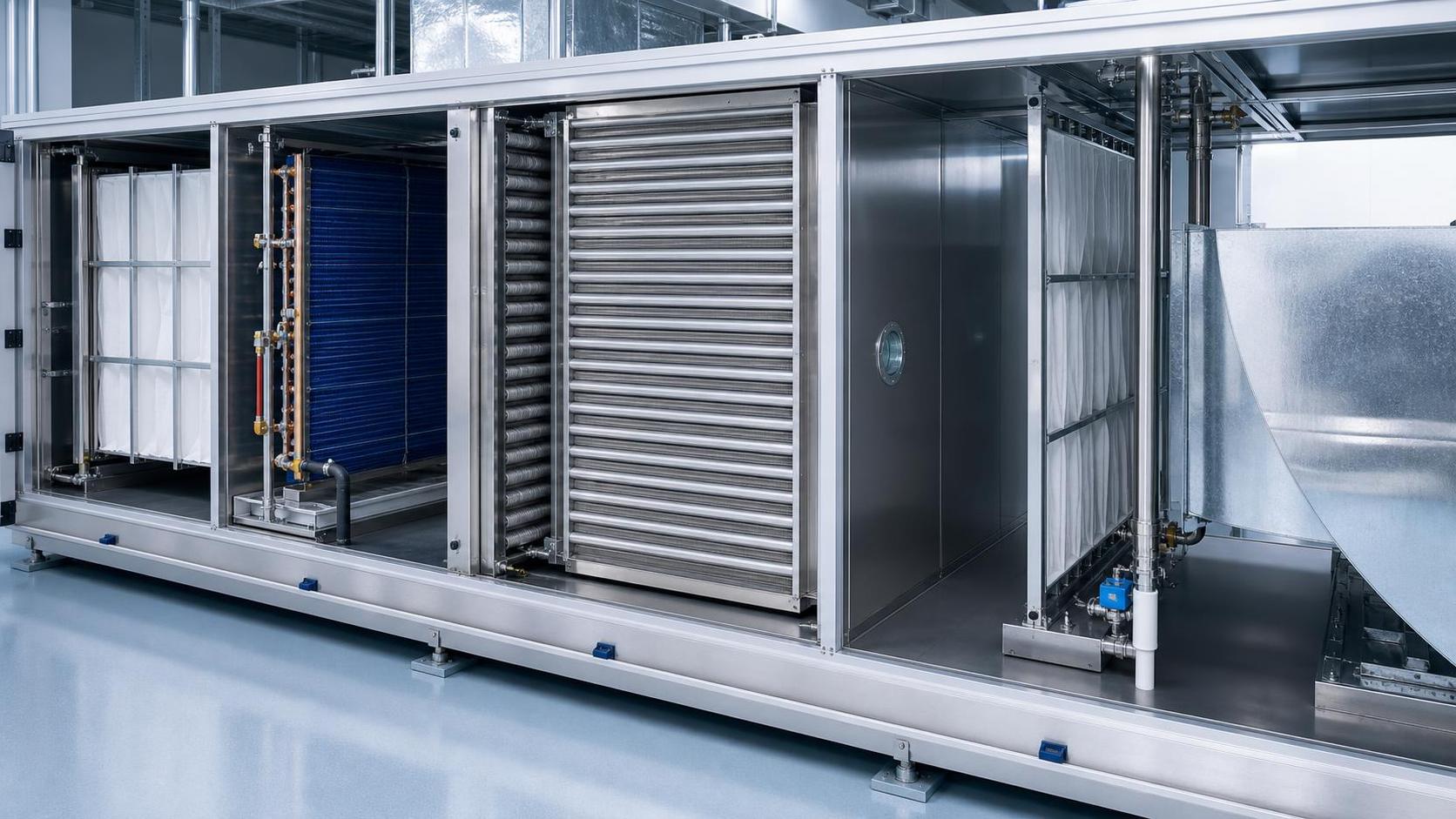
If airflow, thermal stability, contamination control, or environmental monitoring drift off target, workflows slow down fast.
Procedures may be paused, samples may be retested, and rooms may require additional validation.
That is where a broader Healthcare Technology strategy becomes more effective.
Organizations increasingly combine digital workflow platforms with precision environmental systems.
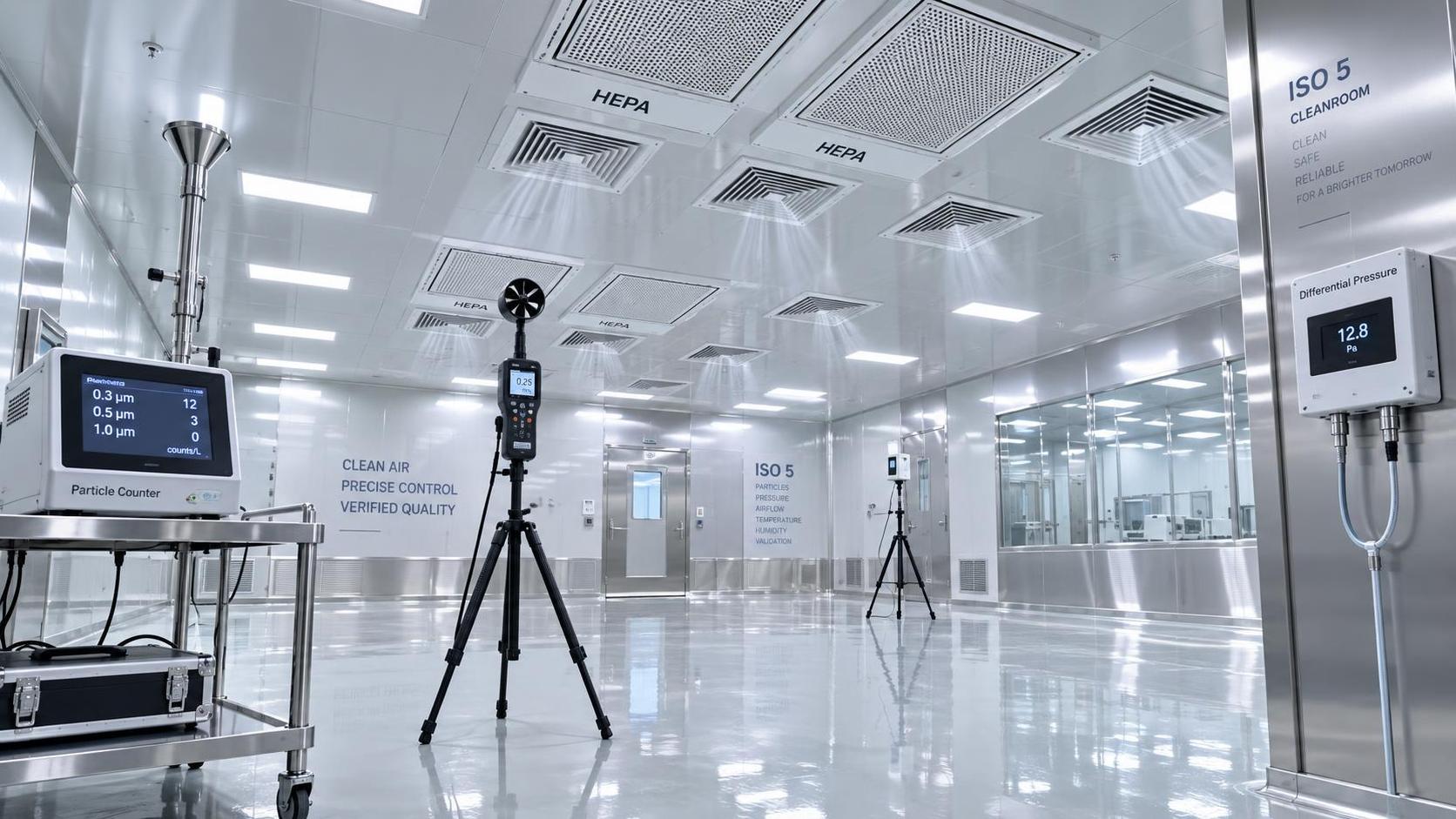
Advanced monitoring tied to ISO 14644, ASHRAE, and biosafety requirements can reduce invisible operational risk.
In settings where stability and sterility matter, that connection is not a side topic.
It is part of keeping clinical throughput predictable.
Groups working with specialized HVAC, contamination control, and digital twin monitoring are already seeing this shift.
G-ICE reflects that direction by linking high-performance environmental infrastructure with compliance-driven operational design.
Key Use Cases With Fast Operational Impact
Not every Healthcare Technology investment delivers results at the same speed.
The best starting points usually solve visible delays with clear ownership.
These use cases work because they target delay patterns that can be measured quickly.
That makes it easier to justify larger Healthcare Technology programs later.
What To Evaluate Before Implementation
A common mistake is buying tools before defining the workflow problem.
A stronger approach starts with process mapping, baseline metrics, and system readiness.
When reviewing Healthcare Technology options, focus on five questions:
- Which delays create the highest impact on revenue, safety, or patient throughput?
- Can the solution integrate with current EHR, lab, imaging, and facilities systems?
- Does the platform provide real-time visibility, not just historical reporting?
- How will staff adoption be supported across clinical and operational teams?
- Are compliance, environmental, and data governance requirements built into the workflow design?
That last point is becoming more important.
As facilities become more digital, clinical operations and infrastructure performance are more closely linked.
Healthcare Technology performs best when data from care delivery and controlled environments support one operating model.
A Practical Roadmap For Reducing Delays
For most organizations, the smartest path is phased deployment.
That lowers disruption while building proof of value.
- Start with one delay-heavy pathway, such as emergency intake or discharge.
- Set clear metrics, including turnaround time, handoff failures, and staff touchpoints.
- Connect workflow tools with live operational and environmental data where relevant.
- Train frontline users early and adjust the process based on actual usage patterns.
- Scale only after the pilot shows measurable efficiency and compliance gains.
This phased model keeps Healthcare Technology aligned with business outcomes.
It also reduces the risk of investing in features that look impressive but solve little.
The bigger signal is clear.
Healthcare Technology is no longer just about digitizing records.
It is about creating faster, safer, and more predictable clinical operations.
For organizations dealing with growing complexity, that is a competitive capability.
The most effective next step is to identify one workflow delay, measure its cost, and apply Healthcare Technology where speed and control matter most.
Get weekly intelligence in your inbox.
No noise. No sponsored content. Pure intelligence.
 Sep 15, 2026Smart HVAC investment insights for North American heat recovery projectsSmart HVAC investment insights North America: evaluate heat recovery, lifecycle costs, controls, and performance for resilient project decisions.
 Sep 14, 2026How SEMI standards shape water treatment design for semiconductor fabsSemiconductor water treatment SEMI guidance shapes resilient UPW design, contamination control, monitoring, reclaim strategy, and fab-ready validation.
 Sep 13, 2026What drives Biosafety Containment Systems cost in BSL-3 projects?Biosafety Containment Systems cost in BSL-3 projects depends on HVAC, layout, decontamination, controls, and commissioning. Discover how to build a credible budget.
 Sep 12, 2026How to qualify a fine chemical process solutions supplier for purity controlFine Chemical Process Solutions supplier qualification guide: evaluate purity control, traceability, contamination prevention, and safety for reliable high-purity production.
 Sep 11, 2026What drives cleanroom certification cost for ISO Class 1–9 projects?Cleanroom certification cost depends on ISO Class 1–9 requirements, test scope, HVAC readiness, documentation, and retesting. Explore practical budgeting insights to control project risk.
 Sep 10, 2026When should Procurement Directors prioritize heat recovery payback?Procurement Directors: learn when heat recovery delivers reliable payback, lower lifecycle costs, and safe performance in controlled industrial environments.
 Sep 09, 2026How to select an environmental monitoring system for cleanroomsEnvironmental monitoring system selection for cleanrooms: compare sensors, alarms, data integrity, integration, and installation to ensure reliable control.
 Sep 08, 2026How temperature stability affects semiconductor manufacturing yieldSemiconductor manufacturing temperature stability directly affects yield, overlay, metrology, and process control. Explore practical HVAC, monitoring, and zoning strategies.
 Sep 07, 2026How to prepare for a Regulatory Frameworks audit of cleanroom controlsRegulatory Frameworks audit readiness for cleanroom controls: build traceable evidence, verify alarms and monitoring, and close compliance gaps with confidence.
 Sep 07, 2026How to choose reverse osmosis systems with the right recovery rateReverse osmosis systems: learn how to select the right recovery rate for reliable water quality, lower scaling risk, efficient concentrate control, and stable long-term performance.
 Sep 05, 2026How does a negative pressure room work to contain airborne contaminants?How does a negative pressure room work? Discover how inward airflow, controlled exhaust, monitoring, and room design help contain airborne contaminants safely.
 Sep 04, 2026What TOC Limits Should Be Set and Monitored for a UPW Loop?What are our TOC limits for the UPW loop? Learn how to set defensible TOC thresholds, monitor trends, protect critical processes, and improve water-quality control.
 Sep 04, 2026What Are the Best Retrofit Options for Upgrading Existing Pharmaceutical Cleanrooms?What are the best retrofit options to upgrade existing pharma cleanrooms? Explore FFUs, HVAC modernization, pressure cascades, monitoring, and sealed finishes for compliant performance.
 Sep 04, 2026How Does a Negative Air Pressure Room Protect Adjacent Areas?What is a negative air pressure room? Learn how controlled airflow contains airborne hazards, protects adjacent spaces, and supports safer facility operations.
 Sep 04, 2026What Is ISO Class 1 Cleanroom Classification, and Where Is It Used?What is ISO Class 1? Explore its ultra-low particle limits, critical cleanroom design factors, verification methods, and uses in semiconductor, optics, and quantum manufacturing.
 Sep 04, 2026How Long After a UPW Deviation Does Yield Impact Typically Appear?What is the typical time lag from UPW deviation to yield impact? Learn how contamination, process sensitivity, exposure windows, and testing stages shape detection timing.
 Sep 04, 2026What Testing Data Should Engineers Review Before Approving a UPW Material?What testing data should be reviewed before approving a UPW material? Explore extractables, TOC, particle release, ionic leaching, corrosion, and reliability data for confident approval.
 Sep 04, 2026How Should Pharmaceutical Cleanrooms Choose Climate Control Systems?Which climate control systems are recommended for pharmaceutical cleanroom environments? Explore HVAC, humidity, pressure, HEPA filtration, and GMP-ready monitoring strategies.
 Sep 04, 2026Airtight Door Problems in Medical Spaces and How Buyers Prevent ThemA problem-solving guide for airtight door procurement, covering sealing performance, sensors, wall coordination, cleaning, maintenance, and acceptance risk.
 Sep 04, 2026What drives cleanroom design cost for ISO Class 7 projects?Cleanroom design cost for ISO Class 7 projects depends on HVAC, filtration, utilities, validation, and lifecycle strategy. Learn how to control budgets without compromising compliance or performance.
 Sep 03, 2026When do heat pipe heat exchangers suit pharmaceutical cleanrooms?Heat Pipe Heat Exchangers for pharmaceutical plants: discover when they support cleanroom energy recovery, airflow separation, humidity control, and GMP-ready HVAC design.
 Sep 02, 2026What determines biosafety cabinets price across different modelsBiosafety cabinets price varies by class, airflow design, filtration, size, certification, and installation. Compare models confidently to choose safe, cost-effective containment.
 Sep 01, 2026When does thermal energy storage cut peak-demand costs in plants?Thermal energy storage for industrial plants can cut peak-demand costs when tariffs, load profiles, and controls align. Explore practical savings, resilience, and integration factors.
 Aug 31, 2026How a digital environmental monitoring system supports audit-ready cleanroomsDigital environmental monitoring system strategies for audit-ready cleanrooms: improve traceability, alarm response, data integrity, and compliance confidence.
 Aug 30, 2026When does next-gen thermal management closed loop reduce chiller energy use?Next-gen thermal management closed loop systems can cut chiller energy by reducing lift, optimizing flows, enabling heat recovery, and improving controls. Discover when savings are real.
 Aug 29, 2026How chilled water piping layout affects pump energy useChilled water piping layout directly affects pump energy, control stability, and lifecycle costs. Explore practical design insights for efficient, reliable systems.
 Aug 28, 2026When thermal energy storage systems cut peak cooling costs in pharma plantsThermal Energy Storage Systems for pharmaceutical plants cut peak cooling costs, support compliance, and strengthen resilience. Explore the business case.