Cleanroom Architecture for Quantum Computing: ESD Risks
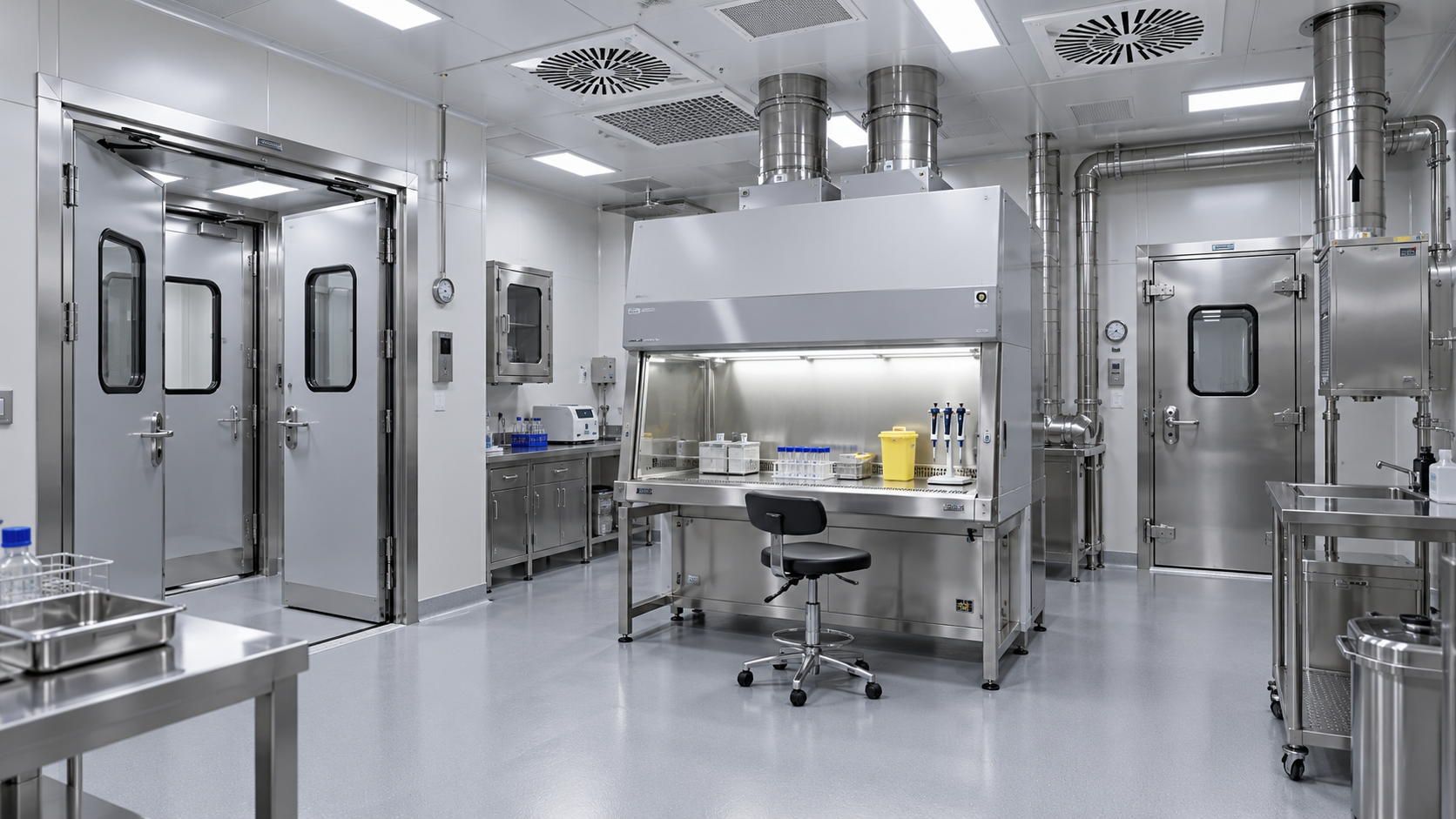
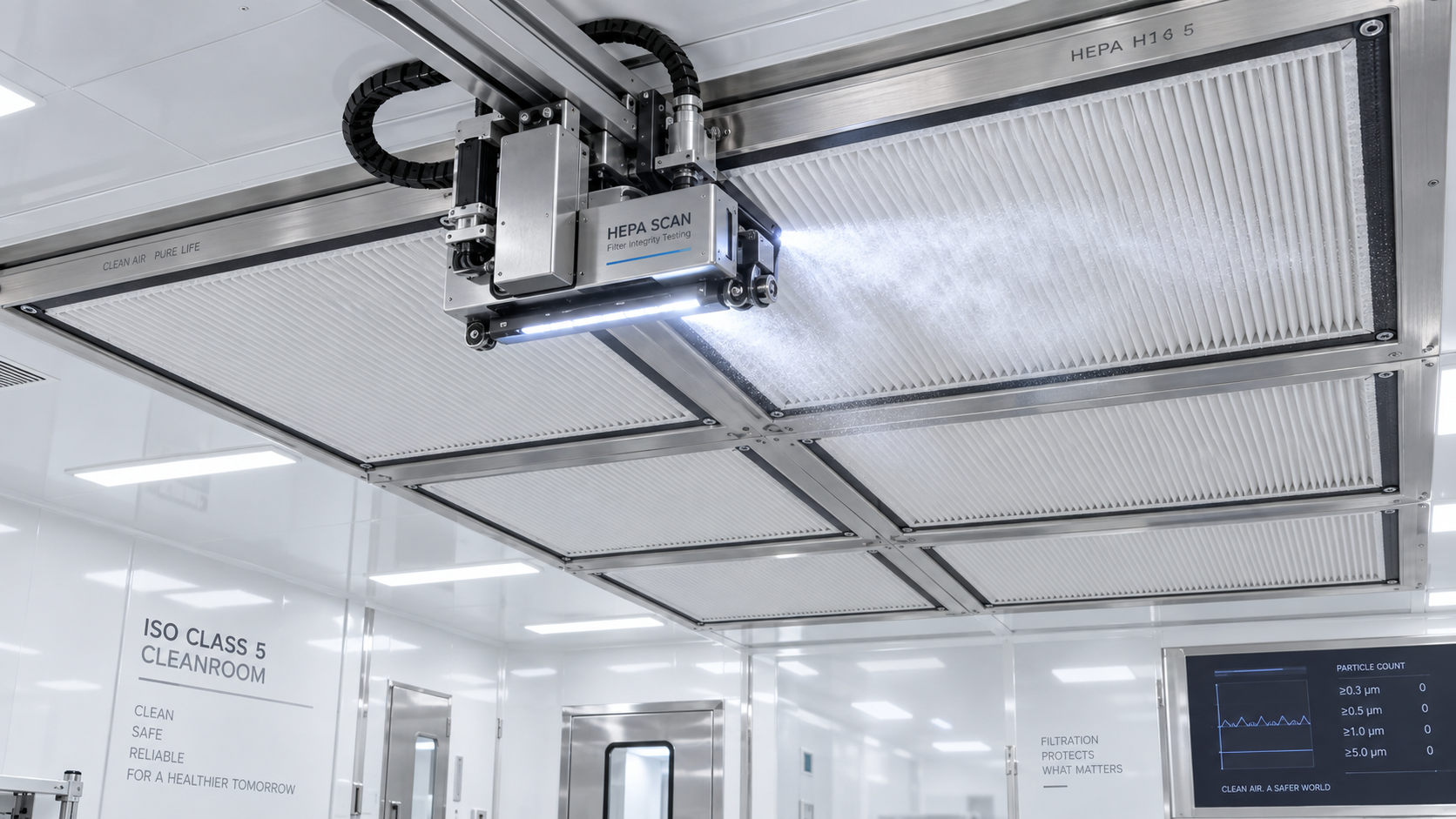
Cleanroom Architecture for quantum computing must address a risk profile that extends beyond particle control and thermal stability: electrostatic discharge, or ESD.
Even minor charge events can compromise qubit integrity, cryogenic electronics, wafer-level devices, and precision instrumentation.
This article explains how zoning, grounding, materials, humidity, and monitoring reduce ESD while supporting ISO-class contamination control.
What makes ESD different in Cleanroom Architecture for quantum computing?
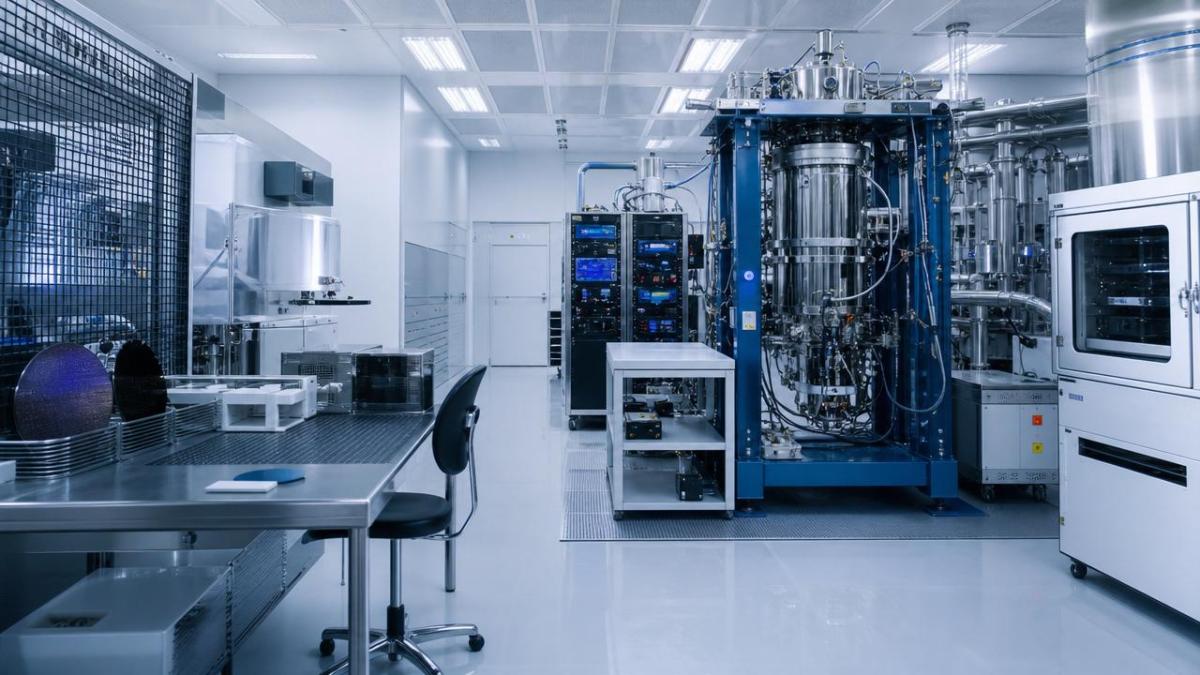
ESD is not only a safety concern. In quantum environments, it becomes a reliability, yield, and measurement integrity issue.
Cleanroom Architecture for quantum computing must protect devices that operate near physical performance limits.
Superconducting qubits, ion traps, photonic chips, and cryogenic amplifiers can react to electrical disturbances below conventional failure thresholds.
Traditional cleanroom planning prioritizes particle counts, pressure cascades, and airflow patterns. Quantum facilities require those controls plus charge discipline.
Static charge may build on garments, insulators, carts, packaging, polymers, tools, or work surfaces.
A discharge may be invisible. Yet it can alter junction behavior, damage nanoscale structures, or introduce intermittent faults.
The challenge is compounded by low-contamination material restrictions. Some ESD-safe materials may outgas, shed particles, or degrade chemical compatibility.
Therefore, Cleanroom Architecture for quantum computing needs integrated decisions, not isolated ESD accessories added after construction.
- Define ESD-sensitive zones before finalizing layouts.
- Treat grounding as a facility system, not a workstation detail.
- Validate materials for charge decay, particles, and outgassing.
- Link humidity strategy with thermal stability requirements.
Where do ESD risks appear across quantum cleanroom zones?
ESD risks vary by process area. Cleanroom Architecture for quantum computing should classify zones by device sensitivity and activity.
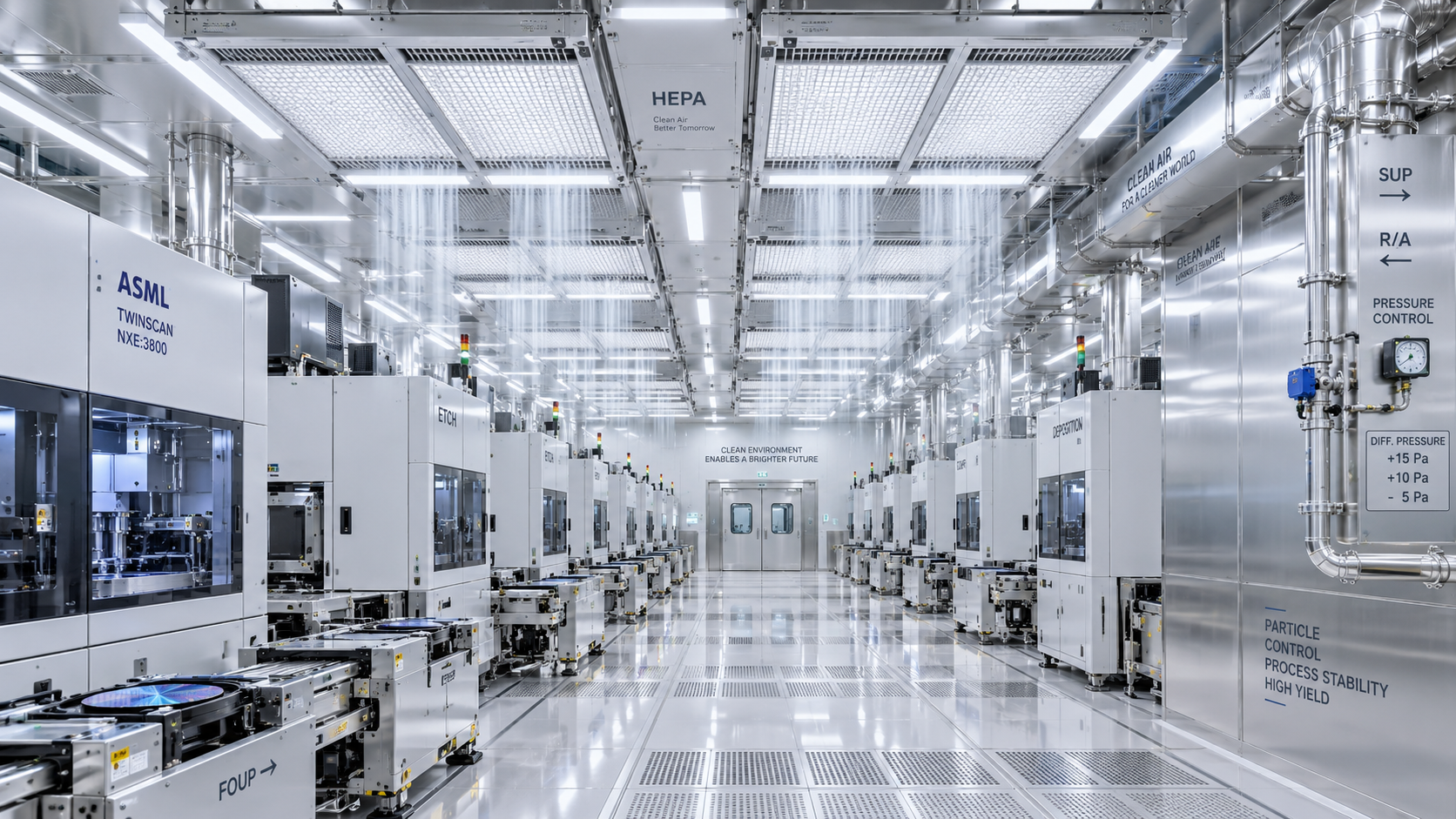
Fabrication areas involve lithography, deposition, etching, inspection, and wafer handling. These steps expose fragile structures to repeated contact events.
Assembly and packaging areas present another risk. Bonding, chip mounting, connector handling, and enclosure integration can create charge transfer paths.
Cryogenic test spaces are also critical. They often combine sensitive electronics, low-noise measurement chains, and specialized cabling.
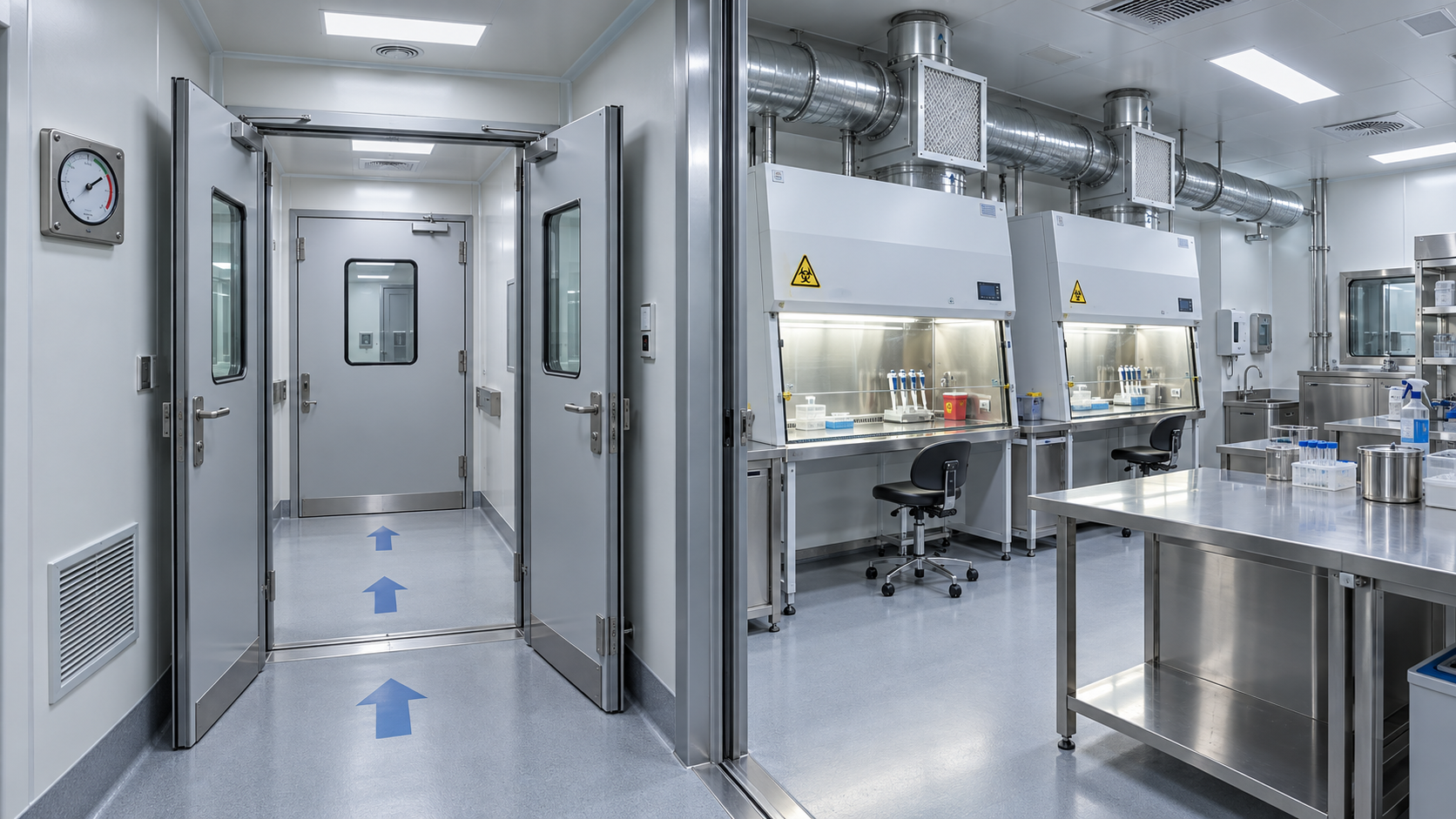
Transfer corridors should not be ignored. Carts, carriers, doors, and gowning transitions can generate charge before devices enter controlled benches.
A strong zoning strategy separates high-charge activities from high-sensitivity work. It also defines control levels for people, tools, and materials.
How should zoning be structured?
Start with a device journey map. Follow wafers, chips, packages, and test components from entry to final measurement.
Each transfer point should have defined ESD controls. This includes grounding, ionization, packaging rules, and verification steps.
Cleanroom Architecture for quantum computing should avoid abrupt transitions between uncontrolled and highly sensitive environments.
Use intermediate buffer areas when possible. They reduce particle migration and provide controlled charge equalization before critical handling.
How should grounding be designed for quantum cleanrooms?
Grounding is the foundation of ESD control. It must be engineered as a coordinated network.
Cleanroom Architecture for quantum computing should align floors, benches, tools, racks, cable trays, and carts with a documented grounding plan.
The goal is controlled dissipation. Rapid discharge can be harmful, while isolated surfaces allow charge accumulation.
Ground references should be stable, testable, and separated from noise-sensitive measurement requirements where appropriate.
Quantum test systems may require special attention. Low-noise instrumentation can be affected by poorly planned grounding topology.
Bonding resistance, continuity, and leakage behavior should be verified before operation and during maintenance intervals.
What grounding mistakes are common?
- Relying only on wrist straps without facility-level grounding.
- Using mobile carts that lose ground during movement.
- Mixing cleanroom flooring with incompatible footwear systems.
- Ignoring grounding for temporary tools and diagnostic equipment.
- Creating noise paths that affect quantum measurement accuracy.
Cleanroom Architecture for quantum computing should include acceptance testing for these conditions before sensitive devices enter the facility.
Which materials support ESD control without compromising cleanliness?
Material selection is difficult because ESD performance and contamination performance do not always align.
A surface may dissipate charge effectively but release particles, fibers, ions, or volatile compounds.
Cleanroom Architecture for quantum computing should evaluate materials through a combined lens of ISO cleanliness, ESD behavior, and process compatibility.
Flooring requires special attention. It must support people, carts, tool bases, and cleaning chemistry.
Wall panels, ceiling grids, doors, and pass-throughs should also avoid insulating surfaces in sensitive zones.
Work surfaces need controlled resistance, low particle generation, and compatibility with solvents or process residues.
Gowning systems must manage both human particle shedding and charge generation from movement.
How can material choices be judged?
Cleanroom Architecture for quantum computing benefits from approved material libraries. These libraries reduce inconsistent decisions during expansion or tool change.
How do humidity and thermal stability affect ESD decisions?
Humidity reduces static buildup, but quantum facilities cannot use humidity casually.
Some processes require low moisture exposure. Others demand extremely stable temperature and dew point conditions.
Cleanroom Architecture for quantum computing must balance ESD reduction with corrosion risk, process chemistry, and dimensional stability.
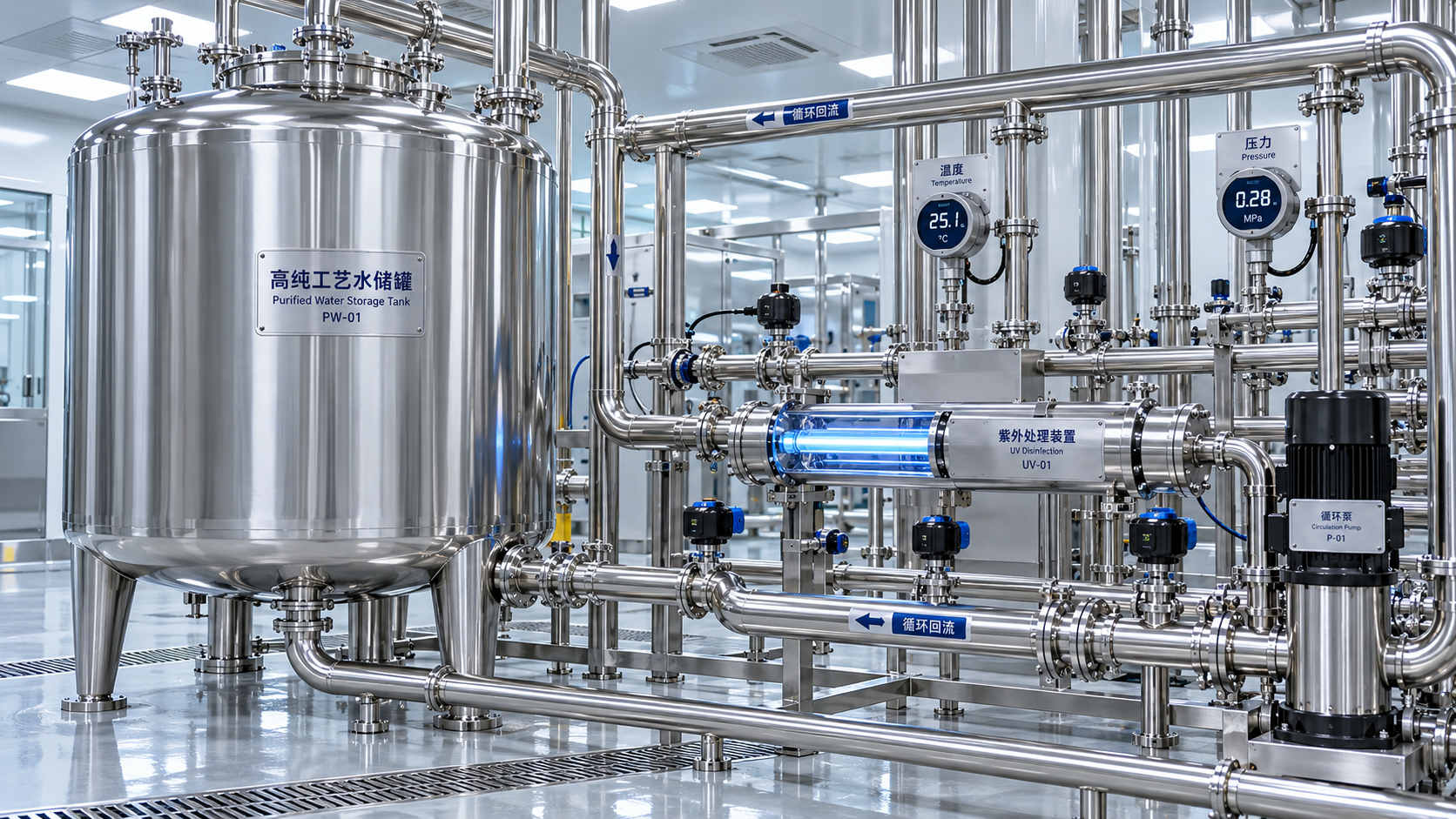
Precision HVAC design becomes central. Airflow, filtration, temperature, humidity, and pressure must operate as one coordinated system.
A stable environment can prevent charge spikes caused by dry conditions. It also supports repeatable metrology and device testing.
However, high humidity may introduce contamination, condensation, or material degradation if poorly controlled.
What is a practical humidity approach?
Define ranges by process zone, not by a single building-wide target.
Fabrication, assembly, and cryogenic preparation may require different humidity limits.
Use sensors with calibration discipline. ESD control depends on real data, not assumed room conditions.
Cleanroom Architecture for quantum computing should include alarms for humidity drift before static risk becomes unacceptable.
What monitoring systems make ESD control measurable?
ESD controls lose value if they are not measured. Continuous monitoring turns design intent into operational evidence.
Cleanroom Architecture for quantum computing should connect ESD data with environmental monitoring and cleanroom performance dashboards.
Important signals include surface resistance, ground continuity, ionizer balance, humidity, temperature, particle counts, and access events.
Monitoring should identify trends, not only failures. Slow drift can reveal flooring wear, grounding faults, or process changes.
Digital twin models can help compare intended airflow, humidity, and tool placement with actual operating conditions.
This matters because quantum programs often evolve quickly. New tools, cables, and test benches can change risk profiles.
Which alerts deserve priority?
- Ground continuity loss at critical benches.
- Humidity below the approved ESD control band.
- Ionizer imbalance near open device handling.
- Unapproved materials entering sensitive zones.
- Repeated charge events during transfer operations.
Cleanroom Architecture for quantum computing should include response procedures for each alert, including quarantine and requalification steps.
How should implementation be planned for cost, schedule, and validation?
ESD control is cheaper when planned early. Retrofitting grounding, flooring, and monitoring can disrupt cleanroom certification.
Cleanroom Architecture for quantum computing should treat ESD requirements as part of the basis of design.
Early planning also improves coordination between HVAC, electrical, architectural, and process equipment systems.
Validation should include design review, installation verification, operational testing, and periodic requalification.
The acceptance plan should reference applicable ISO 14644 practices, ESD standards, internal device limits, and measurement protocols.
Documentation is essential. It supports troubleshooting, audit readiness, and consistent operation during facility changes.
FAQ summary for decision planning
A phased roadmap works well. Start with risk mapping, then select materials, engineer grounding, commission HVAC, and validate monitoring.
Cleanroom Architecture for quantum computing should be reviewed whenever new processes, tools, or device platforms are introduced.
Conclusion: building ESD resilience into quantum cleanrooms
Cleanroom Architecture for quantum computing requires a broader mindset than conventional contamination control.
ESD protection must be embedded into zoning, grounding, materials, humidity control, monitoring, and validation.
The most resilient facilities treat static electricity as a measurable environmental variable.
They also connect ESD data with ISO cleanliness, thermal stability, airflow performance, and process reliability.
For a practical next step, create a zone-by-zone ESD risk register before final design approval.
Then verify every surface, pathway, material, and monitoring point against device sensitivity and cleanroom operating requirements.
This approach turns Cleanroom Architecture for quantum computing into a controlled platform for reliable fabrication, assembly, and measurement.
Get weekly intelligence in your inbox.
No noise. No sponsored content. Pure intelligence.
 Oct 21, 2026How often is cleanroom certification required under ISO 14644-2?Cleanroom Certification is generally recommended annually under ISO 14644-2. Learn when risk-based extensions apply and which changes trigger earlier testing to plan with confidence.
 Oct 21, 2026FASEB Comments on NIH Draft Policy for Research Involving BiohazardsFASEB comments on NIH’s draft biohazard research policy call for risk-based biosafety oversight. Explore potential implications for laboratories, suppliers, and compliance teams.
 Oct 20, 2026How to disinfect ultrasound machines without damaging surfacesLearn how to disinfect ultrasoundmachines without surface damage. Explore compatible products, wet contact times, and probe care to protect patients and equipment.
 Oct 20, 2026Ultrapure Water in Semiconductor Manufacturing: Reuse and Quality Control InsightsExplore ultrapure water reuse in semiconductor manufacturing, key UPW quality benchmarks and analytical insights to help evaluate suppliers and protect process purity.
 Oct 19, 2026How cooling affects warpage in injection-molded consumer electronics housingsOptimize plastic injection molding for consumer electronics with cooling strategies to reduce housing warpage and improve assembly fit. Discover practical checks for stable, efficient production.
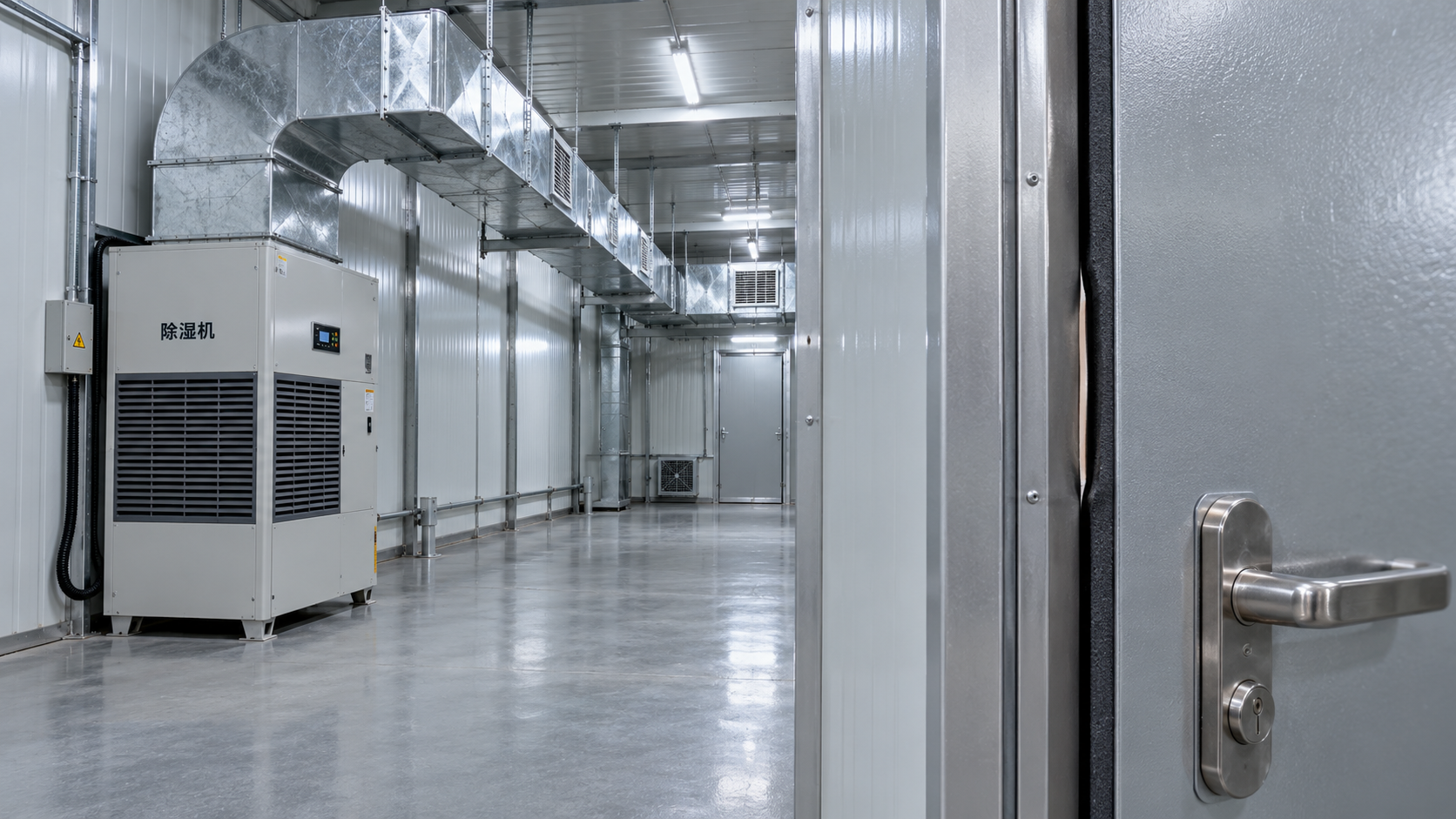
 Oct 18, 2026Can air leaks prevent a dehumidifier from holding its target dew point?Why can't our dehumidifier maintain the target dew point? Discover how air leaks increase moisture loads, spot hidden faults, and find practical fixes to restore reliable dew-point control.
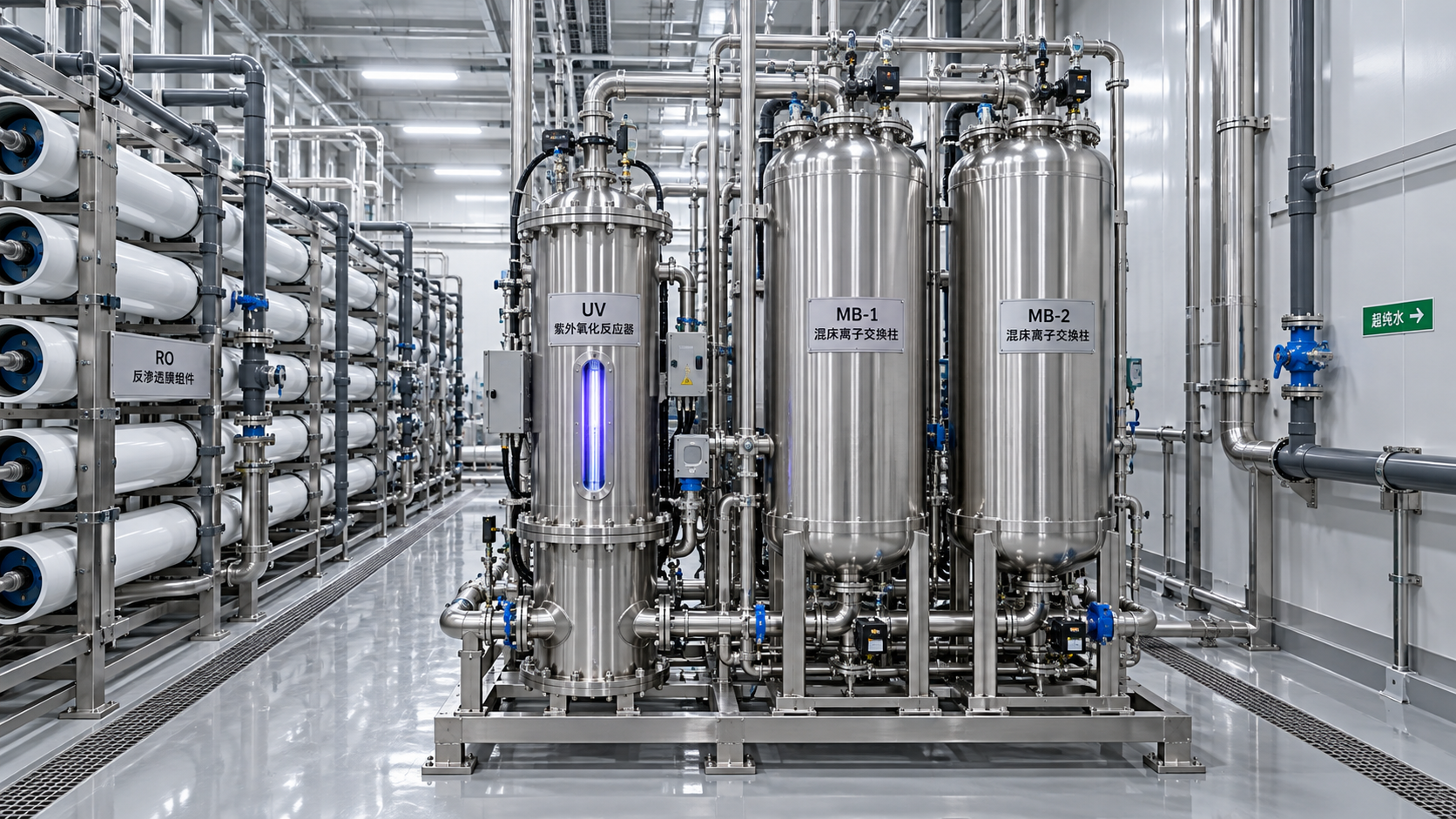
 Oct 17, 2026How semiconductor process water treatment removes trace organicsSee how semiconductor process water treatment removes trace organics with RO, UV oxidation, and polishing. Learn how TOC monitoring helps verify purity and pinpoint contamination.
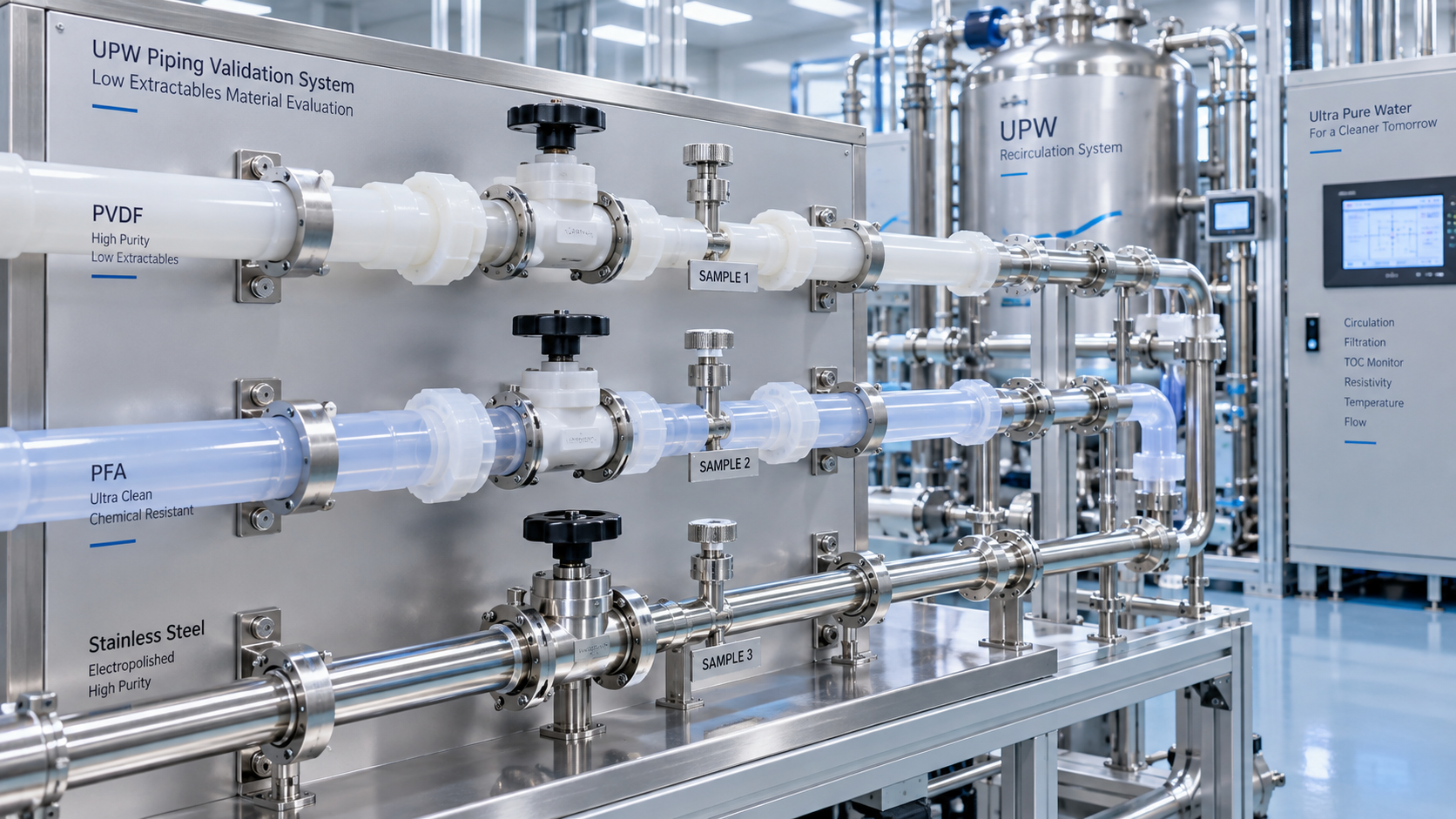
 Oct 16, 2026How to choose ultra pure water piping materials to limit leachingChoose ultra pure water piping with confidence. Compare PVDF, PFA, and stainless steel, assess leaching risks, and learn how to qualify your system for reliable purity.
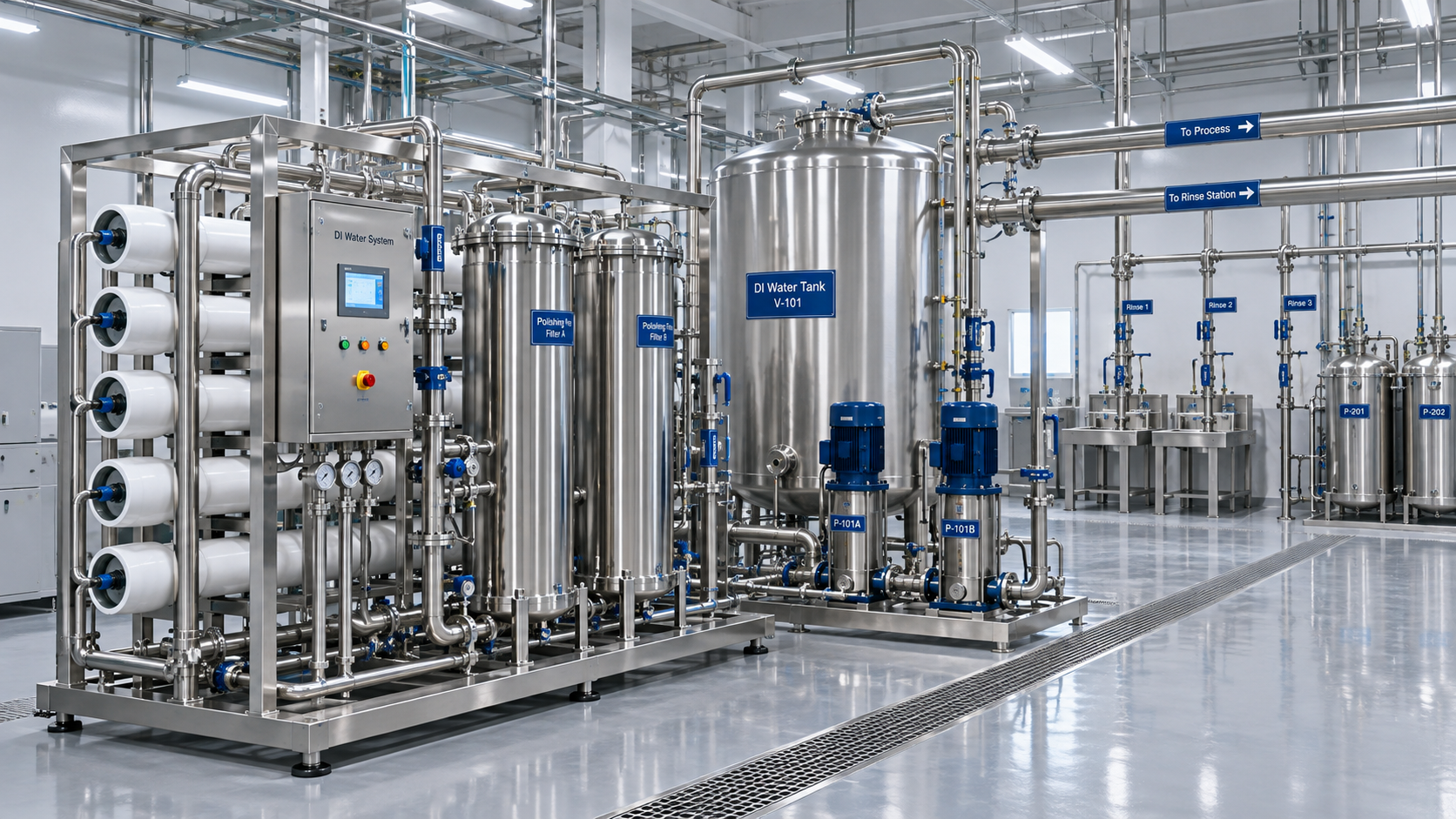
 Oct 15, 2026How to size a skid-mounted deionized water system for peak demandCompare deionized water systems skid configurations for peak demand. Learn how to balance production, storage, and pump capacity to prevent shortages and avoid costly oversizing.
 Oct 14, 2026When is collaborative laboratory robotics suitable for sample sorting?Explore when collaborative laboratory robotics suits sample sorting. Discover key checks for safety, traceability, container compatibility, and throughput before choosing your solution.
 Oct 13, 2026How sandwich panel joints affect airtightness in cleanroom systemsCleanroom Systems sandwich panels need reliable joints for airtightness. Discover how gaskets, sealants, and testing help reduce leakage and protect cleanroom pressure control.
 Oct 12, 2026How to verify USP compliance for ultra pure water systemsUltra Pure Water Systems USP compliance: learn how to verify water quality, sampling, sanitization, trends, and validation controls at every point of use.
 Oct 11, 2026How tight temperature control prevents cleanroom process driftCleanroom process temperature control systems prevent costly drift by stabilizing critical conditions, improving repeatability, and protecting sensitive production workflows.
 Oct 10, 2026When does organic contaminant removal require TOC treatment?Organic contaminant removal requires TOC treatment when dissolved organics threaten product quality, equipment reliability, or process control. Learn how to assess risks and choose the right solution.
 Oct 08, 2026What affects lead times for sheet metal bending services in Canada?Sheet metal bending services Canada: discover how material supply, tooling, tolerances, finishing, documentation, and freight affect lead times for reliable project delivery.
 Oct 07, 2026How HVAC design for semiconductor fabs prevents airborne contaminationHVAC design for semiconductor fabs prevents airborne contamination through advanced filtration, pressure cascades, airflow control, and real-time monitoring. Explore key strategies for cleaner, more reliable wafer production.
 Oct 06, 2026How photovoltaic modules waterproof technology prevents moisture damagephotovoltaic modules waterproof technology prevents moisture damage with durable seals, drainage, and junction-box protection. Explore practical selection and testing insights.
 Oct 05, 2026How ISO 14644 Europe requirements affect cleanroom qualificationISO 14644 Europe requirements shape cleanroom qualification, from particle classification and recovery testing to monitoring, GMP alignment, and change control.
 Oct 04, 2026How to assess a pharmaceutical cleanroom solutions supplier’s ISO capabilityPharmaceutical Cleanroom Solutions supplier assessment guide: evaluate ISO 14644 capability, validation evidence, airflow design, documentation, and long-term GMP readiness.
 Oct 03, 2026What EU standards govern the design of BSL-3 laboratories in Europe?BSL-3 laboratories Europe: explore EU directives, EN standards, HVAC containment, commissioning, and practical design strategies for compliant, resilient high-containment facilities.
 Oct 02, 2026How EN 1822 defines HEPA filtration efficiency for cleanroomsHEPA filtration EN 1822 explained: learn how MPPS testing, local leakage limits, and filter classes support reliable cleanroom decisions.
 Oct 01, 2026How pharmaceutical process water systems control microbial riskProcess water systems pharmaceutical teams rely on can control microbial risk through hygienic design, monitoring, and validated sanitization. Explore practical compliance strategies.
 Sep 30, 2026When does a negative pressure laboratory need BSL-3 containment?Negative pressure laboratory or BSL-3? Discover the risk factors, engineering controls, and containment requirements needed for safe, compliant laboratory planning.
 Sep 29, 2026How to evaluate a TOC-zero water treatment supplier for UPW systemsChoose a TOC-zero water treatment supplier with confidence. Compare UPW performance, monitoring, validation, materials, service capability, and lifecycle cost.
 Sep 28, 2026What drives sustainable cooling cost in high-precision facilities?Sustainable cooling cost in high-precision facilities depends on thermal stability, energy, water, controls, and resilience. Explore smarter lifecycle strategies.
 Sep 27, 2026How to compare freight forwarding services for time-critical shipmentsCompare freight forwarding services for time-critical shipments with practical insights on routing, customs, visibility, specialized handling, and contingency planning.
 Sep 26, 2026How environmental integrity in laboratories supports reliable test resultsEnvironmental Integrity in laboratories safeguards samples, instruments, and staff. Discover practical controls for contamination, monitoring, and reliable test results.