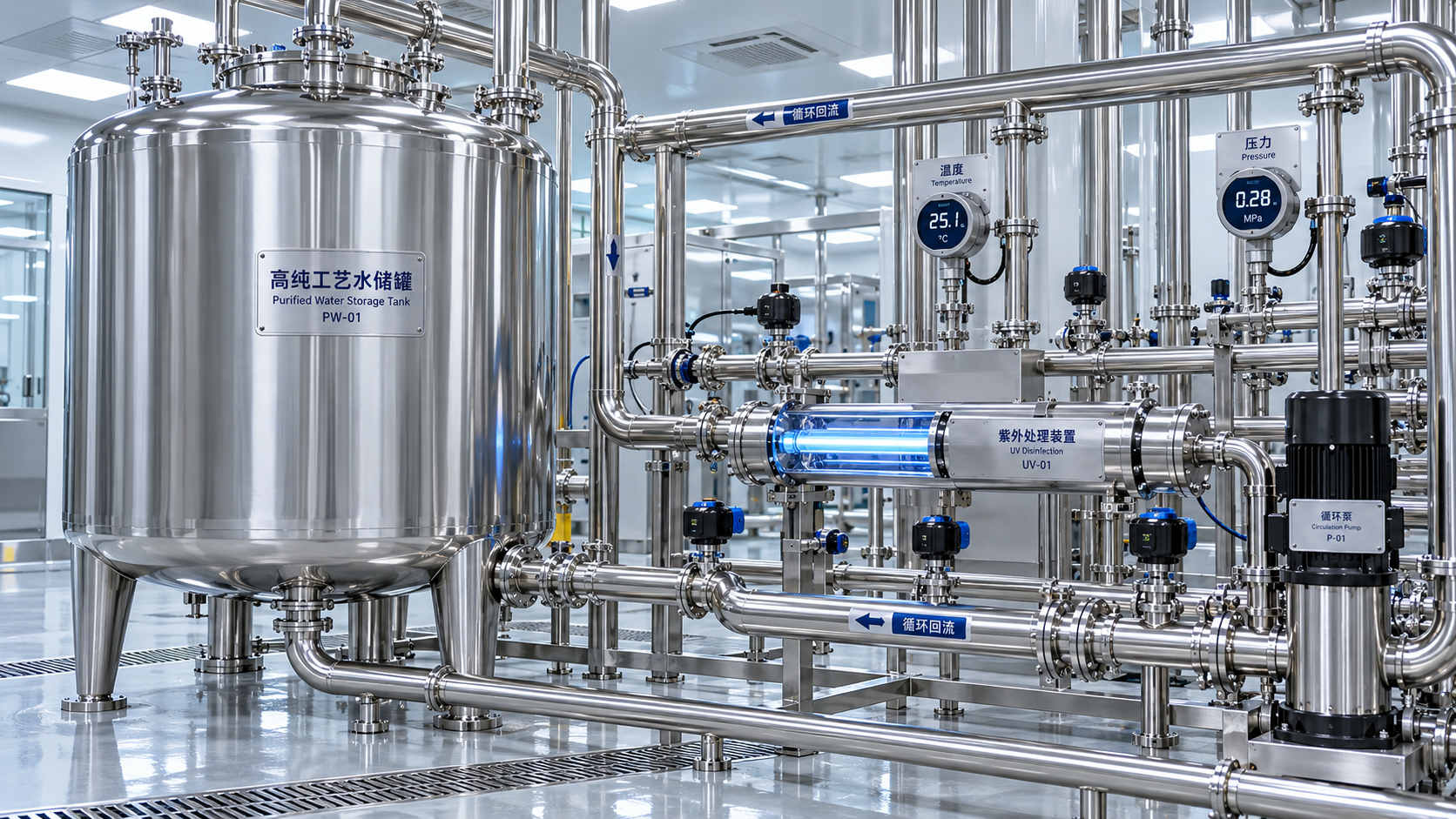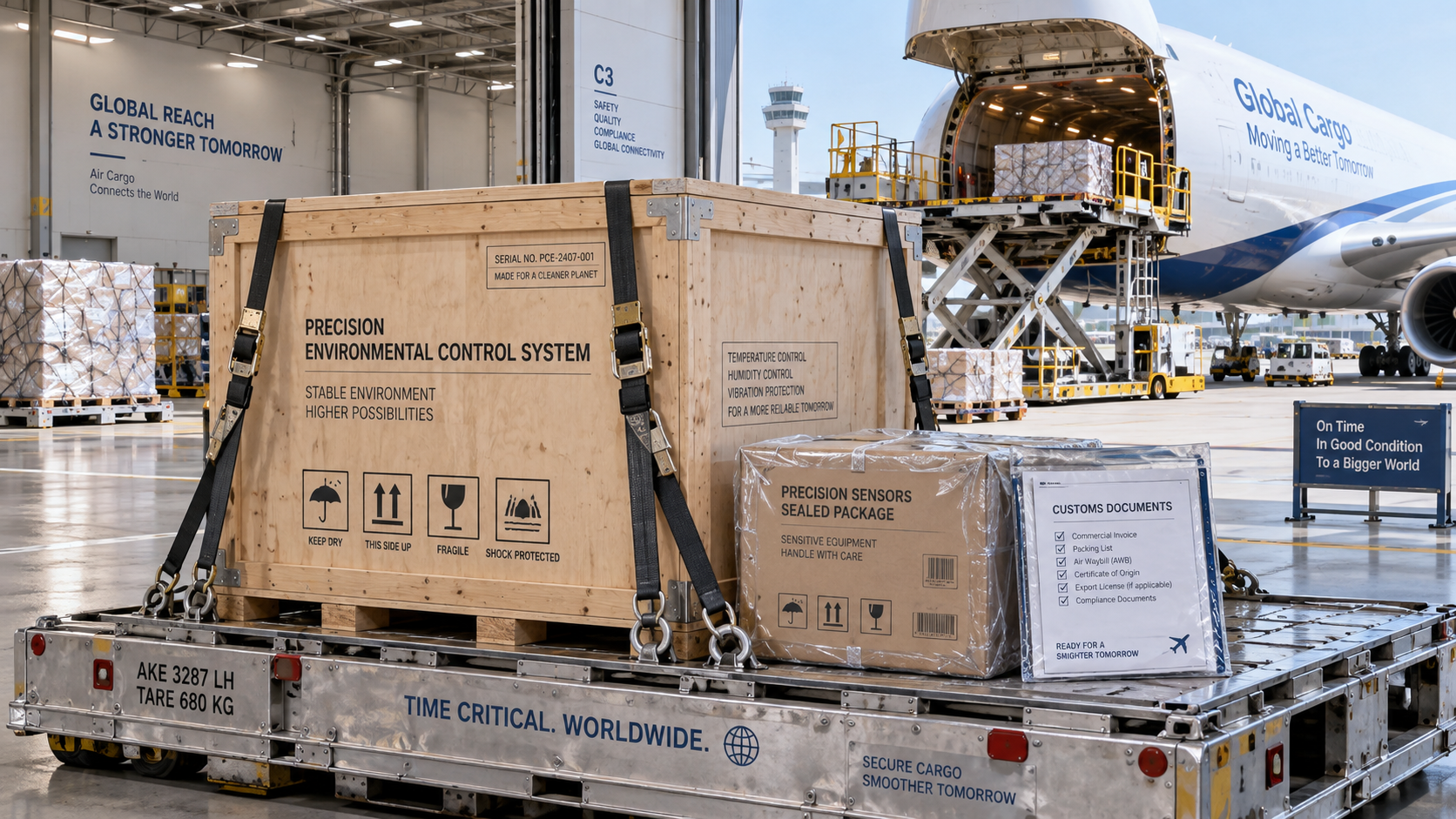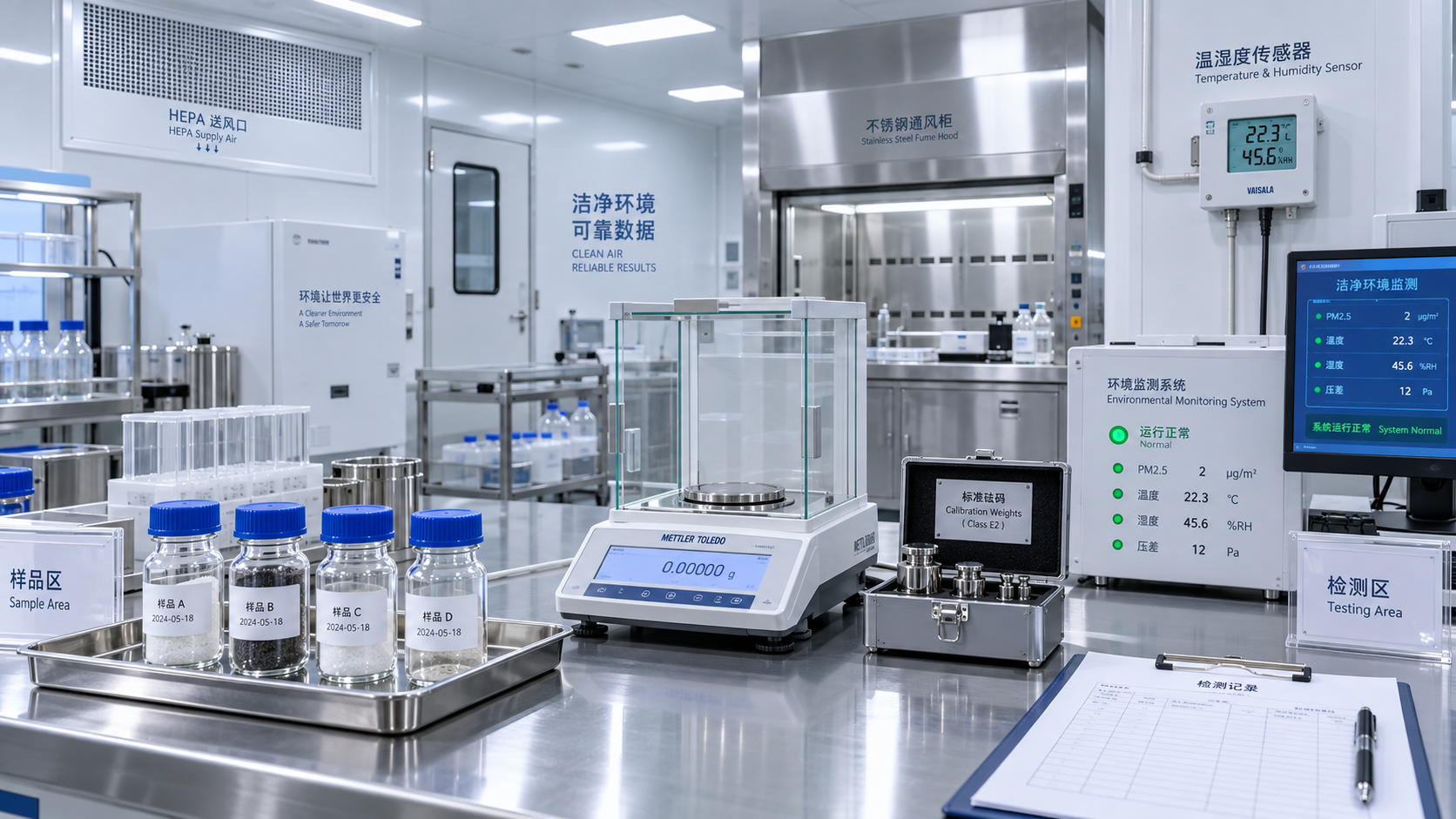
On June 2, 2026, the General Administration of Customs of China and the Ministry of Ecology and Environment jointly issued a notice optimizing export regulatory services for ultrapure water systems. The measure allows qualifying 18.2 MΩ·cm UPW production line modules to use a “zero environmental assessment pre-clearance, declare-and-release” customs model for exports to RCEP member markets. The development is particularly relevant to UPW equipment exporters, semiconductor-related manufacturing suppliers, certification service providers, port logistics operators, and procurement teams serving RCEP markets because it directly affects export procedures for a clearly defined category of high-purity water system modules.
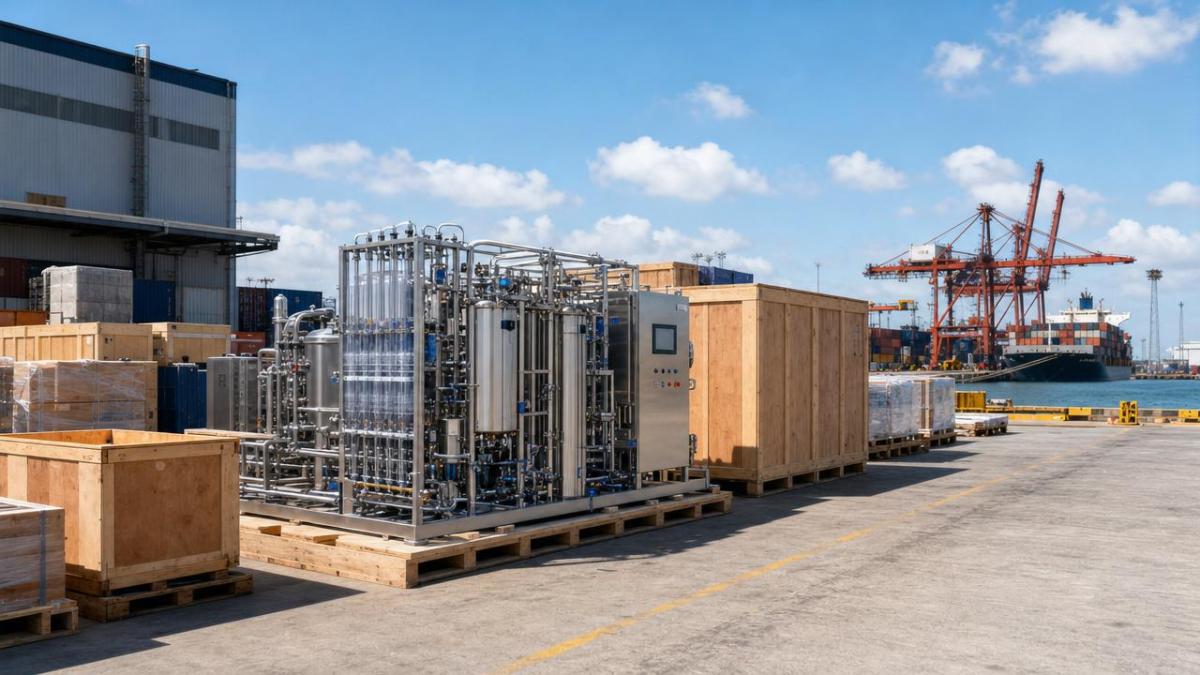
Event Overview
According to the publicly provided information, the General Administration of Customs of China and the Ministry of Ecology and Environment issued the Notice on Optimizing Export Regulatory Services for Ultrapure Water Systems on June 2, 2026, identified as GAC Supervision Notice No. 38 of 2026.
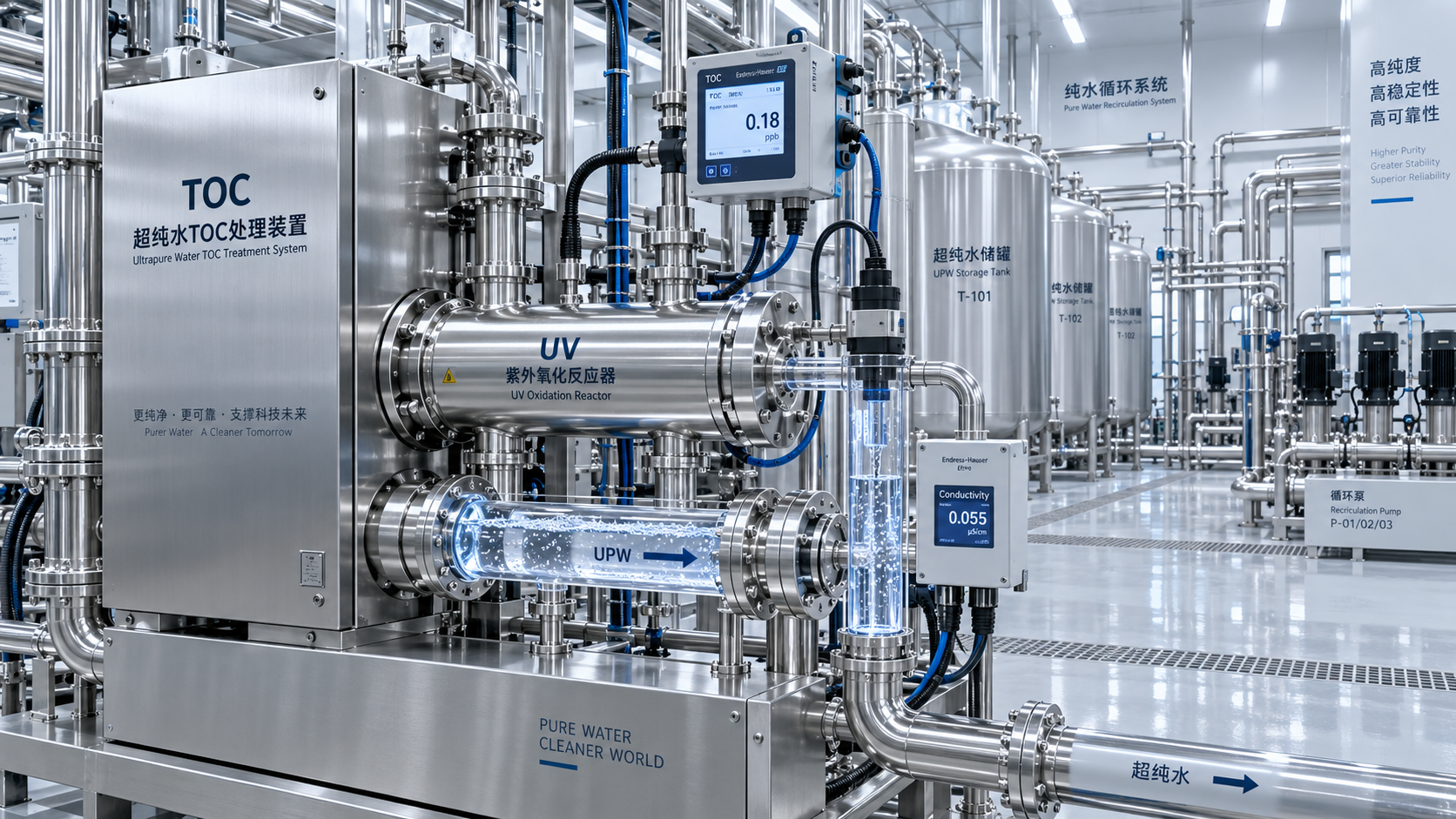
The notice applies to 18.2 MΩ·cm UPW production line modules that meet the SEMI F63-0325 standard and have complete dual certification for TOC removal and particle retention. For these qualifying modules, exports to RCEP member countries may follow a “zero environmental assessment pre-clearance, declare-and-release” customs clearance model.
The first group of covered RCEP hub ports includes Qingdao, Shanghai Yangshan, and Shenzhen Shekou. No additional ports, implementation details, product extensions, or supporting operational rules have been confirmed in the provided information.
Which Industry Segments May Be Affected
Direct Exporters of UPW Modules
Direct exporters are the most immediately affected because the notice targets export clearance for a specific category of ultrapure water system modules. For companies exporting 18.2 MΩ·cm UPW modules to RCEP member markets, the main impact lies in whether their products meet the stated technical and certification conditions.
From an industry perspective, the practical focus is not simply that exports may become faster, but that eligibility appears to depend on documentation: compliance with SEMI F63-0325 and complete TOC removal and particle retention certification. Exporters should therefore pay close attention to whether their product records, certificates, and declaration materials match the notice requirements.
UPW System Manufacturers and Line Integrators
Manufacturers and integrators of UPW production line modules may be affected because the notice gives regulatory relevance to a defined technical threshold: 18.2 MΩ·cm, SEMI F63-0325 compliance, and dual certification for TOC removal and particle retention.
Analysis shows that this may encourage companies serving export markets to review how product specifications, module naming, certification files, and customs declaration descriptions are aligned. The impact is likely to be most visible in projects where UPW modules are prepared as exportable production line equipment rather than as general water treatment components.
RCEP-Facing Procurement and End-User Companies
Companies in RCEP member markets that procure UPW modules from China may also need to follow this development. The notice concerns export clearance on the China side, but its effect may be reflected in procurement scheduling, shipment coordination, and communication with suppliers.
Observably, buyers should not assume that all UPW systems will automatically benefit. The disclosed scope is limited to qualifying 18.2 MΩ·cm UPW production line modules with the specified standard and certifications. Procurement teams may need to confirm eligibility with suppliers before building delivery plans around the new clearance model.
Certification, Testing, and Compliance Service Providers
Testing and compliance service providers may see changes in the type of documentation requested by exporters. Because the notice explicitly mentions SEMI F63-0325, TOC removal certification, and particle retention certification, companies preparing exports may place greater emphasis on complete and traceable compliance files.
From an industry perspective, the key impact is procedural rather than promotional: certification providers may need to support exporters in verifying whether existing documents are sufficient for customs use, while avoiding assumptions beyond the officially disclosed scope.
Port Logistics and Supply Chain Service Providers
The first covered ports are Qingdao, Shanghai Yangshan, and Shenzhen Shekou. Logistics companies, customs brokers, and supply chain coordinators operating through these RCEP hub ports may need to adjust workflows for eligible UPW module exports.
What is more important to watch now is how declaration, inspection, and release procedures are implemented at the port level. The notice identifies the clearance model and the initial ports, but the provided information does not include detailed operating instructions for brokers or logistics teams.
Key Points to Watch and Practical Responses
Confirm Product Eligibility Before Planning Shipments
Companies should first verify whether the exported product is a qualifying 18.2 MΩ·cm UPW production line module. The notice is not described as applying to all water treatment equipment or all ultrapure water systems. It specifically refers to modules meeting SEMI F63-0325 and holding complete TOC removal and particle retention certification.
It is better understood as a defined regulatory facilitation measure for a narrow product category, not as a general exemption for the entire UPW equipment sector.
Review Certification and Declaration Documents
Exporters should compare technical specifications, product certificates, commercial documents, and customs declaration descriptions before using the new model. Any mismatch between product naming, module specifications, and certification scope could create uncertainty during declaration.
Analysis shows that document consistency may become a practical control point. Companies should prepare clear files showing the 18.2 MΩ·cm specification, SEMI F63-0325 compliance, TOC removal certification, and particle retention certification where applicable.
Track Port-Level Implementation at the First Three Hubs
The initial coverage is limited to Qingdao, Shanghai Yangshan, and Shenzhen Shekou. Exporters and logistics providers should monitor how these ports interpret and execute the “zero environmental assessment pre-clearance, declare-and-release” model.
Current attention should be placed on actual declaration procedures, document submission requirements, and any further official explanations. Until more implementation details are available, companies should avoid assuming that the process will be identical across all covered ports.
Separate Policy Signal from Business Execution
The notice provides a clear policy direction for qualified UPW module exports to RCEP member countries, but business execution still depends on product eligibility, documentation completeness, destination requirements, and port handling.
From an industry perspective, companies should treat the measure as an opportunity to improve export planning rather than as a guarantee that every shipment will be released without review. Internal teams should align sales commitments, production scheduling, compliance checks, and logistics booking around the confirmed scope of the notice.
Editor’s View / Industry Observation
Observably, this notice is significant because it connects UPW export clearance with specific technical and certification conditions. For a sector where product purity level, TOC control, and particle retention are closely tied to end-use requirements, the measure may push companies to manage export compliance more precisely.
Analysis shows that the development is better viewed as both a policy signal and an initial operational arrangement. It is a policy signal because it identifies qualified UPW modules as a category suitable for optimized export supervision. It is also an operational arrangement because the first ports and the clearance model have been named.
However, it should not yet be interpreted as a broad outcome for the whole UPW industry. The currently disclosed scope is limited by product specification, standard compliance, certification requirements, destination framework, and port coverage. Continued attention is needed to see whether further ports, product categories, or procedural details are later announced.
Conclusion
The June 2, 2026 notice marks a notable regulatory development for qualified 18.2 MΩ·cm UPW production line module exports from China to RCEP member markets. Its industry meaning lies less in a general reduction of export controls and more in the creation of a defined clearance path for products that meet stated technical and certification requirements.
It is better understood as a targeted facilitation measure with practical implications for exporters, manufacturers, compliance service providers, logistics operators, and RCEP-facing buyers. For now, the most rational approach is to verify eligibility, prepare documentation carefully, and monitor implementation at Qingdao, Shanghai Yangshan, and Shenzhen Shekou before making broader business assumptions.
Information Sources
- General Administration of Customs of China and Ministry of Ecology and Environment: Notice on Optimizing Export Regulatory Services for Ultrapure Water Systems, GAC Supervision Notice No. 38 of 2026, issued on June 2, 2026.
- Publicly provided event information on qualifying 18.2 MΩ·cm UPW modules, SEMI F63-0325 compliance, TOC removal certification, particle retention certification, RCEP export coverage, and the first covered ports: Qingdao, Shanghai Yangshan, and Shenzhen Shekou.
Items for continued observation: detailed port-level operating procedures, possible expansion to additional ports, any further clarification on eligible product scope, and practical documentation requirements for customs declaration.